Items Similar to Arctia Caja Manchuria - Insect Photograph Black Orange Ivory Moth Spots, 2018

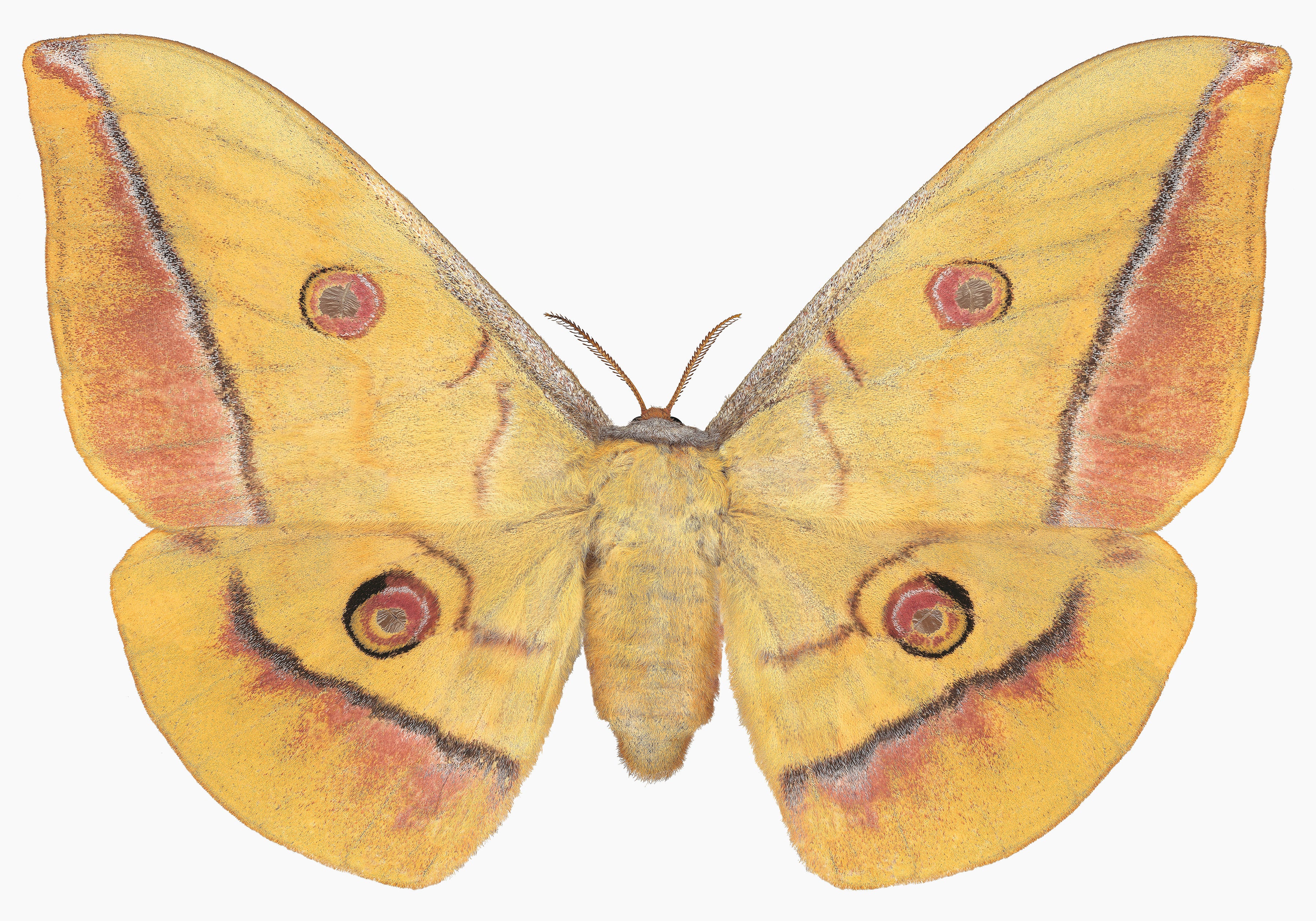

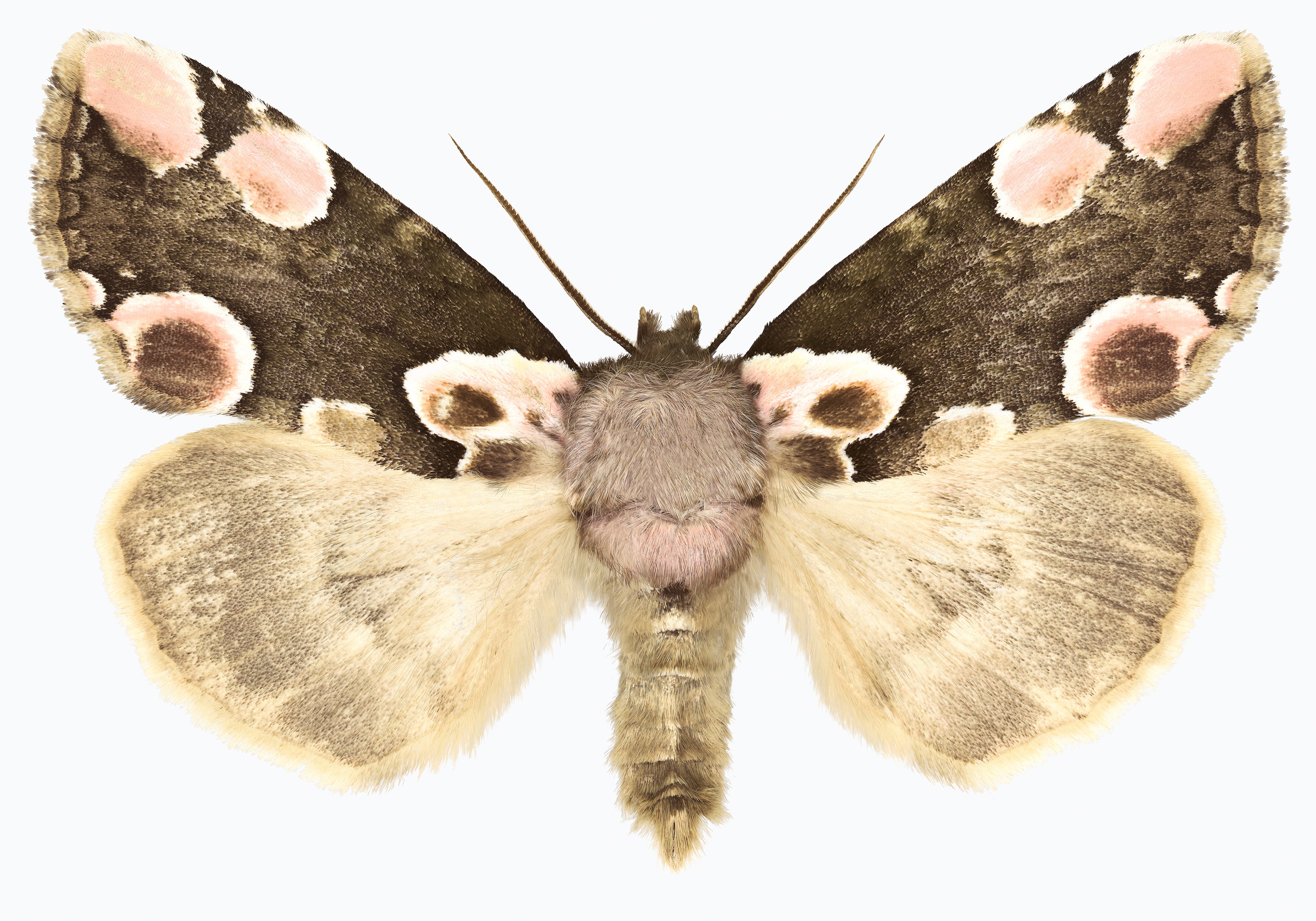
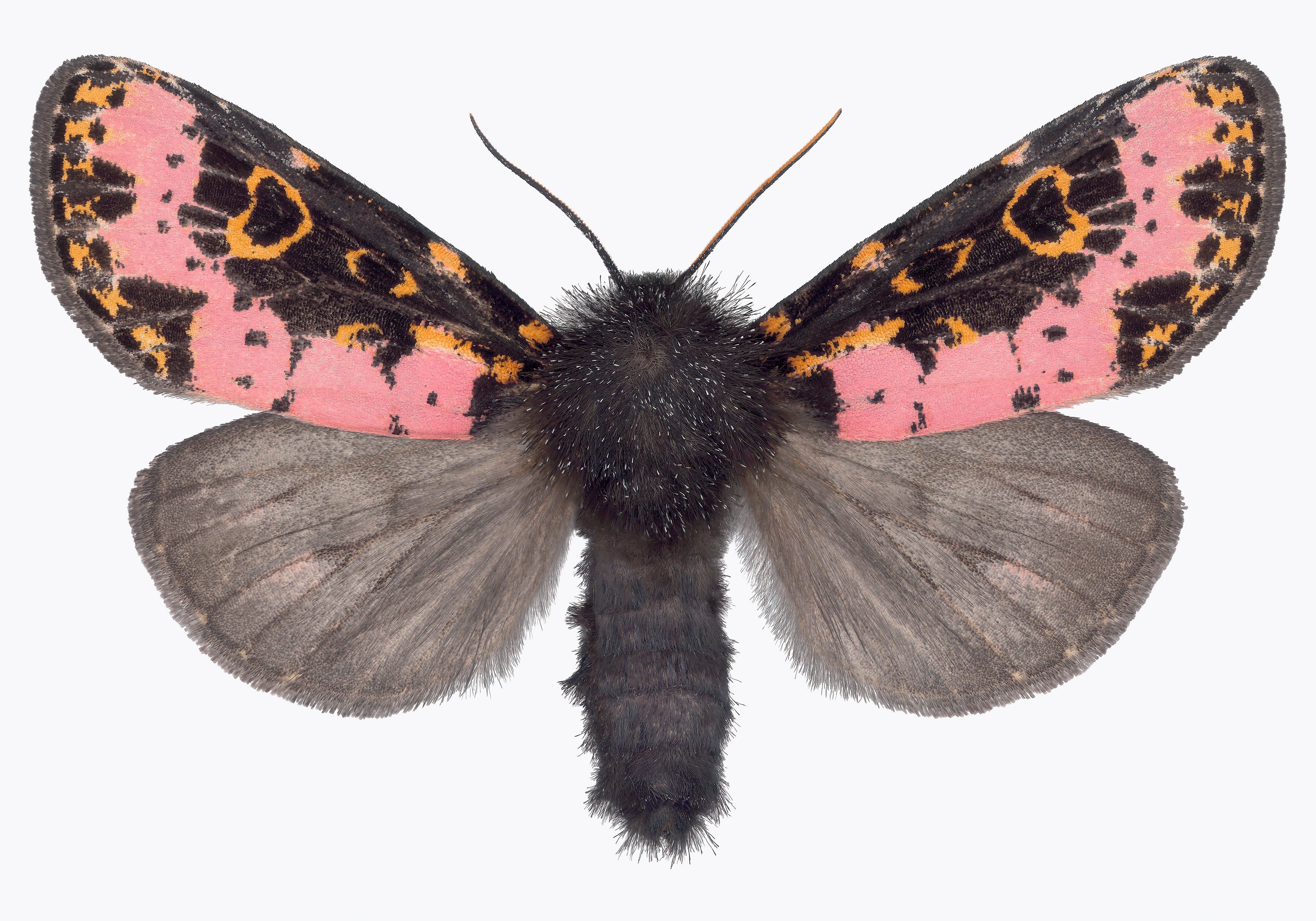
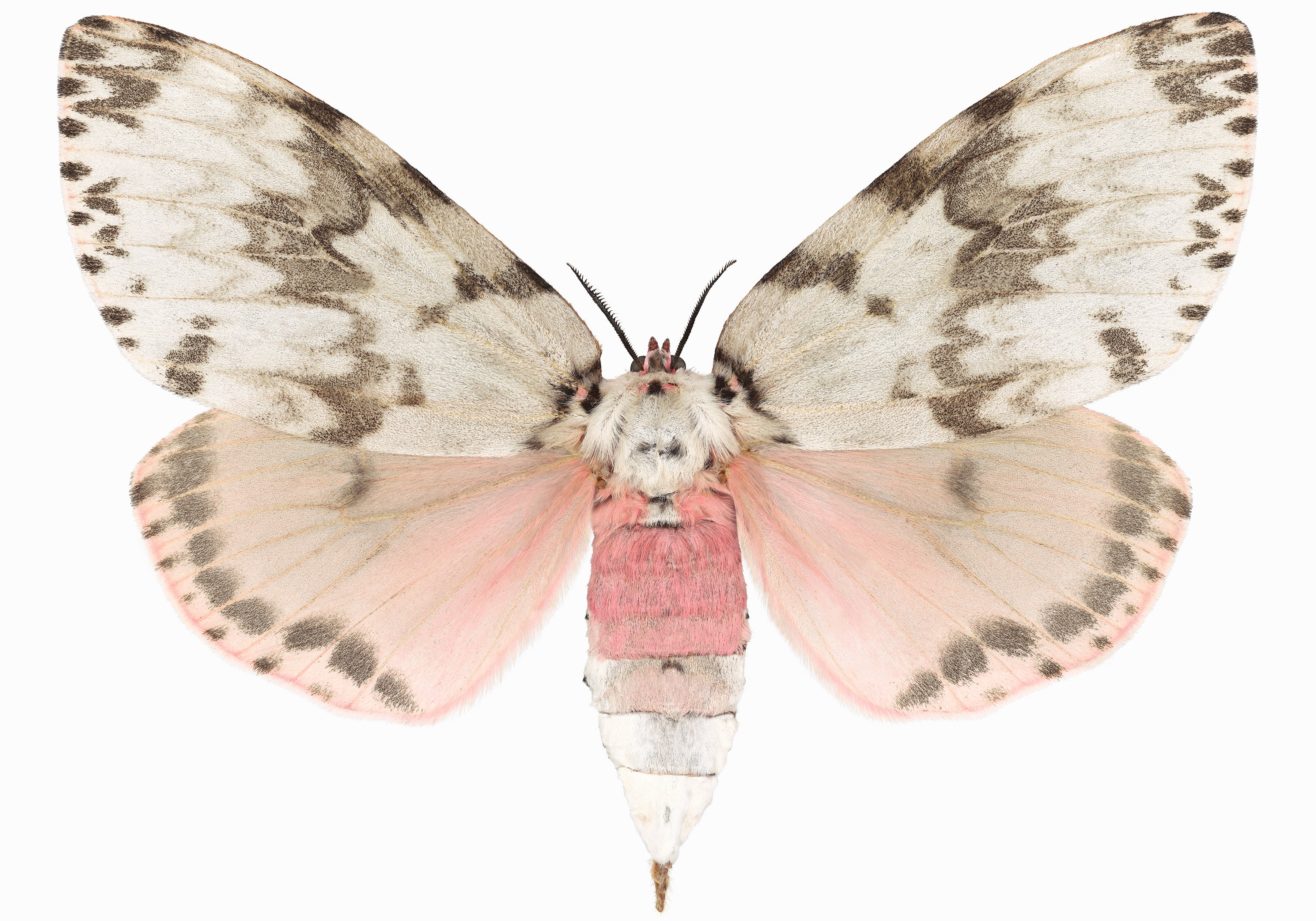
Want more images or videos?
Request additional images or videos from the seller.
Joseph ScheerArctia Caja Manchuria - Insect Photograph Black Orange Ivory Moth Spots, 20182018
2018
About the Item
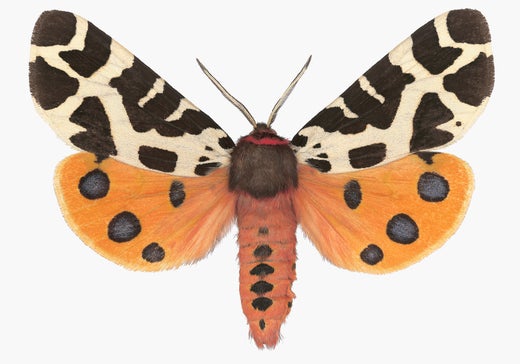
In this hyper-detailed archival pigment print on watercolor paper, an orange moth with black spots and a black and white pattern on the top half of its wings is dramatic against a solid white background.
Price shown is the unframed price. Please inquire with the gallery for framing cost. Edition of 12. Please inquire for edition number. Signed, dated, titled and numbered on recto.
To make his astounding prints, artist Joseph Scheer captures incredibly detailed images of moths with a scanner originally designed for film and transparencies. The tiny micro moths are as small as .25 inch and the giant Silkmoths have wingspans up to 5 inches. Using a special scanner that has a programmable focus for different depths of field, he scans each specimen between 7 and 40 times using different points of focus. Then he painstakingly reassembles them choosing only parts from the files that are in focus. The scanner records so much information—67 million data points per square inch—that a single specimen may take a full day to scan. The data files generated are huge: some of his many layered images are up to 10 Gigabytes before processing. With resolution that high, scans can be enlarged 2,700 percent and still be perfectly clear. Moths that in life rest comfortably on a fingertip dramatically occupy 32 x 44 inch (86 x 116 cm) archival art papers. Only by looking at the moth through a microscope could you see the tiny scales on the body and wings as clearly as they’re revealed in Scheer’s prints. At every step from scanner to monitor to printer, the artist keeps the actual specimen in front of him, constantly comparing his digital representations to nature’s original. “Every moth requires hours of work,” he says. “Color correcting the scan, adjusting the printer so the final image truly matches the moth. It has to be perfect.”
Joseph Scheer is a Distinguished Professor of Print Media, and Director/Co-Founder of the Institute for Electronic Arts at the School of Art and Design at Alfred University.
- Creator:Joseph Scheer (1958, American)
- Creation Year:2018
- Dimensions:Height: 32 in (81.28 cm)Width: 44 in (111.76 cm)
- More Editions & Sizes:Edition of 12Price: $2,000
- Medium:
- Movement & Style:
- Period:
- Framing:Framing Options Available
- Condition:
- Gallery Location:Kent, CT
- Reference Number:1stDibs: LU19718562482
Joseph Scheer
Joseph Scheer is the Professor of Print Media and the Co-Director/Founder of The Institute of Electronic Arts at Alfred University. He earned his B.F.A. from Alfred University and M.F.A and M.A. degrees from the University of New Mexico. "His large scale works challenge notions about the intrinsic relationship between the external natural landscape and the internal psychic landscape." [1] Scheer writes of his work: "My artwork of the last decade has been a continuing dialog with the natural sciences. My hope is that the work explores the inherent basis of the human need for nature. This need was coined biophilia by E.O. Wilson. Wilson defines biophilia as the innately emotional affiliation of human beings to other living things. I believe that we live in a time in which it is highly critical to promote our respect for, and redefine the delicate relationship to, the many living things on our planet. I have chosen moths to study and create work from because of their diversity (approx. 14,000 species found in the United States) and their rich mythology in history. They are also a family of insects that most people know so little about, both visually and environmentally. A goal of my artwork is to bring this information to a diverse audience who may not normally be aware of, or come in contact with the beauty and diversity of moths.
I started with the insect pieces as collages, but I soon stripped them of that kind of formal complexity and left the insects alone, arranged on a page. Digital scanning technology allows for the examination of the insects at a very high resolution. This creates an effect of hyper-real vision where it becomes possible to see structures of the insect that the naked eye cannot discern. This process results in the making of images that have their own inherent techno-visual qualities that differs from photography. There is an incredible reality that we are now able to see that reveals the beauty along with the monstrosity of moths with all their preposterous hair and scales. Their beauty becomes a totally different kind - a sort of repulsive, disquieting beauty. These images may be of insects half a centimeter long that become 3' by 4' when enlarged and printed." [2] "The Brooklyn Museum of Art, Brooklyn, New York and the National Museum of China, Beijing. The Regional Museum of Kristianstad Sweden and The Field Museum, Chicago, IL, He has published two books about his work; Night Visions, the Secret Designs of Moths , published by Prestel and Night Flyers , published by Nexus Press. His work has been written about in: National Geographic , the New York Times , Flaunt, ArtNews, Science, Nature, Forbes , US Air Attache', American Photo, DER SPIEGEL, The Chronicle for Higher Education and The Ganzfield ." [3]

Kenise Barnes Fine Art
4.9
Vetted Professional Seller
Every seller passes strict standards for authenticity and reliability
Established in 1994
1stDibs seller since 2013
177 sales on 1stDibs
Typical response time: 4 hours
- ShippingRetrieving quote...Shipping from: Hornell, NY
- Return Policy
Only orders placed on 1stDibs are protected if an item is damaged, isn't authentic, or isn't as described. Learn More