Want more images or videos?
Request additional images or videos from the seller
1 of 8

Frank Stella
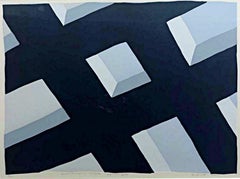
Luis Miguel Dominguin, from Aluminum Series, Lithograph & Silkscreen S/N, Framed

1970

$12,500
£9,564.83
€10,947.05
CA$17,653.29
A$19,186.10
CHF 10,282
MX$232,953.31
NOK 129,084.21
SEK 119,705.99
DKK 81,760.97

About the Item

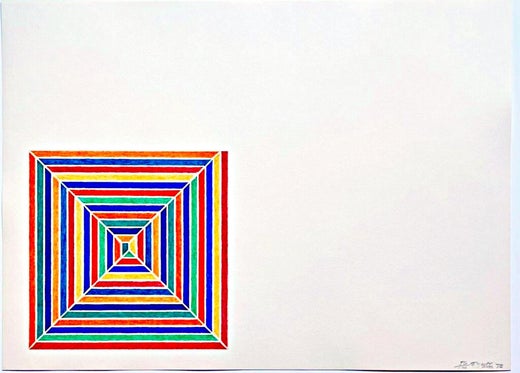
Elegantly framed and ready to hang! Frank Stella Luis Miguel Dominguin, from the Aluminum Series Lithograph and silkscreen in gray and silver on Special Arjomari paper Signed, dated '70 and numbered 59/75 in graphite pencil on the front bears the GEMINI GEL blind stamp recto Printed by Gemini G.E.L, Los Angeles and published by Gemini G.E.L, Los Angeles This work is elegantly floated and framed in a museum quality painted wood frame under UV plexiglass. Measurements: Framed: 18.25 inches (vertical) by 25.25 inches (horizontal) by 2 inches Artwork 16 inches (vertical) by 22 inches (horizontal) Catalogue Raisonne References: Axsom, Richard H. The Prints of Frank Stella: A Catalogue Raisonné. New York: Jordan Schnitzer Family Foundation, 2016. Listed and illustrated as catalogue raisonné no. 35. Gemini Gel: 210 The title references a Spanish bullfighter, part of a series where Stella used literary and glamorous allusions for his abstract works. Other examples of this edition are in the permanent collections of several museums, including the Whitney Museum of American Art and the Buffalo AKG Art Museum. More about Frank Stella's Aluminum Series: The Frank Stella Aluminum Series, created around 1970, is a significant body of work in the artist's career that bridges his early minimalist paintings with his later move into three-dimensional, shaped canvases and reliefs. The series exists both as paintings (begun earlier, around 1960) and as a portfolio of nine lithographs and silkscreens. Key Characteristics • Materiality: The works use aluminum as the surface material for the paintings, or as the title for the print series. The metallic appearance gave the works an industrial feel. • Geometric Abstraction: The series continues Stella's exploration of geometric forms and patterns, which had begun with his earlier Black Paintings. • Shaped Canvases/Forms: The Aluminum works, particularly the paintings, are known for their shaped canvases. These were often notched or cut into forms like L's, T's, or U's. The internal painted stripes often mirrored the external shape of the canvas, reinforcing the objecthood of the work. • Repetition and Logic: The compositions were governed by a systematic, internal logic. They often used repeated, parallel stripes separated by thin lines of unpainted surface. Stella used tape to ensure the regularity of the gaps in some of these works. • Printmaking Innovation: The Aluminum Series print portfolio, produced in collaboration with Gemini G.E.L., continued these aesthetic ideas in a different medium. Stella explored the possibilities of lithography and screenprinting to achieve varied textures and resolutions, translating the look of his paintings into print form. FRANK STELLA BIOGRAPHY Frank Stella was born in 1936 in Malden, Massachusetts. After attending high school at Phillips Academy in Andover, Massachusetts, he went on to Princeton University, where he painted and majored in history. Early visits to New York art galleries would prove to be an influence upon his artistic development. Stella moved to New York in 1958 after his graduation. Stella’s art was recognized for its innovations before he was twenty-five. In 1959, several of his paintings were included in Three Young Americans at the Allen Memorial Art Museum at Oberlin College, as well as in Sixteen Americans at the Museum of Modern Art in New York (1959–60). Stella joined dealer Leo Castelli’s stable of artists in 1959. In his early series, including the Black Paintings (1958–60), Aluminum Paintings (1960), and Copper Paintings (1960–61), Stella cast aside illusionistic space for the physicality of the flat surface and deviated from the traditional rectangular-shaped canvas. Stella married Barbara Rose, later a well-known art critic, in 1961. Stella’s Irregular Polygon canvases (1965–67) and Protractor series (1967–71) further extended the concept of the shaped canvas. Stella began his extended engagement with printmaking in the mid-1960s, working first with master printer Kenneth Tyler at Gemini G.E.L. In 1967, Stella designed the set and costumes for Scramble, a dance piece by Merce Cunningham. The Museum of Modern Art in New York presented a retrospective of Stella’s work in 1970. During the following decade, Stella introduced relief into his art, which he came to call “maximalist” painting for its sculptural qualities. Ironically, the paintings that had brought him fame before 1960 had eliminated all such depth. After introducing wood and other materials in the Polish Village series (1970–73), created in high relief, he began to use aluminum as the primary support for his paintings. As the 1970s and 1980s progressed, these became more elaborate and exuberant. Indeed, his earlier Minimalism became baroque, marked by curving forms, DayGlo colors, and scrawled brushstrokes. Similarly, his prints of these decades combined various printmaking and drawing techniques. In 1973, he had a print studio installed in his New York house. From the mid-1980s to the mid-1990s, Stella created a large body of work that responded in a general way to Herman Melville’s Moby Dick. During this time, the increasingly deep relief of Stella’s paintings gave way to full three-dimensionality, with sculptural forms derived from cones, pillars, French curves, waves, and decorative architectural elements. To create these works, the artist used collages or maquettes that were then enlarged and re-created with the aid of assistants, industrial metal cutters, and digital technologies. In the 1990s, Stella began making freestanding sculpture for public spaces and developing architectural projects. In 1992–93, for example, he created the entire decorative scheme for Toronto’s Princess of Wales Theatre, which includes a 10,000-square-foot mural. His 1993 proposal for a kunsthalle (arts center) and garden in Dresden did not come to fruition. His aluminum bandshell, inspired by a folding hat from Brazil, was built in downtown Miami in 1999. In 2001, a monumental Stella sculpture was installed outside the National Gallery of Art in Washington, D.C. Stella’s work was included in several important exhibitions that defined 1960s art, among them the Solomon R. Guggenheim Museum’s The Shaped Canvas (1964–65) and Systemic Painting (1966). His art has been the subject of several retrospectives in the United States, Europe, and Japan. Among the many honors he has received was an invitation from Harvard University to give the Charles Eliot Norton lectures in 1983–84. Calling for a rejuvenation of abstraction by achieving the depth of baroque painting, these six talks were published by Harvard University Press in 1986. -Courtesy Guggenheim
  • Creator:
    Frank Stella (1936, American)
  • Creation Year:
    1970
  • Dimensions:
    Height: 16 in (40.64 cm)Width: 22 in (55.88 cm)
  • Medium:
  • Movement & Style:
  • Period:
  • Condition:
    Excellent condition; ships framed.
  • Gallery Location:
    New York, NY
  • Reference Number:
    1stDibs: LU1745217331712

More From This Seller

View All
Silkscreen: Eight complementary squares w/ four rectangles Geometric Abstraction
Located in New York, NY
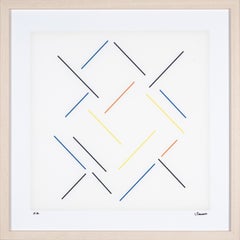
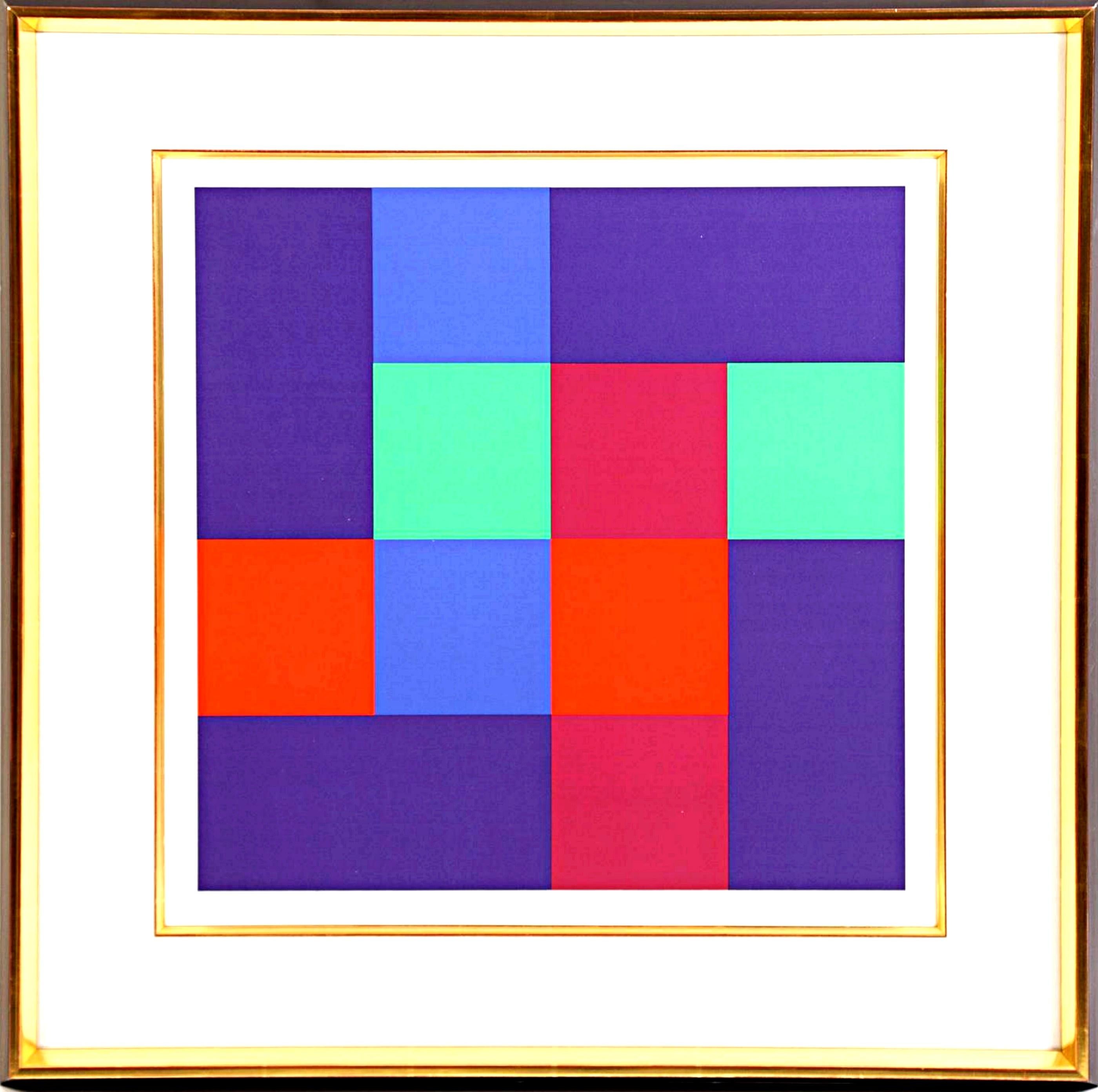
Richard Paul Lohse Group of eight complementary squares with four rectangles (Gruppe von acht komplementären Quadrat Mit vier Rechtecken), 1976 Colo...
Category

1970s Abstract Geometric Abstract Prints

Materials

Board, Screen

Geometric Abstraction Color field silkscreen signed Artists Proof, Museum Frame
By Ludwig Sander
Located in New York, NY
LUDWIG SANDER Untitled geometric abstraction Artists Proof, aside from the regular edition of 90 Hand signed and annotated AP on the front Elegantly matted and framed in white wood m...
Category

1970s Abstract Geometric Abstract Prints

Materials

Screen

Alfred Jensen, Duality Triumphant I, 1963 Signed/N, GE Art Collection, Framed
By Alfred Jensen
Located in New York, NY
Alfred Jensen Duality Triumphant I (Mid Century Modern Geometric Abstraction), 1963 Color Silkscreen on wove paper Pencil signed, dated, named and number 19/52 by Alfred Jensen on th...
Category

1960s Abstract Geometric Abstract Prints

Materials

Screen

Second Emergence, Perfect Pattern Of Life, geometric abstraction silkscreen s/N
Located in New York, NY
Tony Jannetti Second Emergence, Perfect Pattern Of Life, 1971 Silkscreen on wove paper with deckled edges Pencil signed, titled, dated and numbered 22/35 on...
Category

1970s Abstract Geometric Abstract Prints

Materials

Screen

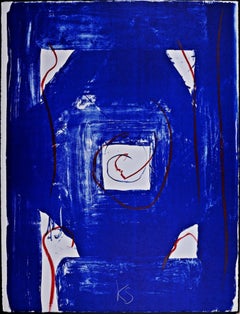
Kimber Smith, Abstract Expressionist Geometric Abstraction signed/n lithograph
By Kimber Smith
Located in New York, NY
KIMBER SMITH Untitled Abstract Expressionist Geometric Abstraction, 1967 Lithograph on Rives paper 25 × 19 3/5 inches Signed in silver...
Category

1960s Abstract Geometric Abstract Prints

Materials

Lithograph

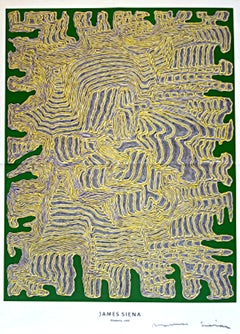
James Siena at PACE poster Hand signed by James Siena complex linear abstraction
By James Siena
Located in New York, NY
James Siena at PACE Gallery, 2019 Offset lithograph exhibition invitation (Hand signed by James Siena) 19 1/2 × 14 1/2 inches Unframed This exquisite fold...
Category

2010s Abstract Geometric Abstract Prints

Materials

Offset, Graphite, Pencil, Lithograph

You May Also Like

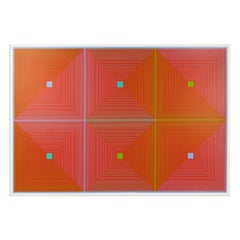
Richard Anuszkiewicz, Six Squares - Signed Screen Print from 1969, Op Art
By Richard Anuszkiewicz
Located in Hamburg, DE
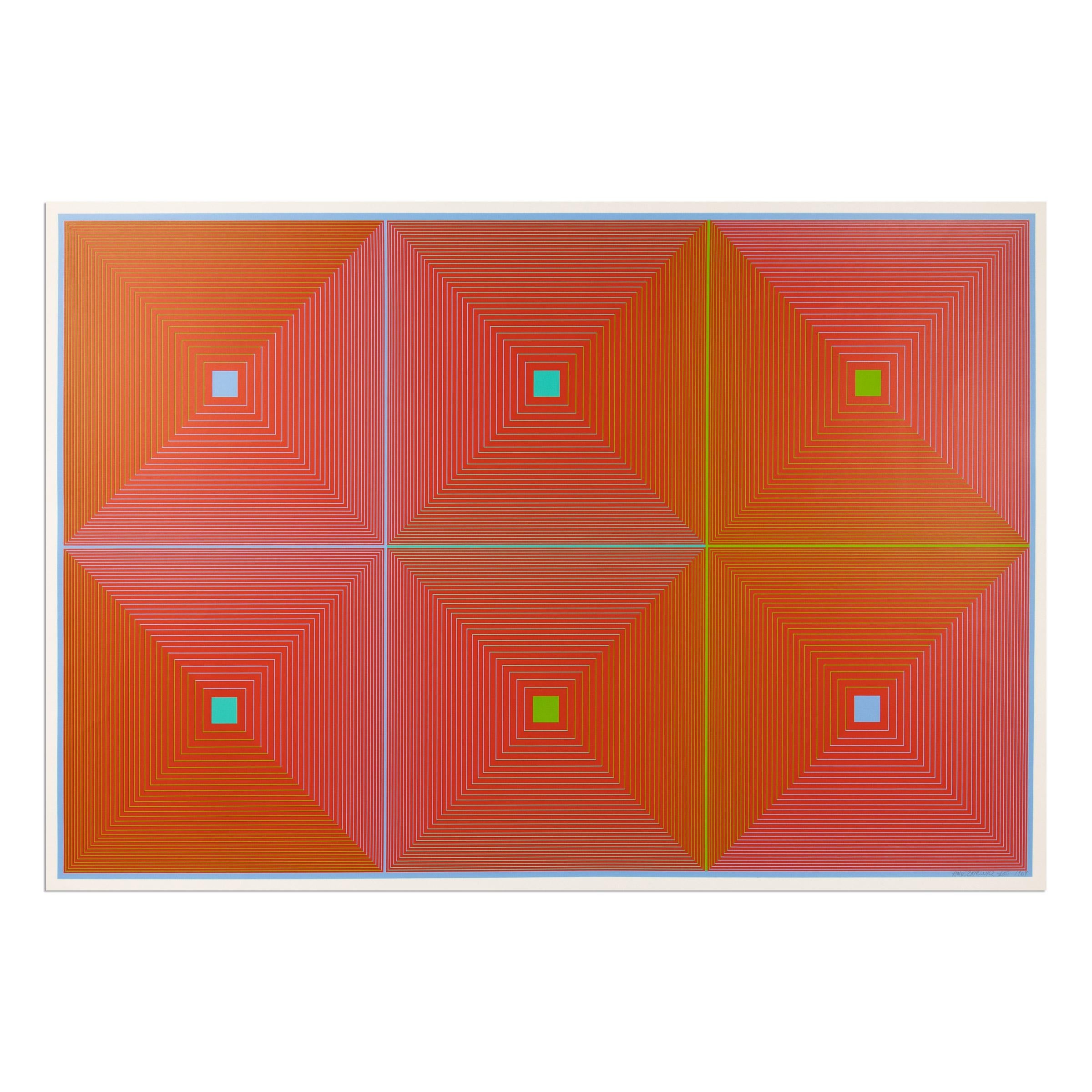
Richard Anuszkiewicz (American, 1930–2020) Six Squares, 1969 Medium: Screenprint on card Dimensions: 64 x 94 cm (25 x 37 in) Edition of 200: Hand-signed and numbered in pencil
Category

20th Century Abstract Geometric Abstract Prints

Materials

Screen

Untitled
By Geneviève Claisse
Located in Columbia, MO
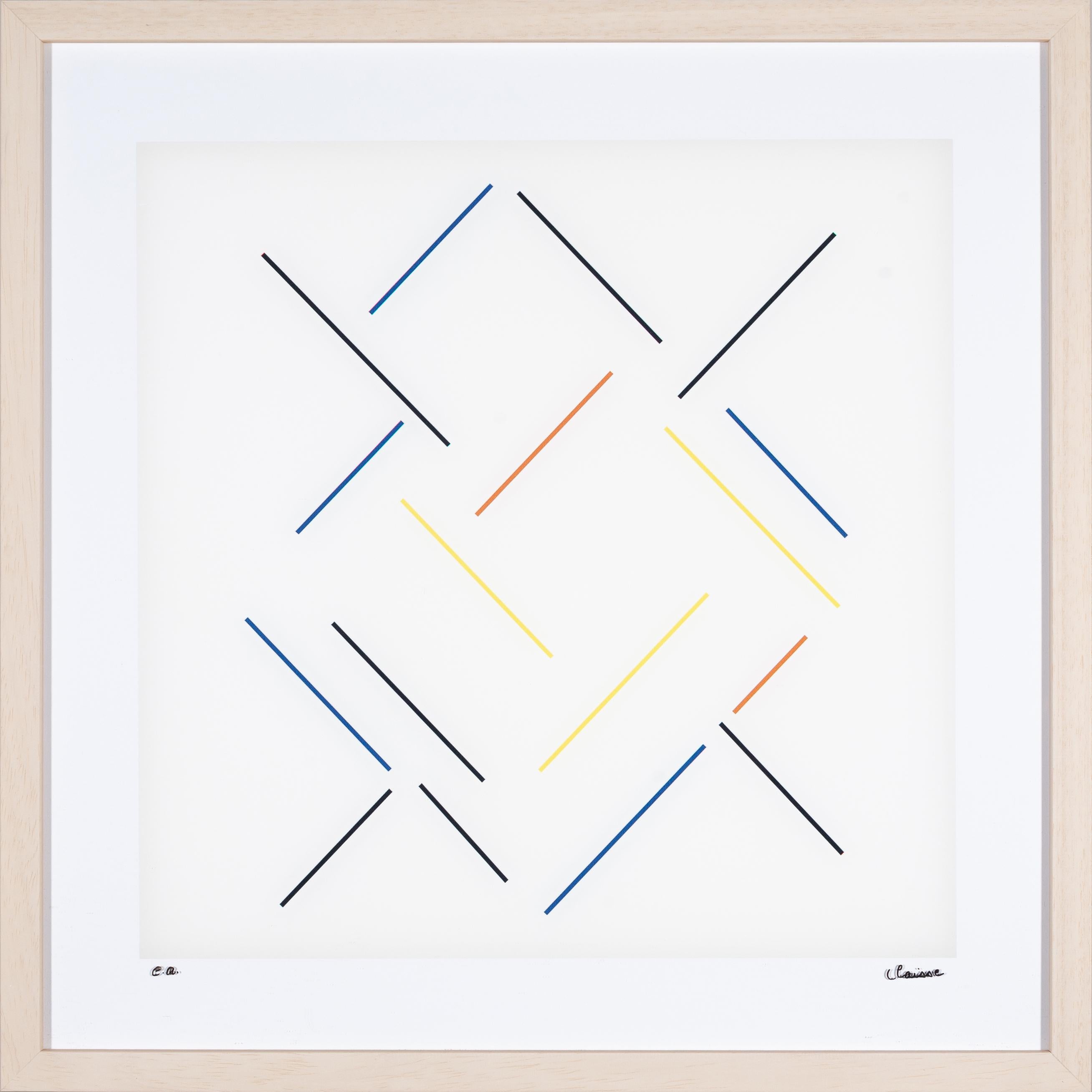
Untitled 2015 Color serigraph 15.75 x 15.75 inches Framed: 21 x 21 inches
Category

2010s Abstract Geometric Abstract Prints

Materials

Screen

Quilt or Persian Rug Serigraph Pattern and Decoration Feminist Lithograph Print
By Dee Shapiro
Located in Surfside, FL
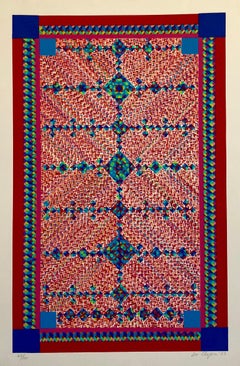
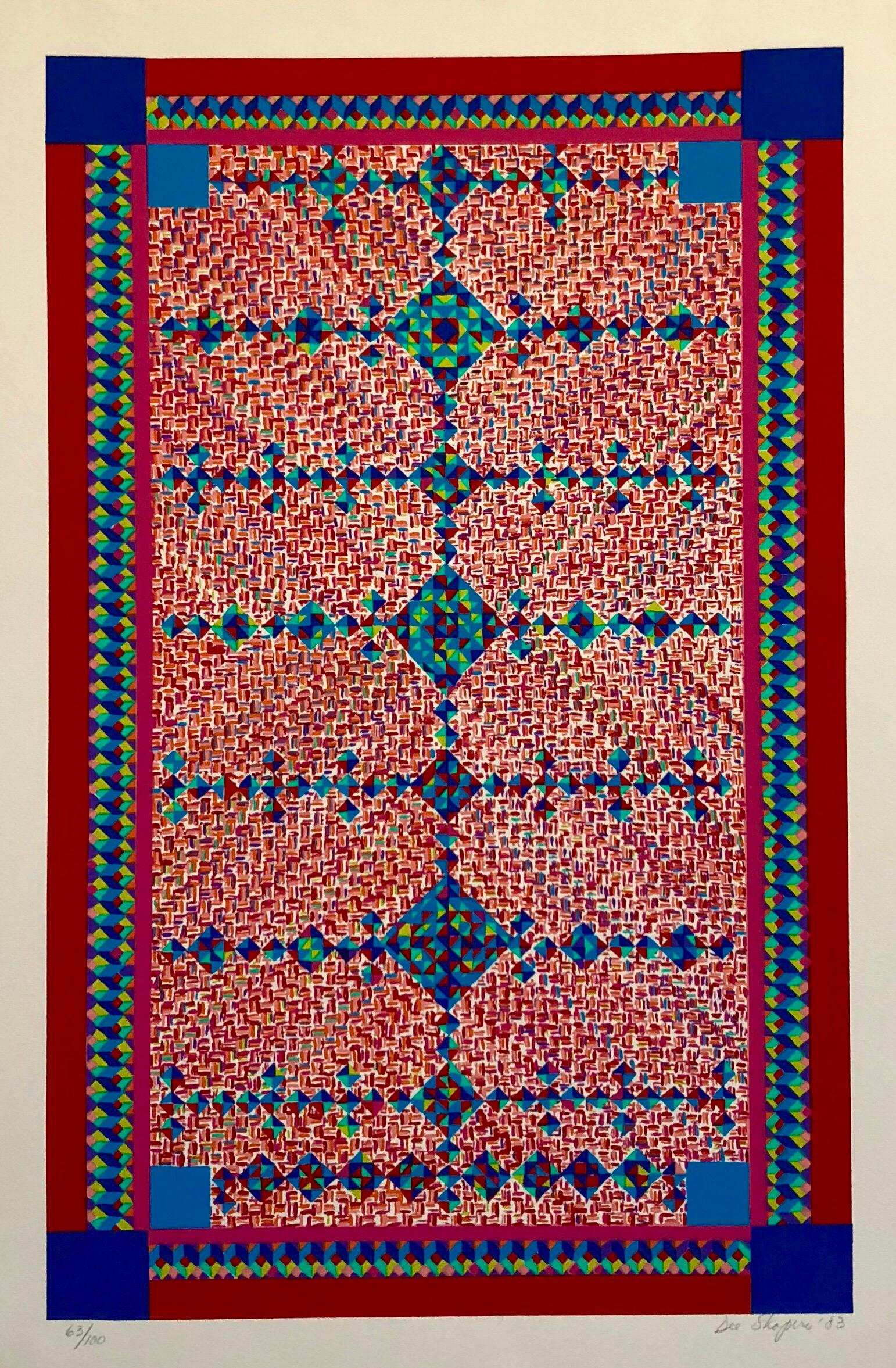
Dee Shapiro is a Contemporary American artist and writer associated with the Pattern and Decoration movement. I have seen this referred to as Hejaz. Dee Shapiro was inspired to be an Artist in her early years of education. Dee's career started in the 1970s as a pattern painter with her works of art included in the Pattern and Decoration at P.S. 1 (other artists included Mary Grigoriadis, Valerie Jaudon, Joyce Kozloff, Robert Kushner, Kim MacConnel, Miriam Schapiro, Betty Woodman, Robert Zakanitch.) She researched and explored the Fibonacci Progression in color on graph paper and also explored geometric complexity of architectural designs, leading her to create the small horizontal oil paintings of cities and landscapes. Dee Shapiro became a Yaddo fellow in 2017. Dee Shapiro obtained her bachelor's degree in 1958 and Master of Science in 1960 from Queens College, City University of New York. Dee Shapiro is an artist that sees the subject on a large scale, but what she creates is on a diminutive scale. Shapiro's strength is the ability to give expressive power on canvas that makes her work seem larger than they are. Dee Shapiro has been a teacher, lecturer, and writer through career. "I have been concerned with women’s issues most of my life. I have worked to enhance the position of women in society through supporting the work of women artists. As a contributor to Heresies Magazine and a founder of a women’s cooperative gallery as well as developing a body of work that references women’s work and more currently focuses on female sexual imagery, I identify with feminist matters and affairs." Group exhibitions 2018 The American Dream, Emden, Germany Solo exhibitions 2016 Art 101, Brooklyn, NY 2015 Andre Zarre Gallery, NYC 2015 Five Points Gallery, Torrington, CT 2012, 2010, 2009 Andre Zarre Gallery, NYC 2010 Norfolk Library, Norfolk, CT 2009 George Billis Gallery 2006 Harrison Street Gallery, Frenchtown, NJ 2004 The Mercy Gallery. Loomis Chafee, Windsor, CT. 2004,2002, 1998 Andre Zarre Gallery, NY C, National Arts Club, NYC 2000 Principle Gallery, Alexandria, VA 1998 Nassau County Museum of Fine Art, Roslyn, NY 1997 Andre Zarre Gallery, NYC 1996 North Winds, Port Washington, NY 1994, Andre Zarre Gallery, NYC 1984 Ana Sklar Gallery, Miami, FL 1983 Andre Zarre Gallery, NYC 1982 Everson Museum, Syracuse, NY, Andre Zarre Gallery, NYC 1981 Dubins Gallery, Los Angeles, CA, Zenith Gallery, Pittsburgh, PA 1980, 1976 Andre Zarre Gallery, NYC 1979 Gallery 700, Milwaukee, WI Andre Zarre GalleryNYC 1978 St. Mary's College, Notre Dame, IN 1977 University of Arkansas, Little Rock, AK 1975, 1973 Central Hall Gallery, Port Washington, NY, Nassau County Museum of Fine Art, Roslyn, NY Selected bibliography James Panero, Supreme Fiction The Hudson River School Revisited, March, 2010 Piri Halaz, From the Mayor’s Doorstep, April 2010 Steve Starger, Art New England, Dee Shapiro: “On The Horizontal,” Feb/Mar 2005 Maureen Mullarkey, The New York Sun,”The Last Time I Saw Cuba,” April 15, 2004 James Kalm, NY ARTS, International Edition, April 2000 Helen Harrison...
Category

1980s Abstract Geometric Abstract Prints

Materials

Screen

Quilt or Persian Rug Serigraph Pattern and Decoration Feminist Lithograph Print
By Dee Shapiro
Located in Surfside, FL
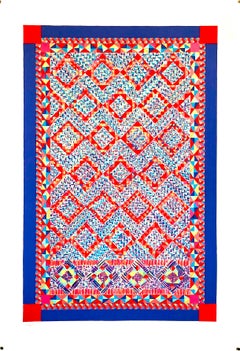
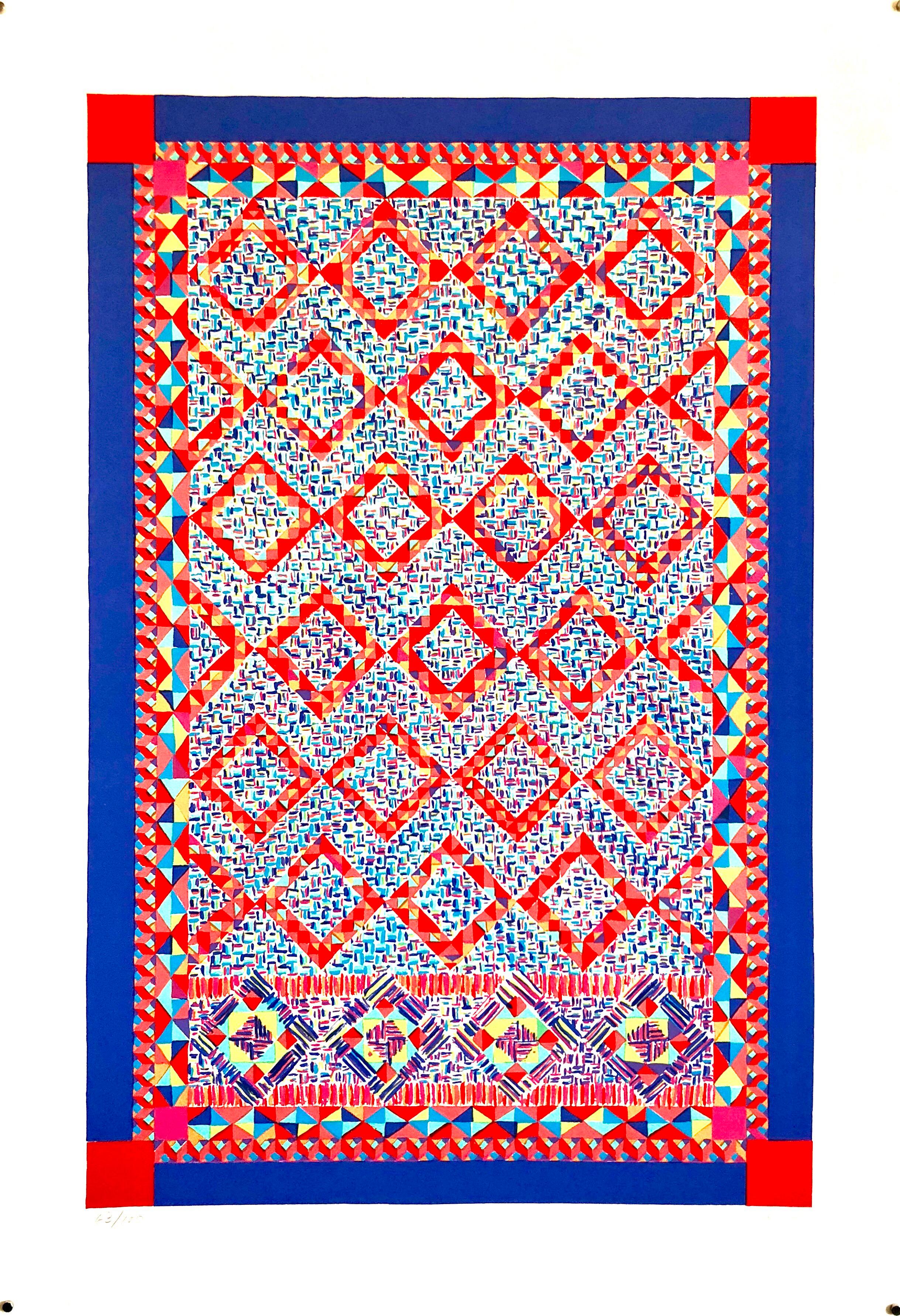
Dee Shapiro is a Contemporary American artist and writer associated with the Pattern and Decoration movement. I have seen this referred to as Hejaz. Dee Shapiro was inspired to be an Artist in her early years of education. Dee's career started in the 1970s as a pattern painter with her works of art included in the Pattern and Decoration at P.S. 1 (other artists included Mary Grigoriadis, Valerie Jaudon, Joyce Kozloff, Robert Kushner, Kim MacConnel, Miriam Schapiro, Betty Woodman, Robert Zakanitch.) She researched and explored the Fibonacci Progression in color on graph paper and also explored geometric complexity of architectural designs, leading her to create the small horizontal oil paintings of cities and landscapes. Dee Shapiro became a Yaddo fellow in 2017. Dee Shapiro obtained her bachelor's degree in 1958 and Master of Science in 1960 from Queens College, City University of New York. Dee Shapiro is an artist that sees the subject on a large scale, but what she creates is on a diminutive scale. Shapiro's strength is the ability to give expressive power on canvas that makes her work seem larger than they are. Dee Shapiro has been a teacher, lecturer, and writer through career. "I have been concerned with women’s issues most of my life. I have worked to enhance the position of women in society through supporting the work of women artists. As a contributor to Heresies Magazine and a founder of a women’s cooperative gallery as well as developing a body of work that references women’s work and more currently focuses on female sexual imagery, I identify with feminist matters and affairs." Group exhibitions 2018 The American Dream, Emden, Germany Solo exhibitions 2016 Art 101, Brooklyn, NY 2015 Andre Zarre Gallery, NYC 2015 Five Points Gallery, Torrington, CT 2012, 2010, 2009 Andre Zarre Gallery, NYC 2010 Norfolk Library, Norfolk, CT 2009 George Billis Gallery 2006 Harrison Street Gallery, Frenchtown, NJ 2004 The Mercy Gallery. Loomis Chafee, Windsor, CT. 2004,2002, 1998 Andre Zarre Gallery, NY C, National Arts Club, NYC 2000 Principle Gallery, Alexandria, VA 1998 Nassau County Museum of Fine Art, Roslyn, NY 1997 Andre Zarre Gallery, NYC 1996 North Winds, Port Washington, NY 1994, Andre Zarre Gallery, NYC 1984 Ana Sklar Gallery, Miami, FL 1983 Andre Zarre Gallery, NYC 1982 Everson Museum, Syracuse, NY, Andre Zarre Gallery, NYC 1981 Dubins Gallery, Los Angeles, CA, Zenith Gallery, Pittsburgh, PA 1980, 1976 Andre Zarre Gallery, NYC 1979 Gallery 700, Milwaukee, WI Andre Zarre GalleryNYC 1978 St. Mary's College, Notre Dame, IN 1977 University of Arkansas, Little Rock, AK 1975, 1973 Central Hall Gallery, Port Washington, NY, Nassau County Museum of Fine Art, Roslyn, NY Selected bibliography James Panero, Supreme Fiction The Hudson River School Revisited, March, 2010 Piri Halaz, From the Mayor’s Doorstep, April 2010 Steve Starger, Art New England, Dee Shapiro: “On The Horizontal,” Feb/Mar 2005 Maureen Mullarkey, The New York Sun,”The Last Time I Saw Cuba,” April 15, 2004 James Kalm, NY ARTS, International Edition, April 2000 Helen Harrison...
Category

1980s Abstract Geometric Abstract Prints

Materials

Screen

Hungarian Surrealism Pop Art Hebrew Silkscreen Judaica Print Jewish Serigraph
By Jozsef Jakovits
Located in Surfside, FL
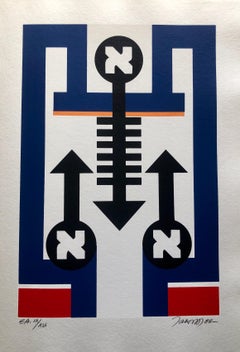
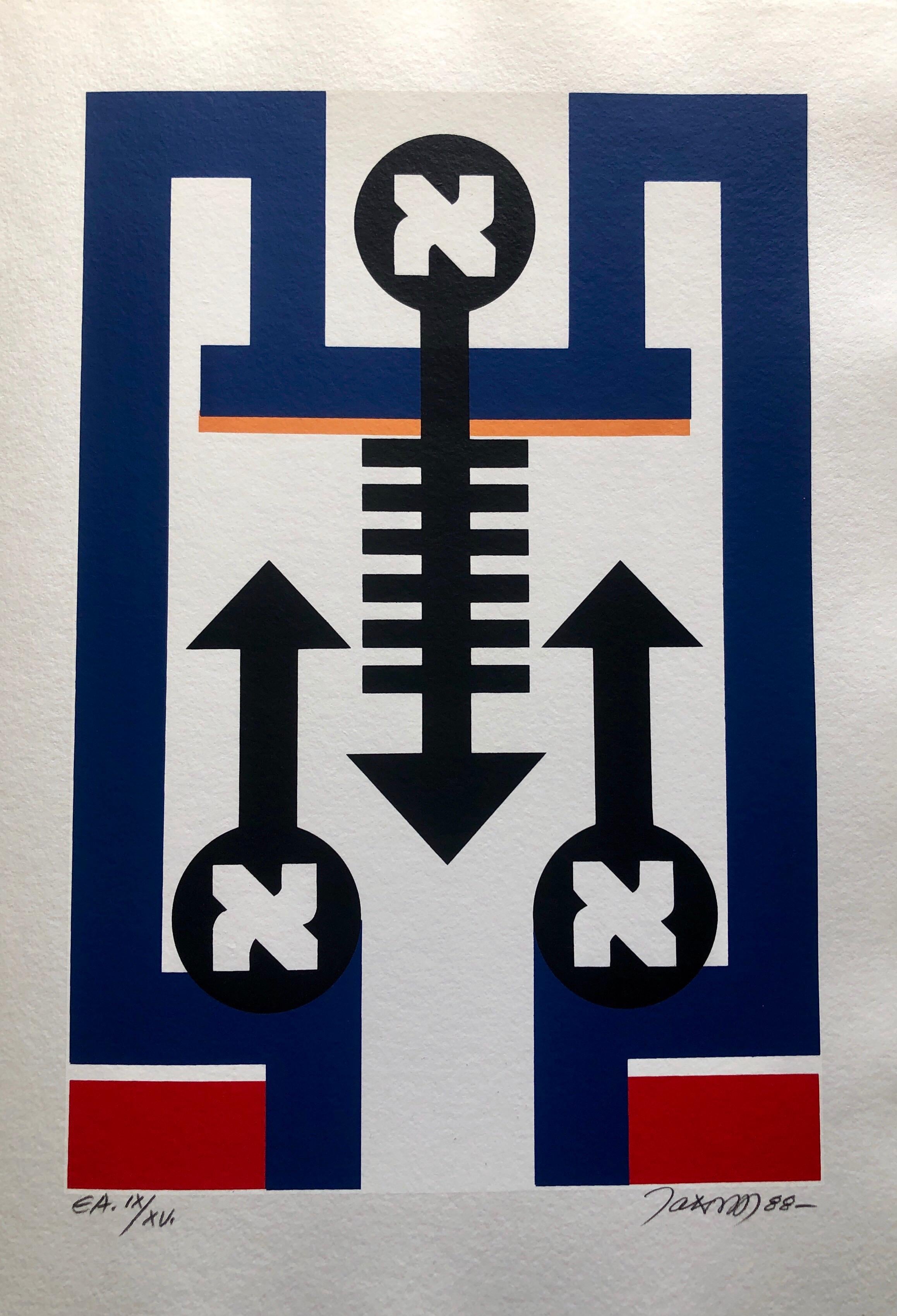
Abstract Hebrew Prints on heavy mould made paper from small edition of 15. there is a facing page of text in Hungarian folded over. Hard edged geometric abstract prints in color base...
Category

1980s Abstract Geometric Abstract Prints

Materials

Archival Paper, Screen

Hungarian Surrealist Abstract Hebrew Silkscreen Judaica Print Jewish Serigraph
By Jozsef Jakovits
Located in Surfside, FL
Abstract Hebrew Prints on heavy mould made paper from small edition of 15. there is a facing page of text in Hungarian folded over. Hard edged geometric abstract prints in color base...
Category

1980s Abstract Geometric Abstract Prints

Materials

Archival Paper, Screen