Items Similar to Gustav Klimt, Gastein, 1931 (after)
Want more images or videos?
Request additional images or videos from the seller
1 of 11
Gustav Klimt, Gastein, 1931 (after)1931
1931
$15,996
$19,99520% Off
£12,345.44
£15,431.8020% Off
€14,054.55
€17,568.1920% Off
CA$22,840.90
CA$28,551.1320% Off
A$24,912.47
A$31,140.5920% Off
CHF 13,126.75
CHF 16,408.4320% Off
MX$298,766.93
MX$373,458.6620% Off
NOK 165,282.47
NOK 206,603.0920% Off
SEK 154,205.20
SEK 192,756.5020% Off
DKK 104,962.68
DKK 131,203.3520% Off
About the Item
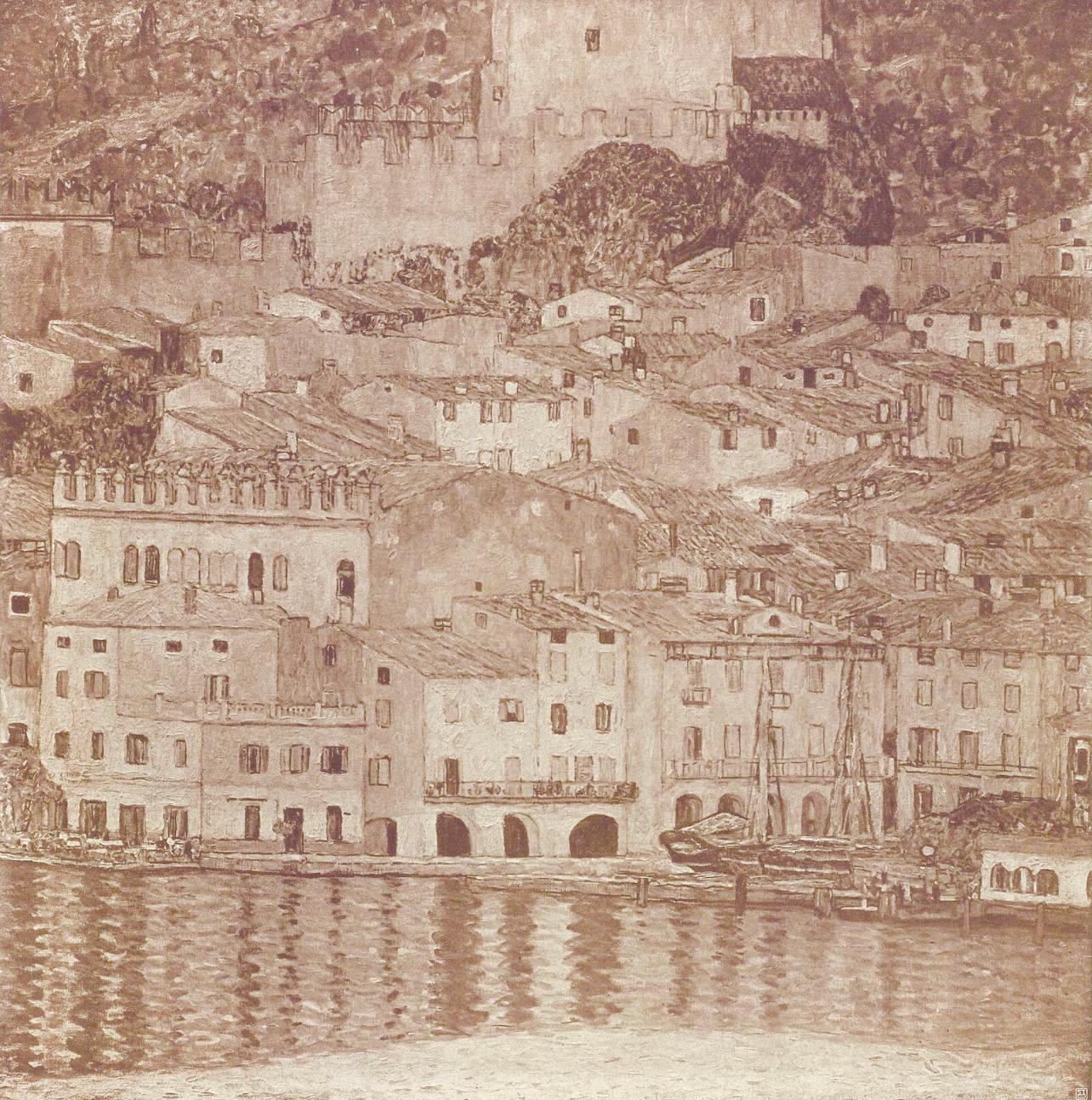
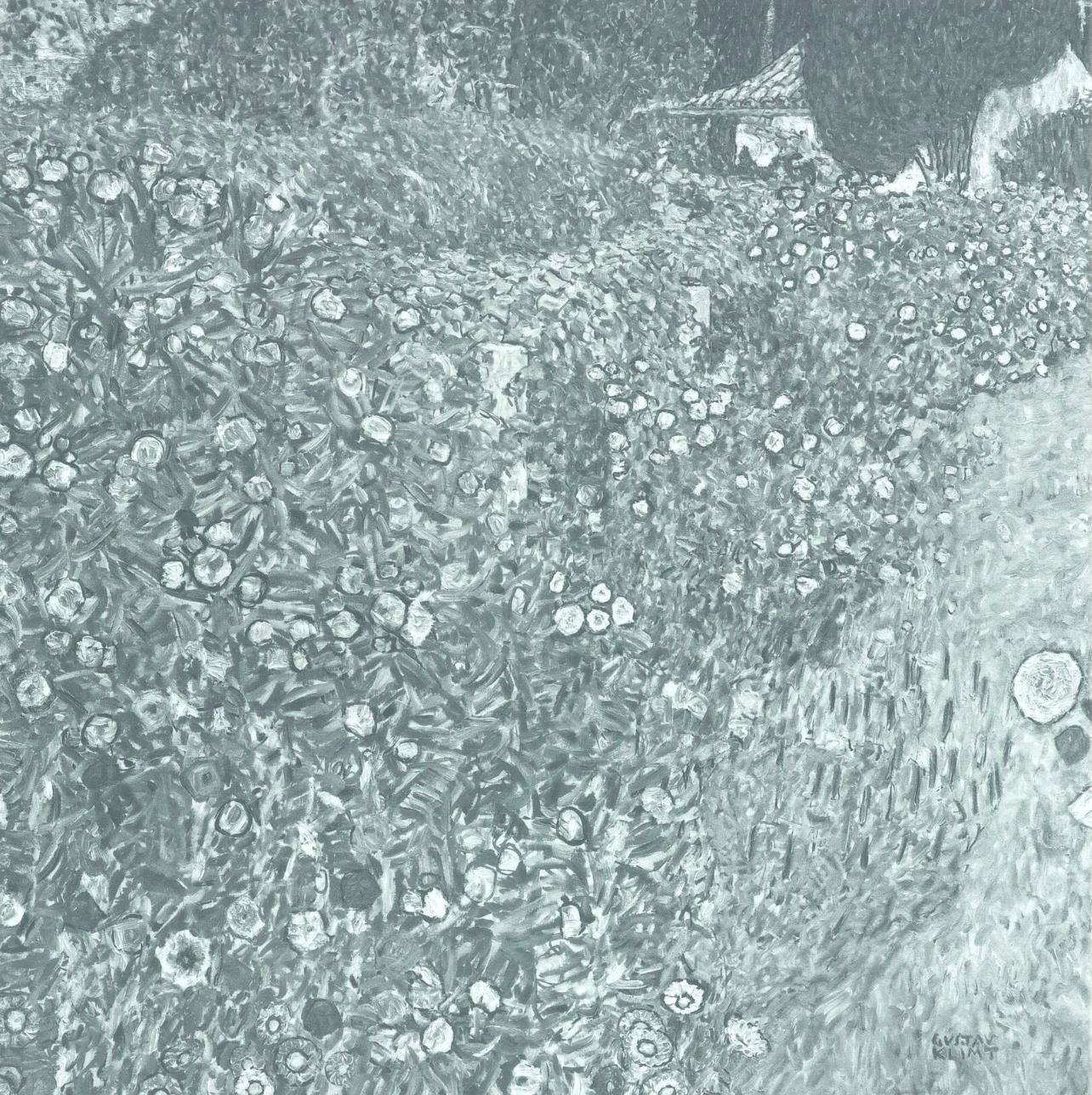
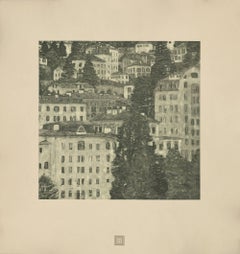
This exquisite heliogravure and collotype after Gustav Klimt (1862–1918), titled Gastein (Gastein), from the folio Gustav Klimt, Eine Nachlese (Gustav Klimt, A Posthumous Selection), originates from the 1931 edition published and printed by Osterreichische Staatsdruckerei (OeSD), Vienna, 1931. The work reflects the meticulous early twentieth-century efforts to preserve, interpret, and disseminate Klimts most beloved compositions through the highest standards of state-sponsored fine-art printmaking.
Executed as a heliogravure and collotype on velin paper, this work measures 18.86 x 17.91 inches overall (47.9 x 45.5 cm); 11.81 x 11.97 inches image size (30 x 30.4 cm). Signed in the plate and unnumbered as issued. The edition exemplifies the refined craftsmanship of Osterreichische Staatsdruckerei.
Artwork Details:
Artist: After Gustav Klimt (1862–1918)
Title: Gastein (Gastein), from the folio Gustav Klimt, Eine Nachlese (Gustav Klimt, A Posthumous Selection)
Medium: Heliogravure and collotype on velin paper
Dimensions: 18.86 x 17.91 inches overall (47.9 x 45.5 cm); 11.81 x 11.97 inches image size (30 x 30.4 cm)
Inscription: Signed in the plate and unnumbered as issued
Date: 1931
Publisher: Osterreichische Staatsdruckerei (OeSD), Vienna
Printer: Osterreichische Staatsdruckerei (OeSD), Vienna
Condition: Well preserved, consistent with age and medium
Provenance: From the folio Gustav Klimt, Eine Nachlese (Gustav Klimt, A Posthumous Selection), published and printed by Osterreichische Staatsdruckerei, Vienna, 1931
Notes:
Excerpted from the folio (translated from German), This folio was published in a single edition with D examples issued in the press, and including: CC examples in german, including XXX luxury examples (nos I-XXX) bound in gold leather; the others carry nos XXXI-CC; CL examples in French, including XX luxury examples (nos I-XX) bound in gold leather; the others carry nos XXI-CL; CL examples in English, including XX luxury examples (nos I-XX) bound in gold leather; the others carry nos XXI-CL. Translated by H. Bonnoront. Copyright, 1931 by Osterreichische Staatsdruckerei, Vienna.
About the Publication:
Gustav Klimt, Eine Nachlese (Gustav Klimt, A Posthumous Selection), published and printed in 1931 by Osterreichische Staatsdruckerei in Vienna, stands as one of the most important early efforts to codify and preserve Klimts artistic legacy in the form of fine art printmaking. Created thirteen years after Klimts death, the folio served both as a memorial tribute and as a comprehensive visual survey of his mature work, produced by the imperial state printing house renowned for its technical precision in heliogravure and collotype. Issued in three language editions—German, French, and English—with specially bound luxury examples, the publication successfully introduced Klimts art to a broad international audience at a time when his influence was rapidly expanding beyond Austria. The folio remains a landmark in early twentieth-century art publishing, reflecting the cultural ambition of interwar Vienna and the continued reverence for Klimts contribution to modernism.
About the Artist:
Gustav Klimt (1862–1918) was an Austrian painter and central force of the Vienna Secession whose revolutionary fusion of gold-leaf opulence, expressive symbolism, and psychological intensity reshaped modern art and positioned him as a foundational influence on later innovators such as Pablo Picasso, Alexander Calder, Alberto Giacometti, Salvador Dali, Joan Miro, Wassilly Kandinsky, Marcel Duchamp, and Man Ray; emerging from rigorous academic training and shaped by the mentorship of Hans Makart, Klimt evolved from a gifted history painter into the leading artistic visionary of fin-de-siecle Vienna, synthesizing Byzantine mosaics, Japanese ukiyo-e, Arts and Crafts design, and Symbolist literature into an unmistakable visual language defined by ornamental abstraction, sensual figuration, and metaphysical atmosphere, and as a founder of the Vienna Secession he championed artistic freedom, interdisciplinary collaboration, and the elevation of applied arts, with his partnerships with Josef Hoffmann, Koloman Moser, and the Wiener Werkstatte helping to define early modern design culture and positioning him as a guiding figure for European avant-gardes; his deeply intimate portraits—particularly of women—explored desire, identity, and interiority, while iconic works such as The Kiss epitomized his belief that ornament and emotion could be seamlessly united, and his influence shaped contemporaries including Egon Schiele and Oskar Kokoschka as well as later artists like Mark Rothko, Frida Kahlo, Yayoi Kusama, Kehinde Williams, and countless contemporary painters who draw from his lavish surfaces, symbolic depth, and experimental handling of pattern and form; today his masterpieces are held in major museums worldwide and remain among the most coveted works on the global market, with the highest auction price for a Gustav Klimt artwork being Dame mit Facher (Lady with a Fan), which sold for 108.4 million USD at Sothebys London on June 27, 2023.
Gastein Klimt Eine Nachlese 1931, Klimt OeSD, Klimt heliogravure collotype, Klimt collectible print.
- Creation Year:1931
- Dimensions:Height: 18.86 in (47.91 cm)Width: 17.91 in (45.5 cm)
- Medium:
- Movement & Style:
- After:Gustav Klimt (1862 - 1918, Austrian)
- Period:
- Condition:
- Gallery Location:Southampton, NY
- Reference Number:1stDibs: LU1465217221692
About the Seller
4.9
Platinum Seller
Premium sellers with a 4.7+ rating and 24-hour response times
Established in 1978
1stDibs seller since 2021
1,230 sales on 1stDibs
Typical response time: <1 hour
- ShippingRetrieving quote...Shipping from: Southampton, NY
- Return Policy
More From This Seller
View AllGustav Klimt, Malcesine, from The Work of Gustav Klimt, 1918 (after)
By Gustav Klimt
Located in Southampton, NY
This exquisite heliogravure and collotype after Gustav Klimt (1862–1918), titled Malcesine (Malcesine), from the folio Das Werk von Gustav Klimt (The Work of Gustav Klimt), originate...
Category
1910s Symbolist Figurative Prints
Materials
Lithograph

$23,996 Sale Price
20% Off
Free Shipping
Gustav Klimt, Italian Landscape, 1931 (after)
By Gustav Klimt
Located in Southampton, NY
This exquisite heliogravure and collotype after Gustav Klimt (1862–1918), titled Italienische Landschaft (Italian Landscape), from the folio Gustav Klimt, Eine Nachlese (Gustav Klimt...
Category
1930s Symbolist Figurative Prints
Materials
Lithograph
Gustav Klimt, Erwartung, 1931 (after)
By Gustav Klimt
Located in Southampton, NY
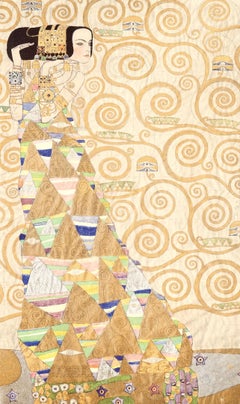
This exquisite heliogravure and collotype with metallic inks after Gustav Klimt (1862–1918), titled Erwartung (Expectation), from the folio Gustav Klimt, Eine Nachlese (Gustav Klimt,...
Category
1930s Symbolist Figurative Prints
Materials
Lithograph
Gustav Klimt, Brautzug, 1931 (after)
By Gustav Klimt
Located in Southampton, NY
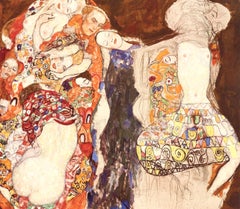
This exquisite heliogravure and collotype with metallic inks after Gustav Klimt (1862–1918), titled Brautzug (Bridal Procession), from the folio Gustav Klimt, Eine Nachlese (Gustav K...
Category
1930s Symbolist Figurative Prints
Materials
Lithograph
Gustav Klimt, Jurisprudence, 1931 (after)
By Gustav Klimt
Located in Southampton, NY
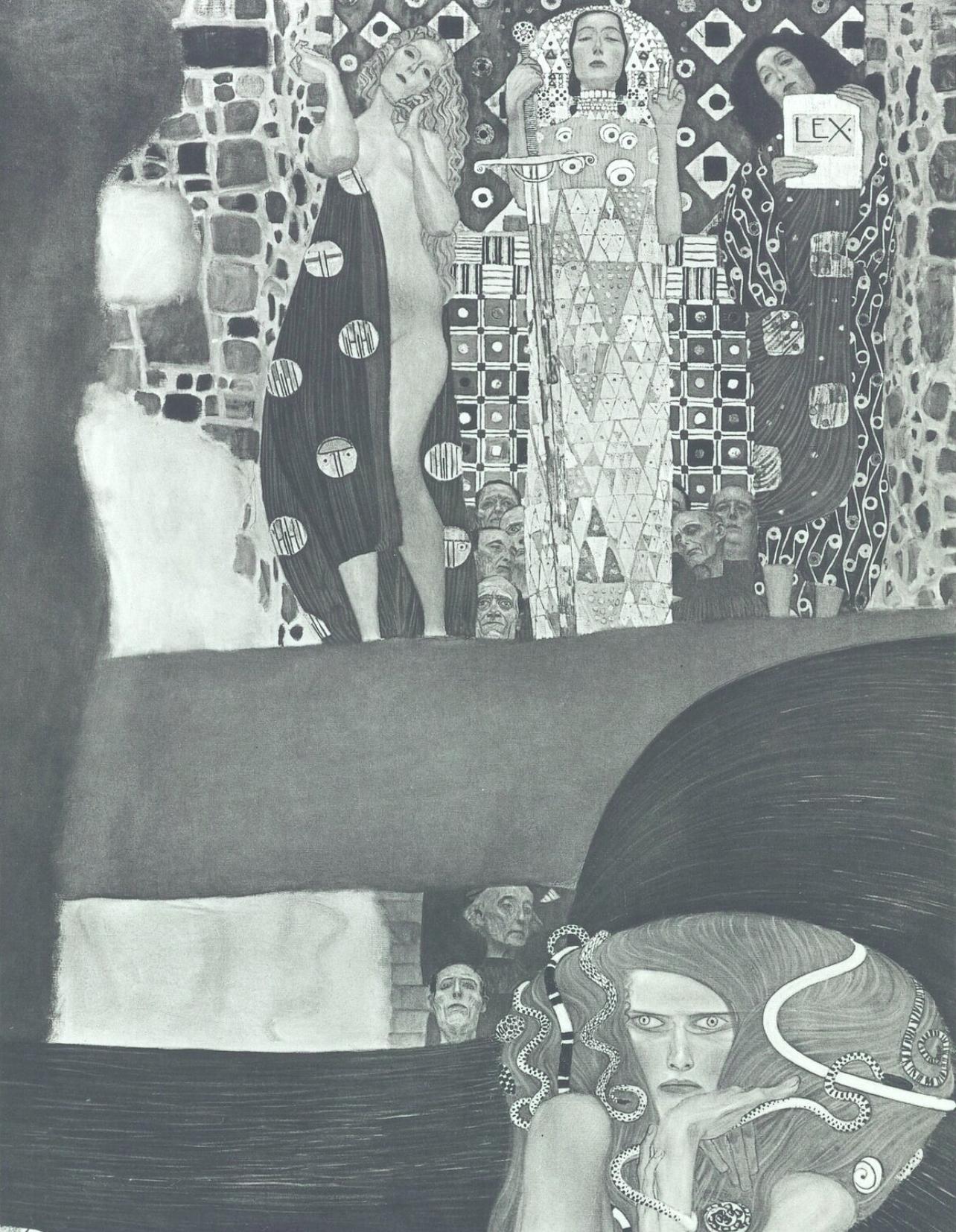
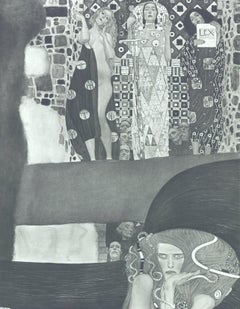
This exquisite heliogravure and collotype after Gustav Klimt (1862–1918), titled Die Jurisprudenz (Jurisprudence), from the folio Gustav Klimt, Eine Nachlese (Gustav Klimt, A Posthum...
Category
1930s Symbolist Figurative Prints
Materials
Lithograph
Gustav Klimt, Baby, 1931 (after)
By Gustav Klimt
Located in Southampton, NY
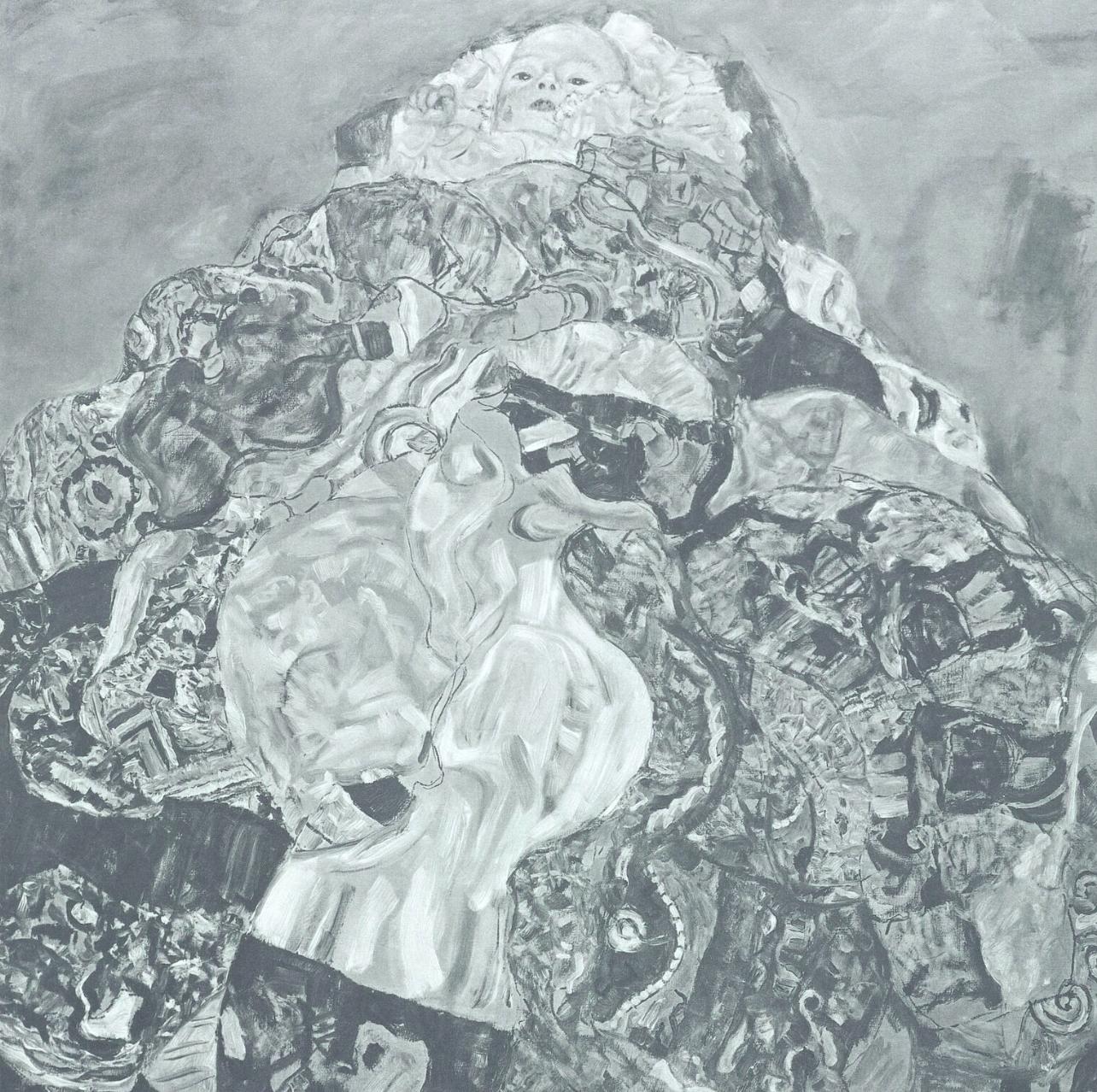
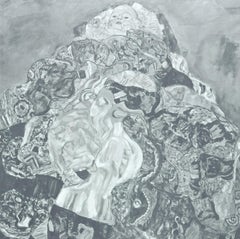
This exquisite heliogravure and collotype after Gustav Klimt (1862–1918), titled Baby (Baby), from the folio Gustav Klimt, Eine Nachlese (Gustav Klimt, A Posthumous Selection), origi...
Category
1930s Symbolist Figurative Prints
Materials
Lithograph
You May Also Like
Max Eisler Eine Nachlese folio "Gastein" collotype
By (after) Gustav Klimt
Located in Palm Beach, FL
After Gustav Klimt, Max Eisler Plate #21, Gastein; grey-green monochrome collotype after the 1917 painting in oil on canvas. Original destroyed by fire May 1945.
GUSTAV KLIMT EINE NACHLESE (GUSTAV KLIMT AN AFTERMATH), a portfolio of 30 collotypes prints, 15 are multi-color and 15 are monochrome, on chine colle paper laid down on heavy cream-wove paper with deckled edges; Max Eisler, Editor-Publisher; Osterreichischer Staatsdruckerei (Austrian State Printing Office), Printer; in a limited edition of 500 numbered examples of which: 200 were printed in German, 150 were printed in French and 150 were printed in English; Vienna, 1931.
2018 marks the 100th anniversary of Gustav Klimt’s death. It is a fitting time to reflect upon the enduring legacy and deep impact of his art. Recognizing this need for posterity with uncanny foresight, the publication of Gustav Klimt: An Aftermath (Eine Nachlese) provides a rare collection of work after Klimt which has proven to be an indispensable tool for Klimt scholarship as well as a source for pure visual delight.
Approximately 25 percent of the original works featured in the Aftermath portfolio have since been lost. Of those 30, six were destroyed by fire on 8 May 1945. On that fateful final day of WWII, the retreating Feldherrnhalle, a tank division of the German Army, set fire to the Schloss Immendorf which was a 16th century castle in Lower Austria used between 1942-1945 to store objects of art. All three of Klimt’s Faculty Paintings: Philosophy, Medicine and Jurisprudence (1900-1907), originally created for the University of Vienna, were on premises at that time. Also among the inventory of Klimt paintings in storage there was art which had been confiscated by the Nazis. One of the most significant confiscated collections was the Lederer collection which featured many works by Gustav Klimt such as Girlfriends II and Garden Path with Chickens. In many instances, Aftermath is our only link to these lost treasures.
Max Eisler (1881-1937), the publisher of the 1931 Aftermath portfolio, was an art historian at Vienna University specializing in modern and contemporary arts and crafts whose 1920 book on Klimt was the first Klimt monograph. He saw An Aftermath as filling-in important gaps left by the earlier print portfolios which had only featured Klimt up to 1913 and which had glossed over major art projects such as the Tree of Life frieze for the Palais Stoclet. And whereas only 10 of the 50 prints from the earlier portfolios published by H.O. Miethke were made in intricate multi-color images, Eisler augmented the earlier format by featuring half of the 30 images in stunning multi-colored collotypes. Understanding the fragile nature of the collotype printing process also reinforces this project’s distinctive and exceptional characteristics. Fragile collotype plates can not be reused. As such, this necessitates the completion of a run on the first go and also dictates a limited production number. Printed by hand, the collotypes required deft handling by the printer, Osterreichische Staatsdruckerei. A complicated and lengthy process involving gelatin colloids mixed with dichromates, the creation of 16 color separation thin glass filters to achieve the light-sensitive internegative images which could faithfully capture all of the painting’s tonal gradations and colors, exposure to actinic light, and delicate chine collie papers which allowed for greater color saturation, the printer’s collaborative role in capturing and transmitting Klimt’s nuanced paint strokes is nothing short of remarkable.
The Österreichische Staatsdruckerei (Austrian State Printing Office), was the successor to the KK Hof -und Staatsdruckerei which was founded by Emperor Franz I in 1804 and whose collotype printing innovations of Klimt’s art...
Category
1930s Vienna Secession Landscape Prints
Materials
Paper
Sketch for a Frieze - Original Collotype Print - 1919
By (after) Gustav Klimt
Located in Roma, IT
Sketch for a Frieze is a vintage, beautiful, and rare collotype from “Gustav Klimt: Fünfundzwanzig Handzeichnungen”, a limited-edition collection of 25 monochrome and two-color collotypes after drawings by Gustav Klimt.
Published by Gilhofer and Ranschburg, Vienna, July 1919, just one year after Klimt...
Category
1910s Modern Portrait Prints
Materials
Black and White
Sketched Portrait - 1910s - Original Collotype Print by Gustav Klimt
By (after) Gustav Klimt
Located in Roma, IT
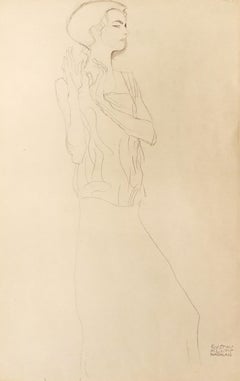
Sketched Portrait is a vintage, beautiful, and rare collotype from “Gustav Klimt: Fünfundzwanzig Handzeichnungen”, a limited-edition collection of 25 monochrome and two-color collotypes after drawings by Gustav Klimt.
Published by Gilhofer and Ranschburg, Vienna, July 1919, just one year after Klimt...
Category
1910s Modern Portrait Prints
Materials
Black and White
H.O. Miethke Das Werk folio "Malcesine on Lake Garda" collotype print
By Gustav Klimt & K.K. Hof-und Staatsdruckerei
Located in Palm Beach, FL
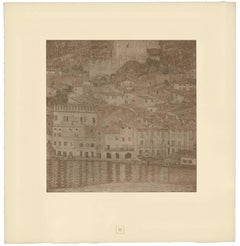
DAS WERK GUSTAV KLIMTS, a portfolio of 50 prints, ten of which are multicolor collotypes on chine colle paper laid down on hand-made heavy cream wove paper with deckled edges; under ...
Category
Early 1900s Vienna Secession Landscape Prints
Materials
Paper
Klimt - Etching by Mino Trafeli - 1980
Located in Roma, IT
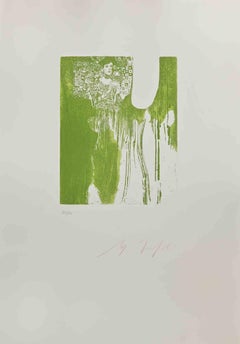
Etching, numbered and signed, by the Italian artist Mino Trafeli (Volterra, Italy 1922-2018).
This important print is dedicate to Gustav Klimt, made with...
Category
1980s Modern Figurative Prints
Materials
Paper, Etching
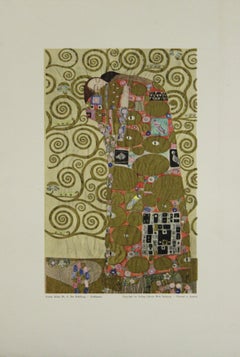
Fulfilment-Metallic Poster. Printed in Austria
By Gustav Klimt
Located in Chesterfield, MI
Poster. Measures 16 x 11 inches and is Unframed. Good/Fair Condition-signs of wear consistent with age and handling (please see secondary images for details).
Category
Late 20th Century Portrait Prints
Materials
Lithograph
$140 Sale Price
20% Off