Deciding where to buy vintage furniture can be challenging. So many options are available, including curated online marketplaces, general resale sites, estate sales, auctions, antiques malls and flea markets. The type of furniture you’re looking for can guide you. But you’ll also want to consider your budget and the extent of research and travel required.
Curated Online Marketplaces
One advantage of curated online marketplaces is that someone has already done part of the screening for you — all sellers, for example, go through a vetting process. In addition, listings include descriptions and photographs that document the condition of each piece. If you still have questions, you can ask for more information before you buy. On 1stDibs, for example, you can browse furniture from professional dealers and contact customer support if you have concerns about a piece’s authenticity or condition.
Filters can whittle down an immense selection by sorting pieces by era, style, material and price. For example, if you’re considering where to buy vintage mid-century modern furniture, you can search for pieces by decade or designer. Start with the 1stDibs Vintage Furniture Collection, or explore the seller directory.
General Online Resale (Facebook Marketplace, Craigslist, eBay)
Facebook Marketplace, Craigslist and eBay offer a wide variety of options and legitimate bargains. But keep in mind that these platforms don’t follow a seller-vetting standard, and you’ll have to evaluate sellers’ trustworthiness and inspect each item’s condition. Arranging payment can be complicated if you don’t use the same method as the seller (PayPal vs. Venmo, for example), and you have to pick up your purchase or pay for shipping.
Online Estate Sales & Auctions
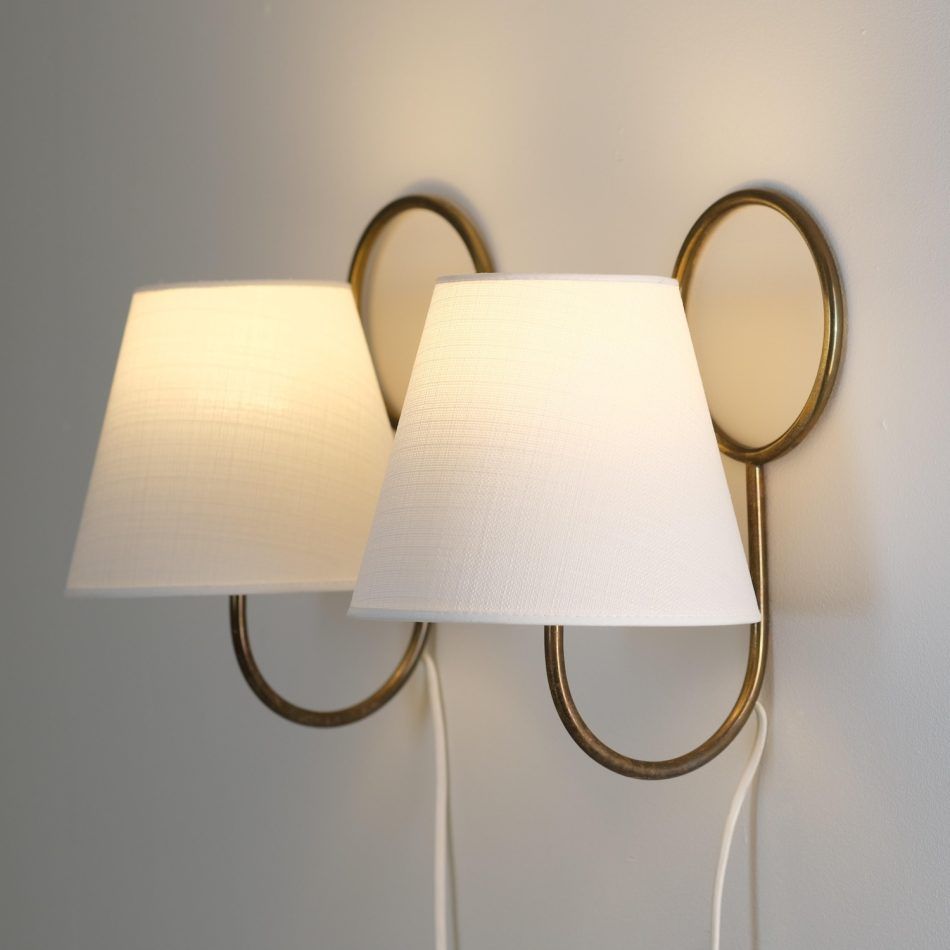
At online estate sales, you’ll find household items, including vintage and antique furniture, at fixed prices. They’re convenient if you’d rather not attend in person, and some are timed.
If you enjoy competitive bidding, you can often find unusual and collectible furniture at auction houses. Sellers often provide:
- The item’s history (provenance)
- Condition reports
- Official attributions (expert assessments of who made the piece)
Documentation virtually eliminates the guesswork for rare pieces. You can feel confident that you’re bidding on a real treasure rather than a clever reproduction.
Where Should You Buy Vintage Furniture Online?
Choose your option according to what matters most for your purchase.
| Option | Best for | Pros | Cons |
| Curated marketplaces | High-quality investment pieces | Vetted sellers, authentication support | Premium pricing |
| Resale marketplaces | Budget finds | Low prices | Higher risk |
| Auction sites | Rare collectibles | Provenance information | Competitive bidding |
| Estate sale platforms | Local deals | Unique inventory | Pickup and logistics |
In-Person Places to Buy Vintage Furniture
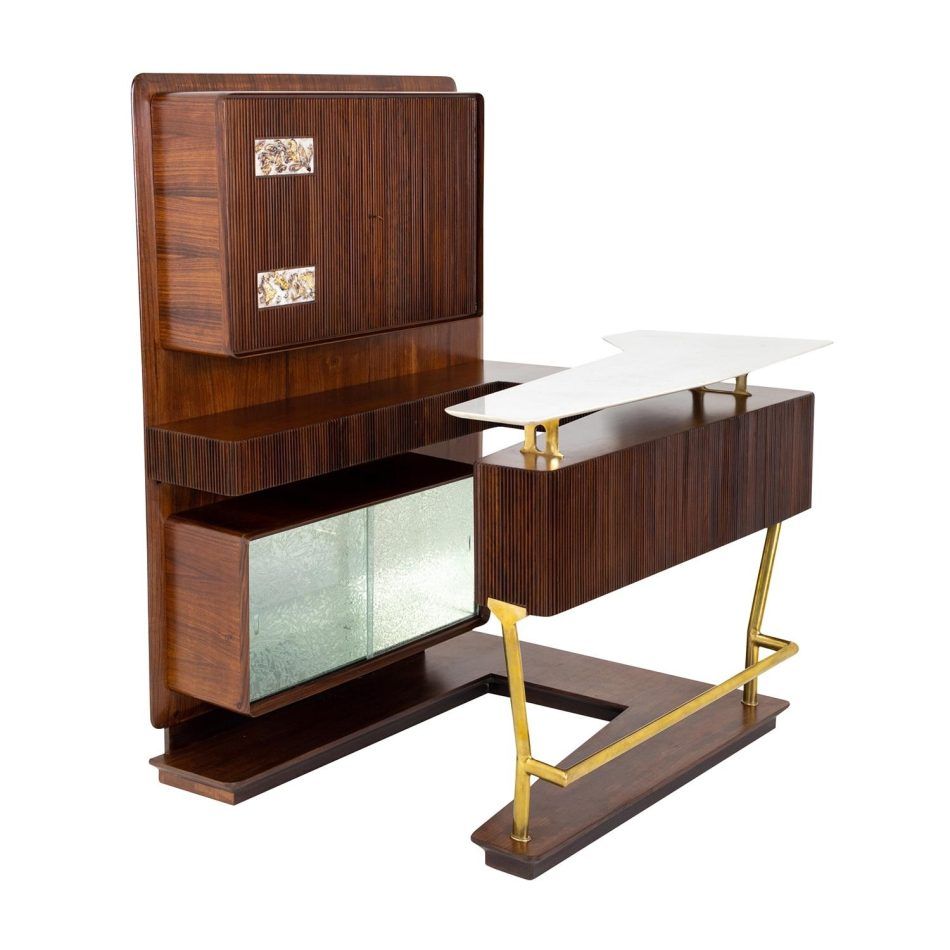
In-person shopping lets you inspect your favorite pieces before committing to buying. But there’s a catch.
Antiques Malls & Multi-Dealer Shops
Antiques malls and multi-dealer shops feature several independent-dealer booths inside one shared space. They offer enormous variety, and they’re convenient for buying vintage furniture locally. However, curation varies between booths, and no single quality or authenticity standard covers every seller.
Flea Markets & Vintage Fairs
If you enjoy treasure hunting, you’ll find that flea markets and vintage fairs often offer lower prices. But you probably won’t receive an authenticity guarantee, and you’ll have to arrange transportation. Bring a tape measure and photos of the room you’re furnishing so you can check fit and style before negotiating.
Why Shop a Vetted Marketplace Like 1stDibs
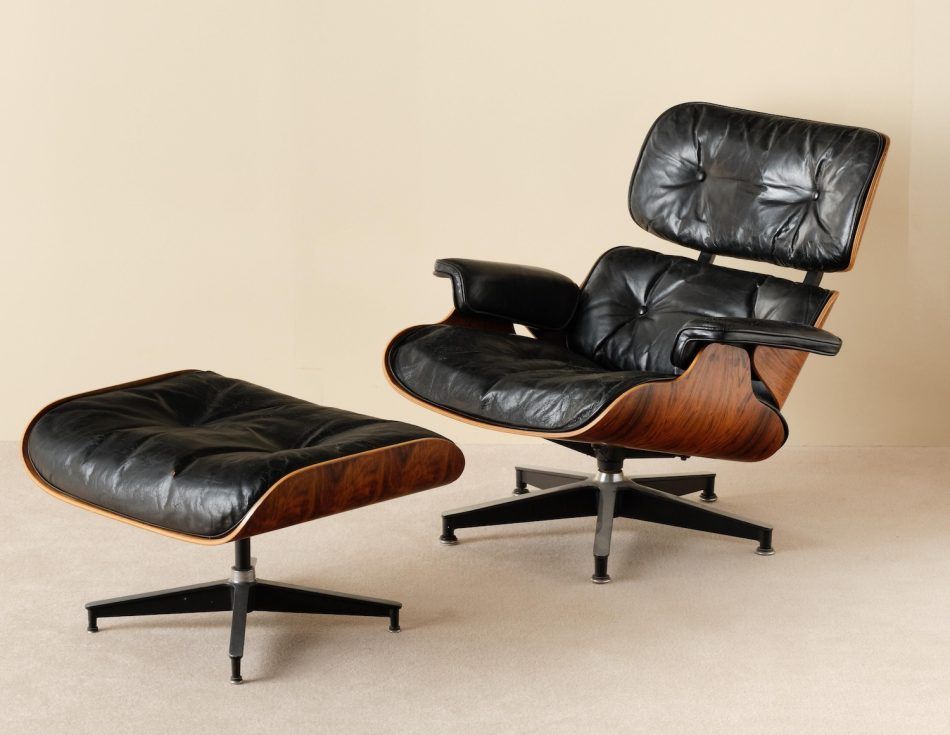
1stDibs accepts only professional sellers who are reviewed by our in-house experts; we don’t allow consumer-to-consumer listings. The 1stDibs Promise offers several purchase protections.
Our Authenticity Guarantee covers eligible claims about the creator, material, time period and technique described in a listing for up to one year after purchase. Buyers need documentation to support a claim, and a $100,000 cap applies.
The Money-Back Guarantee covers other situations, such as items that differ significantly from their descriptions, arrive damaged or don’t arrive. Buyers generally need to report those issues within seven days.
The Price-Match Guarantee applies if a seller advertises the same item elsewhere at a lower list price, and the buyer contacts support within seven days of purchase.
Interior design firms can join the Trade 1st Program at no cost to earn loyalty points and tier-based benefits.
What to Check Before You Buy
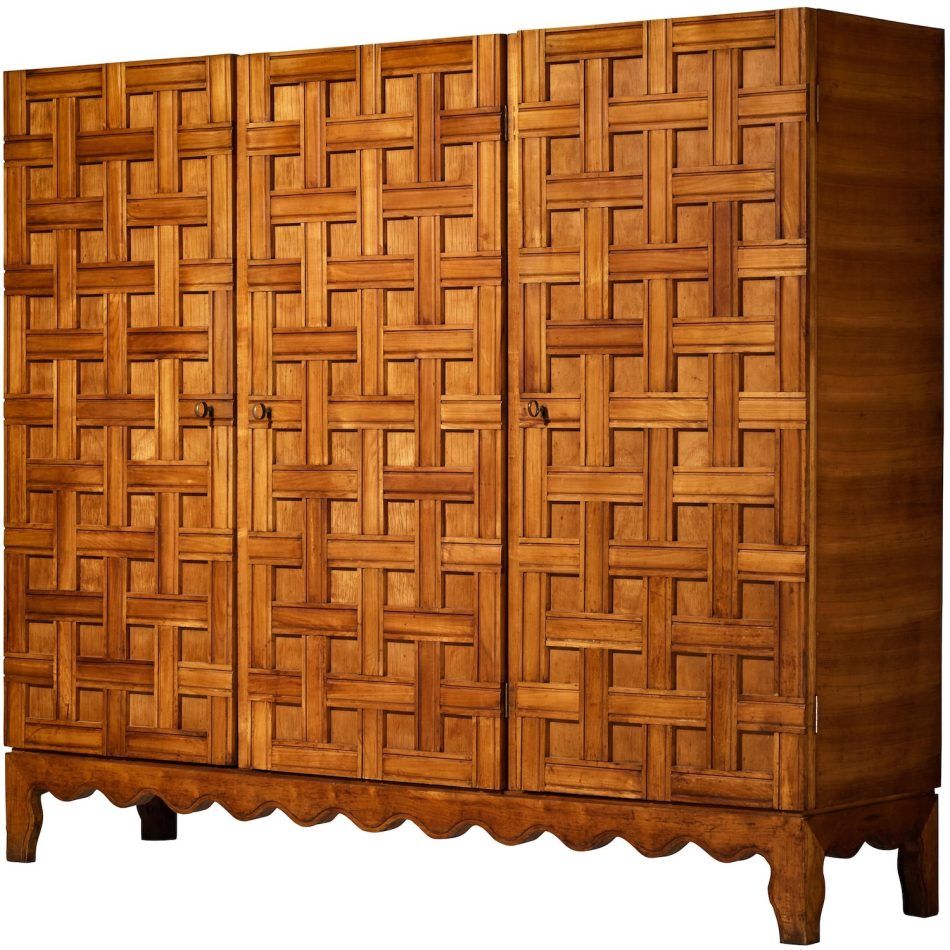
- Authenticity and provenance: Take the time to ask for certificates or records that show the piece’s ownership history. Examine the piece, and look for a maker’s label, signature, stamp or serial number.
- Condition and construction: When shopping online, don’t rely only on the main listing photos. Ask for close-ups of the joints and underside, along with any repairs, replaced hardware, damaged veneer or upholstery issues.
- Measurements: Measure the space where the piece will go, but don’t stop there. Make sure it will also fit through your doorways and up the stairs or into the elevator.
- Shipping and delivery: Find out how the seller will pack and insure the piece, what delivery will cost and whether you’ll need to arrange installation yourself.
- Return policy: Read the details before you buy. Check how long you have to make a return, whether fees apply and who pays for return shipping.
Frequently Asked Questions
Where is the best place to buy vintage furniture online?
If you want more protection when buying online, a curated marketplace is a good place to start. Vetted sellers can remove some of the uncertainty. Resale marketplaces may cost less, but you’ll have to do more of the checking yourself.
Is buying vintage furniture cheaper than buying new?
Sometimes, but not always. A lesser-known vintage piece may cost less than comparable new furniture. Prices can rise considerably, though, when a piece is rare, is in especially good condition or has documented designer attribution.
How can I tell if a piece is authentic and not a reproduction?
The details, such as a maker’s label or stamp, can tell you a lot. Signs of age and specific construction methods and materials can also indicate the likely date of construction. Ask the seller for documentation, if available, and pay attention to phrases like “attributed to” or “in the style of.”
Is it safe to buy vintage furniture online without seeing it in person?
Buying vintage furniture online can be an option even when you can’t inspect the piece in person. A vetted marketplace can lower the risk by requiring condition information and offering purchase protections. Still, review every image, ask for close-ups, confirm the measurements, and read the applicable policy before you pay.
Can you negotiate the price on vintage or antique furniture?
You can always ask. At flea markets and antiques malls, sellers often expect a little bargaining, especially when you’re dealing with them directly. Online, it’s harder to generalize. One seller might welcome an offer, while another will have already decided what the piece is worth and won’t budge. If you’re not sure, check the listing or ask.
Conclusion
Where you shop depends on what matters most to you. A vetted marketplace offers more protection, while antiques malls, estate sales and flea markets may appeal if you enjoy the hunt and want to see pieces in person. General resale sites can work well if you’re watching your budget and don’t mind doing more of the research yourself.
Start your search by browsing the 1stDibs Vintage Furniture Collection.