A chair’s shape can reveal surprising information about when and where it was crafted. Among the many types of antique chairs, five silhouettes are the best known: Queen Anne, Chippendale, Windsor, wingback and bergère. The same terms can help you identify related types of vintage chairs, including revivals.
An antique is at least 100 years old; although vintage furniture is younger, it’s still highly collectible. Style and age don’t always match, however. A 20th-century Chippendale revival chair follows an 18th-century design without qualifying as an antique.
Queen Anne Chairs
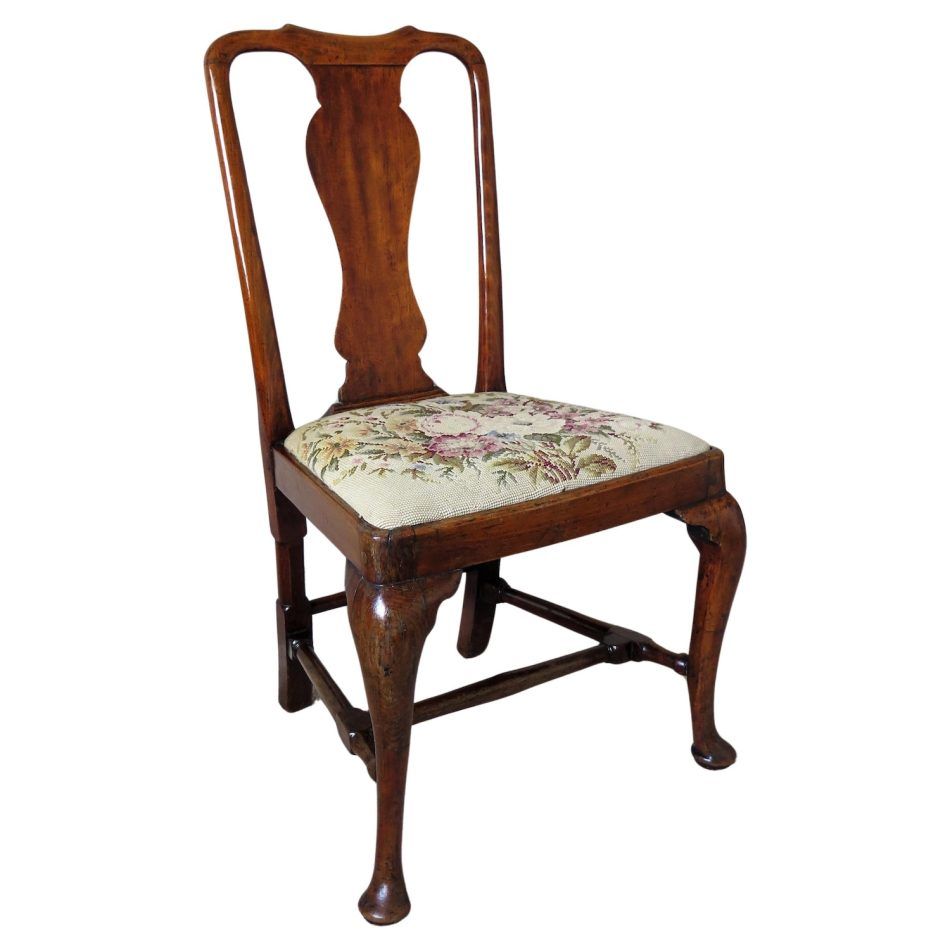
You’ll recognize Queen Anne chairs by their sturdy cabriole legs, which form gentle S-curves, and the fiddle-shaped splat in the center of their backs. They are often made of walnut engraved with small shells or scrolls. The style was popular in England and its colonies during the early to mid-18th century, roughly 1720 to 1760.
If you’re thinking of buying a Queen Anne chair, look under the seat and around the rails that support it. Slight variations in hand-cut joints and softened edges can indicate its age. Perfect machine work suggests a replica, but no single clue proves age.
Chippendale Chairs
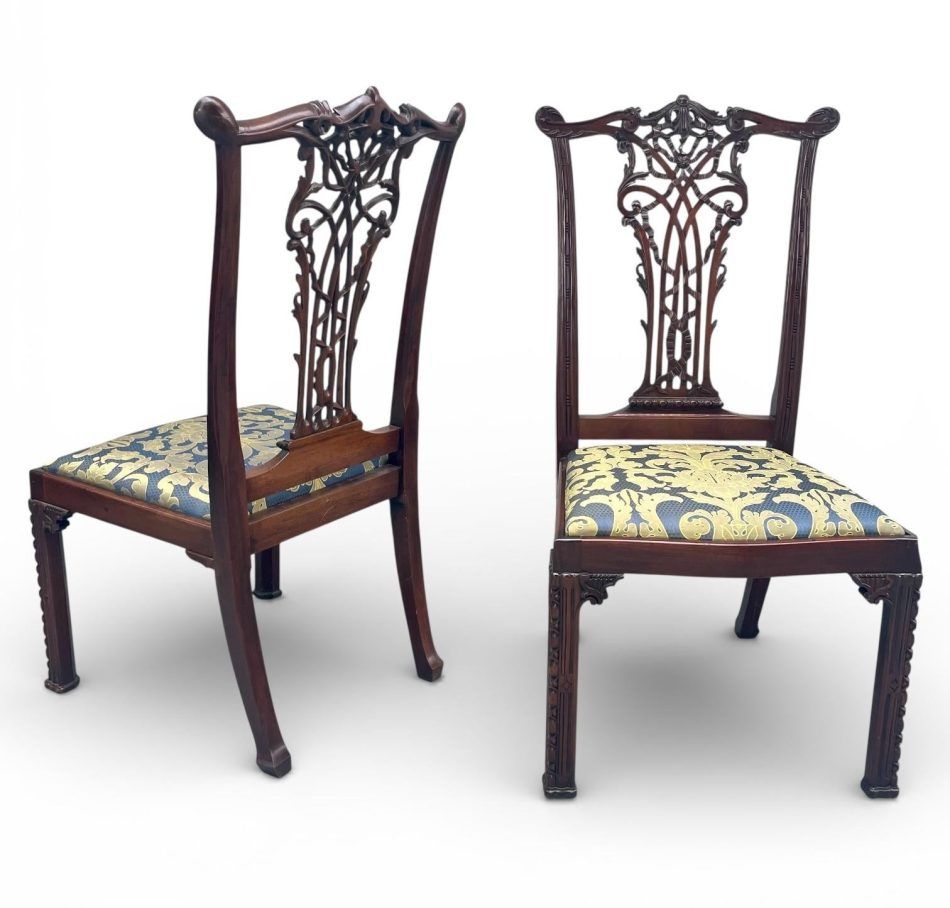
Chairs in the Chippendale style, an offshoot of the Queen Anne style, often have similar cabriole legs but with bolder carving. Many have pierced or carved splats and ball-and-claw feet. Thomas Chippendale helped spread his designs through his 1754 pattern book, The Gentleman and Cabinet-Maker’s Director, which included Gothic, Rococo and Chinese-inspired variations.
Chippendale chairs don’t always display every feature, so assess the entire piece rather than just the feet. A listing may also be for a later, Chippendale revival piece. These 19th- or 20th-century chairs can have genuine decorative and collectible value, but buyers shouldn’t confuse them with period 18th-century examples.
Windsor Chairs
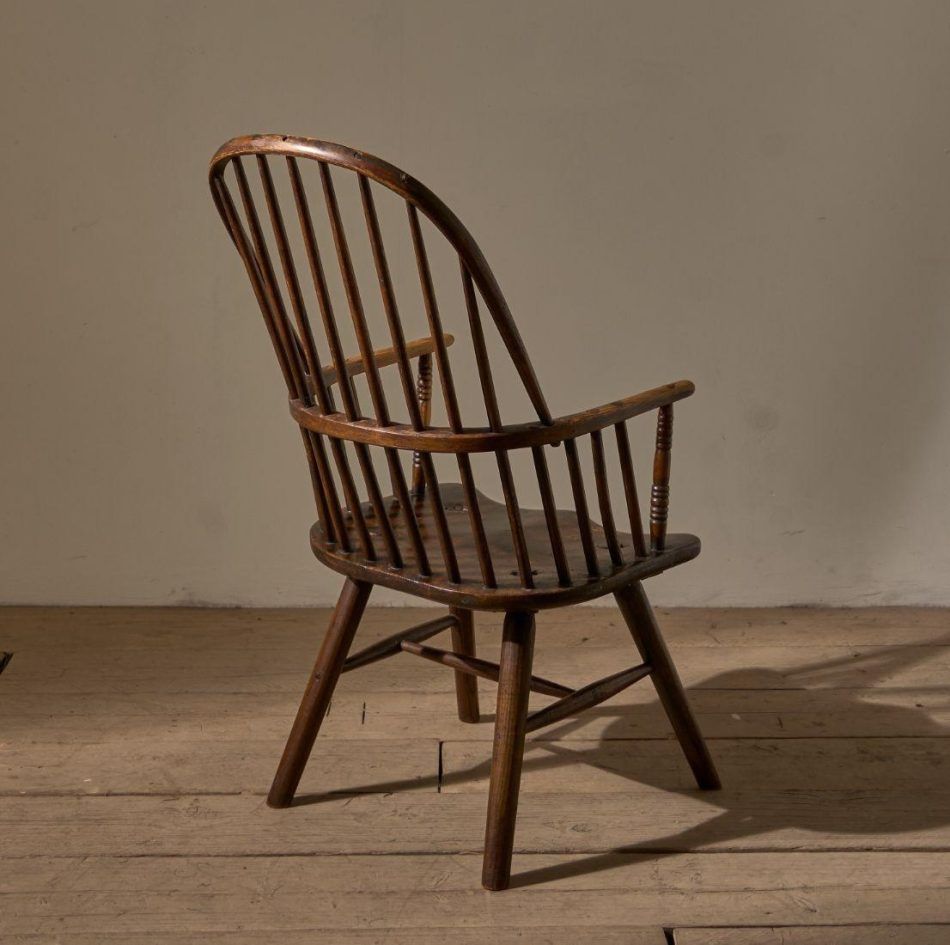
Windsor chairs take different forms. What they have in common are the slender spindles that form the back — often hooped or bow-shaped —and rise from a solid seat. The seat usually has a shallow saddle shape, while the legs splay outward for stability. The form emerged in England in the early 1700s and had reached the American colonies within a few decades.
Windsor chairs have enjoyed popularity for more than 300 years, and their age can’t be determined by their basic style. Look for original paint, wear patterns, wood choices, maker histories and construction details to differentiate between early examples and later versions.
Wingback Chairs
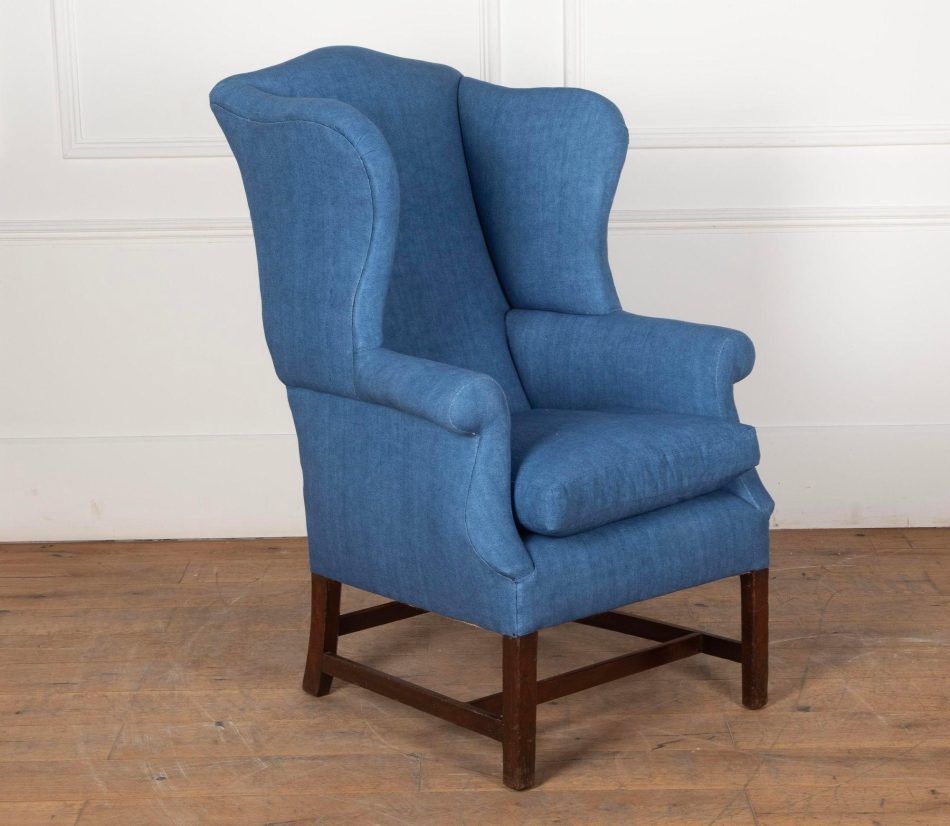
You’re probably familiar with wingback chairs. The tall upholstered back with side panels or wings is the main clue. Early English versions appeared in the 1600s, when the wings helped shield people from drafts and retain warmth near a fireplace. Deep upholstery and generous proportions also made the form comfortable for long periods.
Wingback describes a form rather than a fixed historical style. Wingback chairs may display Queen Anne cabriole legs, Chippendale carving, Georgian proportions or mid-century lines. When identifying one, separate the chair’s overall form from the period details in its legs, arms, frame and upholstery.
Bergère Chairs
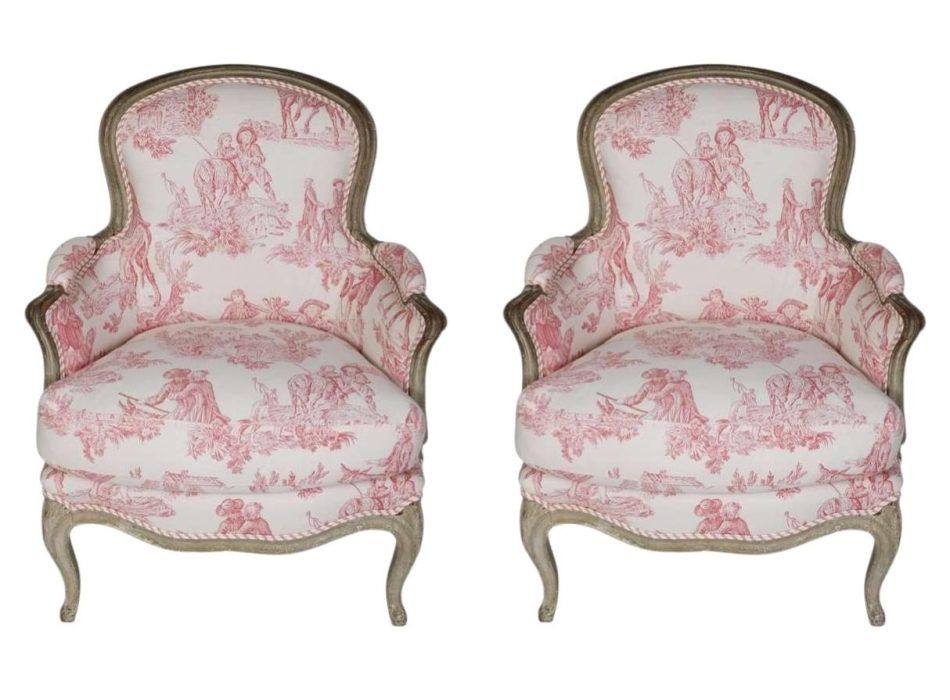
An 18th-century French bergère is an upholstered armchair with closed padded panels between the arms and seat and an exposed carved-wood frame. The enclosed sides make it easy to distinguish it from an open-arm fauteuil.
The leg shape and carving narrow down the style. Louis XV bergères have curved cabriole legs and display floral or shell motifs. Louis XVI examples generally have straighter, often fluted legs and a more geometric shape. Comparing Louis XV and Louis XVI chair styles can help you recognize the difference.
How to Evaluate a Chair Before You Buy
You’ll want to look beyond the chair’s style and surface condition before you buy.
- Inspect the joints where the legs, rails, arms and back meet. Hand-cut joinery may show small irregularities, while machine-cut pieces tend to repeat more precisely.
- Check for loose joints, replaced parts, insect damage and wood that doesn’t fit the period.
- Look for a patina around edges and other natural contact areas. Uniform darkening alone doesn’t confirm age.
- Check the upholstery with past restoration in mind. Genuine antique chairs may have frayed fabric that’s not representative of the period. And remember that professional reupholstery can add meaningful cost.
Pay attention to the wording in the listing, too, especially if provenance, or the chair’s history, matters to you. A “period” piece dates from the era named in the description. “Attributed to” is less certain. The seller has reason to associate the chair with a particular maker but lacks documentation to confirm it. And “in the style of” generally refers to a later piece that follows an earlier style or period.
If you’re unsure what a description means, ask questions and work with vetted sellers who can provide more information about the piece.
Frequently Asked Questions
What’s the difference between an antique chair and a vintage chair?
An antique chair is at least 100 years old, while vintage chairs are from the 20th century. A vintage chair may reproduce or reinterpret a much older style.
How can you tell if an antique chair is real or a reproduction?
No single detail can prove that an antique chair is authentic. Look at how the piece was made as a whole, including the joinery, wood, carving, hardware and signs of age or repair. Those details should make sense for the period the seller claims. If the chair seems especially old, rare or valuable, ask a knowledgeable seller or appraiser to take a closer look.
What is a Queen Anne chair known for?
Cabriole legs, a fiddle- or vase-shaped back splat, graceful proportions and relatively restrained carving define Queen Anne chairs.
What makes a chair a “Chippendale”?
There isn’t one feature that makes a chair Chippendale. Look instead for details like carved cabriole legs, decorative or pierced splats and, on many examples, ball-and-claw feet. The style takes its name from English cabinetmaker Thomas Chippendale, who published his influential furniture pattern book in 1754.
Are Windsor chairs valuable?
They can be, but the Windsor style alone doesn’t determine value. Collectors also consider a chair’s age, maker, condition, original finish and history. An early Windsor that still has its original paint, for example, may attract much more interest than a common later chair.
What’s the difference between a bergère and a fauteuil?
The easiest way to tell them apart is to look at the space beneath the arms. A bergère has upholstered panels that close the space between the arms and seat. A fauteuil leaves that area open, so you can see the supports beneath the arms.
Conclusion
Once you know what to look for, identifying vintage antique chair styles is much easier. A cabriole leg, spindle back, winged shape or upholstered bergère arm can give you a useful starting point. From there, look more closely at the chair’s construction, condition, age and history before you buy.
Browse 1stDibs’ Antique and Vintage Chairs by style to compare examples from different periods.