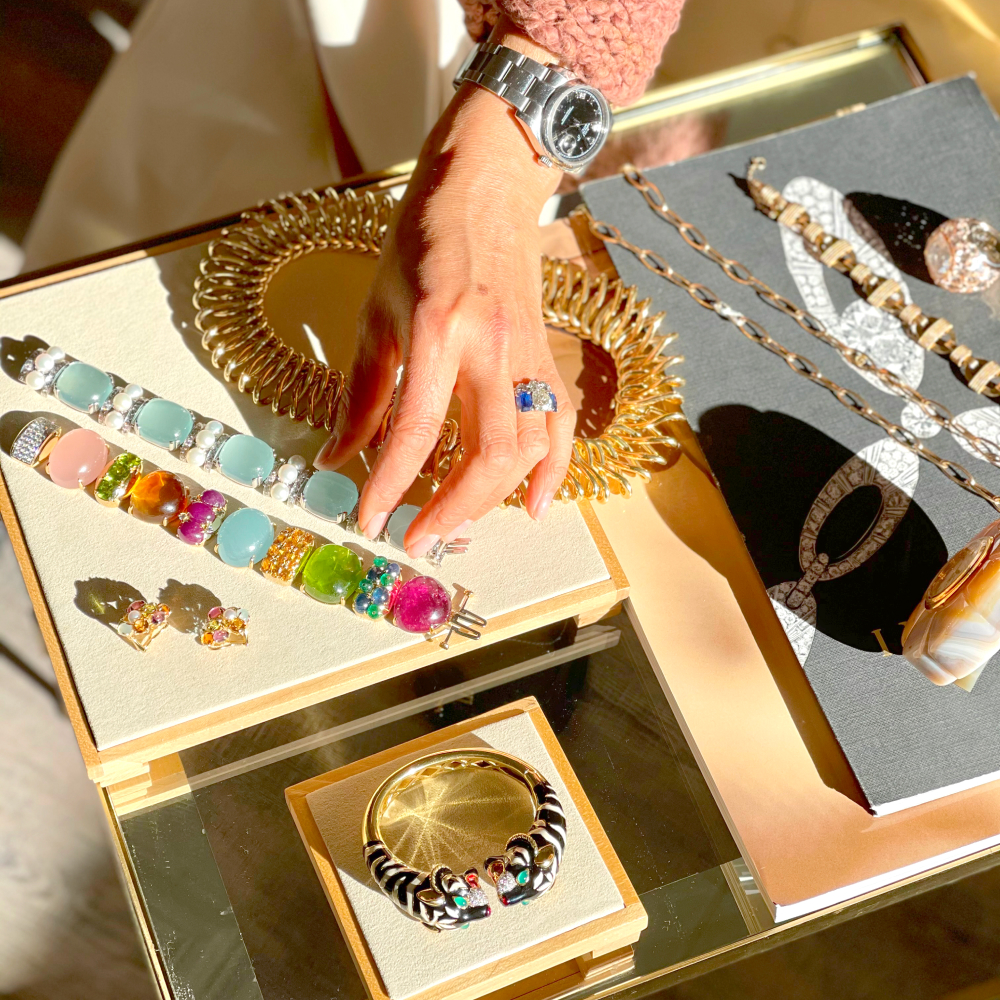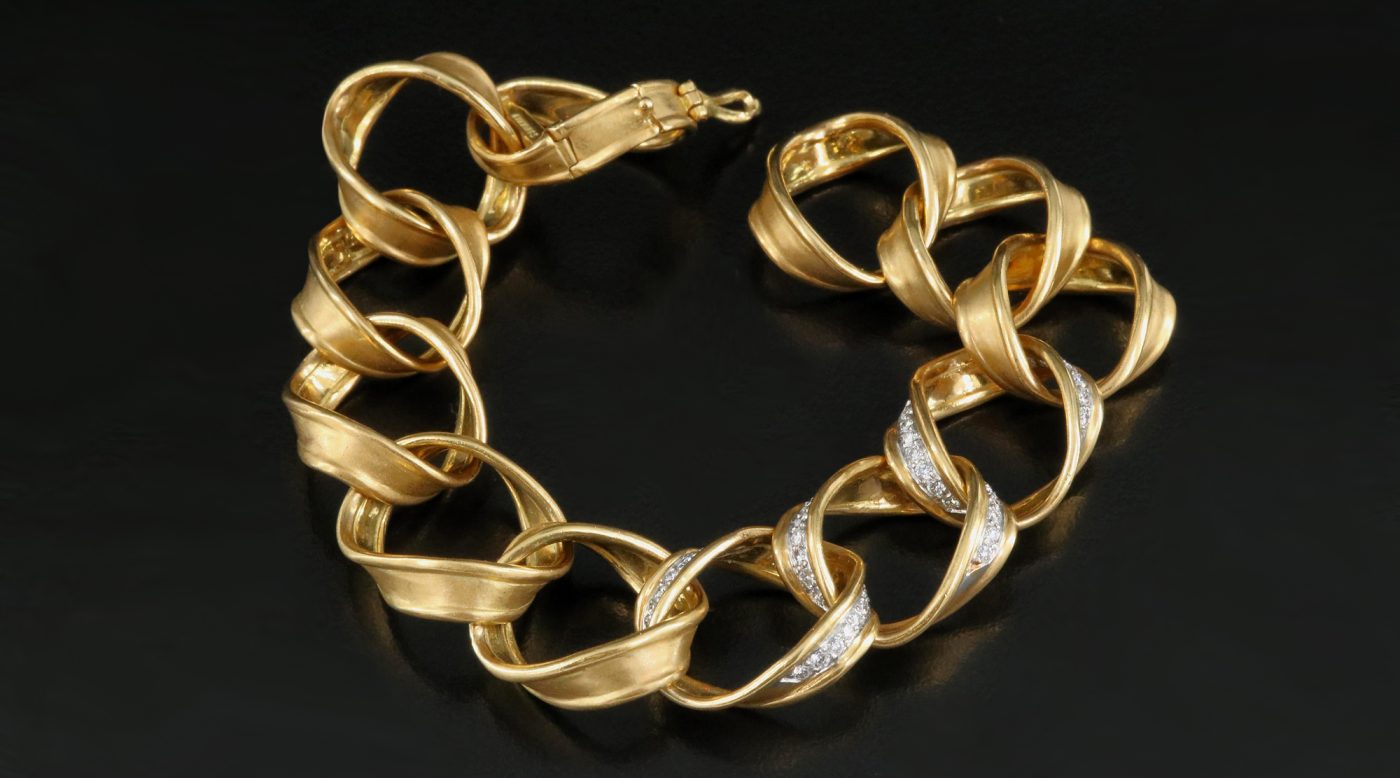
October 11, 2026While iconic styles like the Van Cleef & Arpels Alhambra clover and Cartier Love Bracelet provide excellent entryways into a heritage brand’s universe, exploring its lesser-known collections can lead to discoveries you may not otherwise have made. These quieter exemplars of a jewelry house’s craft reflect its aesthetic signatures in ways that might be (appealingly) unfamiliar to you, having avoided the spotlight shining on other, more favored designs through the years.
Whether your focus is the instantly recognizable leading ladies or the supporting cast, signed pieces are always in demand. And in either case, the same advice holds: The piece’s design, craftsmanship, history and how it aligns with your personal style are the most important factors.
“With the way social media influences desire and taste nowadays, it is easy to be inundated with repetitive imagery and, consequently, repetitive ideas of what is desirable,” says Joanna Gong, a former Sotheby’s specialist turned independent jewelry and art consultant. “People should buy what they genuinely connect with. Otherwise, you are collecting the market rather than collecting jewelry.”
For those seeking to build a collection representing a single jewelry house, adding lesser-known styles can give the assemblage greater depth. “Every collection a maison produces can, in some way, be a reflection of the era the company and society were moving through,” says Gong. “I often enjoy collaborations with out-of-the-box visionaries. Frank Gehry and Angela Cummings for Tiffany & Co. and the work of Pierre Sterlé associated with Chaumet in the nineteen seventies are some examples. They feel distinctly rooted in a particular creative movement, while still having very strong individual design languages.”
So, where should you direct your attention on 1stDibs? Below, we identify some outstanding moments in top jewelry houses’ design history that have been largely overlooked — until now.
Tiffany & Co.
Look for: Donald Claflin, Angela Cummings and Tiffany Key
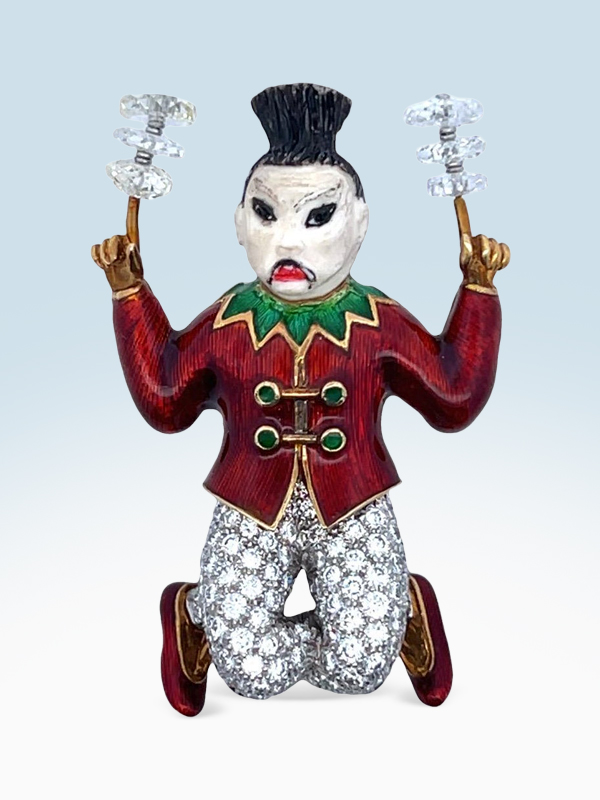
While Jean Schlumberger, Elsa Peretti and Paloma Picasso have deservedly enjoyed wide acclaim for decades, Tiffany & Co. designers Donald Claflin and Angela Cummings have developed more niche followings. Claflin, who worked for the house in the 1960s and 1970s, is known for whimsical figural brooches depicting subjects like walruses in dinner jackets and a Stuart Little–inspired mouse sporting a sailor suit. The six-figure price of this Claflin circus performer is a testament to the ingenuity and rarity of his pieces.
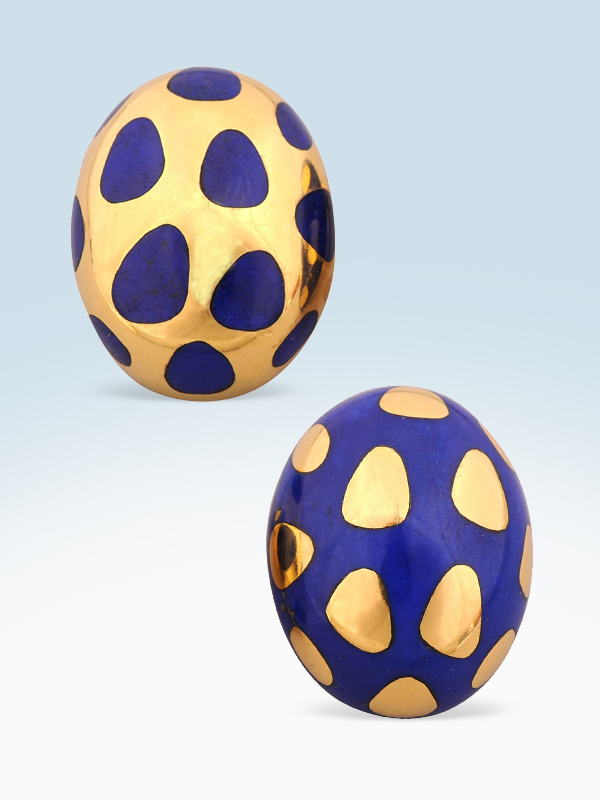
Cummings, for her part, is considered one of the country’s foremost female jewelry designers — both at Tiffany, where she was employed from 1967 to 1983, and for her own boutiques. Timeless and highly collectible, the pieces she created for the house are characterized by sculptural forms and stones inlaid in geometric patterns.
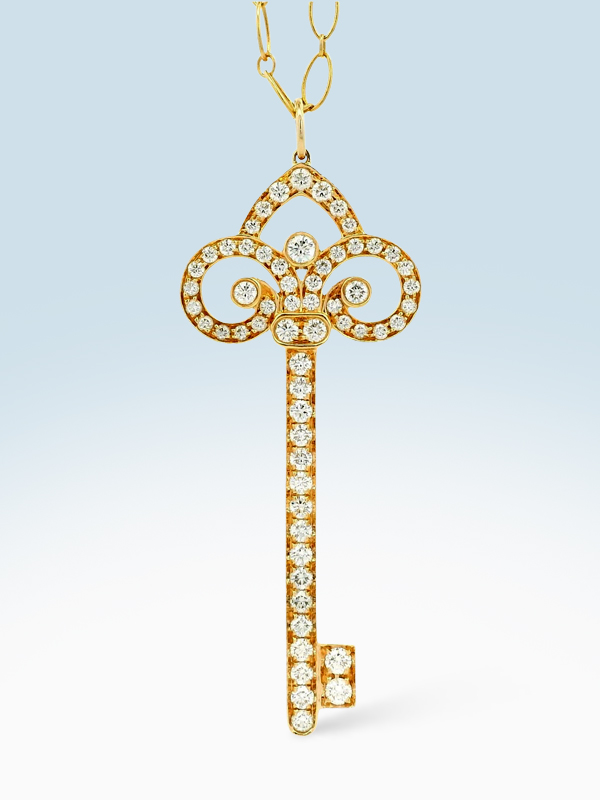
As for the maison’s more commercial collections, a little browsing on 1stDibs turns up some strong possibilities. The 2009 Tiffany Key, for example, could be a discreet alternative to the wildly popular Return to Tiffany heart-shaped tags.
Cartier
Look for: Jean Dinh Van–signed jewels, C de Cartier, Paris Nouvelle Vague
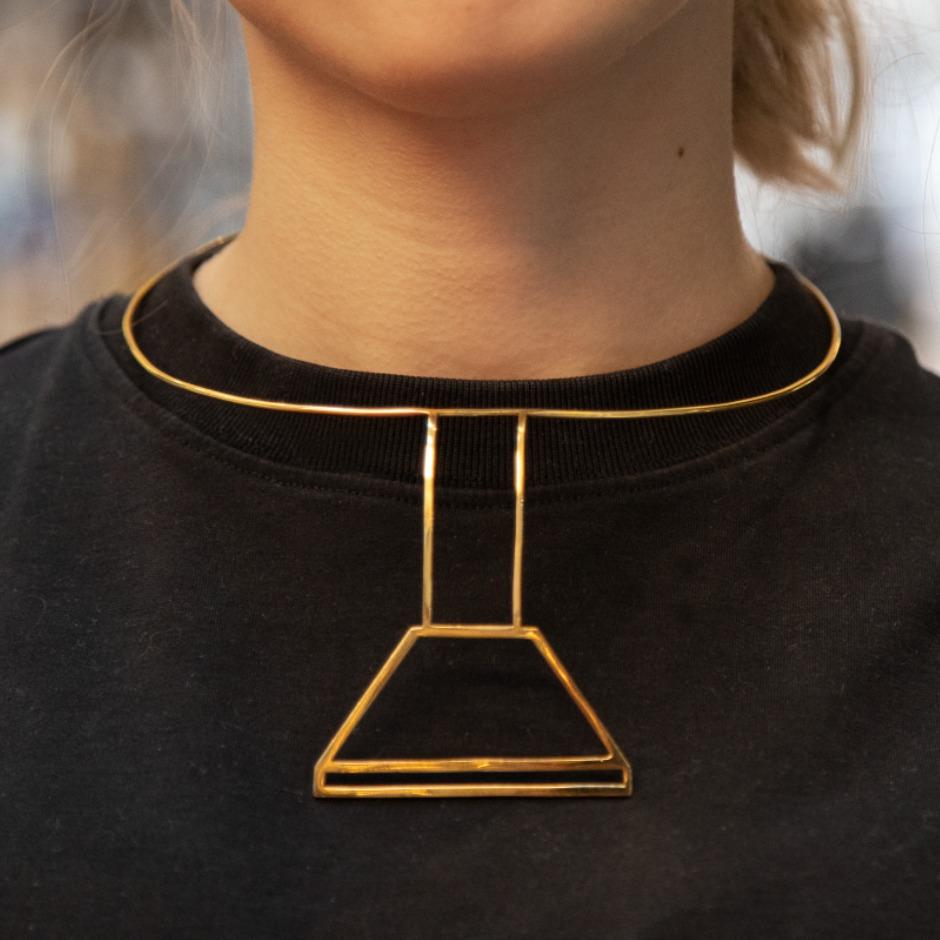
The designer most closely associated with Cartier is unquestionably Aldo Cipullo, responsible for the Love and Juste un Clou collections, both still in production today. But even the most knowledgeable Cartier devotee may be unfamiliar with the French-Vietnamese designer Jean Dinh Van, who joined the house’s Paris atelier in 1950 and worked alongside its most famous creative director, Jeanne Toussaint.
After leaving Cartier, Dinh Van founded his own firm in 1965 and served under contract as a designer at Cartier New York from 1967 into the 1970s. Signed examples of his work are rare on the secondary market, making them particular prizes for collectors seeking singular expressions of Cartier’s modernist style.
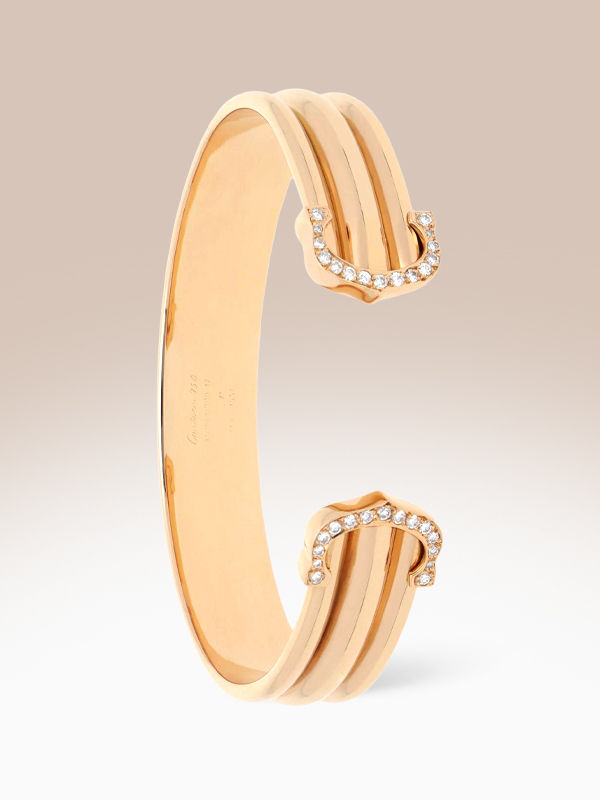
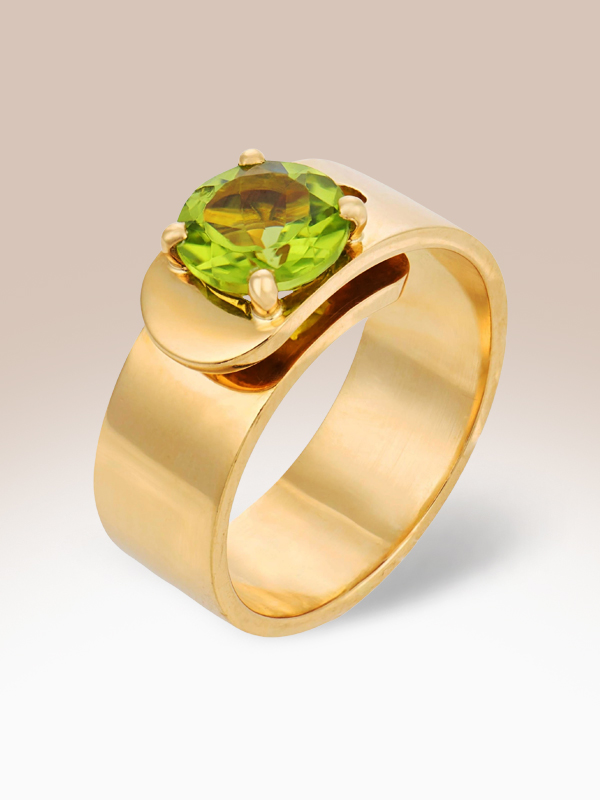
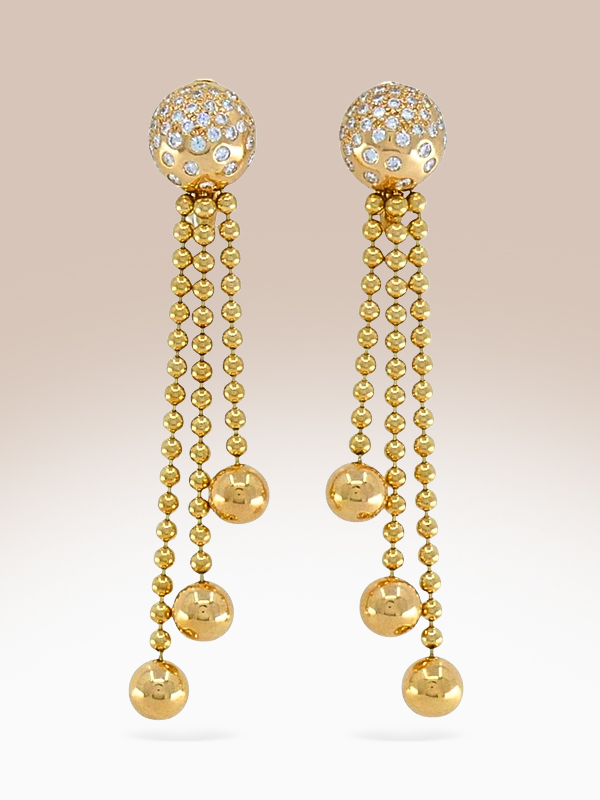
Two commercially produced Cartier collections maintain similarly low profiles in the resale market but are more readily available than the Dinh Van pieces. The C de Cartier line is defined by its interlocking Double C, derived from the historic monogram used by the house in the 19th century. The motif, which appeared on Le Must de Cartier sunglasses in the 1980s, surfaced in jewelry for the first time in the 1990s. Also debuting in the ’90s, Paris Nouvelle Vague attracted younger customers with bombe and crossover rings that emphasize volume and architectural lines. It included sculptural pieces as well, adorned with hard stones like lapis lazuli. New interpretations have appeared as recently as 2022, making the collection one to watch for when browsing the wares of contemporary estate jewelers.
Van Cleef & Arpels
Look for: Ludo, Philippine and Frivole
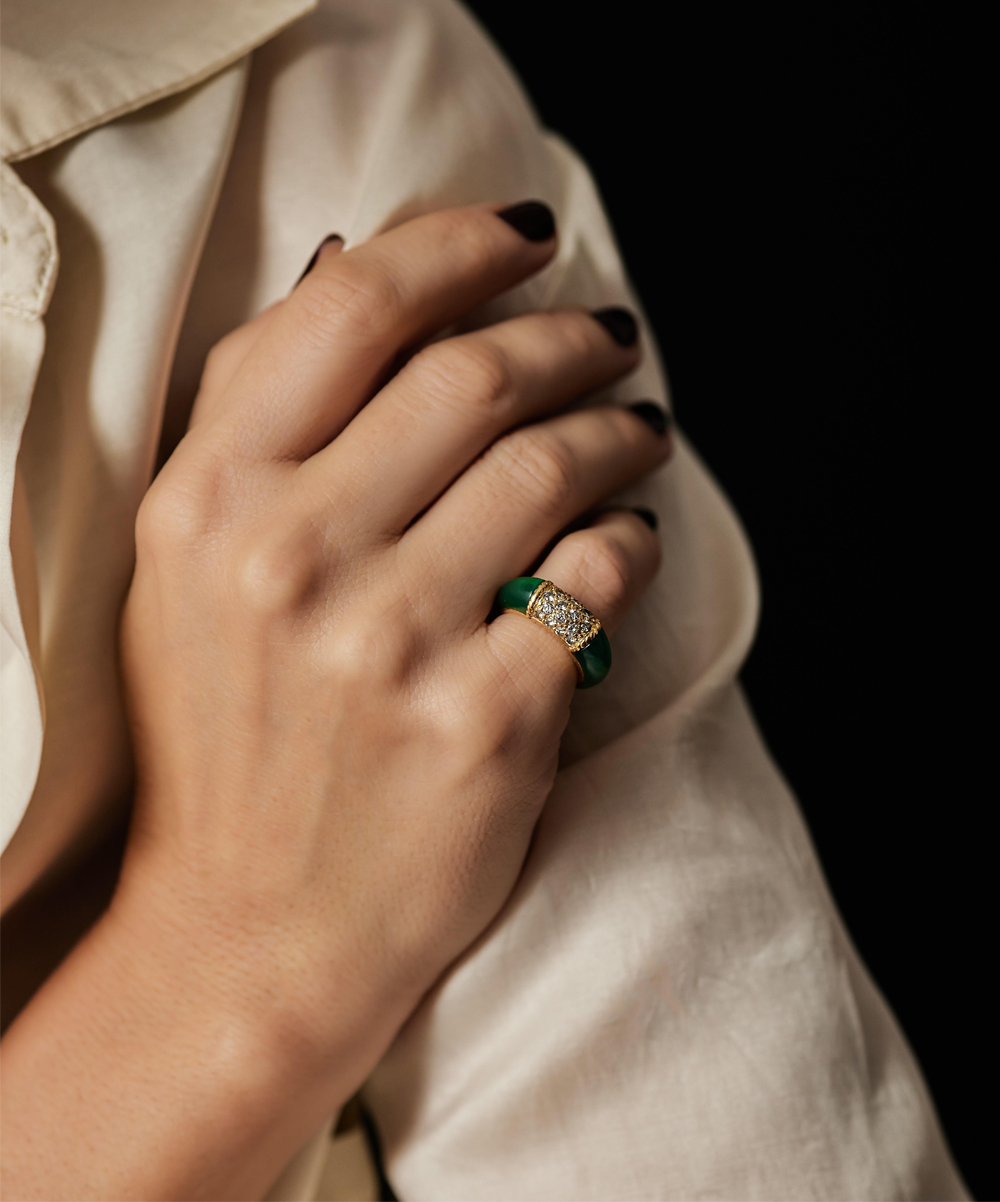
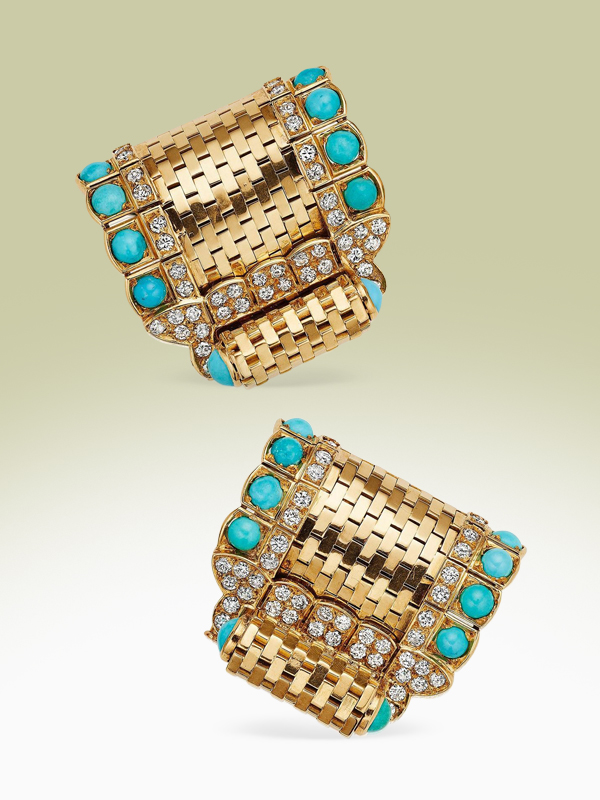
In addition to its multifacted Alhambra collection and one-of-a-kind Mystery Set jewels, Van Cleef & Arpels has produced many covetable but comparatively under-the-radar collections. Characterized by shimmering honeycomb-patterned goldwork, Ludo (a nickname for Van Cleef and Arpels founder Louis Arpels) launched in 1934 with a bracelet design that became a mid-century status symbol. Supple and flexible, sporting bejeweled buckles, these pieces are highly prized — and instantly recognized — by in-the-know collectors.
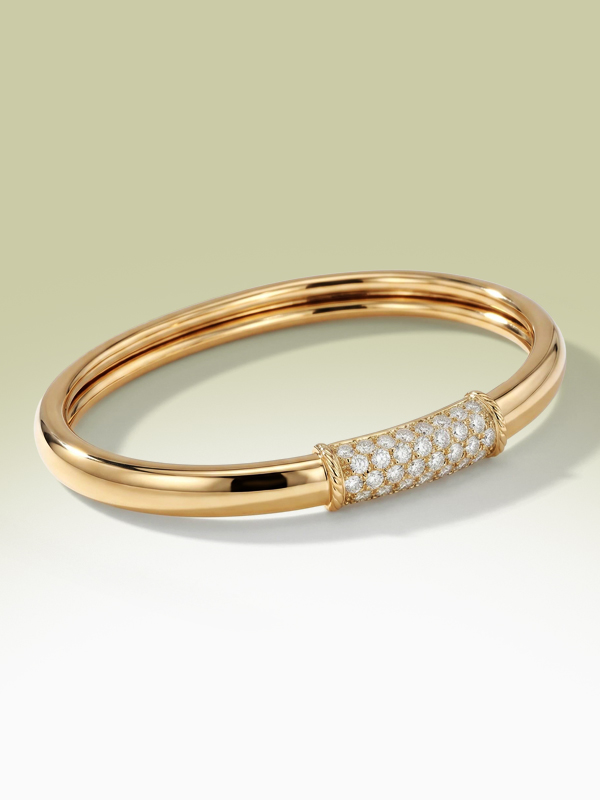
Philippine, which debuted in the 1960s, is epitomized by its rings incorporating hard stones like onyx, coral and tiger’s eye alongside diamonds, all set in textured gold.
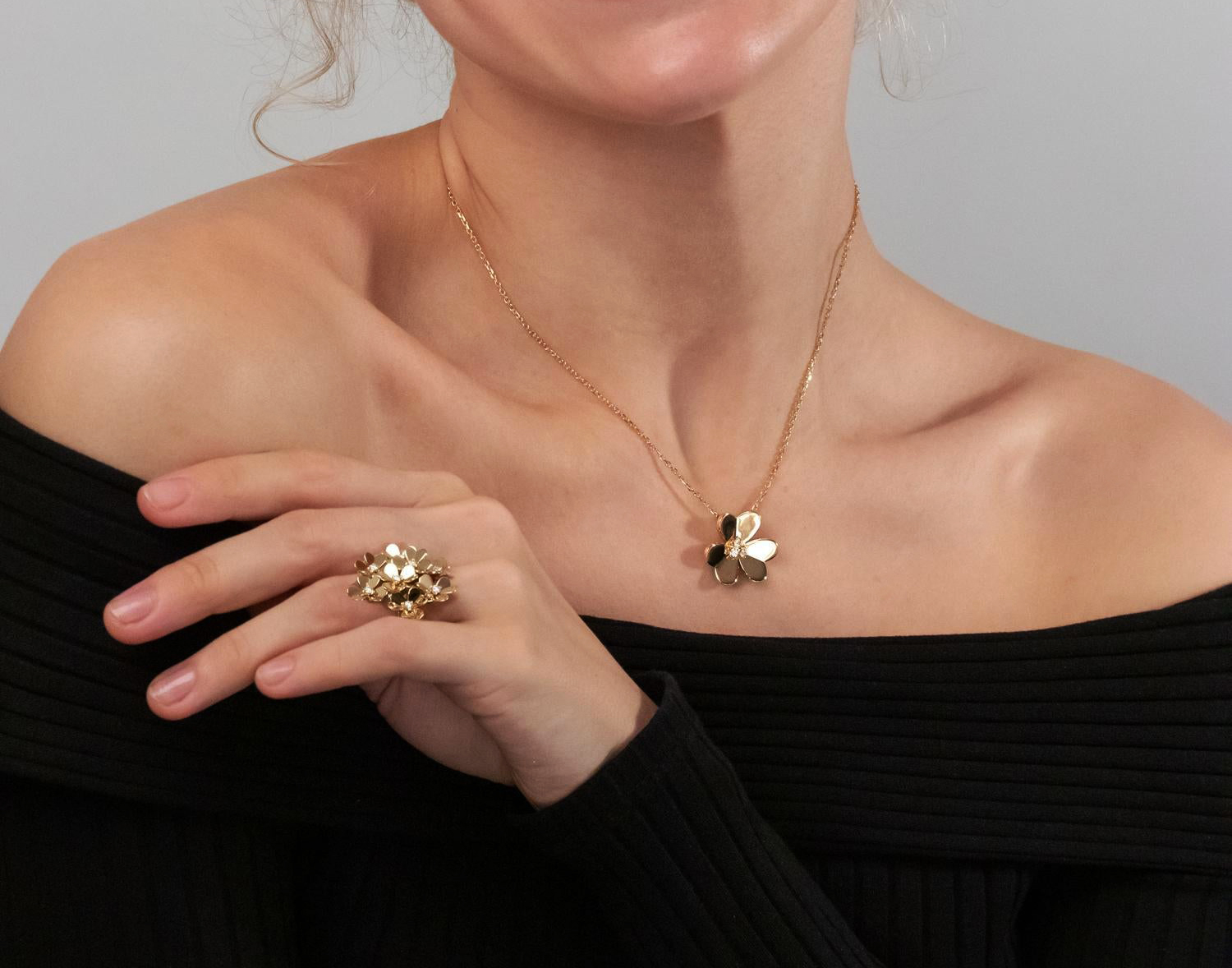
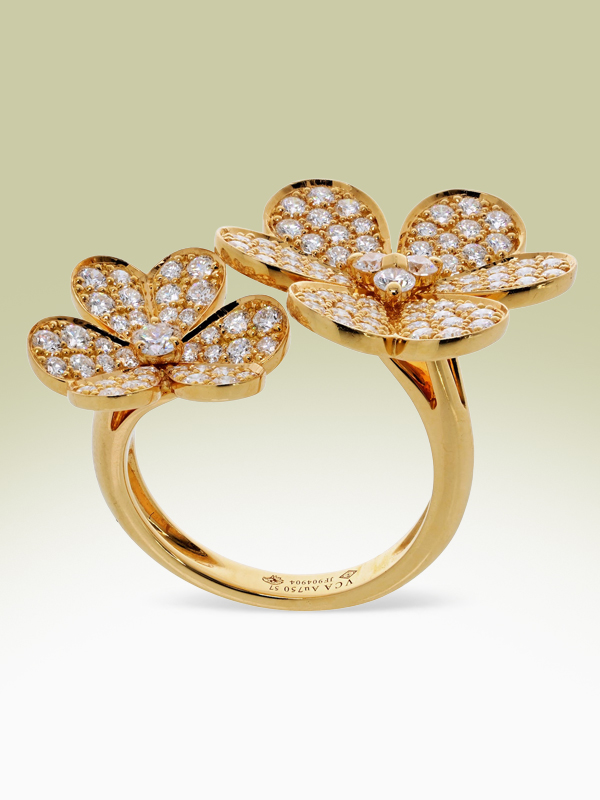
Introduced much later, in 2003, Frivole still occupies a place in the Van Cleef and Arpels design roster. The commercially produced collection offers 21st-century interpretations of the house’s floral motifs across multiple categories, catching the light with their delicate forms and elegant high-polish petals.
Bulgari
Look for: Parentesi, Allegra and Divas’ Dream
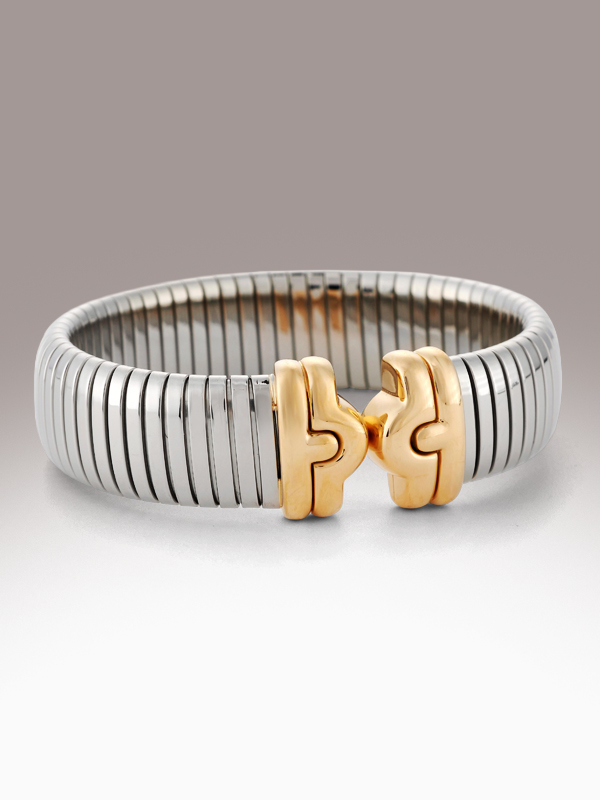
Propelled by the patronage of Elizabeth Taylor and other the celebrities of the day, Bulgari hit its stride in the middle of the 20th century with its Serpenti series, Trombino rings topped with sugarloaf-cut stones and statement necklaces, tubogas in form or heaped with gems.
Beyond these icons, curious collectors might want to explore Parentesi, one of the house’s most important introductions of the 1980s. Its modular design of interconnected links, inspired by the travertine blocks used in ancient Roman architecture, extended across categories, from giftable pendants and rings to extravagant gold collars.
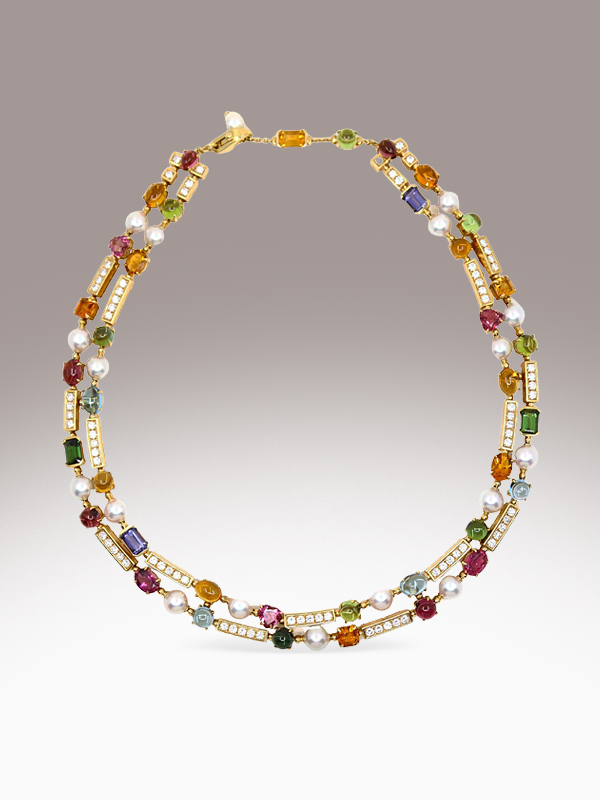
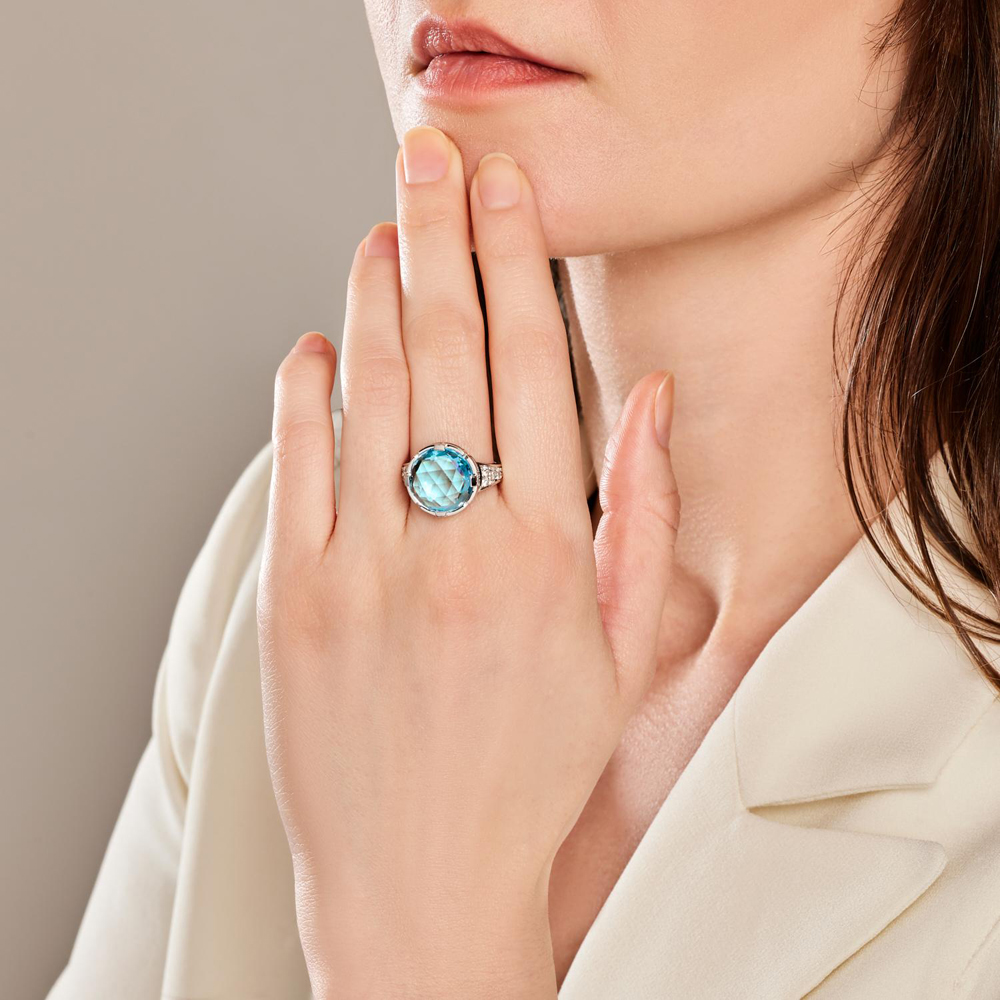
In the 1990s, the Allegra collection harked back to Bulgari’s Dolce Vita heyday, when glamorous movie stars were photographed wearing its magnificent jewels. Those creations often featured unexpected combinations of colored gemstones, which Allegra reimagined in mismatched compositions of pink tourmaline, peridot, blue topaz and other semiprecious stones.
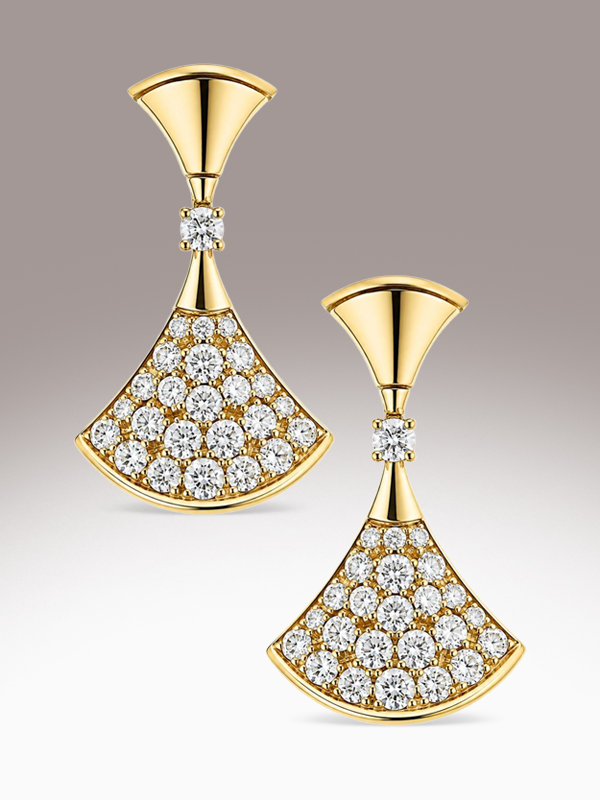
The more recent Divas’ Dream, which debuted in 2012, is another sleeper hit. Widely available on the secondary market, it distills Bulgari’s affinity for geometric concepts and inlaid stones into a single fan-shaped design inspired by the mosaic tiles of Rome’s Baths of Caracalla.
Hunting for designer pieces on 1stDibs will uncover all manner of options, high-profile, low-profile and in-between. Among the familiar faces in your collection, there’s plenty of room for more friends.