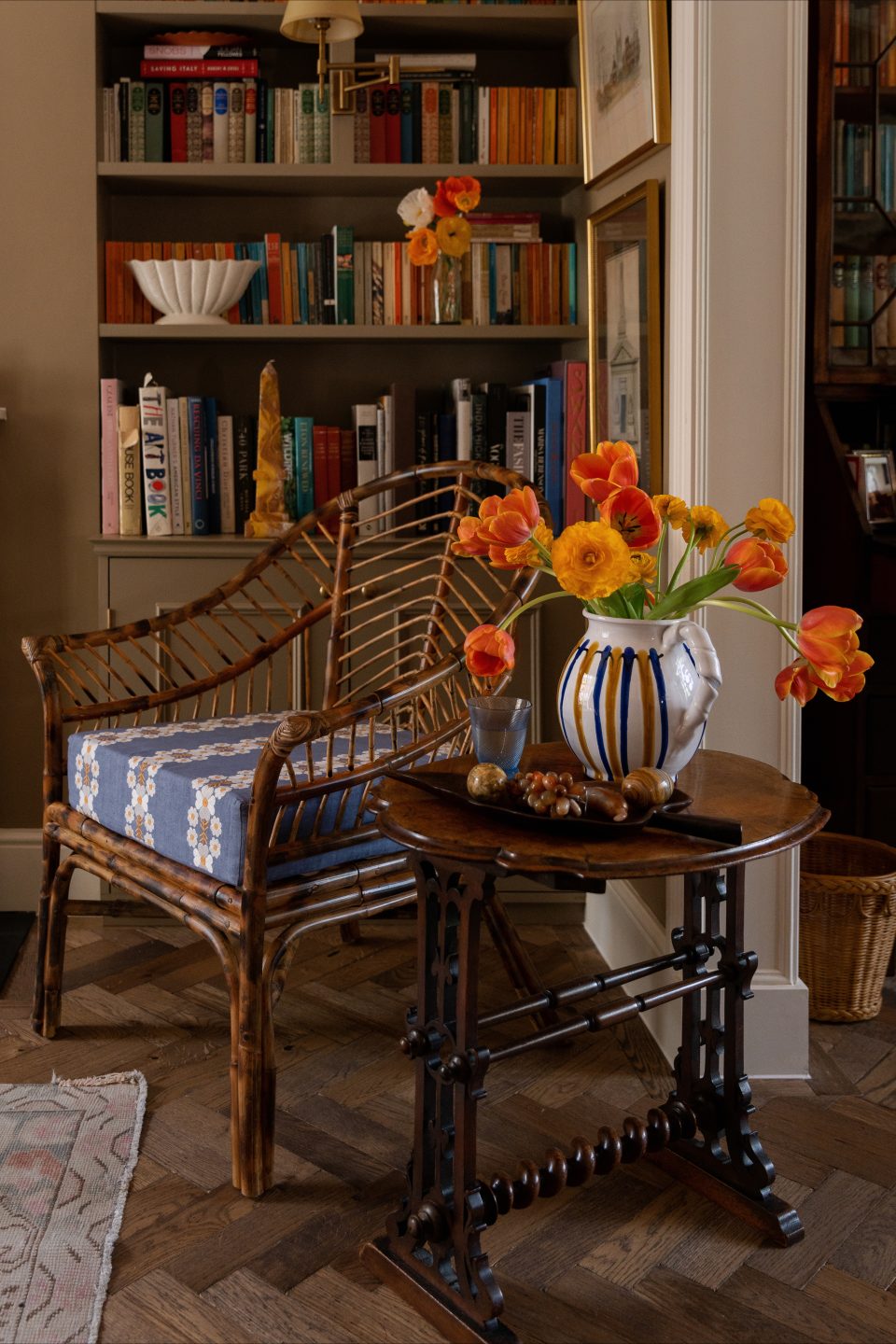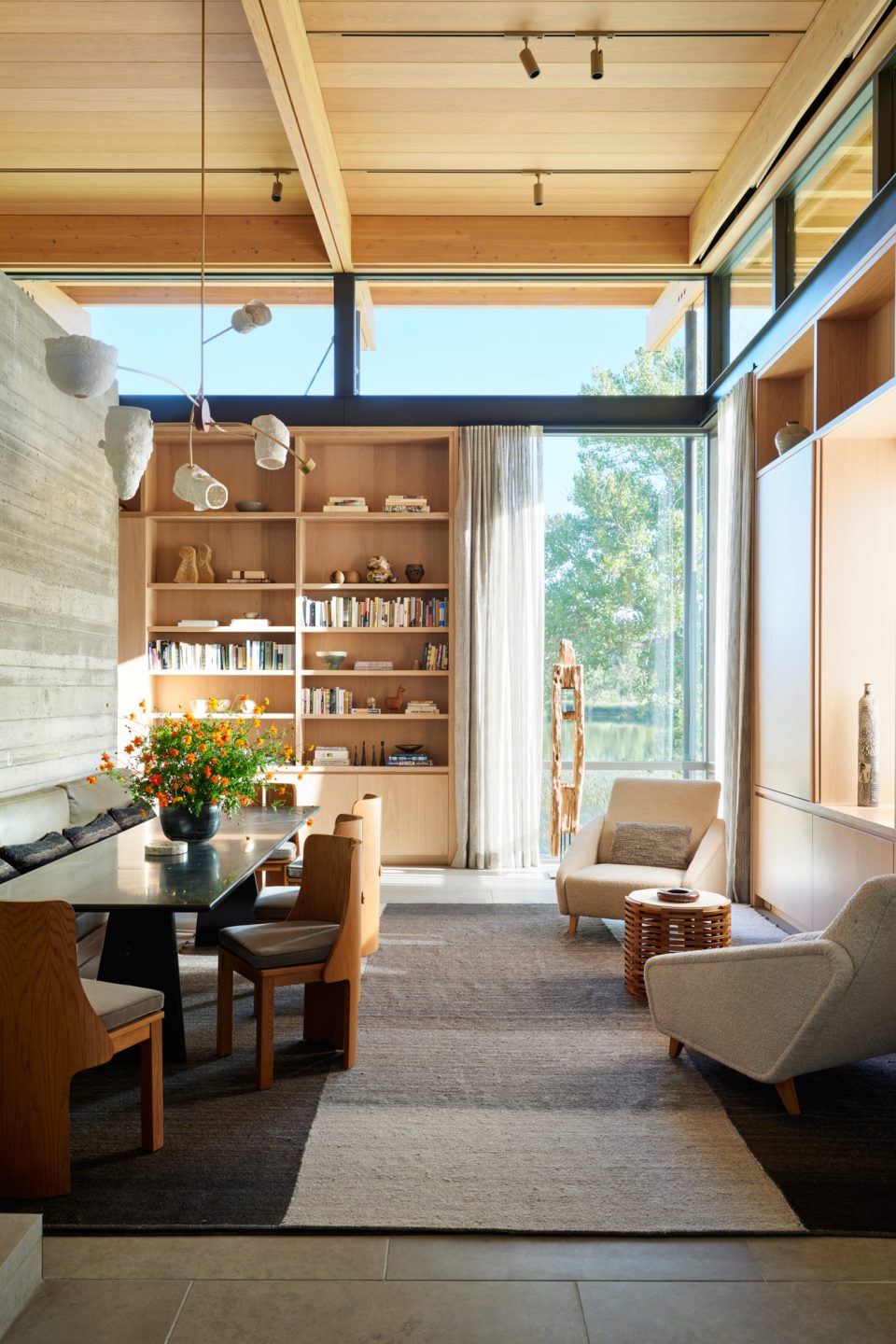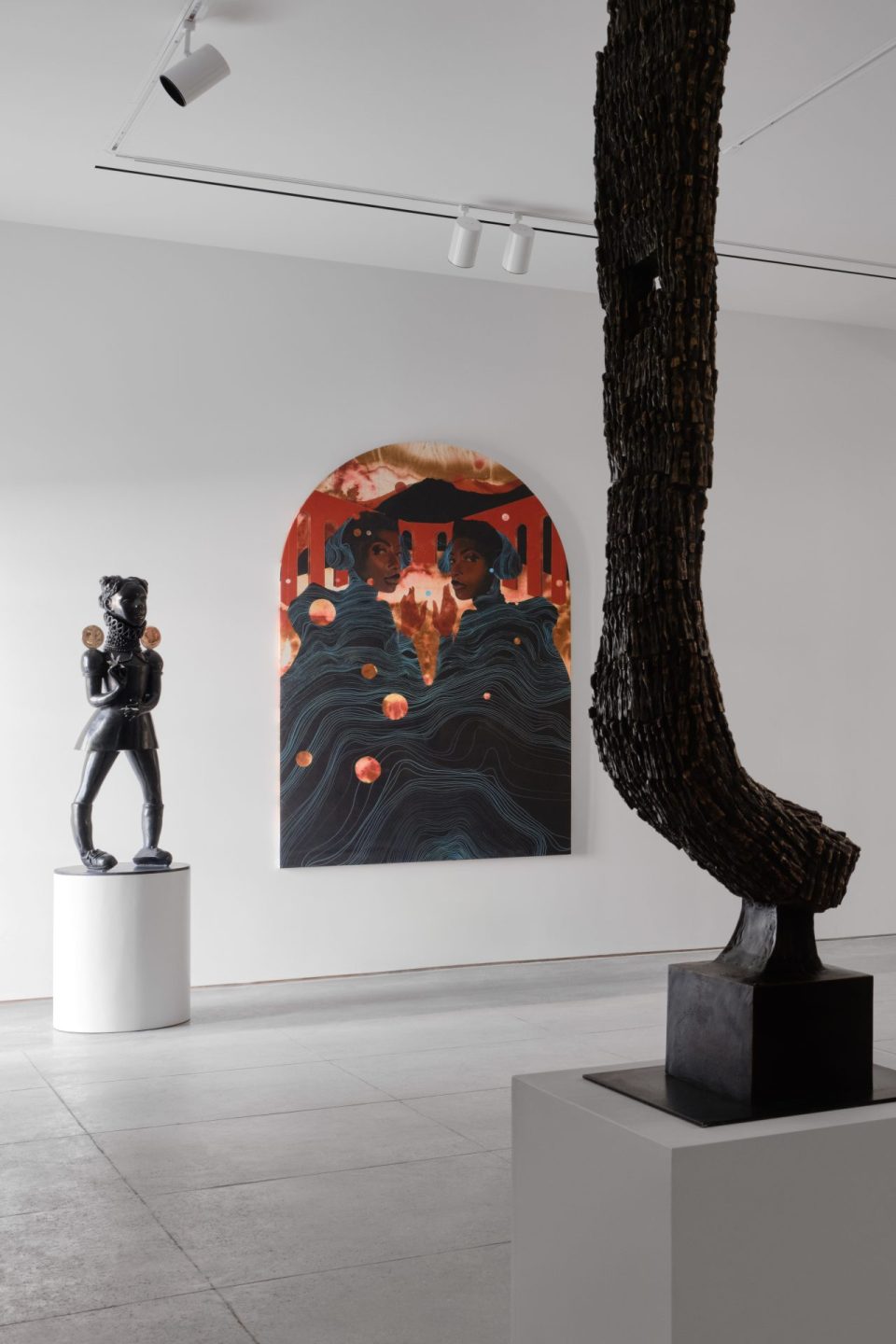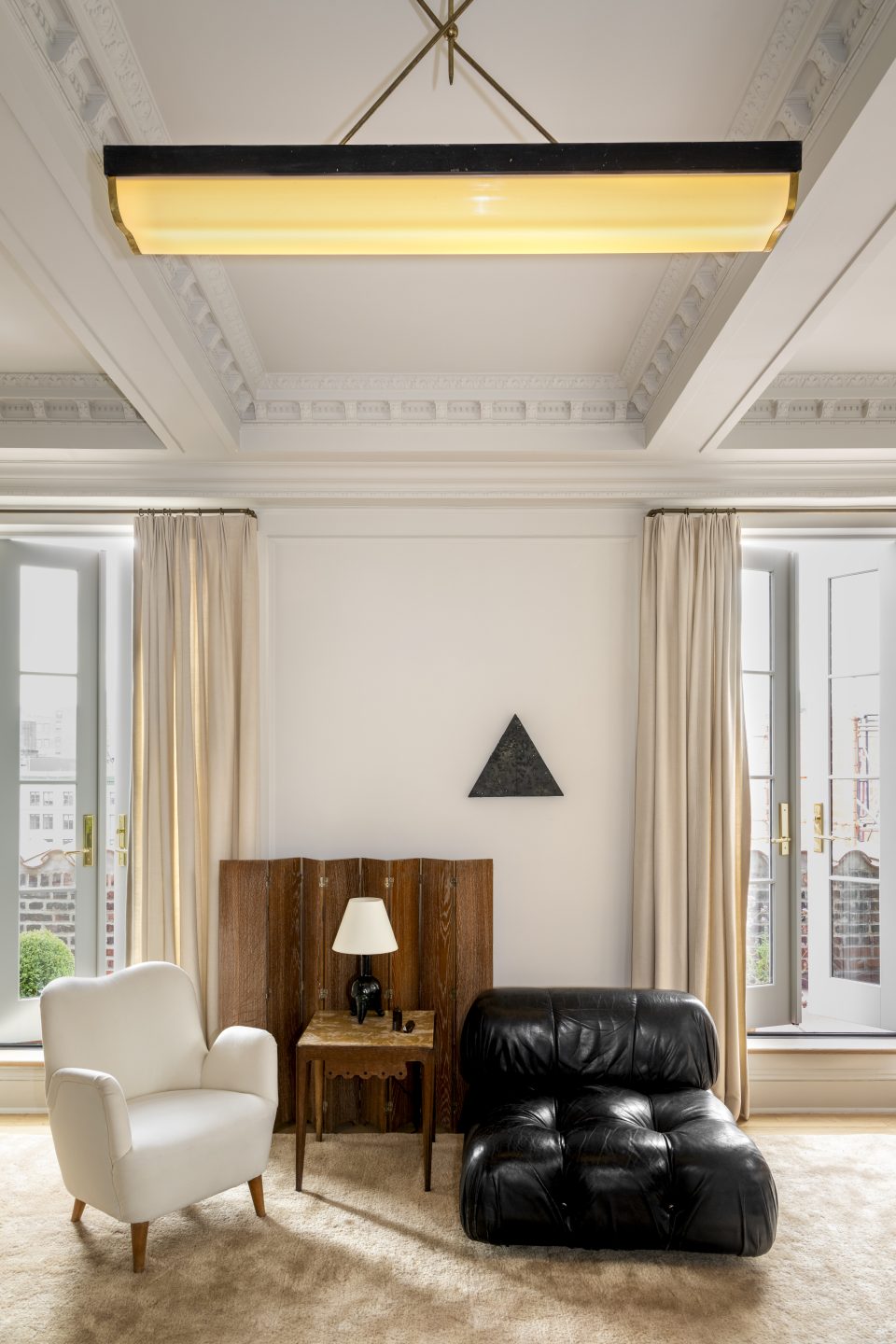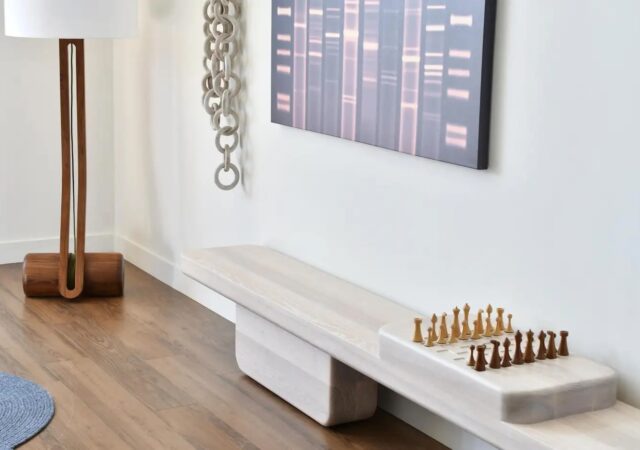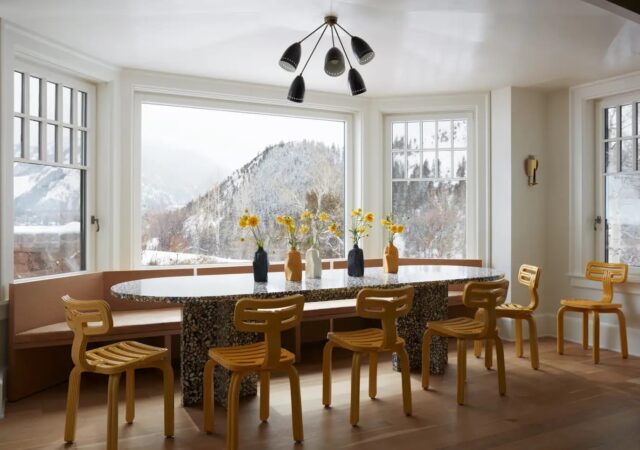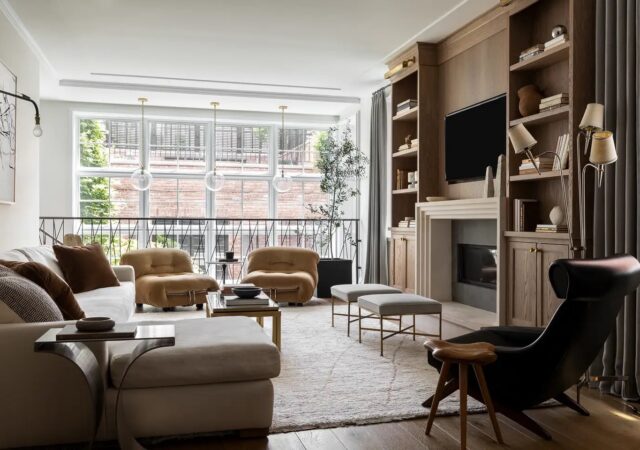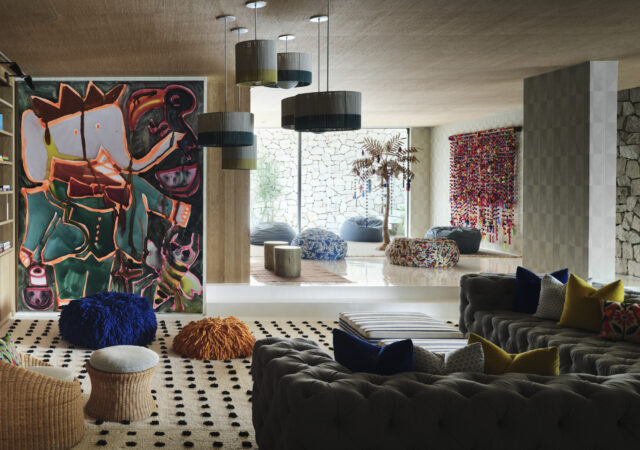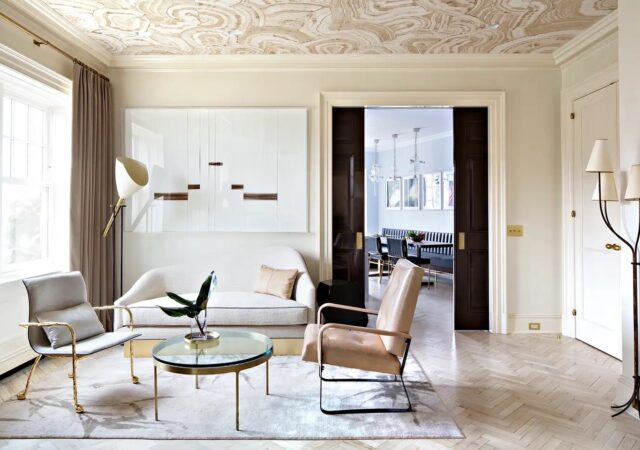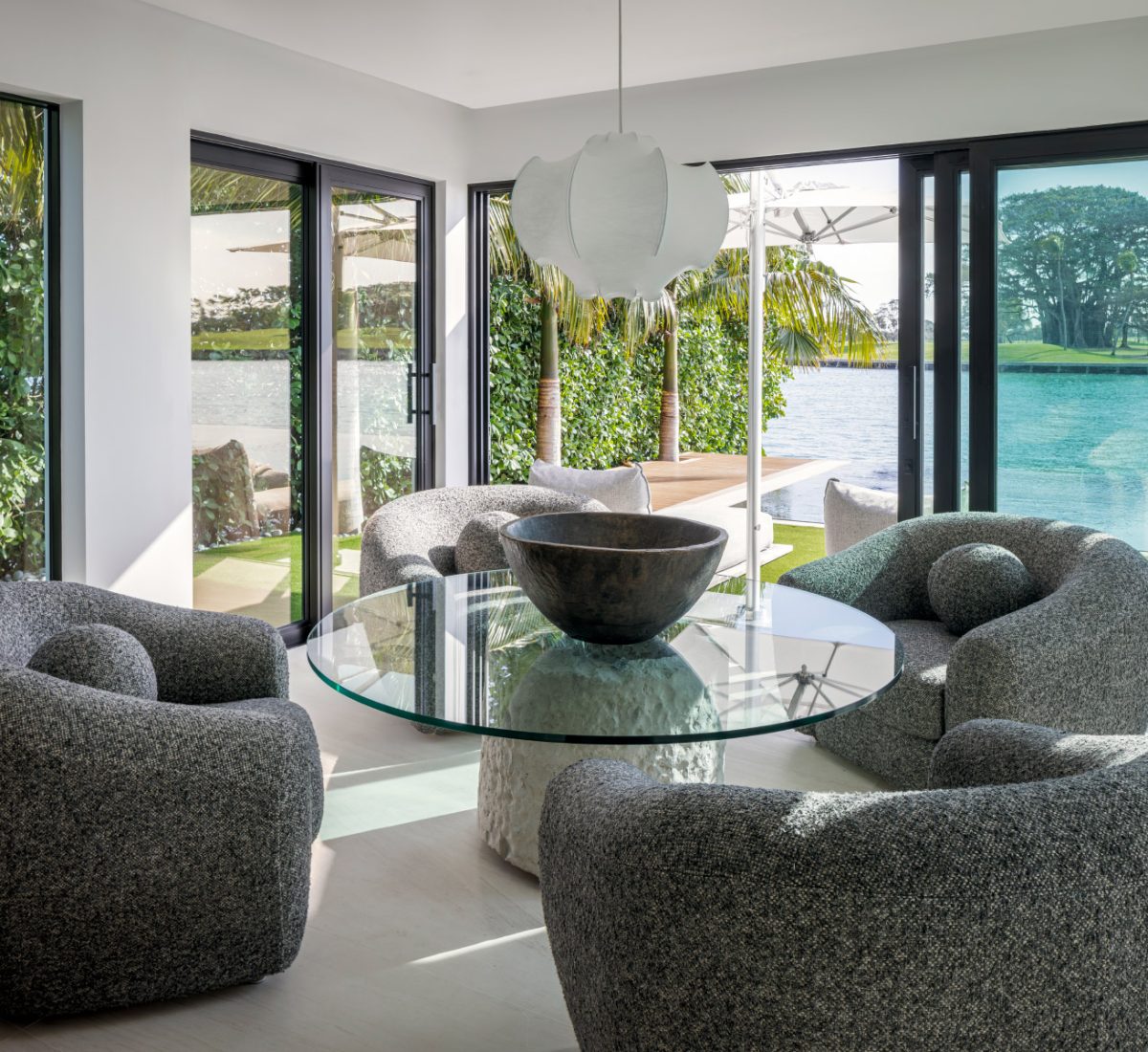
Artistic Interiors: Designing with Fine Art Collections By Suzanne Lovell Written with Marc Kristal Abrams/Stewart, Tabori & Chang, New York: 2011 (256 pages; $60) Few people now quibble about whether interior design is an art or, at the very least, a decorative art. But design as portraiture? Why not? Even the peskiest professional veneer splitter agrees that a designer’s ultimate goal is to reflect the person in the place. The question is: how? In Artistic Interiors: Designing with Fine Art Collections, just published by Stewart, Tabori & Chang, polymath Chicago-based architect, interior designer and passionate art collector Suzanne Lovell shows how she uses art — and her art — to do just that. For Lovell, art exists for more than art’s sake. It animates life. And it’s an integral element of design, not just as an accessory for show on a shelf, or to dress up a naked wall, or to enliven a tabletop’s great (or lesser) plain. Lovell has a rare ability to incorporate art, really, collections of all kinds, into living spaces without artifice — vignette to full volume. As an architect, she imagines, and works, in 3-D. As a designer, she institutes everyday comforts, necessities and luxuries. As an art lover, she assembles, arrays, places, frames. Her rooms dazzle and delight, but they also, always, breathe. The book — beautifully designed by Doug Turshen, with David Huang, using the work of a handful of photographers led by Tony Soluri — makes her mastery of dimension, volume, material, form, color, scale, period and detail exceptionally vivid. For example, Lovell treats the rooms of a sprawling Japanese box of a house with a world-class art collection (Toulouse-Lautrec, Miro, Calder, miniature Japanese lacquer ware, and et cetera of breathtaking depth) as, what she calls, “intercommunicative compartments that collectively formed a narrative.” She clearly establishes the themes — and the range of the collection — in the entry hall, with, among other things, a carved, painted antique Roman desk; a chinoiserie cabinet from the Potter Palmer estate; and the Gao Brothers’ fiberglass bust Miss MaoITALS. Lovell says her own house, full of family legacy pieces and contemporary purchases, offers “the best example I can give of this harmony/love of art collection.” In her entry stairwell hangs Sergio Bustamante’s swinging brass monkey, which contemplates framed lengths of silk ikats on the hall wall. In her foyer, a bronze quan xingITALS takes pride of place guarding her Boston & Sandwich [??cup plate] collection. And that’s just the beginning. The book’s twelve captivating residences span an unusually broad aesthetic spectrum, no surprise given Lovell’s Bauhaus-iana-steeped student days at Virginia Tech, her tenure at Skidmore, Owings & Merrill, and her everyday encounters with Chicago’s built legacy of Sullivan, Wright, Mies and others. There’s a full on, haute International Style, glassed-in Wisconsin Lake house with a few, seamlessly integrated paintings by Philippe Conrad and Nicolas Carone. A mid-Manhattan modernist aerie features views that gobsmack and art to match: Baselitz, Rosenquist, Dine, Lichtenstein, Judd, Rauschenberg, Kiefer, Shapiro and Ruscha, to name a few. An Art Deco Chicago classic struts jazz age sophistication with gilded, wrought-iron French gates a la Poillerat, Biedermeier cabinets, a Royère coffee table, and photos by Lee Friedlander. Written with design journalist Marc Kristal, Lovell’s text reveals how much more there is to her interiors than meets the eye. After “decades of immersion in the study of architecture, the decorative arts, and, not least, art history,” Lovell says she aims to produce “fully integrated ‘couture’ environments that, above all else, express the special personalities of the individuals for whom we work.” She does. And the book? It’s a portrait, too, of the art, and of the artist.
1stdibs.com Inc. © 2001 - 2012