| Growing up in Cuba in the 1950s and ’60s, Ignacio Granda remembers much about his environs, in particular his beloved godmother’s hacienda “Los Felicianos” on the outskirts of Havana. “It was decorated with Spanish Colonial and Napoleon III period furniture, Vienna porcelain and 19th-century Spanish and Cuban paintings,” says Granda. But its grand confines were not enough to insulate him from the emotional and political impact that the Cuban Revolution brought upon his neighborhood: militias marching down streets and family members forced to leave the country or go to prison.
And yet, it was this very jolt to an idyllic childhood that eventually brought Granda success and contentment as a business owner in the United States. “Arriving in America at the age of fourteen and seeing my parents having to restart their livelihoods in their forties gave me a different perspective on life,” he explains. “Anything is possible if you are willing to become a risk-taker. I now look back and understand how these early experiences gave me — a Cuban refugee — tools to graduate at the top of my class from Georgetown’s School of Foreign Service, and eventually, to start Alhambra.”
The seeds to start his own antiques business were perhaps sown in Cuba, but they took root during college when Granda spent a year in Aix-en-Provence, not only perfecting the French language he had studied as a child, but also allowing him to reap fruitful relationships with French dealers in those years when he returned to France shopping for the antiques business he had launched in Coral Gables, Florida. But between Cuba and Coral Cables, he found time to earn an MBA at the Wharton School of Business, develop a career in international banking (which Granda eventually quit: “the higher I went up the corporate ladder, the more I realized it wasn’t for me”) and live 6 years in Buenos Aires where not only was Alhambra’s future creative director born (Granda’s TK-YEAR-OLD daughter, Olga), but his passion for travel, design and antiquing was affirmed. “When I lived in Buenos Aires, my [wife IS SHE STILL PART OF THE PICTURE? I KNOW IT’S SOMEWHAT OFF-POINT BUT THE OMISSION OF ANY MENTION OF HER OTHERWISE MAKES ME WONDER] and I loved to frequent the antiques market and admire the architecture of the homes of the San Telmo neighborhood,” says Granda. “The high ceilings, old doors, Art Nouveau balconies and stained-glass windows were reminiscent of old Havana. Buenos Aires was the place from which I first thought I would import antiques, that is, before my shopping took me to France.”
After relocating in the late 1980s to Miami with his young family and armed with a $50,000 loan from a former banking colleague, Granda opened the Alhambra Antiques Center, with 20 other dealers who merged their mix of inventory with Granda’s focus on Argentinean imports. “After awhile, the South American fluctuations in currency and politics along with my fluency in French, persuaded me to start shopping in France,” says Granda. Olga, then 15 — who had been accompanying her father on domestic buying trips since she was a child — was eager to also make the trip.
“I remember it so vividly,” says Olga, who is also fluent in French thanks to years spent at the Alliance Francaise de Miami. “Our shipper at the time put all the dealers he worked with up at the same hotel and threw these giant five-course dinners. I like to joke that instead of getting a big party when I turned fifteen, I got to go to France and eat and shop antiques.”
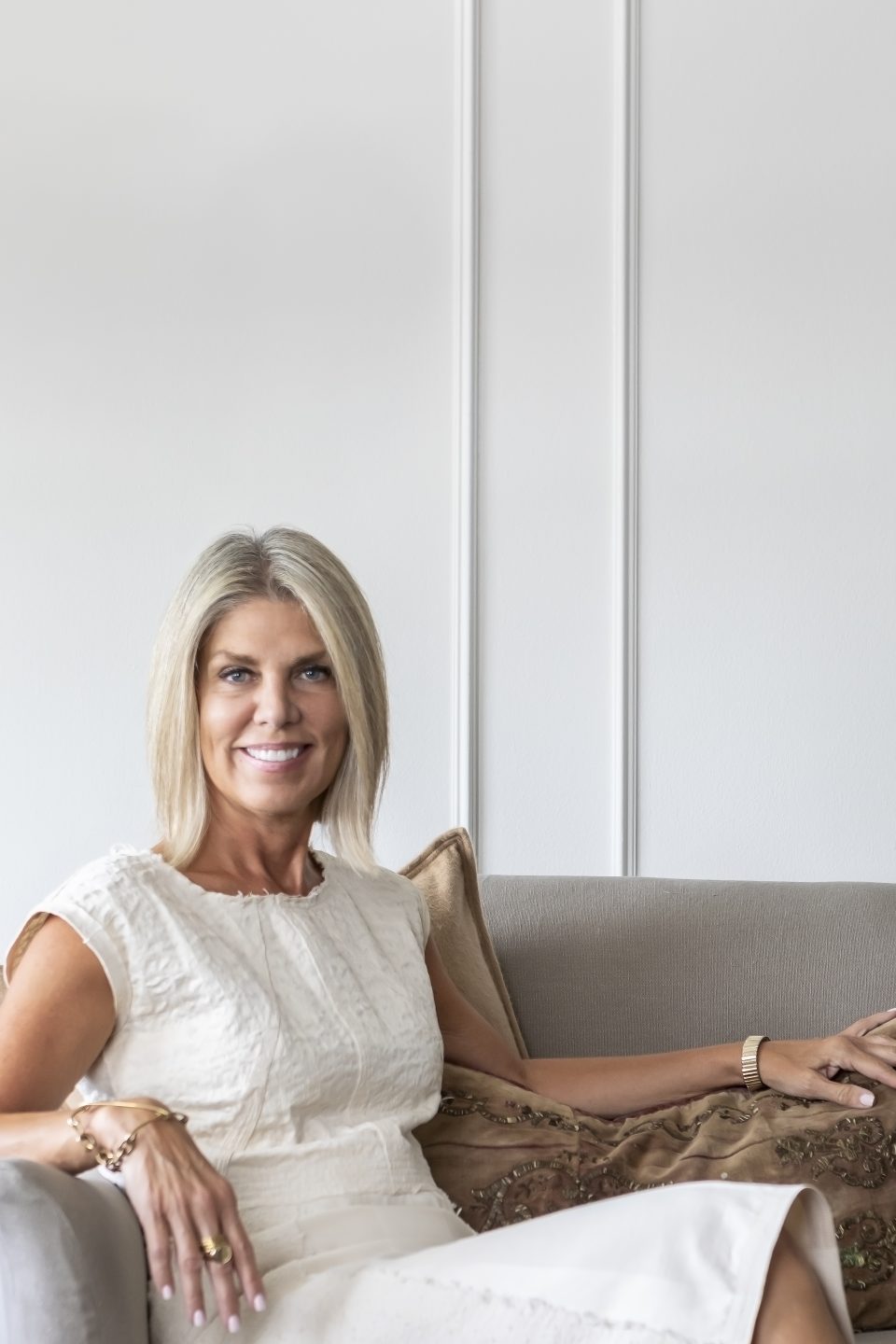
And while Olga had spent much of her childhood training to be a professional dancer (and going on to study Italian and French in Europe and securing a bachelor’s degree in Religion), all of [[the arts training she had accrued BY HER FATHER’S SIDE?]] had primed her to eventually commit herself to become Alhambra’s full-time Creative Director and her father’s buying compass. “We purchase everything together and if we don’t, I always have veto power!” she jokes.
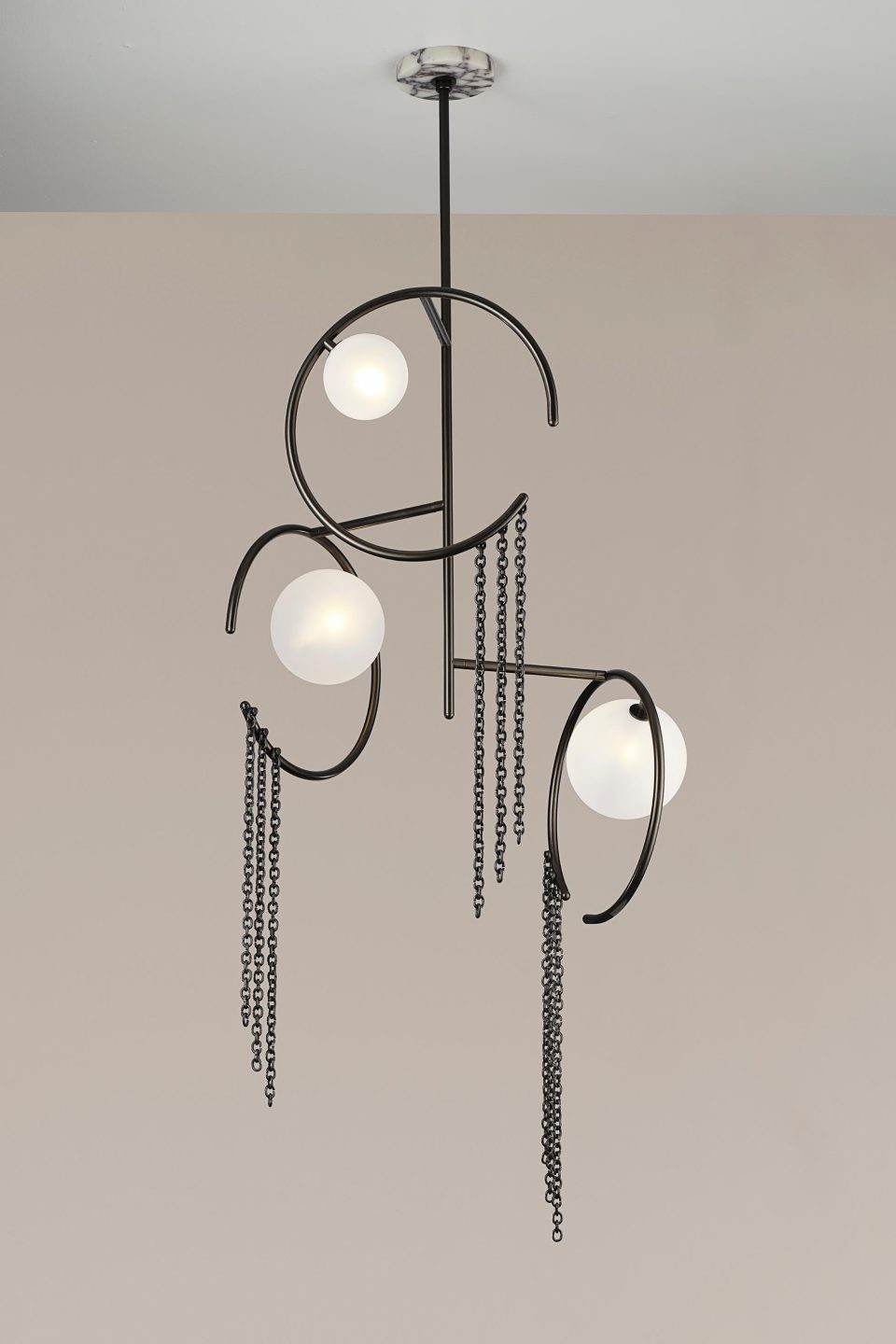
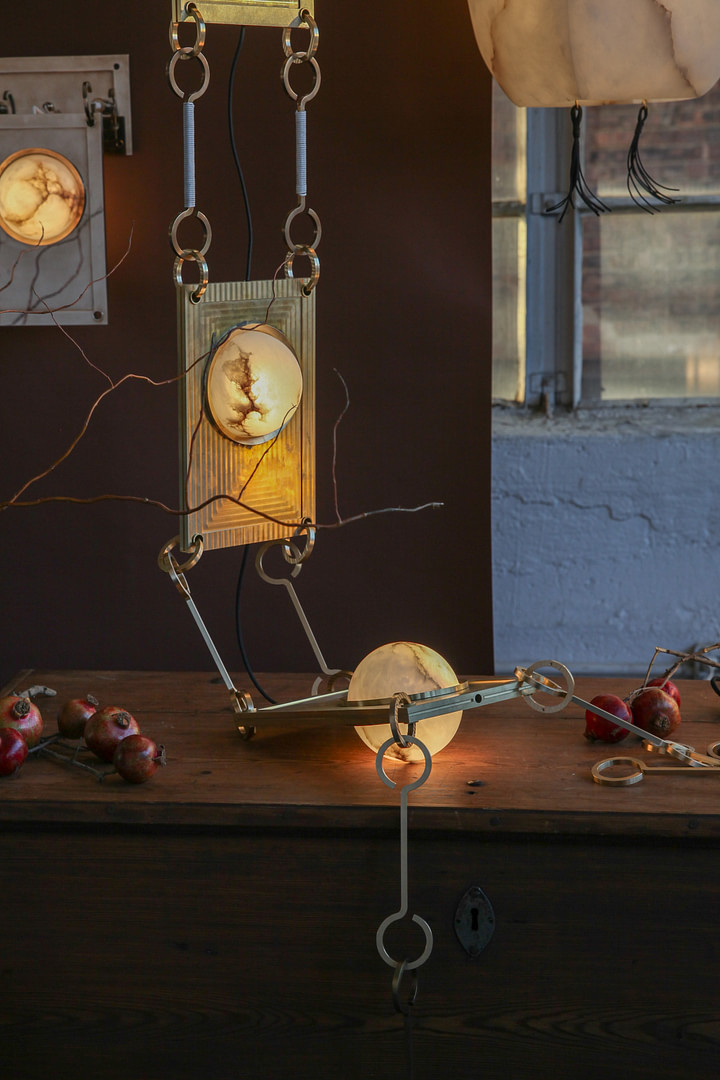
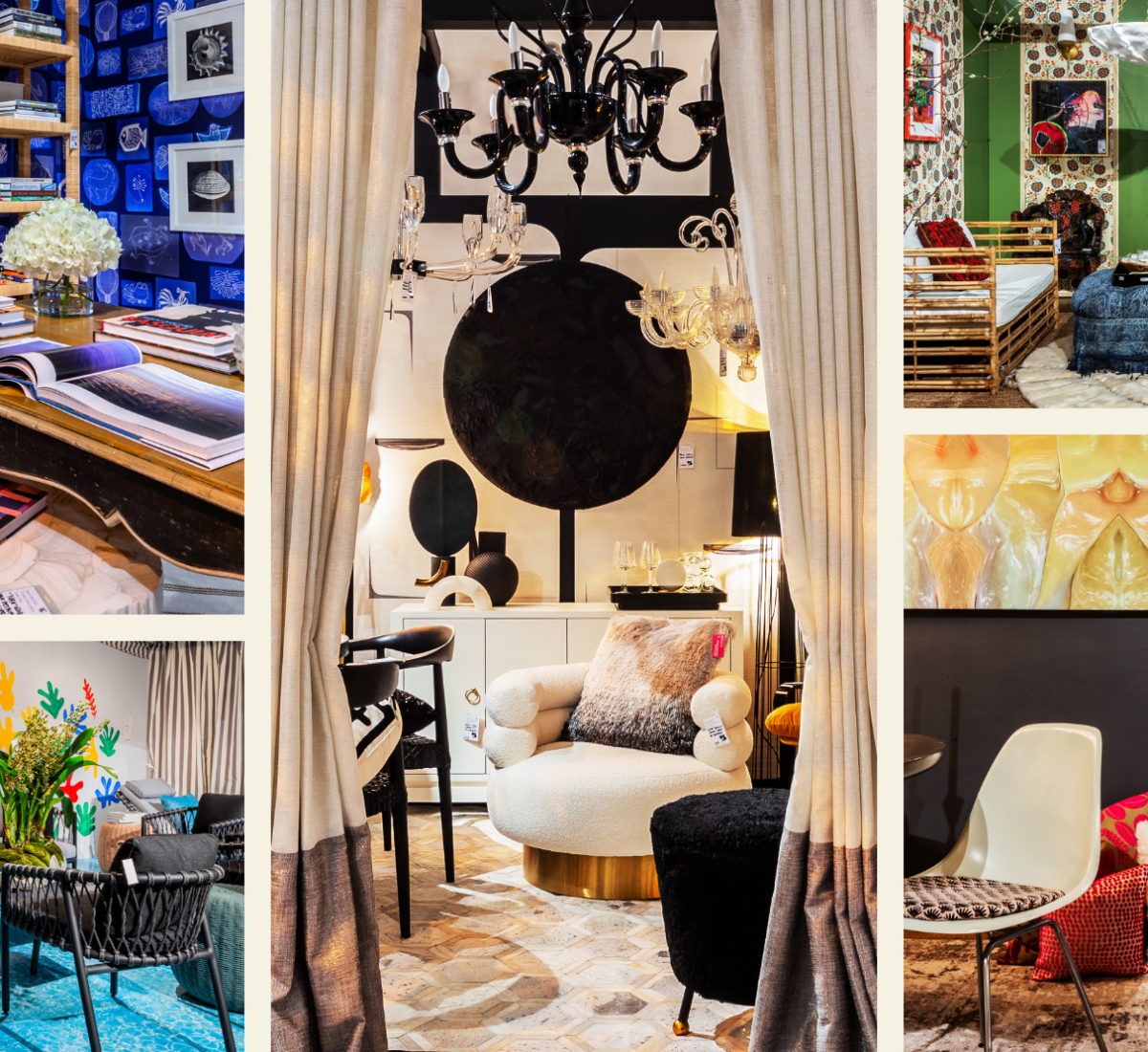
In 1999, with Olga’s encouragement, Alhambra moved to its current location (once the site of an old moving and storage company) and brought only three dealers along. The shop is within a distinctly planned [city DO YOU MEAN CORAL GABLES?] built in 1920 [ENTIRE CITY BUILT IN ONE YEAR? by turn-of-the-century developer George Merrick and created in the image of old European towns. After six months of renovations, Alhambra was ready to unveil the varied treasures that reflected the symbiotic merging of father’s and daughter’s styles: a French Napoleon III embroidered bed crown (“Tiaras and crowns have become a thing I always have because I find them so beautiful,” says Olga), a life-sized 19th-century garden stag that echoes Olga’s preference for theatrically-sized pieces, and an Italian gilt, tole chandelier with green glass “grape” clusters. “Lighting has become a good niche for us,” says Granda. “It’s interesting that a portion of our Miami clientele aren’t as interested in the furniture but they love the lighting.”
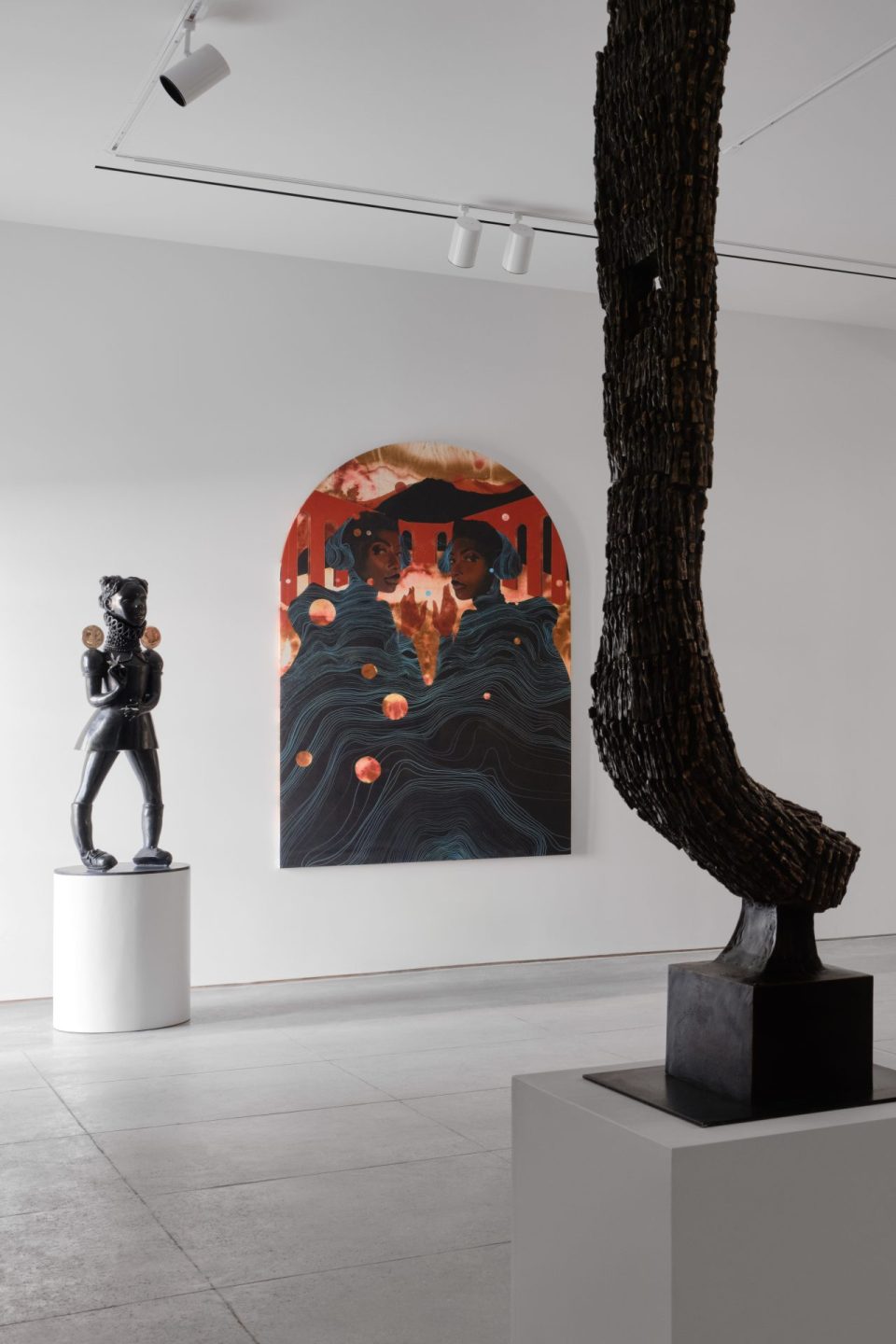
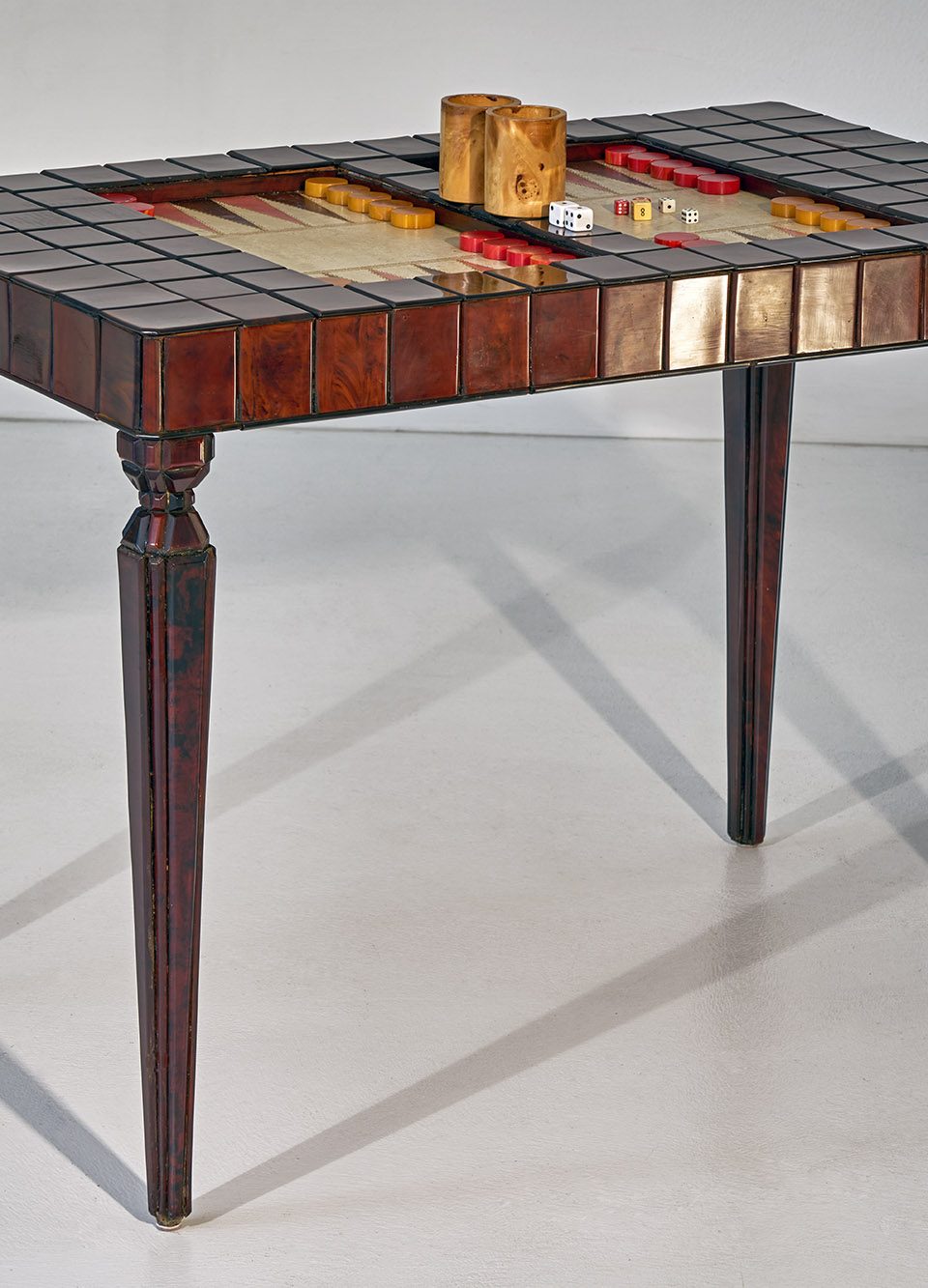
As the other dealers eventually moved on, Alhambra took advantage of the newfound space by adapting and expanding its look and scope. Most notable was Olga’s implementation of art. “I had always wanted to include art in Alhambra’s mix,” she explains, “so I began to seek out collections in France, especially those of early 20th-century artists, notably women like Georgette Agutte (who was a close friend of Matisse) and Alice Kohn, a French-Jewish girl who survived the war by pretending to be a young boy.” Not only does the gallery now launch solo and group exhibitions but it also hosts mixed-media shows with works from contemporary French furniture designers, sculptors, and ceramists. Helping Olga achieve her mission throughout is her husband, Douglas Scott, who channeled his prior work as a strategic consultant into guiding Alhambra’s marketing and online presence. “In the time that Olga and Douglas have been at Alhambra, the look and feel of the gallery has changed dramatically — and for the better,” says Granda. “The energy and aim here is to be as much about the future as the past.”
Yet Olga counts the passage of time as instrumental in loosening her previous “rules” about how pieces should be displayed. “Tastes change and mine definitely has: I now love mixing the unusual such as displaying saint statues in a colonial bird cage. Aesthetically it is interesting but, maybe, it’s also a statement of how we tend to trap spirituality and religion into unnecessary confines.” She’s not the only one who appreciates connections between disparate objects and forces: Alhambra has found a fan base in designers across the country, from Nate Berkus in Chicago to Windsor Smith in Los Angeles to Diamond Baratta Design in New York. “Alhambra is a decorator's dream shop,” says Tony Baratta. “Quality antiques with prices clients don't wince at. It’s our favorite reason to spend a morning in beautiful Coral Gables.”
The challenge and pressure to keep finding the exceptional is a bar that is continually being raised by Alhambra and only set aside when the next generation needs to, literally, be raised. Olga and Douglas have three children under the age of six. When they aren’t shuttling them to violin lessons or school, they are squeezing in trips to visit dealers throughout the United States and Europe. “We love spending time with our kids, in fact, all three of our children have come on business trips with us, at least once,” says Olga, who has never taken maternity leave. “And on those occasions when we sneak off to shop for the store, we find it so hard to restrain ourselves!” It looks like she’ll have extra help in this endeavor soon enough as the Granda-Scotts’ eldest daughter Cecilia (who already is multi-lingual), has repeatedly asked her parents for her own corner of the shop in which to set up things for sale, including her art work. “We haven’t let her do that yet,” says Olga. “But I know the day will come.”
Cecilia’s grandfather “Abuelo” more than approves. Says Granda: “I want my grandchildren to be able to pursue their dreams whatever they may be.”
| |