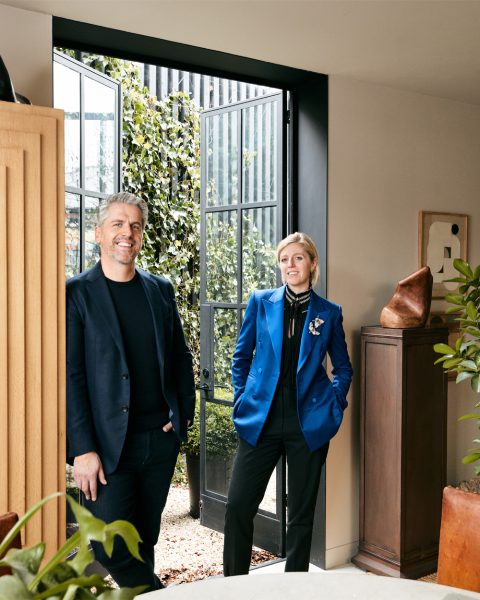
September 13, 2026After launching, in 2012, Harrison Green quickly gained momentum, establishing itself as a leading player in the growing field of New York City landscape design. Primarily focusing on private gardens, courtyards, rooftop terraces, penthouses and patios, the Brooklyn-based studio — founded and led by husband and wife Damien and Jacqueline Harrison — also creates elegant and stylish commercial projects and country gardens.
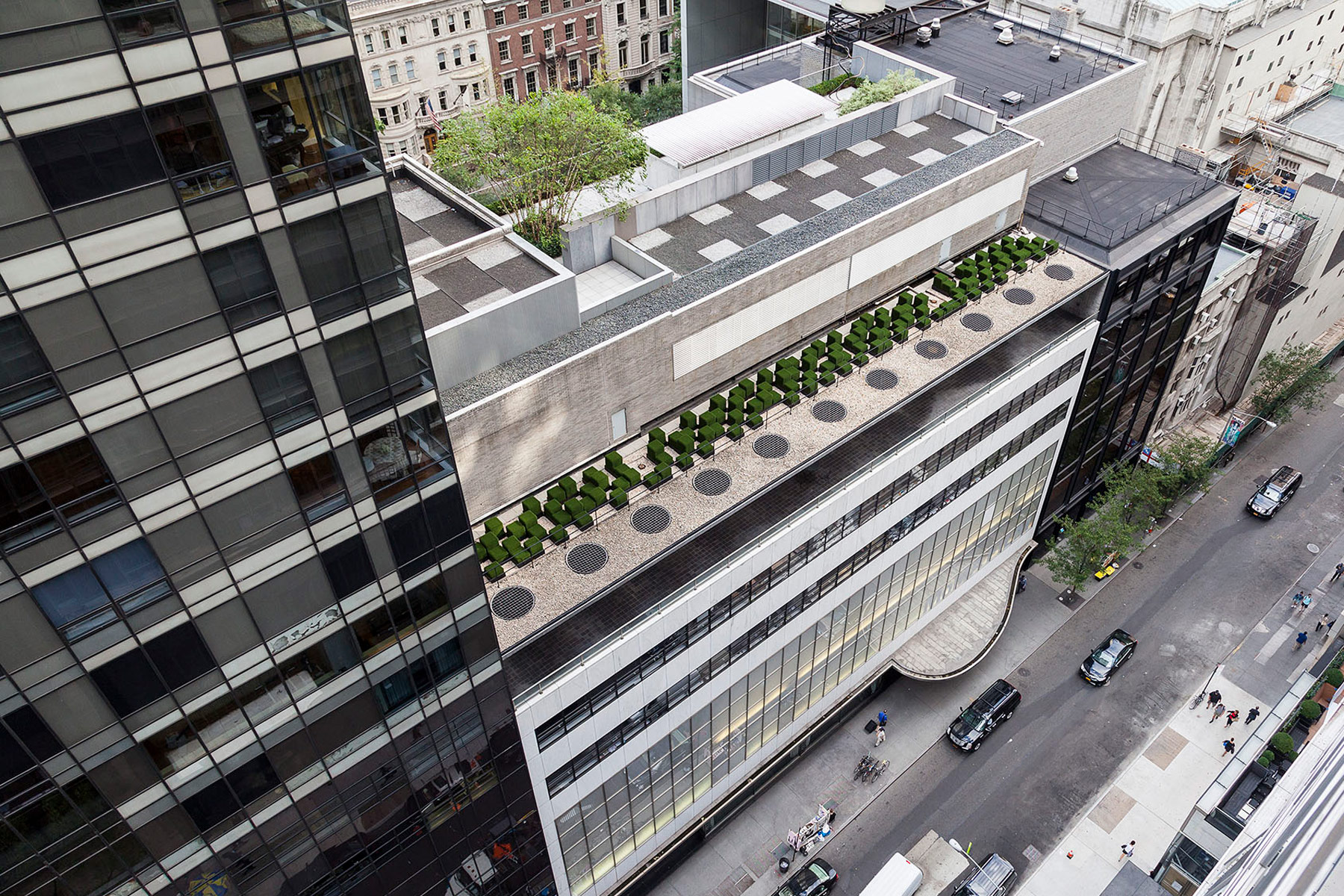
Just a few years after starting their business, the Harrisons created a small garden on the roof of the Museum of Modern Art’s iconic 1939 Edward Durell Stone building, in New York City. The stringent brief for the project discouraged the use of any living plants and specified that the scheme should require no irrigation and little to no maintenance. What’s more, the only access to the space was through a three-foot-square hole in the wall. Other designers would most likely have fled. Not the Harrisons, who created an ingenious pixelated “hedge” using an abundance of Astroturf.
From its inception, Harrison Green has committed to maintaining its gardens long after they are imagined and installed. This has ensured that the studio’s designs stay intact and that its plants flourish. In the process, the Harrisons have garnered a wealth of site-specific horticultural know-how, plus numerous referrals and a cohort of loyal clients, including many from the worlds of fashion, entertainment and art.
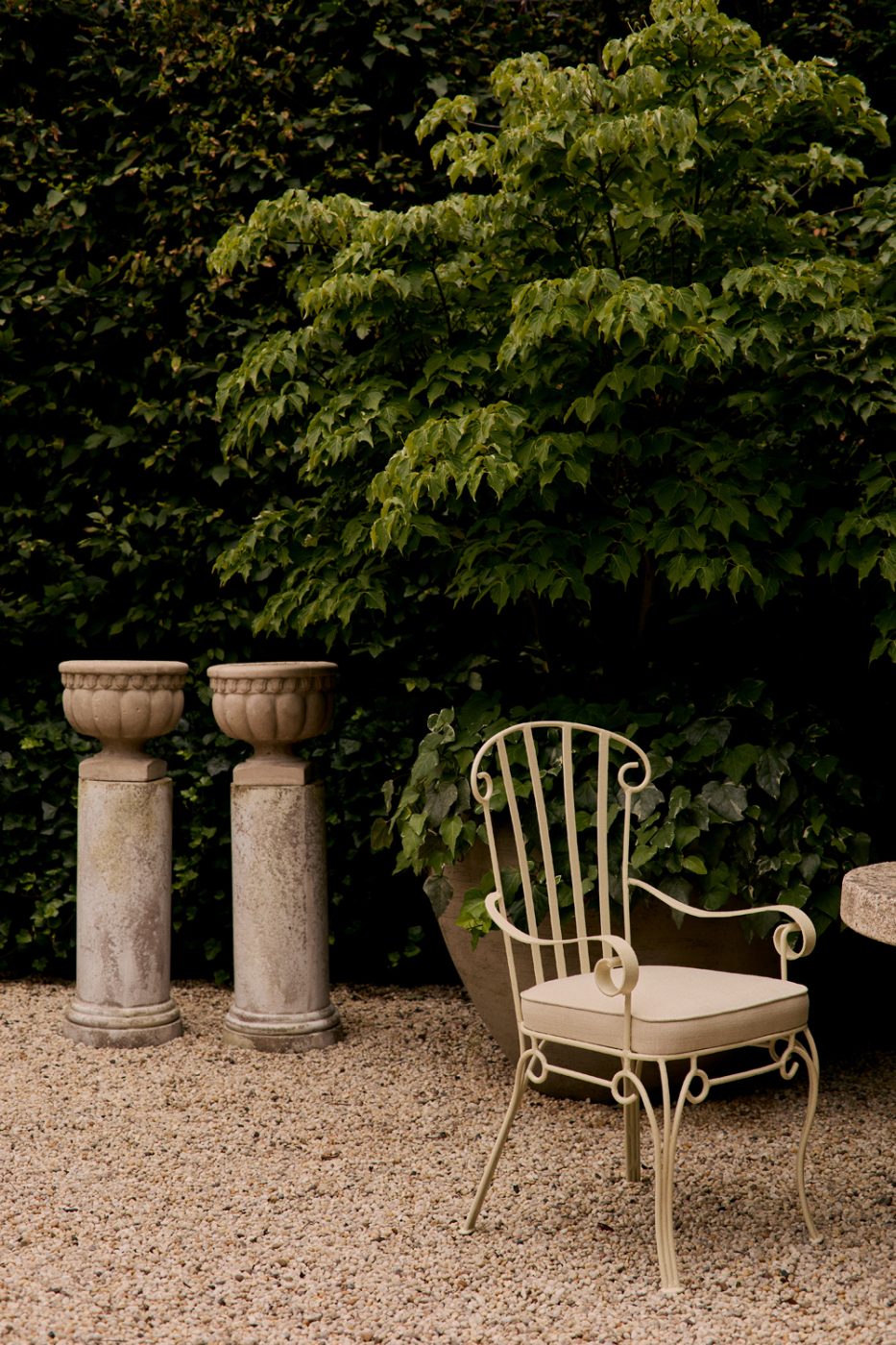
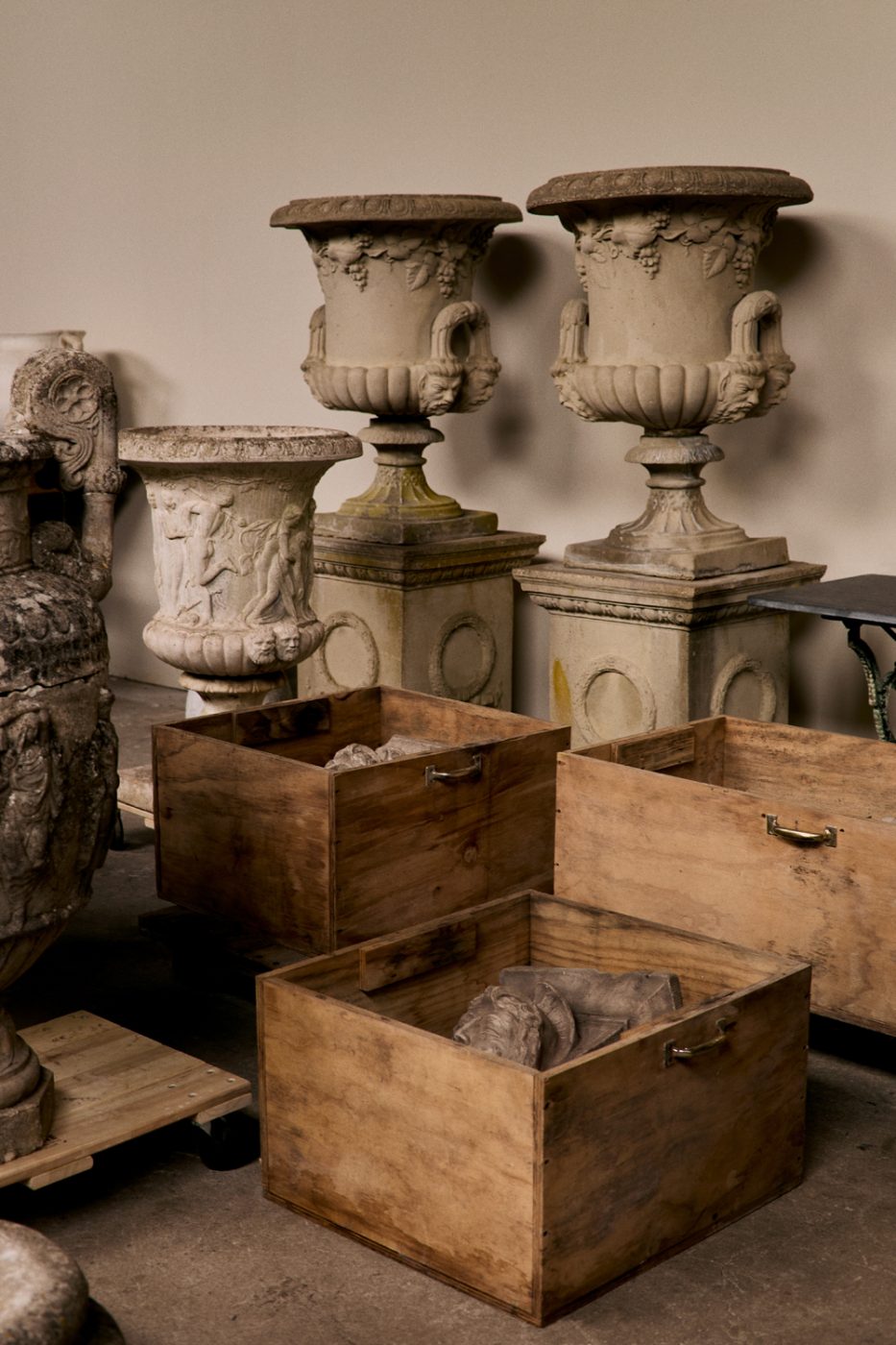
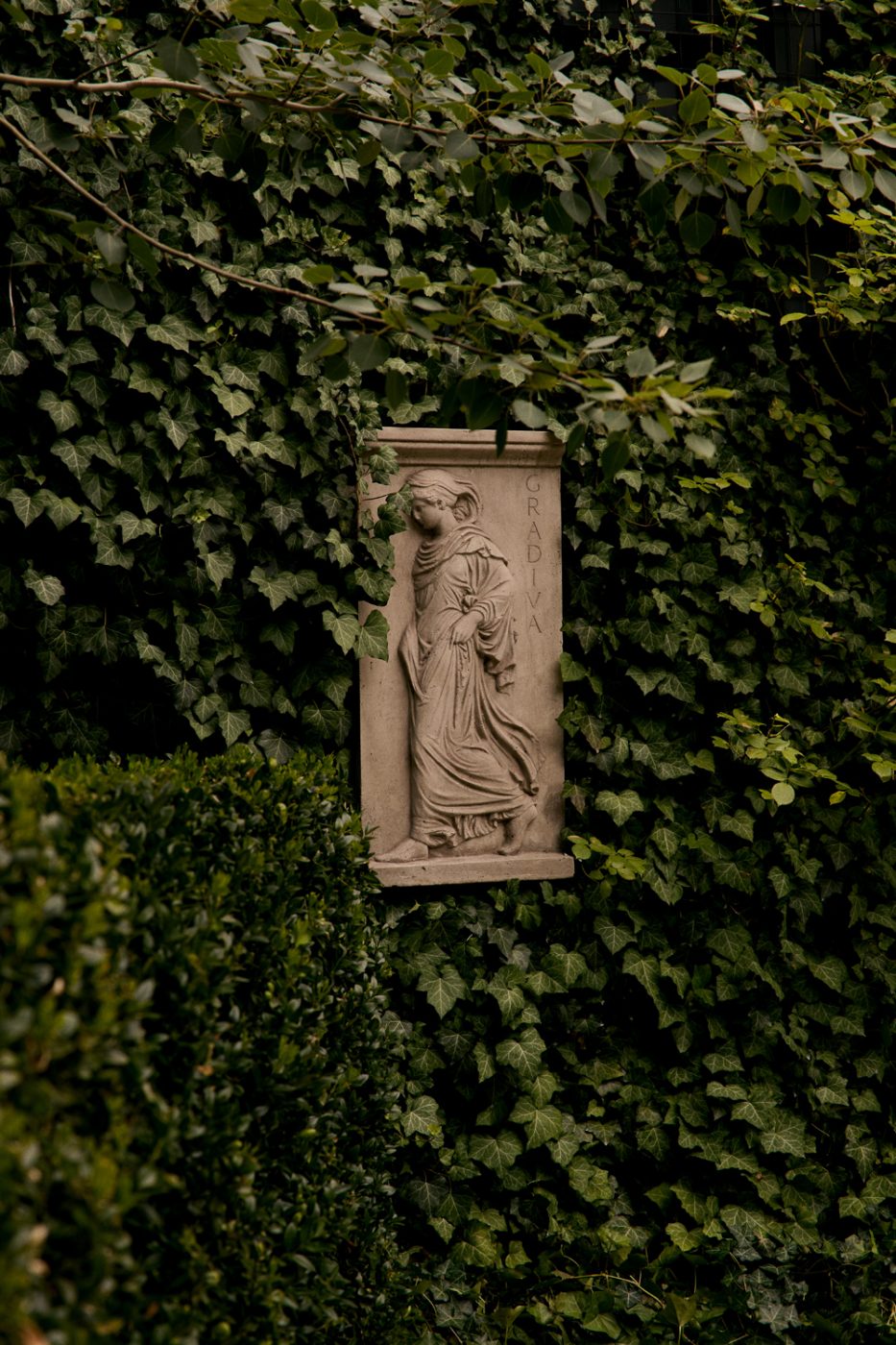
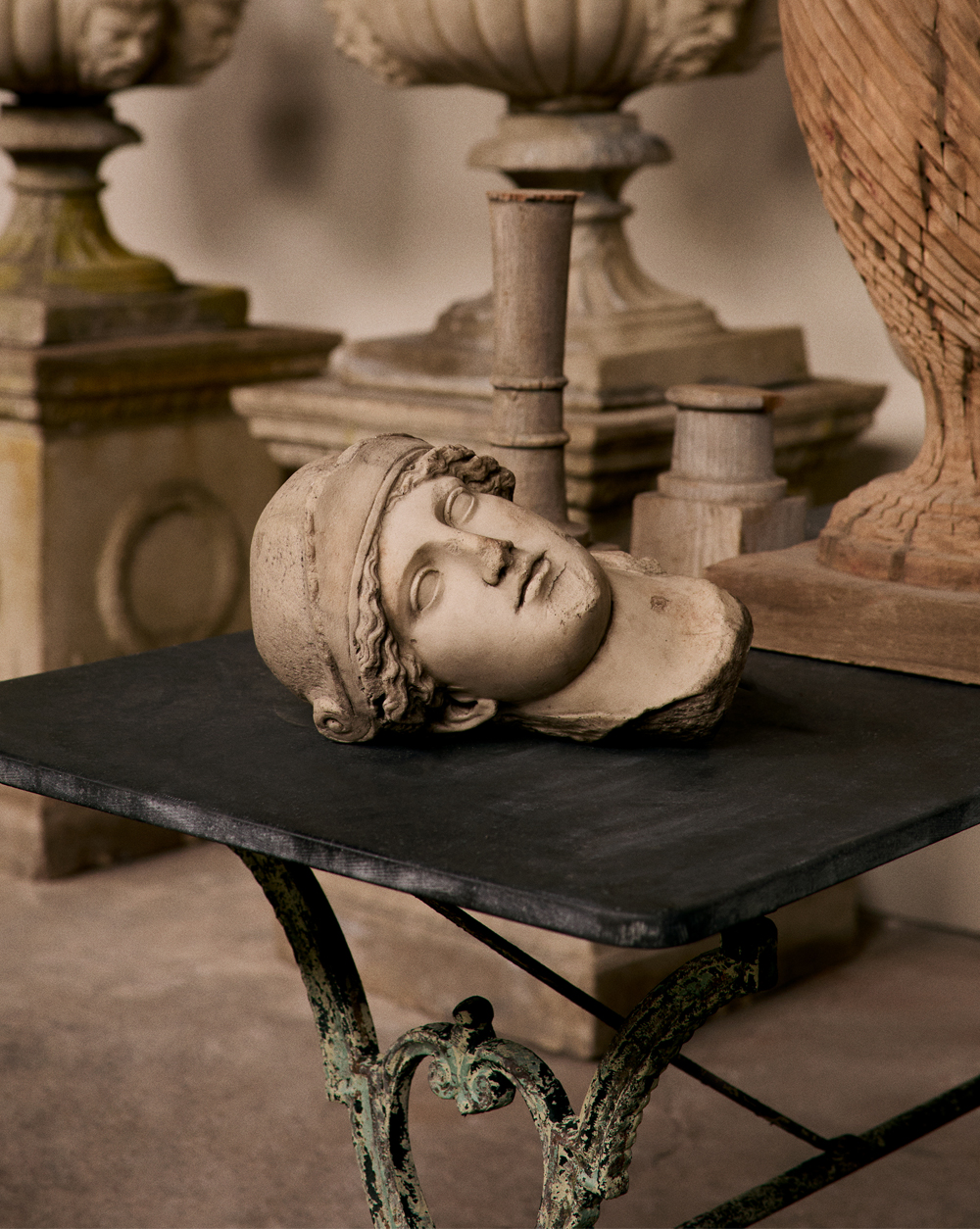
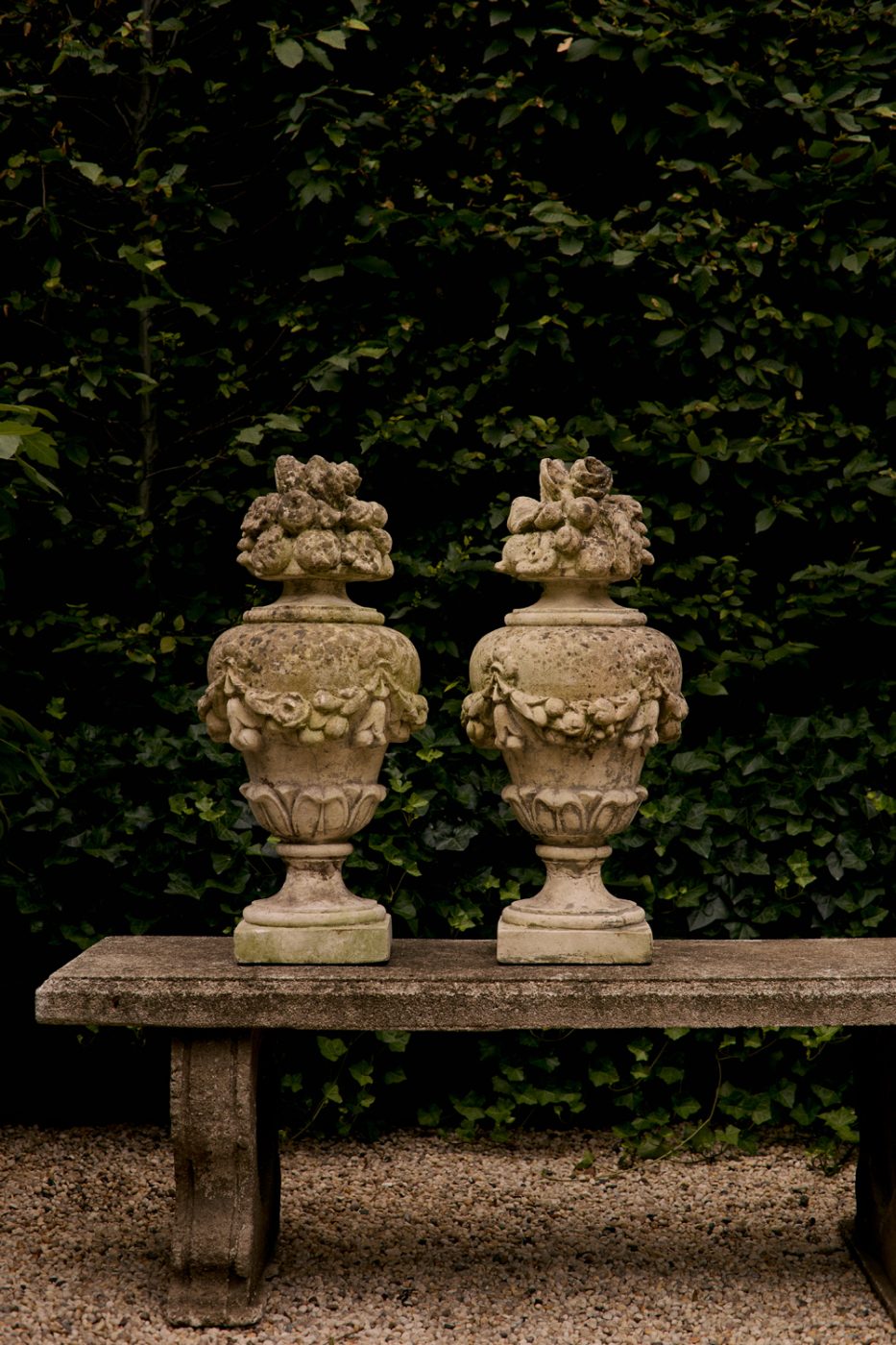
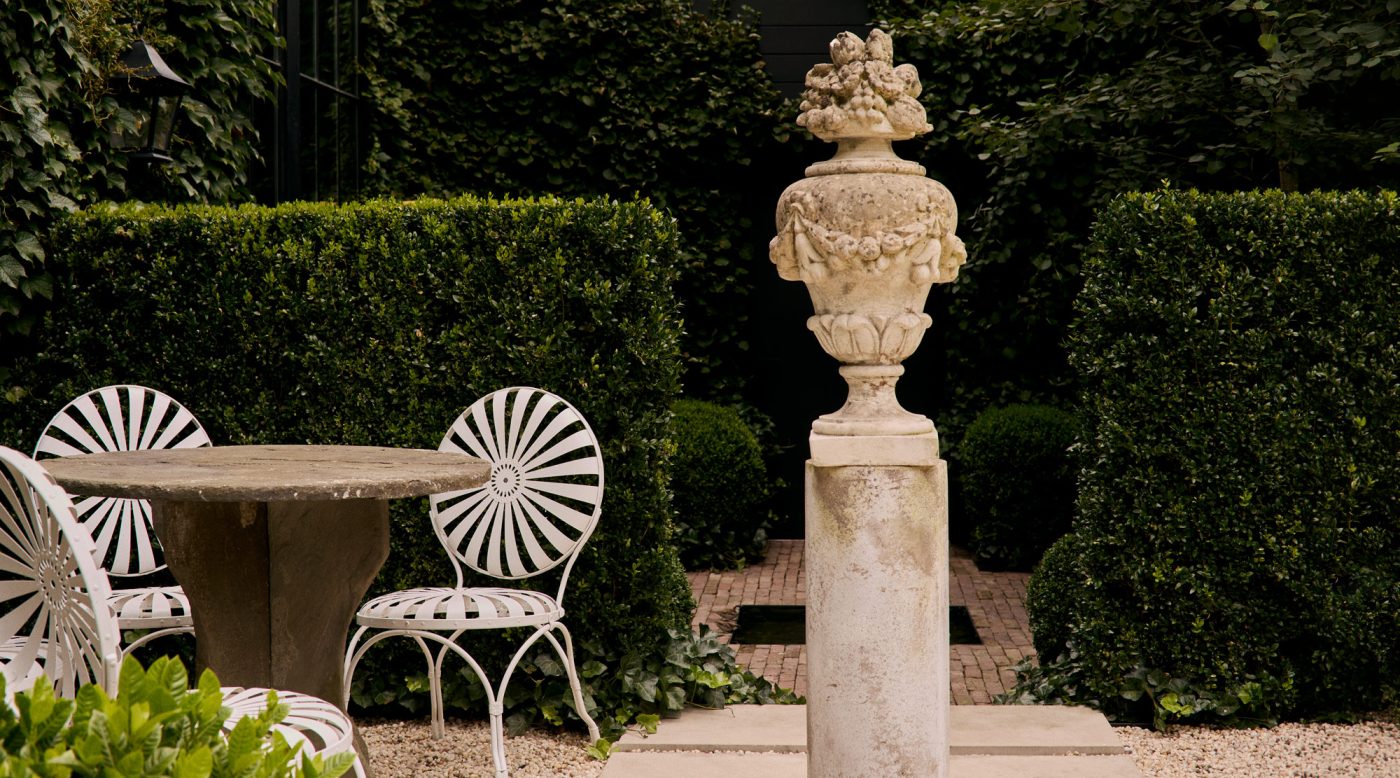
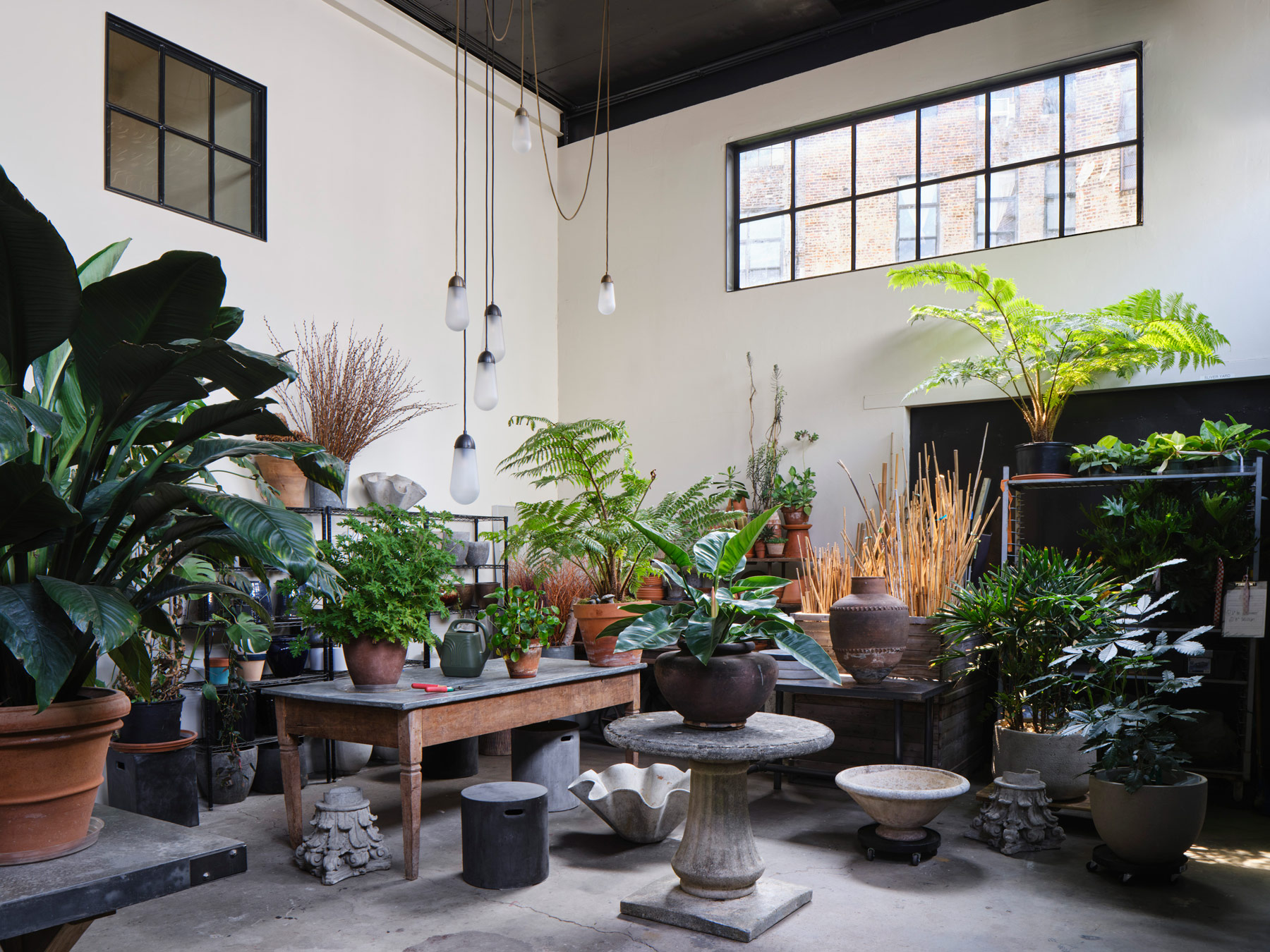
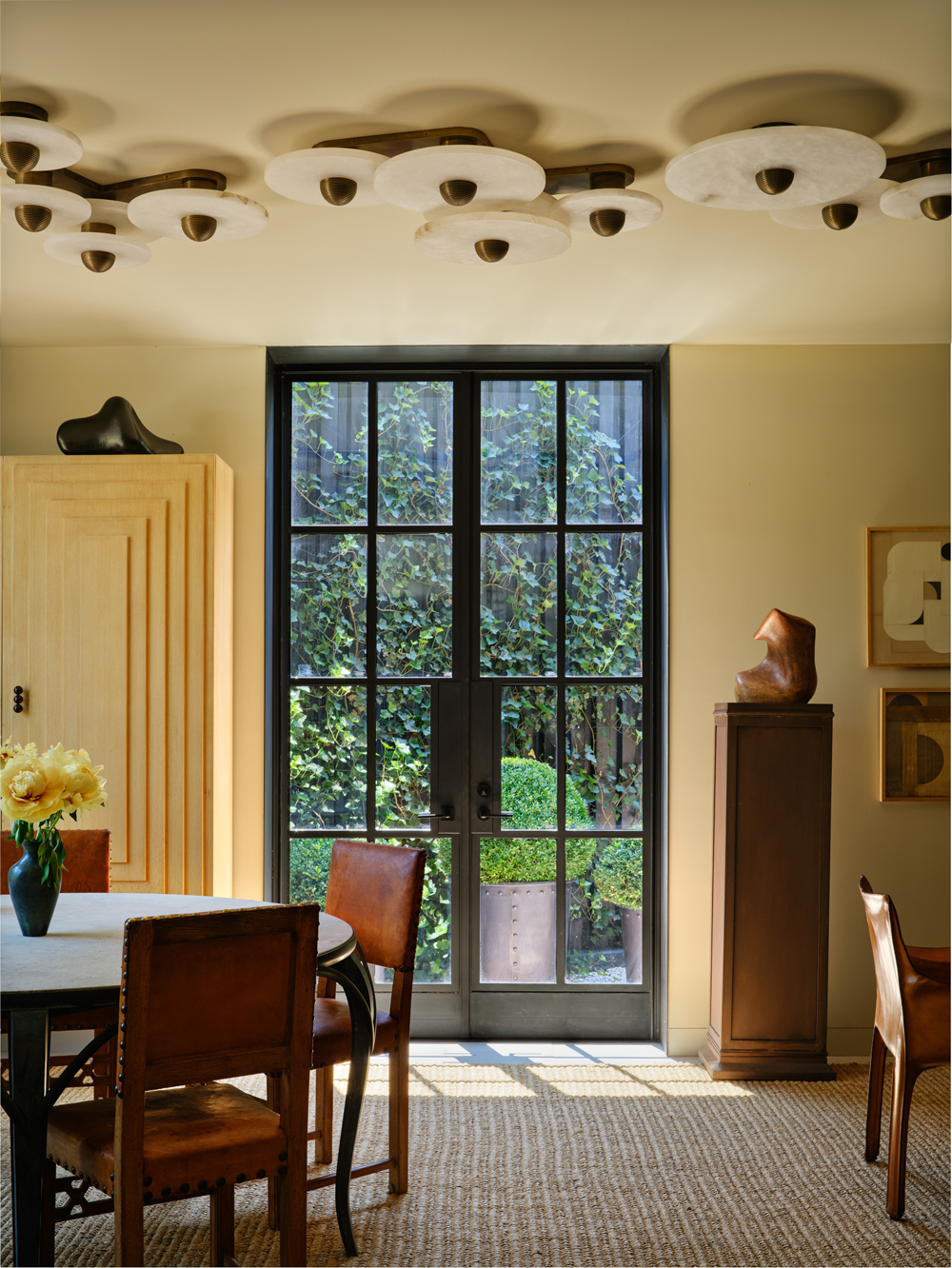
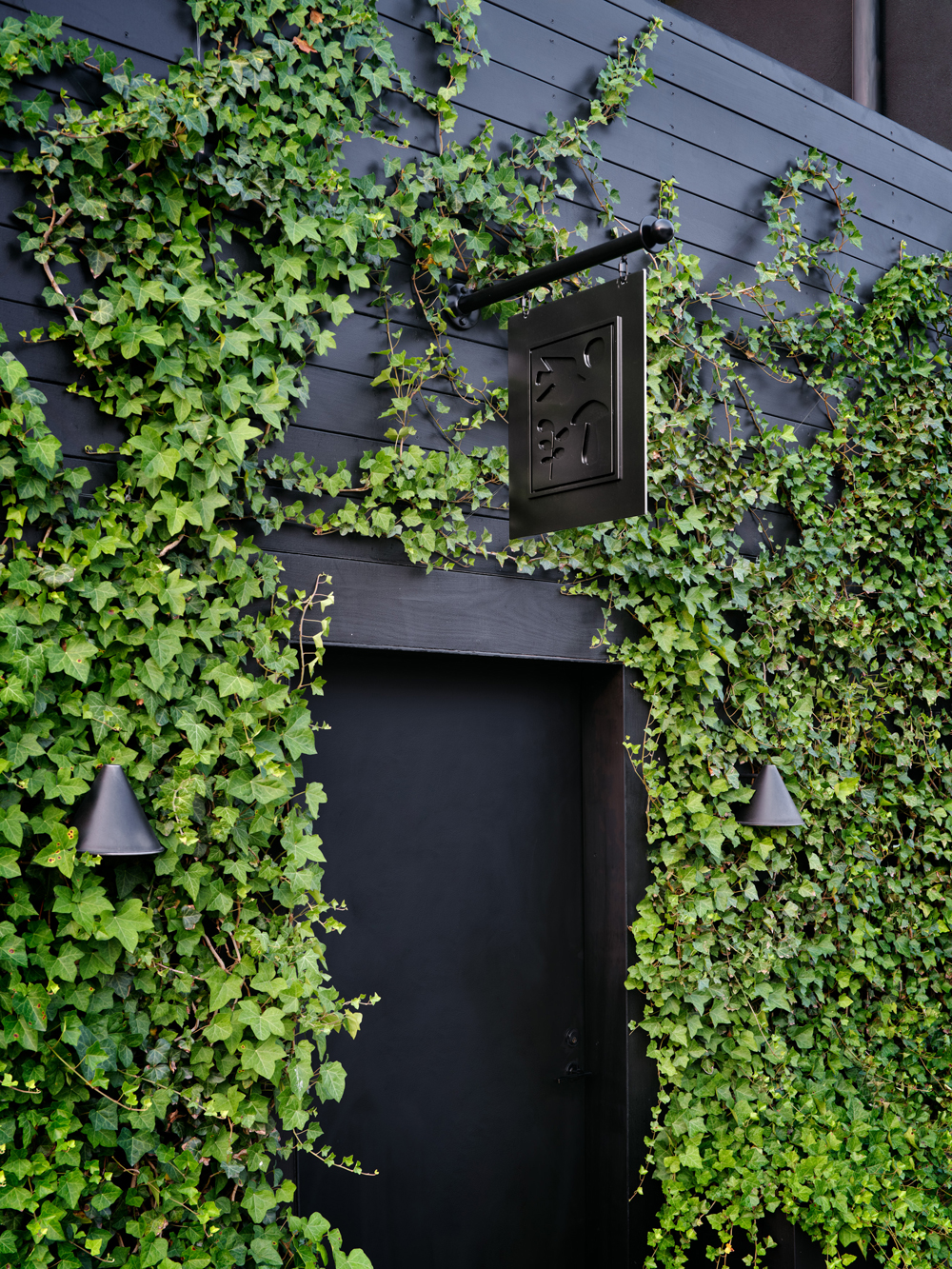
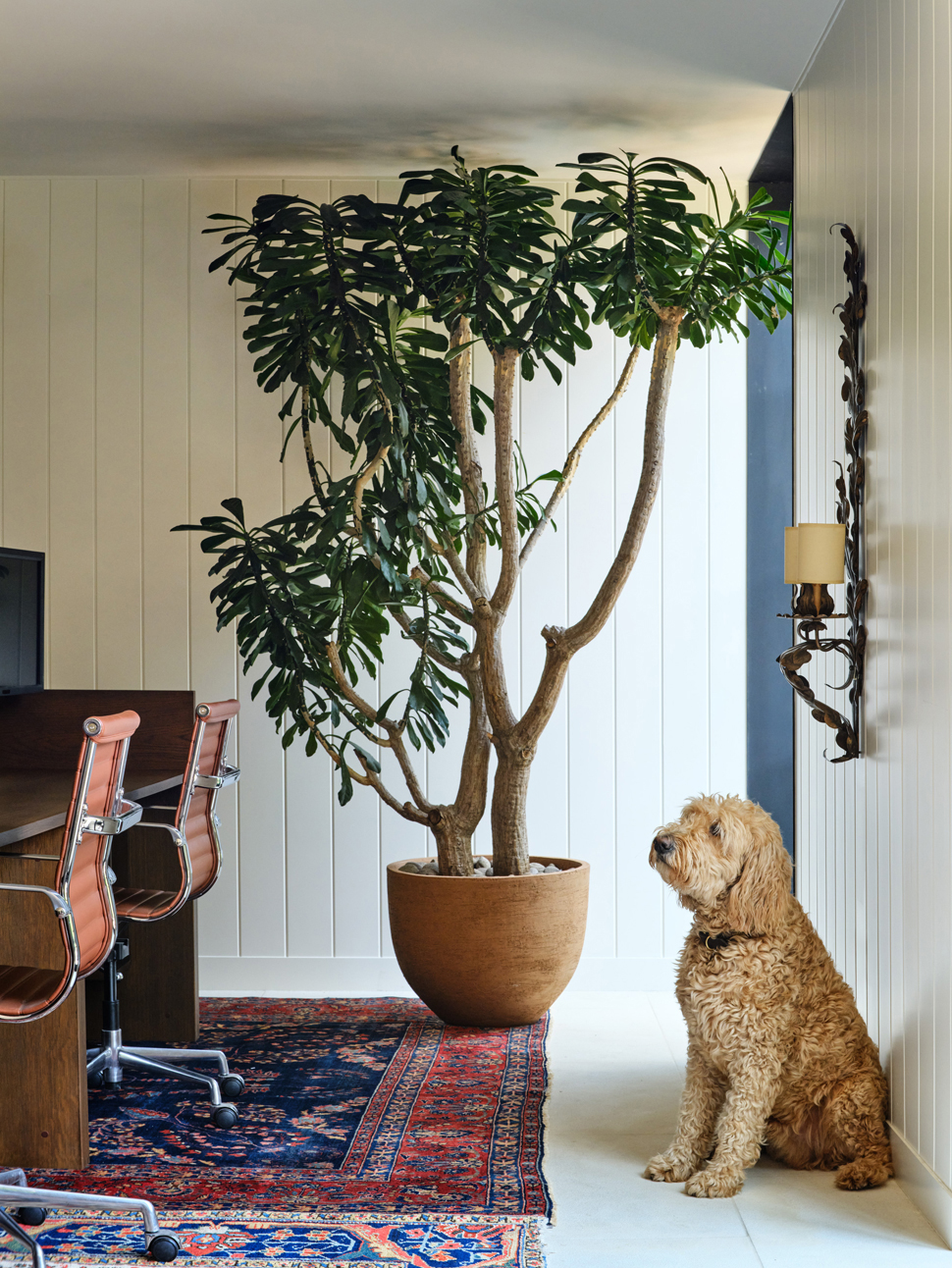
The studio is headquartered in Bushwick, in a large, beautifully restored factory building, which has a well-crafted Harrison Green–designed garden of its own. The business is still growing, most recently expanding into a digital gallery and 1stDibs storefront, Galerie Green, which specializes in antique, vintage and bespoke garden furnishings and decorative artefacts.
1stDibs recently sat down with the Harrisons to discuss how their gardens — and business — continue to flourish.
Where does the story of Harrison Green begin?
Jacqueline Harrison: Strangely, the genesis was Hurricane Sandy. It was 2012, and we were living near the South Street Seaport and about to get married. After the winds quieted down, we went out for a walk, thought, “Let’s do it,” and decided right there and then to get started.
Had you been working together at the time?
JH: Damien is Australian, and I grew up in Western Massachusetts. Both of us had degrees in landscape architecture. I worked first in Boston, and he had worked in Australia. We met in 2010, when we were both employed as designers at a New York residential-garden-design firm. It was a great place to work, but we were ready to go out on our own.
Damien Harrison: In previous jobs, we had both worked closely with interior designers and architects and seen how they built and maintained their client relationships. But as far as we could tell, this wasn’t really being done by landscape companies. Our feeling was that here’s an opportunity and a gap we can fill.
What distinguishes your studio from other garden-design firms?
JH: What makes us really different is that we specialize in urban-garden design, and from the start we offered ongoing maintenance for any garden we created. In this way, we maintain a relationship with our clients and stay in touch with our planting.
DH: It’s all about standing behind our design work. There’s a connectivity that comes from this, as over time, we learn a lot about what works well, and that in turn informs our process.
Another way in which we are not typical is that we have always developed close relationships with interior designers and architects. We like to collaborate.
In fact, this was one of the reasons we decided to start our own company, as we felt there wasn’t enough interaction between garden designers and others in the design field. With city gardens, in particular, the relationship between the interior and exterior is critically important.
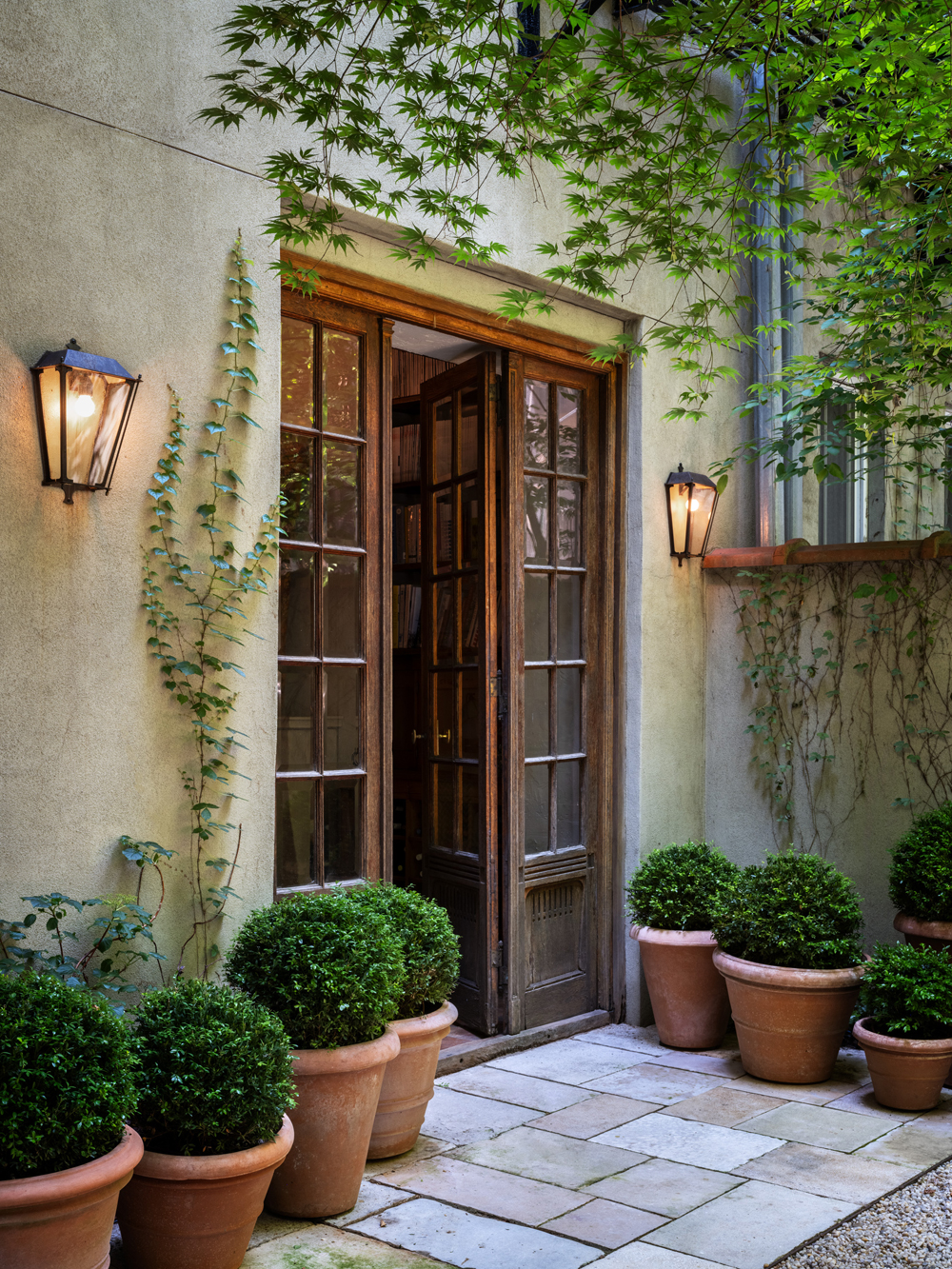
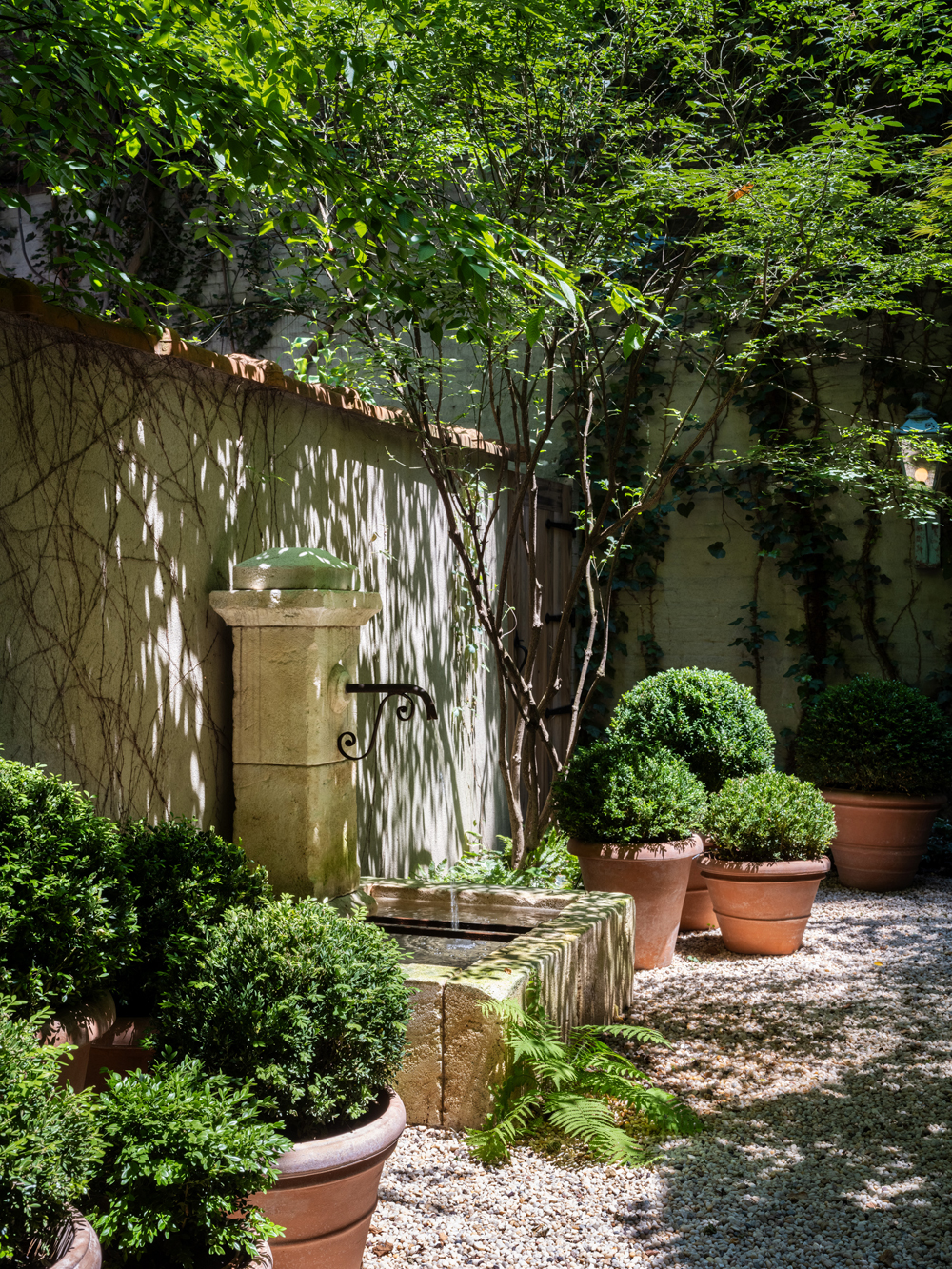
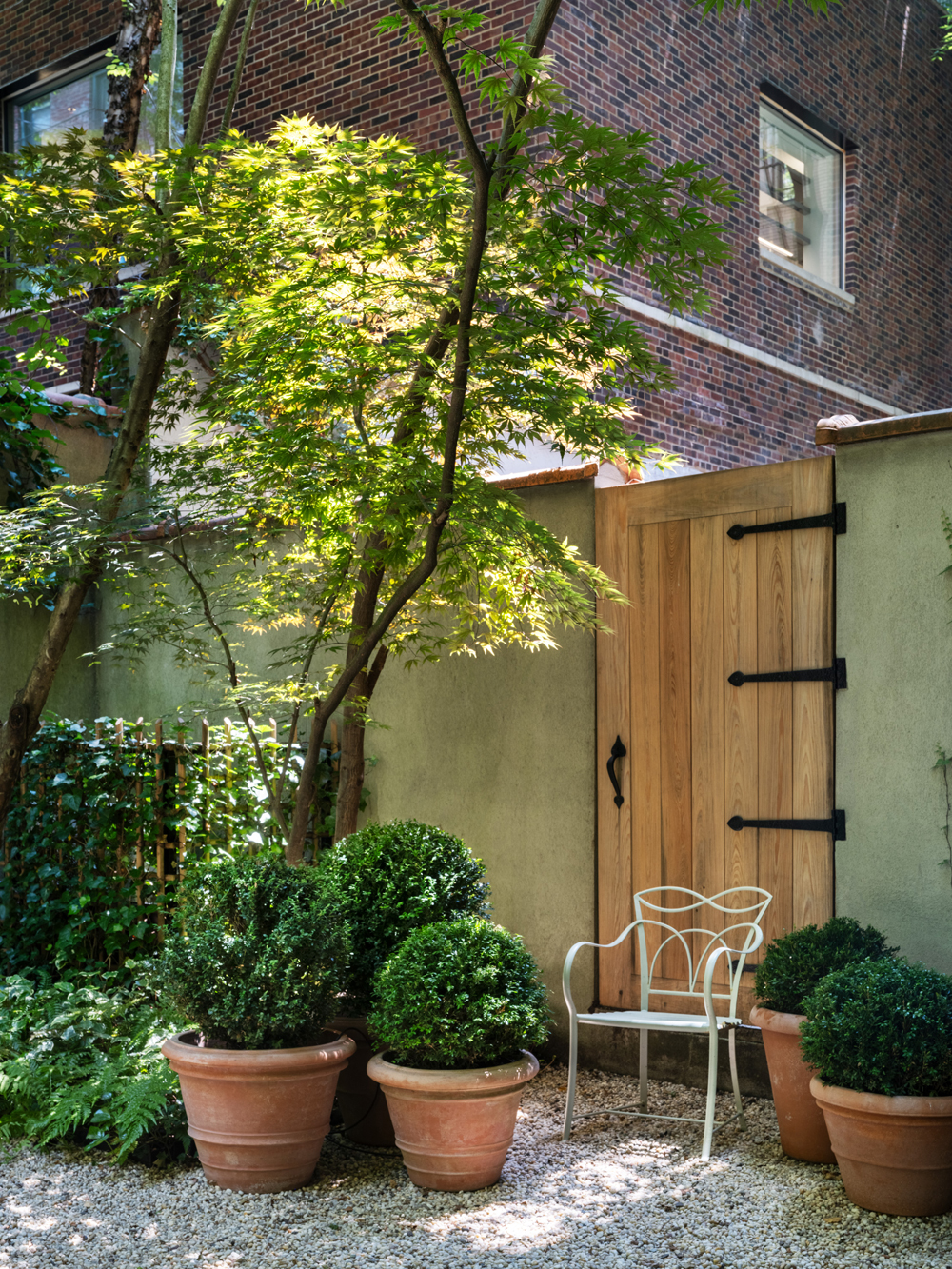
How do you organize working together?
JH: It evolved that I am more interested in maintenance, and Damien is more interested in the front-end design. So, although gardening is a team sport, we’ve ended up on opposite sides. We work collaboratively, but we each take responsibility for different aspects of a project.
Back when you started, what was your focus?
DH: Then and now, definitely urban. We have always worked primarily in Manhattan and Brooklyn, although we occasionally take on a few garden projects outside of New York. These often come our way from city clients who have acquired a second home.
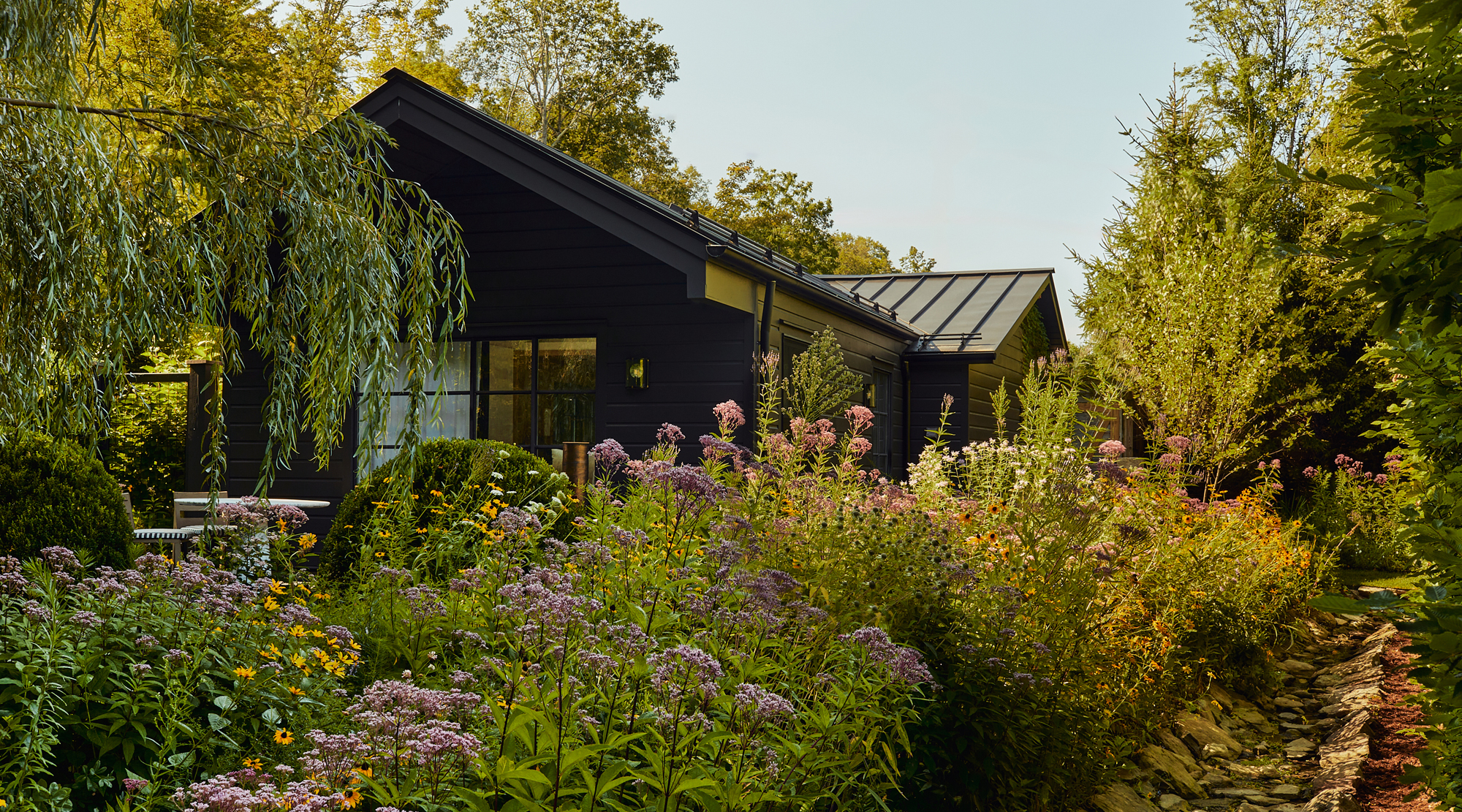
How would you describe your planting style?
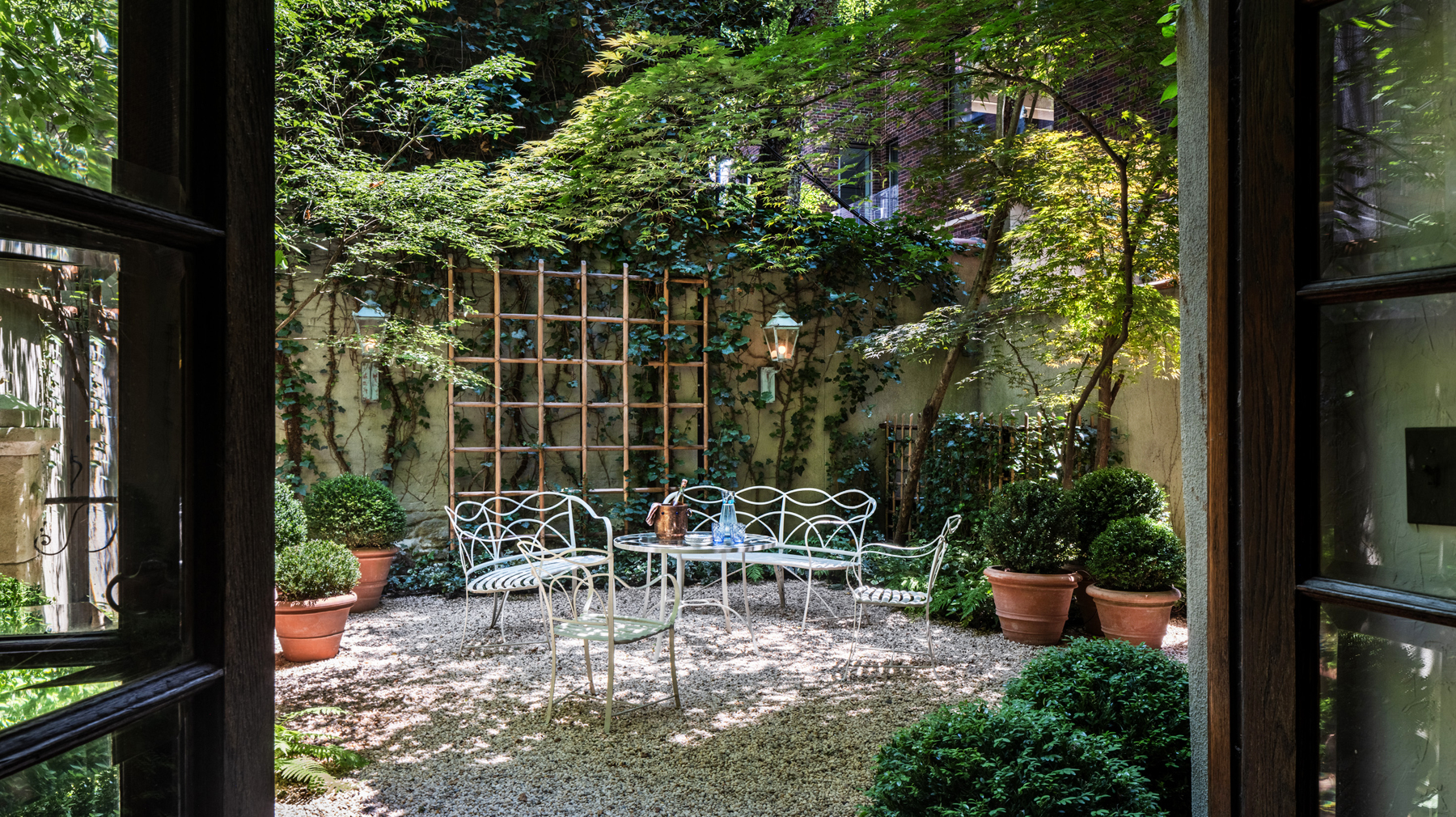
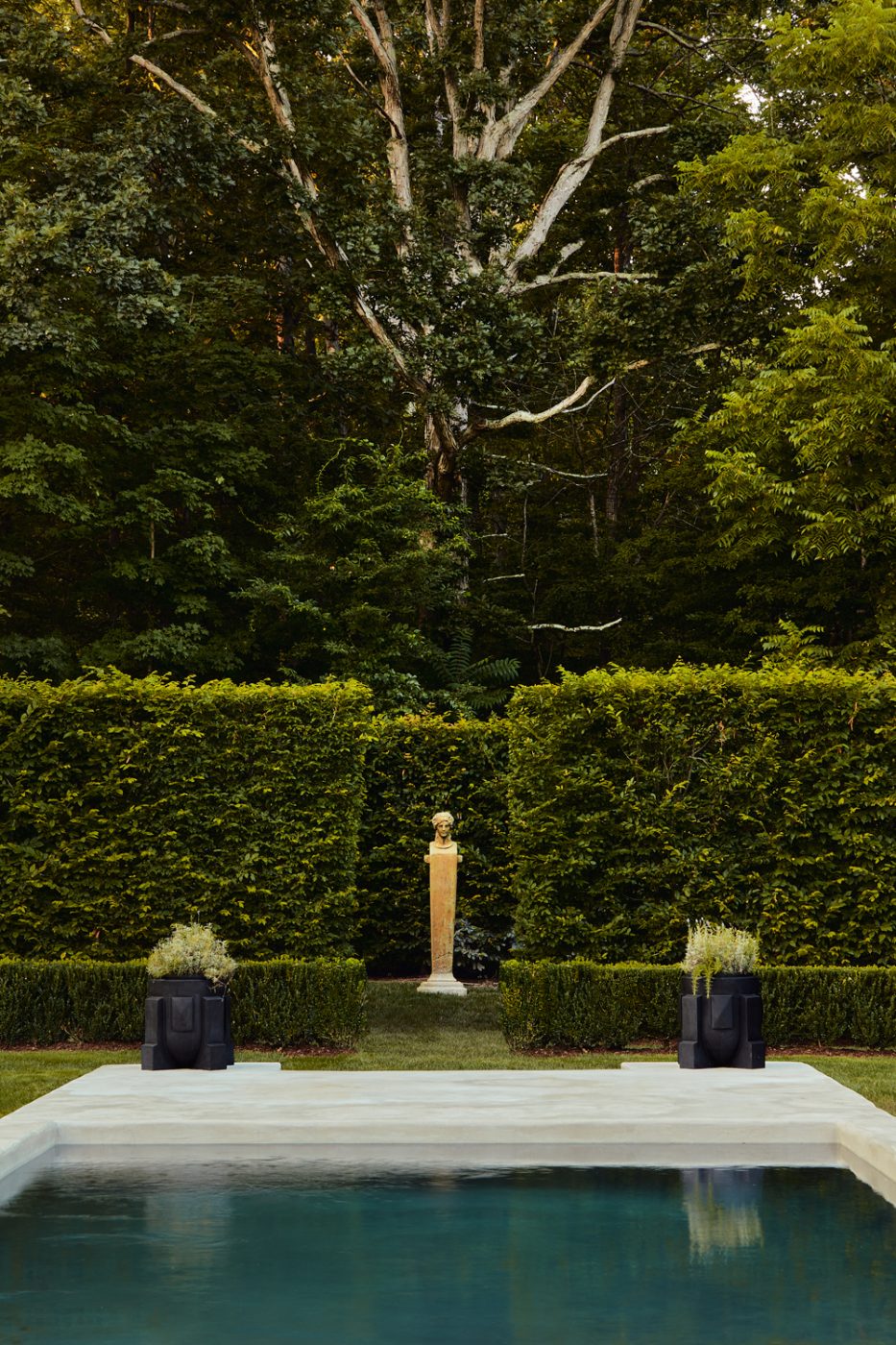
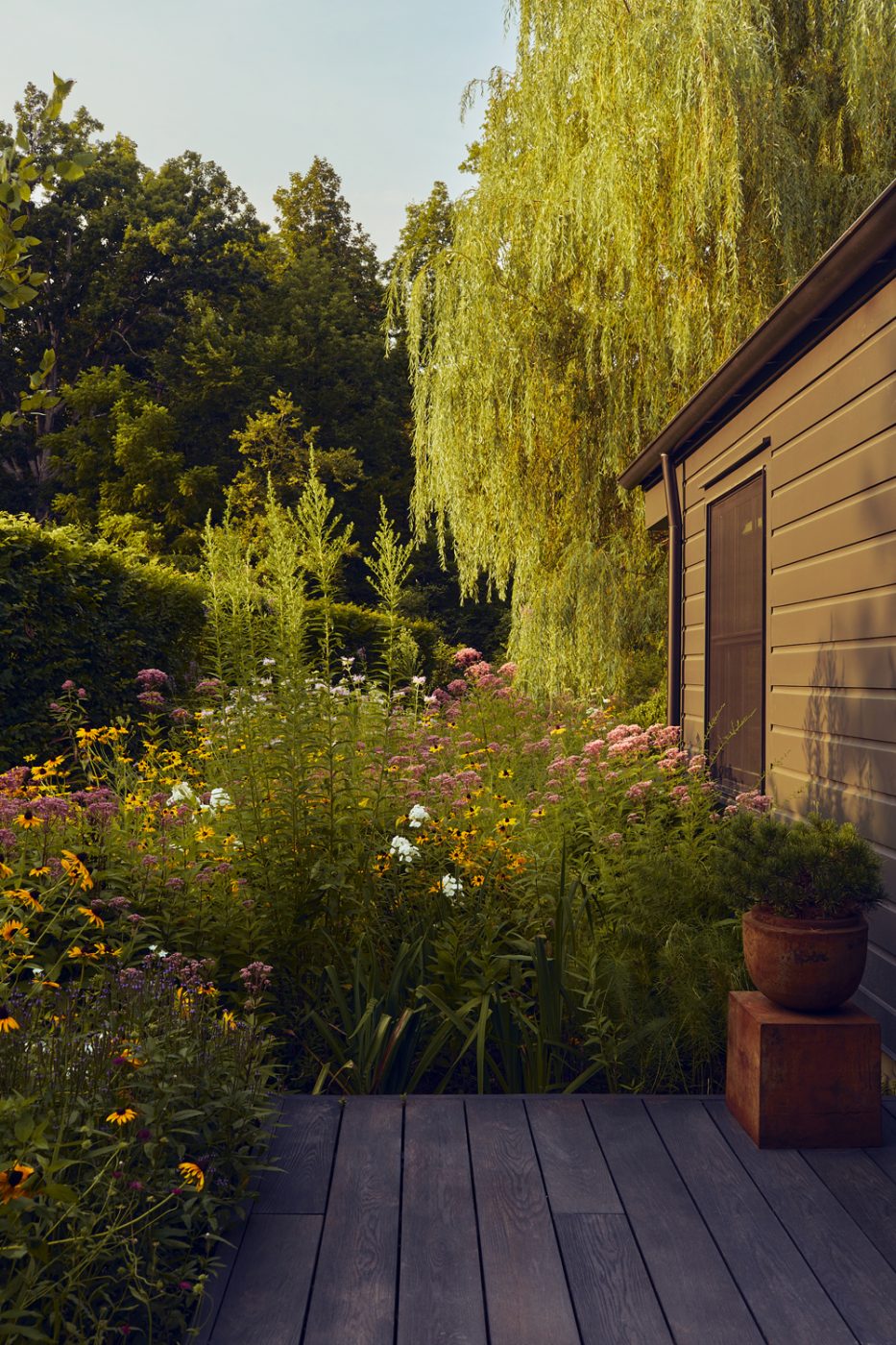
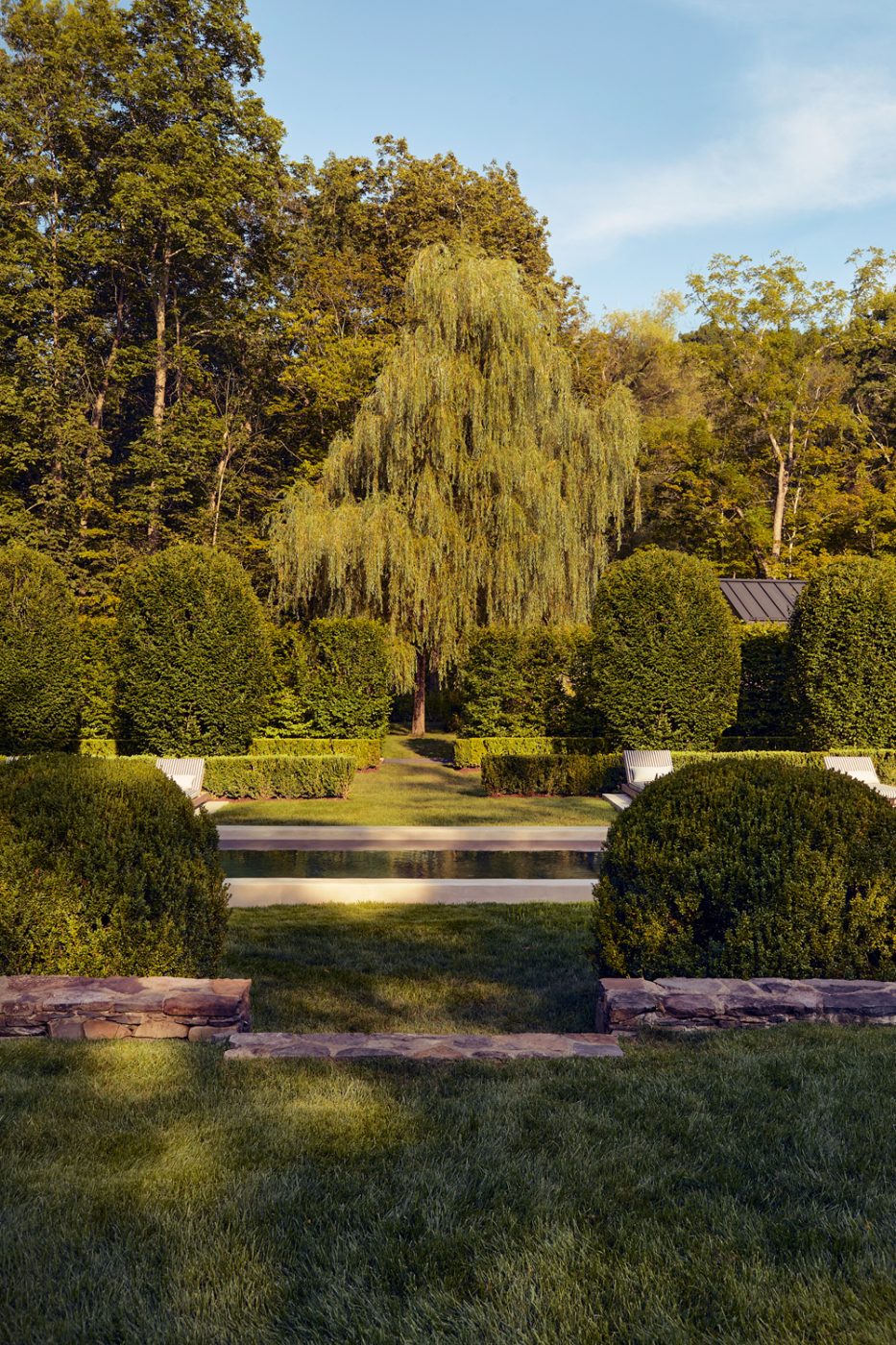
JH: We have a palette we know will work — perennials; shrubs, both deciduous and evergreen; and, of course, container plants. We want our gardens to have a mix of scale and layers as well as strong seasonal variation. Change makes a garden more interesting.
Recently, native plants and grasses have come more into focus, and this is very much a result of the High Line. While we use a lot of boxwood to provide punctuation and continuity in a garden, we certainly integrate native plants into our designs. Witch hazel and viburnums are particular favorites.
Where does your design process begin?
DH: We start with gaining a basic understanding of our client and finding out how the garden will be used — if it’s needed for entertaining or if it’s going to be primarily a garden to be looked at from the inside a house or apartment. Sometimes, design starts even before we meet the client, since the architects and designers with whom we frequently collaborate will give or suggest a direction. Sun and shade affect the design, and we always want to create outdoor spaces with a seamless connection to their interiors. Lighting is also a key concern.
JH: Our real interest and focus is on creating gardens that live and evolve. It’s all about staying involved and establishing trust with our clients. By providing maintenance in addition to design and installation, we handle the entire process and continue this relationship. We also learn about things that inform our future designs.
Does designing roof gardens impose particular constraints?
DH: There are endless hoops to jump through. Wind and height have a definite impact on our designs. Once, we did a garden on the seventy-seventh floor of a building, and as you get higher, the microclimate changes — verging on alpine conditions. We have to learn what a building can structurally support and what it will allow. Every building has different requirements, and the logistics of installation become as important as the design itself.
How did Galerie Green, your online store, get started?
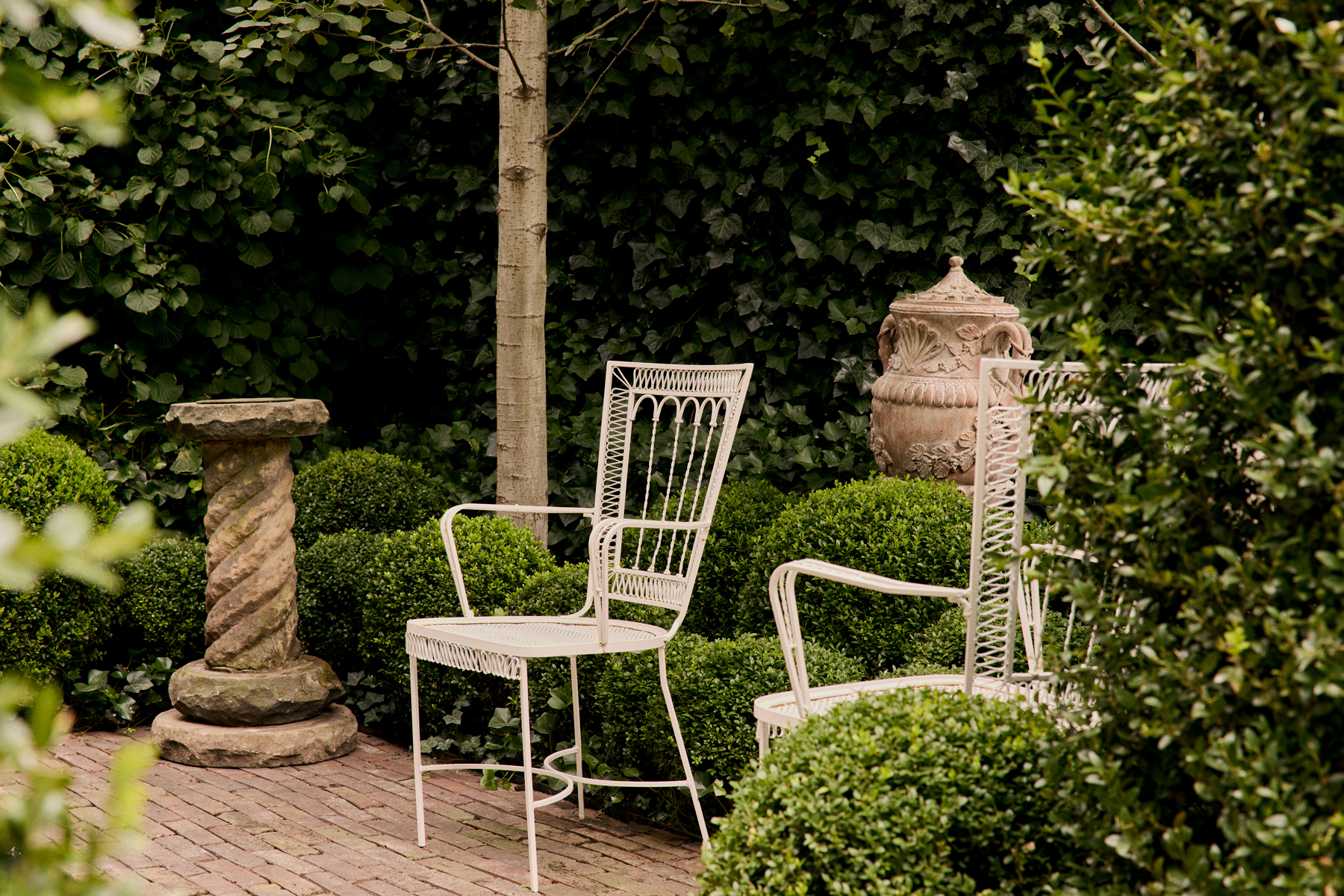
DH: It came out of our need for decorative objects to integrate into gardens. A few years ago, we were in the flea market in Paris, and before we knew it, we had filled a container and shipped it back and began to create our own inventory of vintage and antique items. We now have a warehouse, and every piece we acquire has a distinct look. Our litmus test is always: Would we put this in our garden or in a client’s garden? We opened our online store last year, and as we’ve always loved 1stDibs — it’s such a fantastic resource for garden furniture and decorative objects — we are now thrilled to join its ranks.
One last question: Where do you see Harrison Green in ten years time?
DH: Not necessarily bigger and bigger but better and better!