Colombian designer Marcela Cure credits the early success of her collectible, covetable creations to that most contemporary of fairy godmothers, Instagram.
About seven years ago, shortly after expanding her interiors practice to include the creation of sculptural objects and functional art, she posted a photo of a piece from her first series: a set of resin-and-stone bookends modeled on the female form. Ashley Stark, creative director of Stark Carpets, wrote to Cure.
Stark was “interested in them,” the designer recalls. “I sent one as a gift, she posted it, and it was crazy. I got tons of messages — and I didn’t even have pricing yet. People were like, ‘How do I buy it?’ I had to figure it all out on the fly.”
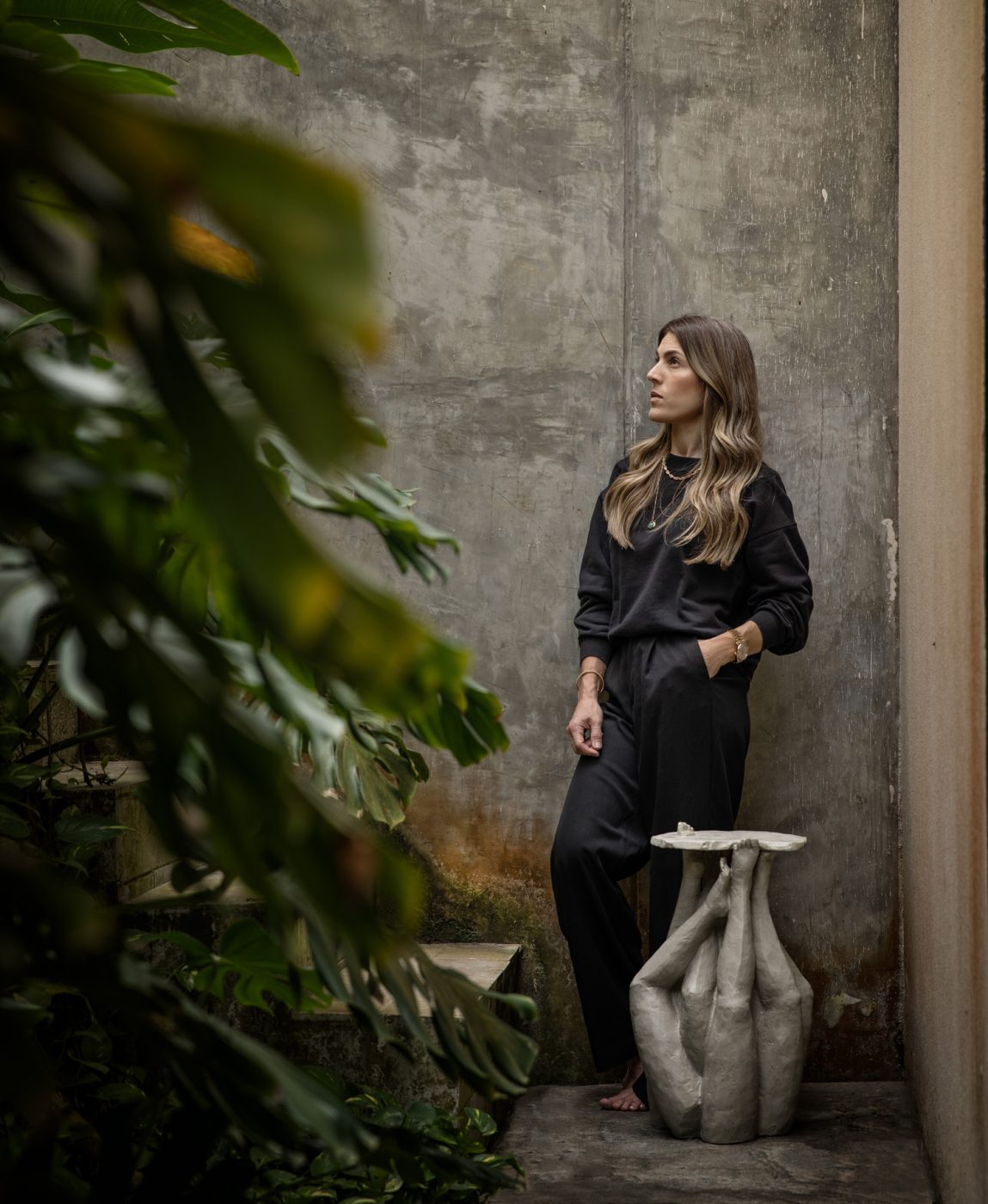
Thanks to Stark’s more than one million followers, Cure became something of a 21st-century social-media celebrity herself. But there’s still much that’s undeniably — and wonderfully — old-world about Cure’s practice and the pieces that result from it, which today include large bas-reliefs and small standing sculptures, mirrors, tabletop accessories and, since late last year, full-scale furniture like tables, chairs and more.
To create each new design, she hand models prototypes in miniature using clay, after which she works with a small group of skilled artisans in her studio’s atelier to refine and sculpt life-size versions. The team then makes silicon molds of the prototypes before finally casting the finished pieces one by one in the pure resin or mix of resin and stone that have become her signatures.
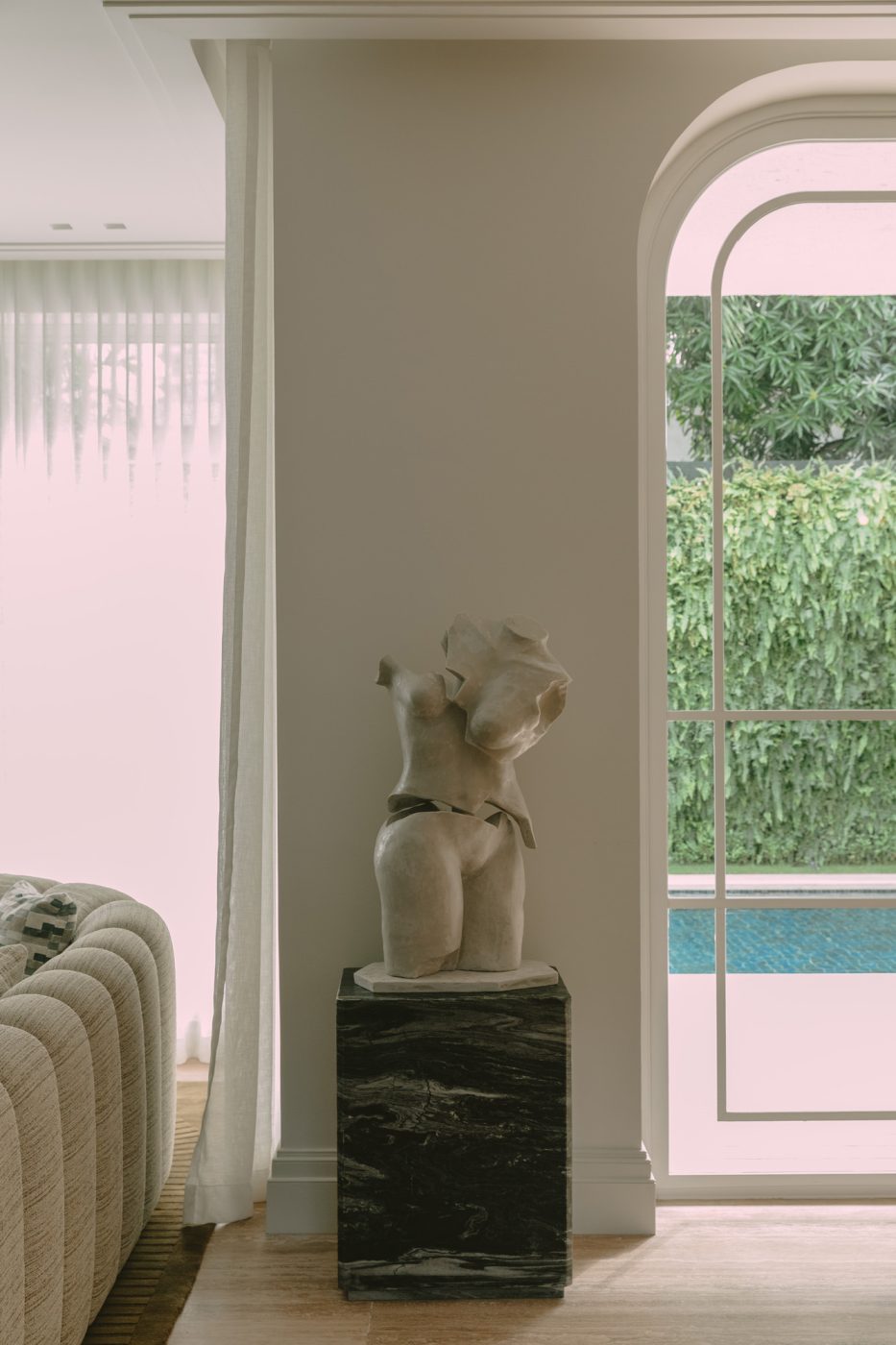
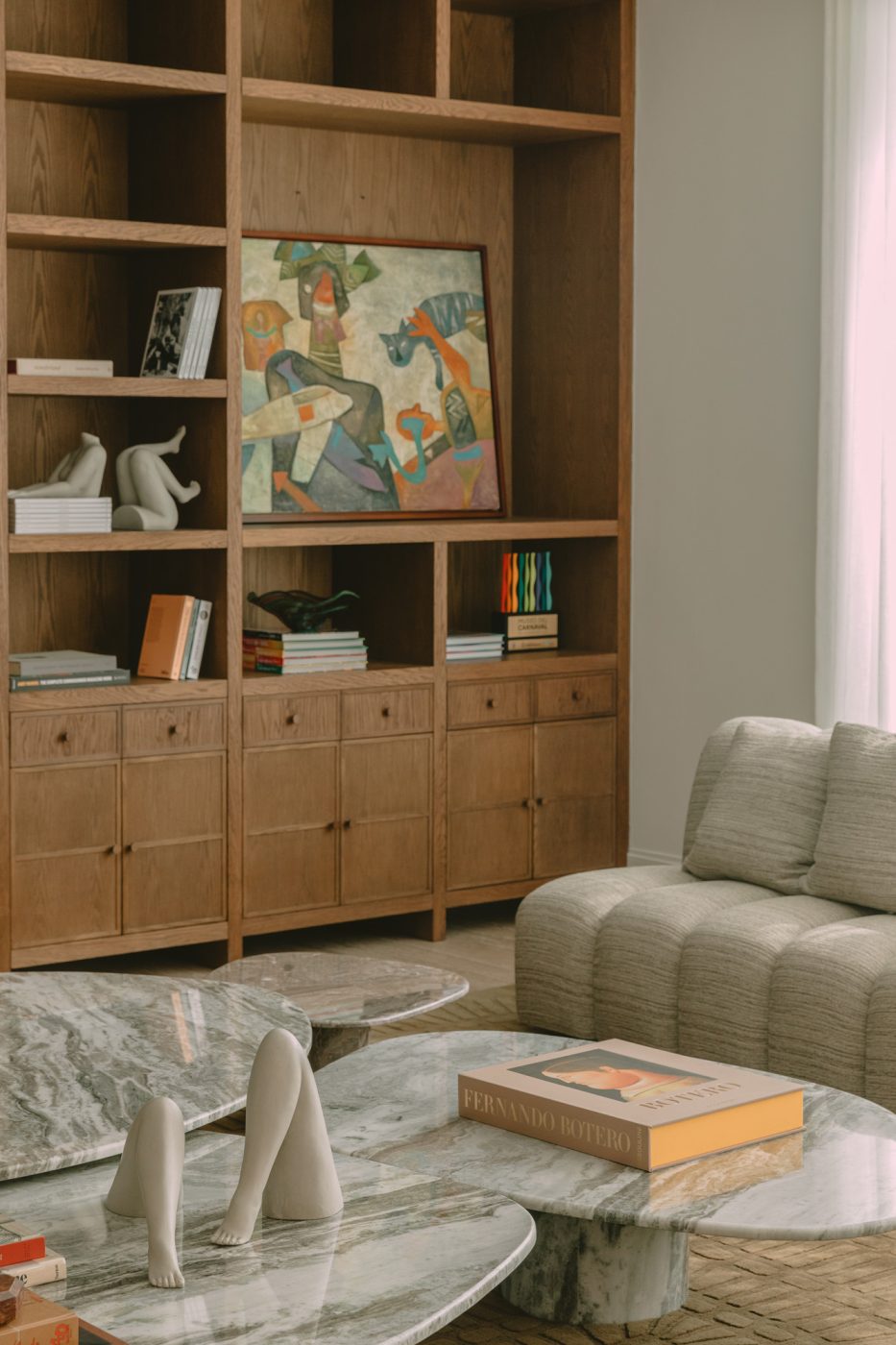
Her preferred materials skew somewhat contemporary, as do the interiors she designs. But the aesthetic of her objects marries old with new. The formal inspirations — the human body, natural objects — are as old as antiquity. And much of her work has an intentionally imperfect, wabi sabi quality that gives it an earthy, primitive feel.
“At the core of my practice is an interest in pieces that feel discovered rather than overly designed — forms that carry irregularity, memory and a certain sense of time, even when they are newly made,” says Cure, who studied and worked in systems engineering and pivoted to design only after decorating the apartment in Barranquilla she shared at the time with her husband and finding that friends (and friends of friends) wanted her to reimagine their homes as well. “That tension between the primitive and the refined, the sculptural and the functional, is very present in my work.”
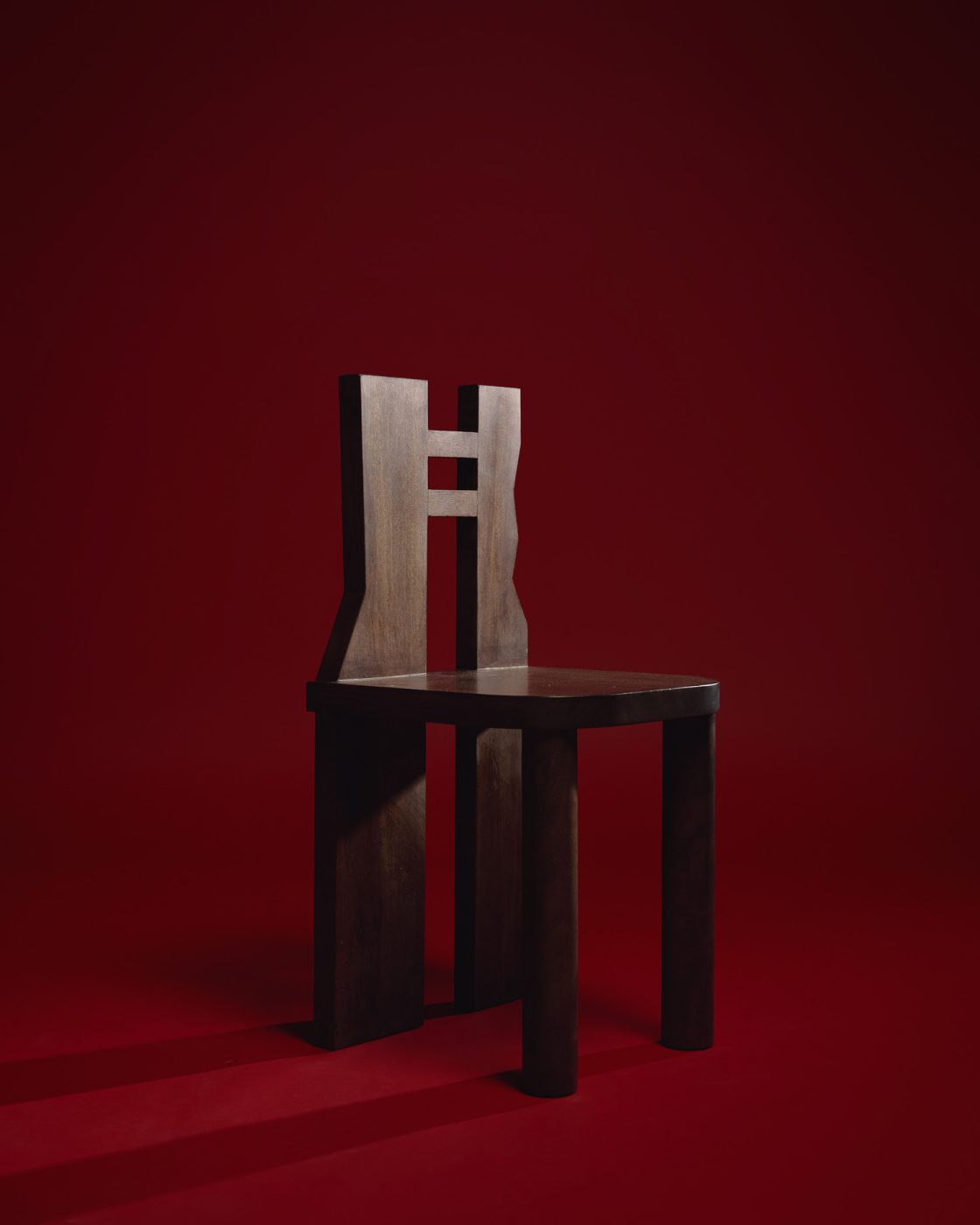
Cure exhibited her first capsule collection of larger-scale fine-design resin furniture, Materia Colectiva — combining Brutalist and geological inspirations — at New York’s Collectible fair this past September, followed by Design Miami in December. She has just launched her debut wood-and-leather collection, of tables, chairs, benches, case pieces and beyond that were each born out of a one-off custom item she made for an interior-design client. The pieces she selected, she says, were ones “that I think are particularly special.”
Here, Cure, who sells her work through a 1stDibs storefront, speaks with Introspective about her designs past, present and future, touching on many of her signature creations along the way.
What led you to a life and career in art and design — how did you come to do what you do?
My background is totally different from what I do now. I studied systems engineering. I’d always liked numbers, and art wasn’t part of the plan. But my mom studied art, and my grandfather was an architect. On my mother’s side, everyone is into art. And I’ve always loved any artistic expressions, from fashion to design to art, so I had it in me.
After I got married, about twenty years ago, I ended up doing our apartment, and then, friends asked me to do theirs. From there, it was word of mouth. I was always being asked for help on design topics. And so, finally, about ten years ago, I turned it into a business.
How did your studio expand into the creation of individual pieces?
For our apartment, and for the homes after, I did a lot of custom, which is one of the things I love the most. I started designing things myself and having them fabricated. I first did functional objects, pieces that were supposed to be placed in a certain space. I would do the interior design and then create the items that would accompany the scheme.
What drew you to creating your own custom pieces?
Maybe I learned that from my mother’s side. She painted, but she also did sculptures and embroidery — she did everything. In Colombia, it’s not that it’s easy, but we’re more used to doing custom and fabrication than in the U.S. I started finding craftspeople, fabricators and vendors who could do what I was looking for, whether in wood or marble or other materials.
How do you describe the aesthetic of the works you design?
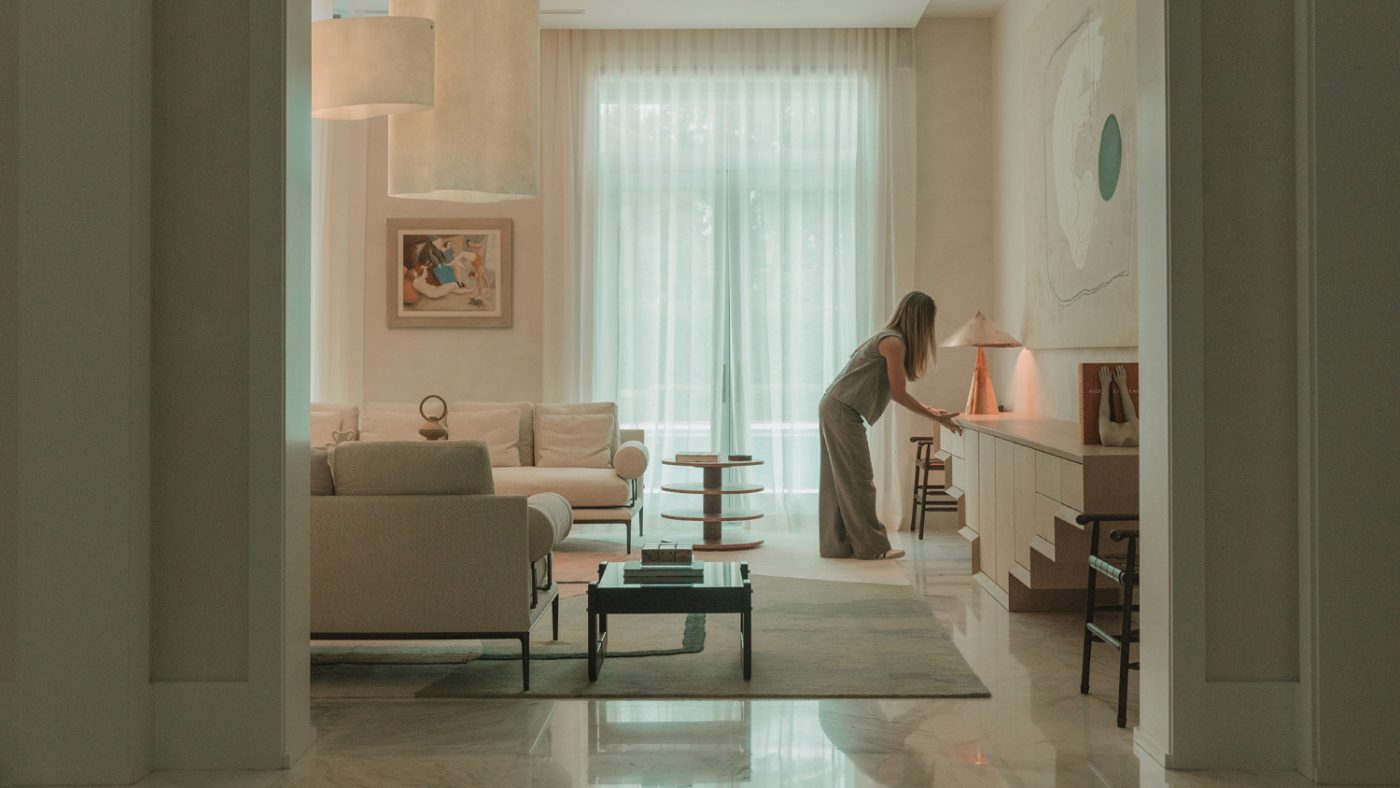
That’s always a difficult question. I’m drawn to irregular, asymmetrical things. I always like to show the handcrafted side. I don’t want the pieces to look too designed. I work, for example, with resin. If it’s too perfect, it looks like it was three-D printed or bulk production. I like to add rawness.
What were some of the early creations you made for production?
When I started, I just did pieces for projects and was never thinking of them as cohesive for a collection. But then, the first ones I did for retail were the Il Corpo and Le Gambe sculptures [Italian for “the Body” and “the Legs”]. They’re feminine forms, bookends and more. The response was great. I didn’t even have a website or anything.
How did your work expand and evolve from there?
I did some wall pieces on that same idea of femininity, again in a composite of resin and stone. I love resin, but this mix is not translucent because of the stone. I wanted to work in just resin, to be able to color it any way I wanted and to have this translucency. That was the next exploration. I did the same original pieces in pure resin. Then, this past fall, I debuted my first collectible fine-design series — Materia Colectiva — a new evolution of those resin-only pieces, not the feminine forms but something completely different.
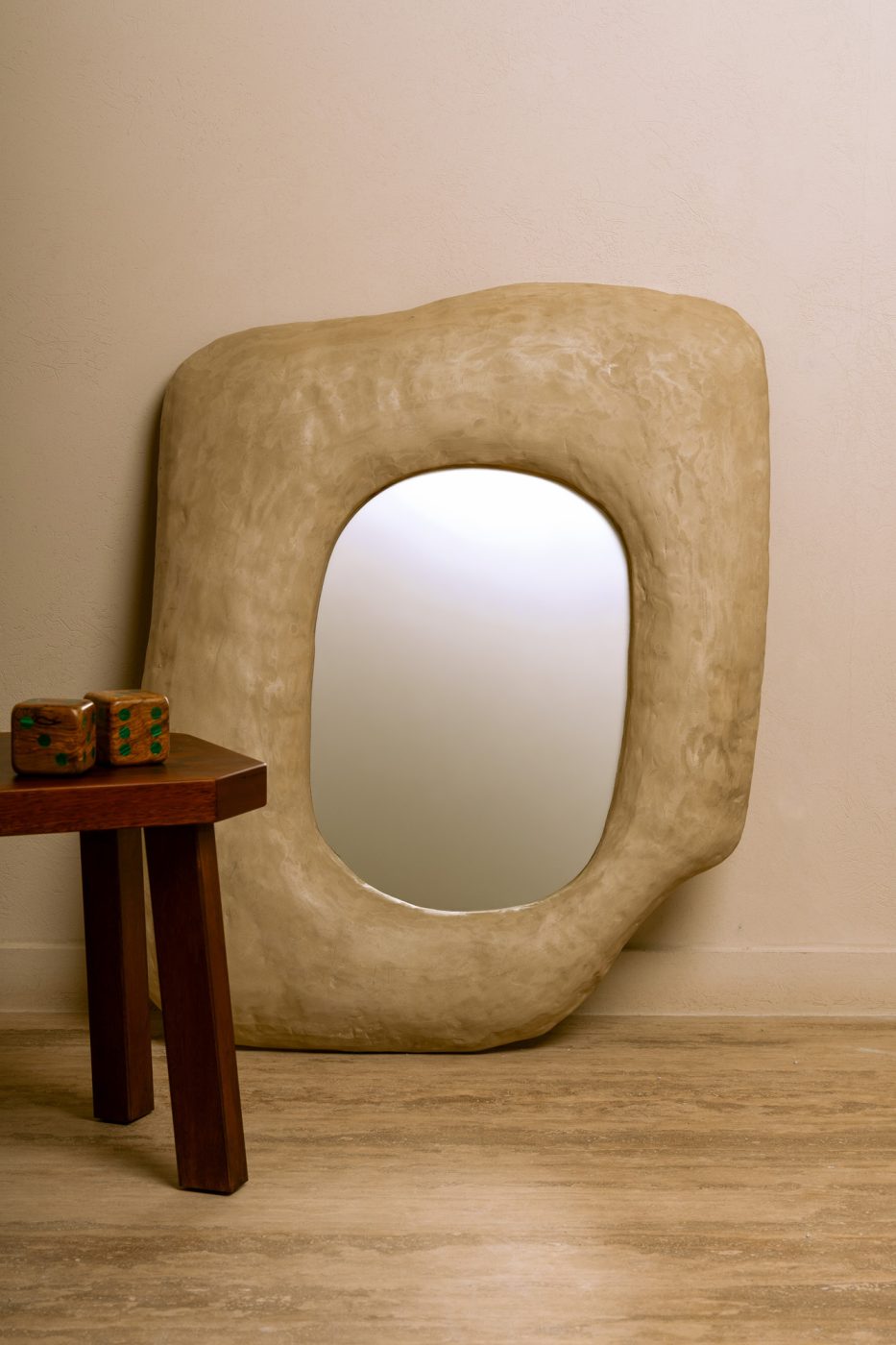
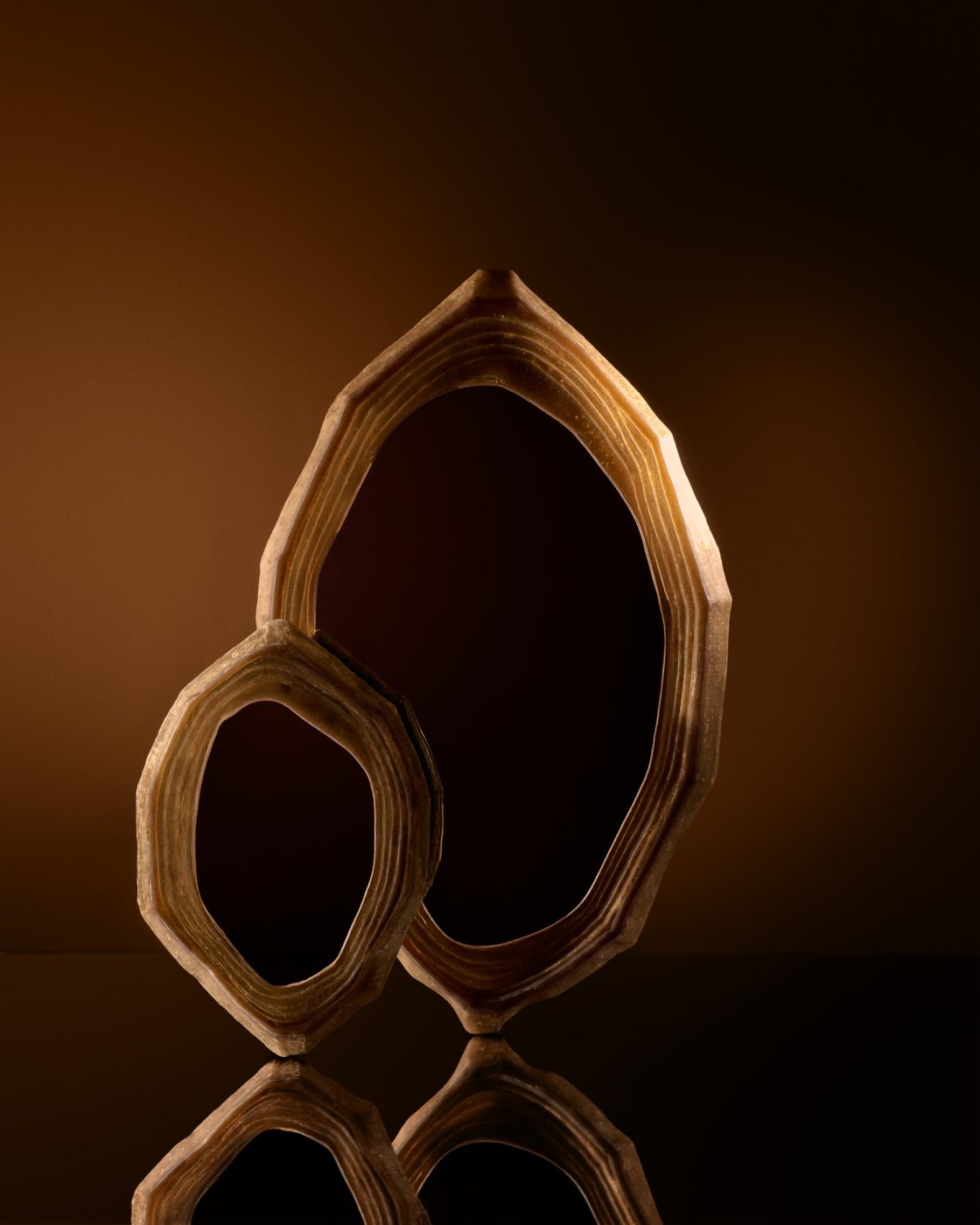
First, I started with the Echoe mirrors, with frames also in resin-and-stone composite. I explored different colors in those, and they have become the most popular pieces on my 1stDibs storefront, among what I have there. I always get inquiries on custom colors for those.
I wanted to next do a collectible-design series, and for that, I felt you need pieces to be more functional. So that’s when I started the chairs, tables and more mirrors.
This was something I wanted to do a long time ago, but they required more craftsmanship. I had been hand sculpting everything first, and then I’d do a mold. It became a bit more complex because of the sizes of the new pieces.
Can you say more about your process?
It’s not always the same, and it doesn’t always start the same way. Sometimes, it’s just an inspiration from a picture, and I start modifying it digitally. Or I have an idea, and I do small pieces in clay, and then I have it done at a larger scale.
I work with the three or fours sculptors in my atelier here in Colombia. We do a prototype, first in clay. We go back and forth modifying it. Then, we do a silicon mold, and after that, we do the pouring in either of the materials. Some, we do the coloring in the composite before we pour the piece, and some — for example, the Echoe mirrors — they’re made in the natural color of the resin and stone, and after they’re unmolded, we paint them with colored resin.
What do you think it is that people respond to in your work?
It is not only the pieces themselves but also the combination with my interior-design practice. That makes it maybe easier for people to conceive of an item in an actual space. I think that helps a lot.
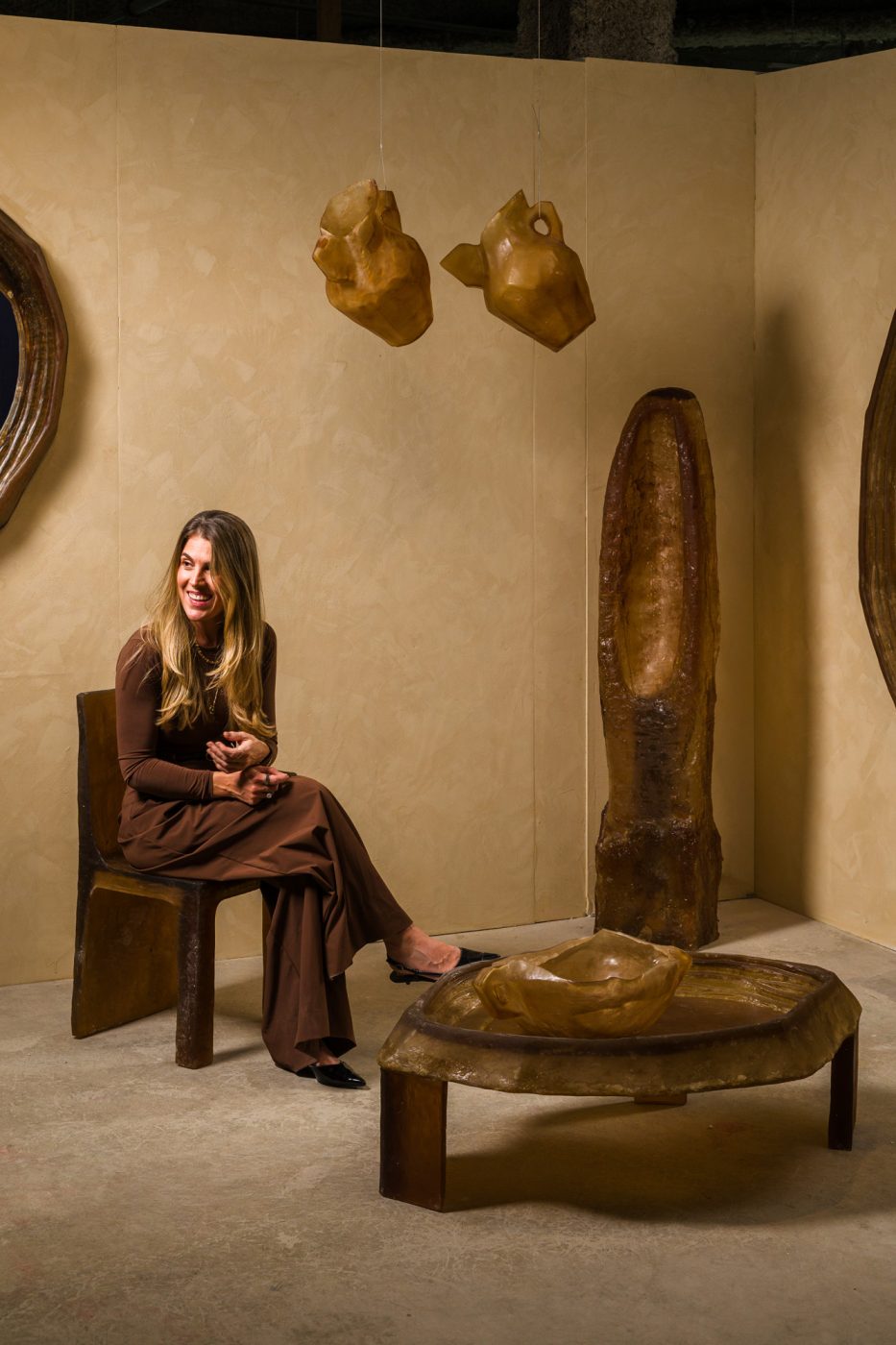
But I also wonder if it’s maybe the hand-sculpted quality. Each item is more like a raw piece. With Materia Colectiva, in particular, I wanted to create pieces that feel almost unearthed — with forms and tones that suggest erosion and permanence, while still feeling contemporary in a space.
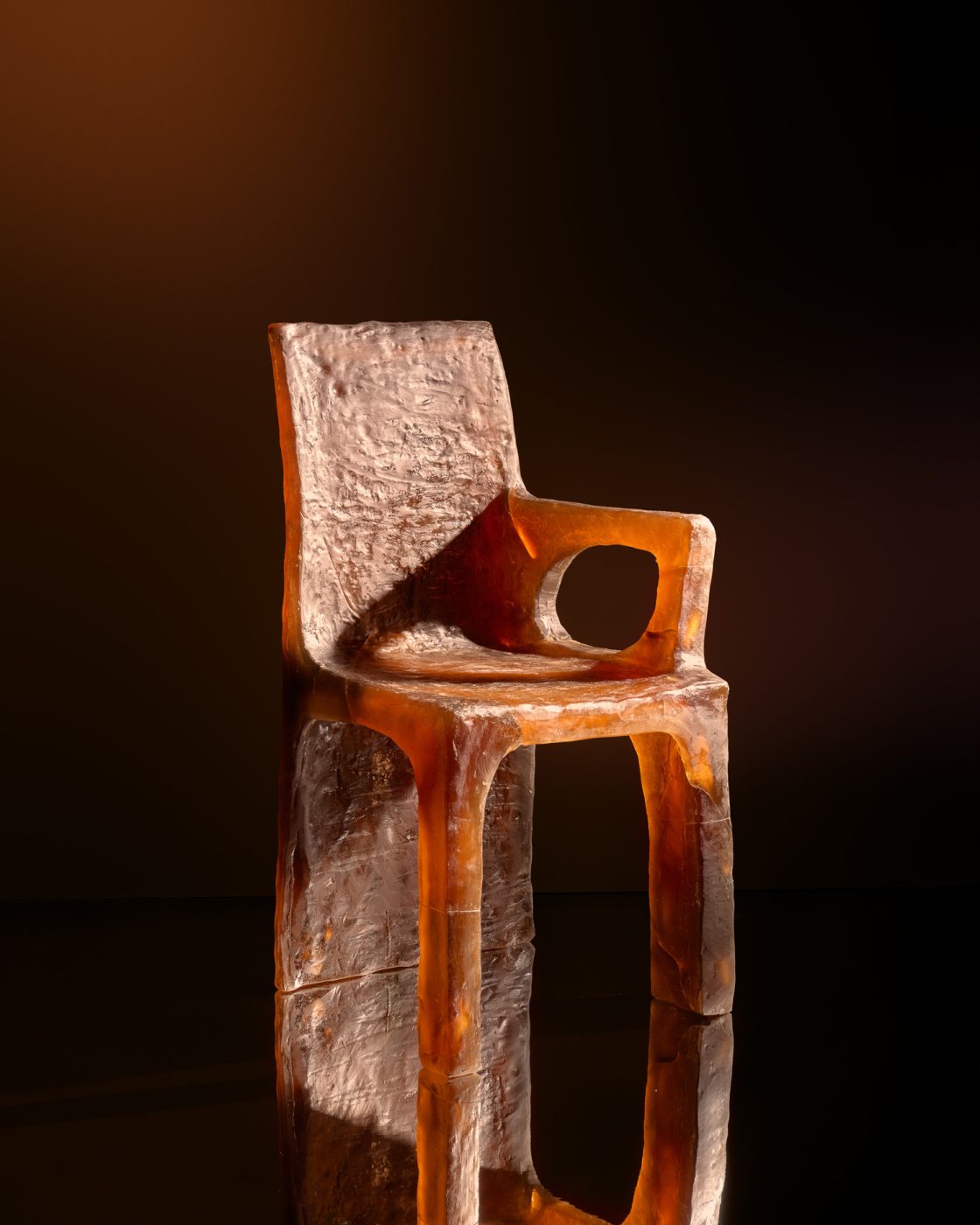
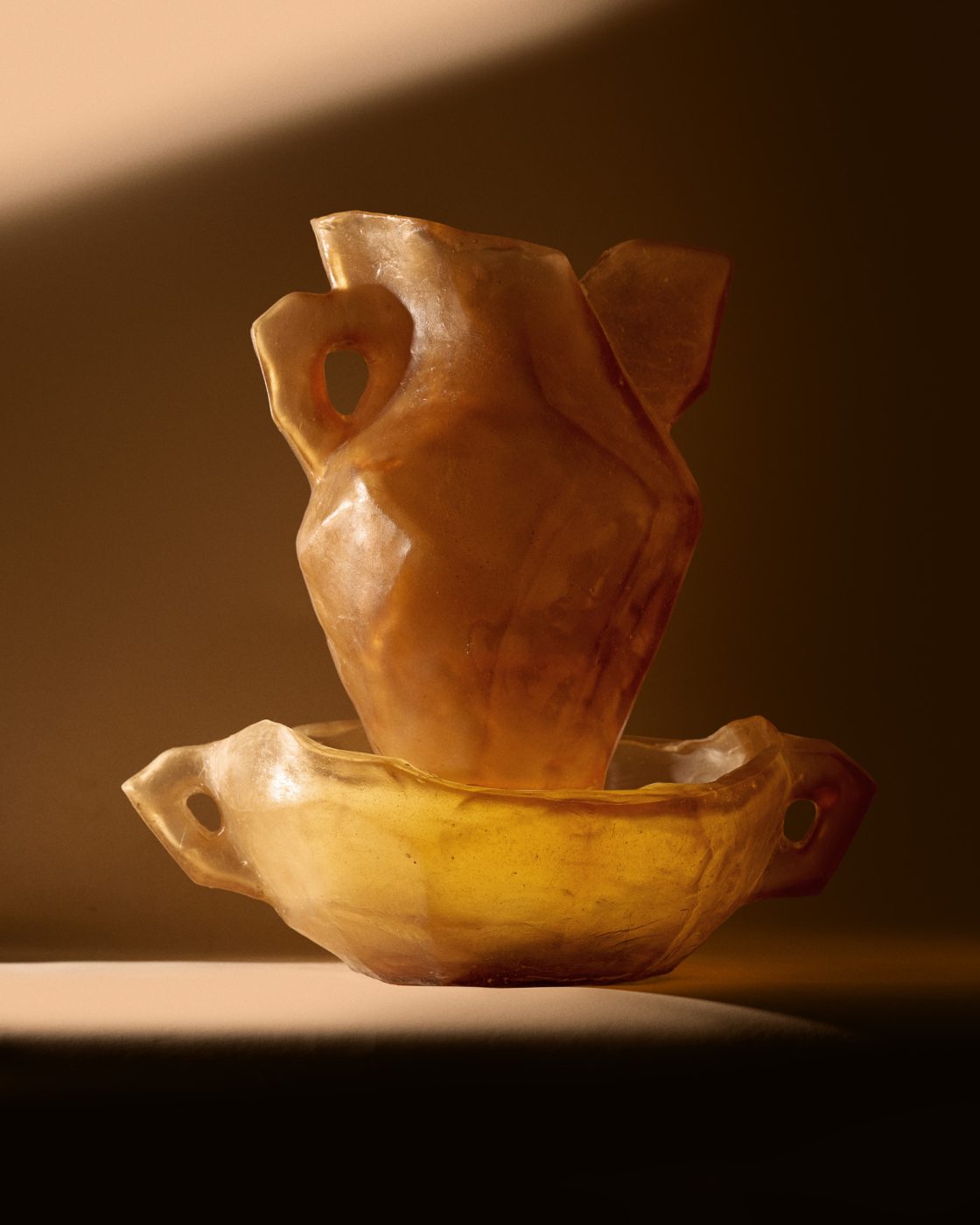
The hand-pigmented amber resin that I used for the collection especially brings a lot of attention. When we presented it, people were like, “What material is this?” They loved the coloring. In those pieces, I’m using a brownish hue, which looks old, like the color of a piece with age. You can see using them in an older context but also in a very contemporary one.
How has your work as an interior designer influenced the furnishings you create, and vice versa?
It works both ways, one influences another. Sometimes now, I will design a space from one of the pieces. I want to design a piece and then do the design of a space around it. But it also comes the other way, I see a space and design for a space. I know I need a mirror, so I do one for that project, and then that turns into a part of a collection.
What can you tell us about your newest pieces?
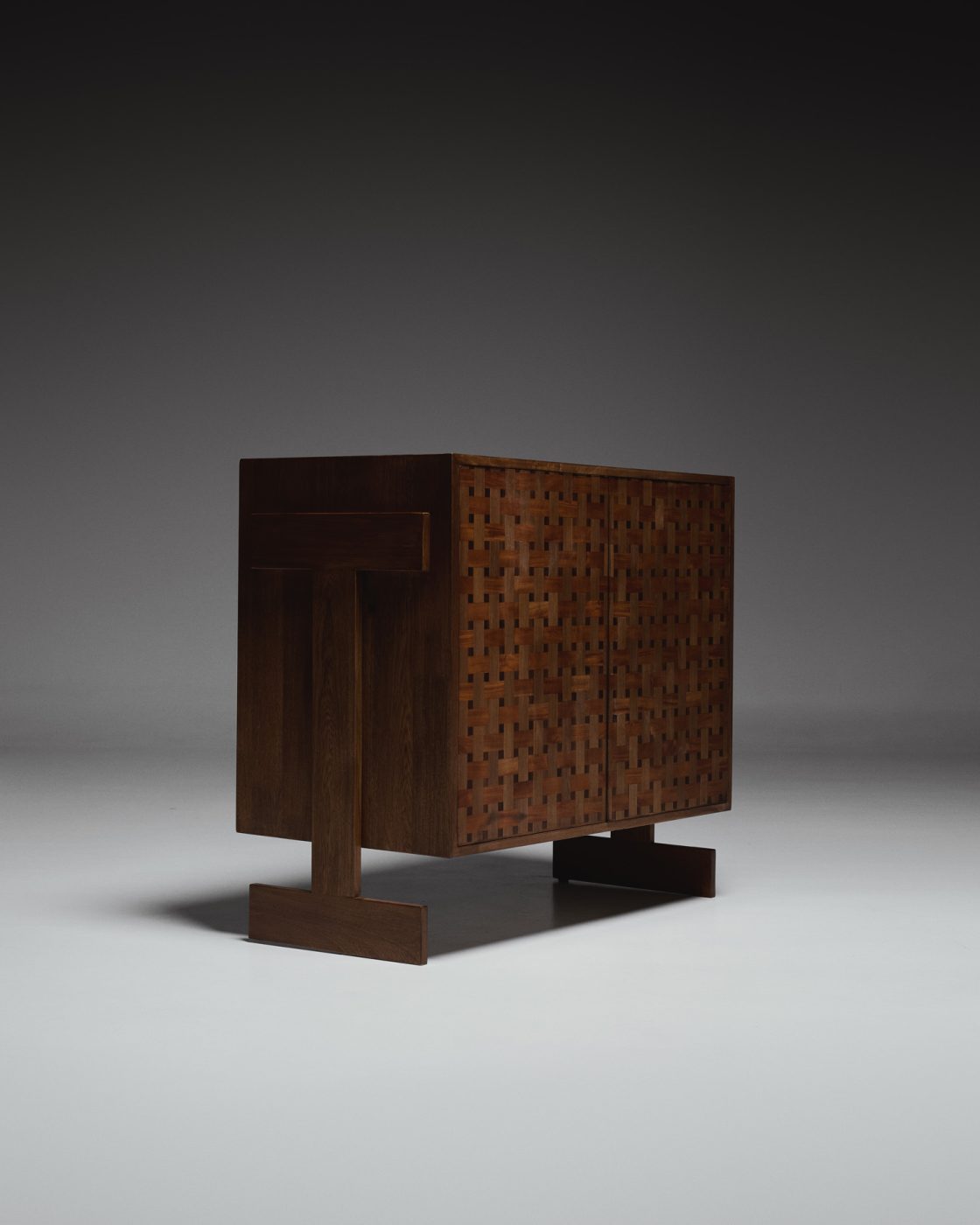
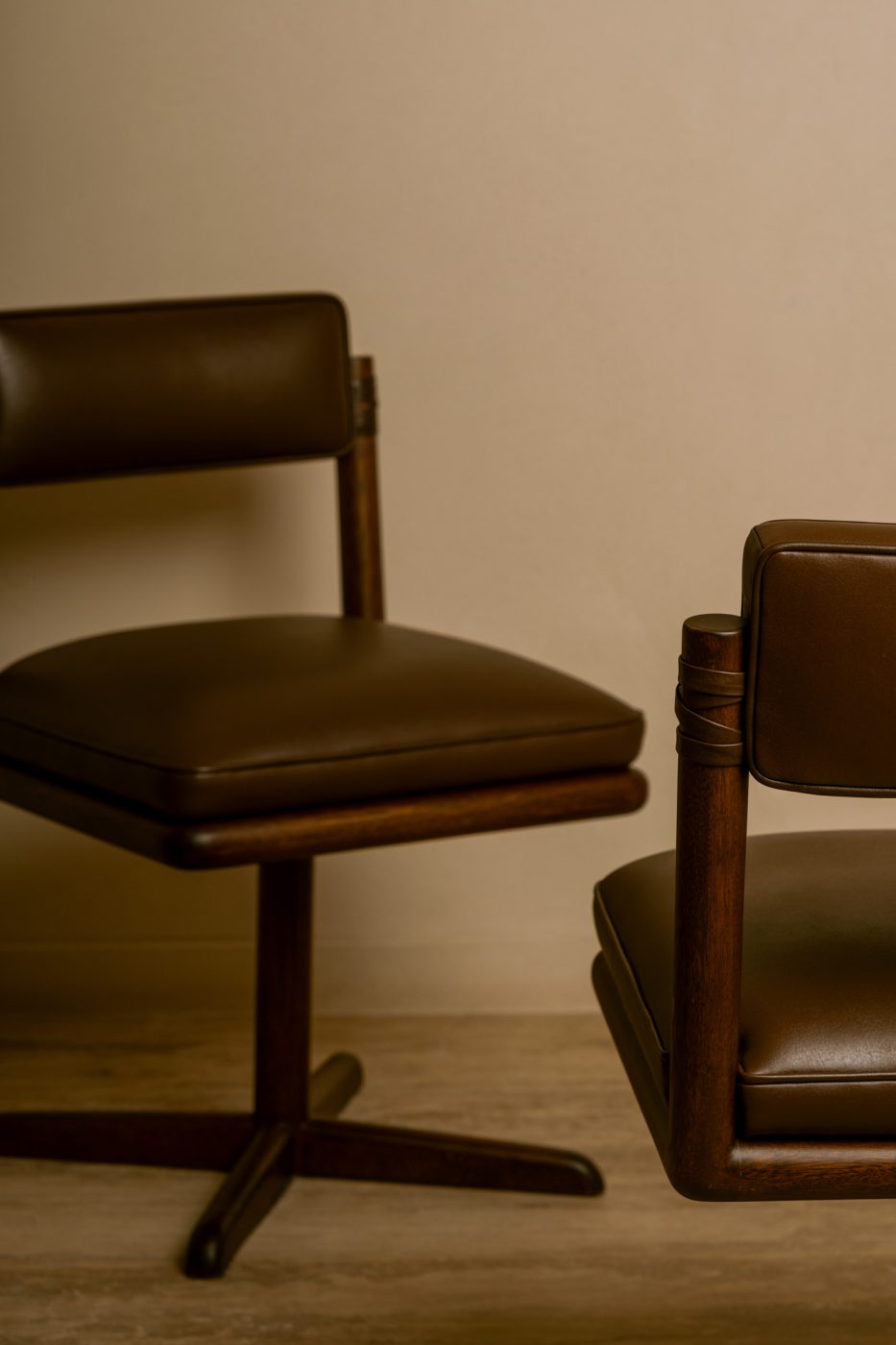
I just launched a furniture collection in leather and local woods. I use a lot of wood in my interior-design projects, but I have always only done custom pieces — only making one, just for a single project — and it never evolved into a collection. But I always get a lot of inquiries when I post photos. So, I wanted to do a collection that is not actually built as a collection but as a selection of pieces I’ve made from past projects. There are chairs, a chest of drawers, tables, a bench that I actually made for my own home and still have there.
How has your design thinking changed as your pieces have gone from being more artistic to more functional?
The new wood-and-leather collection comes from a different place than the resin work. While Materia Colectiva leans more sculptural and expressive, this collection is more grounded in function and proportion.
The Materia Colectiva chair, for example, you can sit on it and use it, but it’s not intended to be an everyday chair — it’s delicate. I love having these as accent pieces. They seem like art, they work as art. In a certain space, you could add a chair to a corner and it functions just like a sculpture.
How do you like to see your pieces deployed?
I just always hope that when I send a piece off, it will hold a special place and bring beauty to wherever it is used.