| Jacques Grange Interiors [ITALICS]
by Pierre Passebon
Flammarion
Reviewed by Andrew Myers
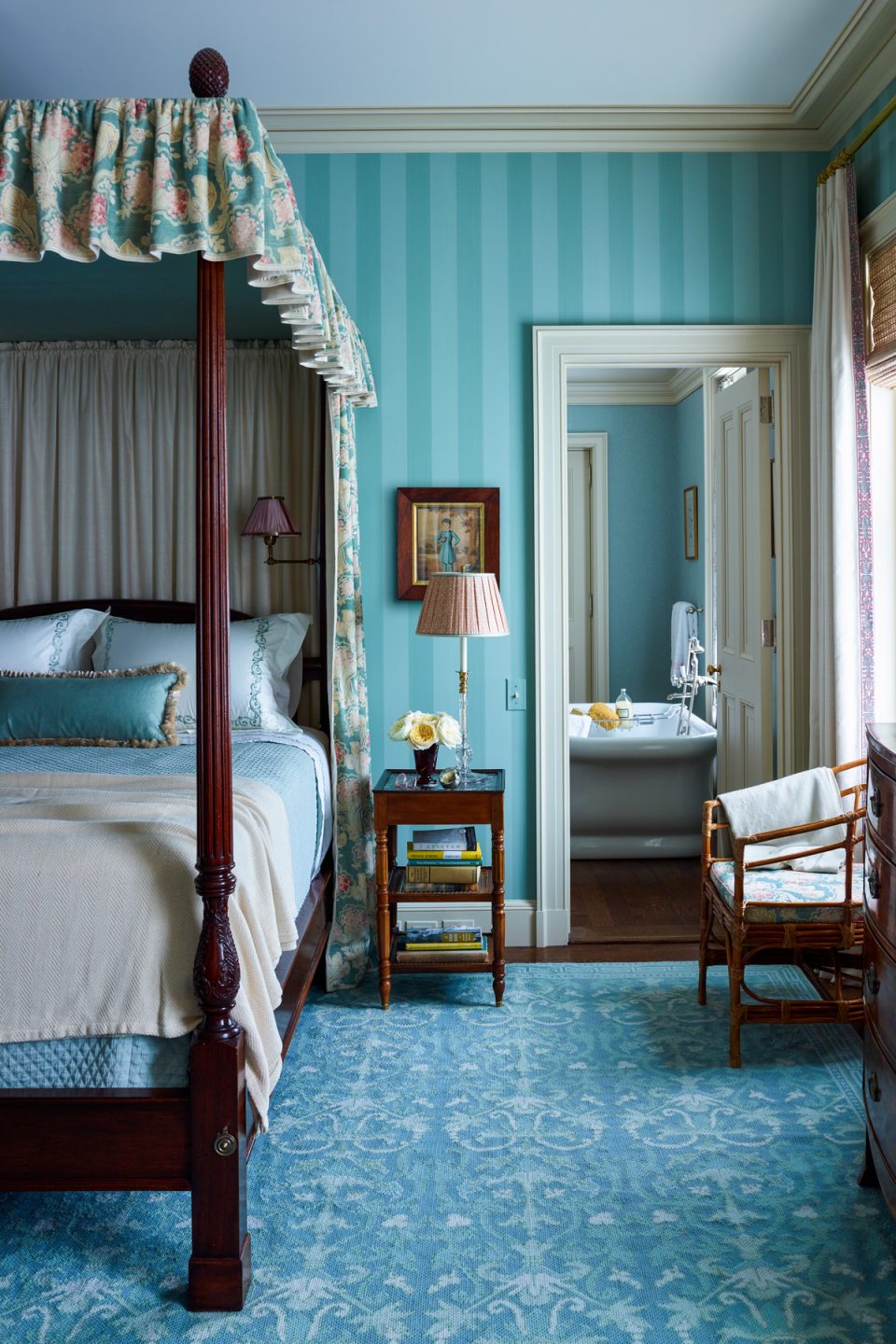
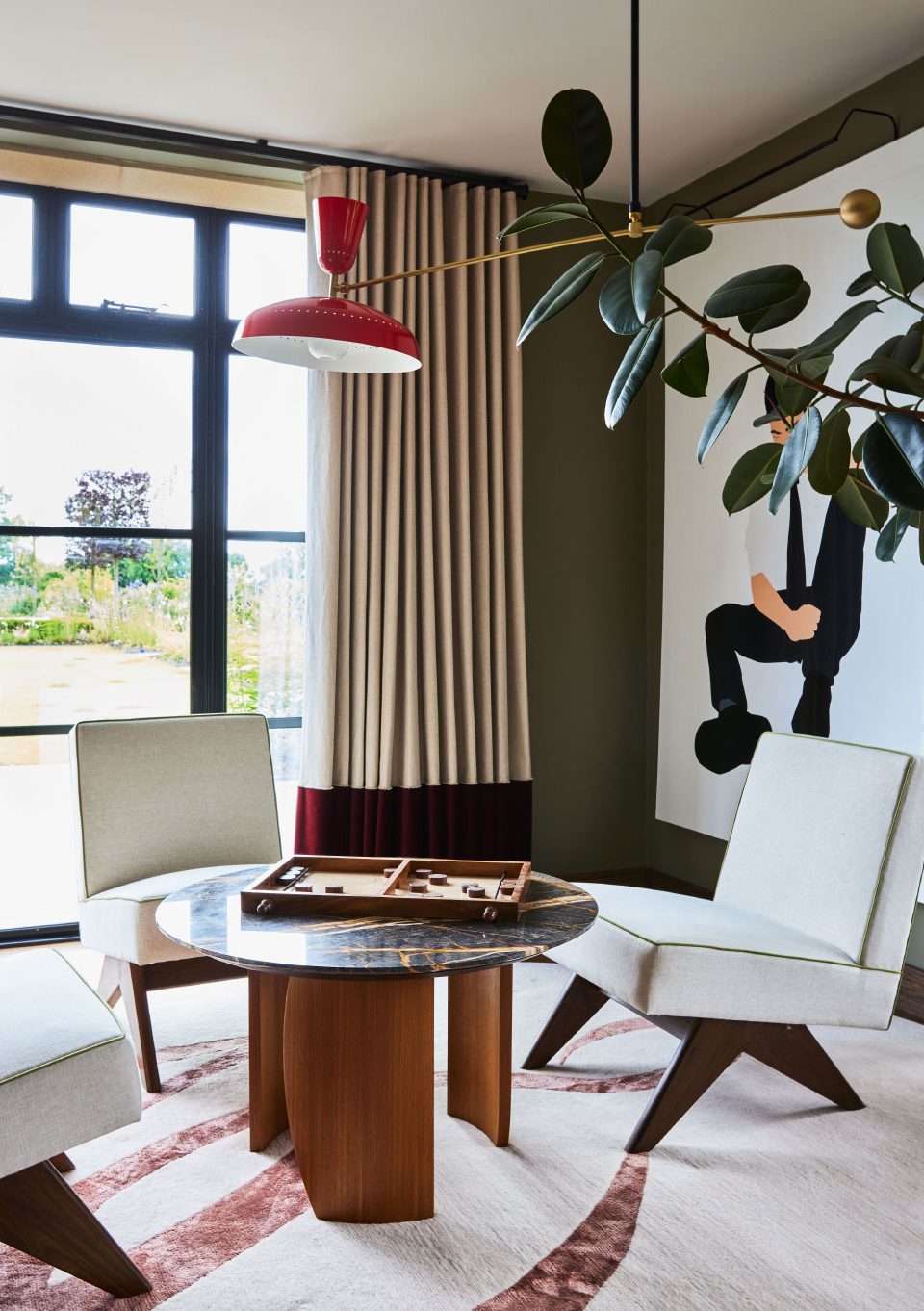
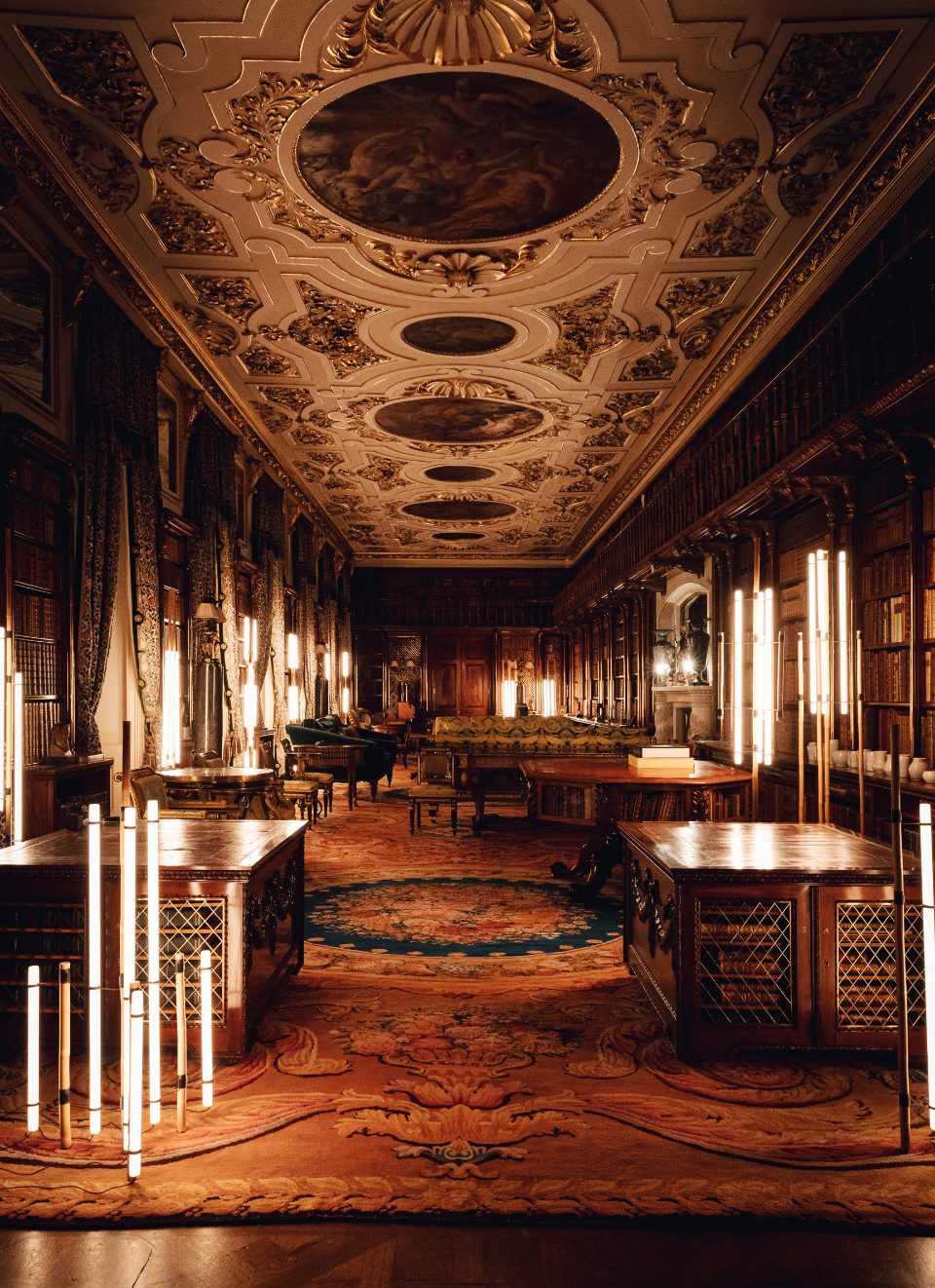
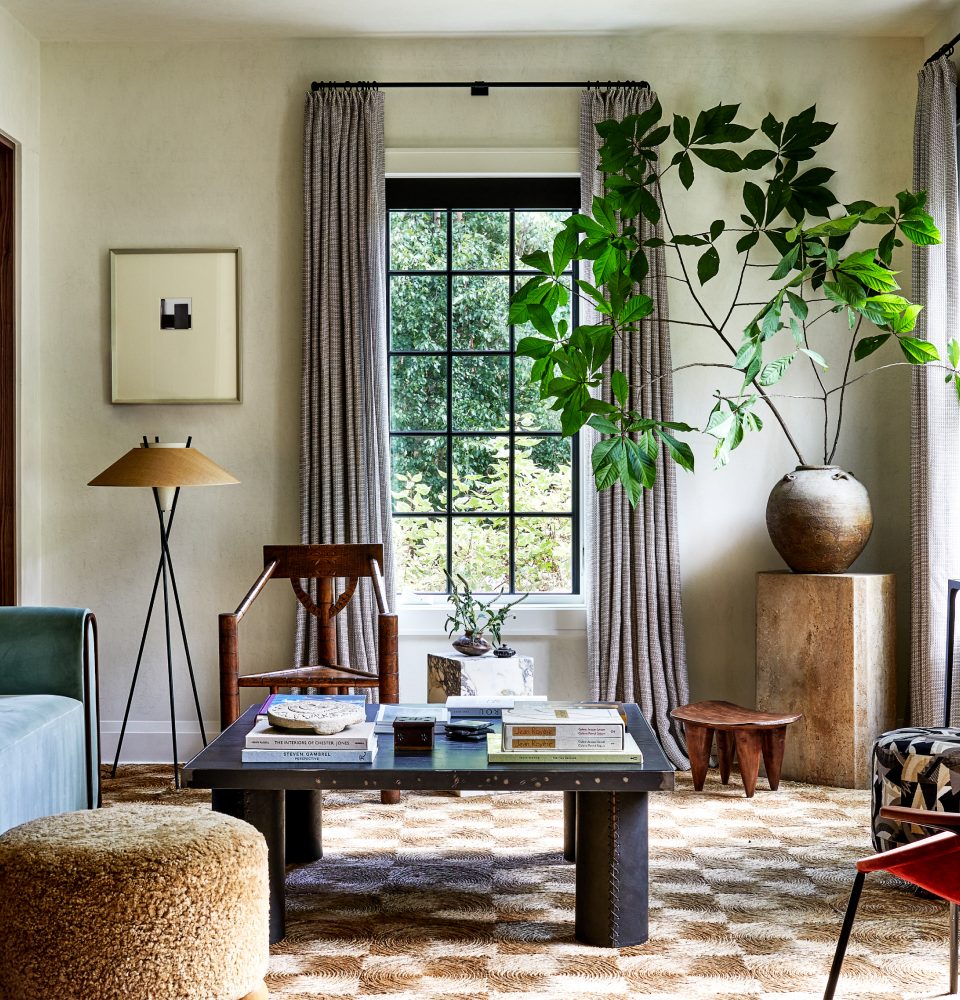
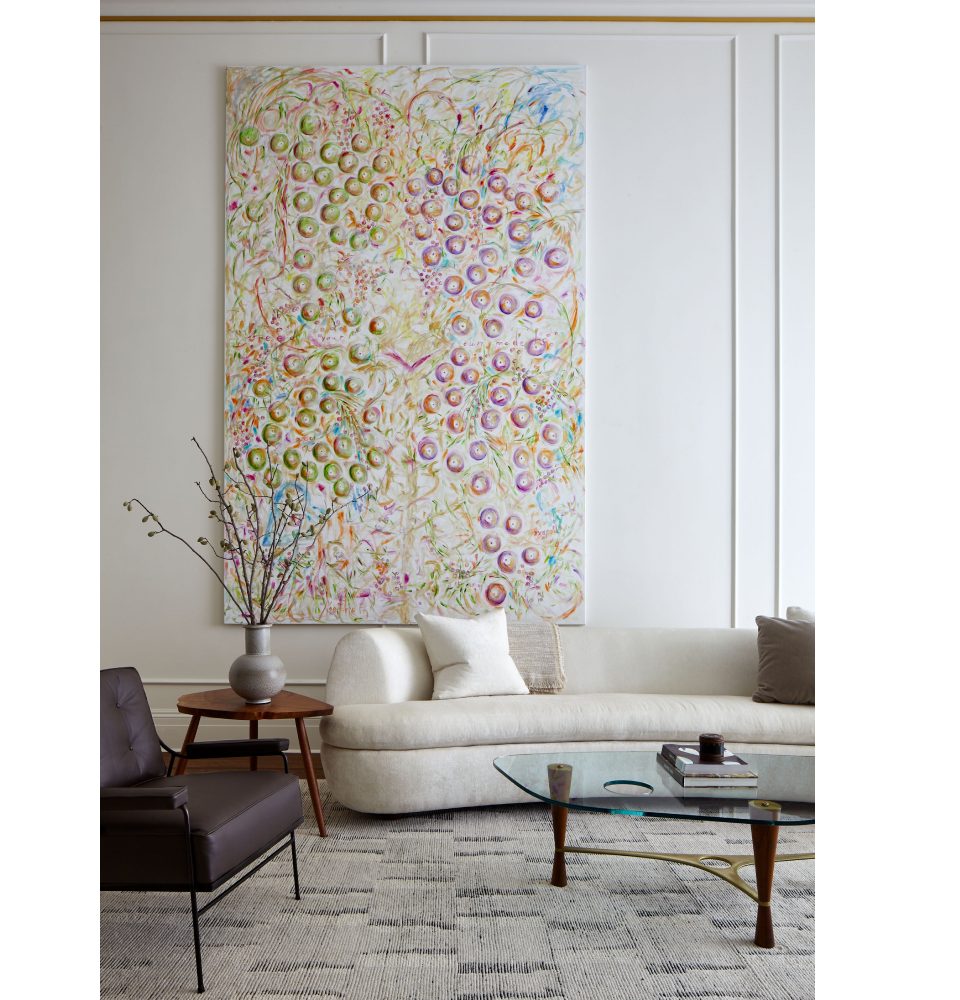
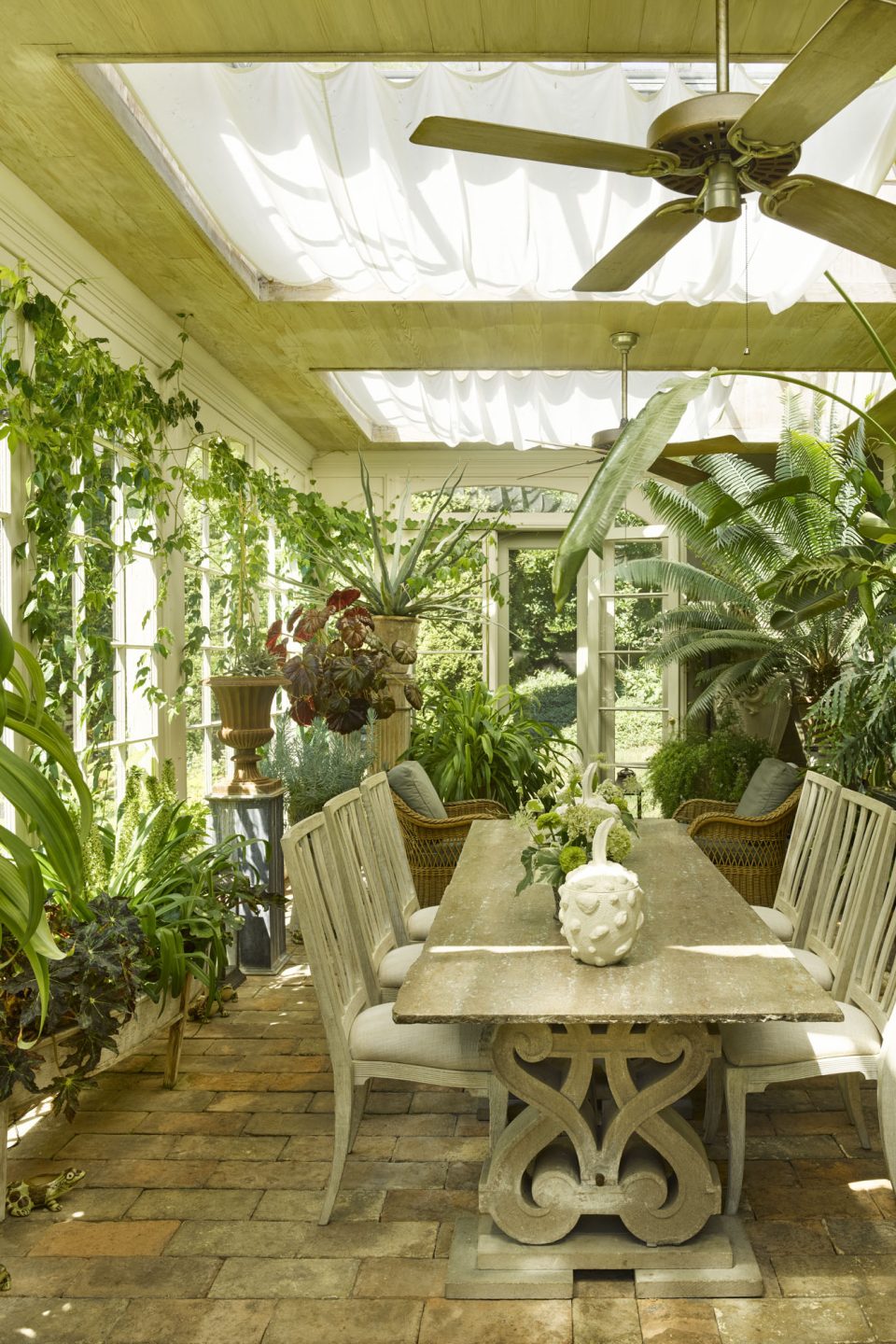
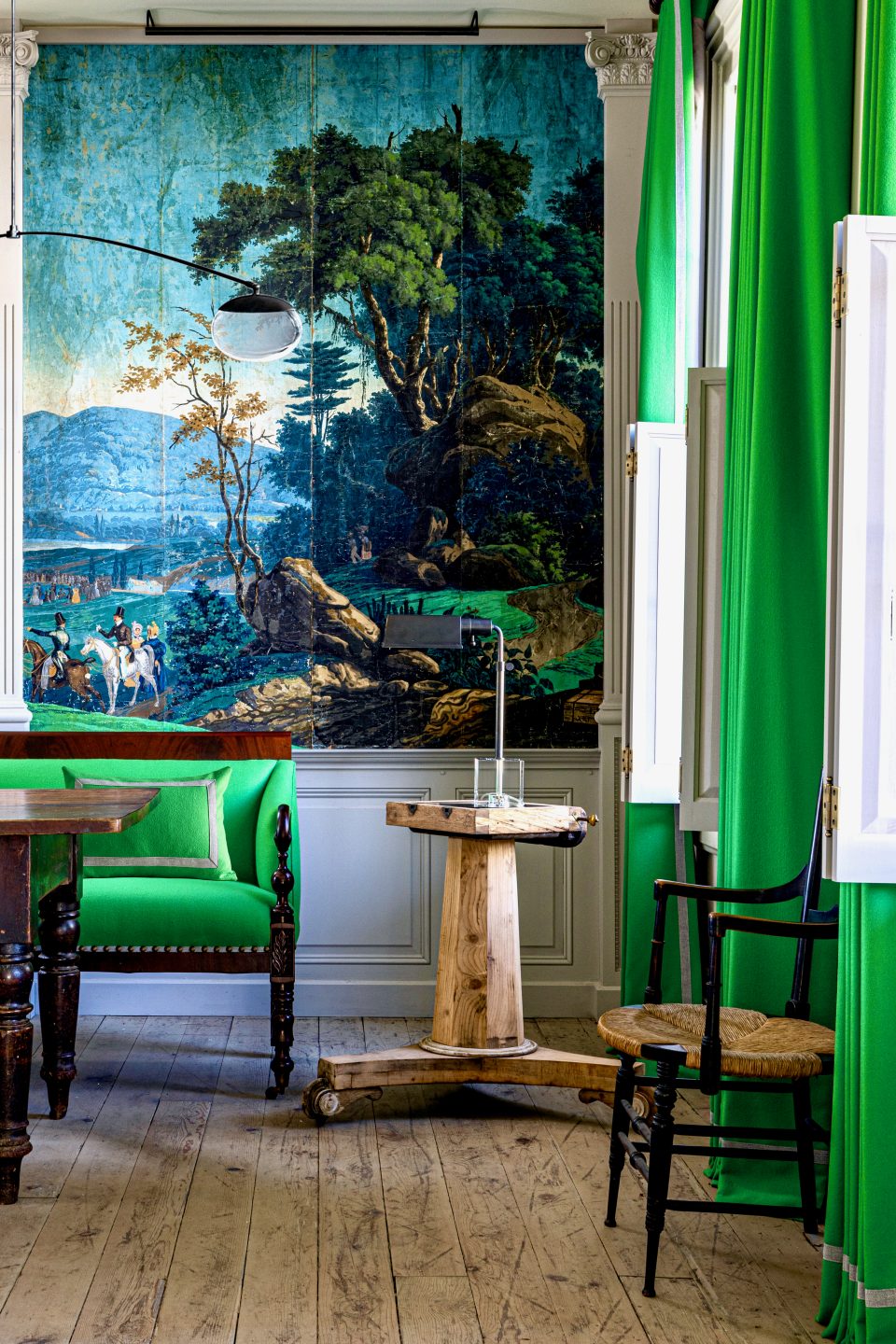
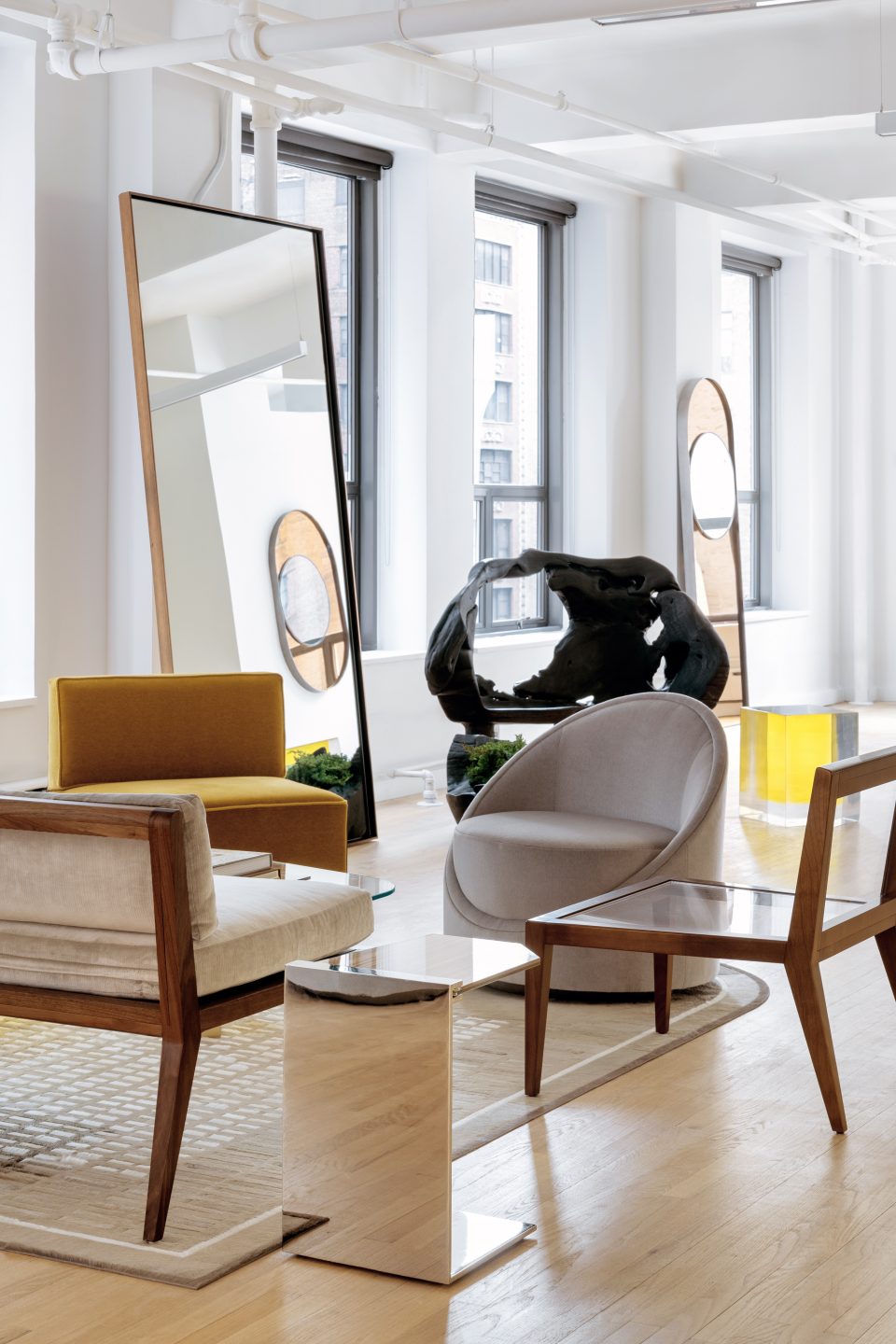
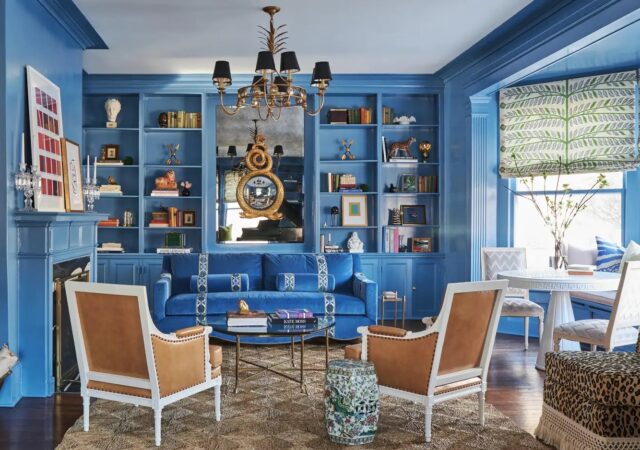
Jacques Grange Interiors [ITALICS], the first, long-awaited monograph from Paris-based interior designer Jacques Grange, delivers. A groaning board of beauty, the book offers many singular, sophisticated, thoughtful, carefully composed interiors that, as a composite, become a visual feast conveying connoisseurship (both Grange’s and his clients’) alongside a distinctive French vision of contemporary living in the grand manner unburdened by tired tropes or designer formulas. Pierre Passebon, owner of the Paris-based Galerie du Passage and the book’s writer, elucidates in the introduction: “Should certain sterile trends to suspicious fashions become all the rage — the dreaded “current taste” whose laws, cannot, however, be completely ignored by interior design — then Grange will weed them out mercilessly, eliminating them by always insisting on his supreme criteria: soberness, unity, allusiveness, and boldness, expressed through revealing details, harmonious materials, colors, lines of force, and volumes.” A catalogue of the expected, this is not.
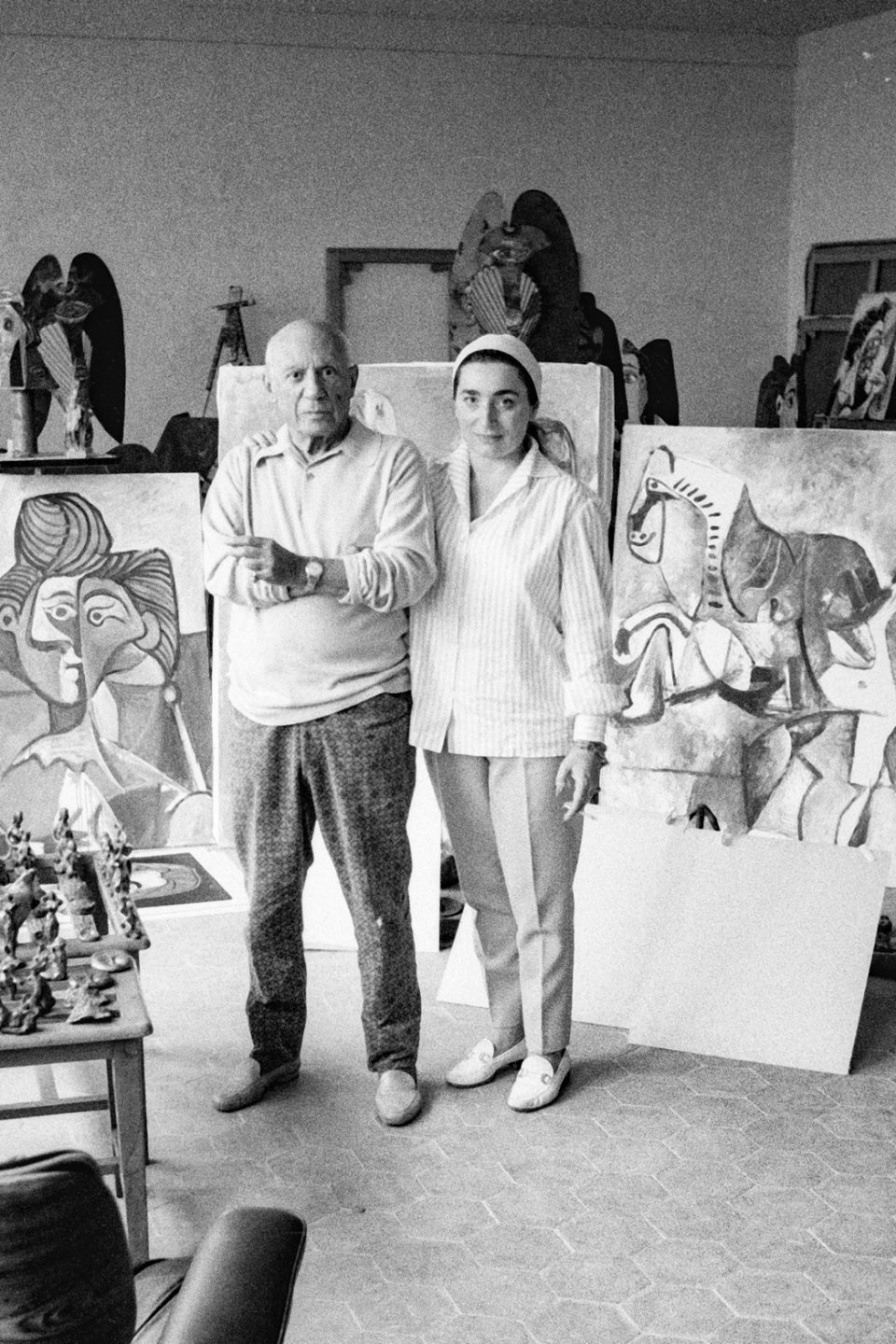
Born in 1944, Grange studied at the prestigious École Boulle and École Camondo, and worked briefly for legendary designer Henri Samuel and antiquarian Didier Aaron before starting his own design firm in 1970, when he was all of 26 years old. Clients have since included New York industrialists, European aristocrats and a wide swathe of the international cool club, among them Princess Caroline of Monaco, Paloma Picasso, Terry de Gunzburg and, perhaps most notably, extensively and importantly in terms of his career, the late Yves Saint Laurent and Pierre Bergé, for whom Grange designed projects in Paris, Normandy and Morocco (among these residences was the famous Rue de Babylone apartment, the principal home-cum-repository for the duo’s fine and decorative arts collection, most of which sold in February 2009 for record-breaking sums).
Standout interiors abound. There are Grange’s own Paris digs in the Palais Royal, a jaw-dropper that once belonged to the writer Colette and which is now the setting for many of Grange’s favorite things, among them paintings by Christian “Bébé” Bérard; pictures of his friend and mentor, the legendary tastemaker Marie-Laure de Noailles; as well as a well-curated inter-stylistic dialogue between objects bridging centuries and including contemporary art and lighting, Art Nouveau chairs and crowns made from the plumage of parrots from the Amazonian rain forests.
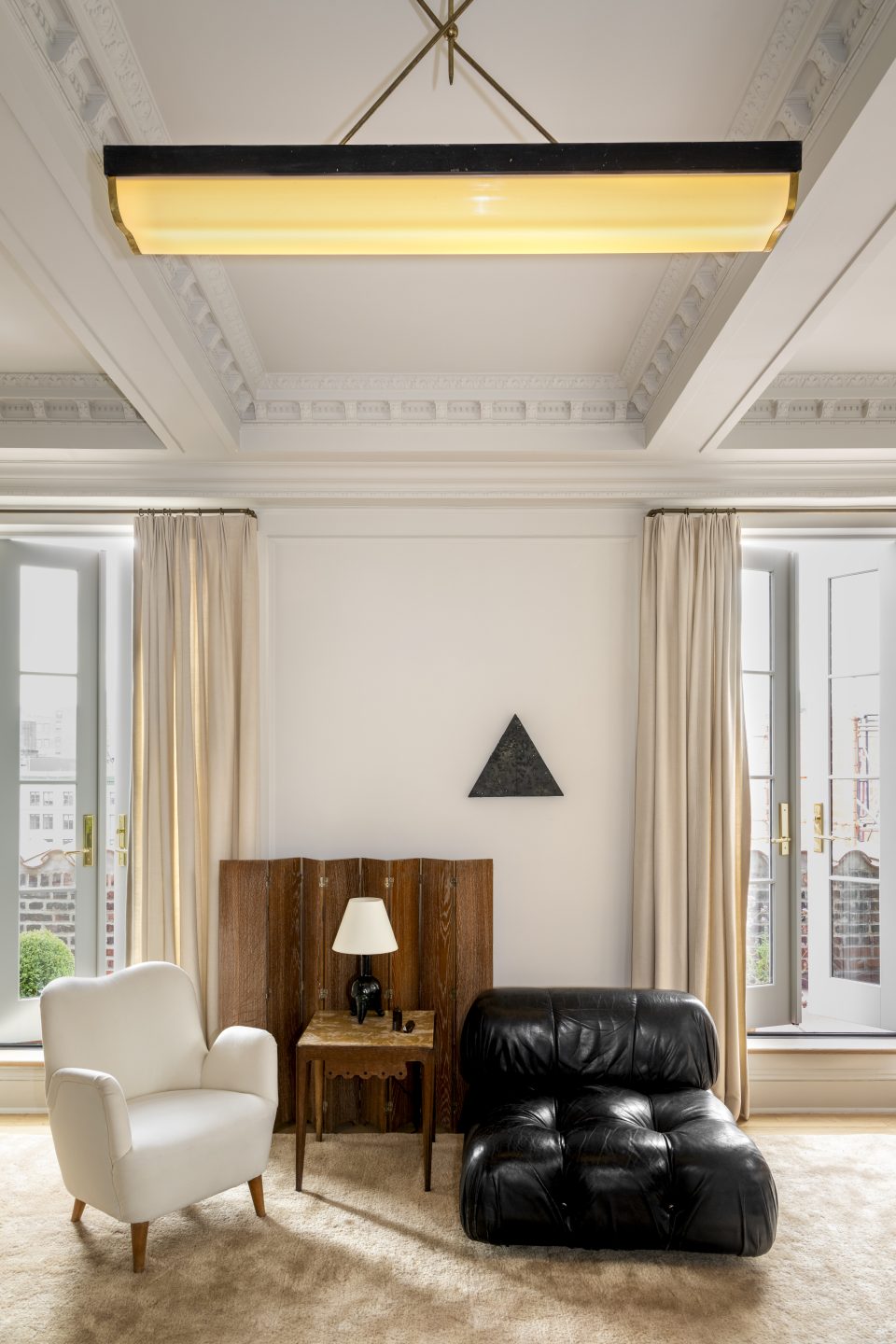
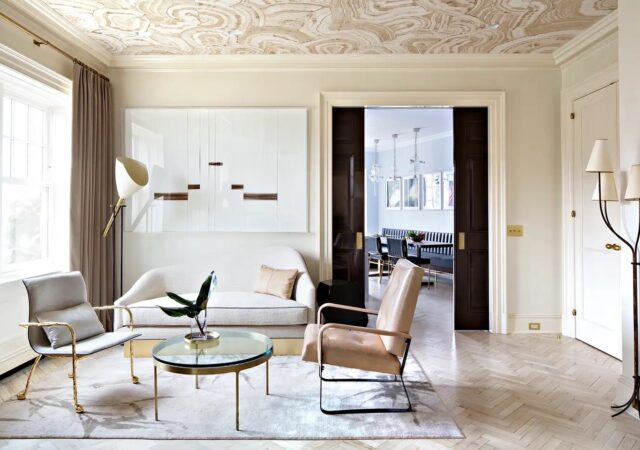
There are the de rigeur grand Right Bank Paris apartments, such as one with an enfilade of rooms containing tawny leather paneling made for the Guerlain family by Jean-Michel Frank and a screen made by José Maria Sert for Coco Chanel. There are the more intimate (though no less luxe) Left Bank apartments, one boasting a salon with a soft-hued carpet by Ernest Boiceau complementing a soft-hued Picasso over the mantel and gold-leafed screen by Pierre Legrain, both kissed by sunlight diffused through yellow silk curtains.
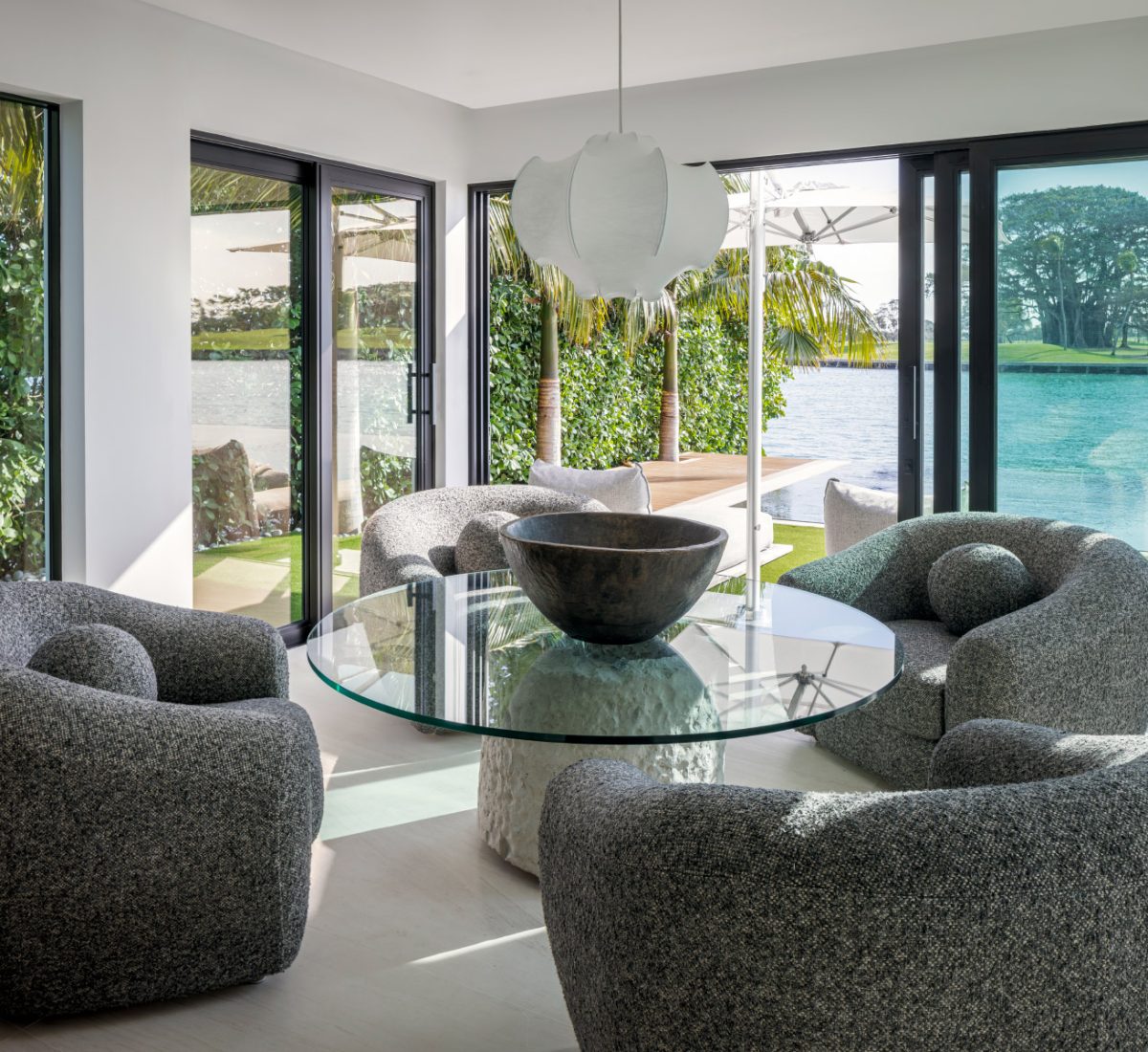
There are more sparely decorated spaces, such as four traditional thatched huts on the Atlantic in Portugal, studies in texture, horizontality and restrained color, as well as an airy pad in Provence, where geometric Italian tiles and richly patterned textiles that are strategically used provide the “pop.” There are also New York aeries and entries to residential buildings, as well as London apartments holding contemporary art alongside 1930s furniture, lighting and floor patterns evincing an Art Deco line. Then there are the Saint Laurent–Bergé projects ranging from the dense Napoleon III by way of Visconti at Château Gabriel and the “Antonioni” asceticism of Saint Laurent’s private studio.
Each is distinct. Each is different. While Grange clearly has a penchant for French decorative arts made between the world wars — those made by masters such as Jacques-Émile Ruhlmann, Jean-Michel Frank and Pierre Chareau, among many representing this great efflorescence of craftsmanship and design — he is mindful of imposing no formula or signature styles. As Passebon notes, again in the introduction: “What matters to Grange, above all, when it comes to pulling off an interior, is first assessing the client’s personality and then grasping the right spirit or desired ambience .… Various styles coexist, balance one another out, and establish allusive, subtle connections, even as each item retains its own character.”
If there is one area in which the book leaves the reader wanting more, it is in the text, which is minimal and uneven, and which gives few clues about either Grange’s approach to the various projects or about the interiors themselves. Looking at page after beautiful page, one wants know more in order to understand better. That notwithstanding, it is the pictures themselves that communicate Grange’s eye, and his vision is as powerful as it is unique.
| |