
| The Talent: Suzanne Lovell
By Andrew Myers
On the Lovell
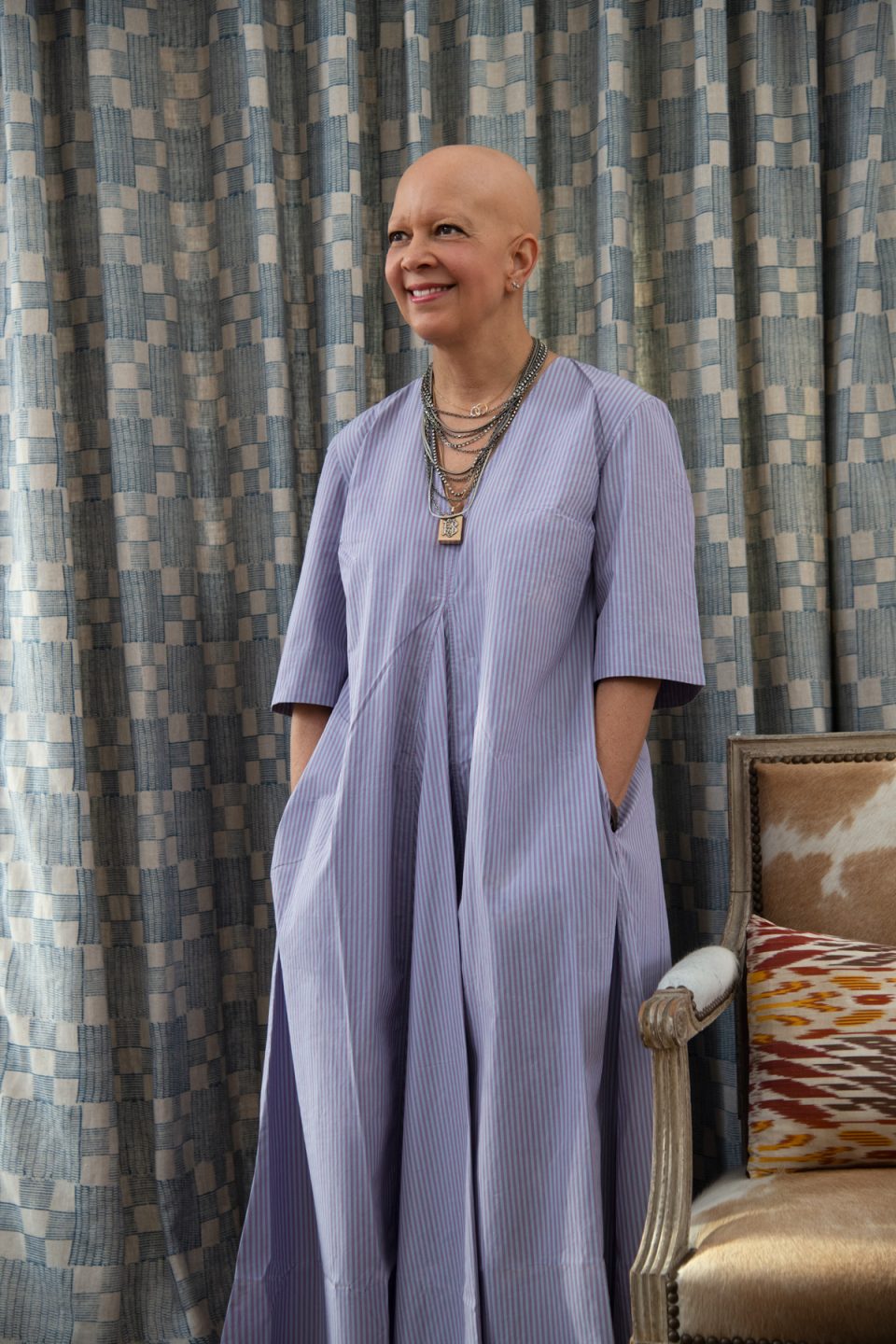
A trained architect, Chicago-based interior designer Suzanne Lovell knows numbers. Natural, rational, real, complex, computable — she can toss her polynomials as though they’re throw pillows, cognizant that coefficients yield closet space and digits determine immutable rules: of size, scale, proportion, space and relationship.
But in engineering beauty, Lovell understands that the whole should be more than the sum of its parts; that the imagination is exponential; and that the powers of creativity aspire to infinity. Addition, subtraction, abstraction? It’s the rational irrational where formulas must not become formulaic, rules rule but are open to interpretation, and structure is a springboard for something conceptually more — even if it’s decoratively less.
Confused? So was Suzanne, who as a very young girl understood that The Eyes Have It. “I discovered a very logical eye with a strong three-dimensional understanding,” she says. The challenge was learning to understand, apply and articulate what was literally and figuratively a vision. I see dead people and The Sixth Sense [ITALICS]? Forget that: Lovell saw architecture in her clothes — in an angora sweater hanging in her closet, a pre-Gehry highly geometric assemblage in a wool scarf, a clean, crisp line worthy of poured-in-place concrete in a freshly pressed linen shirt. Fortunately for her, she had familial help at hand. The product of many generations of Massachusettians as well as a kid of collectors, Lovell grew up in Wooster and, later, Wilmington, Delaware, near the Brandywine Valley and the Winterthur Museum & Country Estate, where her mother was an expert in Federal furniture and textiles. “I knew how to evaluate the quality of an American piece of furniture from a young age,” says Lovell, who quickly understood the same standards of qualitative analysis could be used to judge “almost any area in the decorative arts.”
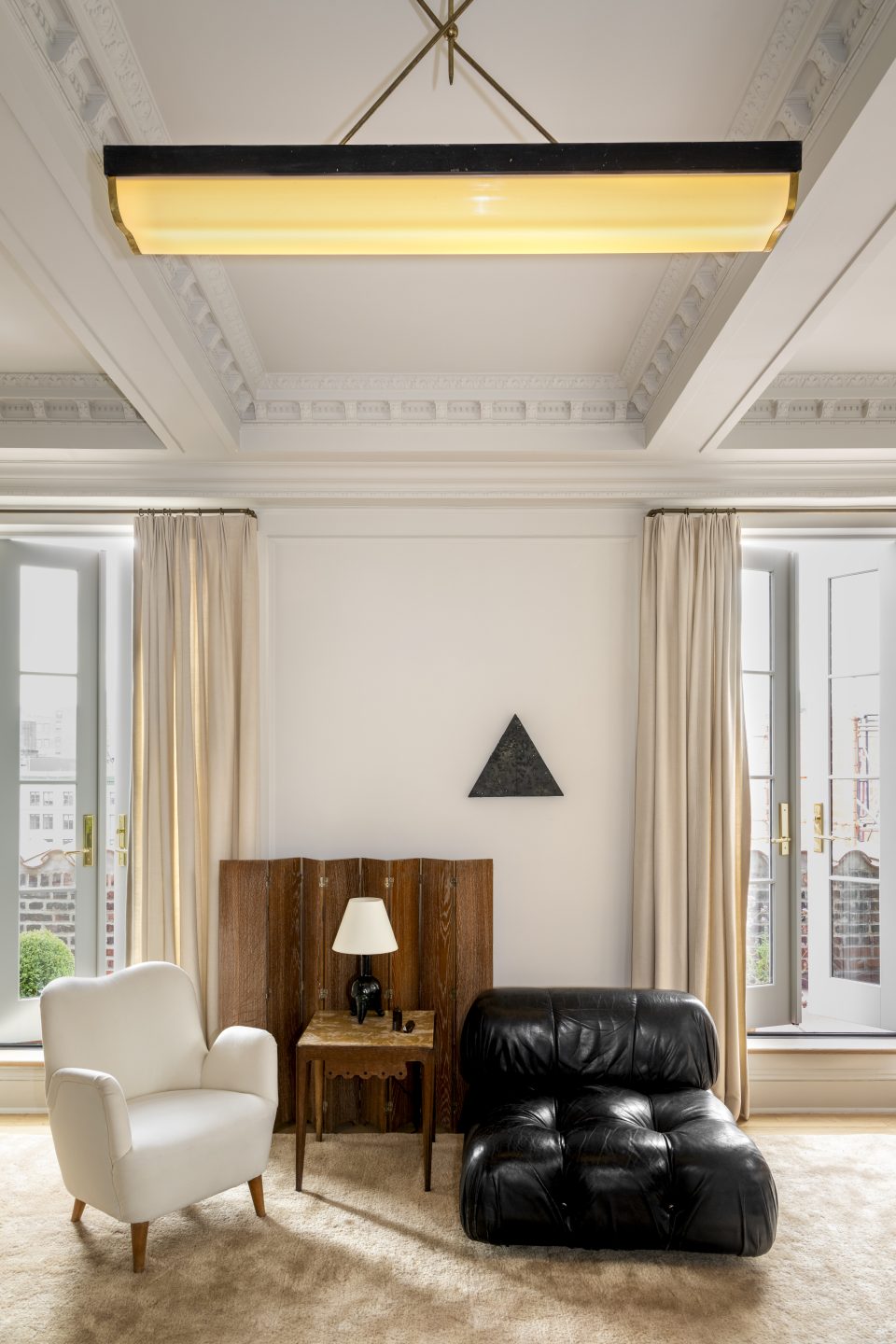
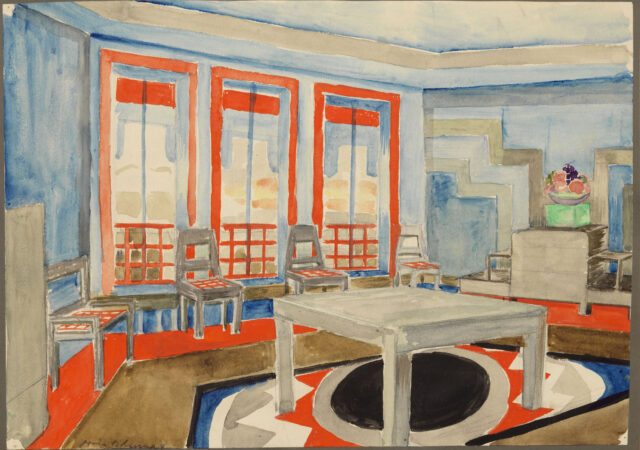
Understanding an equation, however, is a far cry from understanding a comprehensive theory. For what Lovell was after, a new language had to be learned, one that could both express and encompass an entire aesthetic philosophy as well as a particular point of view. Its name, dear reader, was Modernism. “After a great deal of searching around the country, I discovered that the College of Architecture at Virginia Tech had a super solid core curriculum of design,” she says, noting that her epiphany was the revelation that “I could be a weaver and become an architect: I saw weave structure in architecture from the very beginning.” What made her walk the modern line was, in fact, the modern line: clean, forthright, with a simplicity of ornamentation and emphasis on sculptural form that, when paired with exemplary craft, harkens back to Federal furniture while presaging later Lovell loves, such Wiener Werkstätte and Art Deco (particularly Belgian and Austrian).
Able to roll off the Bauhaus’ political, social and cultural implications and influences with a scholar’s ease, in terms of design the designer focuses on medium and material. “Be it paint, stone, wood, metal, clay, paper or thread, the artisan’s goal was to learn the material’s core then express it forthrightly,” she says. “In effect, the question was, What did that material most want to be, without a fight or imposition?, and the best answer was the simplest form.”
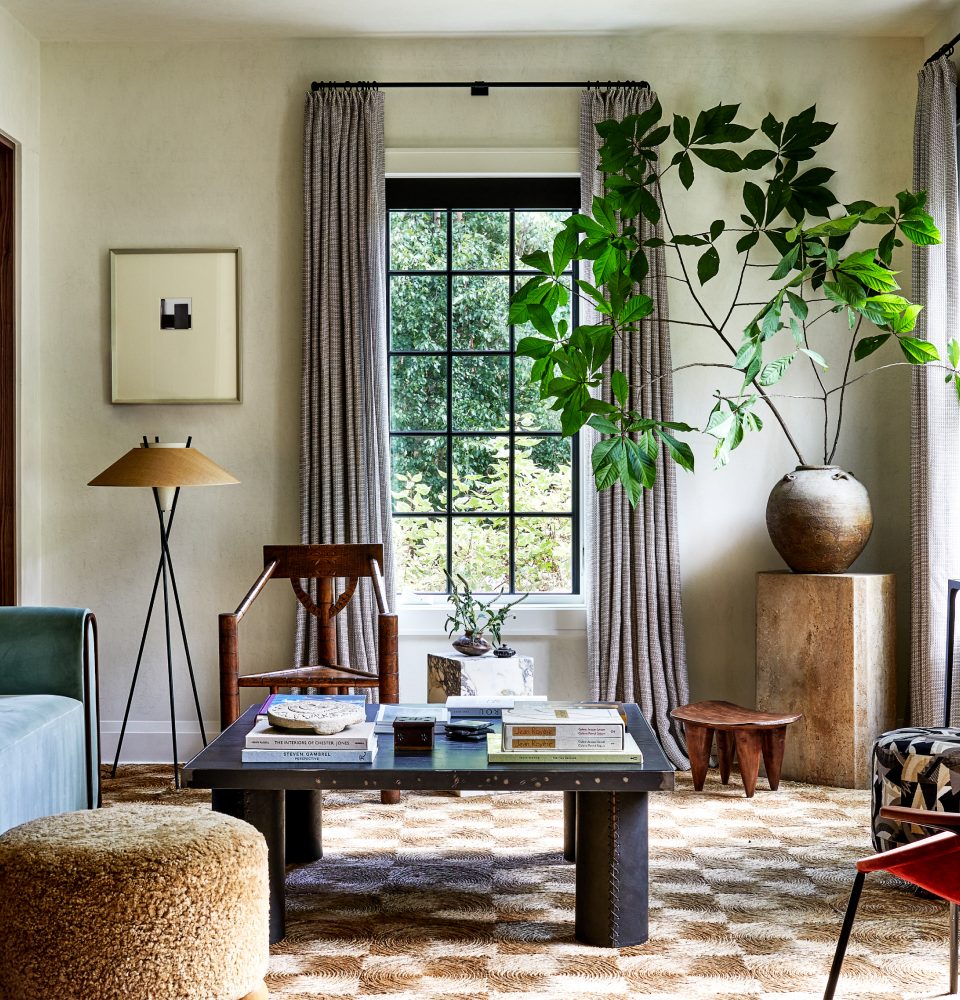
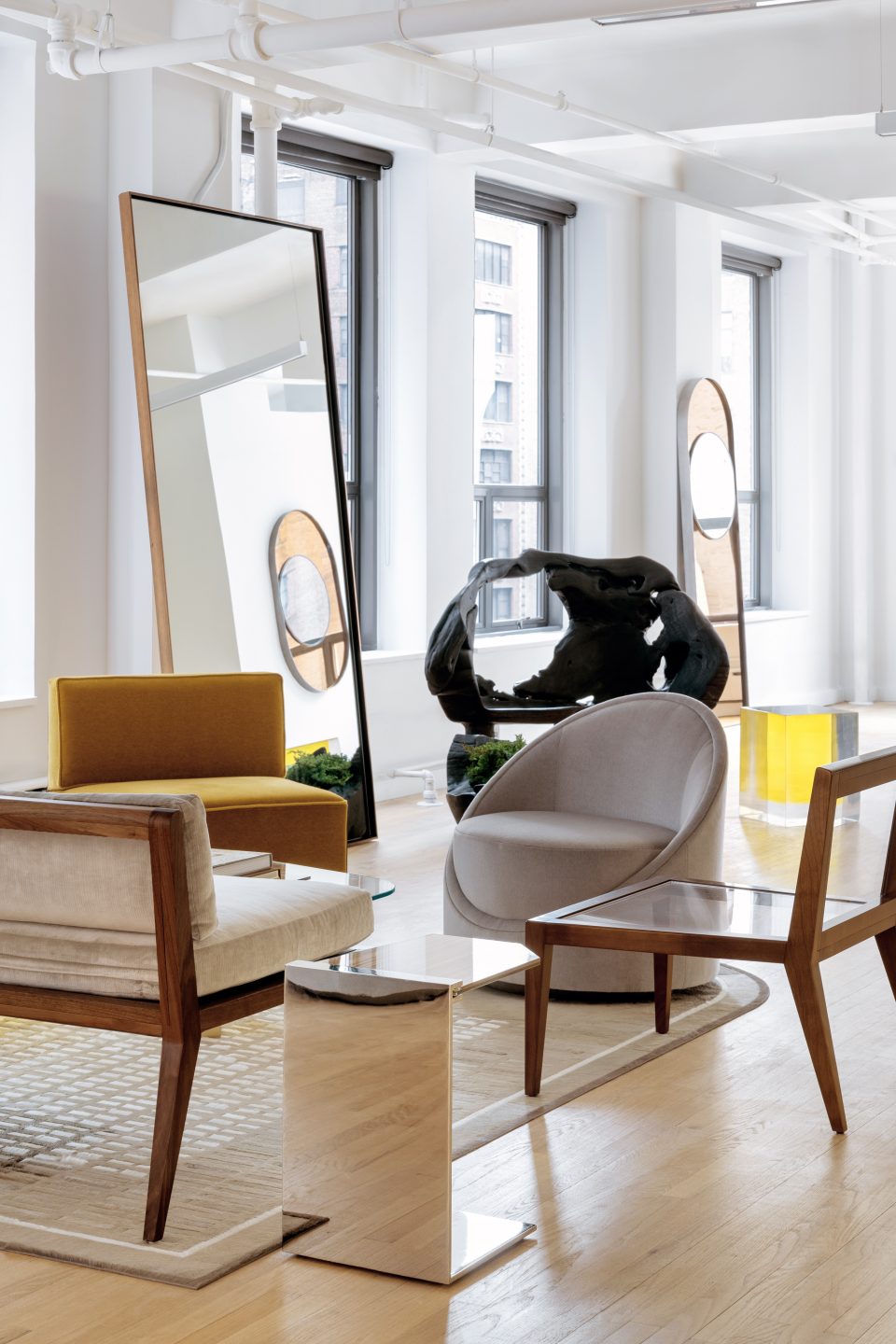
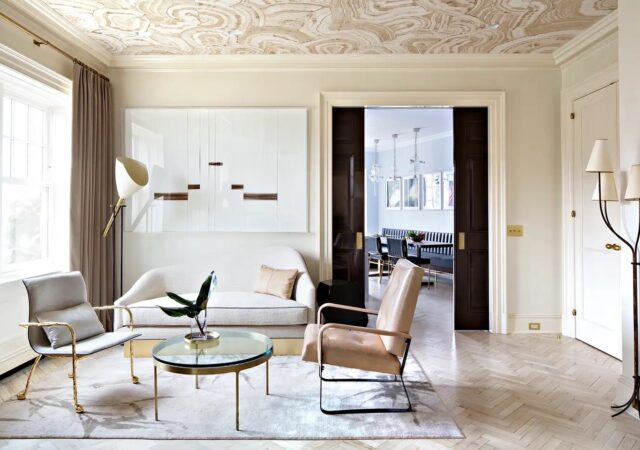
While in school Lovell was mentored by Swiss-born Olivio Ferrari, the head of the College of Architecture’s core courses who also took students to Europe for extended study. “This was pivotal for me, as he believed in the evolution of each individual’s thoughts about design, and wanted you to be different as long as you were real and had basis for your thoughts and decisions.” Post-graduation, she honed her skills at the Miesian architecture behemoth Skidmore, Owings & Merrill. But interesting and valuable as that was, it didn’t add up in terms of total satisfaction. “In architecture I believe the emotional happens at the street and at the interior of the building, I suppose that’s why I went from corporate architecture to the interior — because that’s where I could have the most emotional impact,” she says, underscoring a profound interest in how one psychologically experiences space: “How is it going to feel when you walk into that space? How is it going to feel when you want to sit and read in that space? Will you feel held and safe and secure in the breadth of your surroundings?” To Lovell, such questions became deeper and richer, more tactile and visual, the more she examined the interior — all while remaining related to a bigger picture, and all still, to an important degree, a numbers game. “The balance of proportion in size, color and texture remain the same at any scale,” she says.
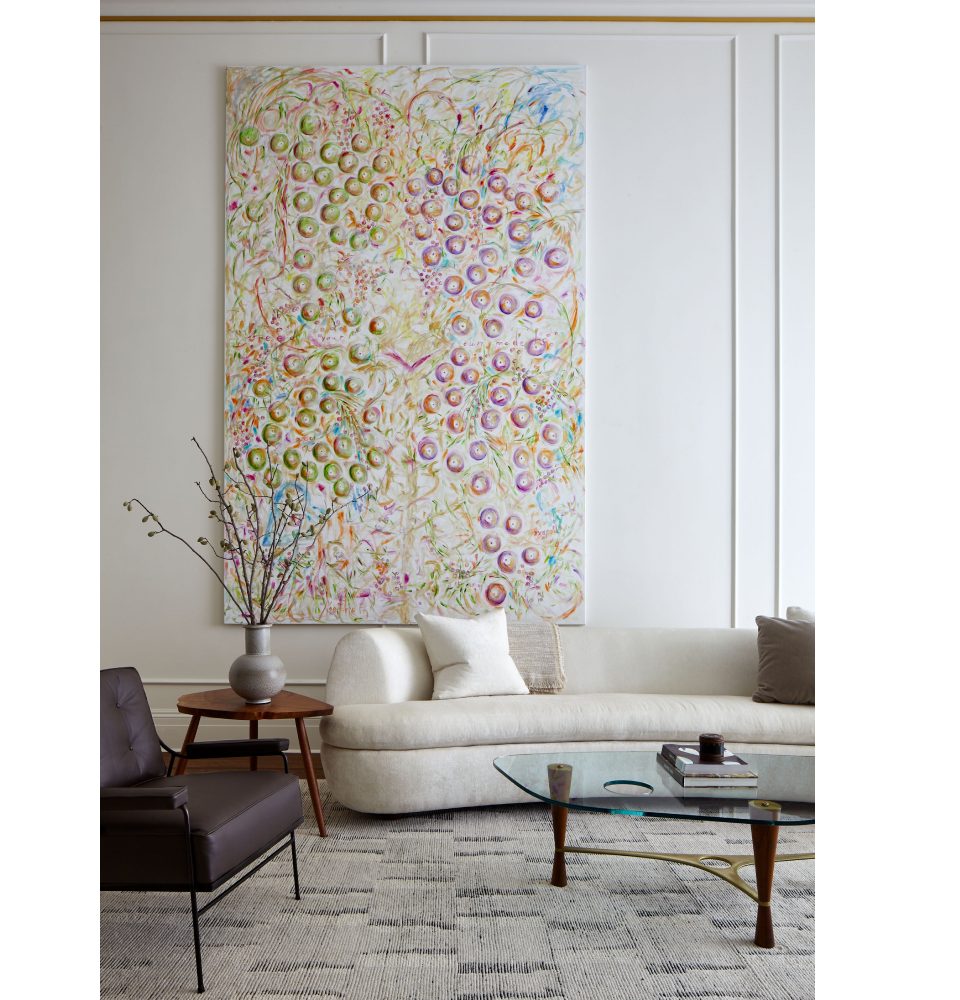
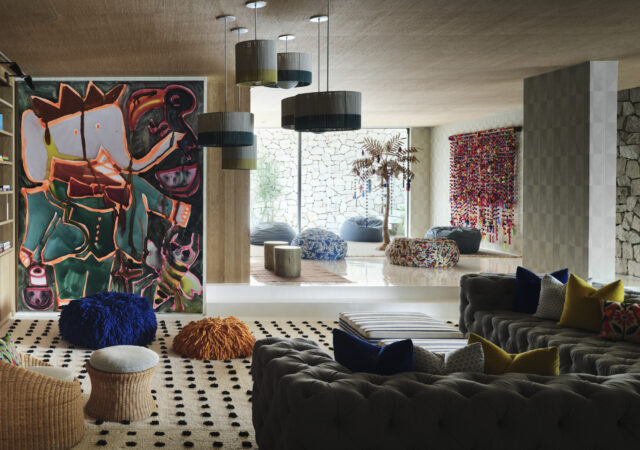
Founding her own eponymous Chicago-based architectural interior design firm in 1985, Lovell delved deeply into residential interiors. But in order to design projects as her mind’s eye demanded, she had to plump her own psychological interior as well: to force a reconciliation of Bauhaus objectivity and an artist’s subjectivity. “After SOM [Skidmore, Owings & Merrill] I had a very hard time coming out of the closet with my treasures of family history and artwork,” she says, “but once I had done that successfully with my own Edward Lipski sculpture of a large raven, I began to be more comfortable helping my clients honor what they like.” The Lipski sculpture was entitled Welcome to my Cage ITALICS, but for Lovell the effect was the opposite of constraint. Rather, she felt liberated, able to try on and take on other guises — all while remaining true to her overarching aesthetic. It wasn’t so much a question of bending rules as discovering additional pages in the rulebook, or that the rules could be applied to other games. Or, in the case of her clients, other houses and interiors. “It is truly wonderful when the relationship [between her and a client] becomes a give and take of listening and sharing our thoughts around the evolution of the environment,” she says. “There is no ‘right’ way, and the personal integration of a client’s thoughts gives him or her ownership and pride in his or her surroundings — which is the gift we can give as professionals and the one that I enjoy most.”
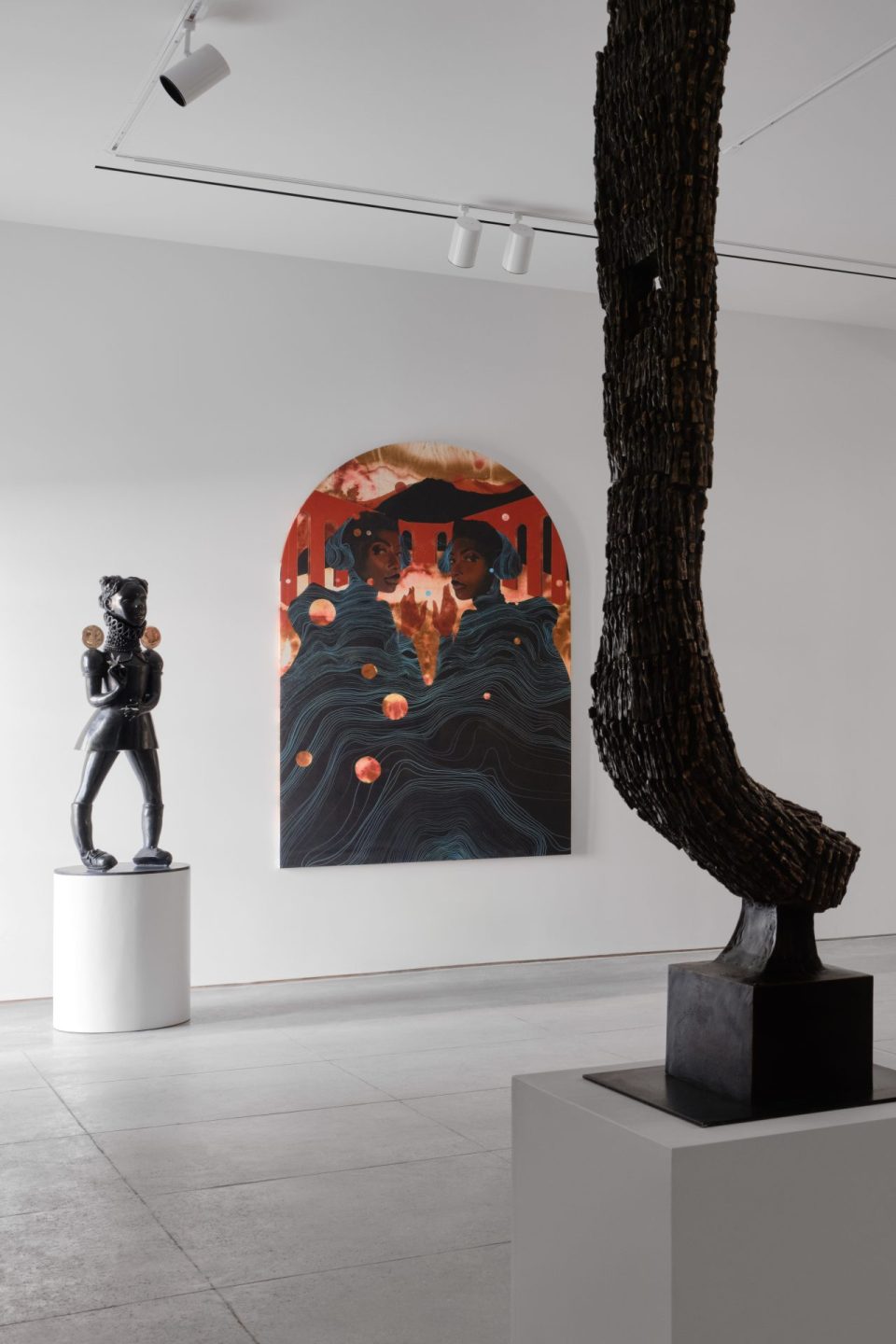
Fine and decorative art collectors were especially responsive to this symbiosis of structure and sensitivity. “We have collectors with important African American collections of art and sculpture; collectors of Native American blankets, photography and pottery; a collector who has put together Edo period lacquer as well as sets of inro [a traditional Japanese case used for holding small objects],” she says, no need to mention the clients who collect the more usual categories, such as contemporary and modern.
Not surprisingly, Lovell and her team, which numbers 14 including partner Amy Cassell, frequently advise clients regarding art purchases. In addition to personnel charged solely with researching the art market and scouring auction house catalogues on clients’ behalves, “We also have a network of professionals from which we garner museum-quality advice and access, which is imperative if you want to collect in earnest today,” notes Lovell, who most recently curated a collection completely focused on portraiture, “works on paper and important large photography by Robert Polidori and Candida Höfer.” Perhaps equally unsurprisingly, the firm opened an office in New York City, the global center of the art market, in 2005.
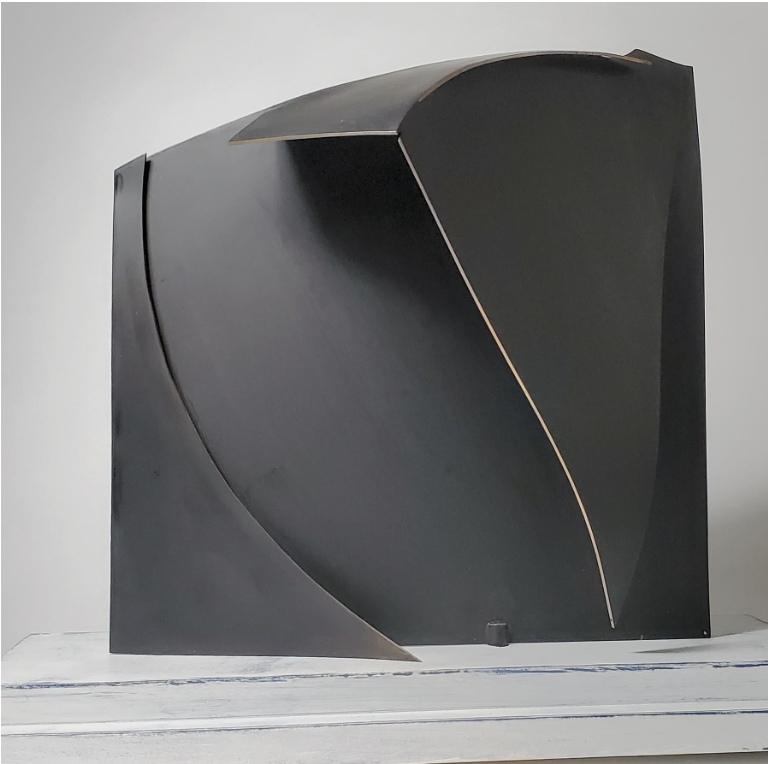
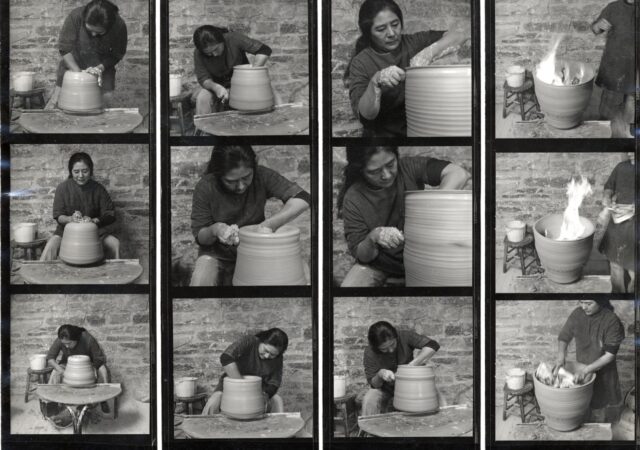
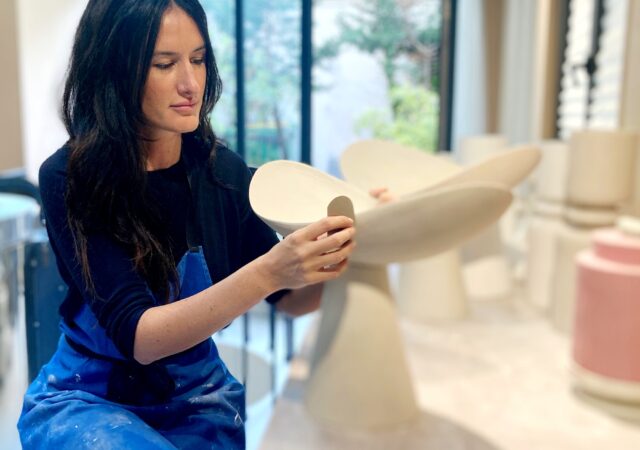
Lovell herself collects across a wide spectrum (ceramics in particular), and has served on the committee and as a host at the annual international Sculpture Objects & Functional Art (SOFA) fairs in both New York and Chicago. “Museum-quality fine objects are often lost in the fine art world, and this [SOFA] is a venue that supports such objects and their brilliance,” she says, adding that she has spoken at fairs in both cities — commitments she enjoys because it allows her the chance to describe her firm’s philosophy. “We know there is a method to our madness, yet it is always a challenge to articulate how you differ from other talented designers and architects,” Lovell says.
One primary attribute she identifies is a level of service that runs soup to nuts — or initial architecture through installation and art and antiques conservation. “We are working as the client’s advocate throughout the entire process: we start at architecture and continue throughout construction; we make the material selections for the architectural finishes; we install furniture at the exact same time we are either helping to integrate an existing art collection or helping a client to embark on a collection of his or her own,” she explains, her belief that such assiduousness is essential in building the key element in the designer-client relationship: trust. “Without it, the house will be static and lack personality. We look to cultivate relationships with our clients that give meaning and an evolving life to their homes.”
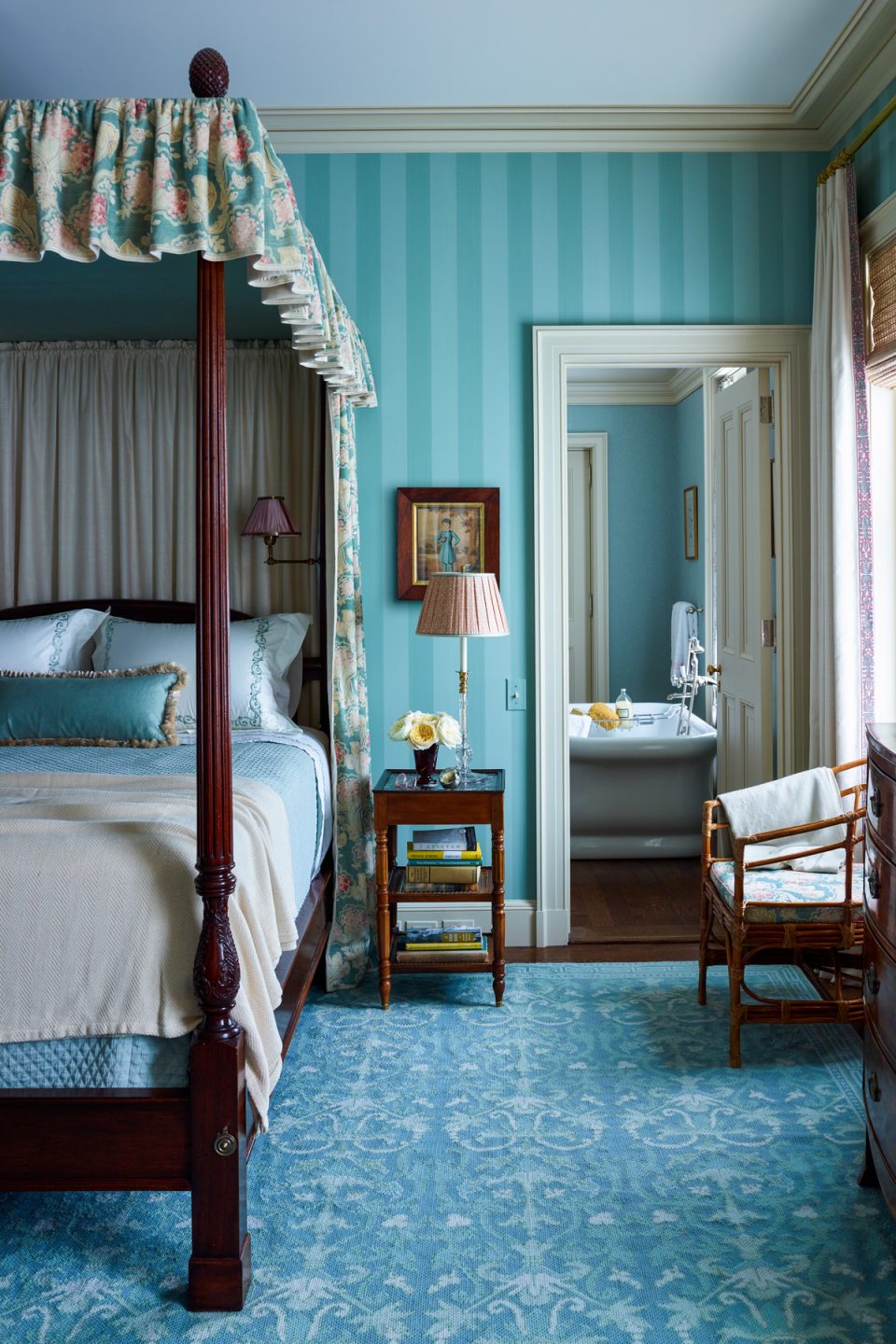
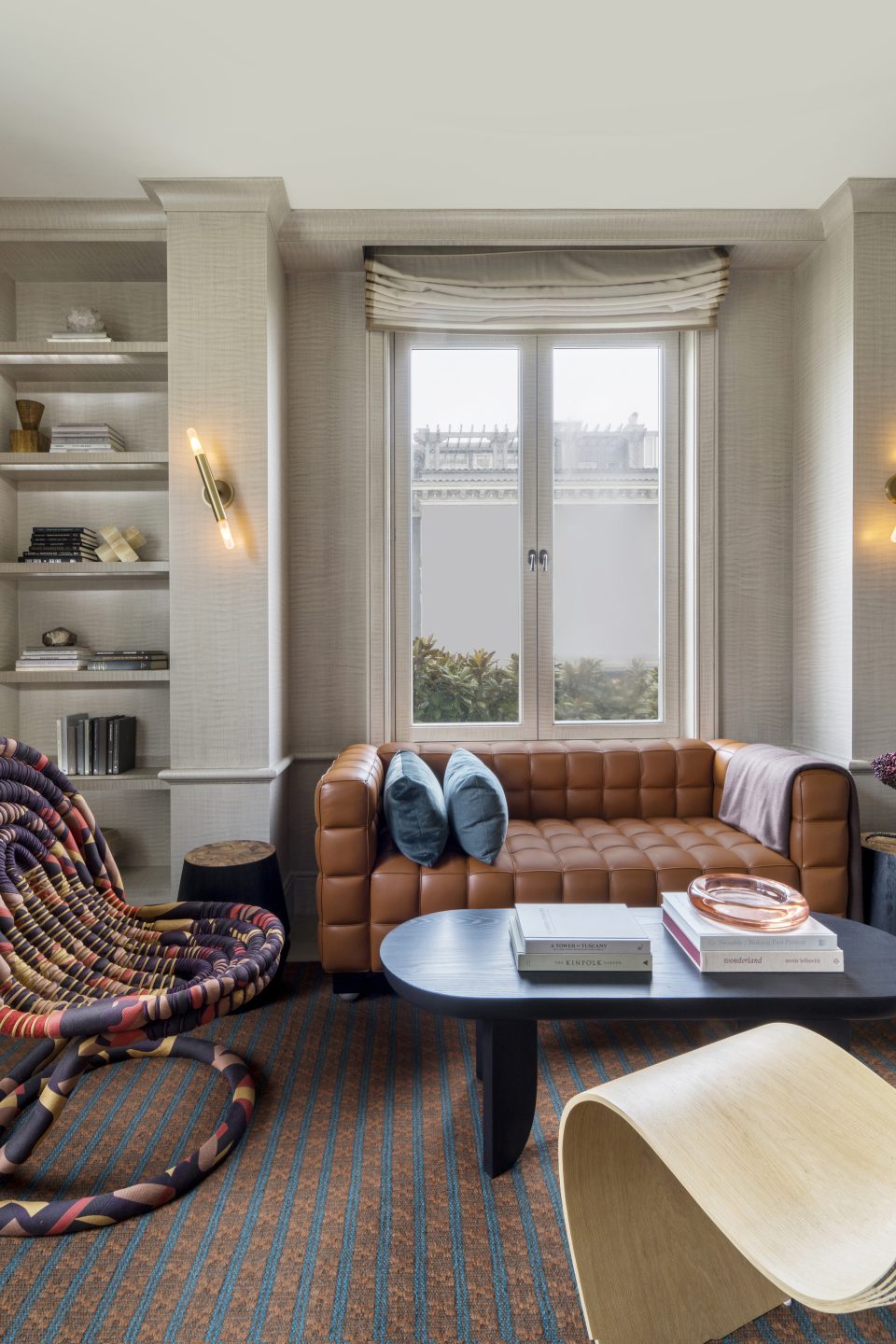
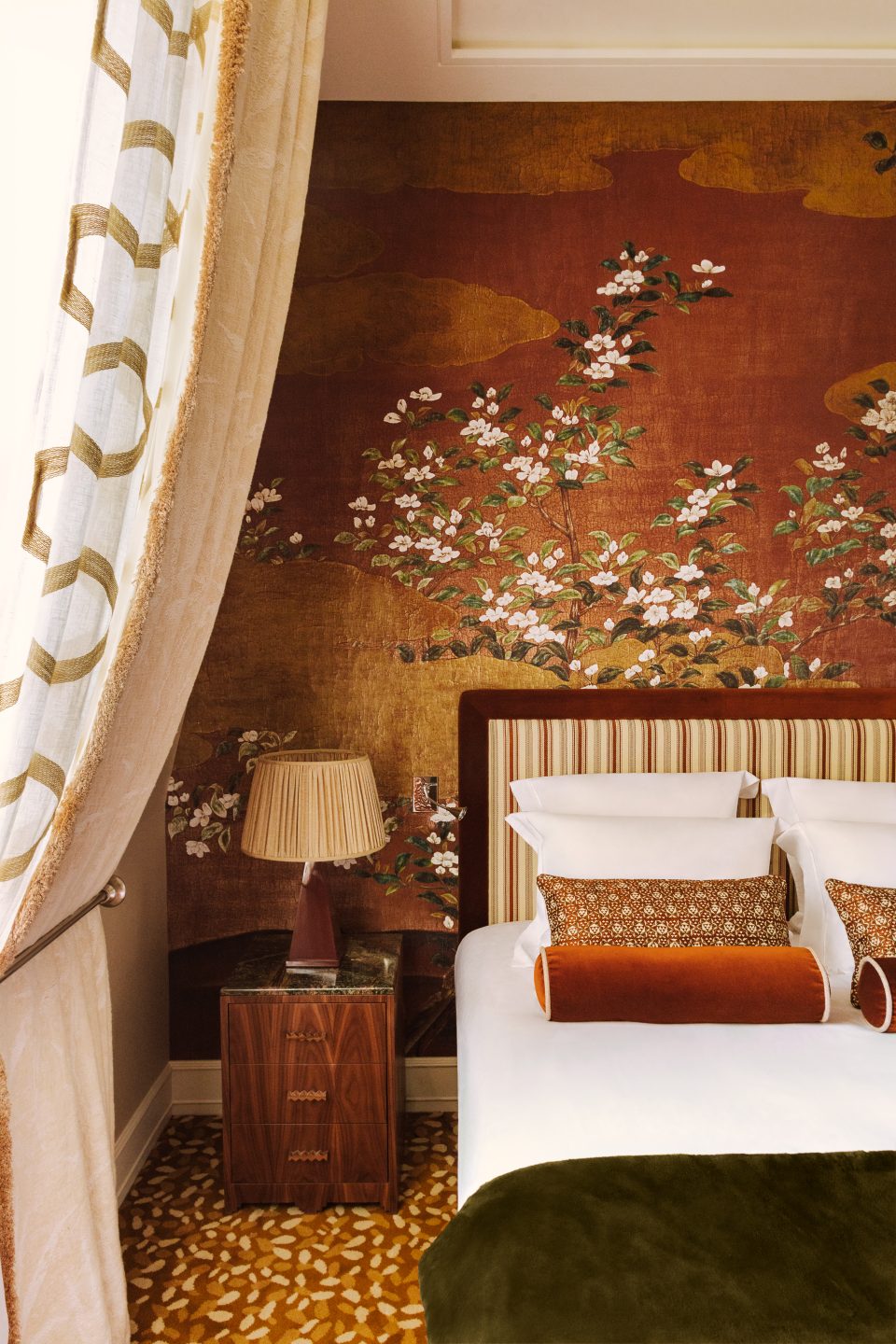
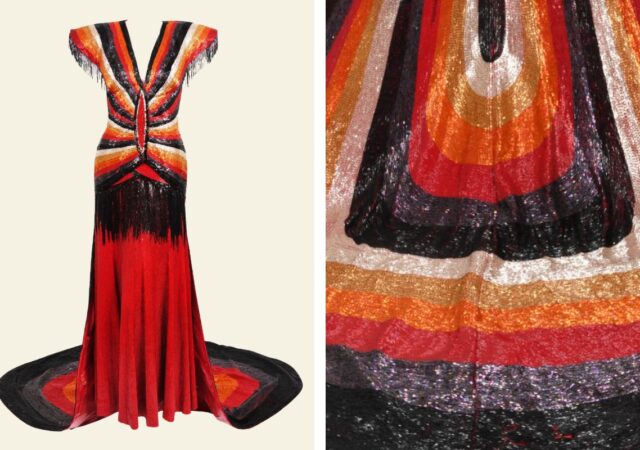
If her system and sensibility seem like a complex interweaving of many elements, tones and textures, Lovell would be pleased; they mirror her layered spatial perception. “I have worked all my life to understand and communicate its powerful results at the intersection of architecture, the design of interiors and fine art collections,” she says. More literally, they also refer to Lovell’s love of textiles — be it for the unique shapes they can assume, their tactile qualities and varied beauty, or their applications to fashion (Dries Van Noten gets a loud callout: “He works consistently with the most beautiful textiles in the world!!!”). In terms of her business, this textile-philia led to Twill Textiles, a company Lovell formed in 2004 with renowned Stockbridge, Massachusetts-based weaver Sam Kasten. “I finally convinced Sam to let me translate his handwoven textiles into machine-made goods!” she says, adding that Twill, in turn, took her to Heifer International, a nonprofit organization whose goal is to lessen world hunger and poverty through education, self-reliance and sustainability. “It was the amazing bouclé yarn from the mountains of France that led me to the idea of supporting those who ‘teach a man to fish.’”
Architecture of a building. Architecture of a life. A residential interior and the interior of a soul. Lovell respects these spaces, studies their scale and proportion, and adorns them. She knows in the end that numbers are simply symbols, tools to create. She also knows two and two can equal more than four.
| |