April 19, 2026One morning last June, Michael Radziewicz’s phone buzzed with a notification about a house for sale in his neighborhood of Emerywood, in High Point, North Carolina. It was not far from where he and his wife, Jennifer Ponce, were living, and he knew the place well — from the outside at least.
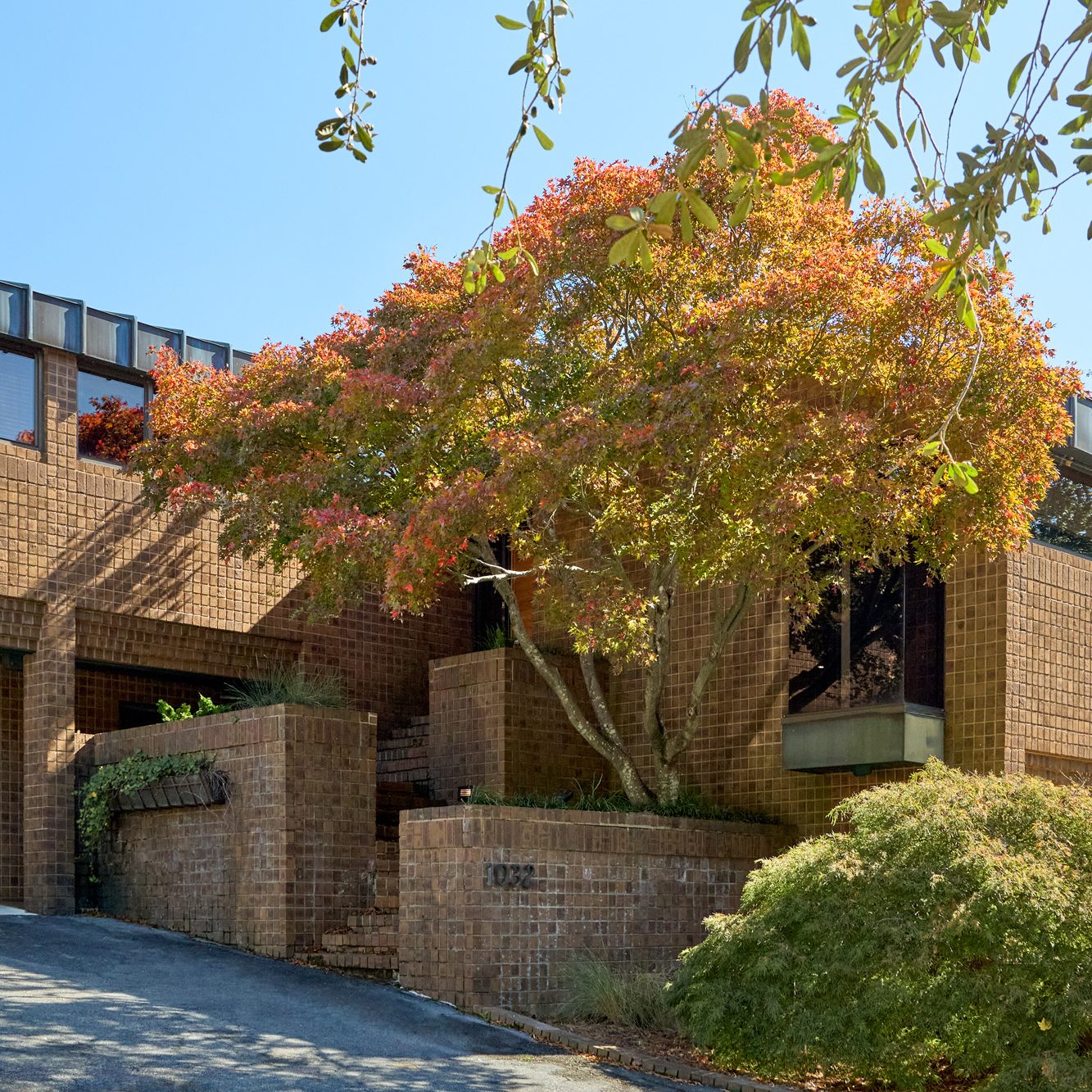
The distinctive structure, which Radziewicz describes as “brick with a kind of tumbling, three-dimensional effect,” was built in 1970 for Thayer Coggin, founder of the still-flourishing modern-furniture manufacturer that bears his name. “The listing came up on a Friday at nine a.m,” Radziewicz recalls. “By nine forty-five I was in the house making an offer. I felt destined to own that house.”
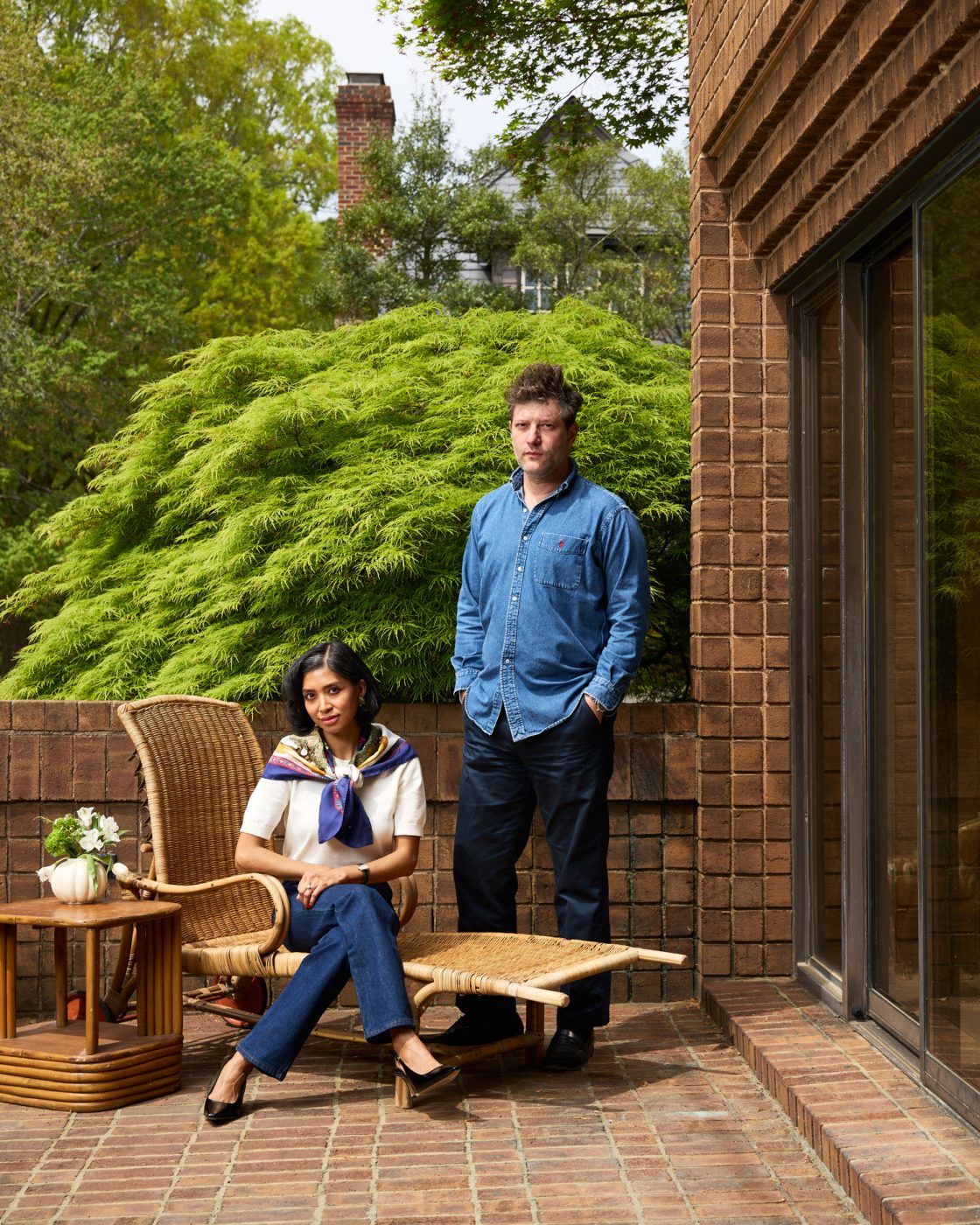
That’s because Radziewicz is a modern furniture entrepreneur himself. He, Ponce and the Swedish-born, Paraguay-based Victor Berga are partners in PRB Collection, a purveyor of 20th-century design and decorative arts they started in 2017 with 72 items on 1stDibs. In nine explosive years, PRB has become an 18-person company with five warehouses bursting with furniture, lighting and ceramics and with some 10,000 pieces on its 1stDibs storefront at any given moment.
“Thayer Coggin brought American modernism to the mass market, selling to Macy’s and advertising in the New York Times,” says Radziewicz. “We’re doing something parallel, scaling vintage modernist design to a larger market via the internet.”
Radziewicz and Ponce, both native Chicagoans and former public school teachers, married in 2010 and moved the following year to Florida, where he established the contemporary art venue Michael Jon Gallery, in Miami Beach. Radziewicz and Berga — a pension and insurance planner in his previous life — first encountered each other in 2016, when Berga phoned about the gallery’s program — “maybe curious about becoming an art dealer himself,” says Radziewicz.
Over the course of a few emails and then daily exchanges via Facebook Messenger, the two men bonded over their shared interest in buying and selling modern design, with a particular focus on pieces by lesser-known or anonymous creators. They met in person six months after that first phone call and went into business together another six months after that.
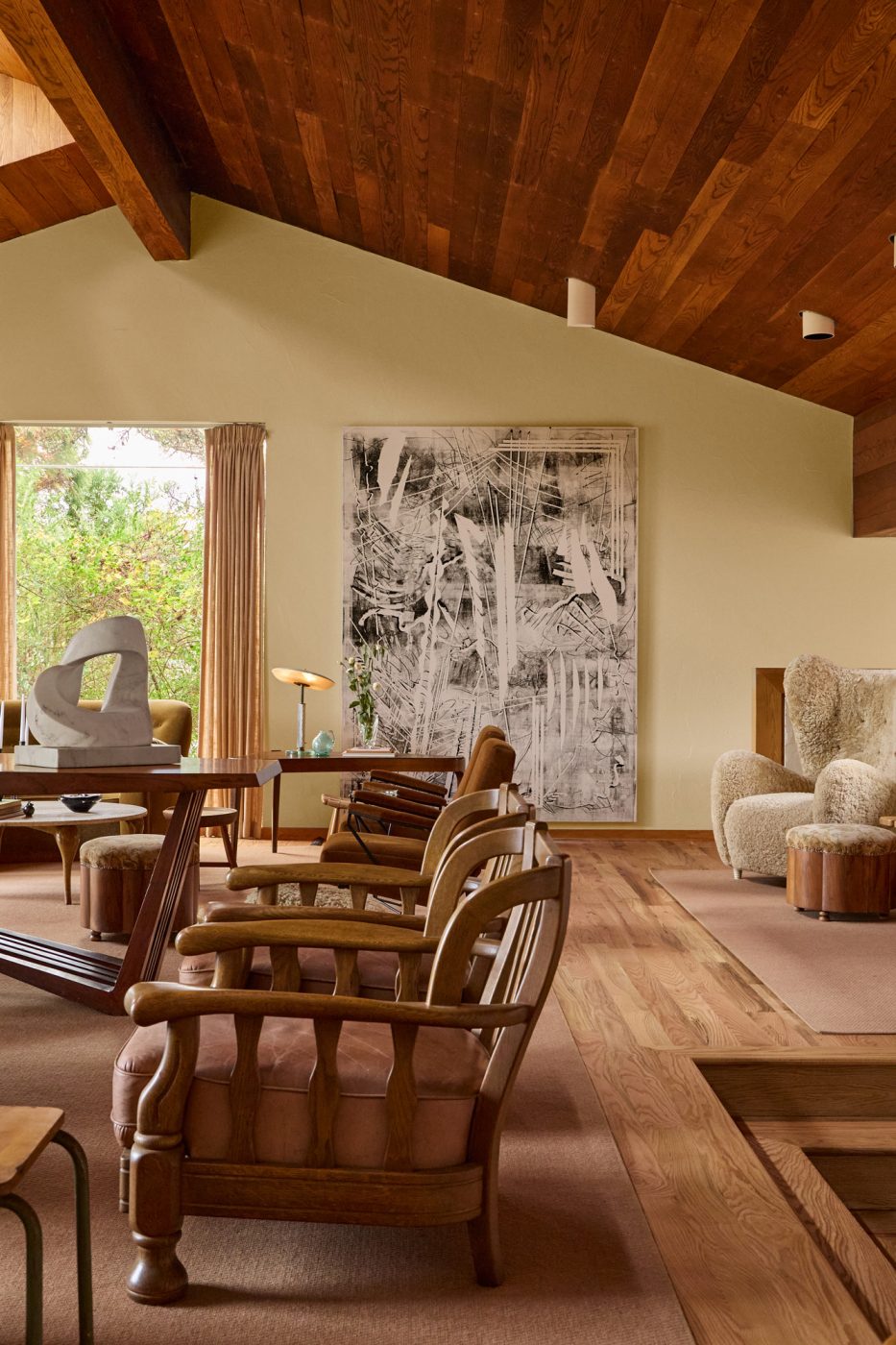
Their mission: To “unearth designers who haven’t had much presence in the U.S. and introduce them to the American market,” Berga says.
As the business grew and warehouse space filled up, Ponce left teaching to lend her administrative skills to keeping things organized. “Somebody had to catalogue pieces and be able to find them,“ she explains. As Radziewicz puts it, “Jen’s our left brain, and Victor and I are two right brains with shopping addictions who turned that into a business.”
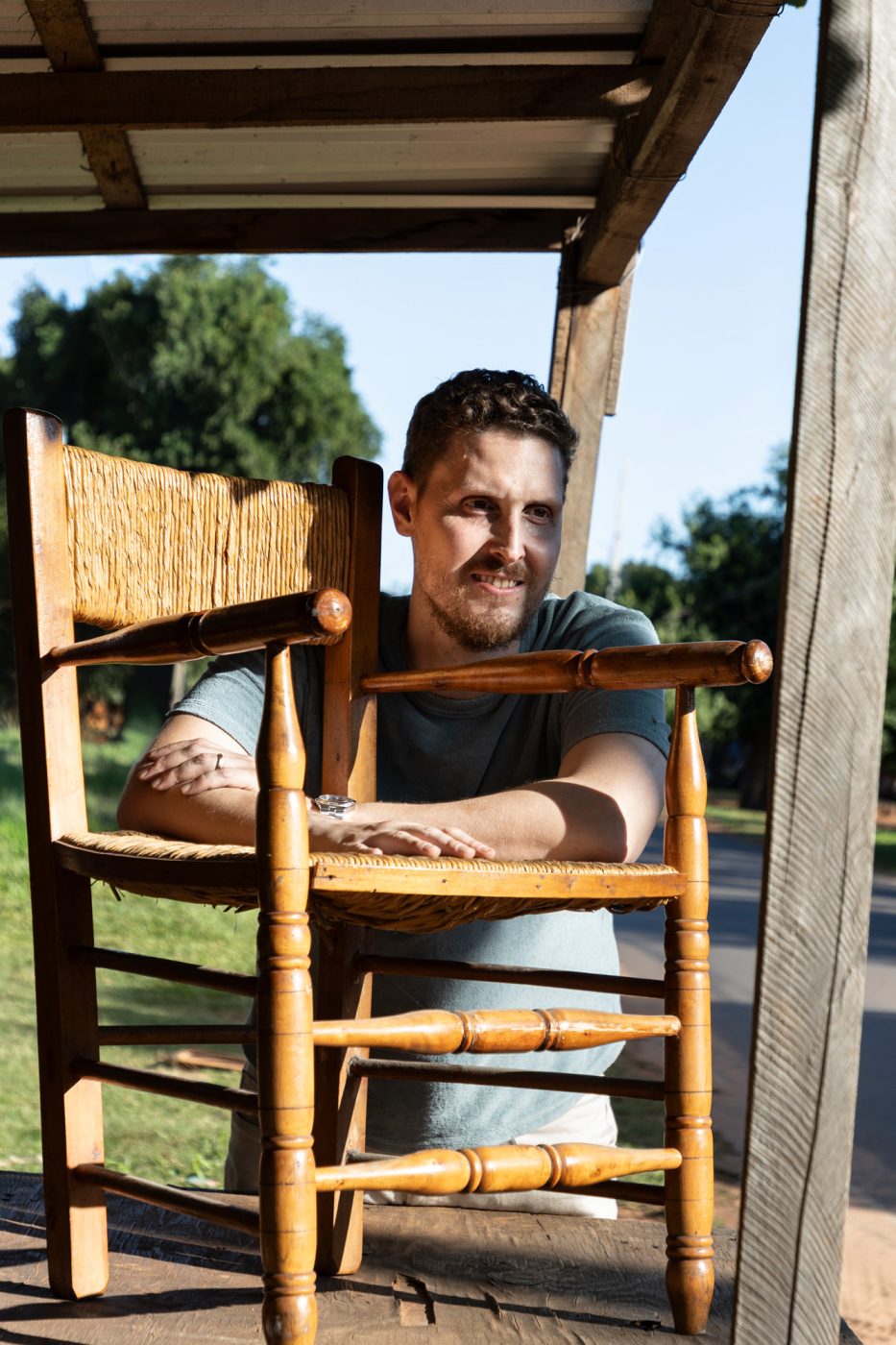
In 2023, they moved to High Point, which enabled them to grow the company “without having to pass premium-priced real estate on to our clients,” Radziewicz says. The 200,000 square feet of warehouse space they have there today would have been prohibitively expensive in South Florida.
The High Point location, at the epicenter of the U.S. furniture industry, also gives them access to restorers, upholsterers and shipping companies — as well as the thousands of interior designers drawn to the city for the mother of all home-furnishings trade shows, the semiannual High Point Market, happening this month from April 25 through 29.
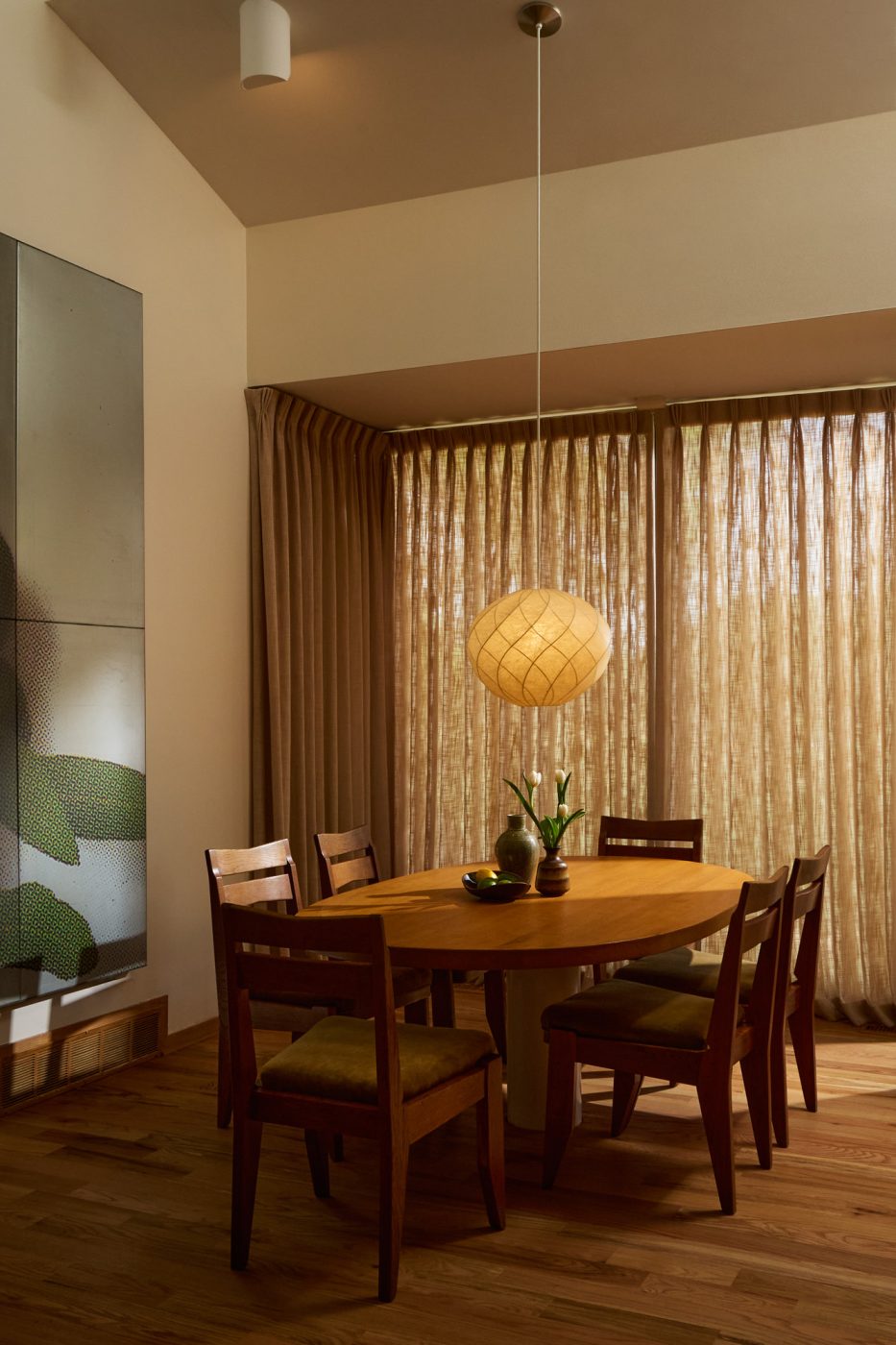
PRB’s purview is expansive, encompassing works by both hallowed designers and unknown makers. Masters like Gio Ponti, Paul Frankl, Finn Juhl and Jean Royère have long been considered the high priests of collectible modernist design. Berga gives them their due — “It’s not hard to establish who the innovators were,” he says — but notes, “It’s a way bigger discussion than those guys, and a way bigger world of things.”
Ponce and Radziewicz’s new residence serves as a de facto showroom for the business. During the High Point Market, they host events there, including one later this month in conjunction with AD Pro, Architectural Digest’s forum for design industry professionals. It is also a design laboratory of sorts. Acquisitions come and go.
“It’s fluid,” Radziewicz says. “As the inventory evolves, so does my personal collection.” Fortunately, he’s good at letting go. “We’re temporary custodians,” he says. “It’s about preserving and presenting the objects.”
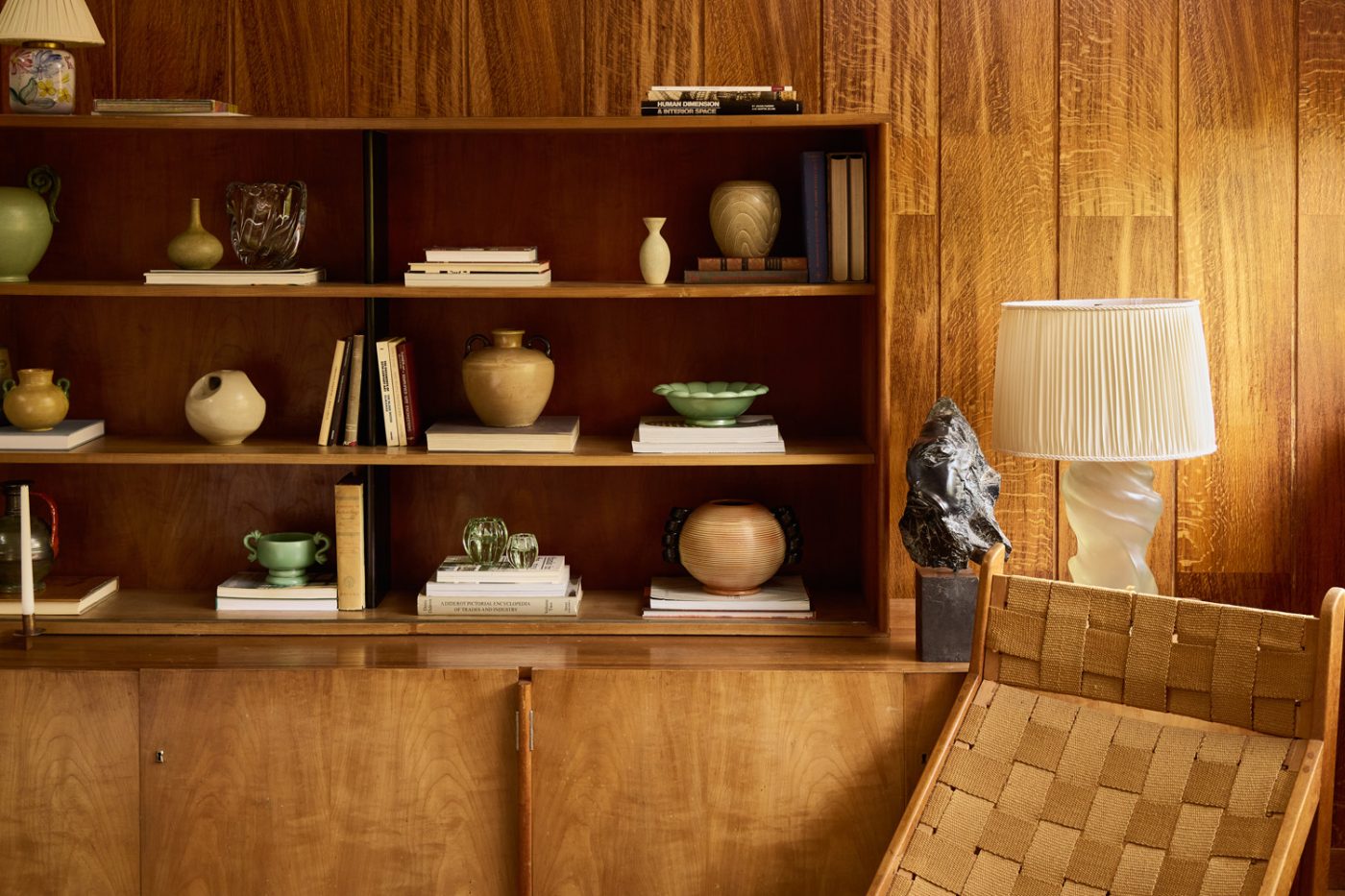
Radziewicz and Ponce’s remarkable home was designed by the Salt Lake City architect Frank Babcock, who was building a Utah dwelling for Robert Redford at the same time. The couple bought it in a state of near-perfect preservation. Its atmospheric interiors, with their hefty ceiling beams and paneled walls of red oak, were masterminded by American designer Milo Baughman, whose work Coggin championed and sold.
Today, the house’s clean lines and neutral palette make it a perfect backdrop for the furniture, lighting and decorative arts turned up by the partners’ incessant foraging in Scandinavia, Italy, the U.S. and Latin America. “Call it the physical representation of the company,” Radziewicz says.
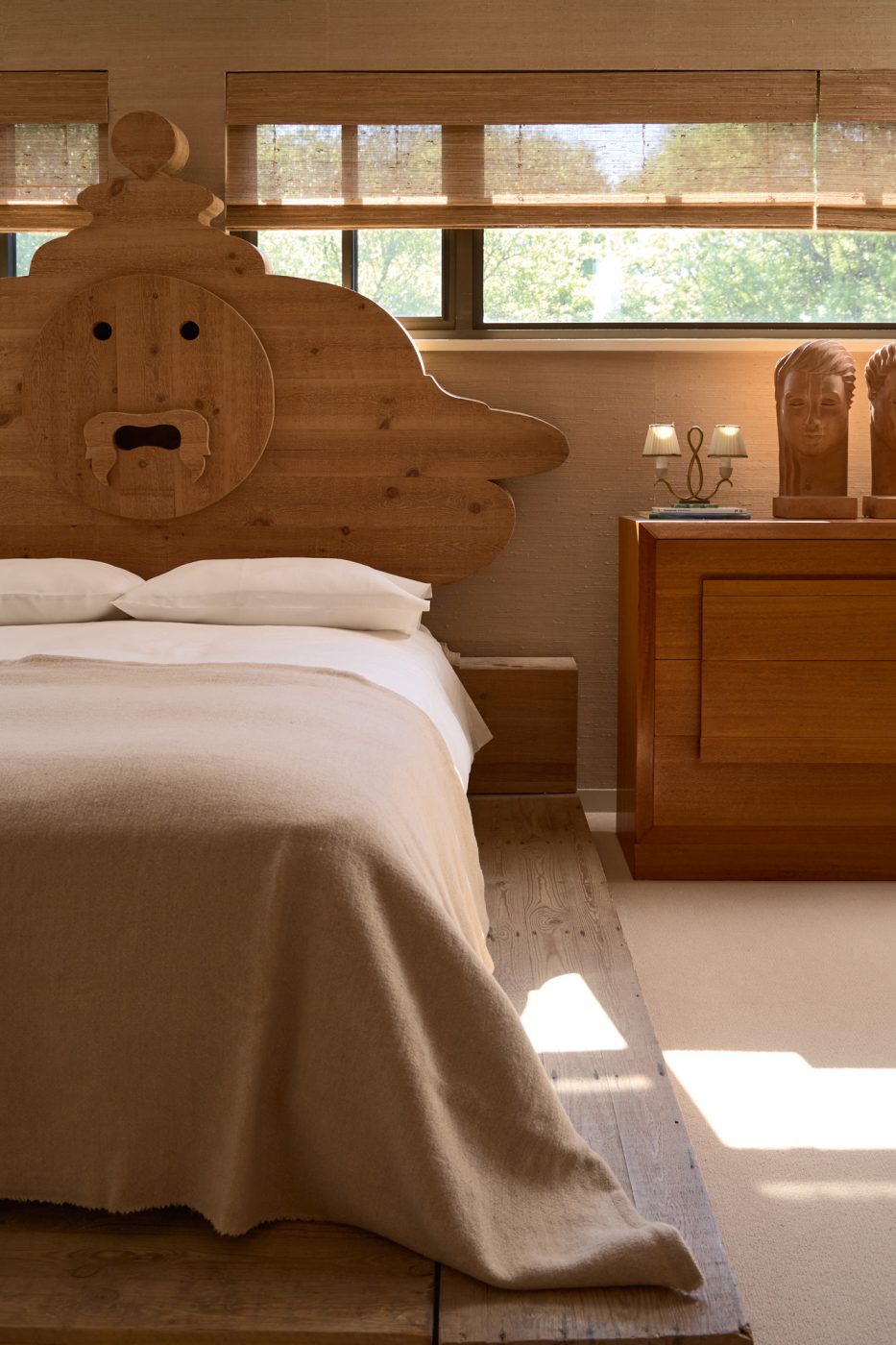
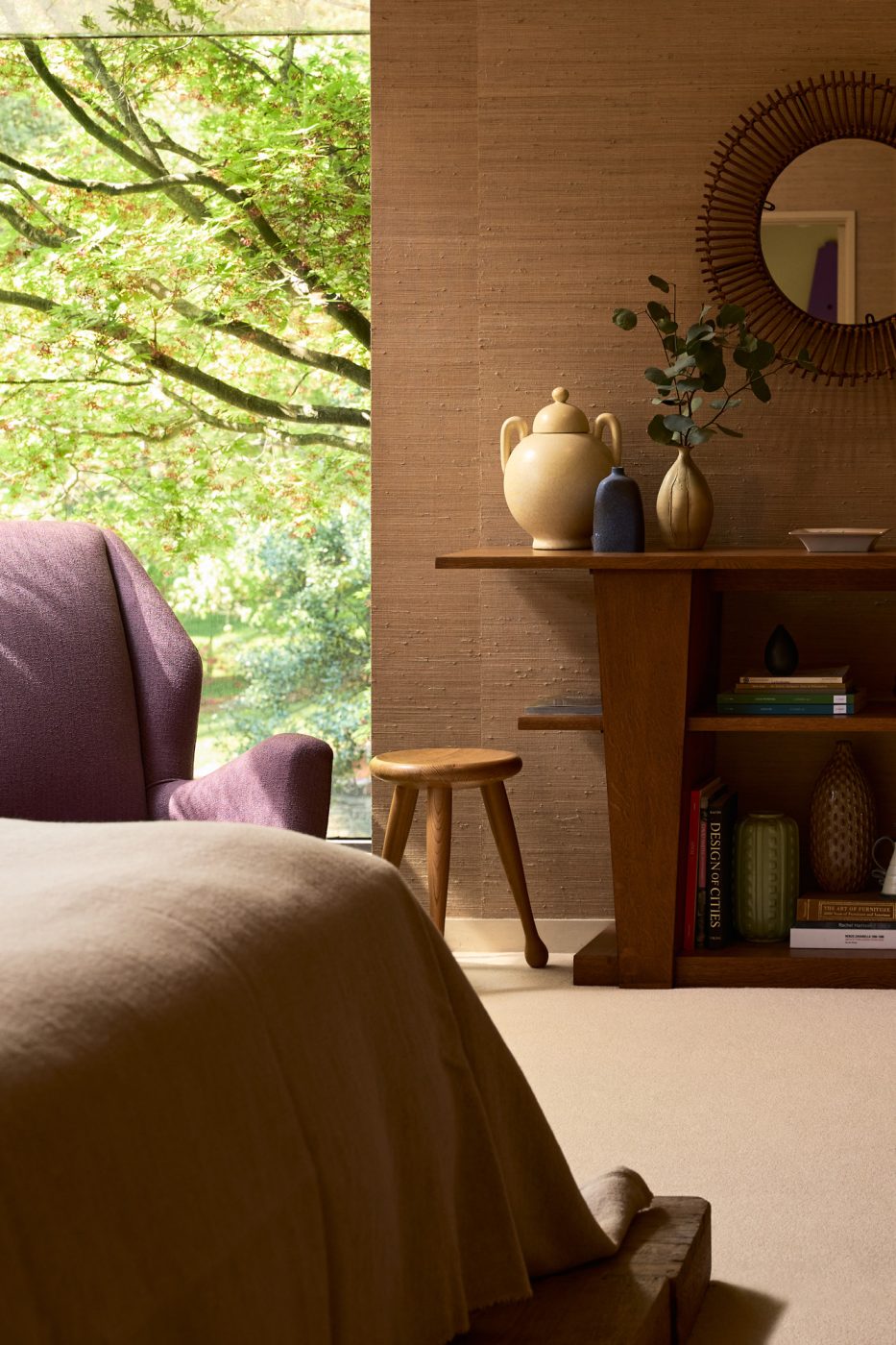
At the moment, the rotation includes works by designers in the pantheon, along with pieces by non-household names or with no names attached at all. “We collect with our eyes. We’re interested in the inherent beauty of the object, the craftsmanship and form, not whose oeuvre is hot right now,” says Radziewicz.
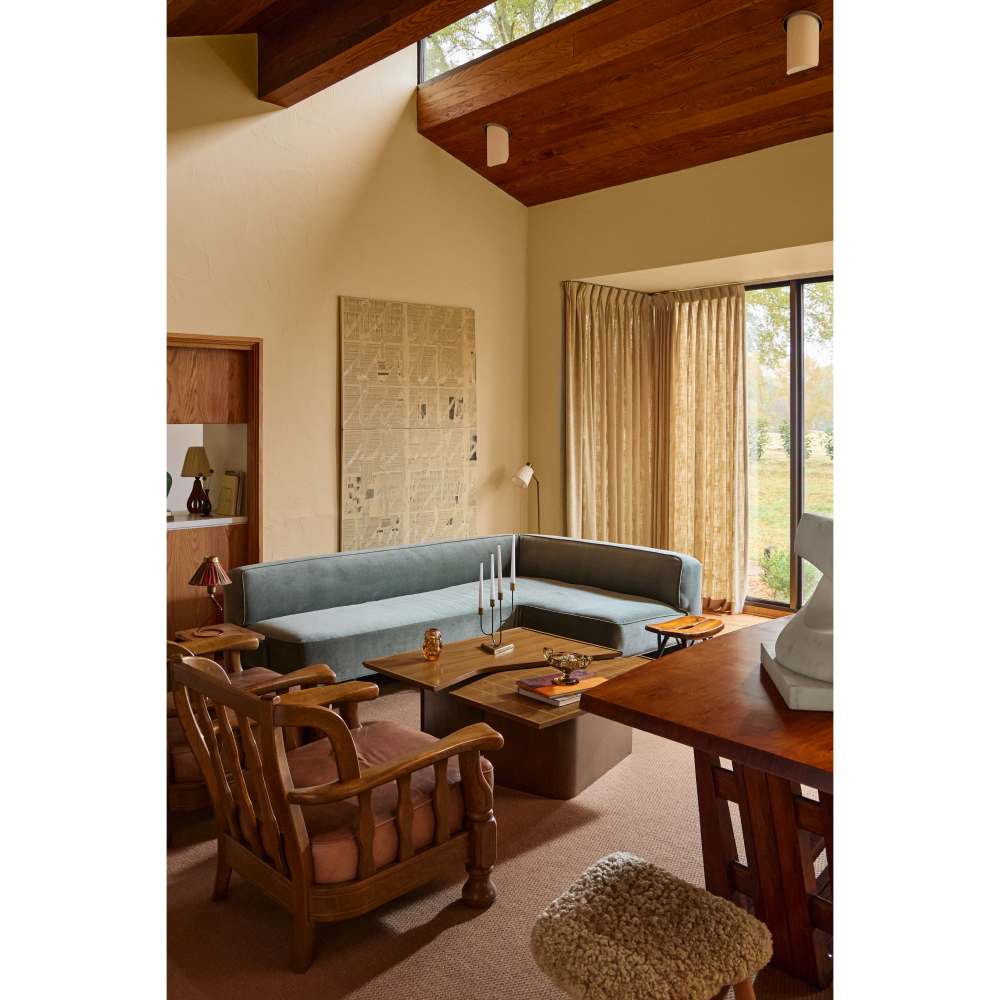
The wide-ranging furnishings in the house are very much a reflection of PRB’s current inventory. The living room contains a 1970s L-shaped velvet sofa by beloved American designer Vladimir Kagan, along with a rare modular walnut coffee table designed by George Nelson in 1946 for Herman Miller and a 1953 Casa del Sol side chair by Carlo Mollino with impeccable provenance and a certificate of authenticity, displayed in a nearby office nook.
But there are also plenty of pieces by less-familiar creators that have the feel of brand-new discoveries. Among them, also in the living room, is a 1960s table by Jorge Schenaider, a Brazilian woodworker not yet as famous as Joaquim Tenreiro or Sergio Rodrigues.
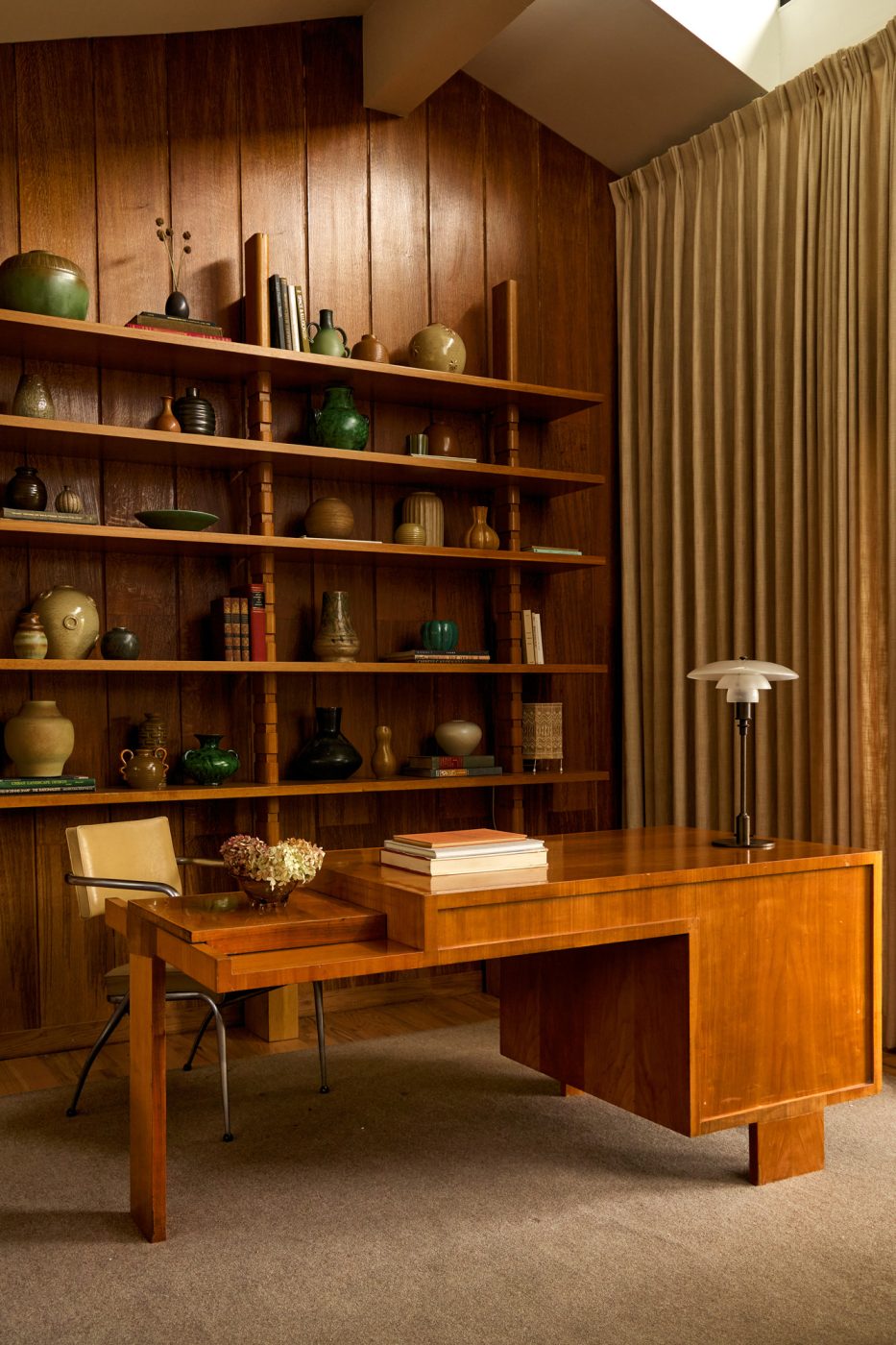
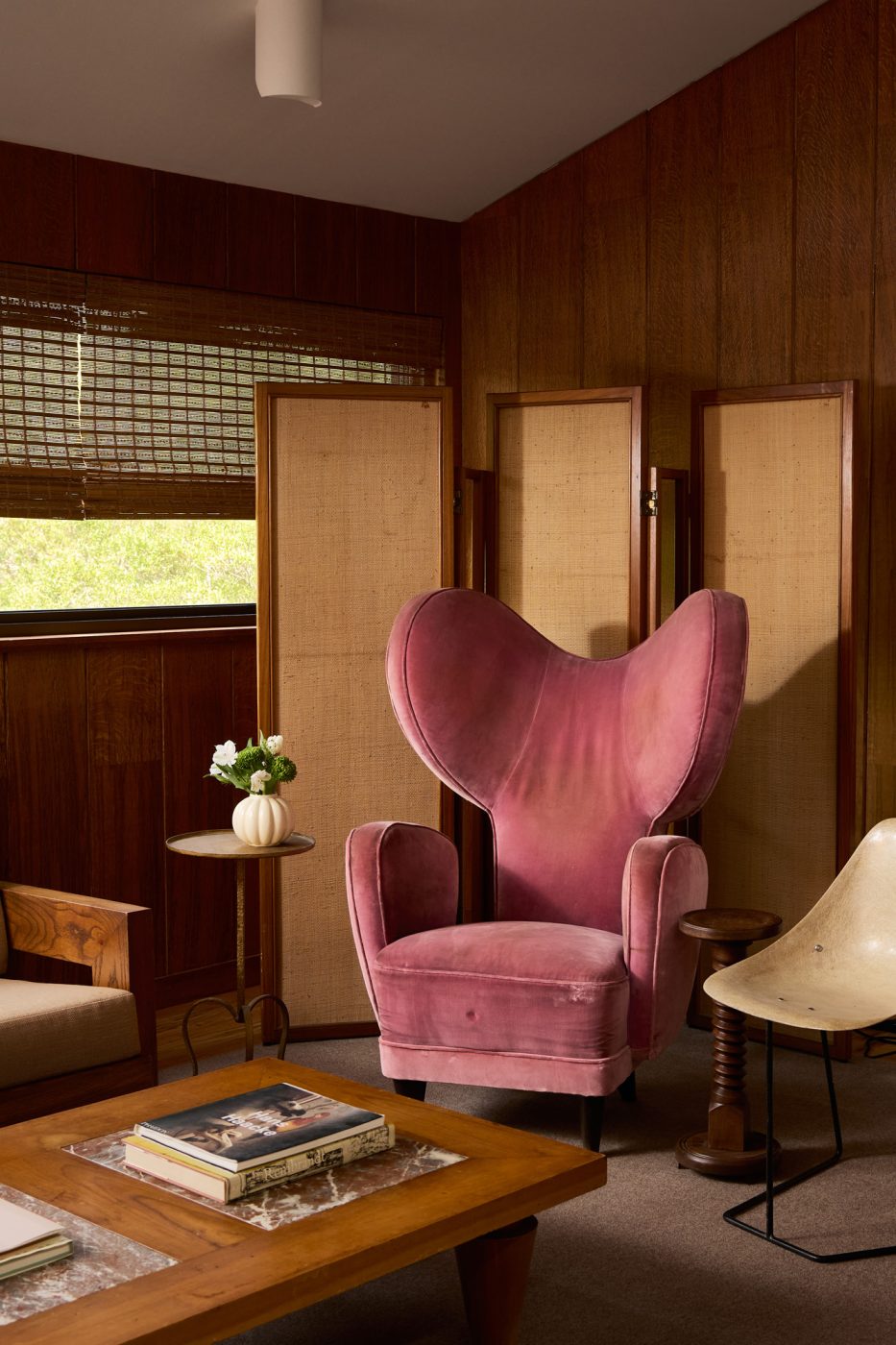
The skylit family room, which features peaked ceilings and vertical wall paneling, retains its built-in record and eight-track players. Radziewicz and Ponce added an oversize pink armchair with exaggerated wings, attributed to Brazilian visual artist Giuseppe Scapinelli, which calls to mind Pee-wee’s Playhouse. “I love when an object is both beautiful and iconoclastic. I can only imagine how this form would have been received seventy years ago,” Radziewicz says.
In the same space, a 1960 cherrywood desk by Jacques Quinet, retrieved from an office in Marseille, sits in front of A Set of Wooden booksheLVES by influential mid-20th century Italian architect Gianfranco Frattini, bearing a vast array of Swedish pottery.
A whimsical carved-pine Bocca della Verità (“Mouth of Truth”) bed by sculptor Mario Ceroli in the primary bedroom, produced in 1974 by the Italian maker Poltronova, is a revelation. “I’d wanted the Ceroli bed for a while, but it never would have worked in my previous homes,” Radziewicz says. “As soon as we bought this house, I knew I had to track one down. Victor found one for me in Italy.”
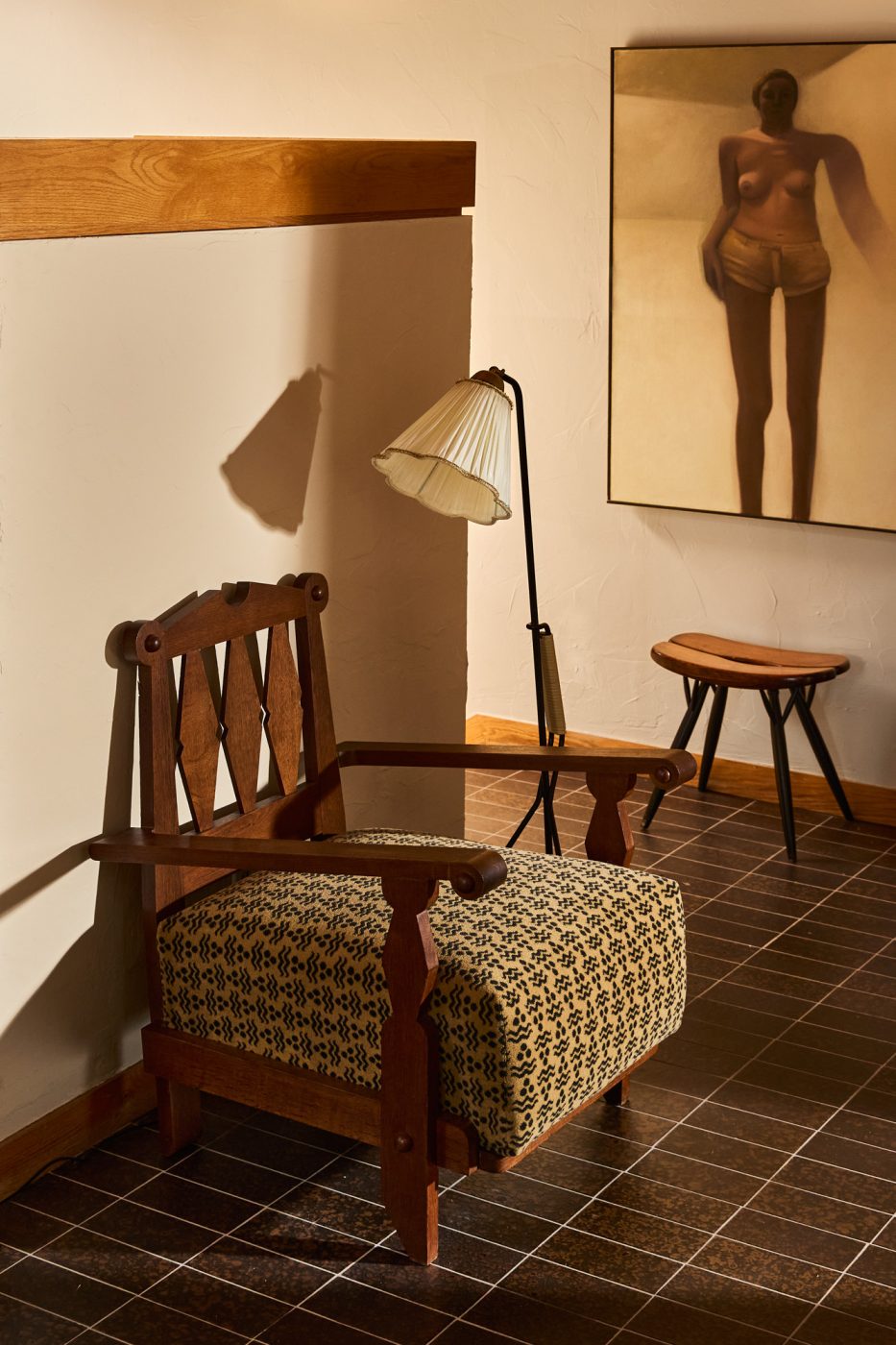
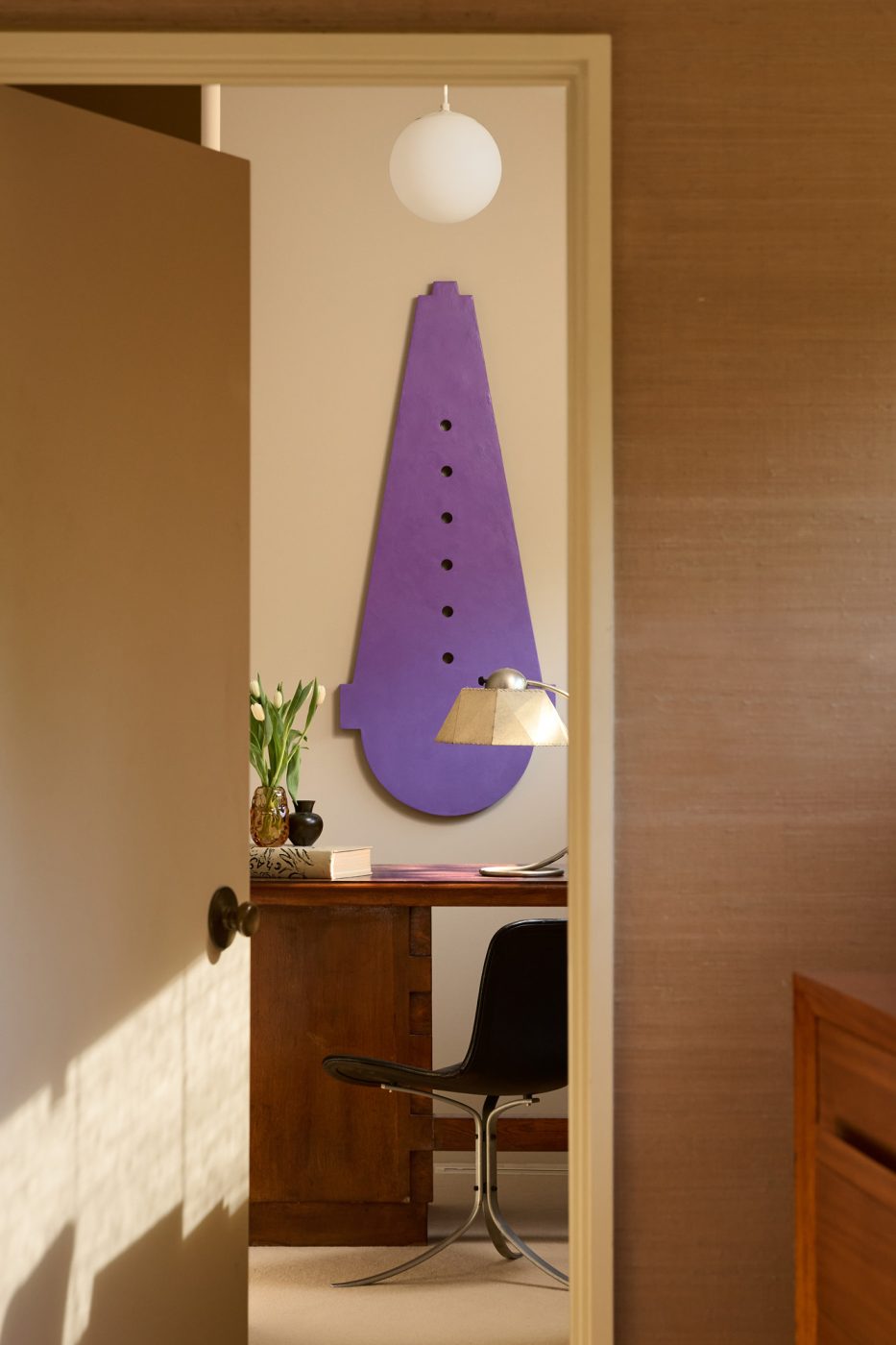
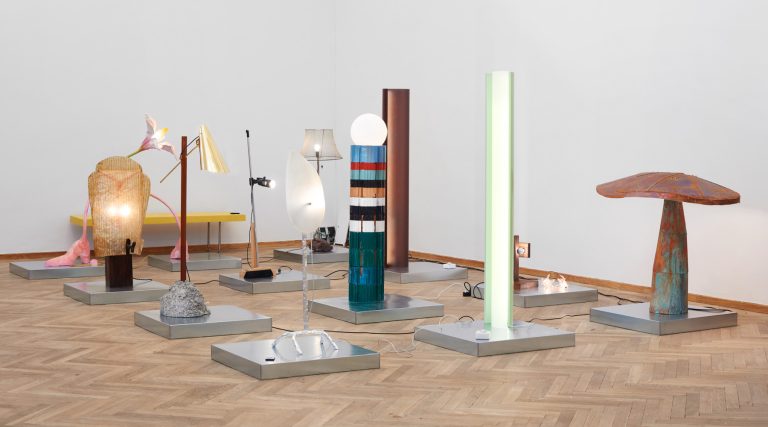
Lighting is a particular strength of PRB Collection, with more than 6,000 examples on 1stDibs. A 1930s table lamp by Danish master Poul Henningsen and a 1940s brass, glass, acrylic and aluminum lamp by Pietro Chiesa for Fontana Arte are among the fixtures illuminating the house, with still others identified only by country of origin.
The partners’ curatorial curiosity is insatiable, and fortunately, in Berga’s view, the well of worthy material is far from running dry. “Baby boomers are retiring and downsizing, and a lot of stuff is coming to market globally,” he says. “We’re in a golden age of material.”