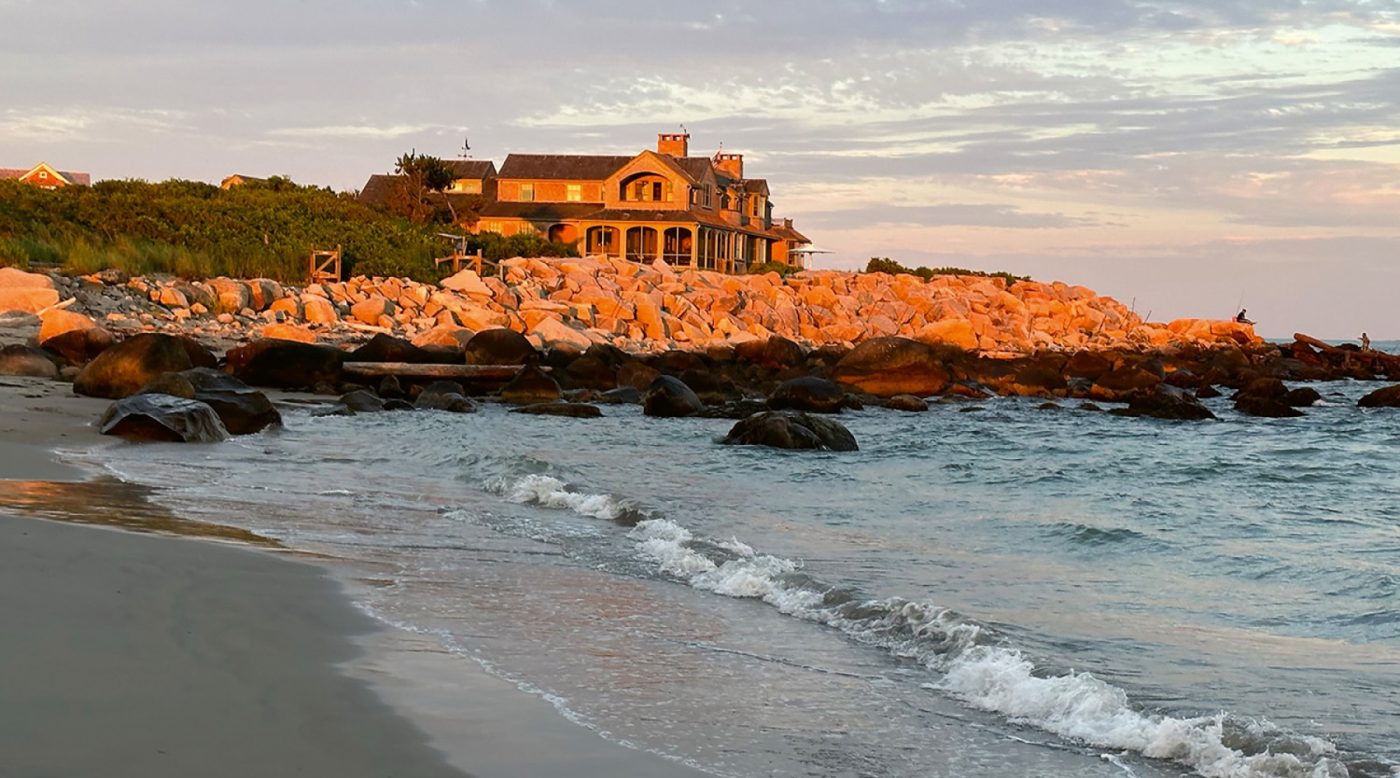
August 2, 2026Lodged between Connecticut and Massachusetts, the state of Rhode Island is only 37 miles wide, but twists and turns give it nearly 400 miles of coastline. Those shores are dotted with relatively modest, shingle-covered houses, which have intrigued Tom Kligerman since he vacationed in the town of Weekapaug as a young boy. Later, as a successful architect and founder of Kligerman Architecture and Design, he began returning there for summer getaways with his wife and children, renting the same house his parents had rented decades earlier. “Nothing had changed — the same pictures on the walls, the same furniture, the same rug — it was like a time warp,” he writes in his new book, Summer by the Sea. Cottages from Watch Hill to Little Compton (Monacelli).
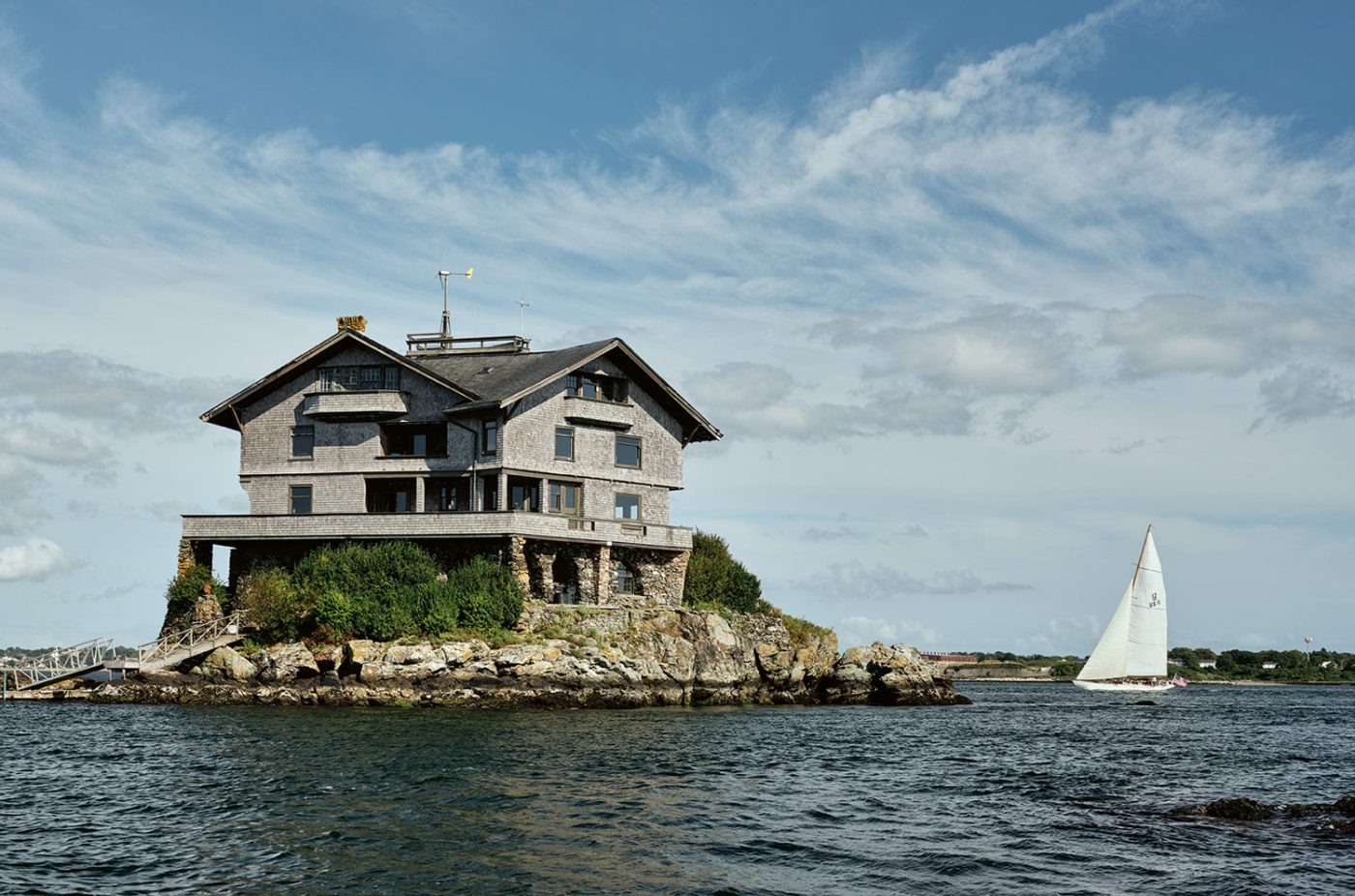
In this volume, Kligerman looks closely at 16 houses that, he writes, exhibit “quiet character.” The images, all by Ocean State photographer Read McKendree, are luxuriously descriptive, as are the architect’s words. Explaining how he chose locations for the book, Kligerman writes, “The houses range in size and form but they are related in material and detail — cousins rather than siblings. They carry the scent of cedar and the slap and clatter of screen doors and wooden steps.
“They are manageable in size,” he continues, “thin on today’s luxuries but linked by satisfying what one needs, not necessarily all of what one wants.” Indeed, these houses stand for excellence without excess, a winning formula in an era of consumption-driven climate change.
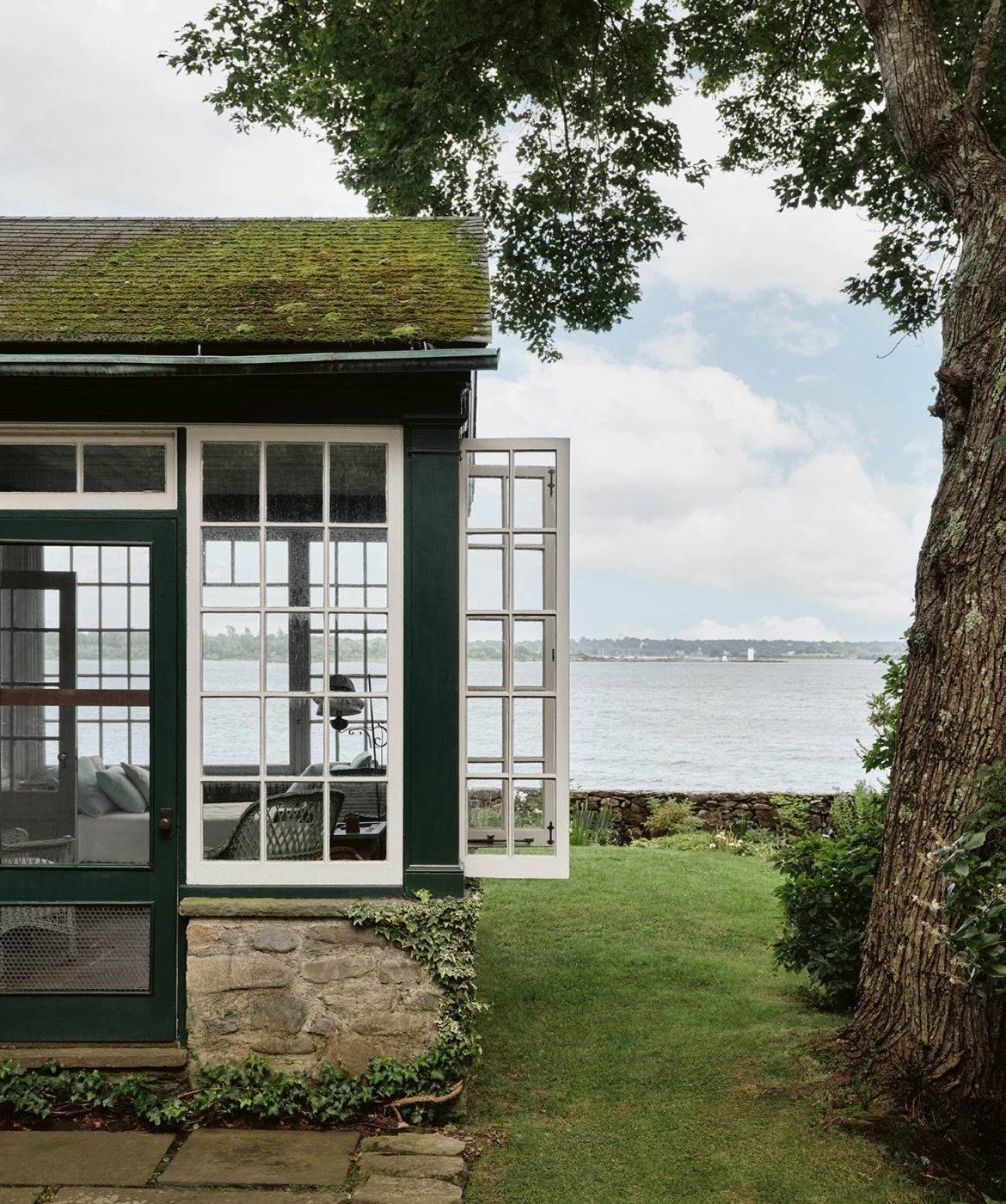
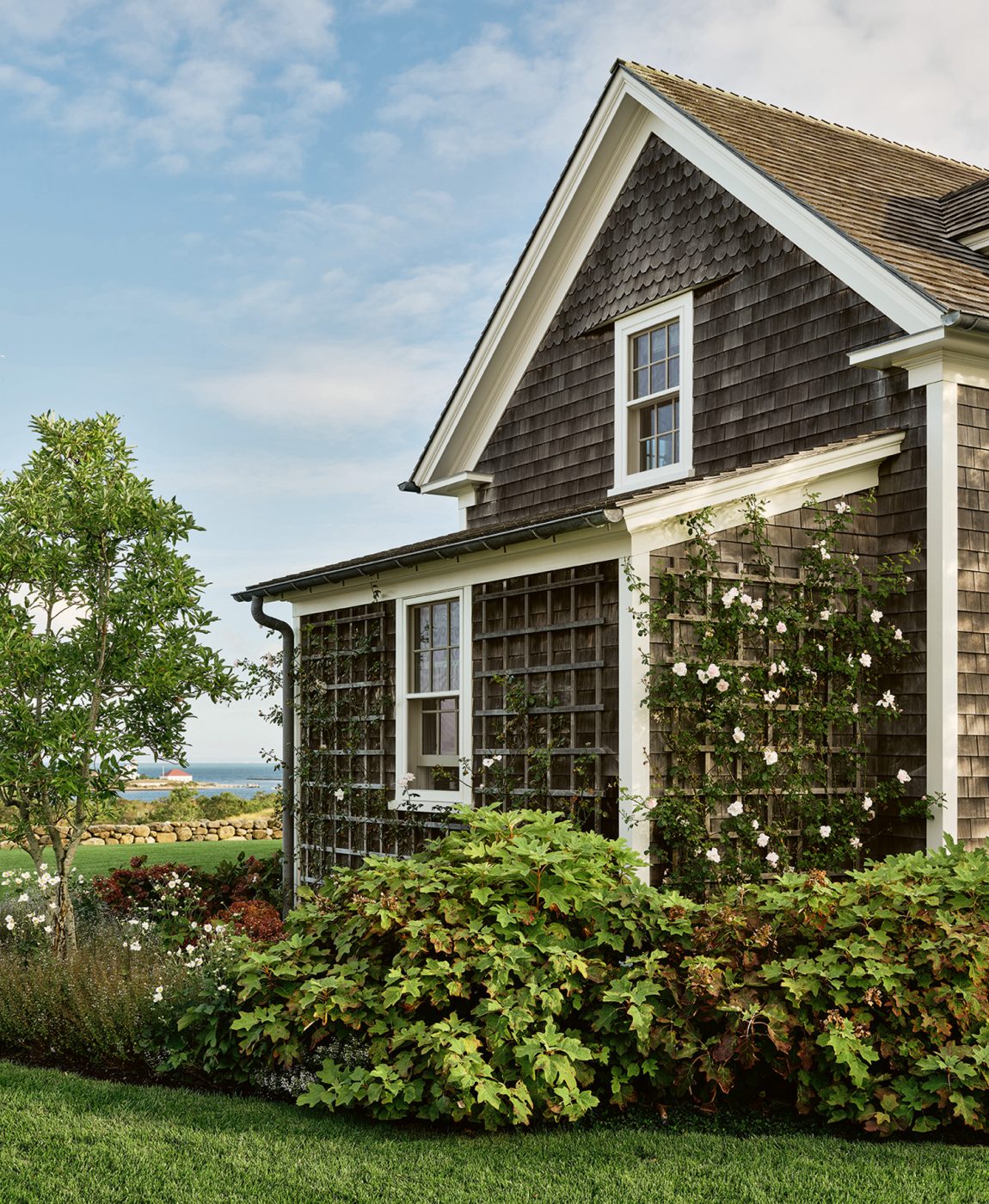
All 16 houses are shingled, but they aren’t all “shingle style,” a phrase coined by architectural historian Vincent Scully in 1955 to describe a particular blend of Victorian and early American motifs. The two came together in the late 19th century in large houses with multiple gables, sometimes towers and turrets, and porches, balconies and carved-out loggias galore. Shingles covered these complex, asymmetrical assemblages like cedar drapes.
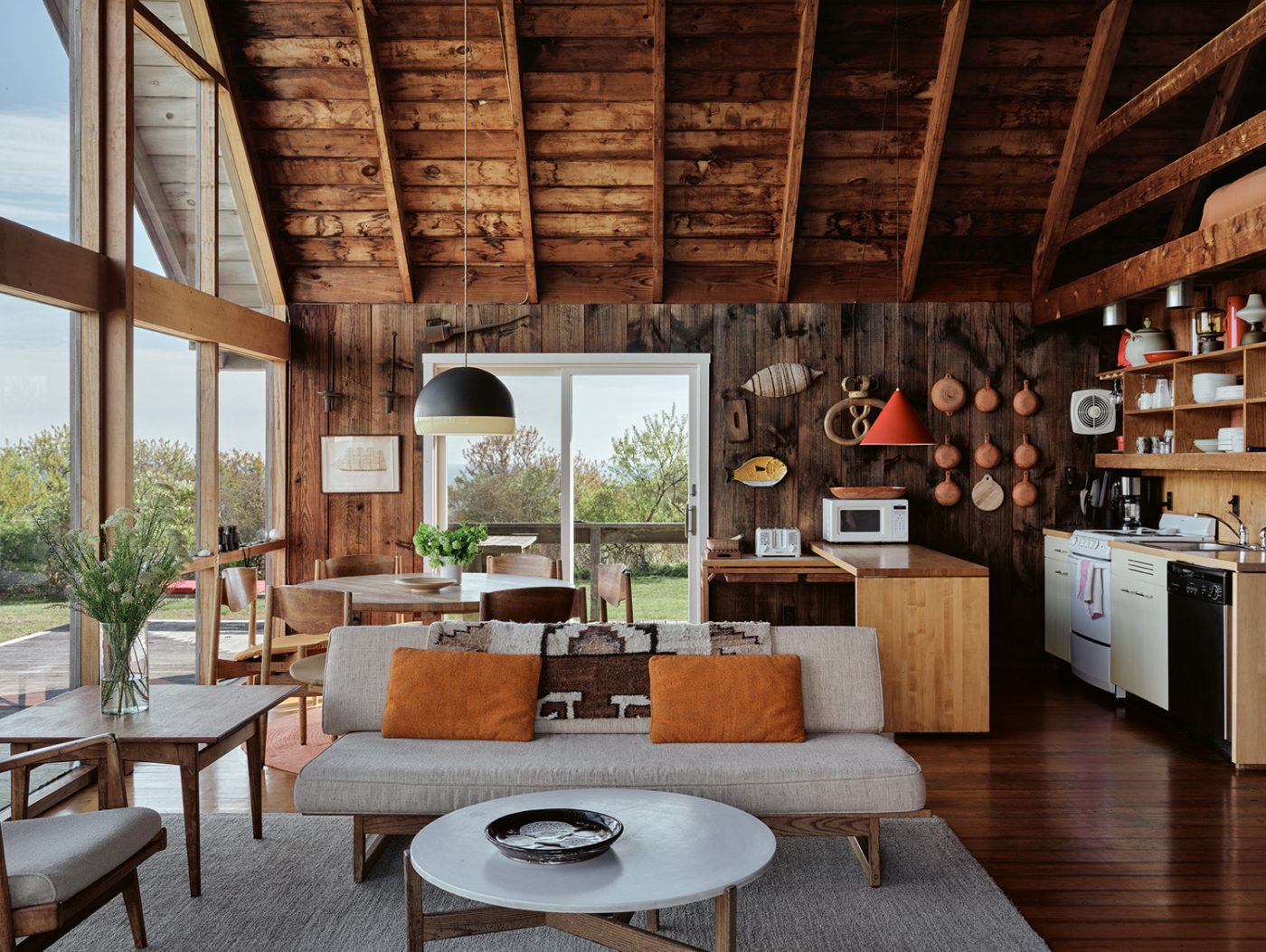
Kligerman explores the history of the style starting with Boothden, the oldest house in the book. Built in Middletown in 1883 by Calvert Vaux (who codesigned New York’s Central Park) for the actor Edwin Booth and added to many times since, it is an example of timeless architecture but perhaps not timeless site planning.
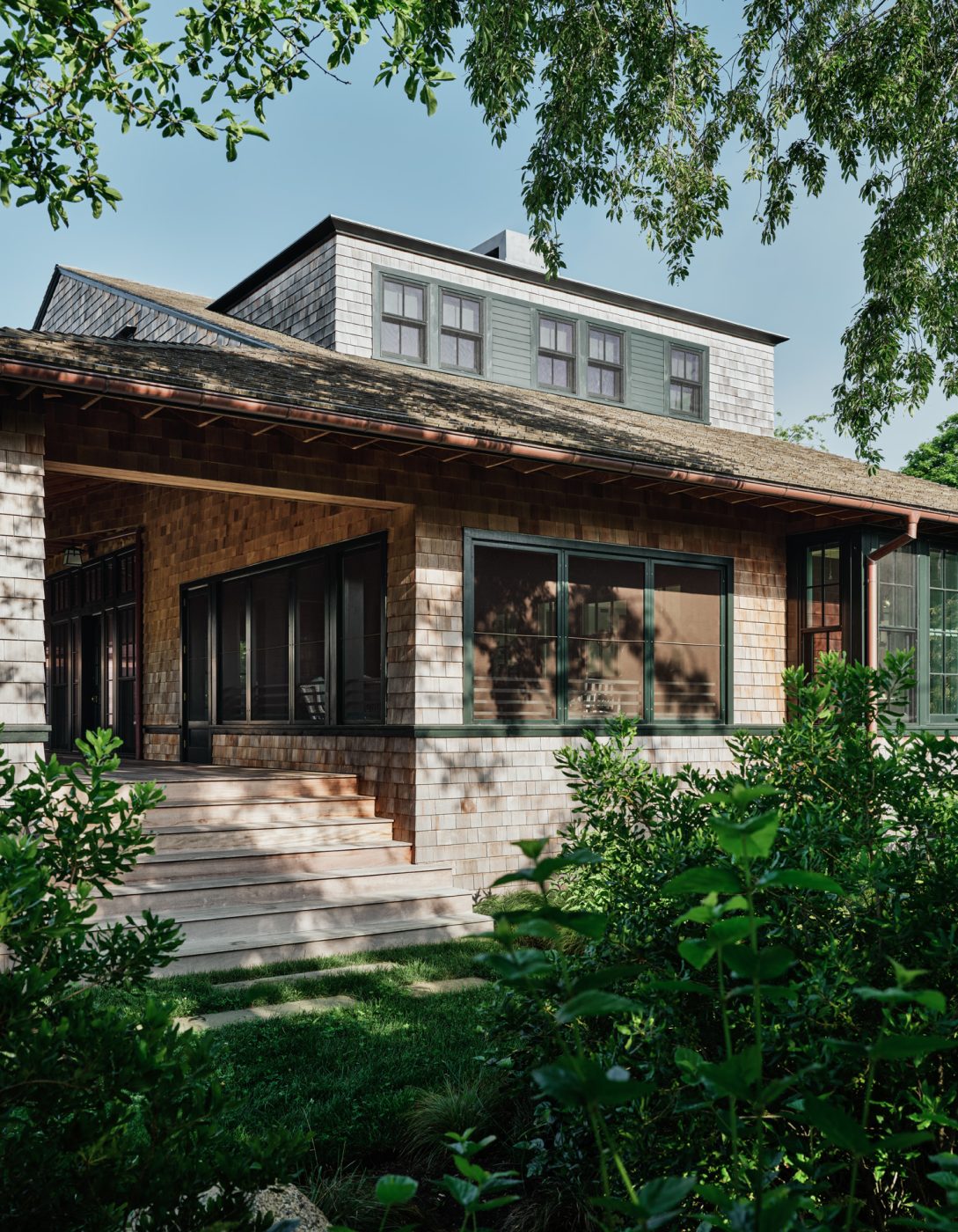
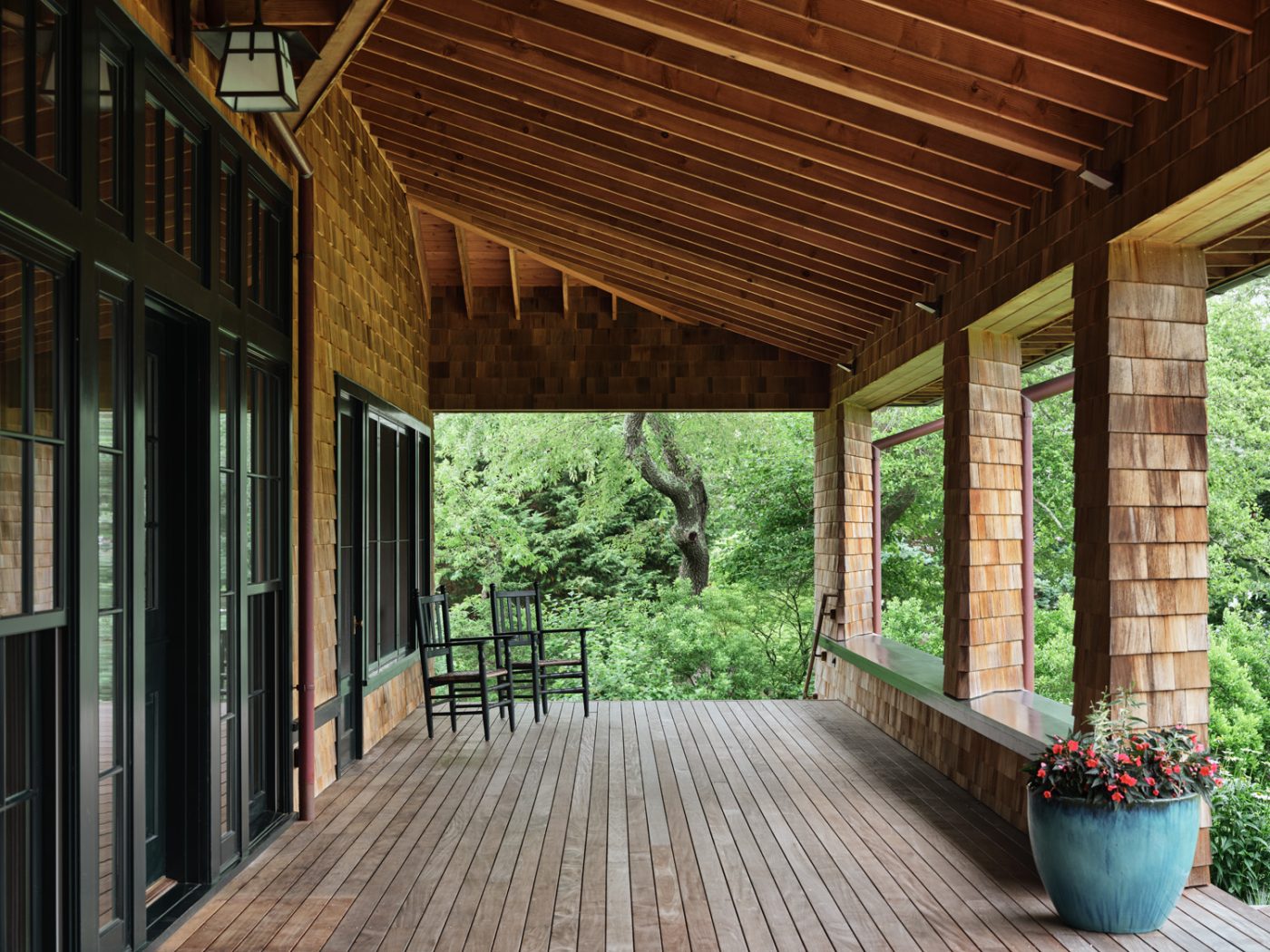
To improve the views for its current owner, architect David Andreozzi and landscape architect Keith LeBlanc had the entire structure (now totaling 7,000 square feet) lifted up and turned 20 degrees. Several other houses in the book date to the late 19th century, including one in Little Compton that incorporates a much older windmill. All have been updated while retaining enough authenticity to meet Kligerman’s standards, honed over decades of designing houses with period details.
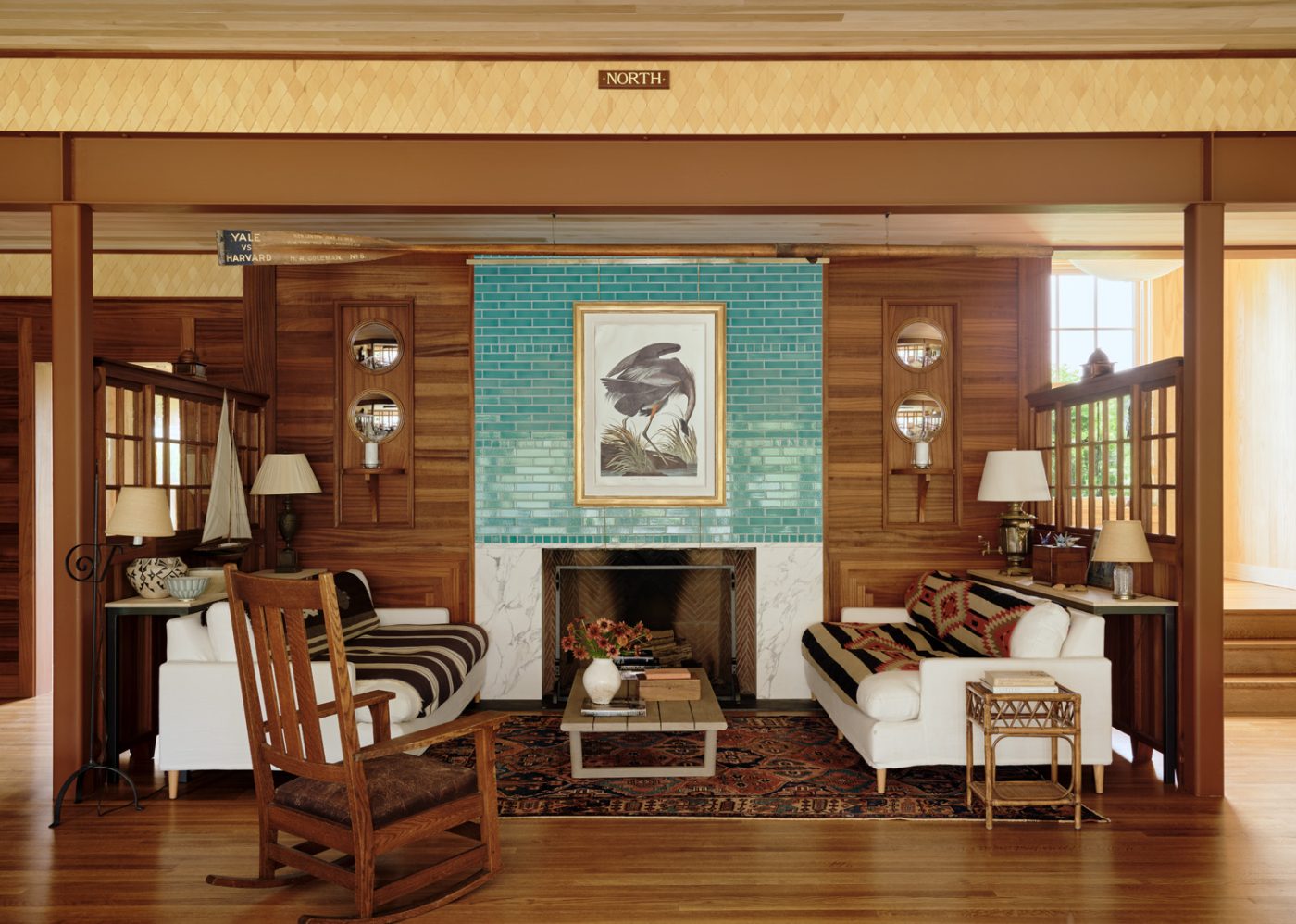
The newest house in the book is Nushka Hoo, which Kligerman designed for himself and his family on a site overlooking Weekapaug and the Atlantic Ocean. Nushka Hoo (Nushka is the name of a Native American tribe that lived in the area; Hoo is an Anglo-Saxon word for hill) is modestly sized, at 3,900 square feet. Yet it is architecturally ambitious, an homage to McKim, Mead and White’s 1880s William G. Low House, a triangle-fronted masterpiece in nearby Bristol.
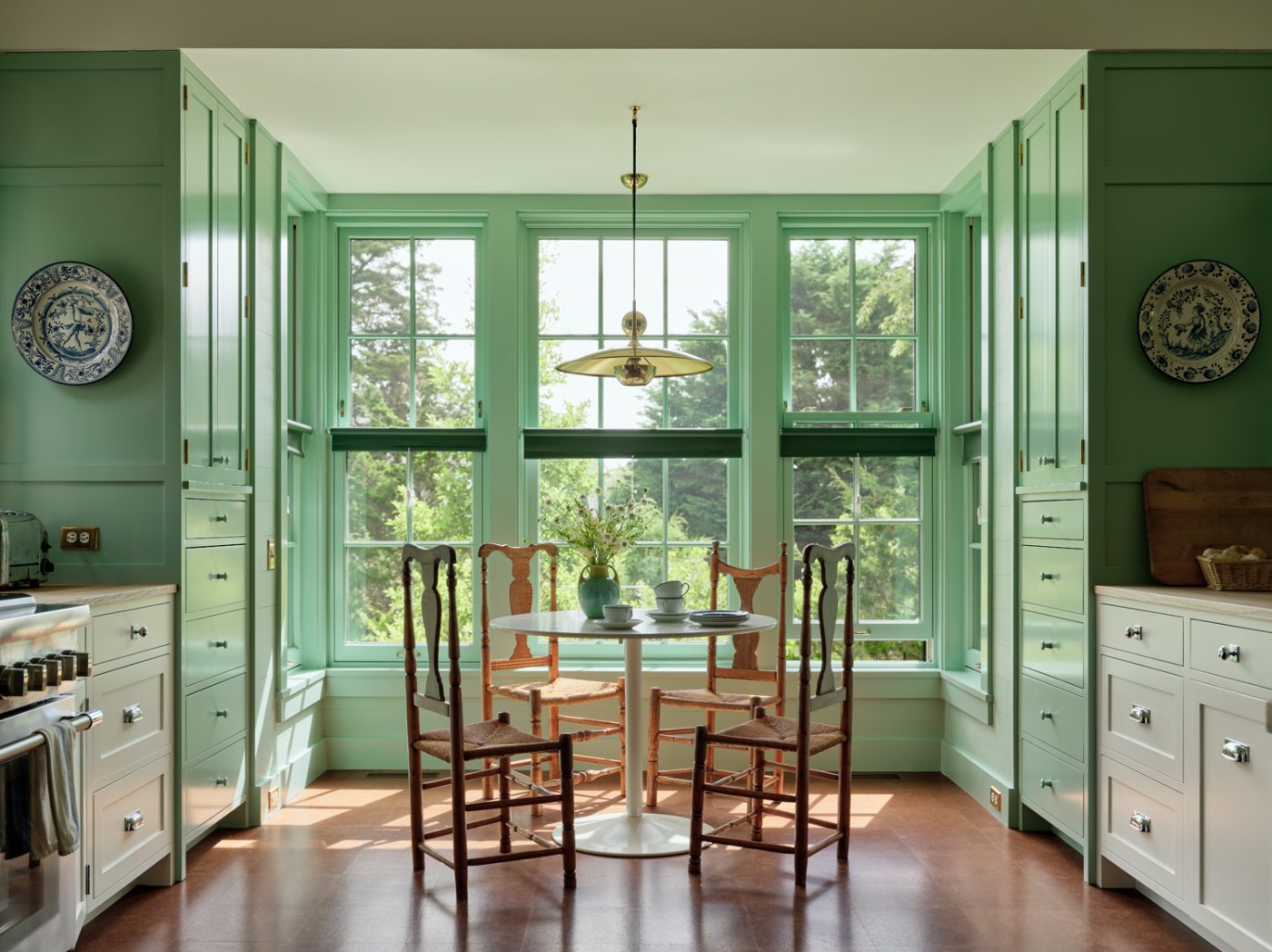
Kligerman didn’t outfit the house with every modern convenience. It lacks elaborate lighting and switching systems, marble bathrooms (or even stone countertops in the kitchen) and nonessential spaces like an entrance hall. “You open the front door directly into the main room,” Kligerman says.
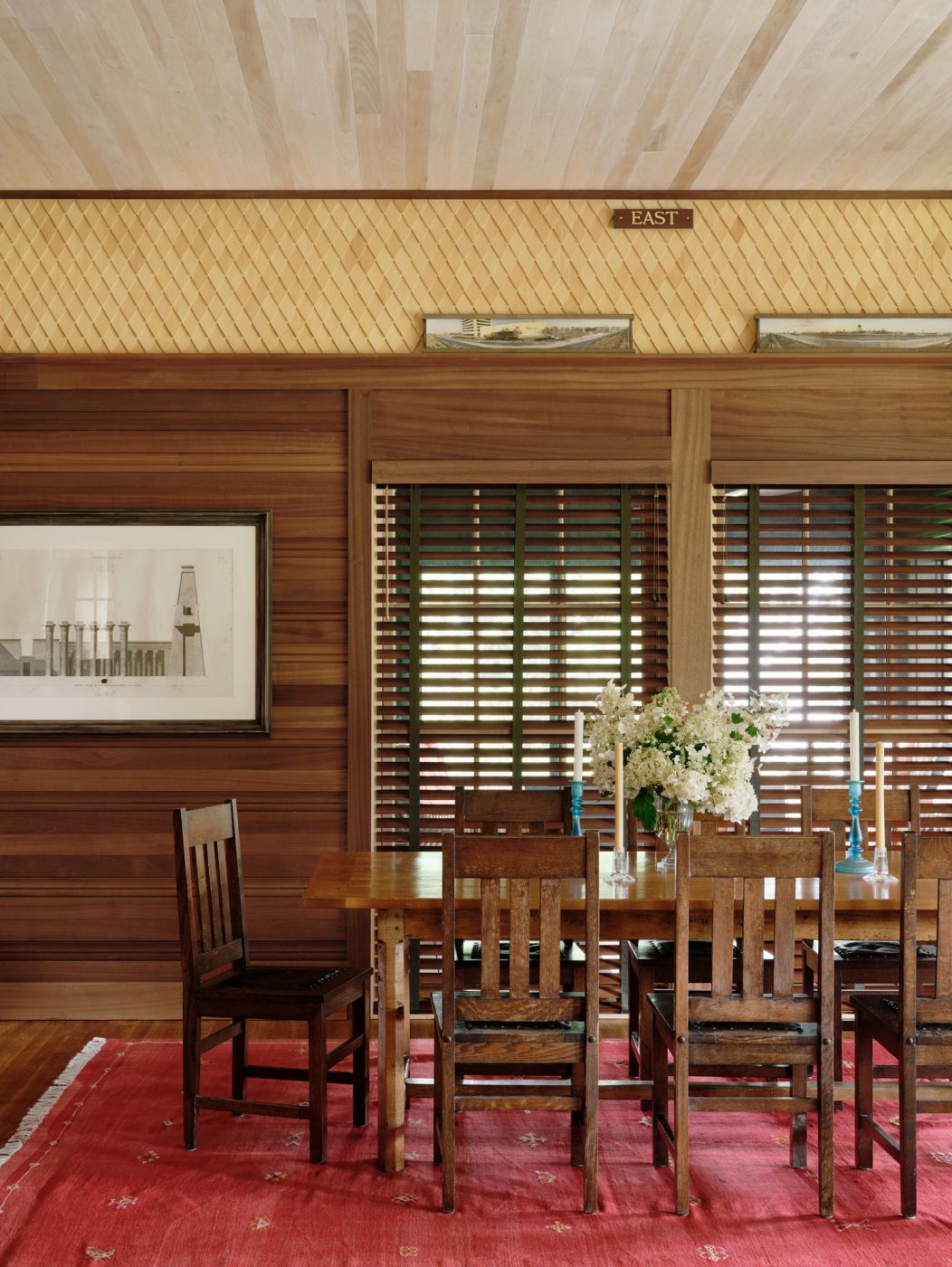
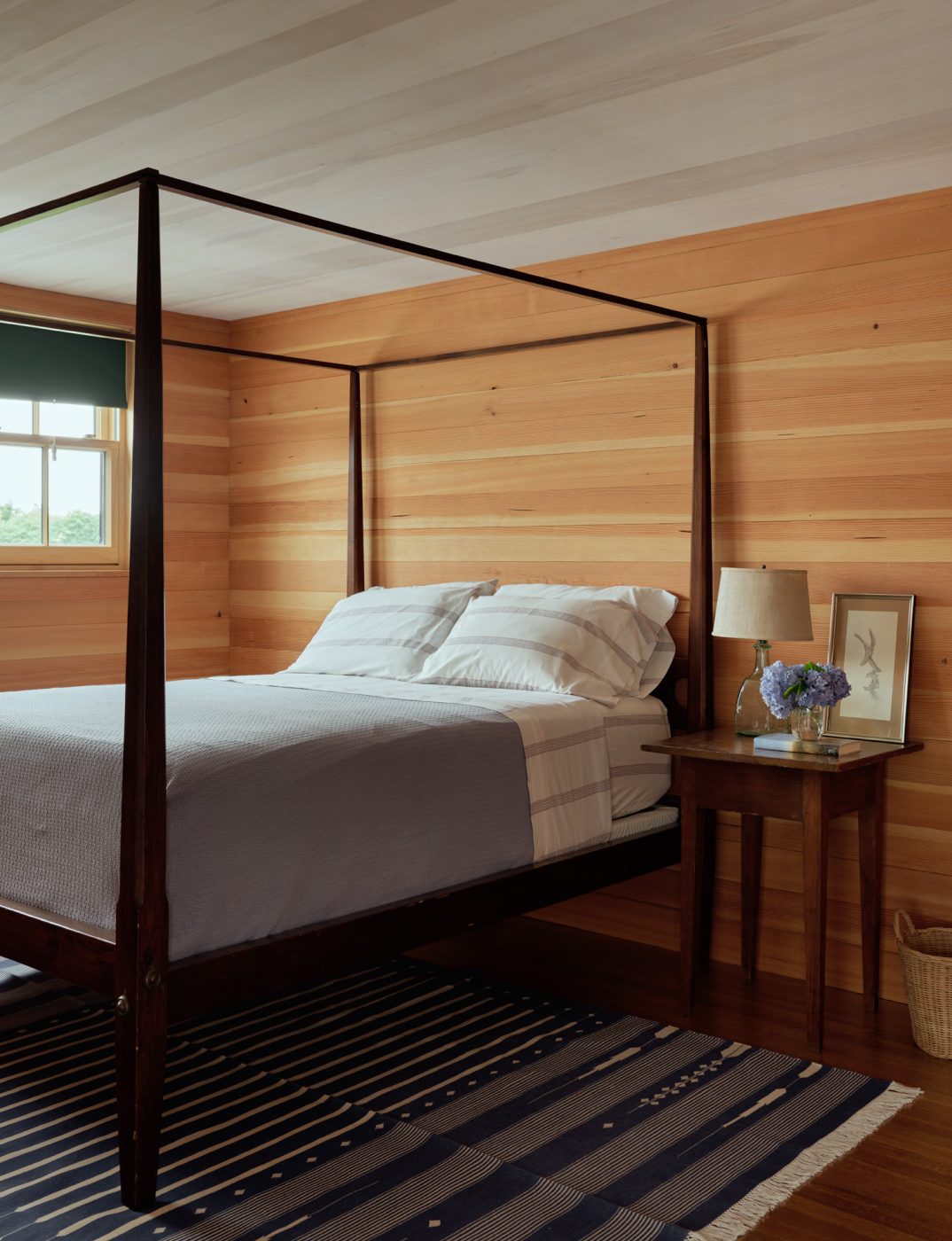
Most of its charm comes from its extensive use of wood, including a different variety for each of the five bedrooms. The furnishings avoid beach-house clichés in favor of a carefully assembled mix: a dozen Arts and Crafts–style dining chairs, a brass ship’s clock, lots of wicker and Shaker-style seating, plus Italian ceramic lamp bases, Moroccan rugs and a very few contemporary American pieces.
Of the process of furnishing Nushka Hoo, Kligerman writes, “There’s meaning in every selection.” The same could be said of the words and photos of his quietly evocative book.