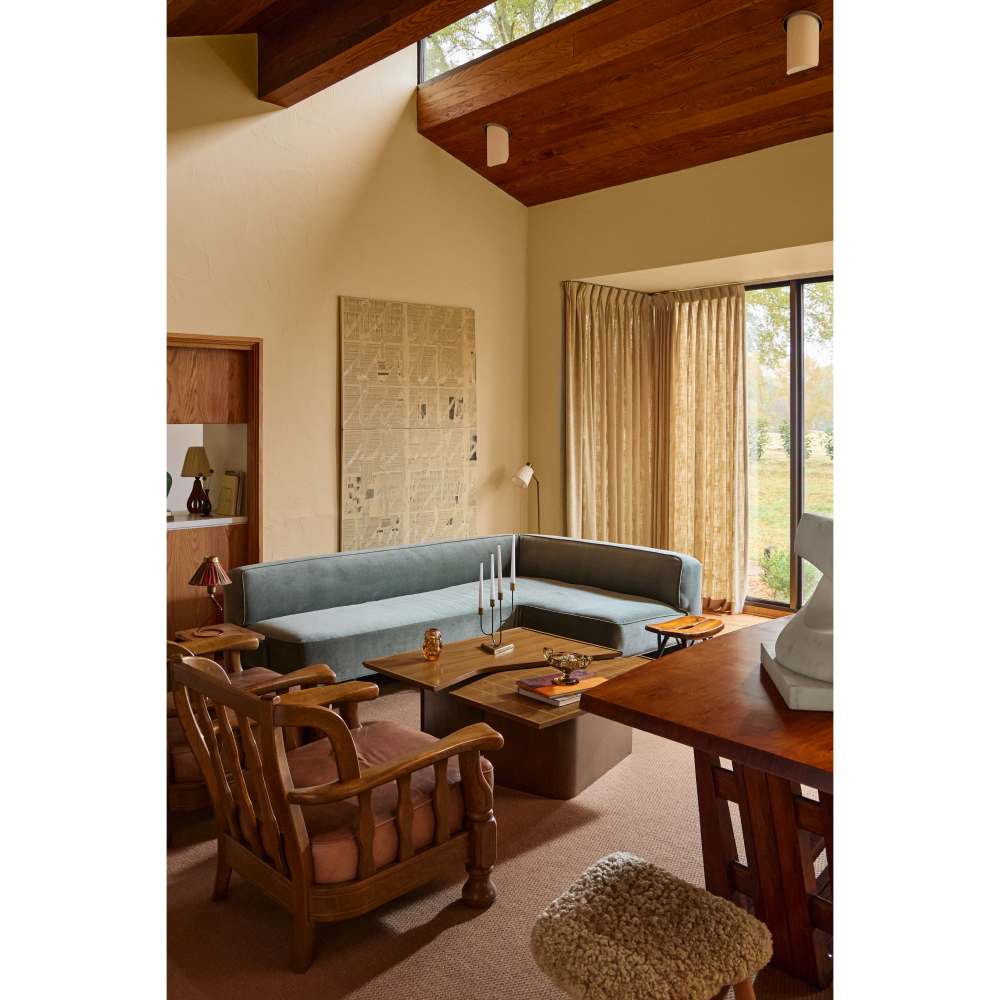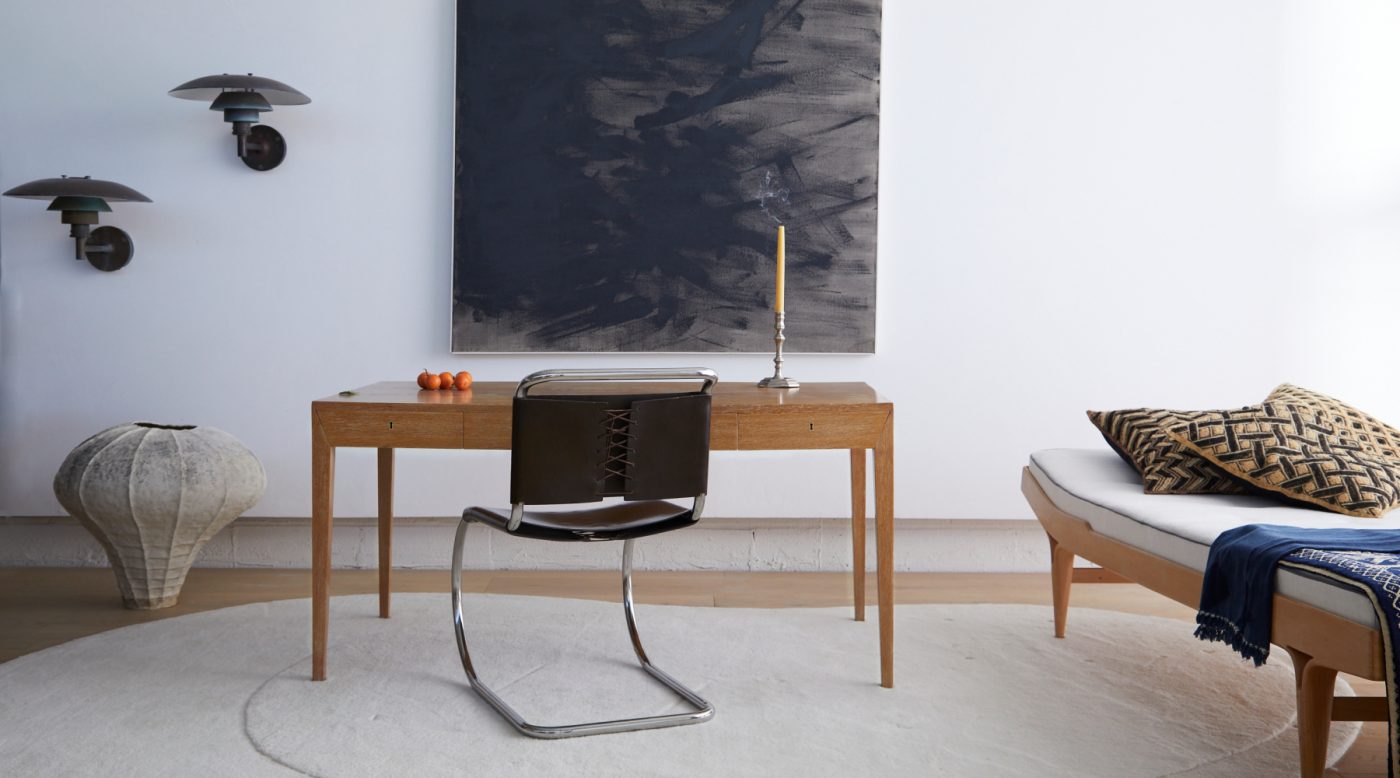
The number of fiction writers who become art-and-design dealers is likely quite small. But Cordelia Lawton and Patrick Mull, of Lawton Mull, have gradually managed that transition over the course of 30 years.
They met in the 1990s at the prestigious Iowa Writers Workshop, where the New York–born Lawton and the Virginia-born Mull were studying fiction writing, and they immediately recognized each other as innate nesters. They began making comfortable, chicly bohemian spaces together practically from their first encounter.
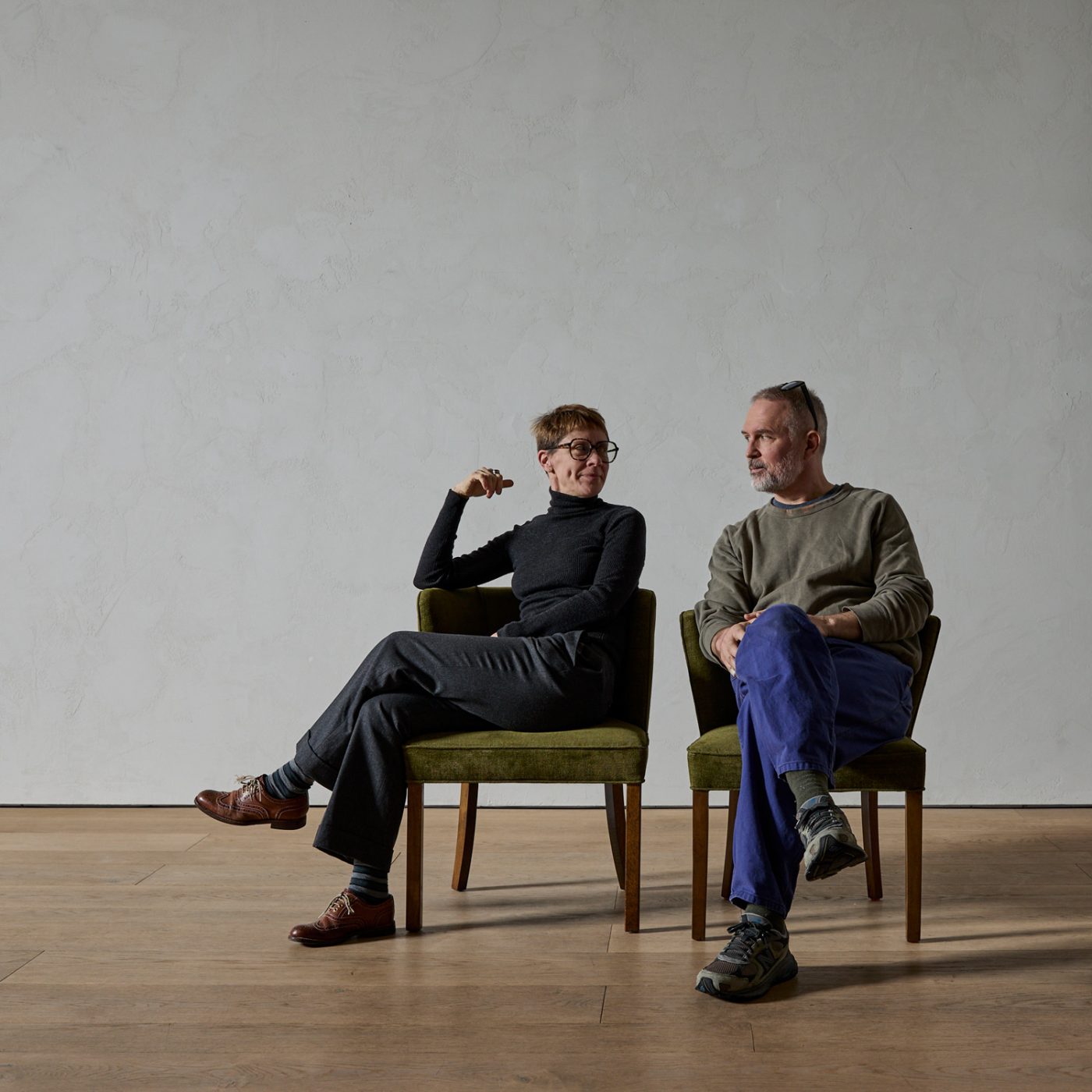
A shared eye for good art and design developed into a side hustle while the struggling writers each took on odd jobs to make ends meet. Then, they started acquiring modest antiques, paintings and objects from small auction houses and selling them, too. Eventually, that side hustle became a full-blown business, with the couple first peddling their wares at the Brooklyn Flea market in the early 2000s.
They set up their 1stDibs storefront soon after and opened a gallery in 2010. Today, their appointment-only showroom in Long Island City, Queens, also serves as the base for their boutique interior-design practice.
Lawton and Mull focus on early-20th-century Nordic design, but they also sell Swedish glass; Italian, French and American antiques; African art; and East Asian ceramics. And they have bought and sold everything from an 18th-century resist-dyed American quilt to an Adolf Loos center table to a Richard Diebenkorn lithograph.
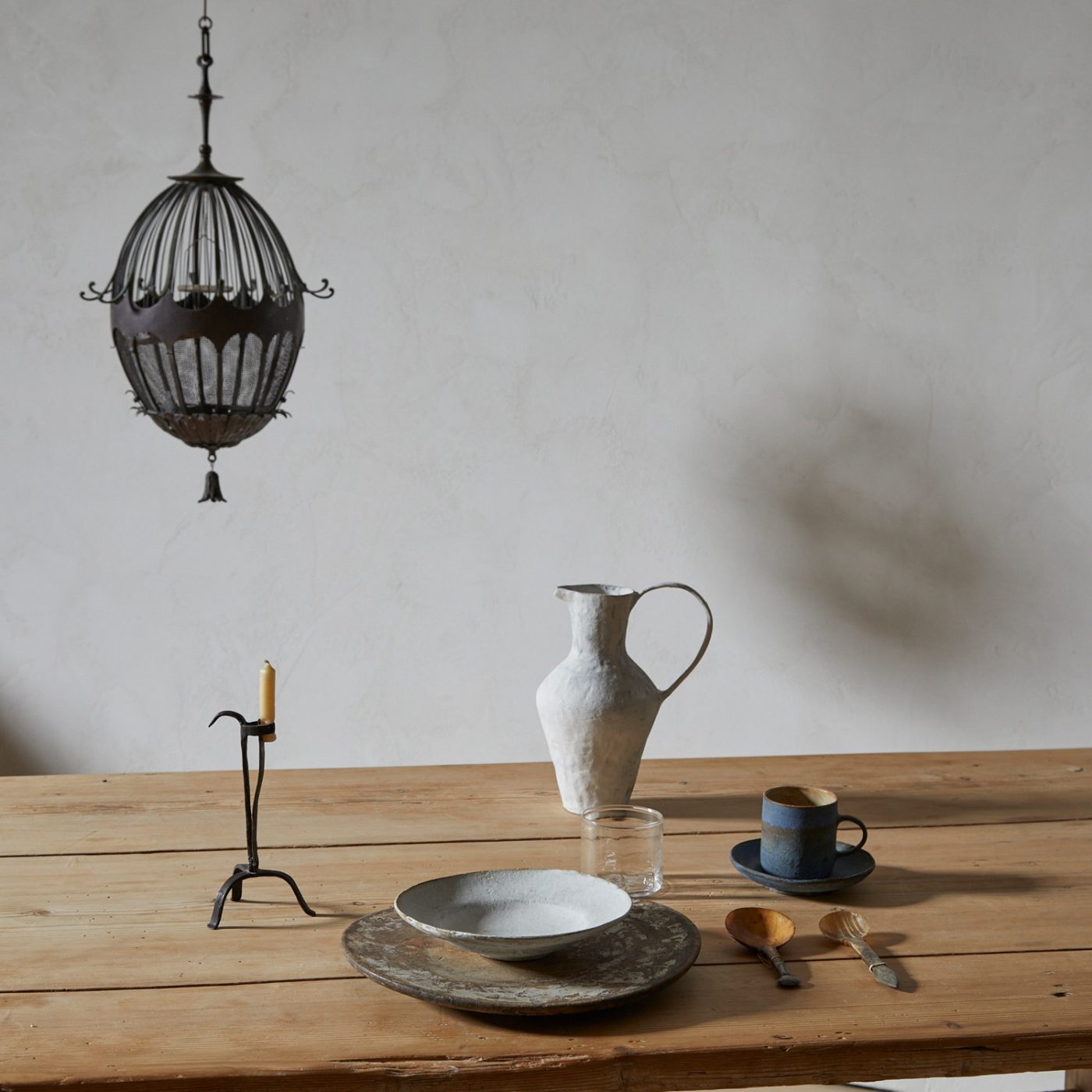
What unifies their inventory is an aura of age: a pronounced patina, a sense that an item was loved and venerated before it fell into their hands. They appreciate objects with a very evident refinement, pieces that not only look great but clearly took great skill and care to create.
In their gallery, Lawton and Mull curate their idiosyncratic wares in a way that feels clean and modern and makes you look more deeply at each piece. Scattered throughout are items of their own design, often inspired by the objects or eras they investigate as dealers or by an interesting find they want to repurpose, like a 17th-century Belgian walnut door that became part of a table.
Their business is manifold, and it folds back on itself in the best sort of way: Their interior-design practice helps the pair work out the ideas and direction of their gallery and refine the furniture they design. Everything they do exists within a feedback loop.
Here, Lawton and Mull speak to Introspective about how they do what they do and why they do it.
Yours is a love story. How did you meet each other?
Cordelia Lawton: We met in 1994 as downy little chickens at the Iowa Writers Workshop, where we were both trying to write fiction. We found it daunting to make a living as writers, so we went through an extended period when we were writing, editing, teaching, bookkeeping and working for catering companies. I was even a gardener at the New York Botanical Garden.
From the moment Patrick and I met, we were always kind of feathering a nest, not always in real life but in our imaginations. We have always had an abiding attraction to art, design, fashion and cinema.
What was your life like before you met each other and in your early days together? How did you develop an aesthetic sensibility?
Patrick Mull: We were both in New York before moving to Iowa. We were shocked by the amount of space you could get in Iowa City for half the price of, say, Alphabet City. I had a large floor in a Victorian house in Iowa that was so cheap, but I didn’t have a dime to furnish it. So I scavenged in the attic of the house.
When you are supposed to be writing, there’s no better way to procrastinate than to move furniture around in your living space. I had a writing room with a desk and a lamp and a sleeping room with a mattress and a pile of books. Cordelia would come over and critique what I put where.
CL: We came from different backgrounds aesthetically. I had grown up in a refurbished chicken coop with parents who were classical musicians. All our furniture was scavenged or handed down to us, and there was this DIY bohemian approach that wasn’t always beautiful but definitely out of the mainstream. Patrick’s family was much more traditional. Over the years, we created a love child aesthetically and imaginatively out of those backgrounds.
When did you start dealing in earnest?
CL: There was a five-year period before we opened our first gallery, in 2010, when Patrick was buying and selling and helping friends buy their first artworks. We would create these fabulous little booths at the Brooklyn Flea, which had just started. That was our training ground as interior designers, a part of our practice that has been much slower and more occasional.
PM: Back then, if you educated your eye a little bit through museums and galleries, there were still discoveries to be made at small local auction houses. But for me it was really an excuse to do some research. It wasn’t about owning the thing but about knowing about it. The first successful purchase I made was a Richard Diebenkorn lithograph, which I bought from a private collector. I sold it through Sotheby’s and thought “Wow! I could really make some money doing this.” I was wrong!
What were some other finds that moved you and your business forward?
PM: In 2012, at a New York City auction house, I found a lost-wax resist-dyed quilt at the bottom of a box with a bunch of crappy textiles on top of it. I knew it was something special because of the quality of the linen and the dye. Eventually, I found a book called America’s Indigo Blues, by Florence Harvey Pettit, about early resist-dyed American quilts. In it was an image of the quilt I found, and it was the only one of all the quilts in that book that wasn’t listed as part of a museum’s permanent collection. We sold it to an interior designer for a New York project.
CL: From that point on, we were pretty much addicted. It was then that we created a very minimal website with maybe twenty things for sale. That was our calling card.
Your offerings now are wide-ranging. What would you say you specialize in?
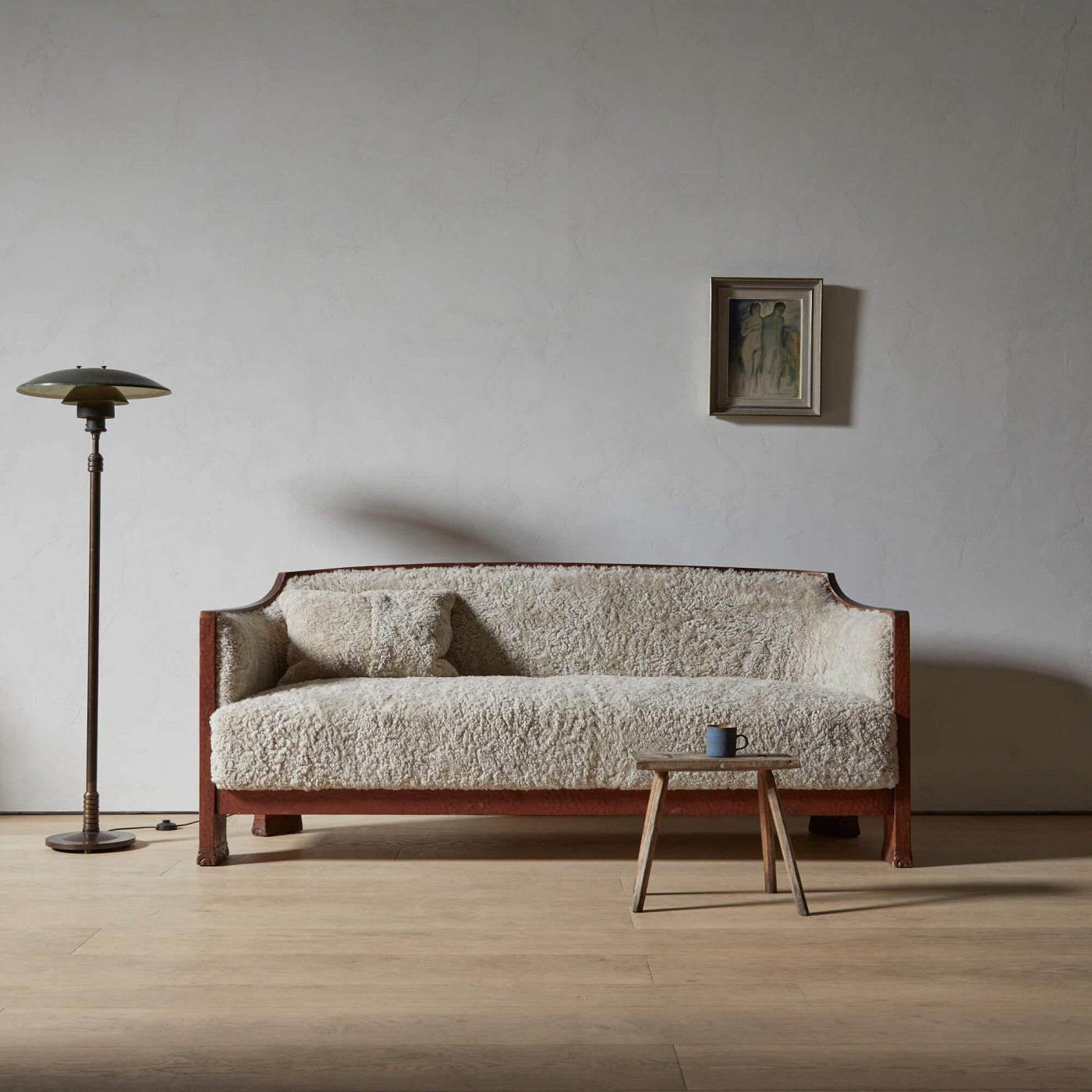
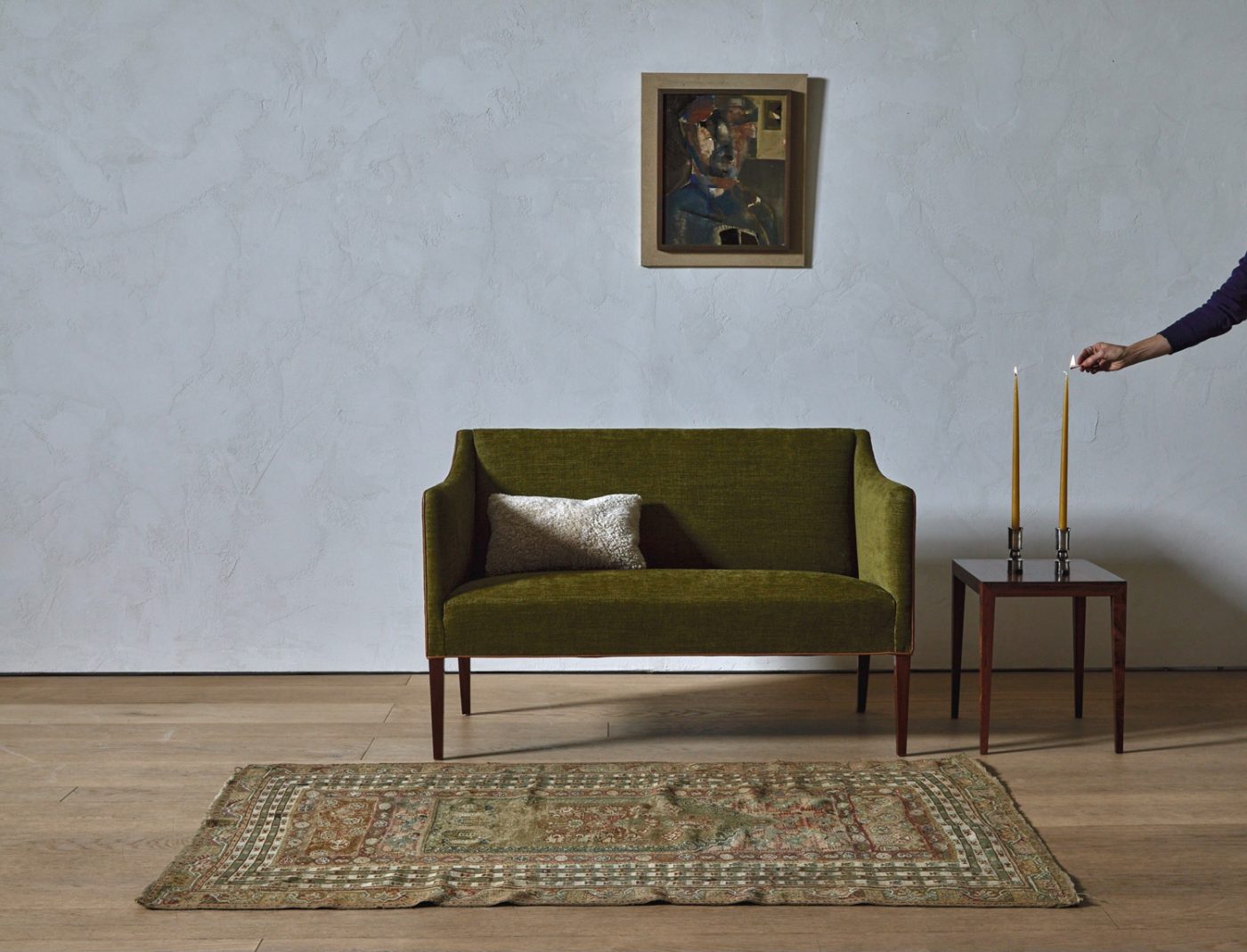
CL: We love the excellent proportions and superlative quality of the Nordic furniture designed between the two World Wars, in the 1920s and 1930s. It was a period of incredible fertility, with the notion of the Gesamtkunstwerks and communities of modern artists who would all work their different trades to bring about one production. But our interests are always changing — we have restless appetites and like to surprise people. We’ve even had a woolly mammoth molar.
PM: We have had a couple of ancient Roman items as well. But with the Nordic pieces, there is a humble elegance that we love. It is about the materials used and how they were made. We were obsessed with the Wiener Werkstätte early on as well. One of the first things I bought was an Adolf Loos center table.
But we’ve also had anything from European master drawings to wabi sabi Korean and Japanese ceramics. We try to demonstrate how those things can be lived with alongside contemporary or twentieth-century furniture.
What are your frames of reference? What has impacted your aesthetic as dealers and interior designers?
PM: When we were younger, we pored through early issues of Minn Hogg’s World of Interiors at New York’s Strand bookstore. We love, love the ancient-Greek-inspired Villa Kerylos, in Beaulieu-sur-Mer, France, which was designed in the early nineteen hundreds for French archaeologist Théodore Reinach by architect Emmanuel Pontremoli. We based the bathroom of a recent project on it, in fact, and are collecting ancient Etruscan bronze mirrors to hang above the bathtub. We also love Henry Varnum Poor’s Crow House, in Upstate New York.
CL: I love Pina Bausch and actually got to study with Bill T. Jones for a little bit in college. That was where I discovered the miracle of taking technique and shattering it.
We also love Romanesque cathedrals, Carlo Scarpa’s reimagined museums, Peter Zumthor’s minimalism, traditional Cameroonian mud structures, Andy Goldsworthy‘s stone piles, Cy Twombly’s home in Rome, Pablo Picasso’s in the South of France, Georgia O’Keeffe’s in New Mexico and Eileen Gray and Robert Mallet-Stevens’s houses.
Also Pierrre Chareau’s Maison de Verre, in Paris; Donald Judd’s loft, in Soho; and, on an entirely different note, the interiors designed by Madeleine Castaing. Lastly, Alvar Aalto‘s commercial buildings, including the Savoy restaurant in Helsinki and the Paimio Sanatorium, as well as his homes.
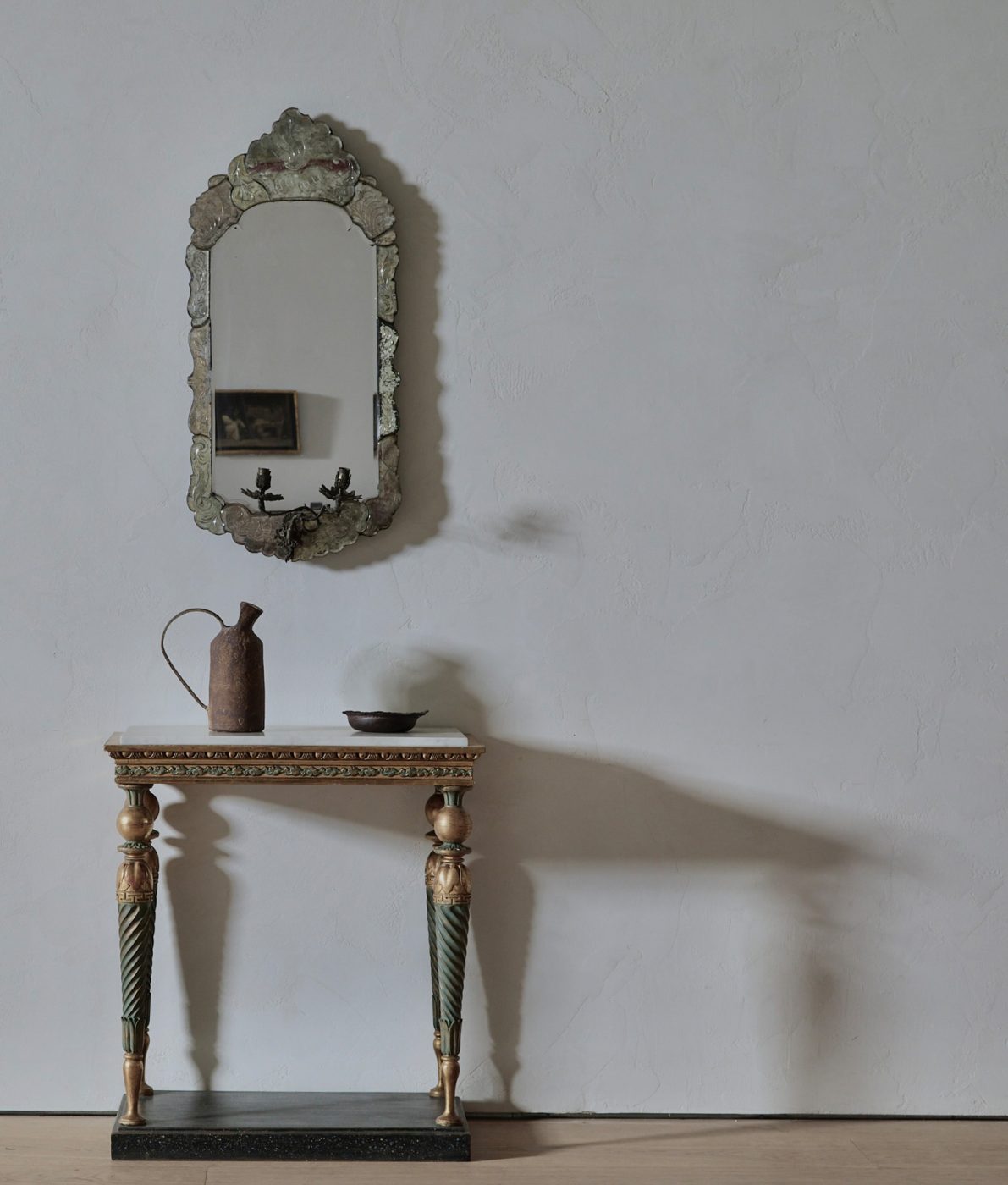
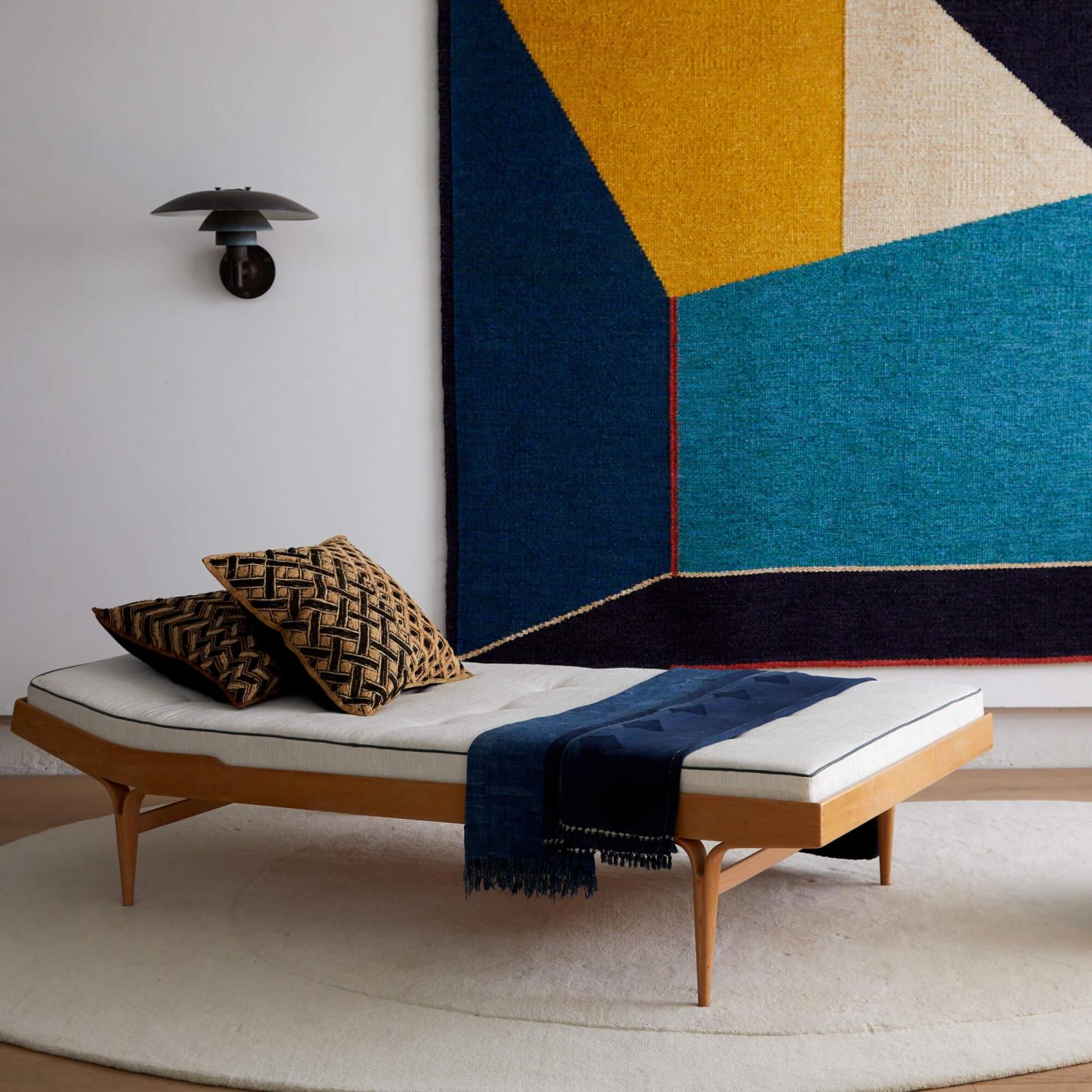
There is a poetry to your visual language, and I get the feeling that you approach most of your work as artists would.
CL: God, yes! I don’t think we would do it otherwise. We never buy anything we would not happily live with ourselves. Everything we acquire we can sense it will relate to something else that is already in our collection. Of course, we make mistakes, but when something arrives and it is good, there is this moment of spiritual connection with the object. You feel that it has been used and loved and passed down, and somehow it has ended up in our care, which is kind of a miraculous responsibility and joy.
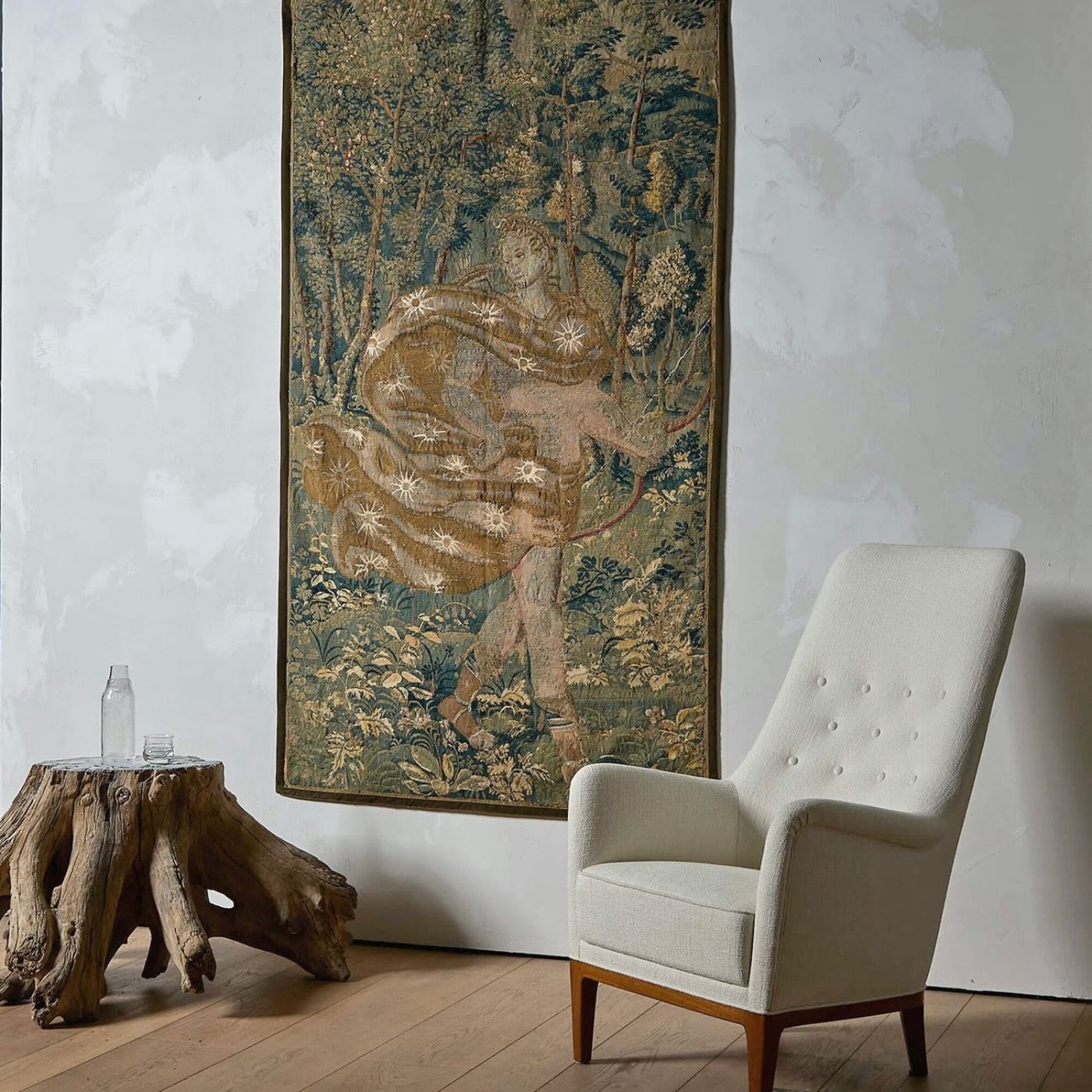
PM: We feel a sense of gratitude for being able to hold these things in our hands even for a short period of time. We just bought an early-seventeenth-century Flemish tapestry depicting Diana. I’ve never seen anything like it.
CL: To live with it felt like a visitation from Mount Olympus.