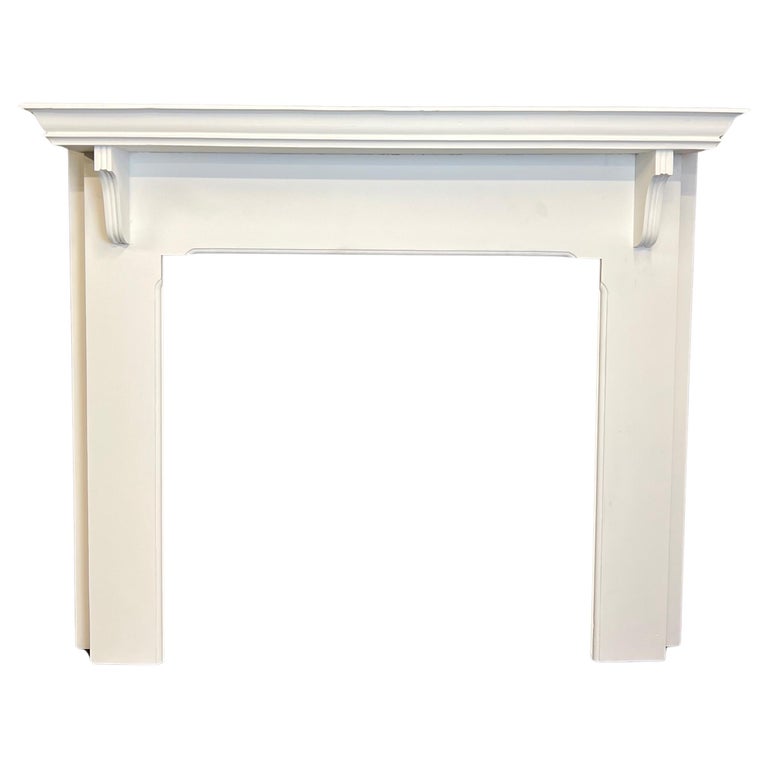
October 4, 2026Reimagining a pied-à-terre in a prewar Manhattan building for long-time clients, designer Tom Stringer pulled off a particularly neat trick: He created a joint living and dining area whose just-seamless-enough decorating scheme allows it to simultaneously serve as both one room and two. A prominent central fireplace divides the spaces, but Stringer’s considered design choices enable them to be read as a single entertaining zone when his clients host larger parties and as two for more intimate gatherings.
“The connection between the spaces is just so strong,” Stringer says. Physically, that connection takes the form of a portal on either side of the fireplace between the dining and living areas. Those openings are echoed visually by pairs of wall mirrors that face each other through the portals, creating an implied enfilade. “It’s basically a bifurcated room,” the designer continues. “For events, it really operates as a cohesive whole.”
And cohesive it needed to be for these Florida-based clients, who use the apartment as a gathering spot with their three adult children and friends.
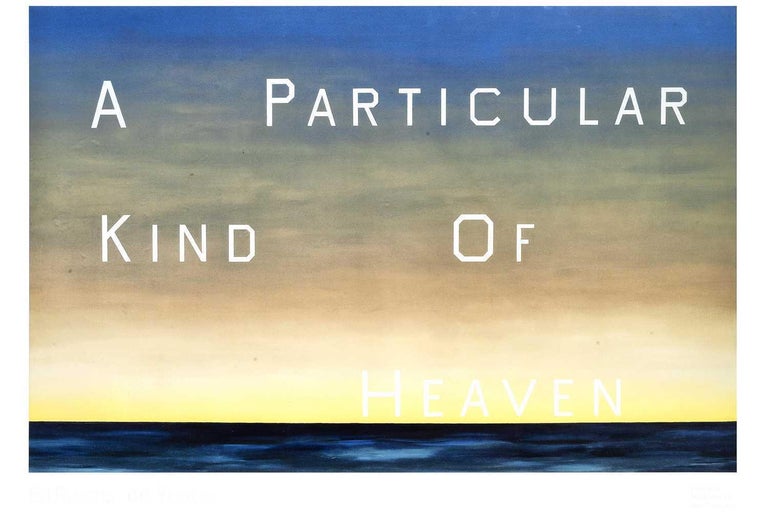
“They were coming to New York to have fun,” Stringer says. “And they wanted an apartment that felt like it supported that, nothing too heavy, nothing too serious.” (Although some serious security accompanied the delivery of an Ed Ruscha painting they acquired for the apartment.)
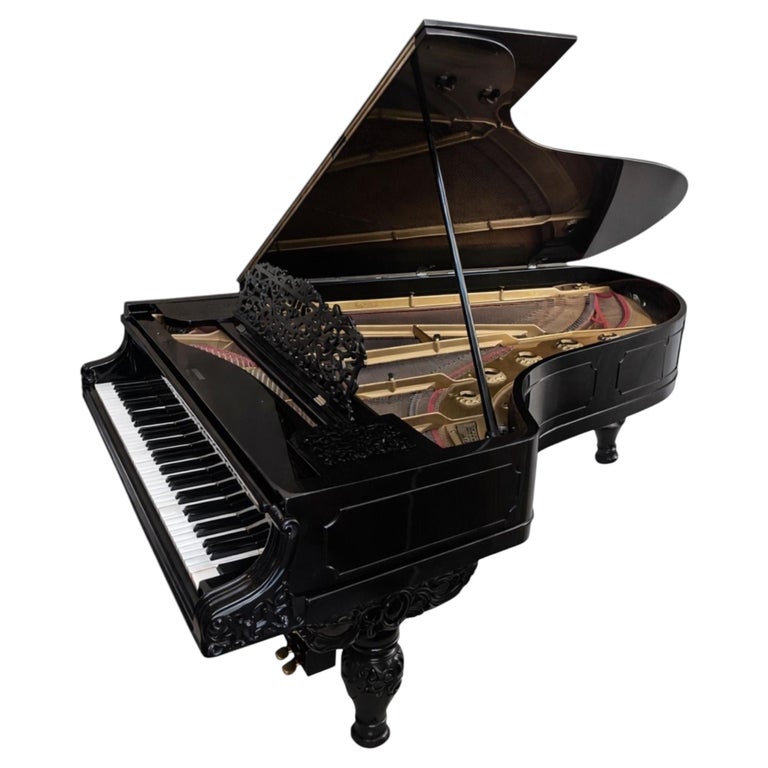
Accordingly, he kept things aesthetically light, deploying a palette of “barely beige and barely taupe” for the walls, the extensive neoclassical millwork and the larger upholstered pieces. One rather weighty element, however, was brought in by the clients, in the form of a family heirloom: a restored antique Steinway grand piano that had sat in storage for years.
“A two bedroom plus den on the Upper East Side, and they want a show grand in it!” Stringer says, with a laugh. “There’s a decorator’s nightmare.”
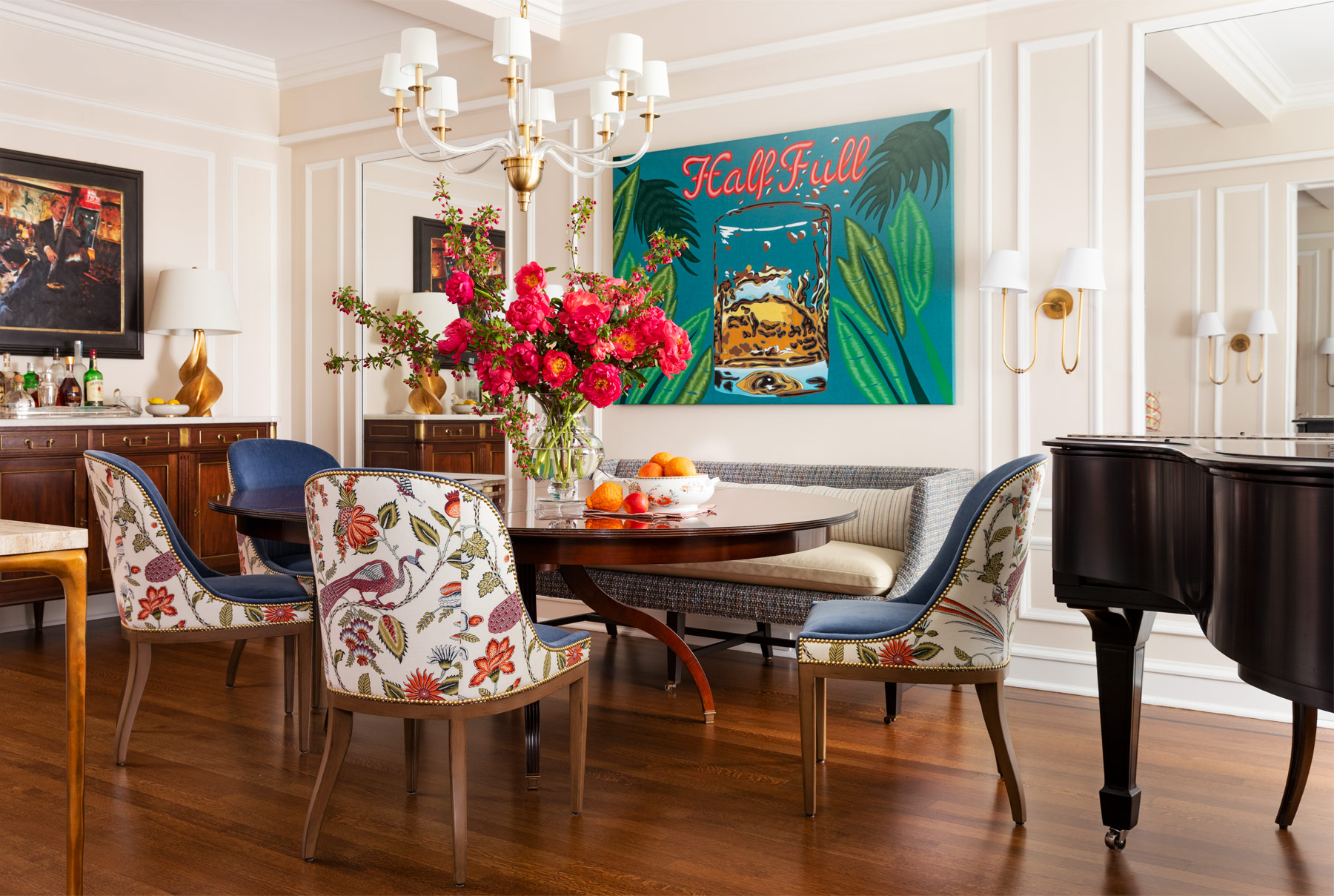
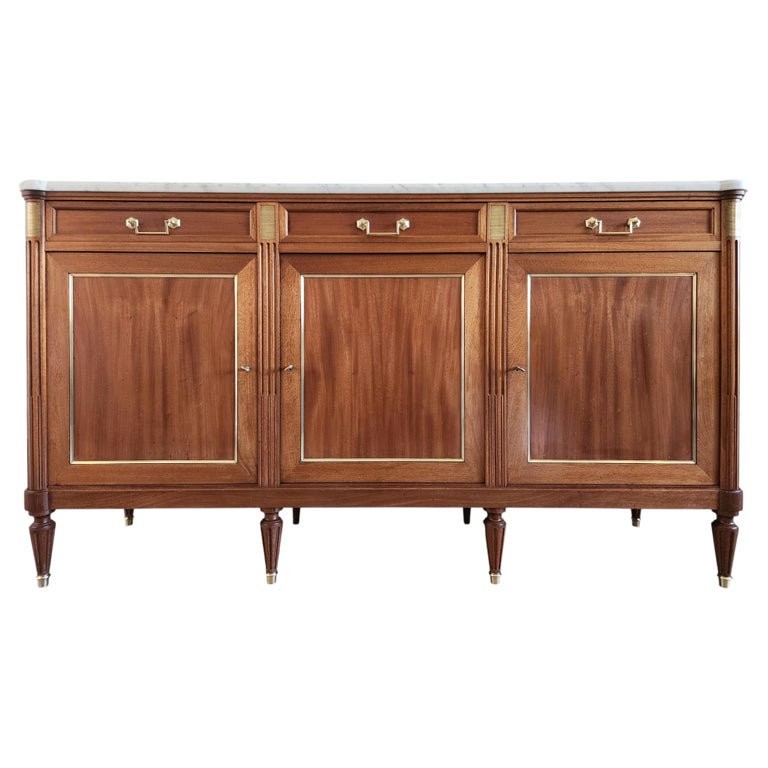
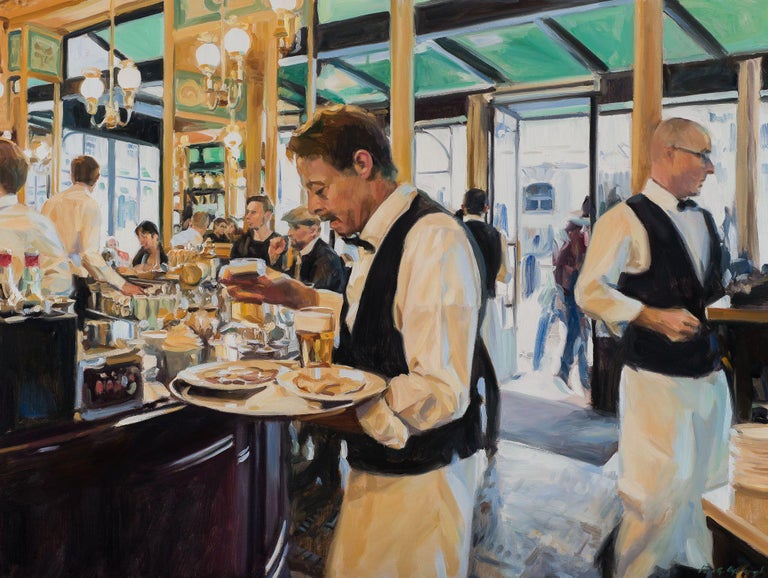
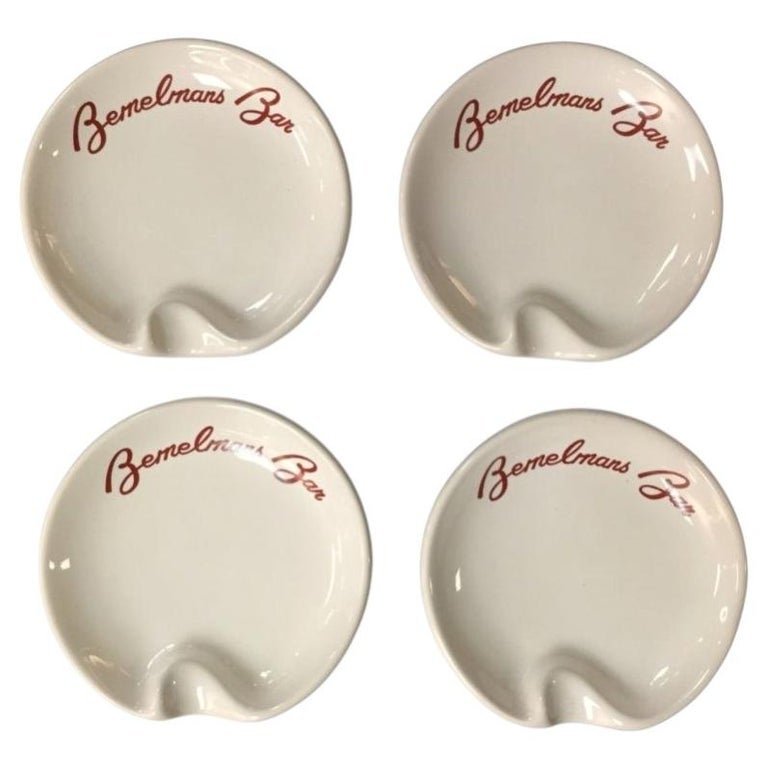
This playful lament notwithstanding, he managed to use the instrument to both his and his client’s advantage, employing it to transform the dining space into a piano bar plus banquette that takes inspiration from such classic New York haunts as the Carlyle Hotel’s Bemelmans Bar. This serves the family, Stringer says, because “everyone is close to the piano, and the piano is close to the bar” — here, an assortment of liquor bottles arranged on a tray atop a Louis XVI–style buffet from Charlotte Nail Antiques.
For Stringer himself, his loungey scheme “just answered the question of what to do with a formal dining room you’re not going to use that much because you’d rather just go out to eat,” he says. “It’s really not a dining room anymore. It just happens to have a table in it.”
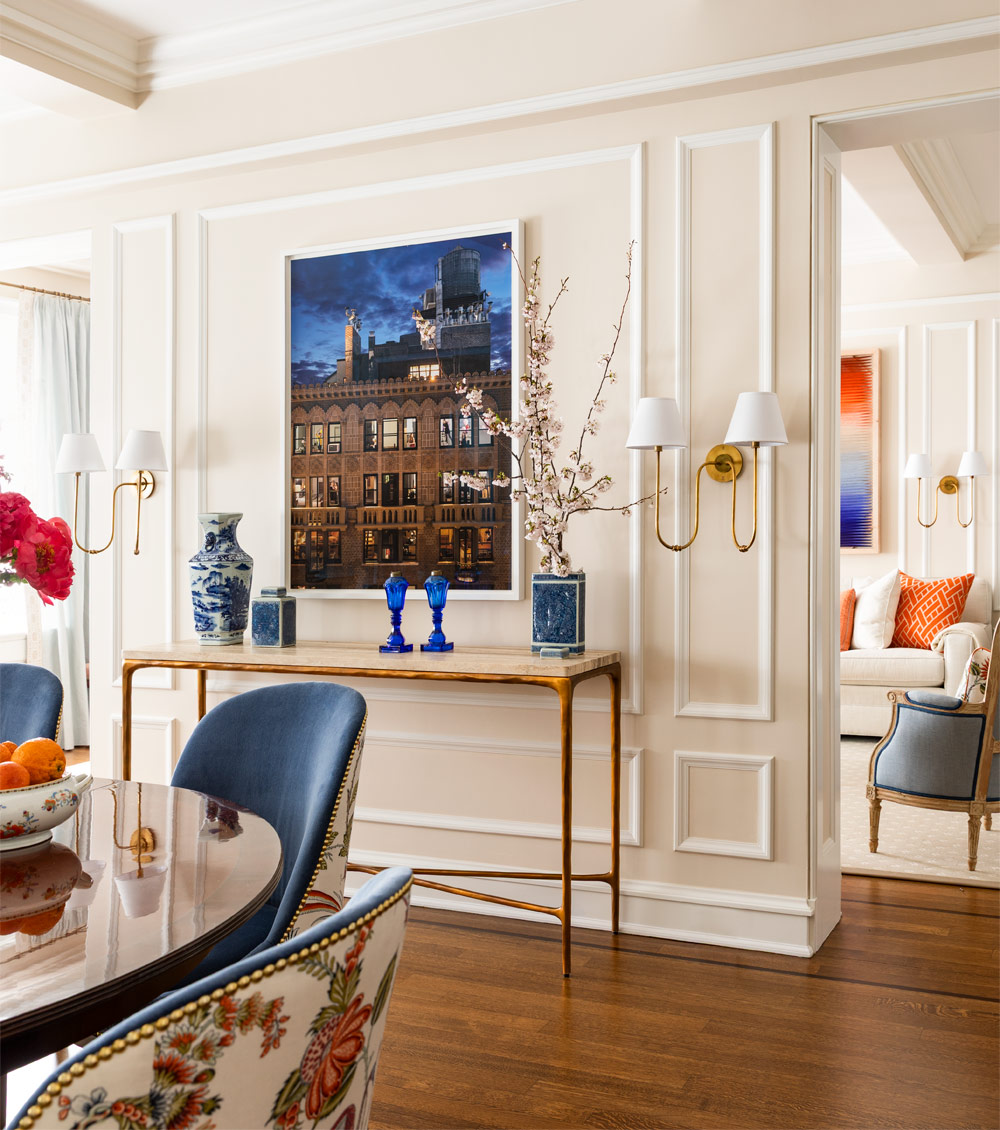
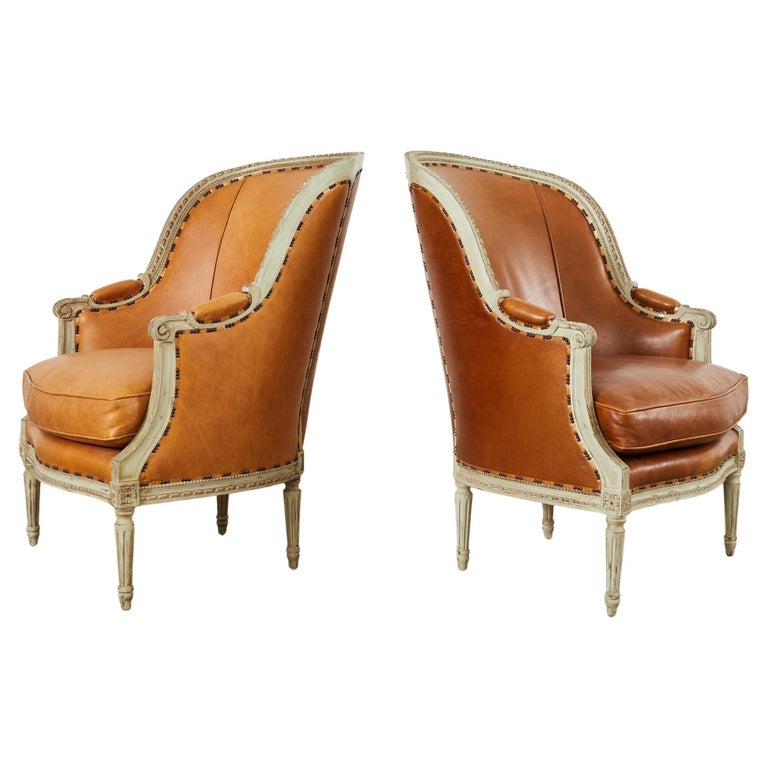
Plenty of aesthetic touches connect the dining room-turned-piano bar with the living space. These include what the designer calls his signature “Franglish blend” — French neoclassical antiques and their English counterparts — exemplified by the juxtaposition of the early-19th-century bergères by the fireplace with various traditional British, or Anglican-inspired, pieces.
Also serving to unify the spaces are the pops of brightly hued high-contrast patterns (botanicals and chevrons among them) that Stringer deployed and the matching pairs of brass-and-glass Urban Electric Co. sconces he used to set their walls aglow.
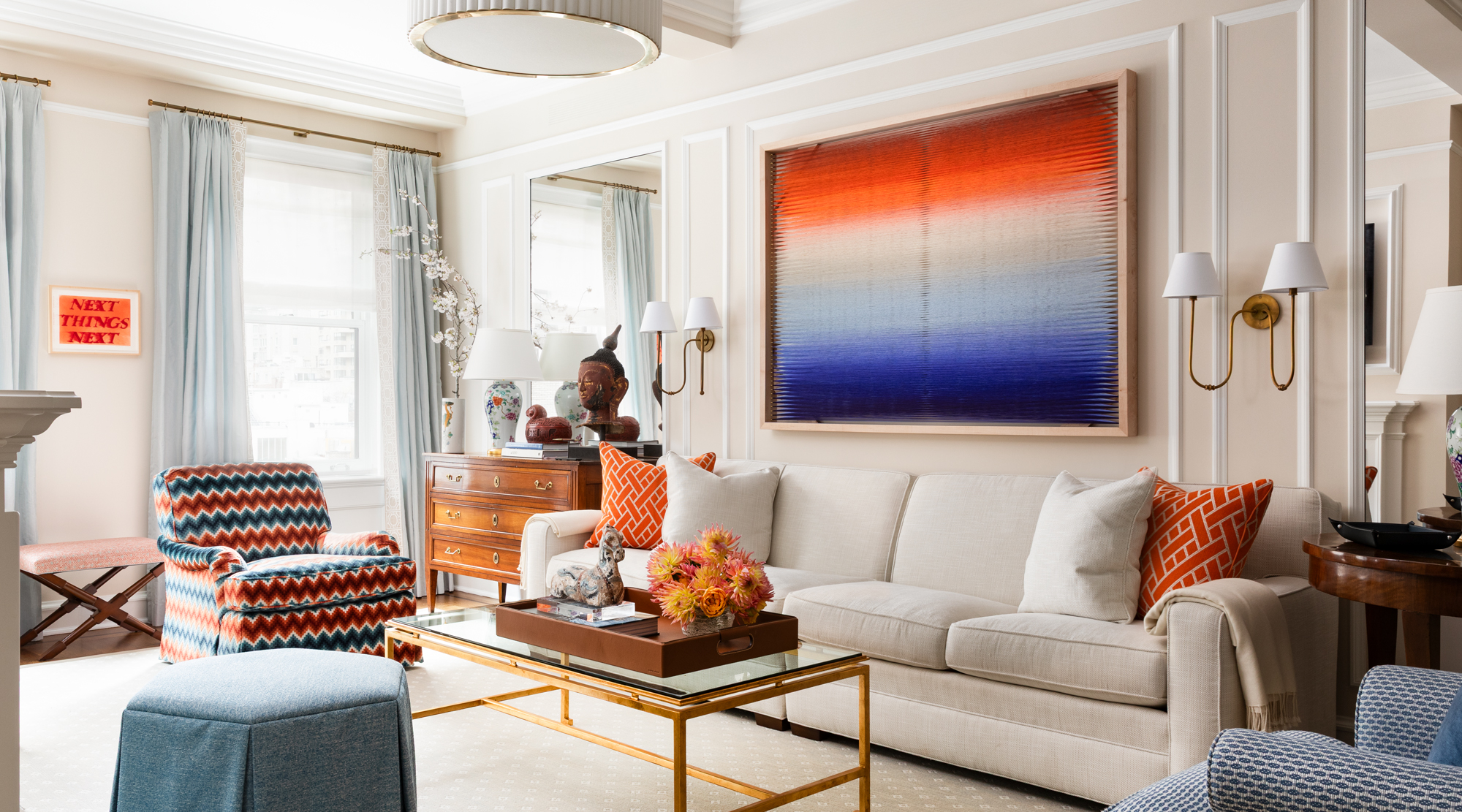
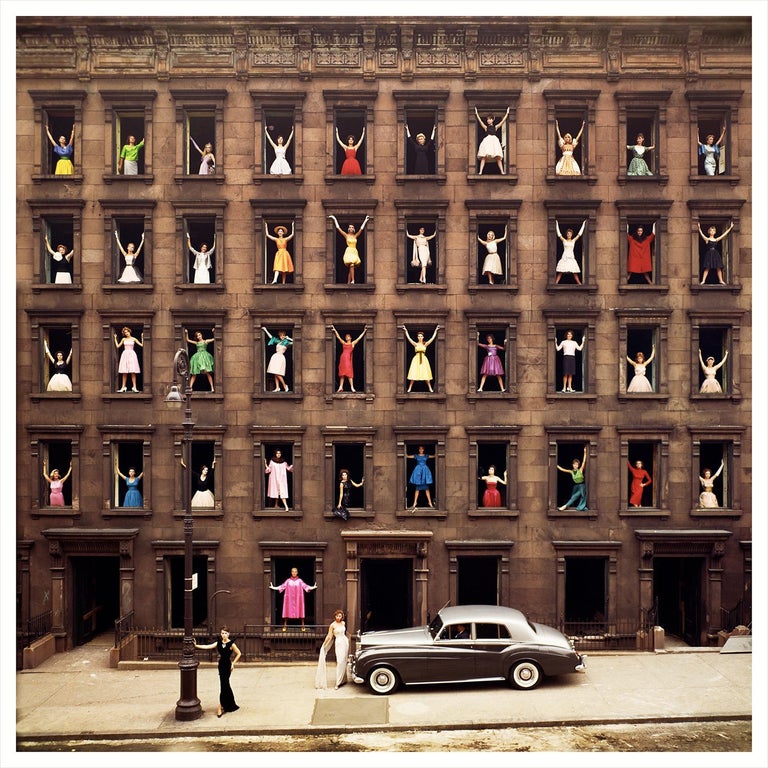
Hung throughout are attention-grabbing contemporary artworks that the clients acquired specifically for the home, with the help of art adviser Laura Lester. The collection includes pieces by Joel Mesler, Paul G. Oxborough and Gail Albert Halaban, whose photograph of a Manhattan apartment building taken at dusk as its residents turn on their lights recalls Alfred Hitchcock‘s Read Window with its glimpse into the lives of city dwellers. Speaking of the works, Stringer says, “The fact that they are all exuberant really makes a difference in this space.”
The vibrant, often whimsical art, he continues, underlines the sense that the multipurpose room “is really for the family to gather together in and crank back Manhattans and sing. It’s like a grown-up playroom.”
-
 W.M. Knabe & Co. Gold Medal Grand Concert Piano, Early 20th Century, Offered by Pegaso Gallery Design
 -
"Girls in the Windows," 1960 , by Ormond Gigli, Offered by Sohn Fine Art
-
Louis XVI–Style Buffet, 1940s, Offered by Projet Privé
-
"A Particular Kind Of Heaven," 1983, by Ed Ruscha, Offered by Blond Contemporary
-
Hendrix Allardyce Bergères, Contemporary, Offered by Erin Lane Estate
-
"Les Deux Palais," 2023, by Paul G. Oxborough, Offered by Cavalier Ebanks Galleries
-
Fireplace Mantelpiece, ca. 1860, Offered by Acquisitions Fireplaces Ltd.
-
Bemelmans Bar Ashtrays, 20th Century, Offered by Black Rock Galleries
-
"Thank You," 2021, by Joel Mesler, Offered by MLTPL