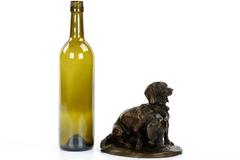
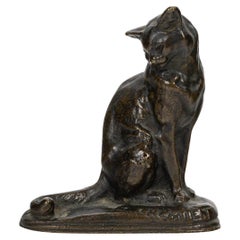
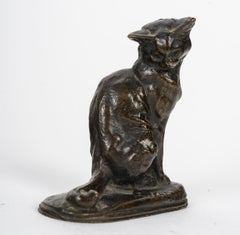
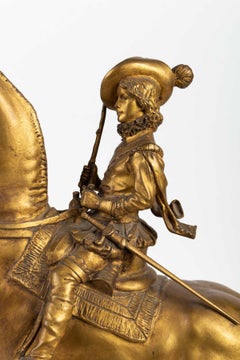
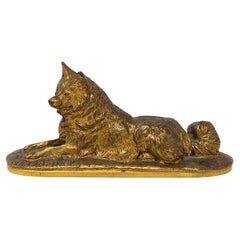
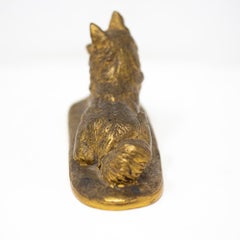
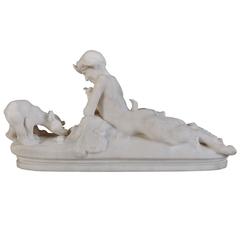
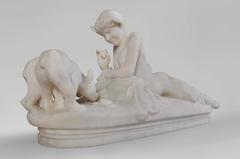
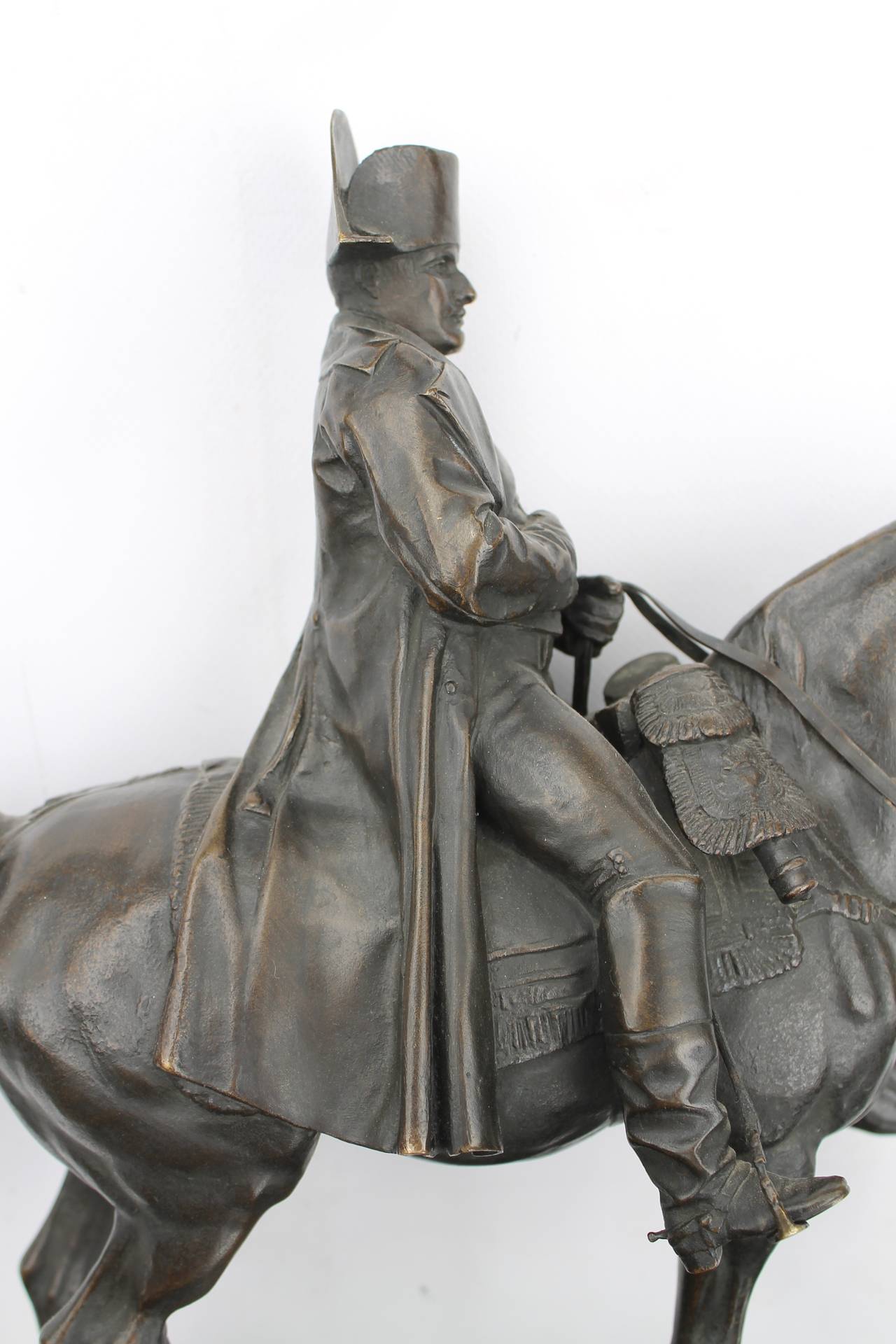
Emmanuel Fremiet Napoleon For Sale on 1stDibs
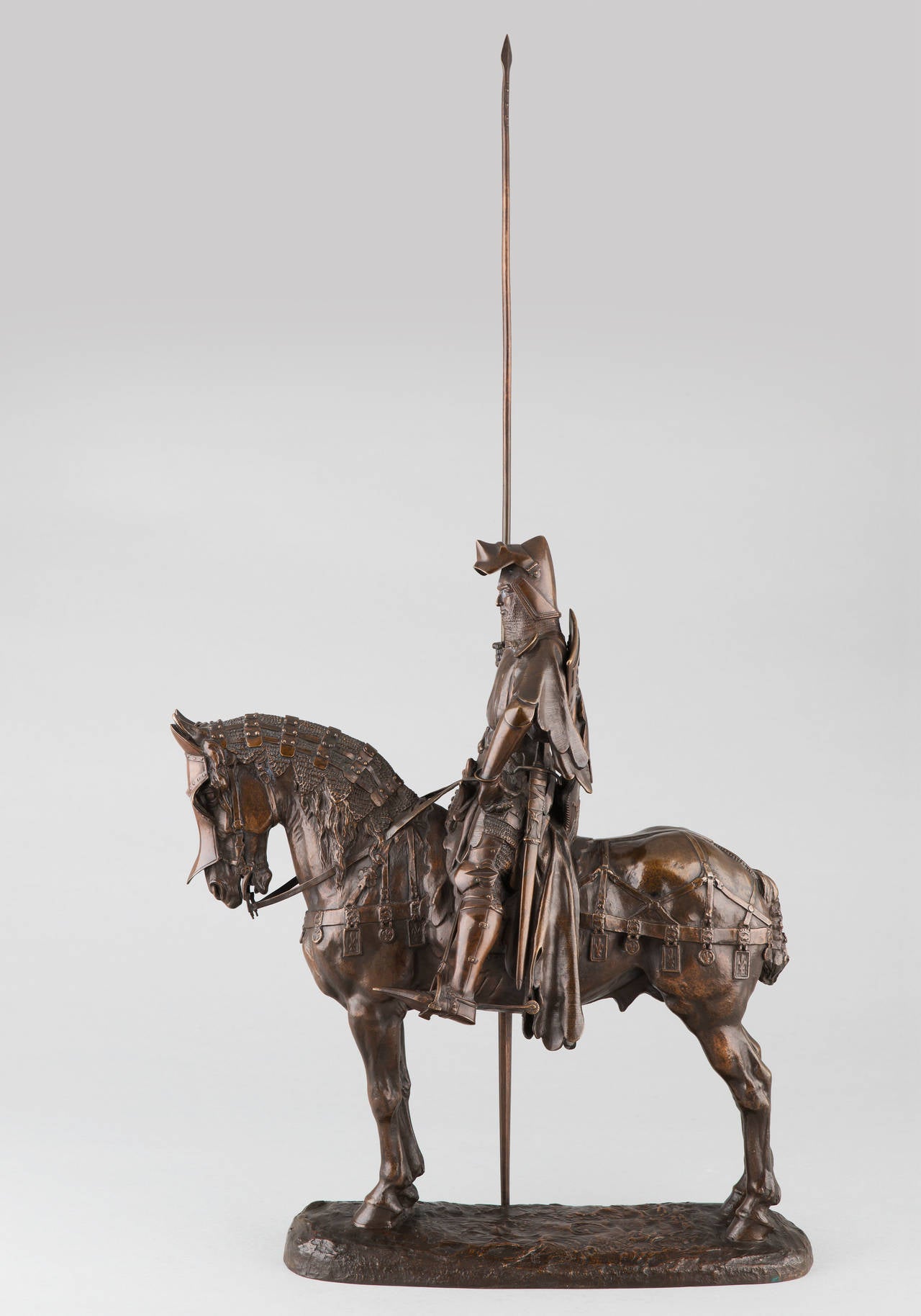
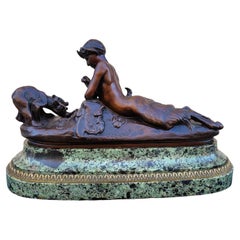
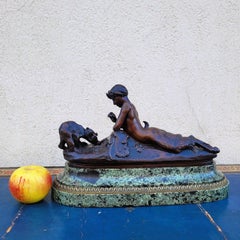
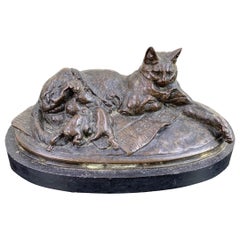
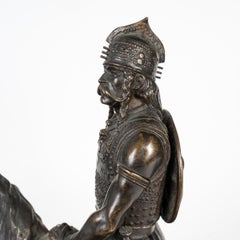
At 1stDibs, there are many versions of the ideal emmanuel fremiet napoleon for your home. A emmanuel fremiet napoleon — often made from
bronze,
metal and
wood — can elevate any home. You’ve searched high and low for the perfect emmanuel fremiet napoleon — we have versions that date back to the 19th Century alongside those produced as recently as the 20th Century are available. Each emmanuel fremiet napoleon bearing
Art Nouveau hallmarks is very popular. A well-made emmanuel fremiet napoleon has long been a part of the offerings for many furniture designers and manufacturers, but those produced by
F. Barbedienne Foundry,
Emmanuel Fremiet and
Antoine-Louis Barye are consistently popular.
How Much is a Emmanuel Fremiet Napoleon?
A emmanuel fremiet napoleon can differ in price owing to various characteristics — the average selling price 1stDibs is $2,846, while the lowest priced sells for $637 and the highest can go for as much as $86,242.
Emmanuel Fremiet for sale on 1stDibs
Emmanuel Frémiet was born in Paris, France in 1824 and was brought into an upper middle-class family that had very close ties to the world of art. His family was filled with great artists and this included his Cousin Sophie who married a famous sculptor called Francois Rude. Emmanuel’s mother was also an accomplished artist who constantly encouraged him and brought him up into the world of art. At the age of five, he was already was receiving formal training in art in a private school. The start at a young age meant he was able to be accepted at the spectacular Ecole des Arts Decoratifs School at the age of sixteen.
Throughout this period he learned everything he needed to then become employed by Werner as his head lithographer within a year, whose duties were to prepare drawings of both animals and men. After a long period of convincing by Sophie and Emmanuel, Francois Rude took Emmanuel as a pupil in his studio to further his learning in modeling and sculpture work.
Throughout his young life, he spent a lot of time in zoological gardens and participated in dissections of any animals which had passed away during this time. By the age of seven, he had been exposed to a wide range of different wild animals. To further Emmanuel’s path in art, he was appointed the successor of Antoine Louis Barye as Professor of Drawing after Antoine’s death in 1875. With this new position and like many other great sculptors, he spent a lot of time studying and drawing at the morgue and even went to various embalmers across Paris. This was all of his training to give him the exact measurements and to be able to reproduce the muscle and bone structure of the many men and animals that he witnessed.
His first sculpture was exhibited in the Paris Salon in 1843 when he was nineteen and he continued to exhibit his magnificent sculptures for the rest of his life at the Salon. He was even awarded various medals and awards from many of his pieces. As he began with the bronze sculptures, he made many small animal bronzes with very fine detail which are nowadays highly sought after by collectors and museums alike. There were many sculptors during this time that crafted pieces in which showed a cruel nature, but Emmanuel was known for the soft and gentle pieces of work which often were amusing. At the age of twenty-five, he was to receive more commissions than any other sculptor before or during his time. It became near impossible to be able to walk the streets without seeing one of Emmanuel’s many smaller bronze sculptures.
This amazing sculptor continued crafting works, but also proceeded to train new sculptors, taking on near twenty pupils each time. Unfortunately, this great sculptor passed away in 1910.
A Close Look at Napoleon-iii Furniture
Under Napoleon III’s rule, Paris underwent a great rebuilding overseen by Baron Georges-Eugène Haussmann, which created grand avenues and lavish landmarks like the Paris Opera. Antique Napoleon III–style furniture was flamboyant and eclectic. It was also known as Second Empire style since it followed and referenced the Empire style of his uncle Napoleon I.
Developing from 1852–70, Napoleon III furniture was plush and ornate, matching the fashion for masked balls and socializing in salons. It borrowed freely from earlier French styles including Louis XIV, Louis XV and Louis XVI as well as aesthetics from around the world, from antiquity to Asian art. As writer Gustave Claudin remarked in 1867, the country’s architects worked in “a style which one would be tempted to call neo-Greco-Gothico-Pompadour-Pompeian.”
Napoleon III chairs were completely covered with velvet and lined with tassels; pouf footstools invited people to put up their feet. Sofas were upholstered with tapestries, and beds were adorned with gilt bronze and theatrical canopies. The addition of conservatories to homes led to new indoor-outdoor furniture, while the spirit of hygiene promoted by Baron Haussmann inspired bright, floral motifs.
Although the most ostentatious designs were for the elite, as seen in the Napoleon III apartments preserved in the Louvre, where red velvet, gilding and chandeliers create a cacophony of luxury, these trends influenced homes across classes as manufacturing made design increasingly accessible. Papier-mâché furniture allowed for elaborate shapes that would have been difficult to carve in wood. The malleable material was painted with chinoiserie patterns and decorative designs. It was mass-produced by factories such as Jennens and Bettridge with varnishing and mother-of-pearl inlays creating an effect reminiscent of Asian lacquer. (Surfaces that had been “japanned” — a specialty of Jennens and Bettridge — were intended to resemble lacquer work that was created in East Asia.)
Find a collection of antique Napoleon III decorative objects, tables, seating and other furniture on 1stDibs.
Finding the Right Sculptures for You
Styling your home with vintage, new and antique sculptures means adding a touch that can meaningfully transform the space. By introducing a sculptural work as a decorative finish to any interior, you’re making a statement, whether you tend toward the dramatic or prefer to keep things casual with modest, understated art.
A single, one-of-a-kind three-dimensional figurative sculpture mounted on your dining room wall is a guaranteed conversation piece, while a trio of abstract works arranged on your living room bookshelves can add spontaneity to the collection of first-edition novels or artist monographs you’re displaying as well as draw attention to them. Figurative sculptures are representational works that portray a specific person, animal or object. And while decorating with busts, which are sculpted or cast figurative works, hasn’t exactly topped the list of design trends every year, busts are back. According to designer Timothy Corrigan, “They give humanity in a way that a more abstract sculpture can’t give.” Abstract sculptures, on the other hand, are not meant to show something specific. Instead, they invoke a mood or scene without directly stating what they are portraying.
Busts made of stone or metal may not seem like a good fit for your existing decor. Fortunately, there are many ways for a seemingly incongruous piece to fit in with the rest of your room’s theme. You can embrace a dramatic piece by making it the focal point of the room, or you can choose to incorporate several elements made out of the same material to create harmony in your space. If an antique or more dramatic piece doesn’t feel like you, why not opt for works comprising plastic, fiberglass or other more modern materials?
When incorporating sculpture into the design of your home — be it the playful work of auction hero and multimedia visionary KAWS, contemporary fiber art from Connecticut dealer browngrotta arts or still-life sculpture on a budget — consider proper lighting, which can bring out the distinctive aspects of your piece that deserve attention. And make sure you know how the size and form of the sculpture will affect your space in whole. If you choose a sculpture with dramatic design elements, such as sharp angles or bright colors, for example, try to better integrate this new addition by echoing those elements in the rest of your room’s design.
Get started on decorating with sculpture now — find figurative sculptures, animal sculptures and more on 1stDibs today.