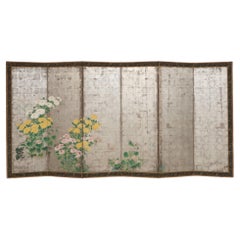
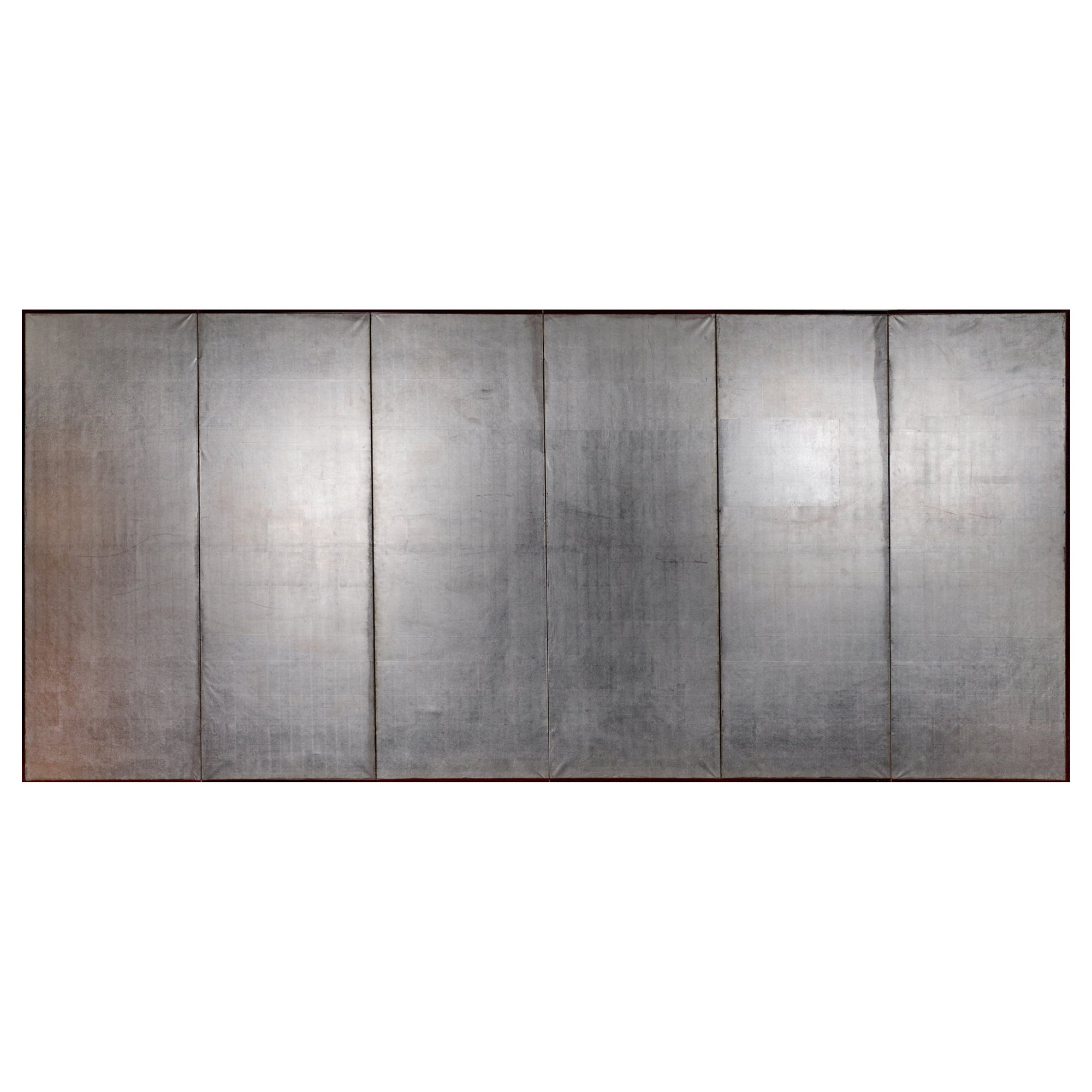
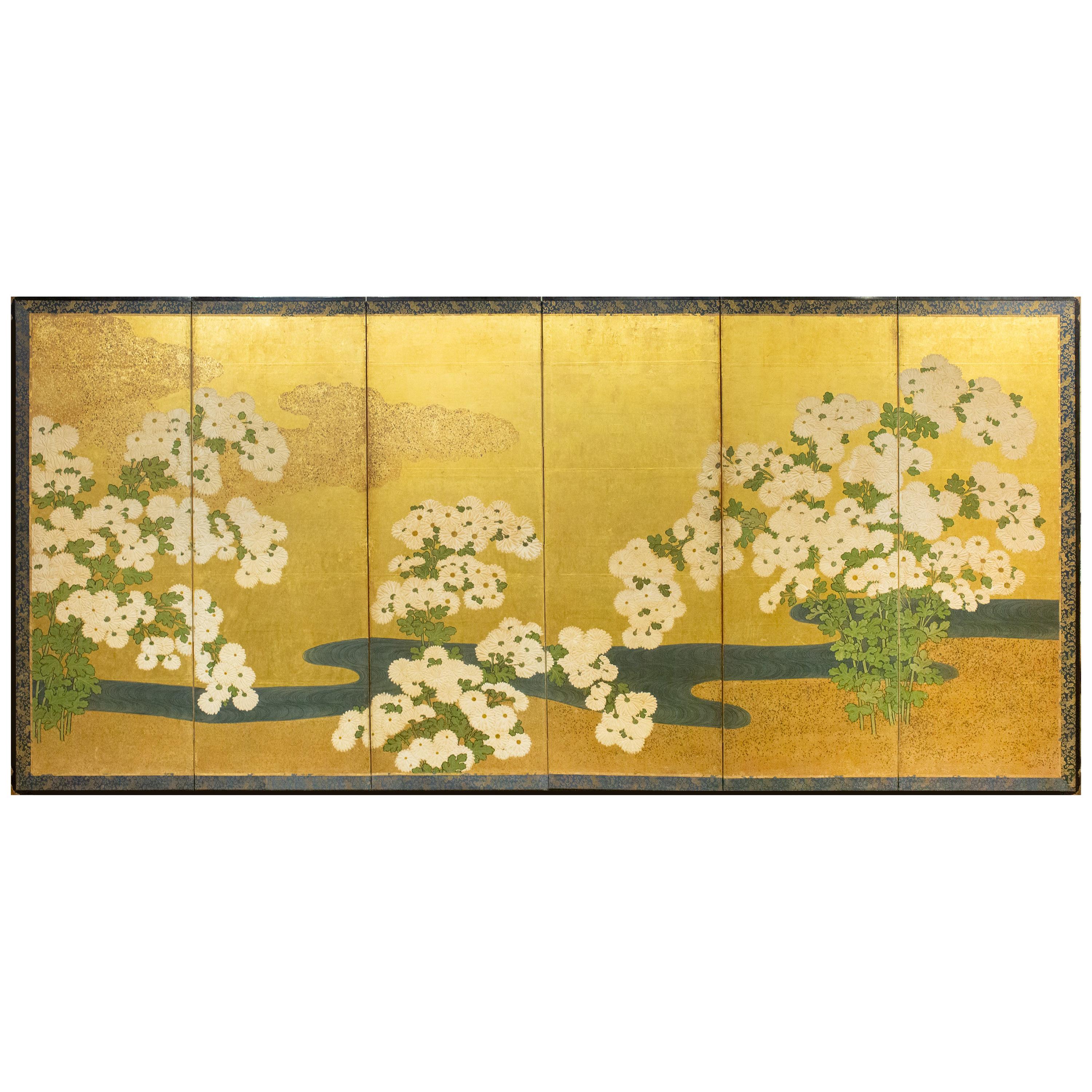
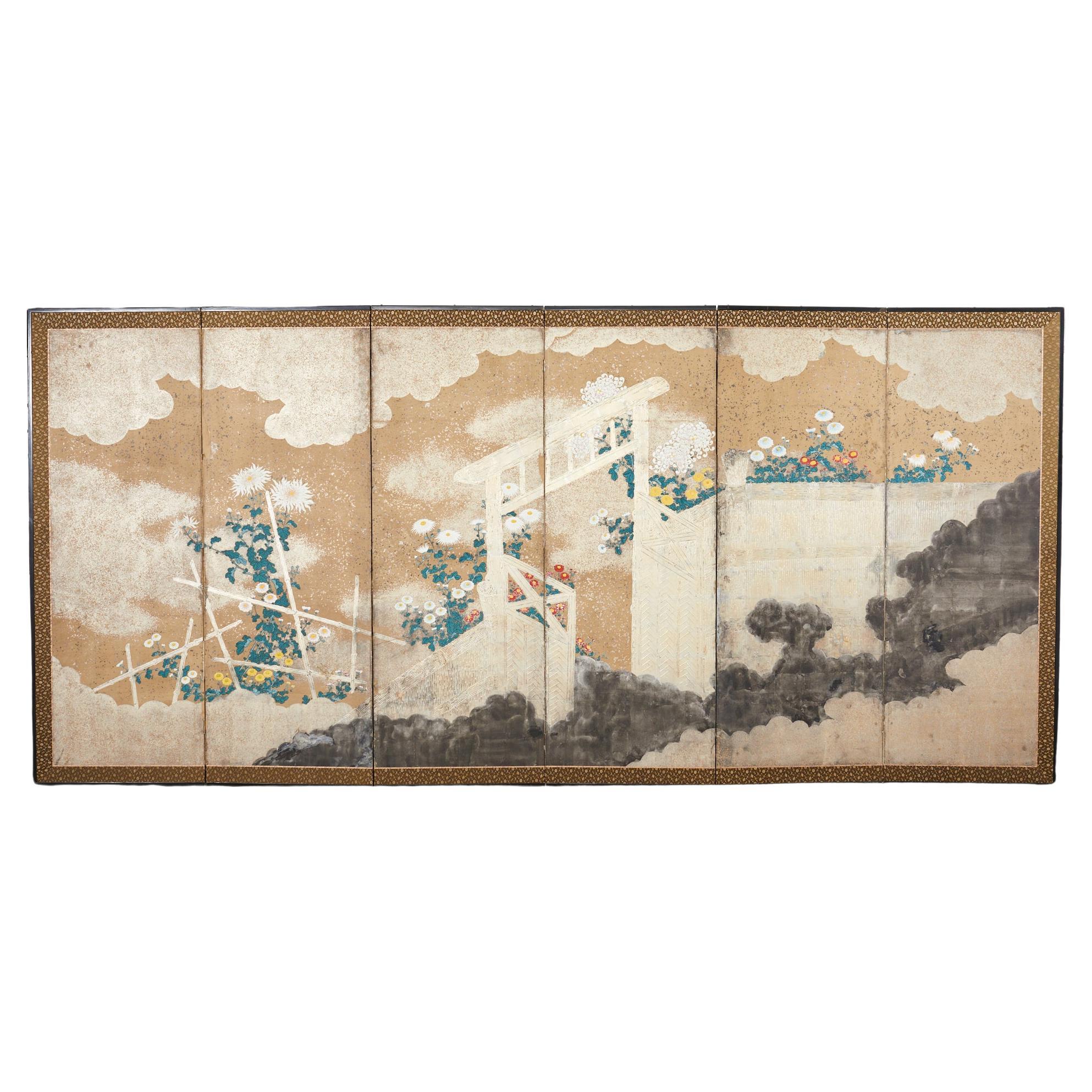
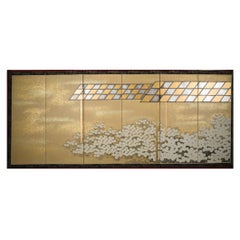
Large Japanese 6-panel folding screen with chrysanthemums on silver leaf
View Similar Items
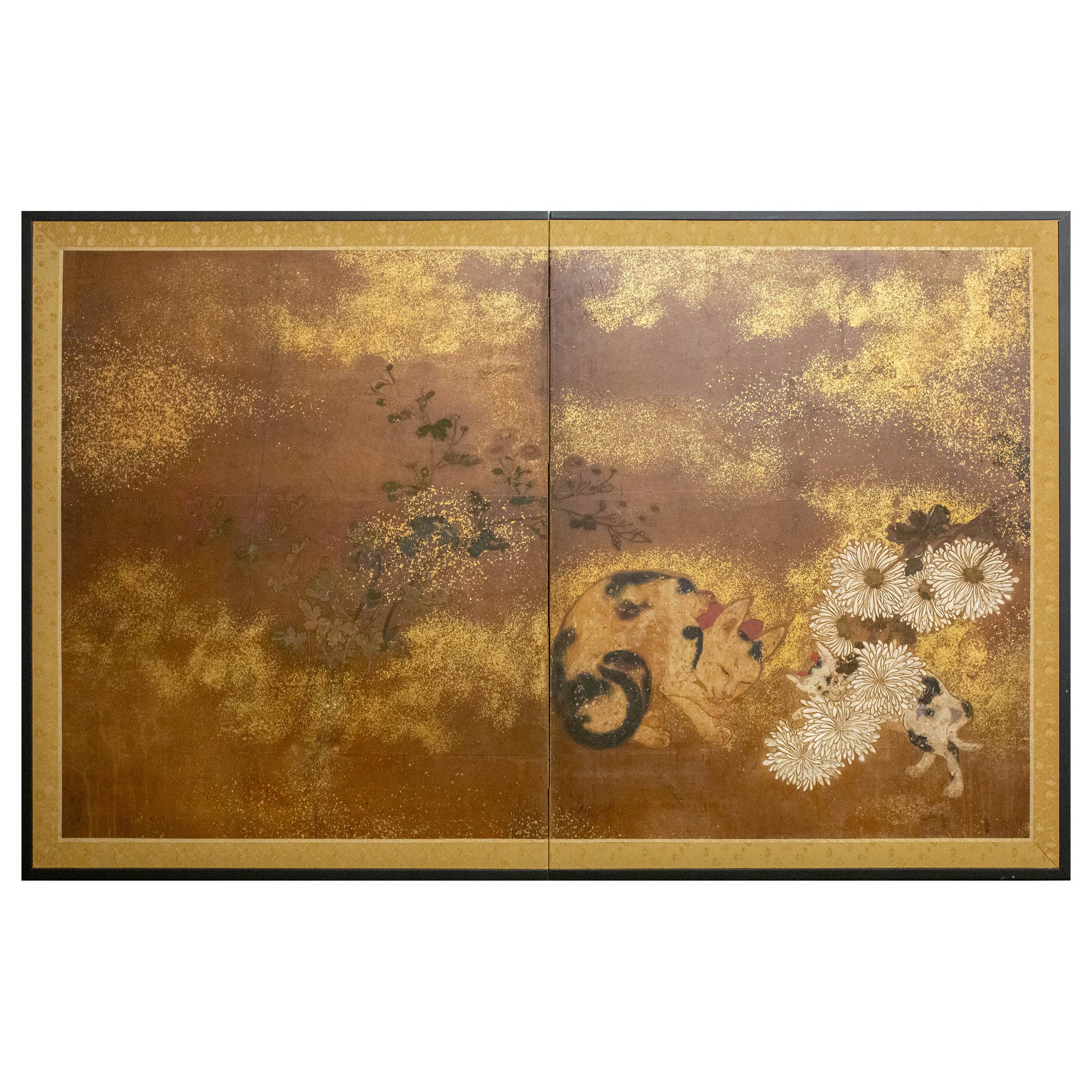
Want more images or videos?
Request additional images or videos from the seller
1 of 21
Large Japanese 6-panel folding screen with chrysanthemums on silver leaf
Price:$6,395.61
About the Item
- Dimensions:Height: 68.55 in (174.1 cm)Width: 137.64 in (349.6 cm)Depth: 0.6 in (1.5 cm)
- Materials and Techniques:
- Place of Origin:
- Period:
- Date of Manufacture:Late Edo period (First half 19th century)
- Condition:Repaired. Wear consistent with age and use. Minor losses. Considering its age the painting is in a good condition. Some signs of age, wear and old repairs. Please check the photos for a condition reference.
- Seller Location:Amsterdam, NL
- Reference Number:Seller: 2111011stDibs: LU7165236328732
About the Seller
4.8
Vetted Professional Seller
Every seller passes strict standards for authenticity and reliability
Established in 1996
1stDibs seller since 2022
22 sales on 1stDibs
Typical response time: 22 hours
Authenticity Guarantee
In the unlikely event there’s an issue with an item’s authenticity, contact us within 1 year for a full refund. DetailsMoney-Back Guarantee
If your item is not as described, is damaged in transit, or does not arrive, contact us within 7 days for a full refund. Details24-Hour Cancellation
You have a 24-hour grace period in which to reconsider your purchase, with no questions asked.Vetted Professional Sellers
Our world-class sellers must adhere to strict standards for service and quality, maintaining the integrity of our listings.Price-Match Guarantee
If you find that a seller listed the same item for a lower price elsewhere, we’ll match it.Trusted Global Delivery
Our best-in-class carrier network provides specialized shipping options worldwide, including custom delivery.More From This Seller
View AllLarge Japanese 6-panel byôbu 屏風 (folding screen) with genre painting
Located in Amsterdam, NL
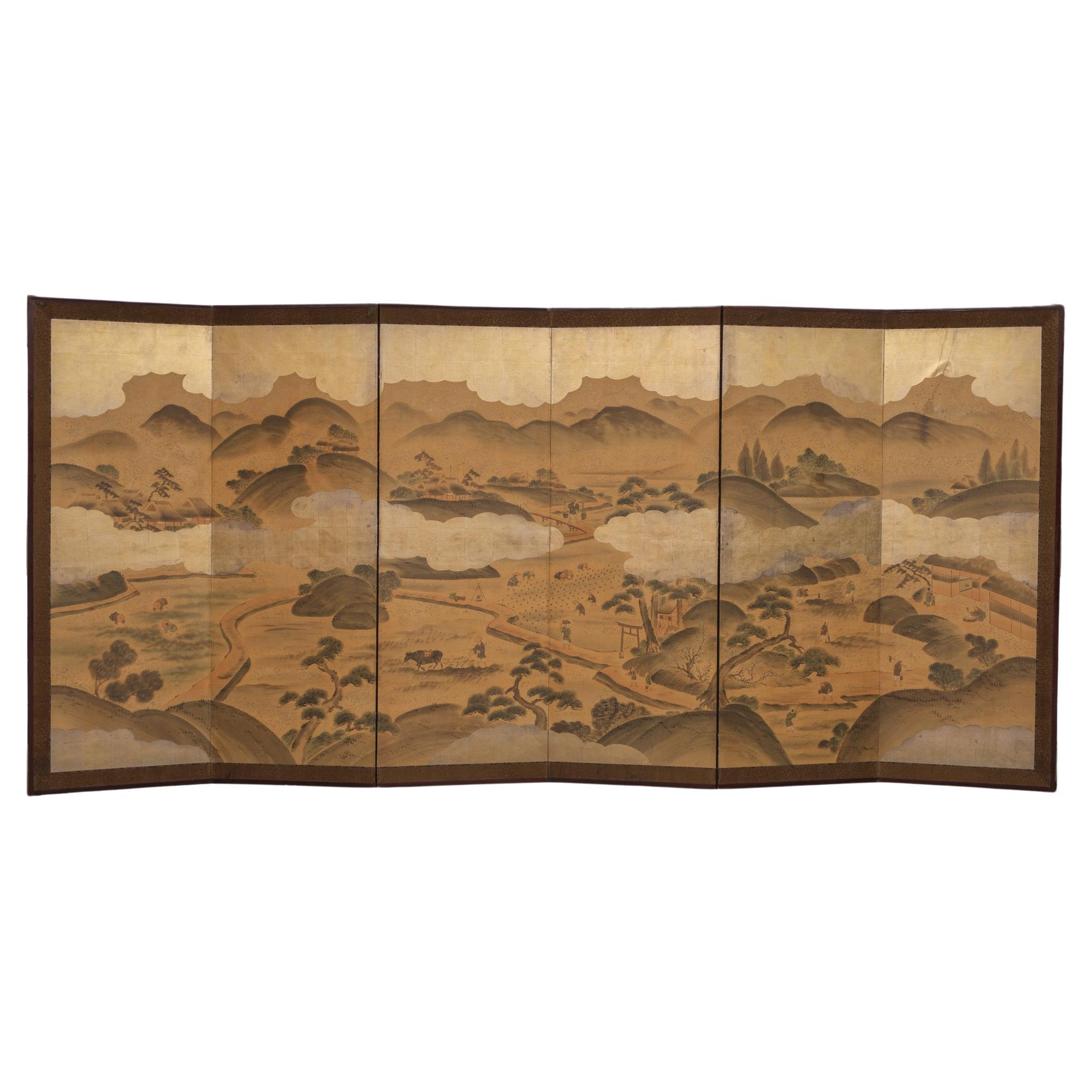
Fascinating large six-panel byôbu (folding screen) with a detailed genre painting on goldish silver leaf with different scenes of people at work in a rural mountain village during th...
Category
Early 20th Century Japanese Paintings and Screens
Materials
Silver Leaf
Large Japanese 6-panel byôbu 屏風 (folding screen) with Edo genre painting
Located in Amsterdam, NL
An elaborate, large six-panel byôbu (folding screen) featuring a detailed genre painting on gold leaf, capturing the vibrancy of festive scenes from the Edo period.
Central to the p...
Category
Antique Early 19th Century Japanese Paintings and Screens
Materials
Metal, Gold Leaf
Pair of Japanese hinagata byôbu 雛形屏風 (small folding screens) with flower carts
Located in Amsterdam, NL
An amazing pair of six-panel hinagata byôbu (doll festival folding screens) with a continuous painting on gold leaf showcasing flower carts (hana’guruma) at the edge of a winding river.
Both laden with a large bamboo basket...
Category
Antique Early 19th Century Japanese Paintings and Screens
Materials
Gold Leaf
$4,263 / set
Free Shipping
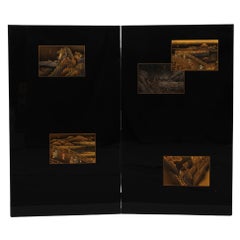
Tall, Japanese lacquer byôbu 屏風 (folding screen) by Mitsuo Takana 高名光夫 (1956)
By Mitsuo Takana
Located in Amsterdam, NL
Refined, tall two-panel byôbu (folding screen) completely adorned with ‘Wajima Ryûsaku’ lacquer by the Nitten award winning artist Mitsuo Takana (1956).
Featuring five refined images inspired by woodblock prints from the famous series ‘Tôkaidô gojûsan tsugi’ (The fifty-three stations of the Tokaido road), like the 1st station Nihonbashi, the 10th station Hakone, and the 21st station Okabe.
The design is executed in hiramaki-e (low-relief lacquer design) in shades of gold, silver, heightened by some multi-coloured details. Set on a shiny black lacquer substrate.
Signed in red lacquer in the lower right corner.
Including original signed & sealed wooden tomobako (storage box). The front with an inscription about the contents as described above. The inside:
‘Friend of the Nitten Exhibition Takana Mitsuo’ - Seal: ‘Hikari’.
‘Lacquer artist Wajima Ryûsaku’ - Seal: ‘Ryûsaku’.
Mitsuo Takana was born 1956 in Wajima, Ishikawa prefecture. He won several awards during exhibitions like: Ishikawa Contemporary Art Exhibition, Japan Artisans' Association Exhibition and the well-known Nitten Exhibition.
Dimensions:
Height 57.48 in/146 cm, Total width 66.92 in/170 cm (2 x 33.46 in/85 cm), Depth 1.10 in/2.8 cm.
Weight 56.21 lb/25.5 kg.
Wajima lacquerware...
Category
Late 20th Century Japanese Paintings and Screens
Materials
Wood, Giltwood, Lacquer
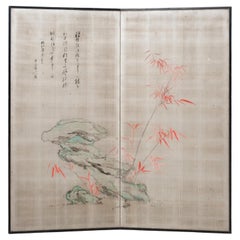
Large Japanese 2-Panel Byôbu 屏風 'Room Divider' with Painting of Bamboo & a Poem
Located in Amsterdam, NL
Beautiful, large two-panel byôbu (room divider) with a serene painting of red-leaved bamboo and rocks on an oxidized silver leaf background. Silver leaf continuously undergoes the process of oxidation, which creates a beautiful aged patina.
On the left an inscription from a ‘Zekku’ poem by the Chinese poet Yang Zai (1271?1323), titled: Shan shang zhu (bamboo (painted) on a fan).
Translated as :
Why would people plant a lot of bamboos?
The shade of a single culm is also beautiful.
In the autumn night it rocks on the wind,
And the fresh sound echoes in my dream.
Dated: Shôwa, the year kôshin (1938). Signature unknown...
Category
Early 20th Century Japanese Paintings and Screens
Materials
Other, Silver Leaf
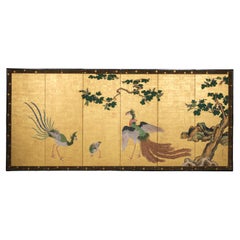
Tall 6-panel byôbu with phoenixes attributed to Kanô Isen’in Naganobu
By Kano Isen'in Naganobu
Located in Amsterdam, NL
A superb, tall six-panel byôbu (folding screen) featuring a painting attributed to Kanô Isen’in Naganobu (1775–1828) depicting a family of phoenixes (hô’ô) gathered beneath the shelt...
Category
Antique Early 19th Century Japanese Paintings and Screens
Materials
Metal, Gold Leaf
You May Also Like
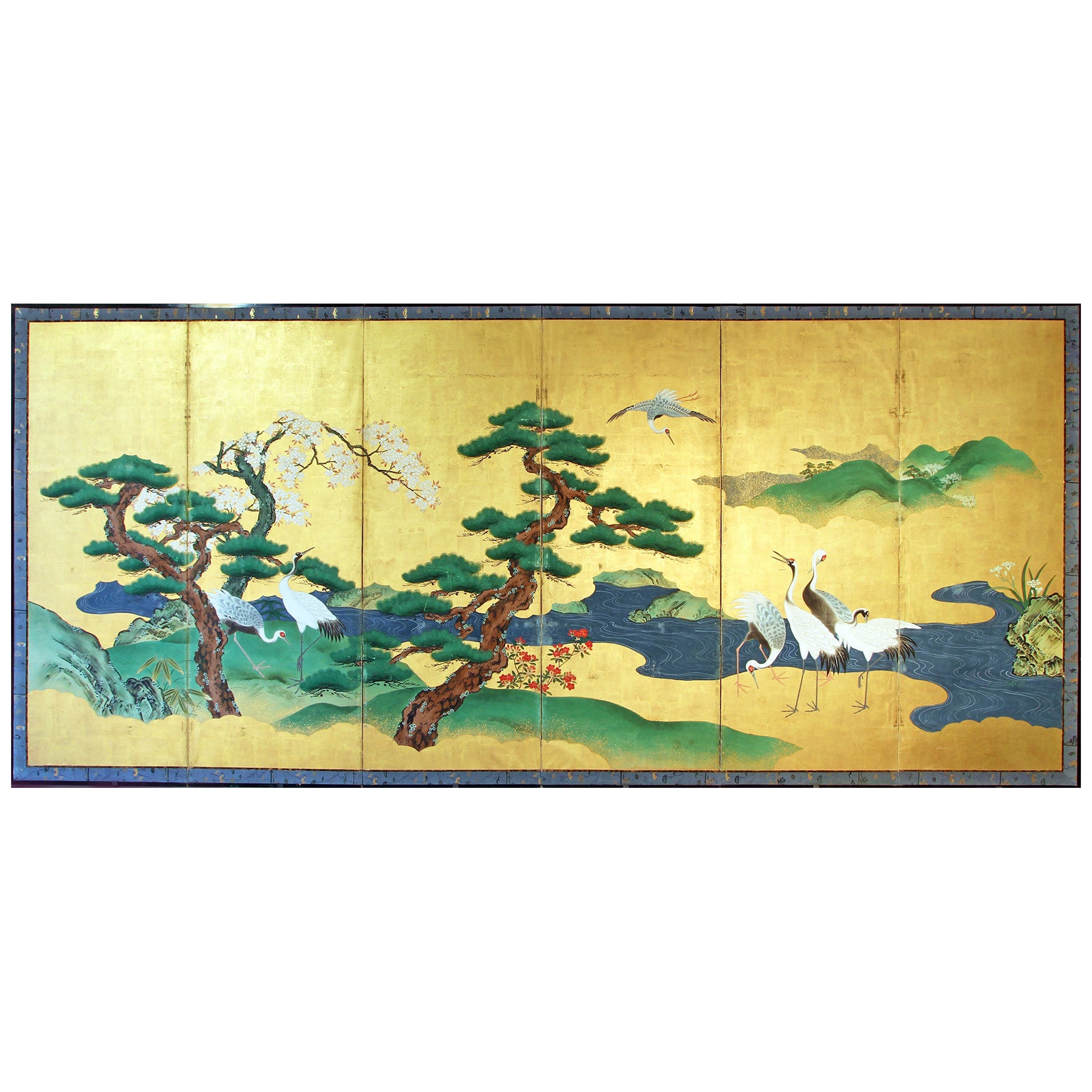
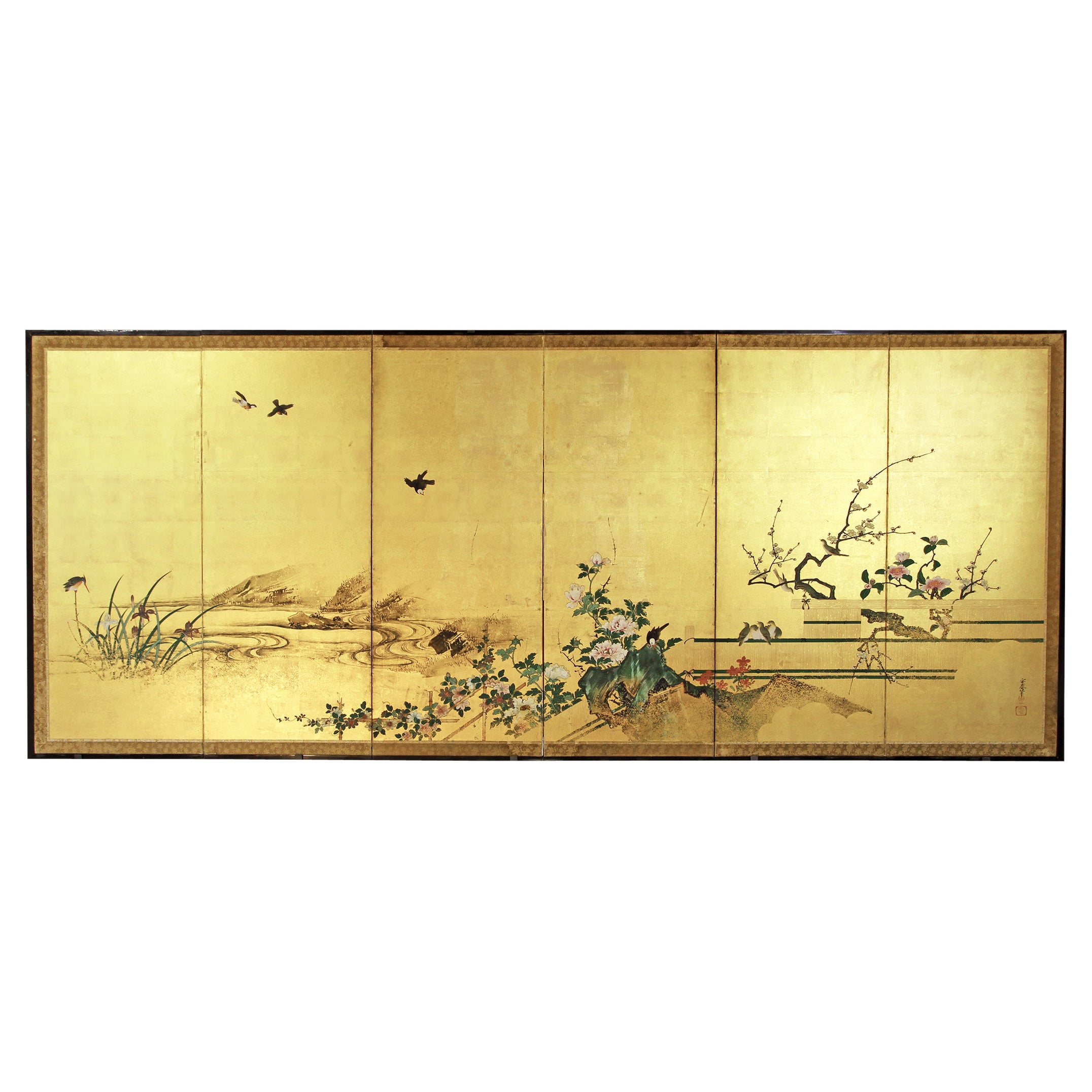
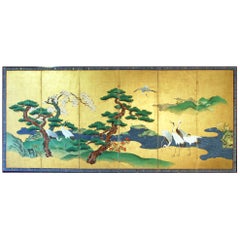
Japanese Folding Screen Six Panels Painted on Gold Leaf
By Japanese Studio
Located in Brescia, IT
Paravento a sei pannelli di scuola giapponese Kano: paesaggio con bellissime ed eleganti gru vicino al fiume, con alberi di pino e sakura.
Dipinto a mano con pigmenti minerali ed inc...
Category
Antique Early 19th Century Japanese Edo Paintings and Screens
Materials
Gold Leaf
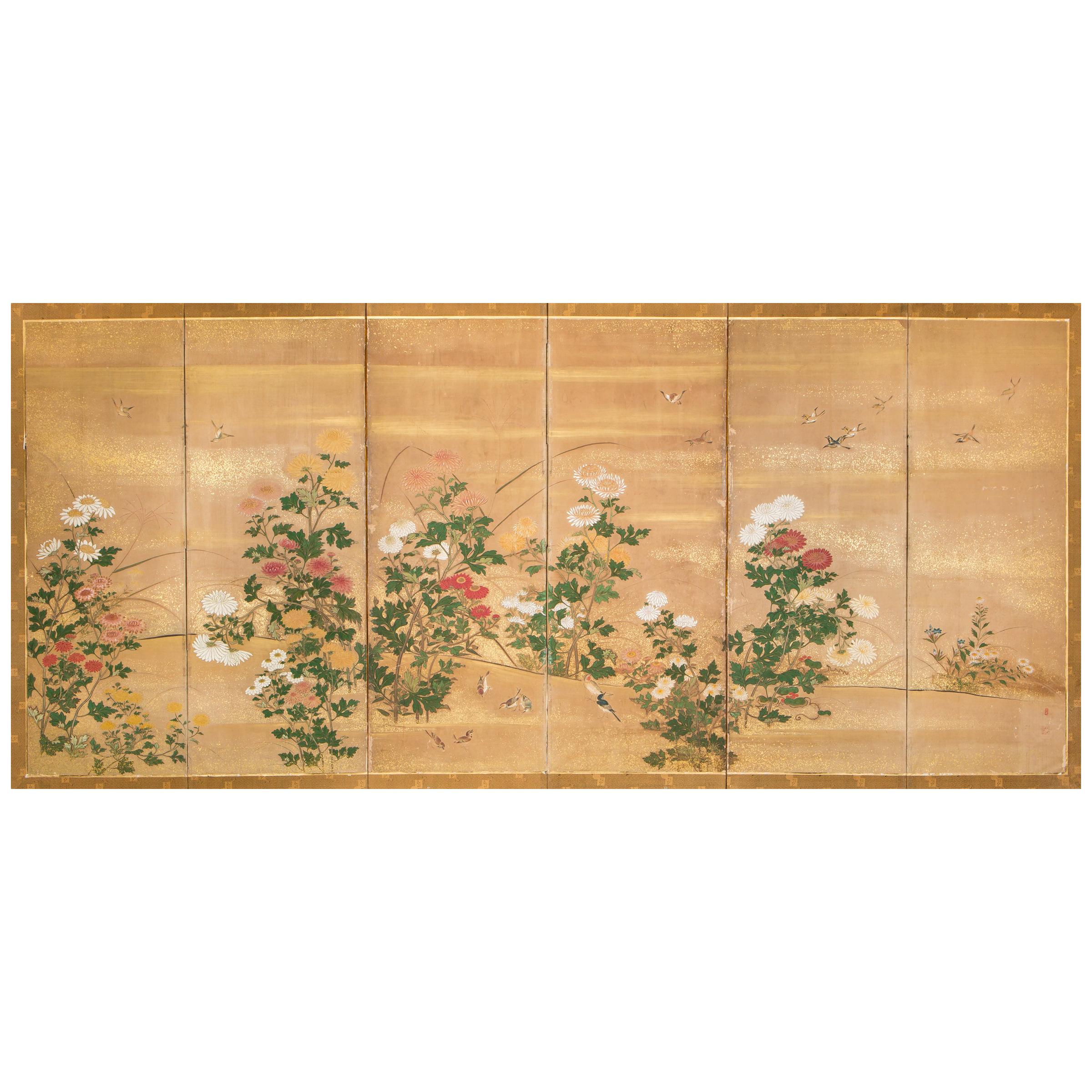
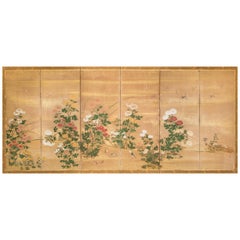
Japanese Six-Panel Screen, Chrysanthemums
Located in Hudson, NY
Japanese six-panel screen: Chrysanthemums, Edo period (circa 1800) painting of a variety of chrysanthemums in a garden landscape, with sparrows. Mineral p...
Category
Antique Early 1800s Japanese Edo Paintings and Screens
Materials
Gold Leaf
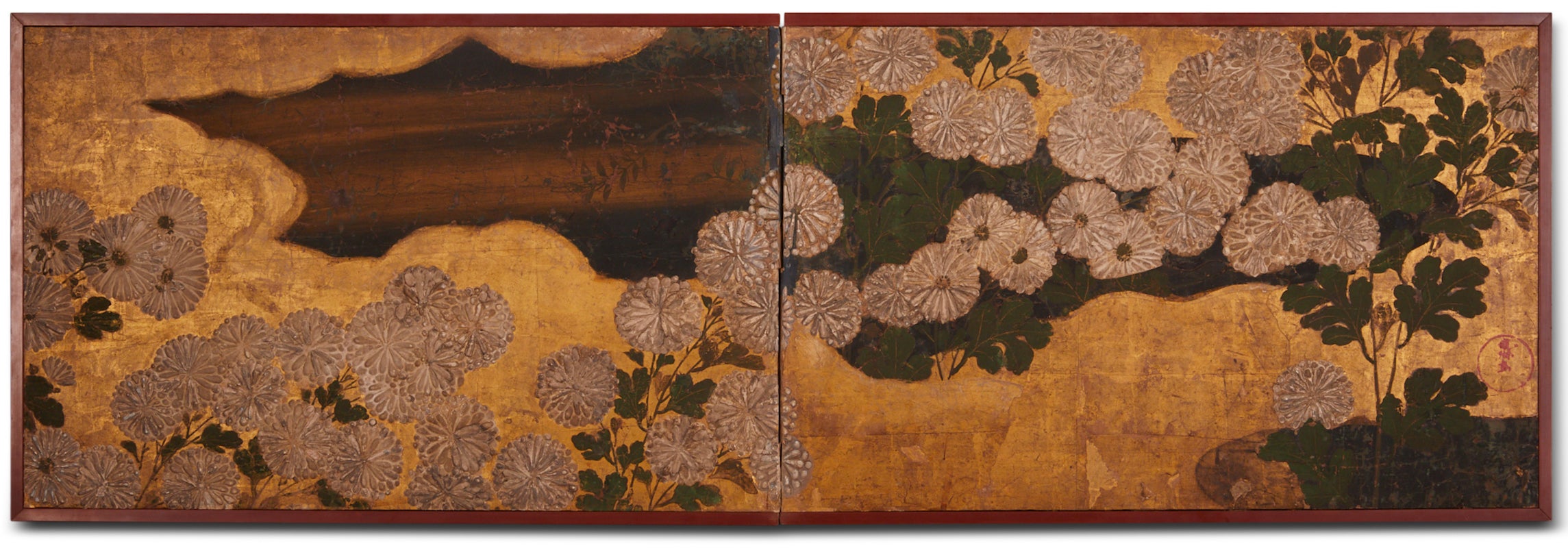
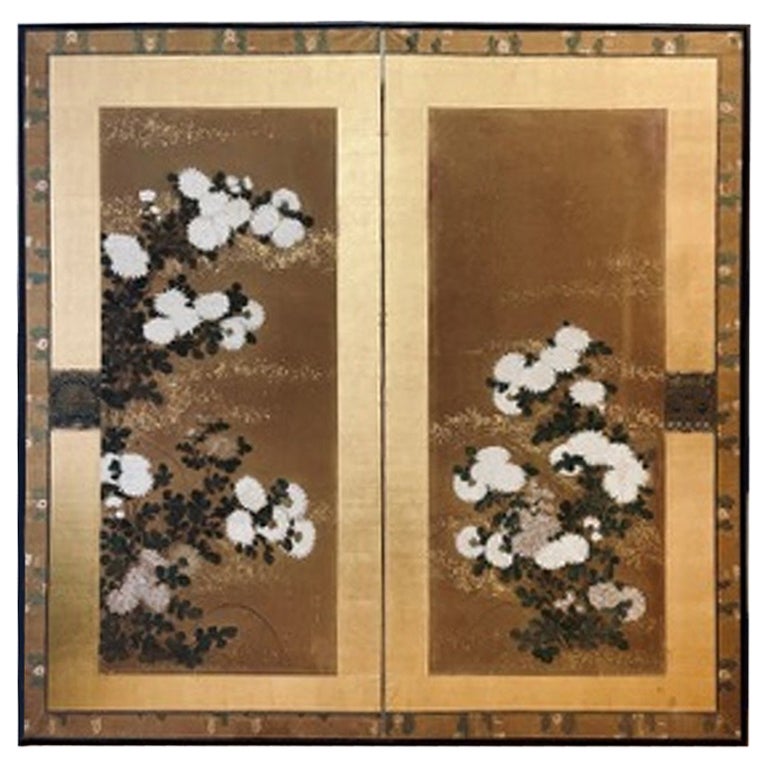
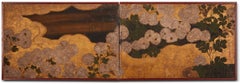
Japanese Two Panel Screen, Chrysanthemums
Located in Hudson, NY
Beautiful white chrysanthemums are emphasized by heavy gold on a soft floral landscape, while gold clouds create a striking and dream-like floral scene. Gold leaf and gofun with min...
Category
Antique Early 18th Century Japanese Paintings and Screens
Materials
Gold, Gold Leaf
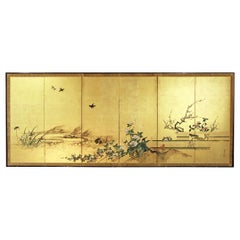
Japanese Folding Screen Landscape paint on Gold Leaf Six Panels
By Japanese Studio
Located in Brescia, IT
Folding screen depicting a landscape by a painter of the Rinpa school, early 19th century.
Six panels painted in ink on gold leaf and "gofun" on vegetable paper.
Rinpa is one of the ...
Category
Antique Early 19th Century Japanese Edo Paintings and Screens
Materials
Gold Leaf
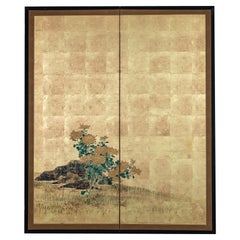
Japanese Two Panel Screen: Simple Chrysanthemums on Gold
Located in Hudson, NY
Mineral pigments on gold leaf. Not signed, by: Baikei Hitsu.
Category
Antique 1880s Japanese Paintings and Screens
Materials
Gold Leaf
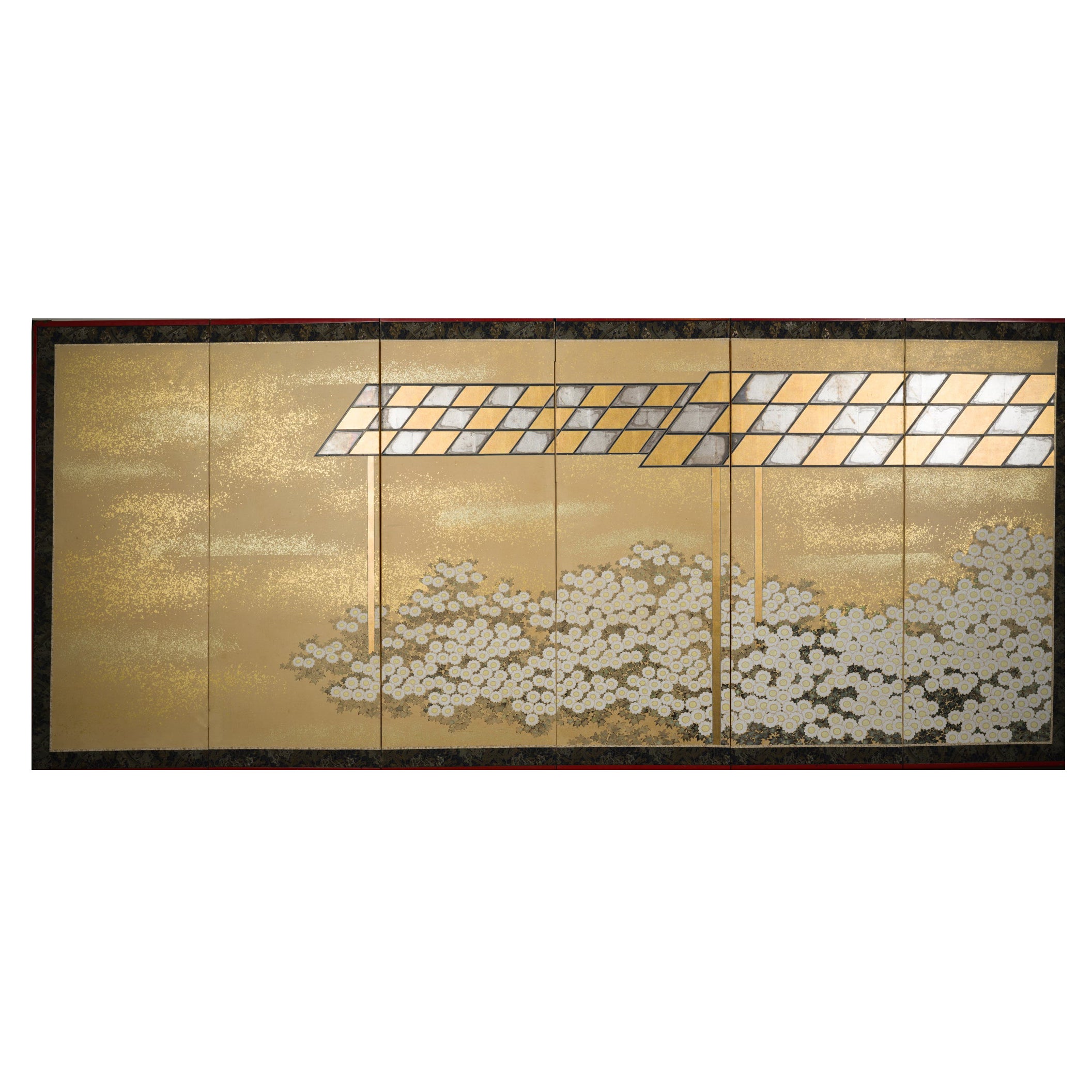
Japanese Six Panel Screen: Chrysanthemum Pavilion
Located in Hudson, NY
with applied gold and silver roof, light color and pigment on paper with gold flake and red frame.
Category
Early 20th Century Japanese Paintings and Screens
Materials
Paper
Recently Viewed
View AllMore Ways To Browse
Japanese 4 Panel Screen
Six Panel Byobu
Tale Of Genji
Antique Asian 4 Panel Screen
Asian Hand Painted 4 Panel Screen
Japanese Style Bed
Gold 6 Panel Screen
4 Panel Silk Screen
Genji Painting
Butterfly Room Divider
Antique 2 Panel Japanese Screens
Japanese 6 Panel Screen
Silver Leaf Folding Screen
Single Panel Japanese Screen
Asian 4 Panel Room Divider
4 Panel Japanese Antique Screen
4 Panel Japanese Wall Art
Asian Gold Leaf Divider