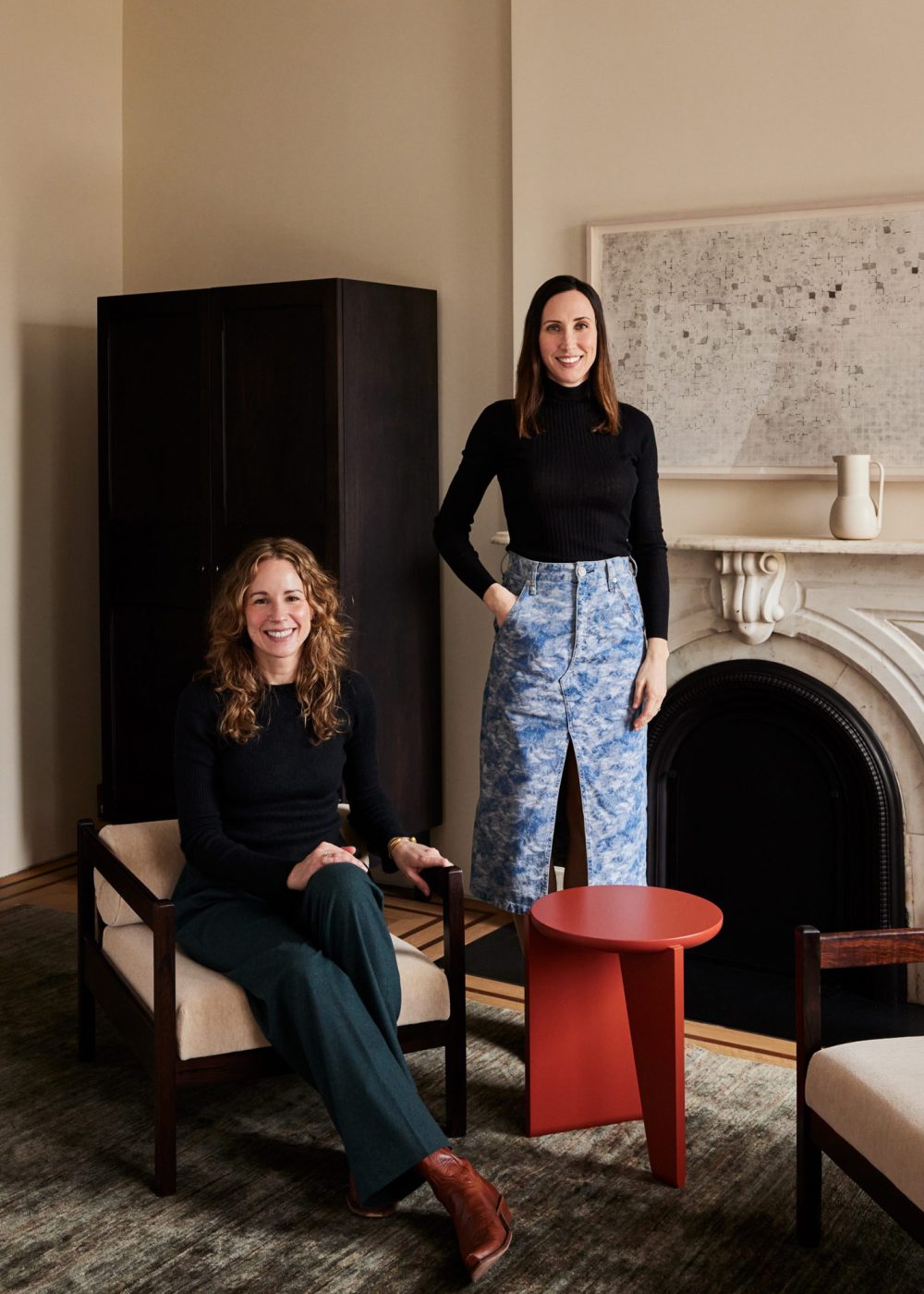
March 22, 2026Wood, in all its forms and finishes, is a throughline in the work of interior designers Amanda Jesse and Whitney Parris-Lamb. “Oak, pine, teak, walnut, cerused, blackened — we love to mix woods and finishes,” says Parris-Lamb. Whether they’re standout pieces by independent craftspeople, vintage finds imbued with patina or contemporary production, wood furniture and custom millwork are key elements in the warm, welcoming dwellings the partners have conjured since launching their Brooklyn-based studio, Jesse Parris-Lamb (JPL), in 2014.
One recent project does a particularly good job of showing off how JPL’s smart use of wood can temper a historic house’s intrinsic grandeur. The late-19th-century brownstone on a coveted corner in Prospect Heights, Brooklyn, was blessed with impressive architectural details, including a three-story window bay, but it needed a top-to-bottom makeover to suit the style and needs of the modern family that now owns it.
The JPL team worked closely with Brooklyn design-build firm MADE on finishes, materials and details as they restored the building’s original, timeworn woodwork. They also carved out a central kitchen on the parlor floor, shifted the primary suite to the top floor, created three and a half new baths and removed a back wall on the two lower levels to insert large expanses of glass.
Wood furniture in every room, both vintage and new, much of it by regional craftspeople, takes the formality of the architecture down a notch. “Even when we work with contemporary production, there’s often an element of handcraft,” Parris-Lamb says. “One of the joys of this job is getting to work with small makers.” No fewer than 10 artisanal pieces, specially commissioned from woodworkers along the Eastern Seaboard, are found throughout the house.
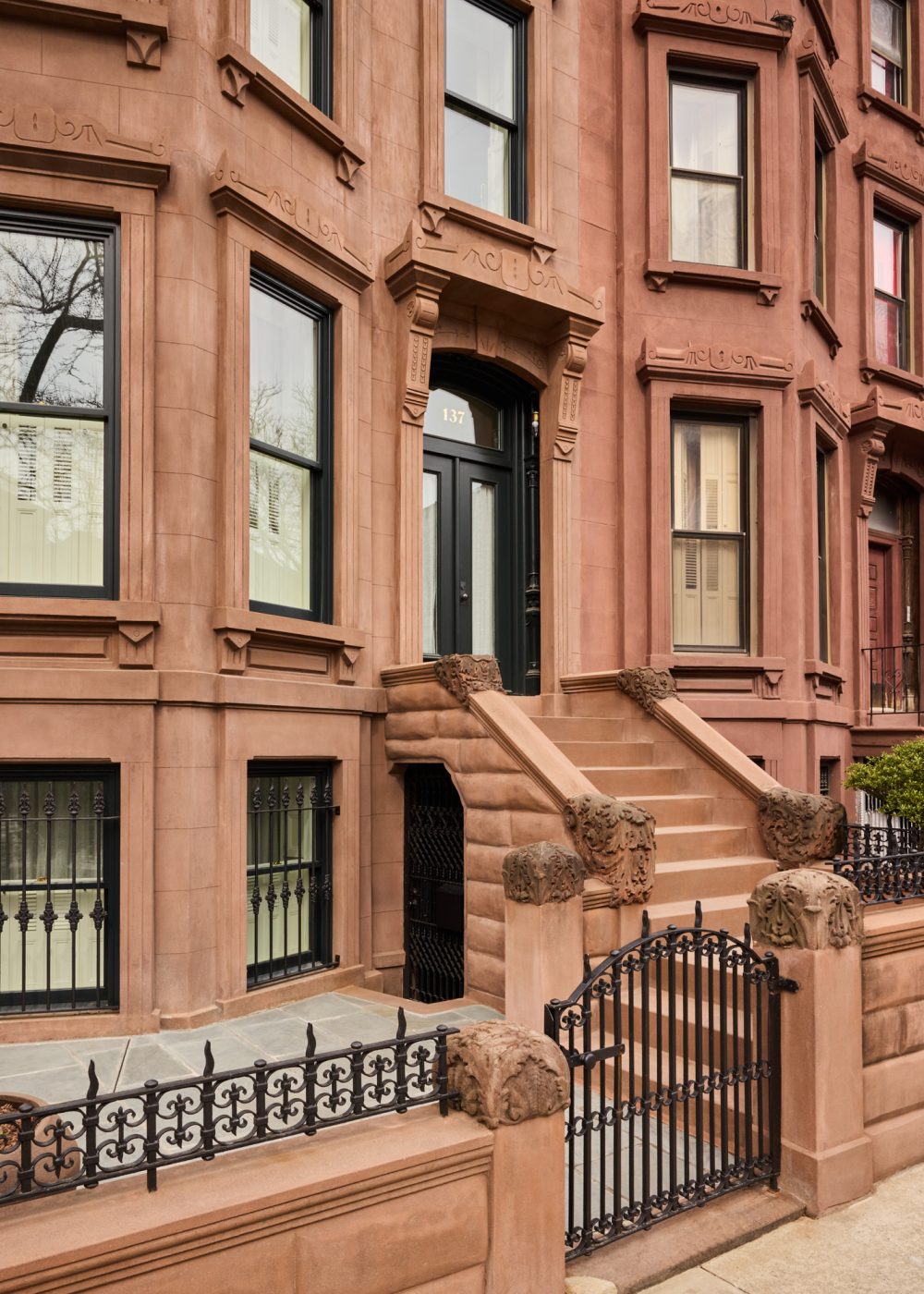
Other natural materials, including handwoven textiles and ceramics, and soft vintage lighting, enhance the decor’s down-to-earth character, as does JPL’s signature use of color.
“We always do the tertiary color, deep and a little muddy,” says Jesse, who trained with the illustrious Manhattan designer Shamir Shah and considers him a mentor. “He’d say, ‘That color is too on the nose. I like a color that’s grayish greenish bluish purplish.’ Muddy colors are timeless and livable.”
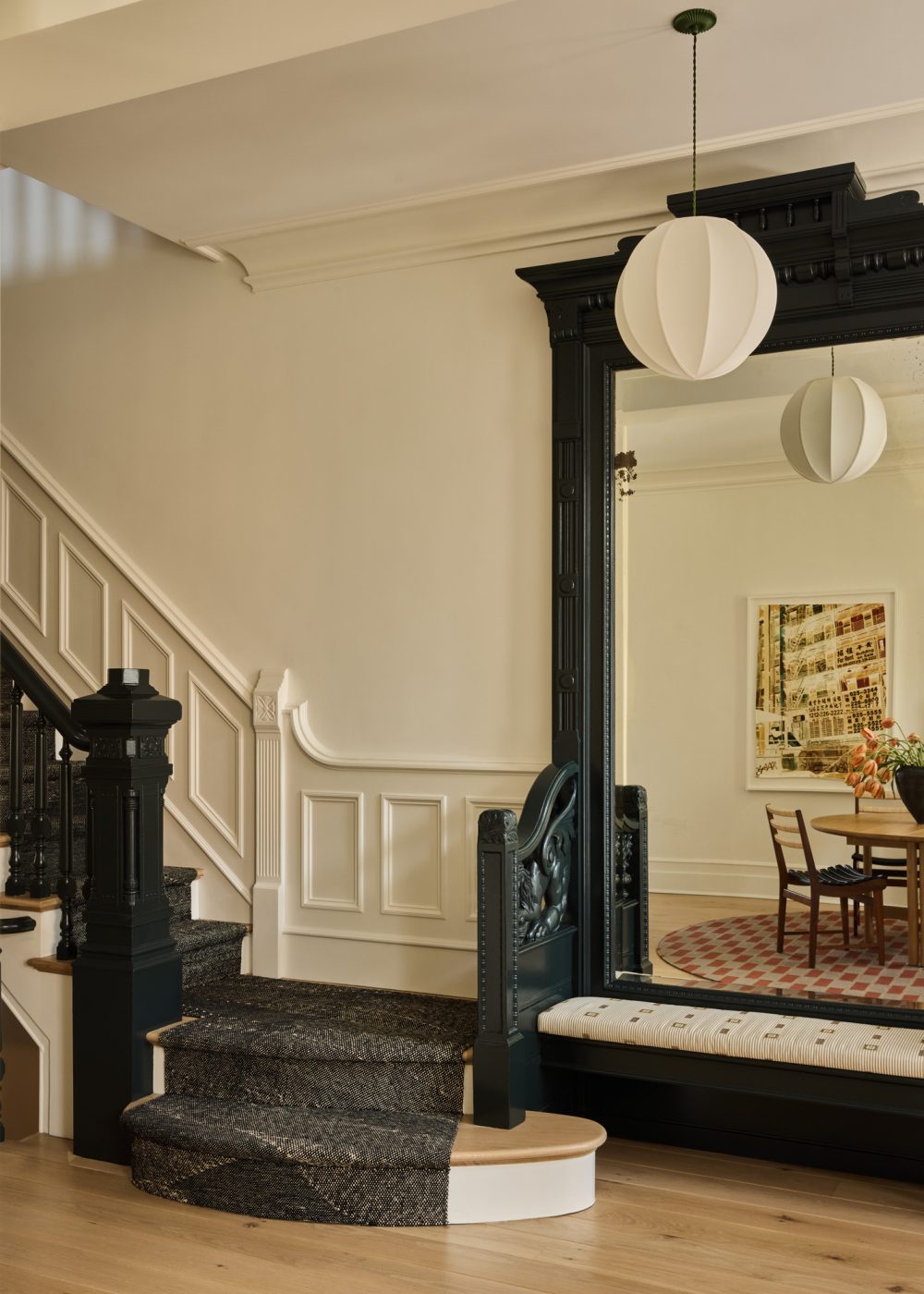
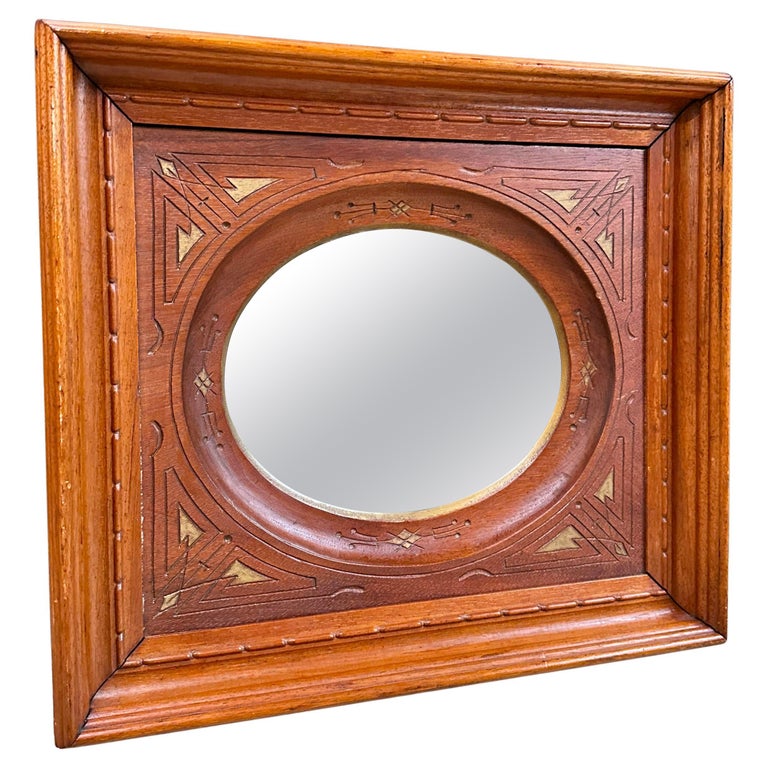
The designers made the stately home feel more approachable right from the entry hall, where they had the monumental original woodwork — a carved mirror and over-the-top stair rail featuring a mythical creature — painted a dark green-black so that it would recede rather than attract attention.
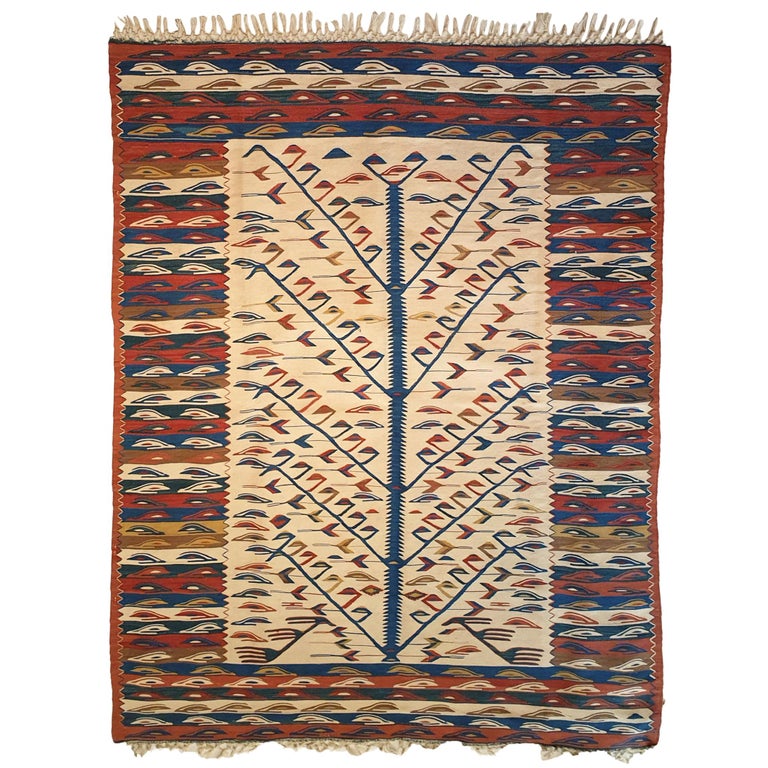
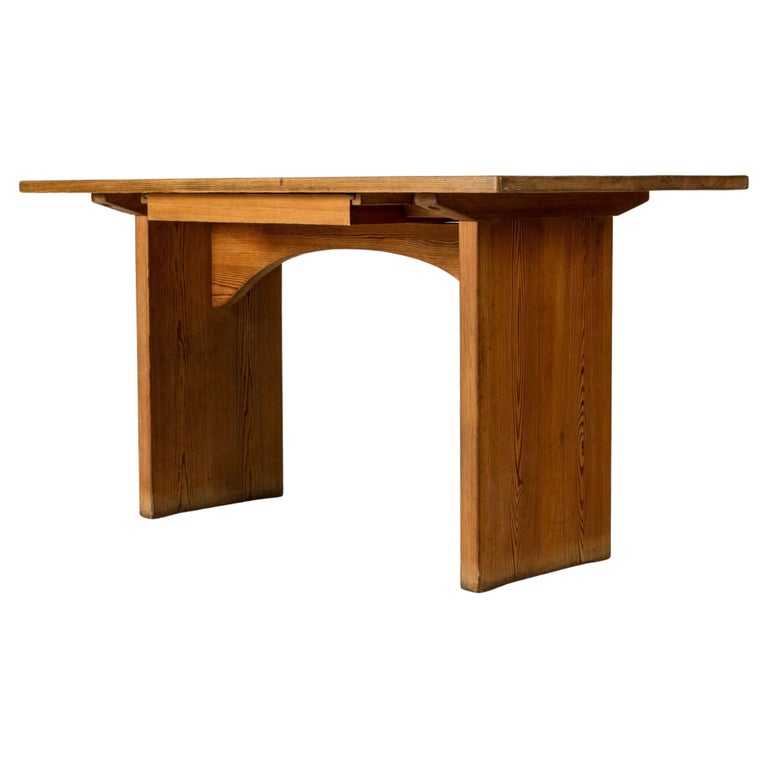
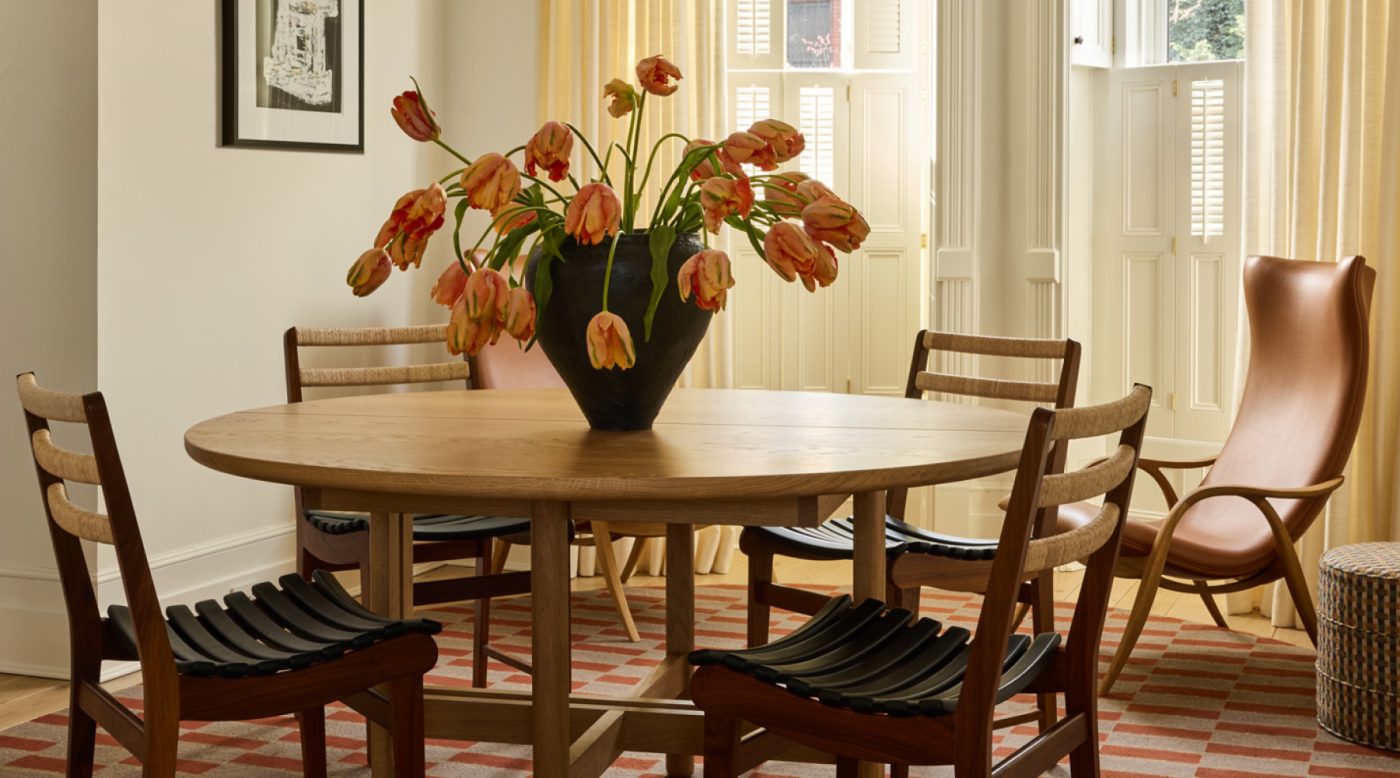
Up front, in the parlor-level dining room, a deceptively small lacquered-oak table, a contemporary Danish piece, can be expanded to reveal its sumptuous graining — and seat 14 for dinner parties. The designers paired this with mid-century dining chairs by Michael van Beuren, laying a red-checked wool rug underneath to enliven the otherwise neutral space. “We could go to town with color and pattern, but you have to be intentional in deploying them,” Parris-Lamb says. Notes Jesse, “You’ll find pattern on the floor in almost every room.”
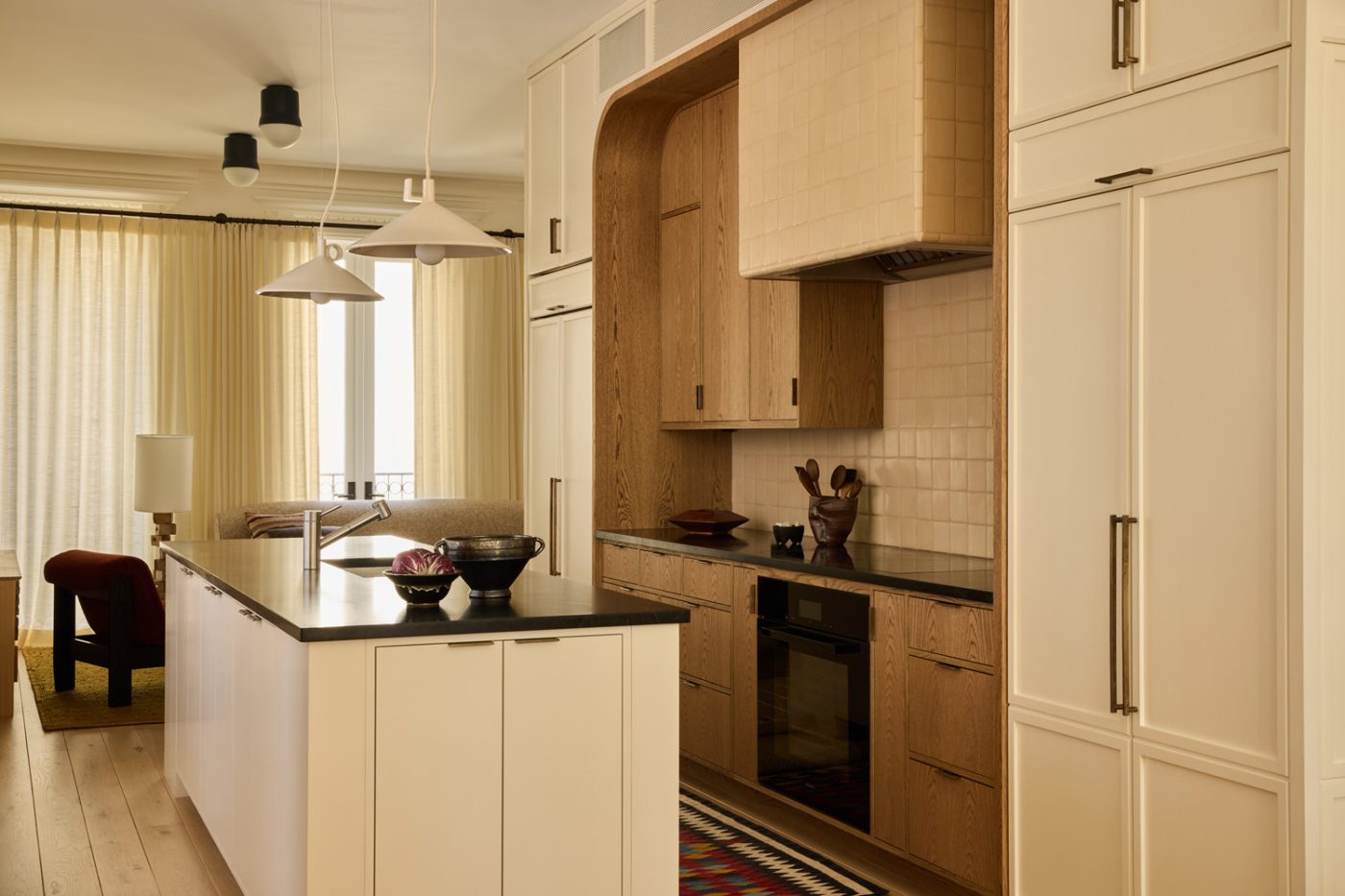
Ceramics play an important role in the adjacent kitchen, where organically shaped handmade Embleme light fixtures by Léa Ginac, complement the terracotta tile backsplash and stove hood, oak cabinetry and soapstone countertops.
Deeming the window bay ideal for a breakfast nook, Jesse and Parris-Lamb designed a dining table for it, commissioning California ceramist Brent Bennett to craft its tile base, which is visible while walking between the dining room at the front of the townhouse and living room at the rear.
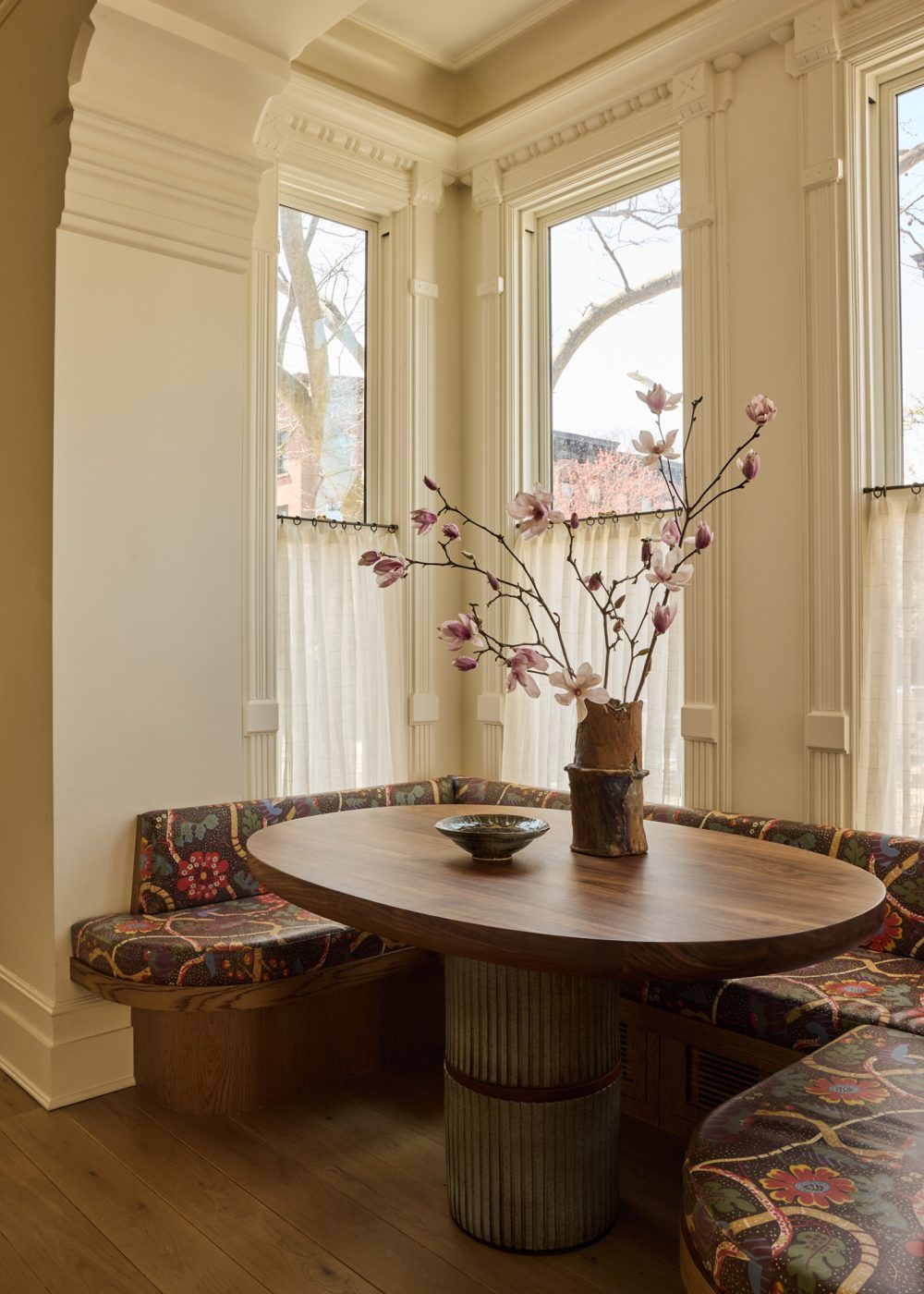
“You don’t usually see the base of a table, but we needed to leave circulation space in front of it and wanted to do something special there,” Jesse says. Josef Frank’s much-loved Mirakel textile from Svenskt Tenn covers the banquette cushion.
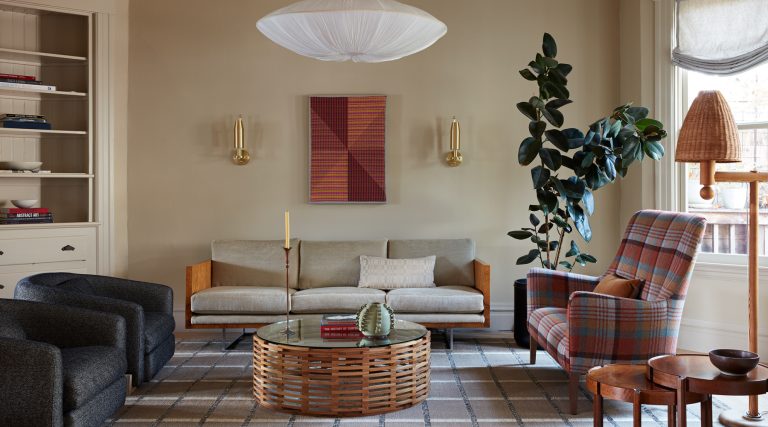
The two design partners are nothing if not meticulous. “This is a really beautiful brownstone, but it’s only eighteen feet wide, and the kitchen kept getting longer” as more storage was added in the planning phase, Parris-Lamb recalls. Eventually, only 11 feet of depth remained for the living room at the back end of the parlor floor, and the clients did not want to compromise on comfortable seating. The solution: a customized George Smith sofa “with the depth adjusted by one inch,” Jesse says, which they covered with a neutral tweed from La Maison Pierre Frey.
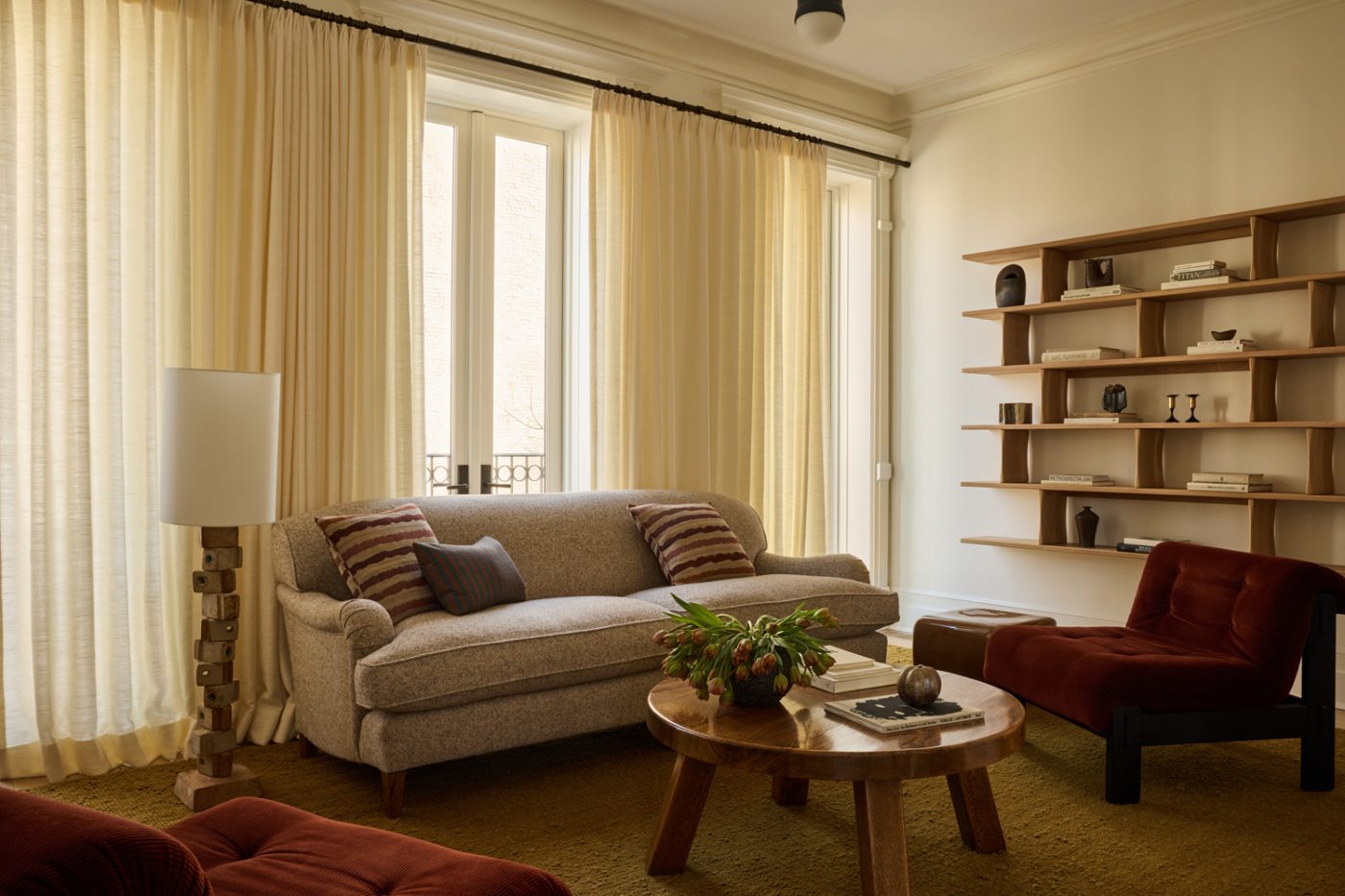
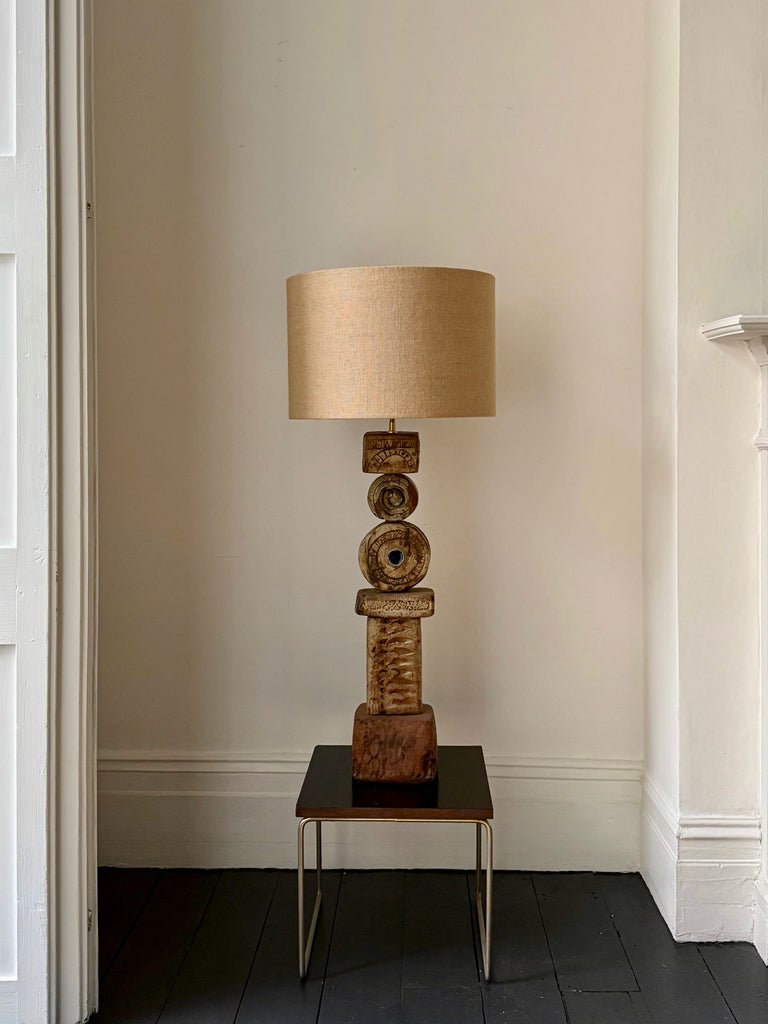
1stDibs was the source of most of the other living room furnishings, including a vintage oak French coffee table, a 1960s floor lamp by British ceramist Bernard Rooke and a pair of 1970s lounge chairs, reupholstered in a deep rust corduroy. A geometric wall-hung bookcase — made of white oak by Richard Watson, a Brookline, Massachusetts–based female woodworking duo and 1stDibs seller — provides a striking focal point.
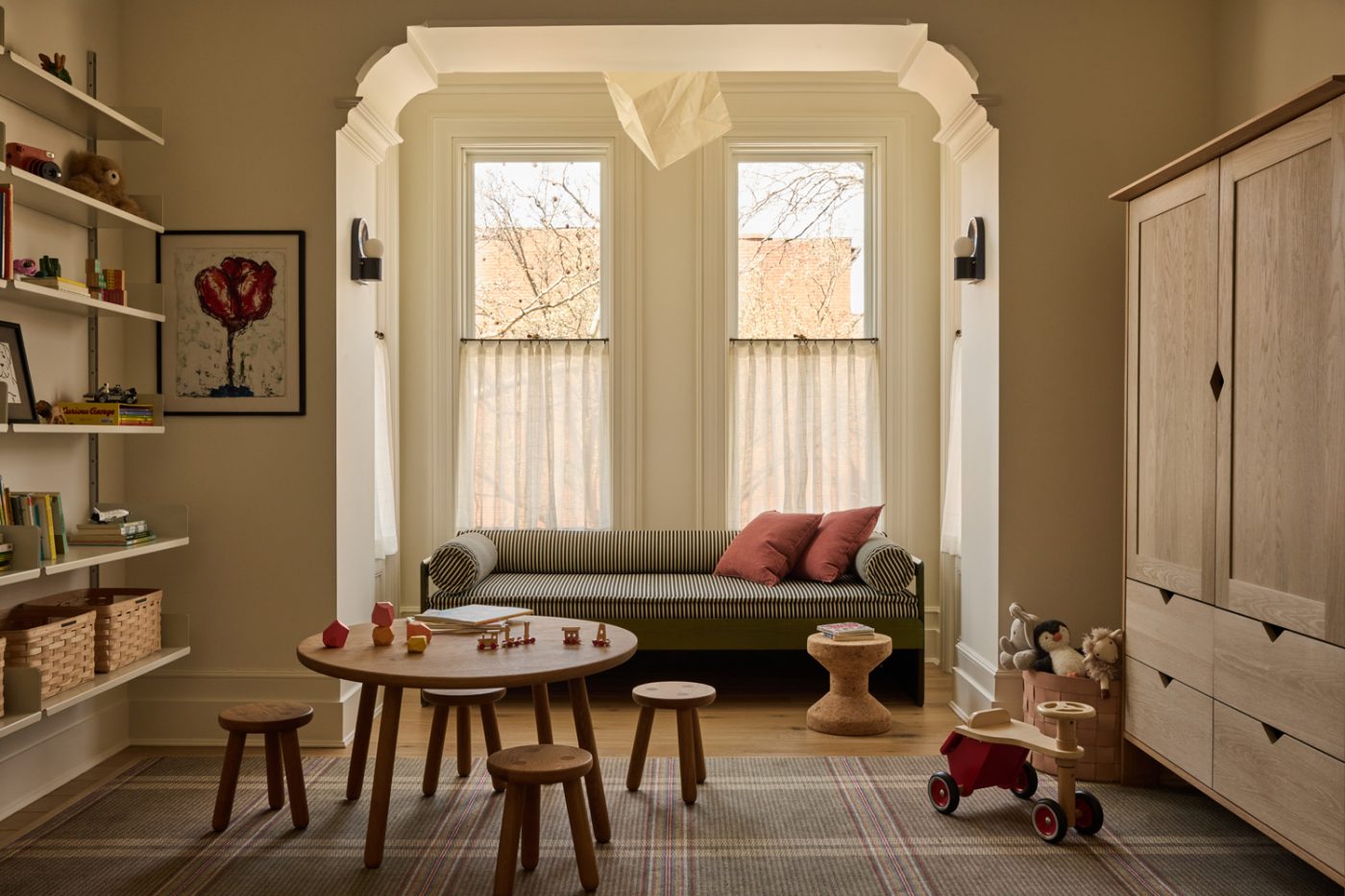
The children’s bedrooms, on the second floor, flank an open play space dominated by another impressive window bay, framed by an original plaster sculpted arch too beautiful to amend. “The sunny bay window bump outs are the nicest spaces in the house on every level,” Parris-Lamb says.
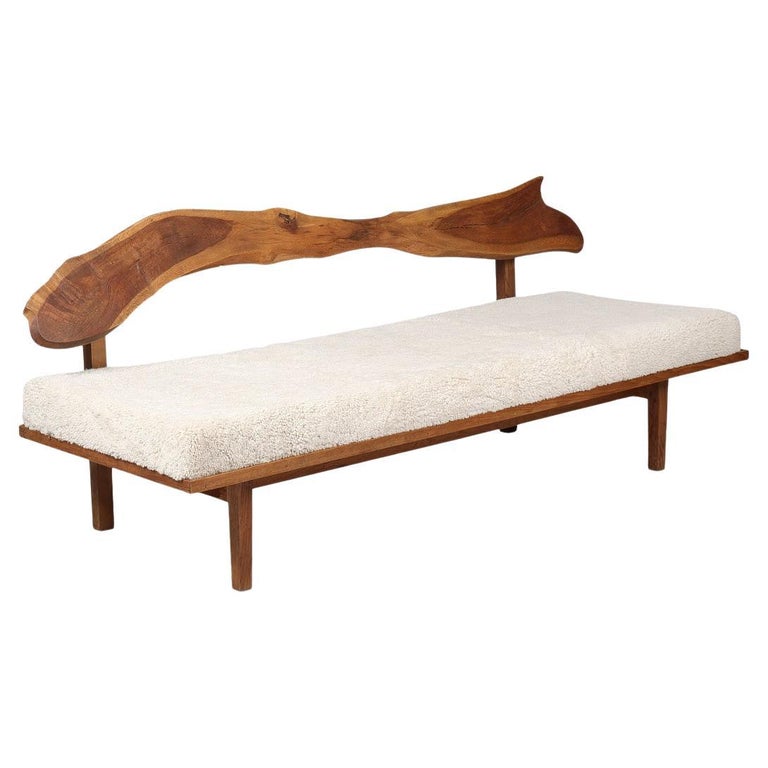
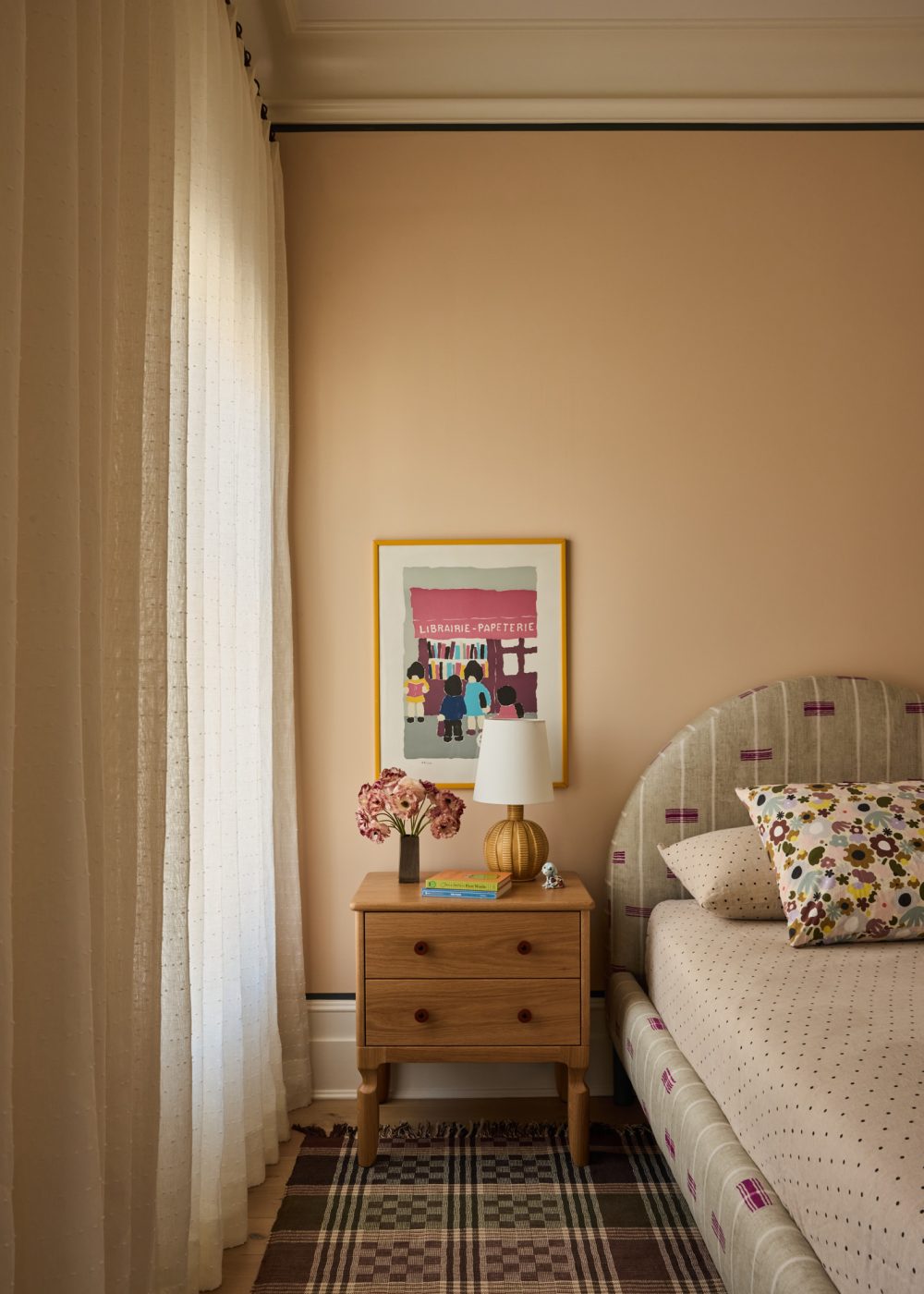
The playroom is kitted out with a 1960s daybed, discovered on 1stDibs and upholstered in a trim stripe, and another key wood piece: a custom oak armoire made by an Upstate New York workshop.
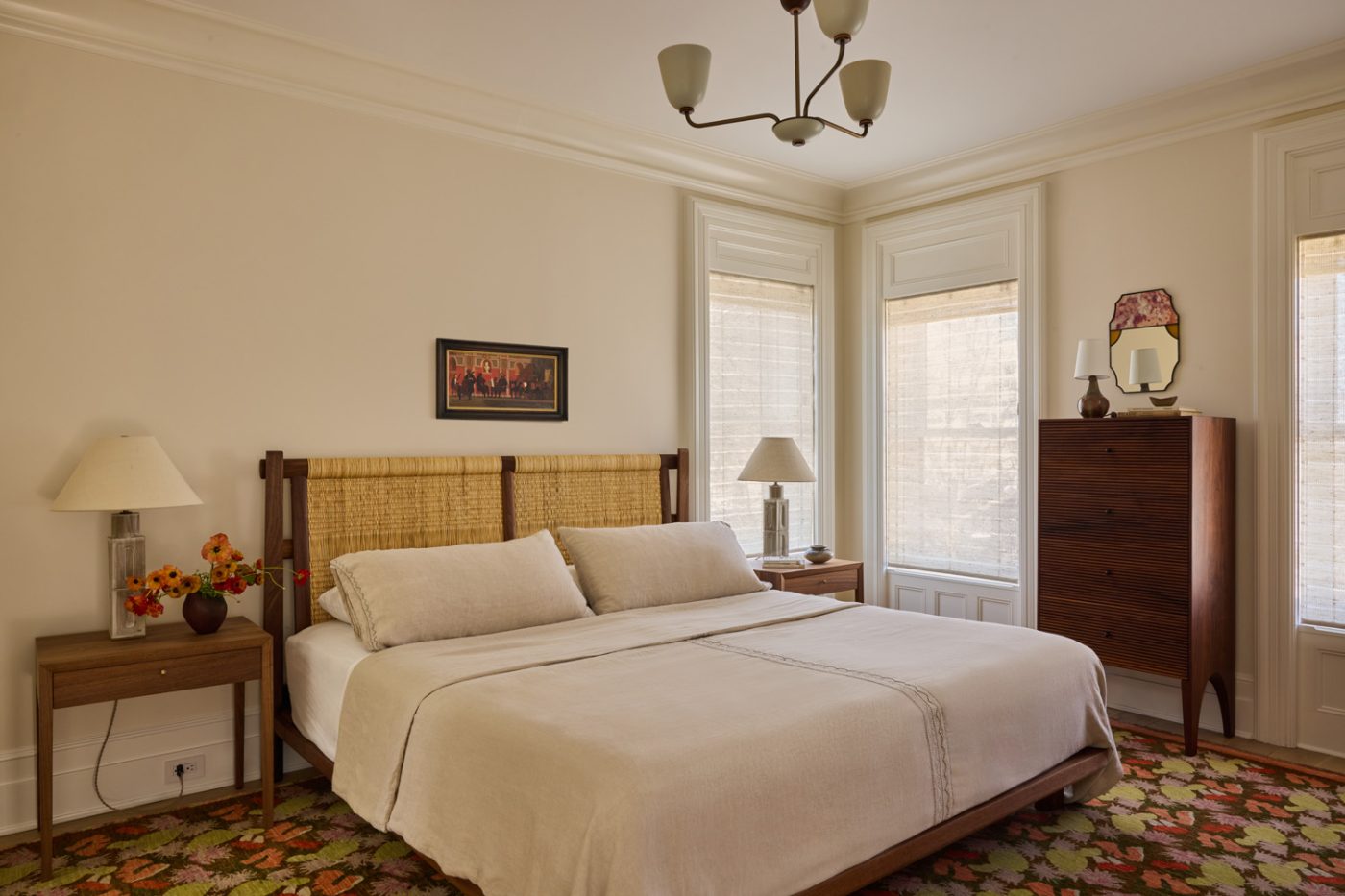
A tall walnut dresser with reeded detail, commissioned from an independent maker in Richmond, Virginia, lends the top floor’s primary bedroom an air of virtuosic craftsmanship, along with a woven bedstead from De La Espada and a pair of walnut nightstands from Richard Watson. The designers ensured the primary bath would feel special with a custom mosaic floor of JPL’s own design, based on a vintage French pattern.
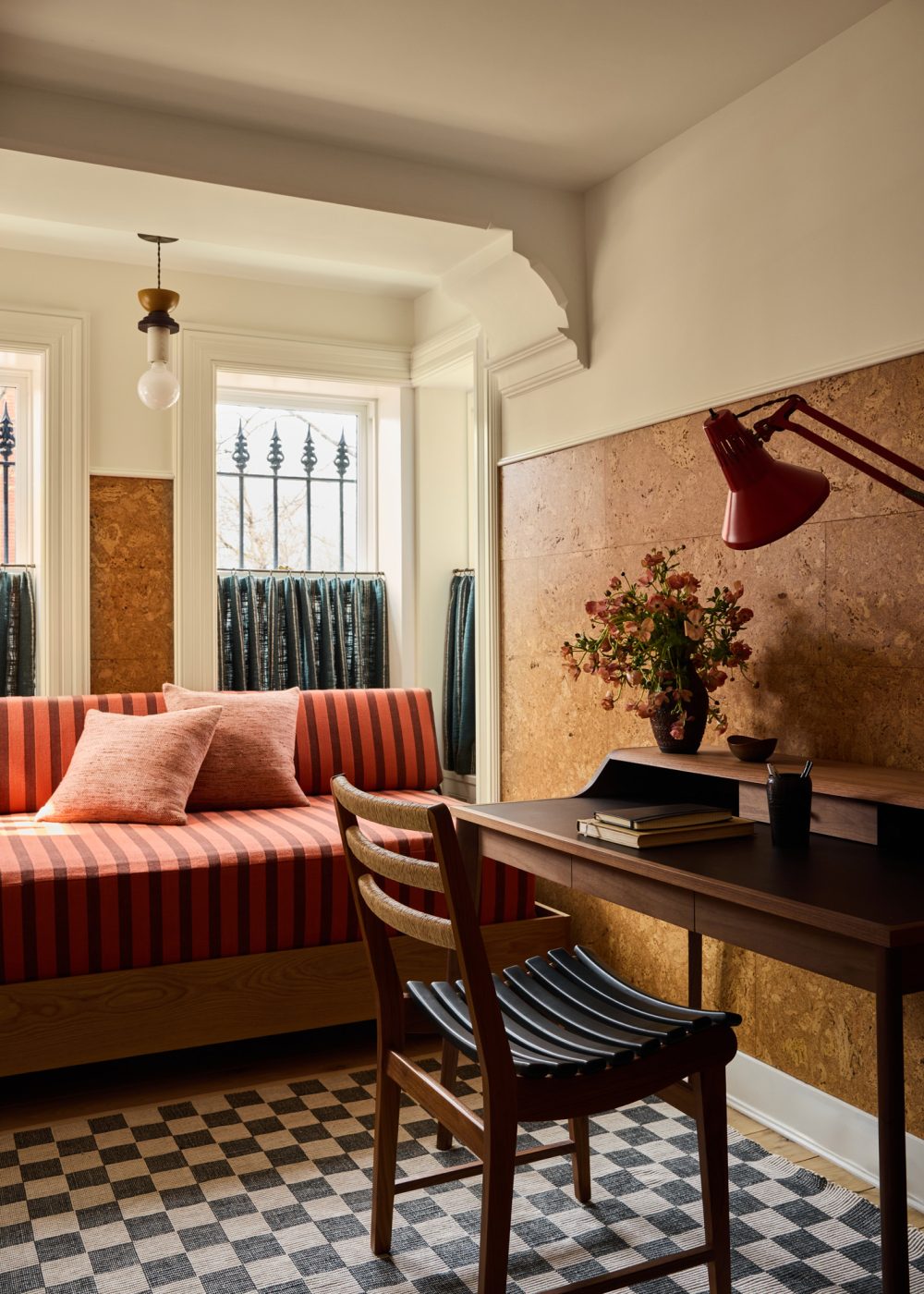
The lower level of the townhouse is suffused with mellow colors, deeper and moodier than those used on the brighter floors above. The home office sports cork paneling, which forms a background for a slender black-walnut desk as well as a custom oak daybed done up in a lively orange stripe from the Dallas-based fabric company Kufri, for which JPL is designing a line set to launch next fall.
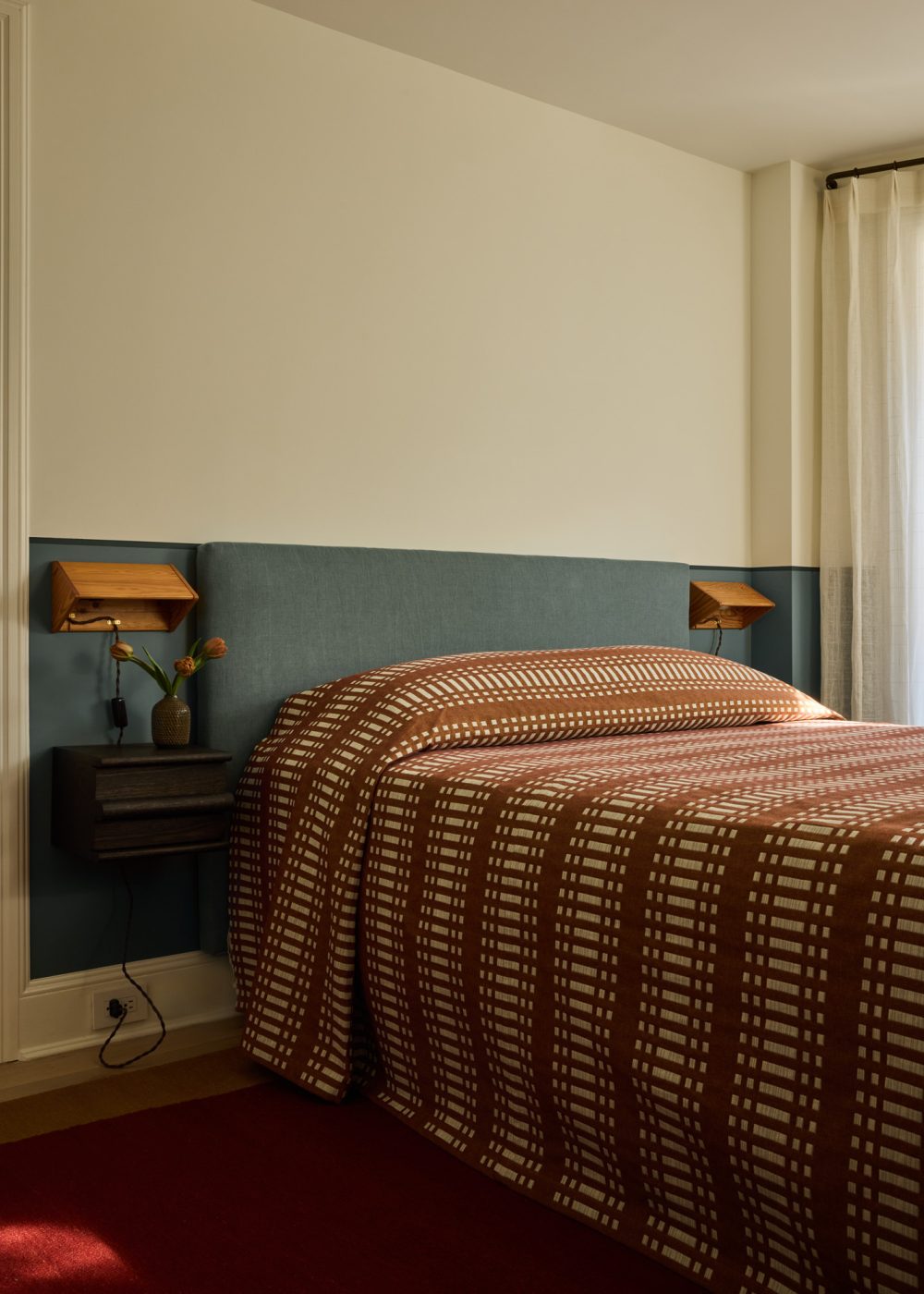
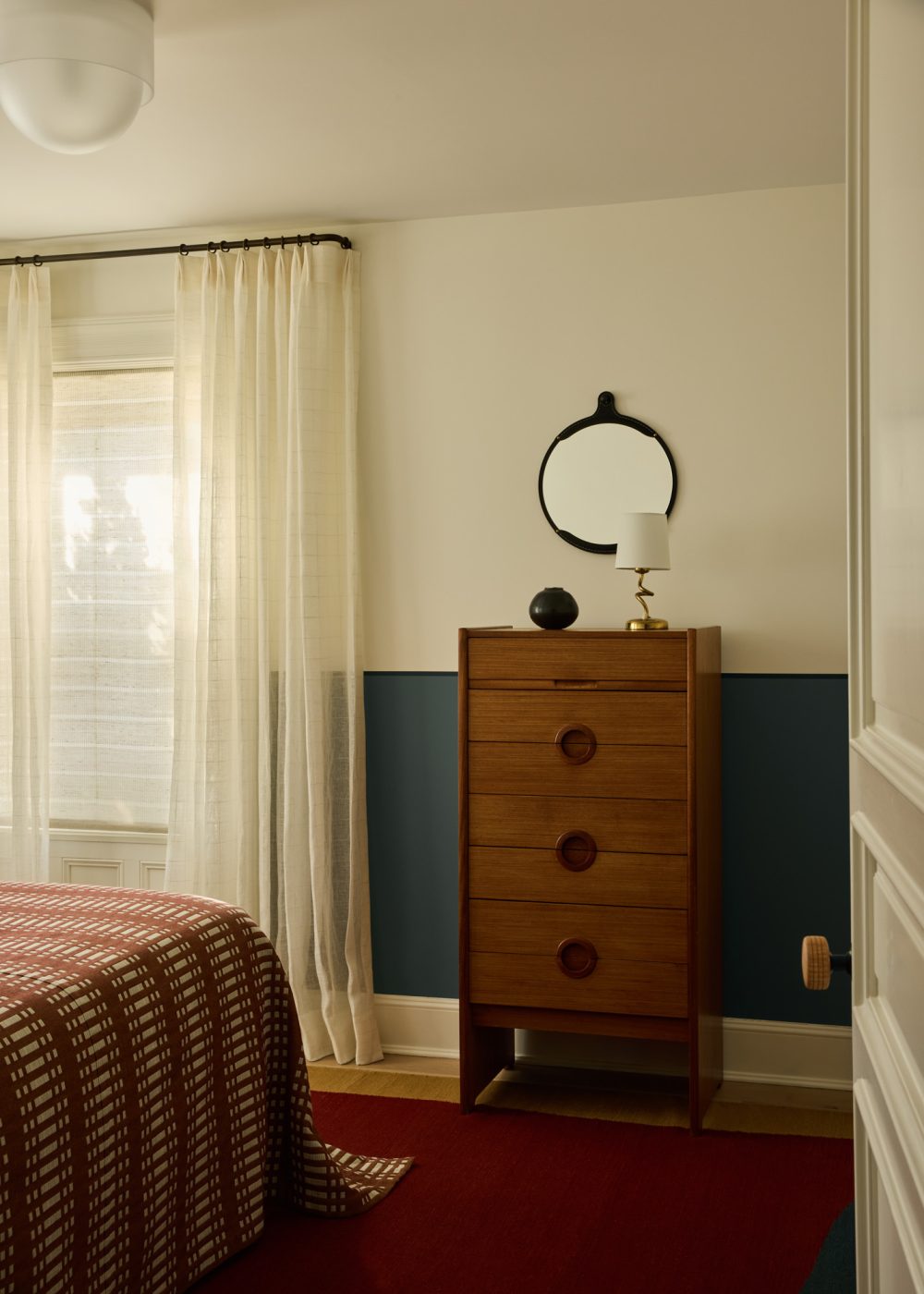
Deep-blue-painted wainscoting defines the guest room next door, which is appointed with 1970s pine Swedish sconces, a 1950s Austrian table lamp and a tall teak Danish modern dresser, 1stDibs finds all.
Overlooking the back garden, the cozy family room plays up impactful color, from the terracotta-painted walls and multihued jacquard rug to the sunset-gold lounge chair from 1stDibs dealer Morentz and JPL-designed tiled fireplace the color of Dijon mustard. The designers special ordered tufted cushions for the Roche Bobois Mah Jong sectional in an assortment of custom shades.
JPL’s emphasis on natural materials and handcraftsmanship in commissions like this is of a piece with its happily old-school office culture. You won’t find its staff of eight producing sterile computer drawings. “We reject the latest fancy drawing software,” Jesse says. “In our view, digital renderings aren’t necessary. With good plans, elevations and physical materials, we can communicate our ideas to clients.”
If JPL’s projects feel seamless and holistic, it’s because Jesse and Parris-Lamb have been best friends since meeting two decades ago while studying interior design at Brooklyn’s Pratt Institute. “We’re side by side four hours out of every eight,” says Jesse. “We see each other more than we see our husbands and children.”
Each contributes unique talents to the partnership. Parris-Lamb, who grew up in western North Carolina, brings a love of wood and technical expertise gleaned from five years in the architecture department at Thomas O’Brien’s Aero Studios. Jesse’s first career was as a ballet dancer. “For me, silhouette and shape are important. I see furniture as about line and proportion.”
Both agree a designer needs to understand construction on a granular level. “That’s what I tell designers here when they start,” says Parris-Lamb. “You have to learn how things are built. A napkin sketch is not design. Design is in the details.”