Items Similar to Landscape Sketch
Want more images or videos?
Request additional images or videos from the seller
1 of 3
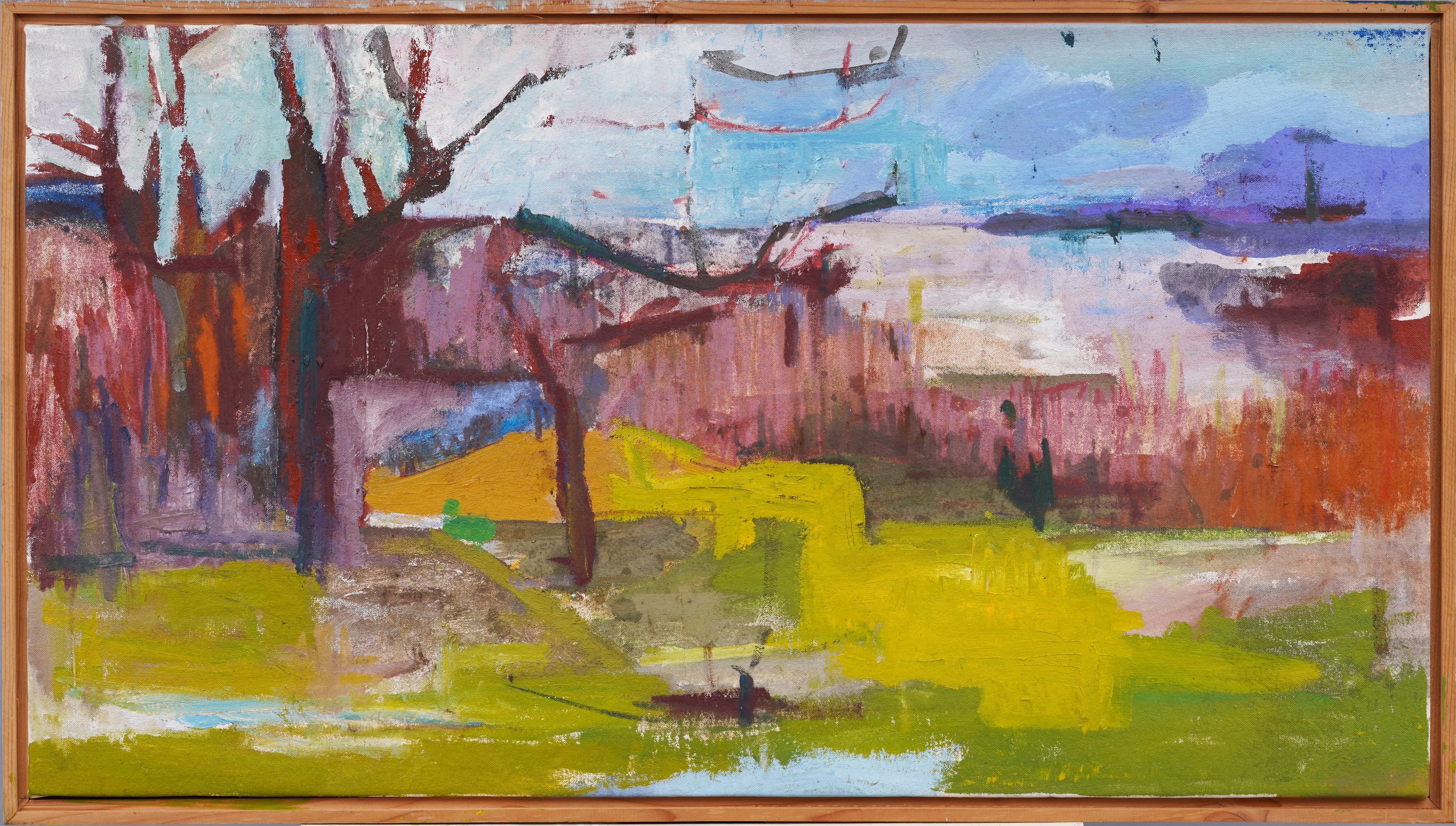
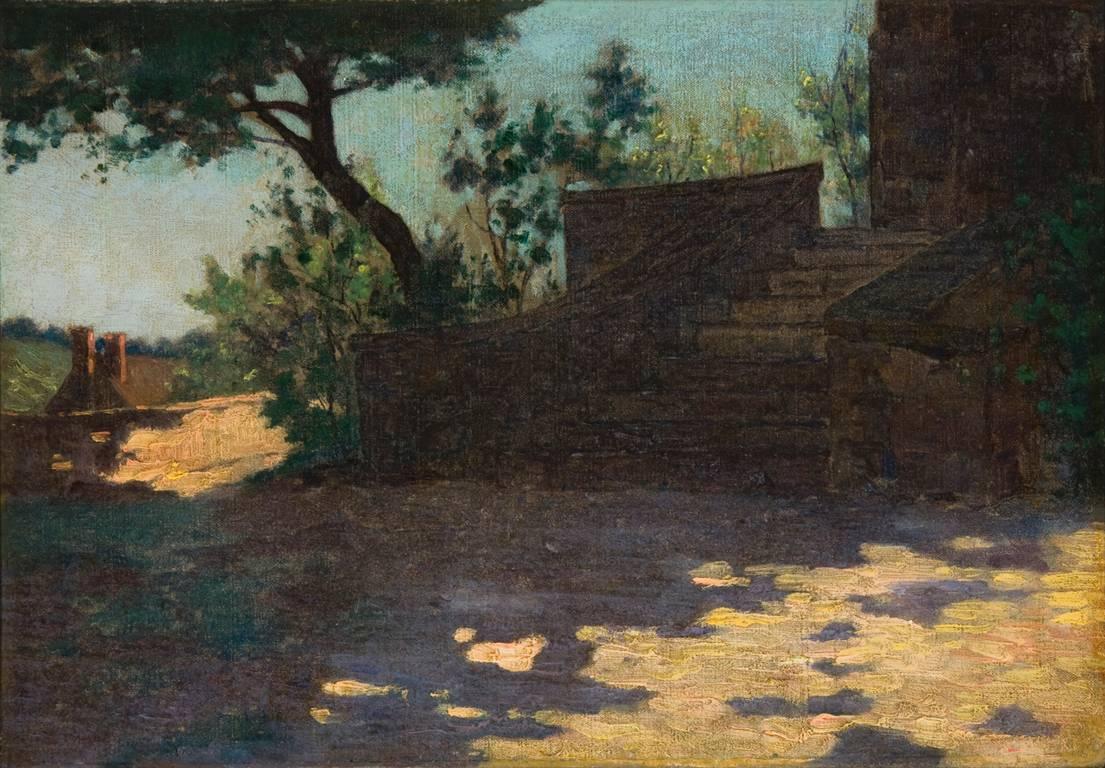
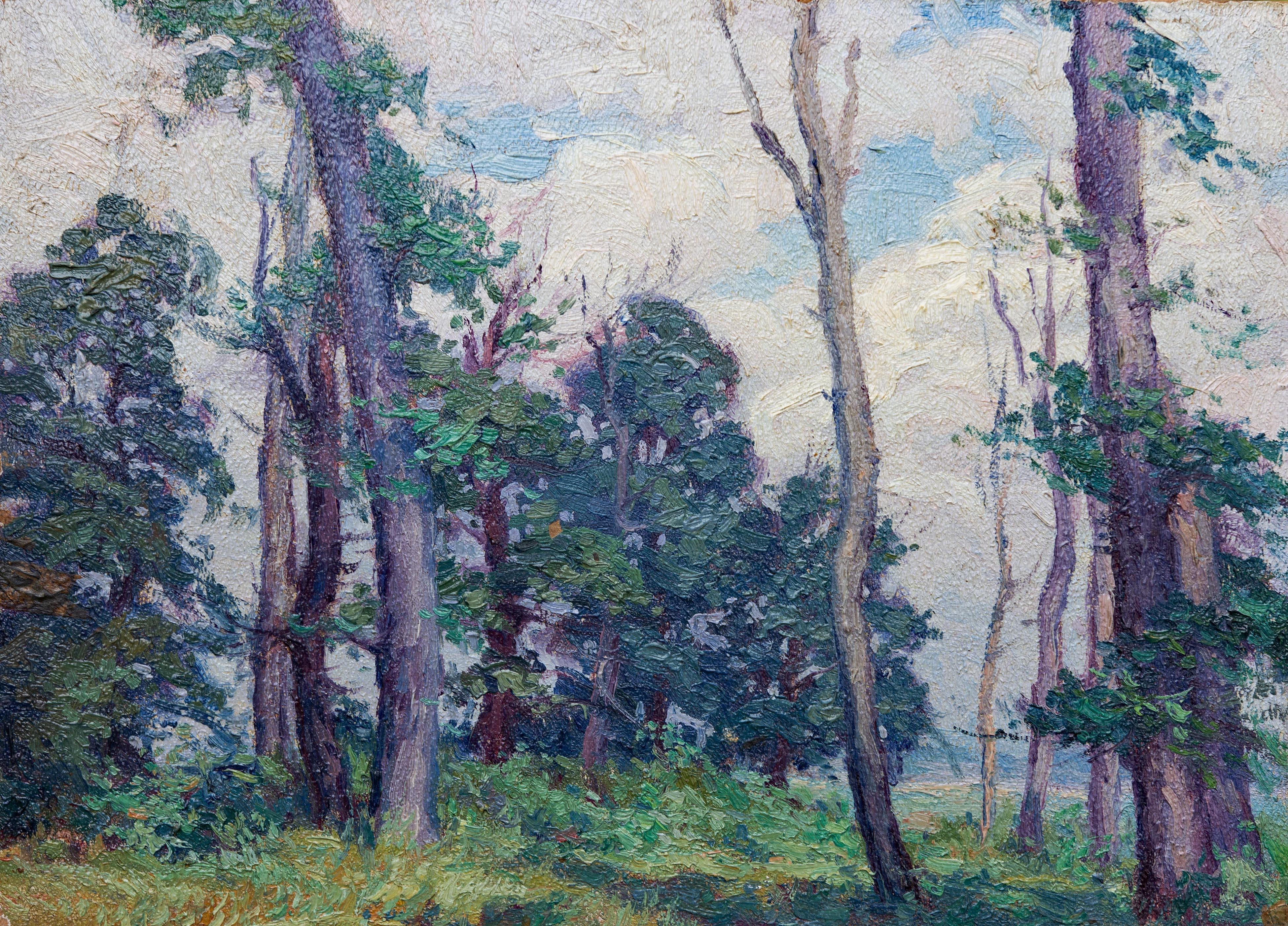
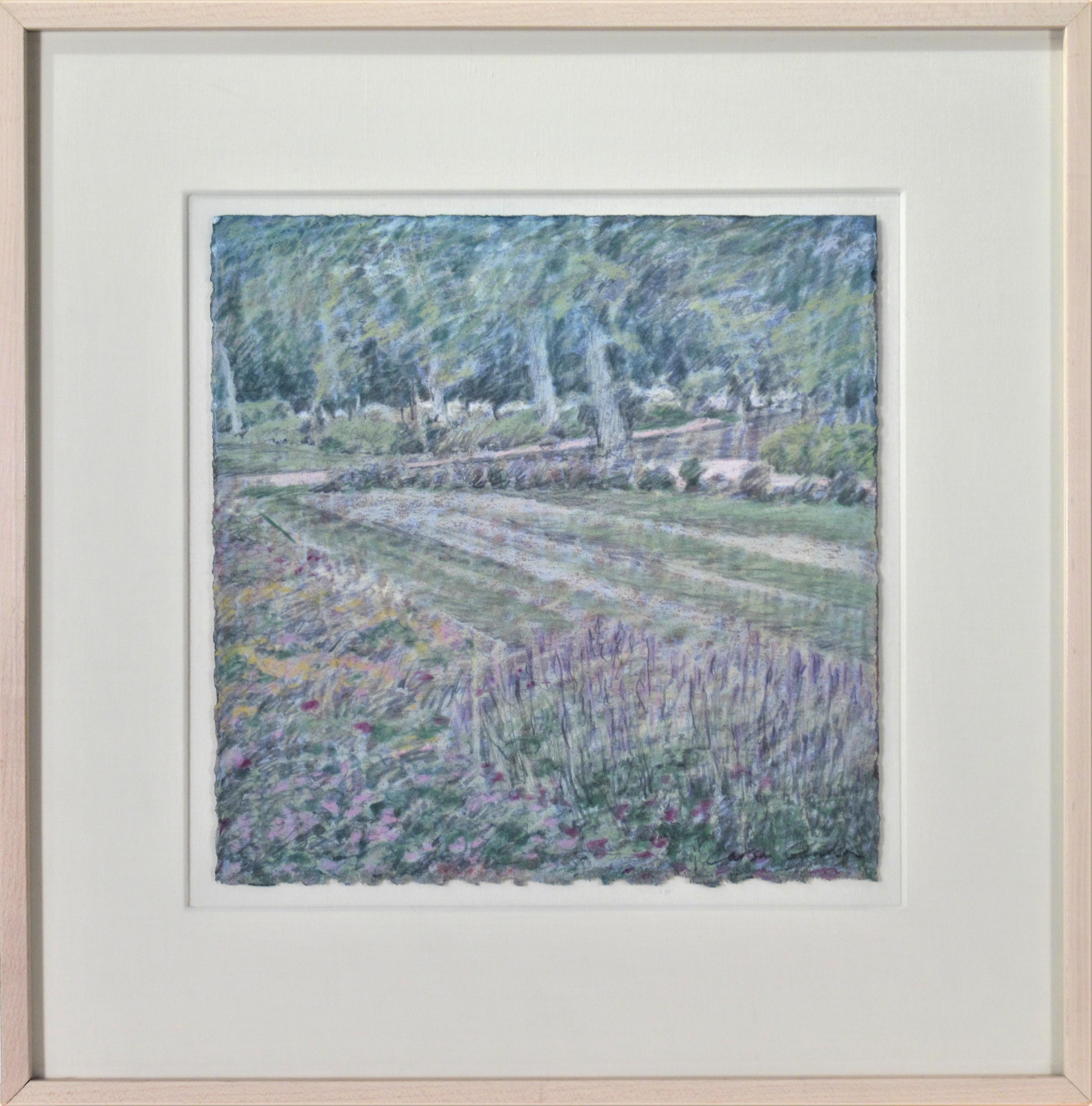
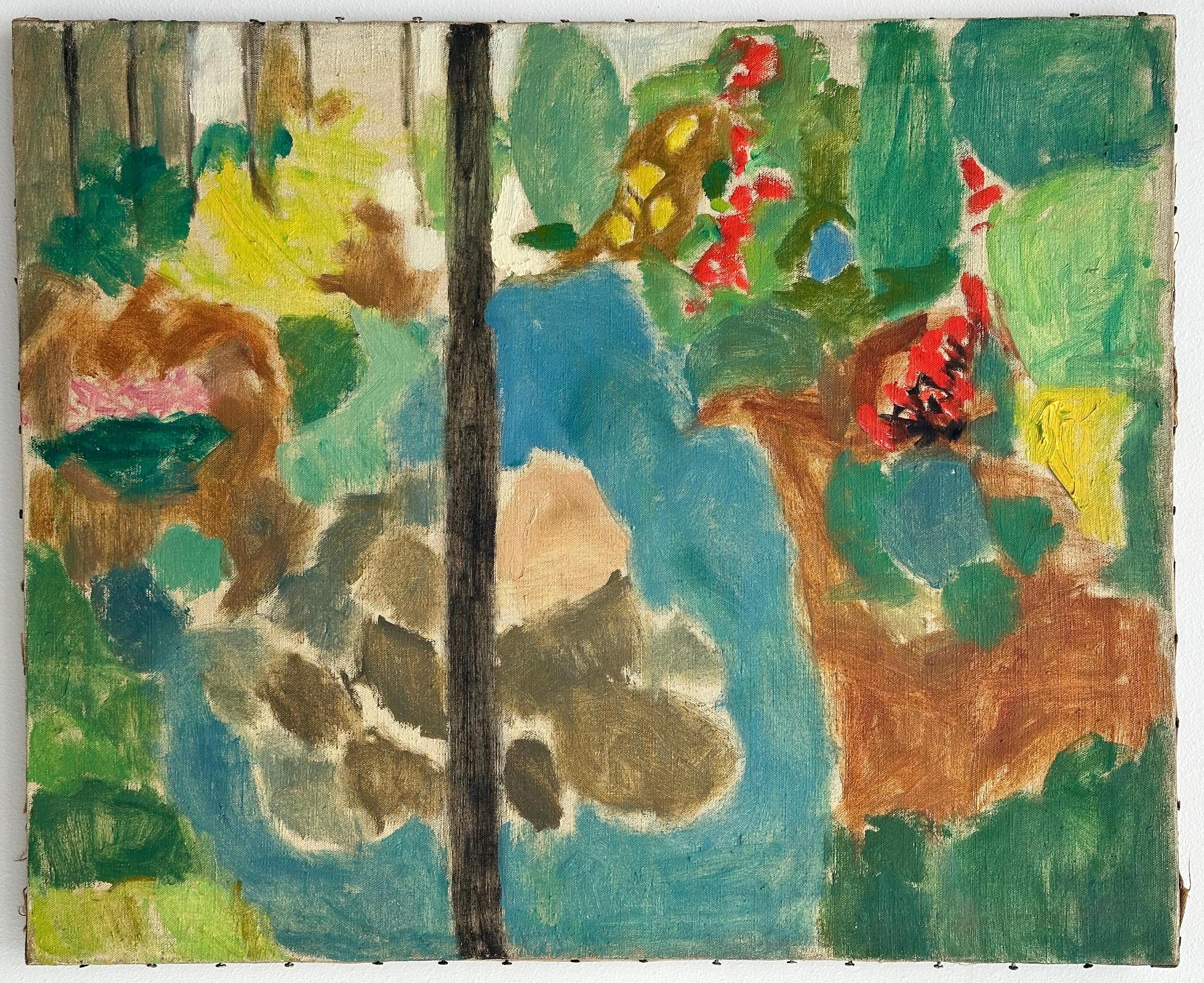
Hugh Henry BreckenridgeLandscape Sketch
$8,500
£6,455.96
€7,458.77
CA$11,913.06
A$13,332.95
CHF 6,958.78
MX$162,593.28
NOK 89,062.86
SEK 84,309.40
DKK 55,663.78
Shipping
Retrieving quote...The 1stDibs Promise:
Authenticity Guarantee,
Money-Back Guarantee,
24-Hour Cancellation
About the Item
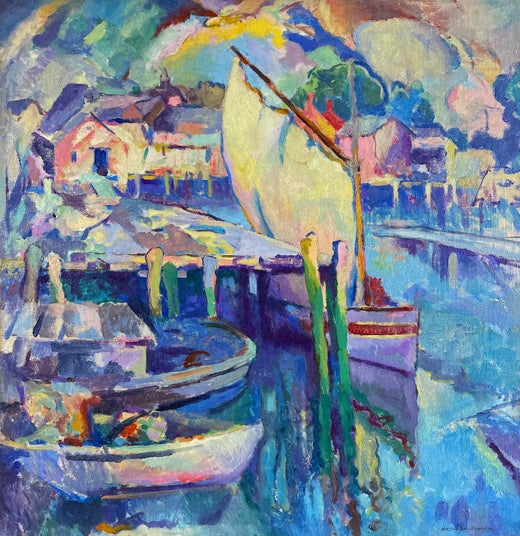
Hugh Breckenridge’s artistic training began at the Pennsylvania Academy of the Fine Arts in 1887. The academic precision and attention to detail that mark his portraits and still lifes reflect the Academy’s emphasis on drawing, close observation, and accuracy. Like his peers Robert Henri, Edward Redfield, and Walter Schofield, Breckenridge was affected by the legacy of Thomas Eakins and the artistic philosophy he espoused. However, the year he spent in Europe (1892), made possible by PAFA’s Cresson Travel Scholarship, deeply affected the direction Breckenridge's art would ultimately take. His interest in impressionist technique and great love of color first took shape during this initial visit abroad. A later trip in 1909 would further spark his attraction to the avant-garde and modernist painting.
Over the course of his career, Breckenridge developed two styles: realist portraits and still lifes, which helped him earn a living, and his personal work, which started as impressionist but eventually evolved into expressive abstractions, when his engagement with Modernism reached its peak. In both bodies of work, Breckenridge’s command of technique is apparent. Even his most abstract late paintings demonstrate a sophisticated understanding of the discrete elements that comprise a great composition.
- Creator:Hugh Henry Breckenridge (1870-1937, American)
- Dimensions:Height: 8 in (20.32 cm)Width: 5.19 in (13.19 cm)
- Medium:
- Movement & Style:
- Period:
- Condition:Excellent condition. No visible inpaint under UV light.
- Gallery Location:Bryn Mawr, PA
- Reference Number:1stDibs: LU2773215622222
Hugh Henry Breckenridge
Born in Leesburg, Virginia in 1870, Breckenridge drew incessantly as a child, and through the encouragement of his teacher Paul Laughlin, he decided to pursue a career as an artist. When he turned fifteen, his parents reluctantly allowed him to open a studio in Leesburg so that he could earn the tuition necessary to attend the Pennsylvania Academy of the Fine Arts. In 1887, he enrolled in the Academy, an institution with which he would be affiliated for the majority of his life. Breckenridge won the Academy’s Charles Toppan’s First Prize in 1890 and in 1891, he was awarded the Cresson Traveling Scholarship, which allowed him to pursue his dream of continuing his studies abroad. Breckenridge went to Paris in 1892 and enrolled in the Académie Julian as a student under William Bouguereau, William G. Ferrier, and Lucien Doucet. The academic training Breckenridge received proved beneficial for the portrait work he often did to earn a living, but he was more interested in nonacademic approaches to art. Like many artists at the end of the nineteenth century, he responded enthusiastically to the new and exciting changes in art that were rapidly taking place in Europe and America. He was particularly interested in the exploration of color and color theories. During his time in Paris, he became captivated with Impressionism and his paintings soon began to reflect that interest. Upon his return to the States in 1893, he experimented with Impressionist techniques of painting color and light in landscapes, figurative paintings, and portraits. Back in Philadelphia, Breckenridge began his lifelong teaching career. He first taught classes at the Springside School for Girls in Chestnut Hill, Pennsylvania. In addition, he was offered the post of Secretary of the Faculty at the Pennsylvania Academy of the Fine Arts in 1894 and taught there until his death in 1937. In 1900, he and Thomas Anshutz opened the Darby Summer School of Painting outside of Philadelphia, which they relocated to Fort Washington, Pennsylvania, in 1902. Although Anshutz died in 1913, Breckenridge maintained the Darby School until 1918. From 1920 until 1937, he ran the Breckenridge School of Art in Gloucester, Massachusetts, during the summer months. During his second trip abroad during the summer of 1909, Breckenridge was exposed to the latest experiments in painting led by the Post-Impressionists and the Fauves. These experiences made him an early convert to Modernism, which he pursued in his paintings upon his return to America. He kept abreast of the Modernist movement through visits to Alfred Stieglitz’s 291 Gallery in New York, and he subscribed to Stieglitz’s highly influential journal of avant-garde art, Camera Work. In 1913, he shared a studio with Arthur B. Carles in the Fuller Building in New York. The two painters became very close, often painting the same subjects and in the same manner, inspired by Paul Cézanne’s structural brush work and Matisse’s vivid colors. This resulted in what Breckenridge called his “‘tapestry paintings,’ which combined broad, checkerboard brushwork with a vigorous Neo-Impressionist technique.”
About the Seller
No Reviews Yet
Recognized Seller
These prestigious sellers are industry leaders and represent the highest echelon for item quality and design.
Established in 2001
1stDibs seller since 2024
Typical response time: 3 hours
- ShippingRetrieving quote...Shipping from: Bryn Mawr, PA
- Return Policy
Authenticity Guarantee
In the unlikely event there’s an issue with an item’s authenticity, contact us within 1 year for a full refund. DetailsMoney-Back Guarantee
If your item is not as described, is damaged in transit, or does not arrive, contact us within 7 days for a full refund. Details24-Hour Cancellation
You have a 24-hour grace period in which to reconsider your purchase, with no questions asked.Vetted Professional Sellers
Our world-class sellers must adhere to strict standards for service and quality, maintaining the integrity of our listings.Price-Match Guarantee
If you find that a seller listed the same item for a lower price elsewhere, we’ll match it.Trusted Global Delivery
Our best-in-class carrier network provides specialized shipping options worldwide, including custom delivery.More From This Seller
View AllLandscape with House
By Hugh Henry Breckenridge
Located in Bryn Mawr, PA
Signed lower right: Hugh H. Breckenridge
Provenance
The artist;
The collection of Mrs. E. Richardson Cherry, until 1954;
Private collection, New York, New York
Landscape with House...
Category
20th Century American Impressionist Landscape Paintings
Materials
Oil
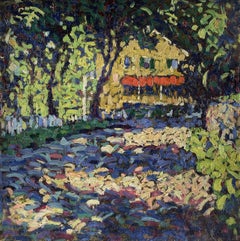
French Scene at Voulangis
By Arthur Beecher Carles
Located in Bryn Mawr, PA
The Philadelphia modernist Arthur B. Carles was a brilliant colorist and an extraordinarily innovative painter. Though Carles trained initially at the Pennsylvania Academy of the Fin...
Category
1920s American Modern Landscape Paintings
Materials
Oil, Board
Stillness
Located in Bryn Mawr, PA
A native of Philadelphia, John Pierce Barnes began his artistic training at the Philadelphia School of Industrial Design. He then attended the Pennsylvania Academy of the Fine Arts, ...
Category
1920s Post-Impressionist Landscape Paintings
Materials
Oil, Board
Autumn Landscape
By Harry Leith-Ross
Located in Bryn Mawr, PA
Provenance
Private collection
Description
Harry Leith-Ross’s Autumn Landscape is a fine example of the spontaneous fluidity of the artist’s painting style. Leith-Ross does not total...
Category
20th Century Landscape Paintings
Materials
Oil
Edge of the Garden
Located in Bryn Mawr, PA
Peter was born in New York in 1946. He received a BFA from the Tyler School of Art and an MFA from the University of Pennsylvania. Peter taught at the Ge...
Category
21st Century and Contemporary Contemporary Abstract Paintings
Materials
Oil, Panel
Landscape Abstraction
By Arthur Beecher Carles
Located in Bryn Mawr, PA
Initialed lower left
Framed dimensions: 16 x 18 7/8 inches
Provenance
The artist;
Collection of Henry Dubin, Philadelphia until 2018
Exhibitions
Avery Galleries, Bryn Mawr, Pennsylvania, Living Color Modern Life: Hugh Henry Breckenridge and Arthur B. Carles, October 5-November 2, 2018.
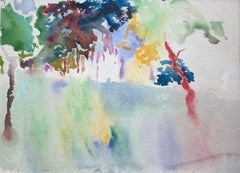
The Philadelphia modernist Arthur B. Carles was a brilliant colorist and an extraordinarily innovative painter. Though Carles trained initially at the Pennsylvania Academy of the Fine Arts, soaking up the more conservative teaching of William Merritt Chase and Thomas Anshutz, he was deeply influenced by the avant-garde art scene in Paris during his first trip there in 1905. In 1907, Carles won the prestigious Cresson Traveling Scholarship, which enabled him to return to Paris for several more years. This experience had a profound impact on Carles as an artist; he was extremely affected by modern French painting, especially the work of Cezanne and Matisse, and by the time Carles returned home to Philadelphia in 1912, he was a confirmed modernist.
This small landscape sketch was probably painted early during Carles's career, and yet, it already reveals his strong interest in abstraction. Indeed, Landscape Abstraction demonstrates both his daring exploration of lyrical color harmonies as well as his interest in two-dimensional surface design. Painted loosely in the spontaneous medium of watercolor, Carles used thin washes and delicate pools of paint to suggest the foreground area and surrounding trees. His color palette is rich and expressive, ranging from pale greens and blues to deep red, yellow, and even purple.
In addition to his remarkable career as an artist, Carles was also an incredibly gifted teacher. He taught at PAFA from 1917 to 1925 and had a very deep impact on a number of his students such as Morris Blackburn, Quita Brodhead, and Jane Piper...
Category
20th Century Modern Abstract Drawings and Watercolors
Materials
Watercolor
You May Also Like
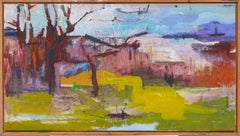
Vintage Signed American Modernist Impressionist Landscape Oil Painting
Located in Buffalo, NY
Vintage American modernist landscape oil painting. Signed and Exhibited. Oil on canvas. Measuring 17 by 31 inches overall and 16 x 30 painting alone. In excellent original condition,...
Category
Early 2000s Modern Landscape Paintings
Materials
Canvas, Oil
Untitled
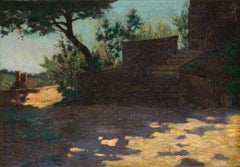
By Hugh Henry Breckenridge
Located in Dallas, TX
signed "Hugh H. Breckenridge" at lower left
Category
Early 20th Century American Impressionist Landscape Paintings
Materials
Canvas, Oil
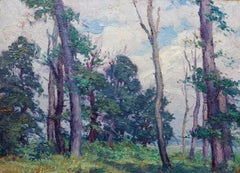
Impressionist Landscape by American Artist George Renouard
By George Renouard
Located in Rochester, NY
Impressionist landscape by George Renouard. Beautiful blues and mauves. Oil on academy board. Unsigned.
George Renouard, was born in Rochester, New York and lived much of his life ...
Category
Early 20th Century Landscape Paintings
Materials
Oil, Board
Landscape
By Carson Gladson
Located in San Francisco, CA
About the artist:
Bay Area artist, Carson Gladon's "transparent collages" combine the elements of nature with a mix of computer graphics and traditional painting using vivid and pastel colors. Seeming, "to infuse the techniques of the European impressionists with a hint of the delicacy of a Chinese or Japanese silk screen...
Category
21st Century and Contemporary American Impressionist Landscape Prints
Materials
Lithograph
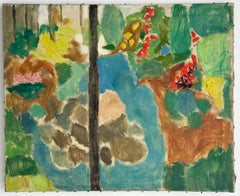
Abstract Landscape
Located in Wilton Manors, FL
Mary Kiisel Greenwood (b.1924)
Studied: PAFA
Exhibited: Gross McCLeaf Gallery, Philadelphia
Landscape with Pond, ca. 1950.
Oil on canvas measuring 24 x 29 inches.
Signed on st...
Category
Mid-20th Century Abstract Abstract Paintings
Materials
Oil
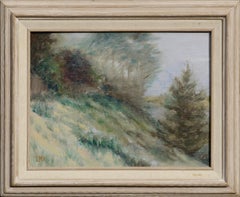
Hillside Landscape
Located in Soquel, CA
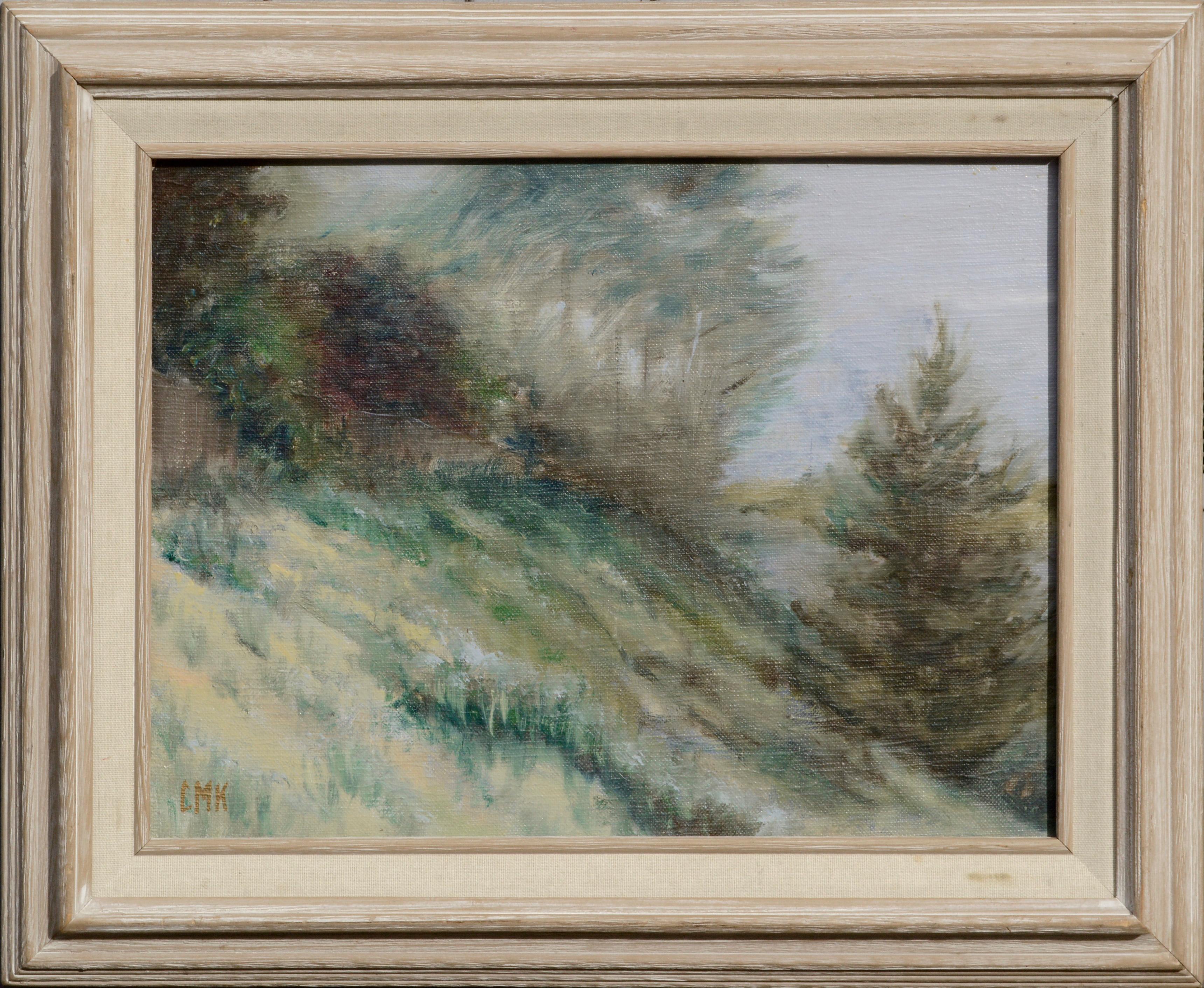
Misty and verdant small-scale landscape by an unknown artist ("CMK"). The composition of the hillside in this landscape creates a diagonal across the canvas, bringing more visual int...
Category
1990s American Impressionist Landscape Paintings
Materials
Canvas, Oil, Cardboard
$460 Sale Price
20% Off
More Ways To Browse
S Lee Oil Paintings
Sheep Grazing
Very Large Scottish Painting
Antique Still Banks
Boat Mast
Holiday Sale
Beach Umbrella Painting
Capri Painting
Carmel Beach
Marin County Art
Surfer Painting
Swiss Knife
Tropical Impressionist
Austin Watches
Bucks County Pennsylvania
Oil Paintings By C Walters
Royal Navy Painting
St Julians