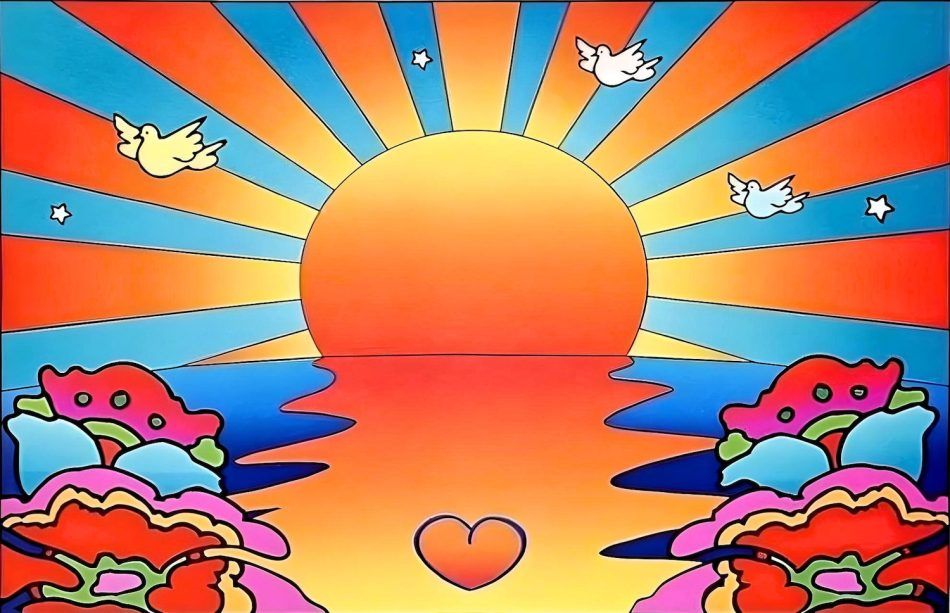
Artists who enjoy commercial success during their lifetimes are often disdained by art world elites. Think of Andy Warhol, who was seen by some critics, curators and collectors as too commercial, too ubiquitous and too ambitious to be taken seriously.
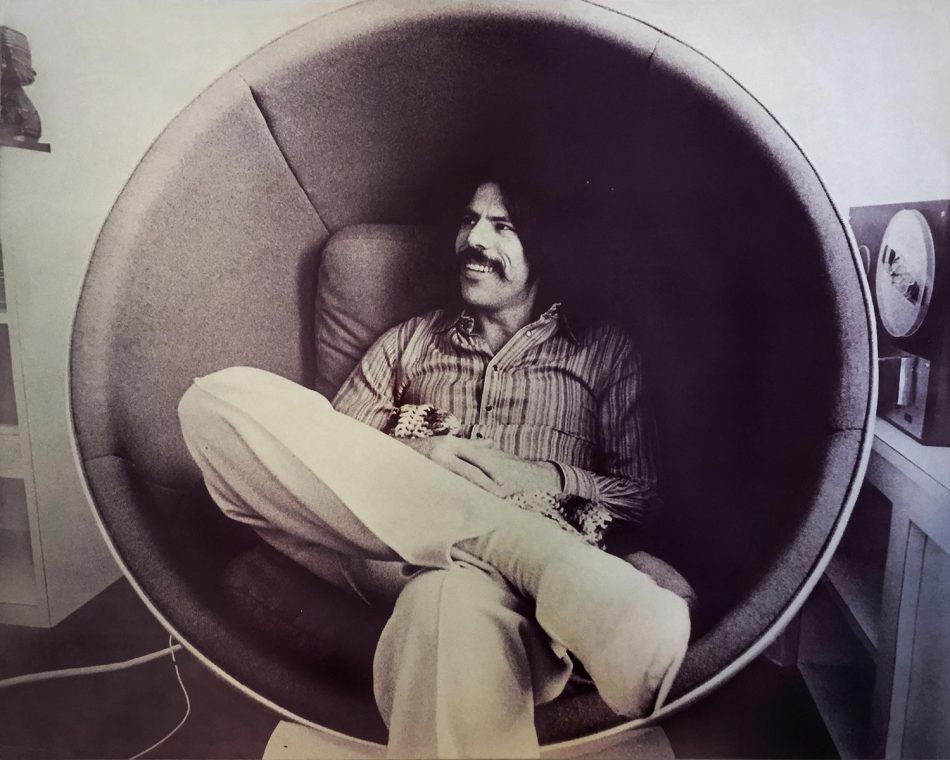
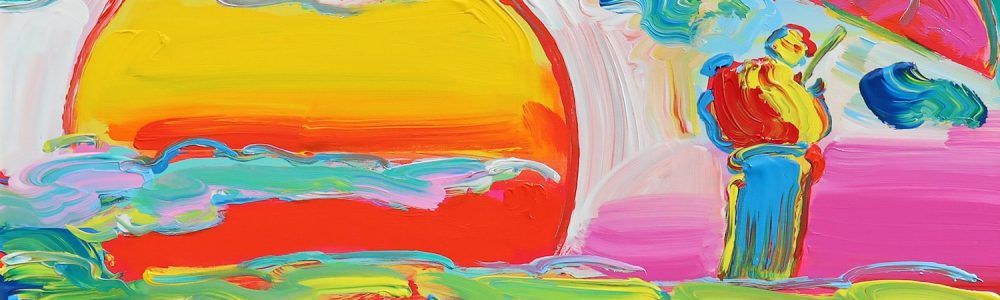
Much the same was said about the artist Peter Max, who died on September 21 at the age of 88. Although the reach and breadth of his output never quite approached that of Warhol’s, Max, like Warhol, created a distinctive visual language, one that still defines the psychedelic, peace-drugs-love-and-rock-and-roll youth-culture of the 1960s.
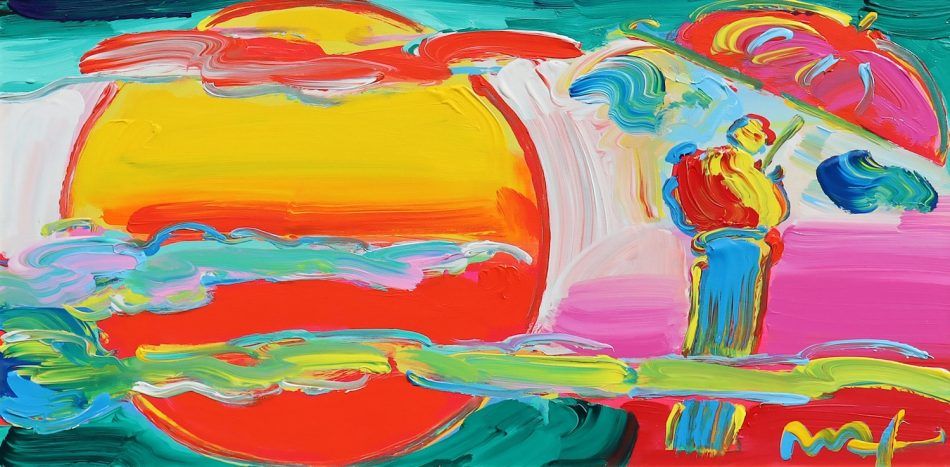
Rainbows, stars, flowers and fluffy clouds adorned his images of cosmic runners, lovely ladies in profile and iconic figures (from Bob Dylan to the Statue of Liberty). These appeared on countless dorm-room posters, billboards, album covers, coffee mugs, T-shirts and more, at a time when Pop artists like Warhol and Roy Lichtenstein, the subject of a forthcoming blockbuster exhibition at New York’s Whitney Museum, were blurring the line between commercial and fine art.
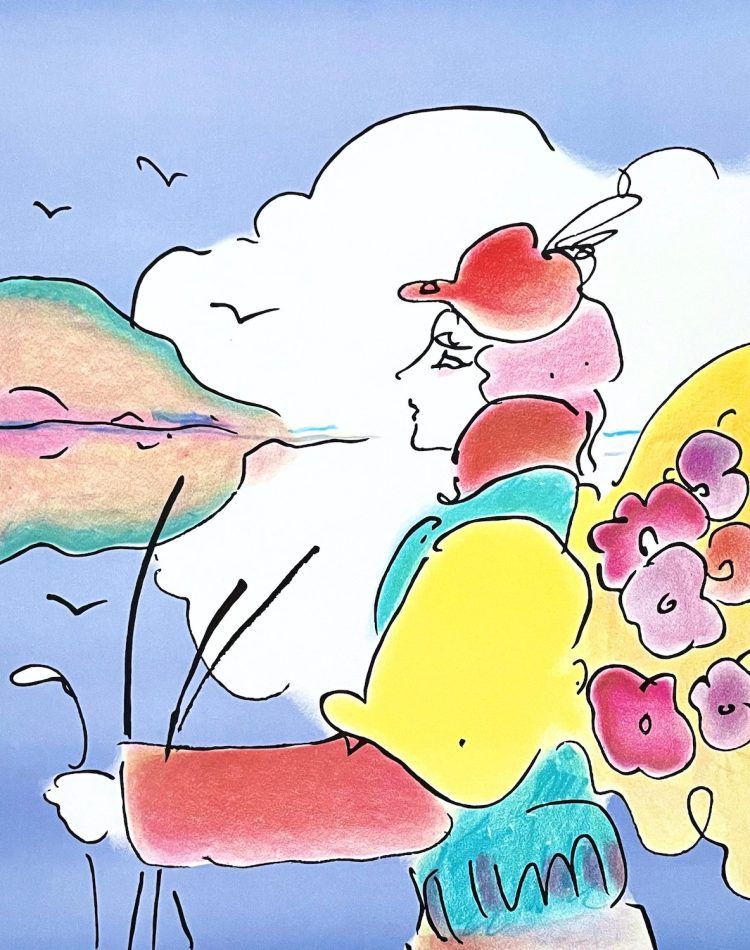
Brightly colored and inherently happy, the works today feel nostalgic — harking back to the ’60s, of course, and even earlier, to the Art Nouveau period at the start of the 20th century. But they also feel timely and inspiriting: a dose of zippy, trippy joy for any dark or daunting day.