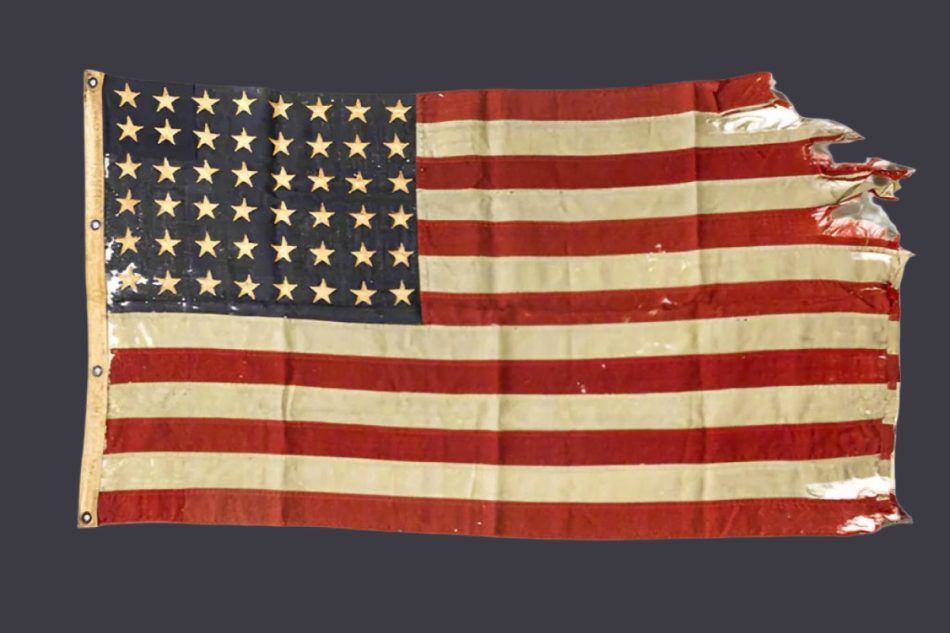
In this, the 250th year since the birth of the United States, it’s fitting that we look back on some of the nation’s most pivotal moments. As divided as the country can now feel, I’d reckon there’s consensus that D-Day — when the Allied forces landed on the beaches of Normandy and changed the course of World War II — was a high watermark in American history.
It’s nearly impossible to fathom (and properly pay tribute to) the heroism of the soldiers who stormed into Nazi-occupied France on June 6, 1944, risking and losing their lives in this unprecedented seaborne invasion. Books like Rick Atkinson’s The Guns at Last Light, Cornelius Ryan’s The Longest Day and, of course, Tom Brokaw’s The Greatest Generation vividly conjure the events of that time. The opening sequence of Steven Spielberg’s Saving Private Ryan comprises perhaps the most viscerally and visually harrowing 24 minutes of my moviegoing life.
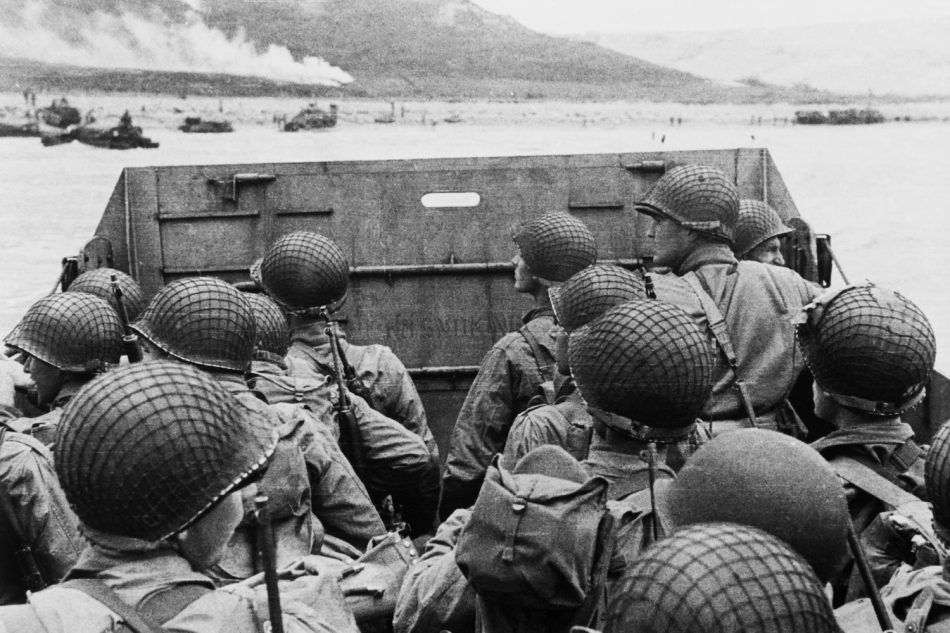
But our family vacation last summer to Normandy, where we took our history-loving teenaged son, hit home in an entirely different way. We stood barefoot on the sand of Omaha Beach and waded into the waters of the English Channel, which once ran red with blood and where semi-submerged concrete caissons, placed by the Allies to create an artificial harbor, still loom. And we visited the nearby Normandy American Cemetery and Memorial, beautiful in its neoclassical simplicity. This trip gave the event an added emotional dimension — because history comes most alive when you have physical proximity to it.
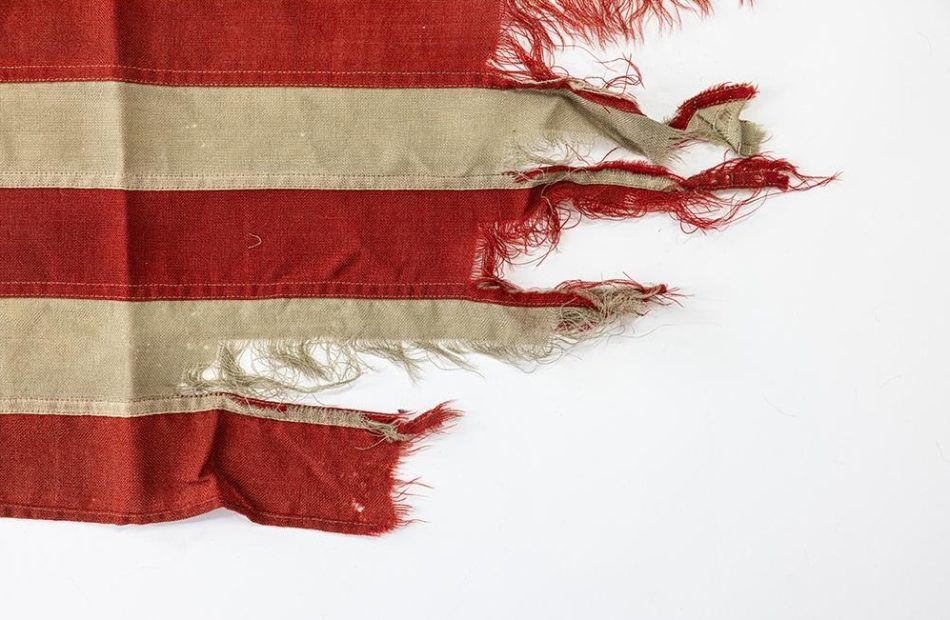
That’s why this rare 48-star flag bearing the scars of that epic battle, offered on 1stDibs by London dealer Bayliss Rare Books, Ltd., is such a significant relic. “D-Day sits among the defining chapters of the American story,” says gallery founder Oliver Bayliss. “Millions know the photographs and the films, but very few objects are directly connected to the opening hours of the operation itself.
“What makes this flag so powerful,” Bayliss continues, “is that it was there. It was not made decades later to commemorate D-Day. It witnessed it.”
Flown on the Navy’s minesweeper USS YMS 381, one of the boats leading the assault on Utah Beach in Operation Neptune, the flag was sent to Tarrytown, New York, later that year by Lieutenant Commander William Beckham. “The flag is the centerpiece of an extraordinary archive assembled by Beckham,” Bayliss says. “Alongside it survive the operational orders, maps, charts, intelligence reports and planning documents that place it directly within the story of D-Day itself.” (These documents are also available on Bayliss’s 1stDibs storefront.)
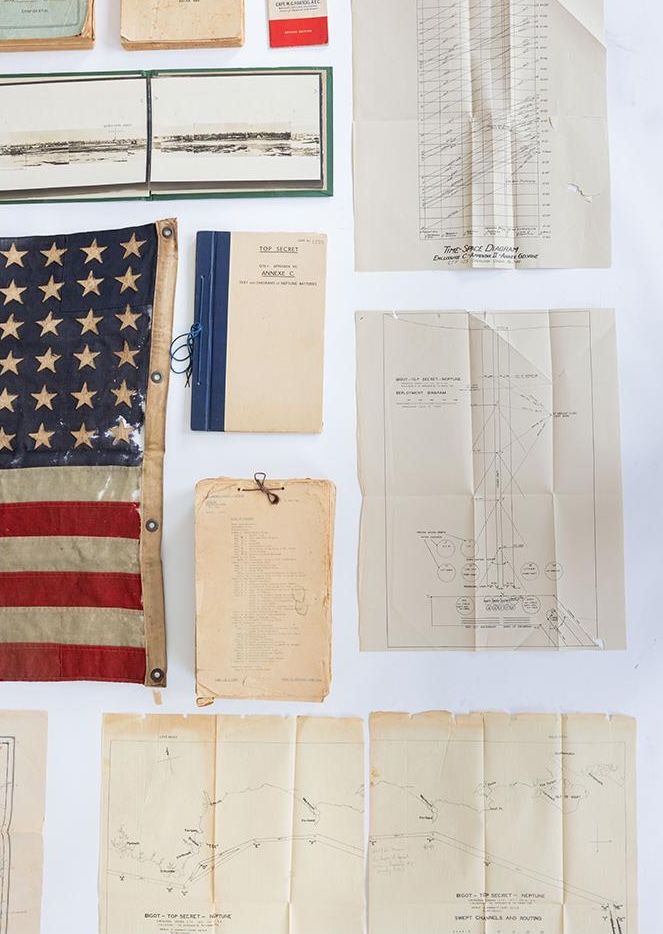
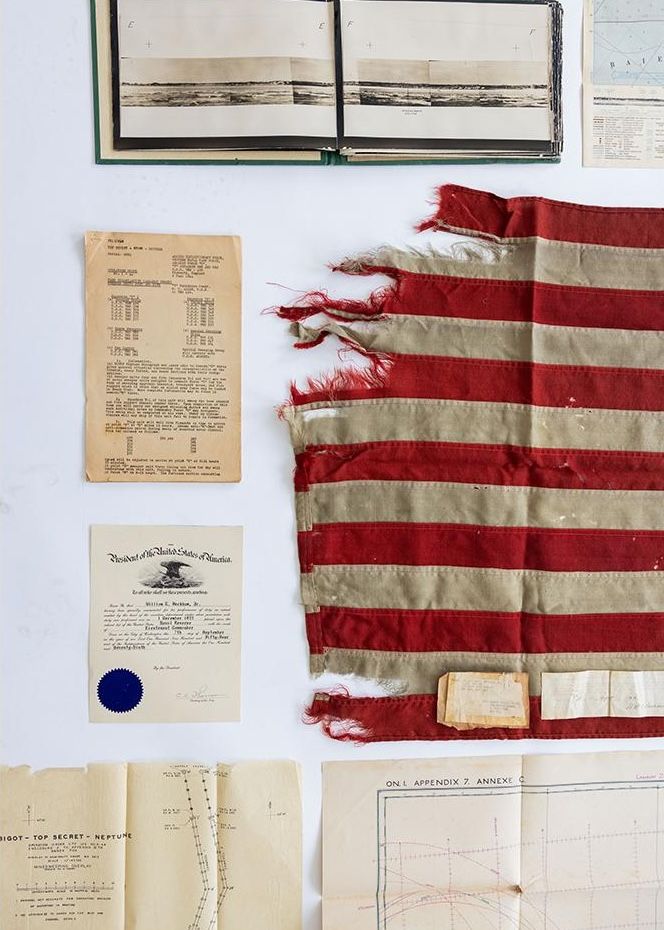
“The collection remained together for decades after the war,” Bayliss adds. “Beckham preserved the material himself before it passed through his family and eventually into private hands.”
Not only is its provenance thoroughly documented, but the flag is also in remarkable condition, considering it survived one of the deadliest battles in modern history.
“Increasingly, we are seeing collectors seek objects that represent turning points in civilization,” Bayliss says. “A first edition of Darwin tells the story of science. A Gutenberg Bible tells the story of printing. This flag tells the story of the moment the Allies began the liberation of Europe.”
During this year’s semiquincentennial celebrations, this grand old flag, in all its tattered glory, is indeed an extraordinary emblem, as George M. Cohan once had it, of “the land [we] love, the home of the free and the brave.”