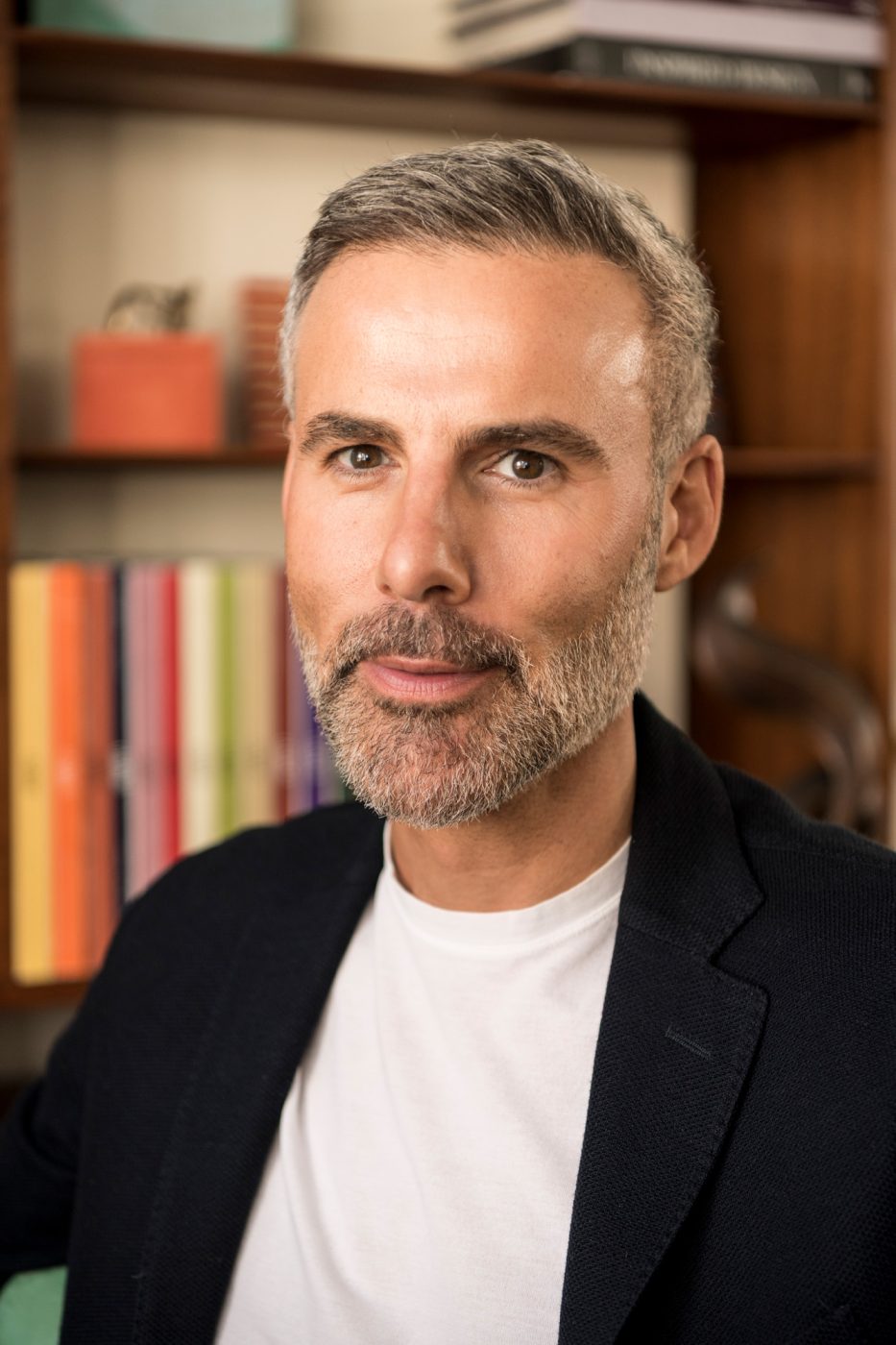
June 28, 2026“This sounds quite indulgent and selfish,” admits Romanos Brihi, one of the cofounders of the London-based design firm Studio Vero, “but I really designed my apartment around what makes me happy.” Indulgent maybe, in that doing so allowed him to cater to his passion for collecting. But selfish, certainly not. He enjoys sharing the space with others too much for that. “I adore seeing people’s reactions and curiosity,” he says. “Very often, my nieces will disappear, and I’ll find them inspecting and touching things. I love people enjoying it.”
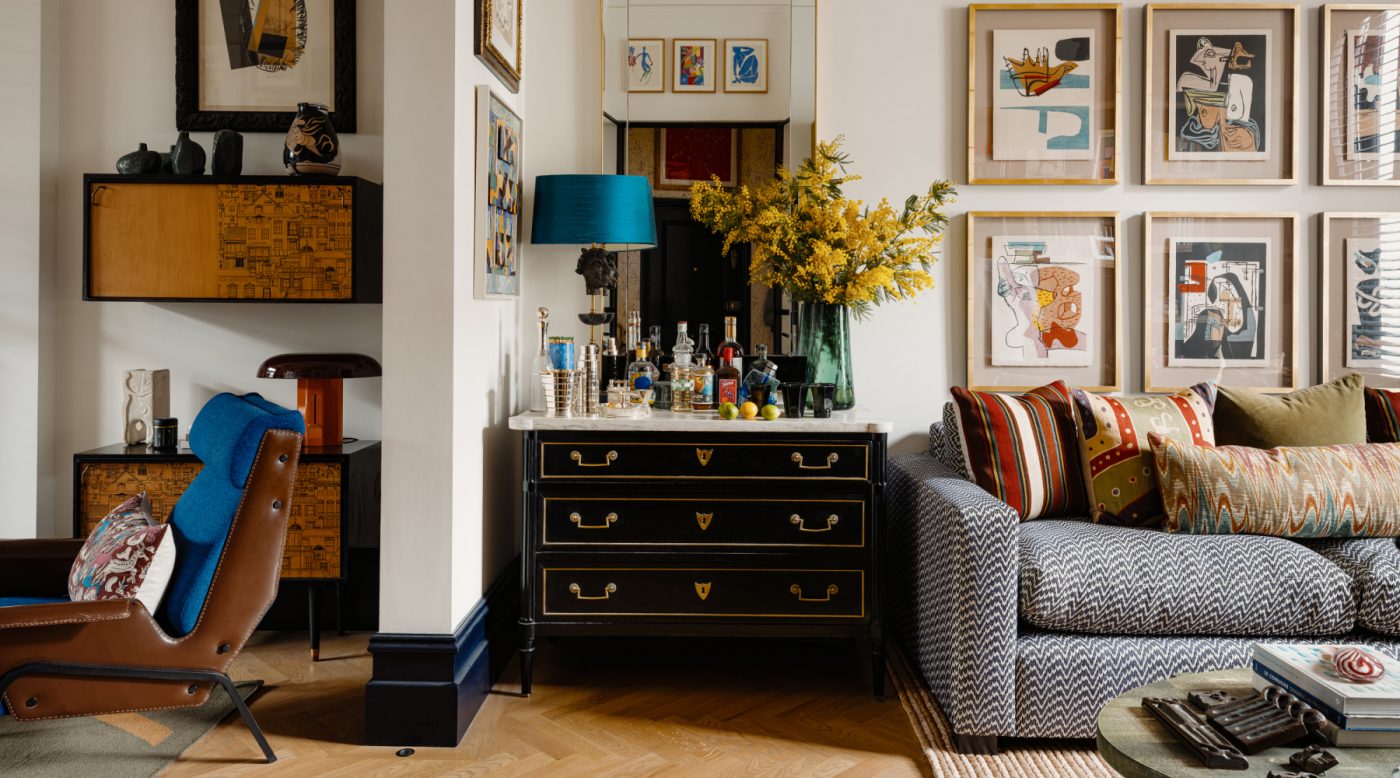
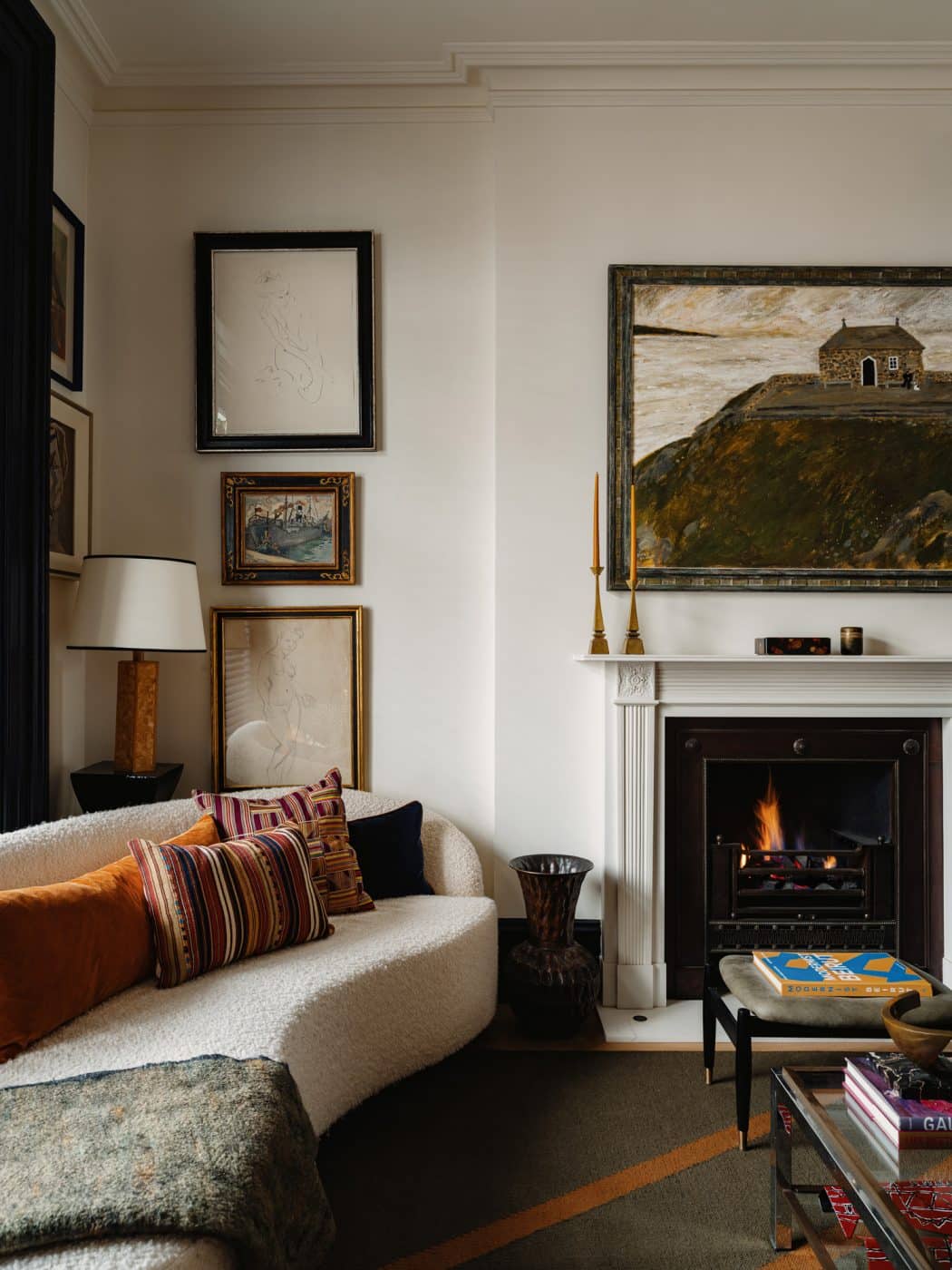
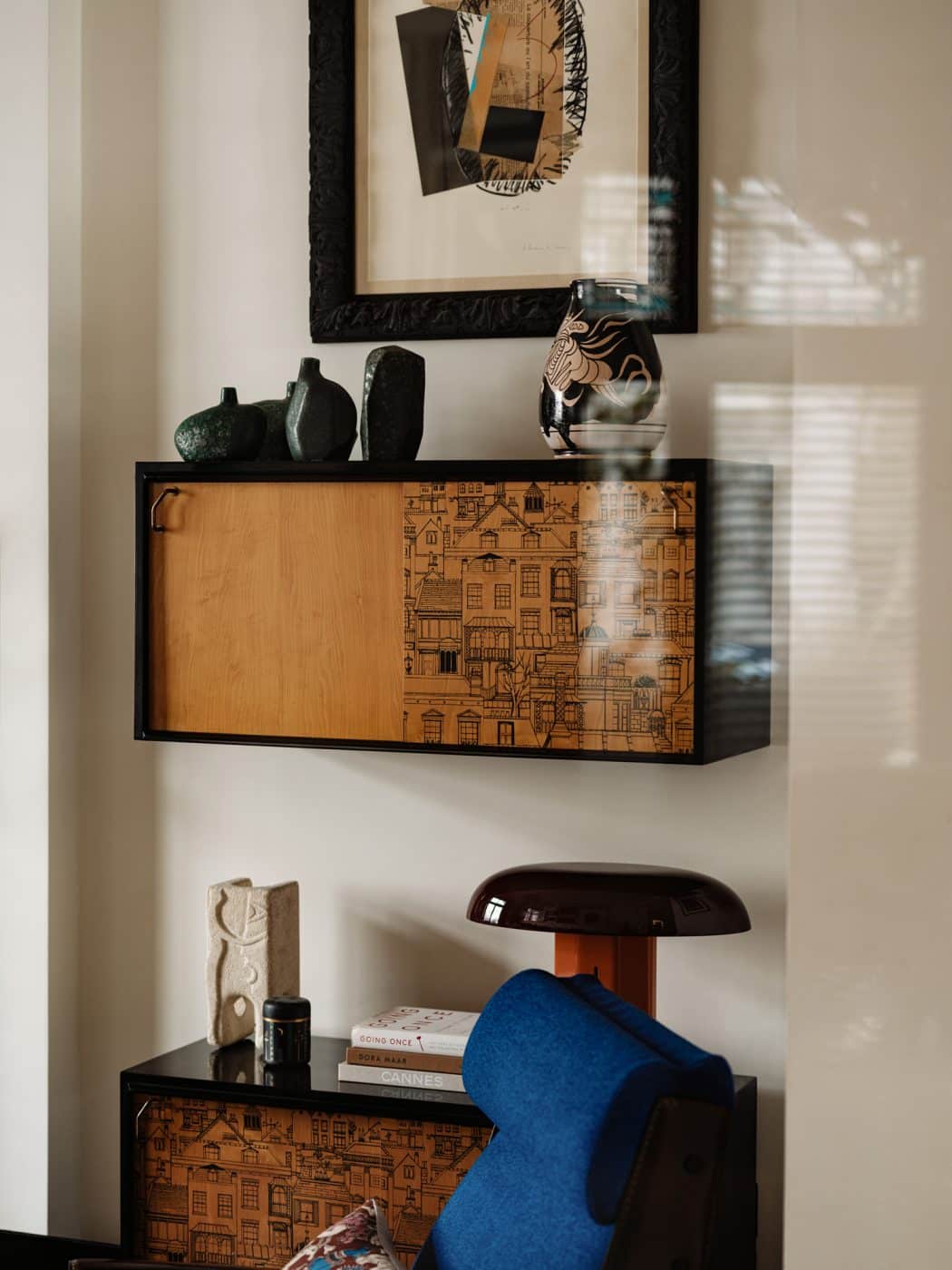
An avid host and party giver, Brihi furnished his home’s two ground-floor sitting rooms with sofas and seating for up to 20 guests, including a sculptural vintage Gustavo Pulitzer Finali chair, together with a vintage chrome-and-brass Willy Rizzo coffee table and a pair of rare cabinets by postwar British designer Robert Heritage.
He rarely, however, has sit-down dinners, as every inch of his dining table is laden with objects. “I do standing dinners because clearing it is like an hour and a half’s job,” he says. “And then, it’s probably even more time putting it all back.”
The apartment stretches over the first two floors of a Victorian terrace house in one of the so-called cherry blossom roads close to Kensington Palace. “I always thought the white-stucco houses with the flowering trees in spring were incredibly beautiful,” the London-born and -bred Brihi says.
He first noticed the property was for sale in 2006, but at the time, the asking price was beyond his budget. A few years later, a friend told him it was back on the market. “I constantly talked about the apartment. So, a lot of people knew I was besotted with it,” he says. He bought it without ever visiting it again.
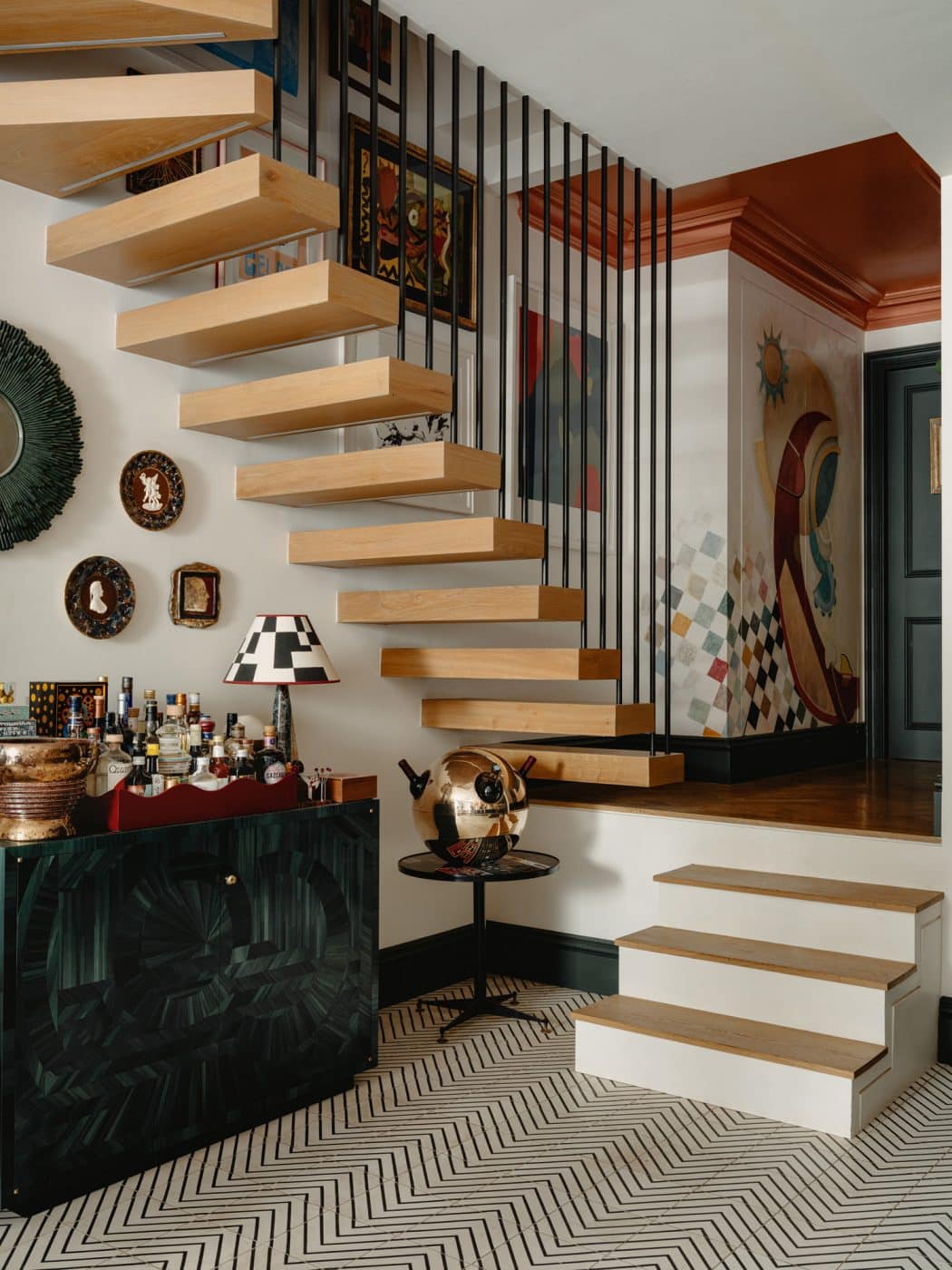
Extensive renovation was required. Most notably, he dug down to create greater ceiling height on the lower level and added on an extension at the back to house the dining room. (For the latter, it took him six long years to obtain planning permissions.)
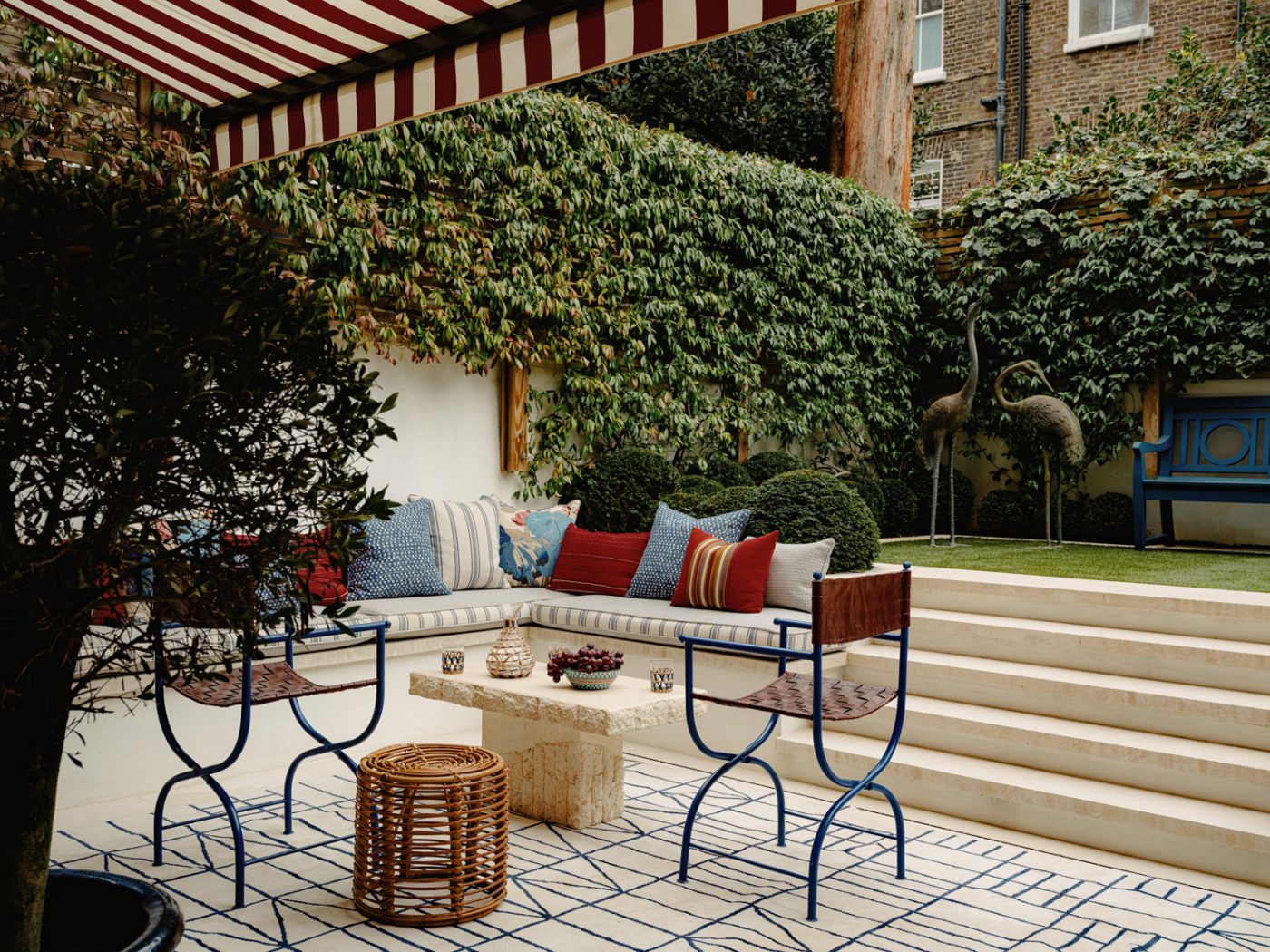
Apart from the house’s location, two other features attracted him. The first was the garden. “That was very important to me,” he says. “I walk out of my bedroom every morning and look straight into it. It’s a wonderful feeling waking up to so much green.”
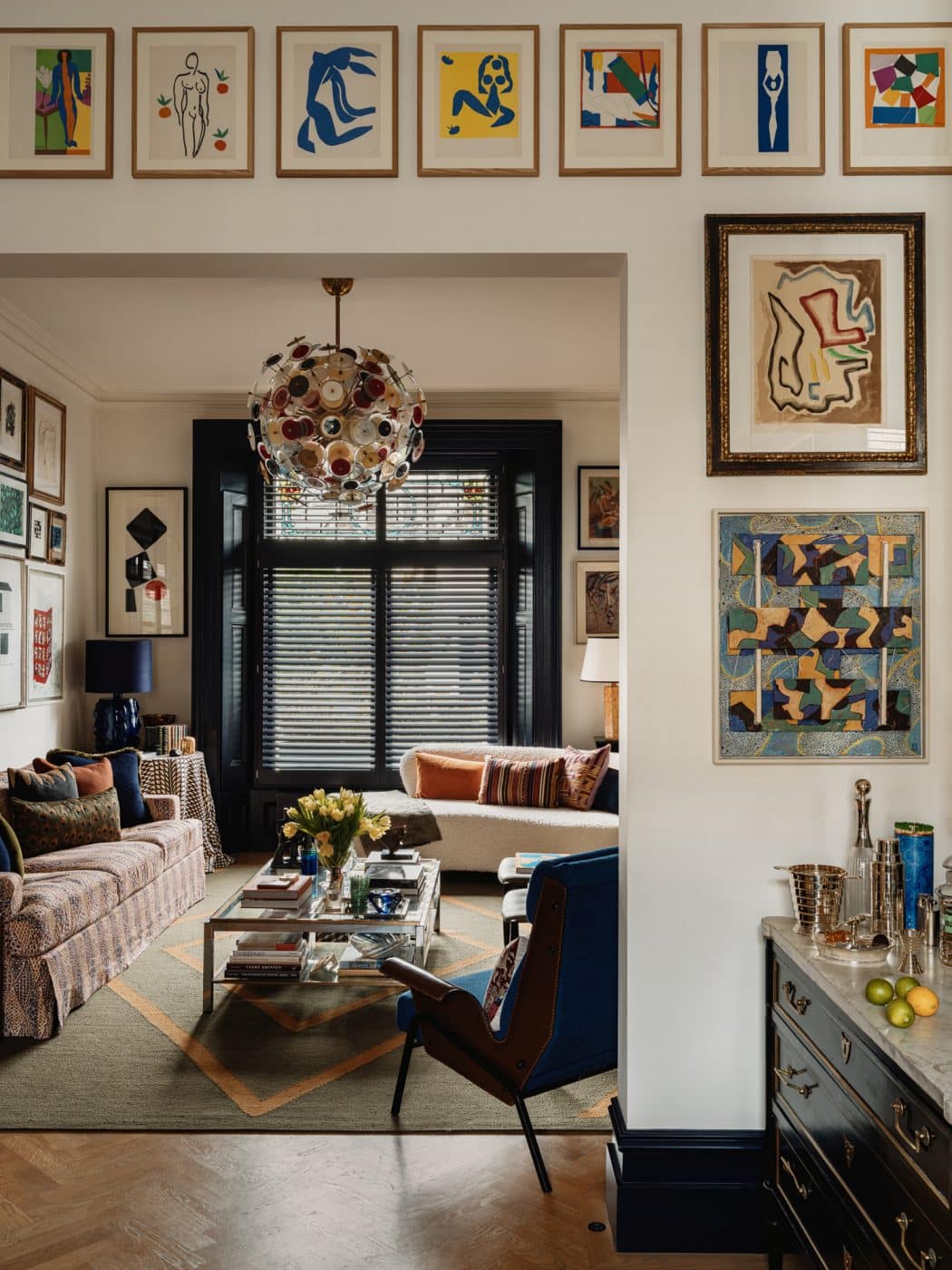
The second was the pair of ground-floor sitting rooms, with their original baseboards and cornices. “My previous apartment was one big living space and I didn’t really enjoy watching TV where I sat with friends,” he says. Here, he was able to tailor each room to a different function.
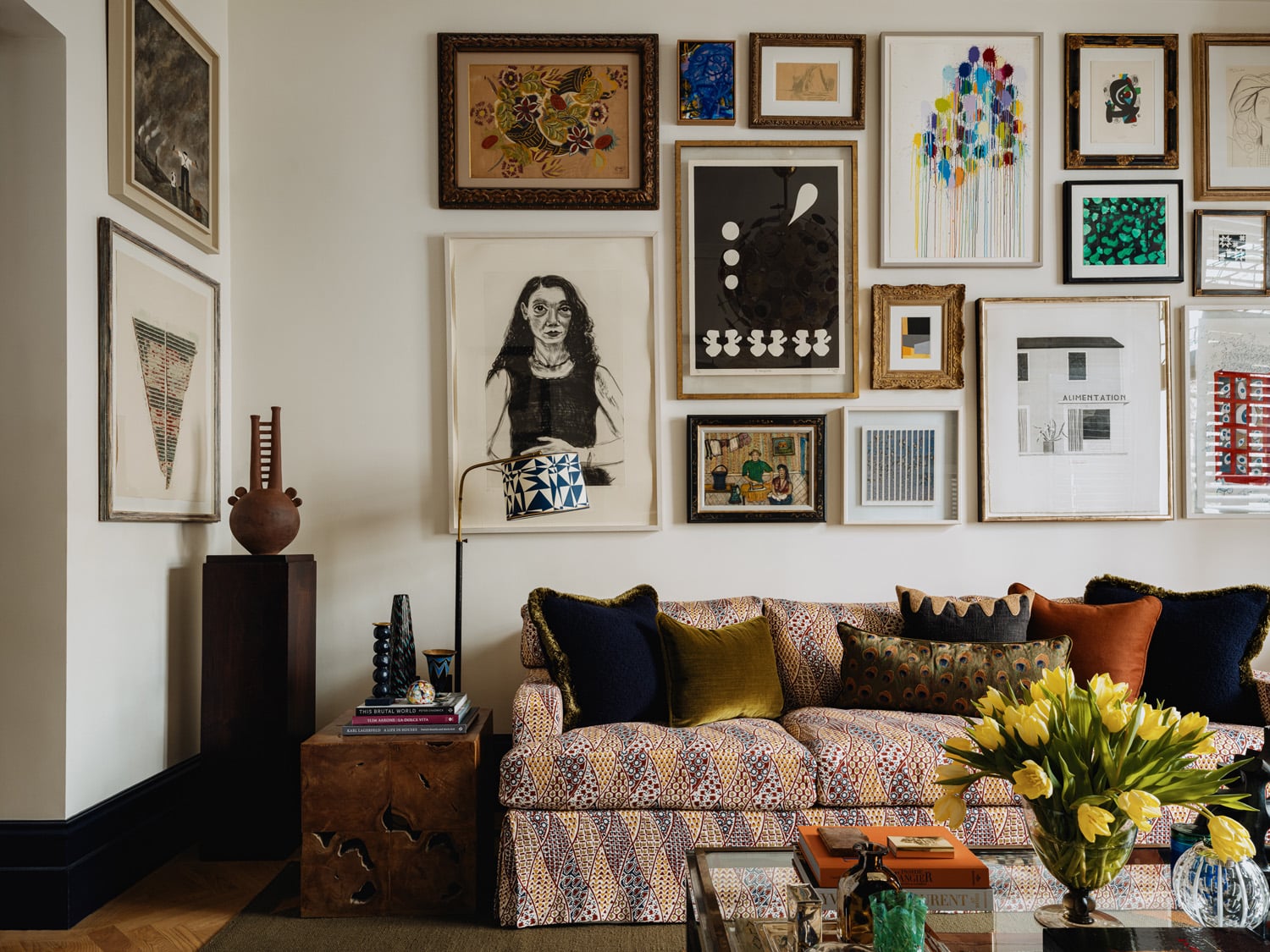
He uses the front sitting room as his “perching spot” for morning coffee. He will also occasionally hold business meetings there. The back one, meanwhile, is “pure indulgence,” used in the evenings. He took particular pains to find the most comfortable possible sofa, eventually settling on a George Smith sectional upholstered in a graphic black-and-white print and covered with a multitude of cushions. “After a long day at work, it’s like a huge, thick duvet that wraps itself around you,” he says. The only potential downside (depending on your point of view): “You can fall asleep on it very easily.”
The half-British half-Lebanese Brihi was exposed to the collecting bug at an early age. His father, who was in the construction and infrastructure industry, was a fan of art, his mother of antiques. He recalls trailing them around Portobello Road Market and the Grosvenor House Antiques Fair as a child. It only became a passion for him, however, during the year he spent studying French literature in Paris.
“I had a friend whose family had a château near the Loire Valley, and we would spend weekends going round brocantes and antiques shops,” he recalls. “I became enthralled by the whole thing.”
From his teenage years onwards, he had received artworks as gifts from his parents. For his 18th birthday, they presented him with a painting of a female face by Raoul Dufy; for his 21st, a gouache by Fernand Léger. Today, they are displayed in his Kensington bedroom.
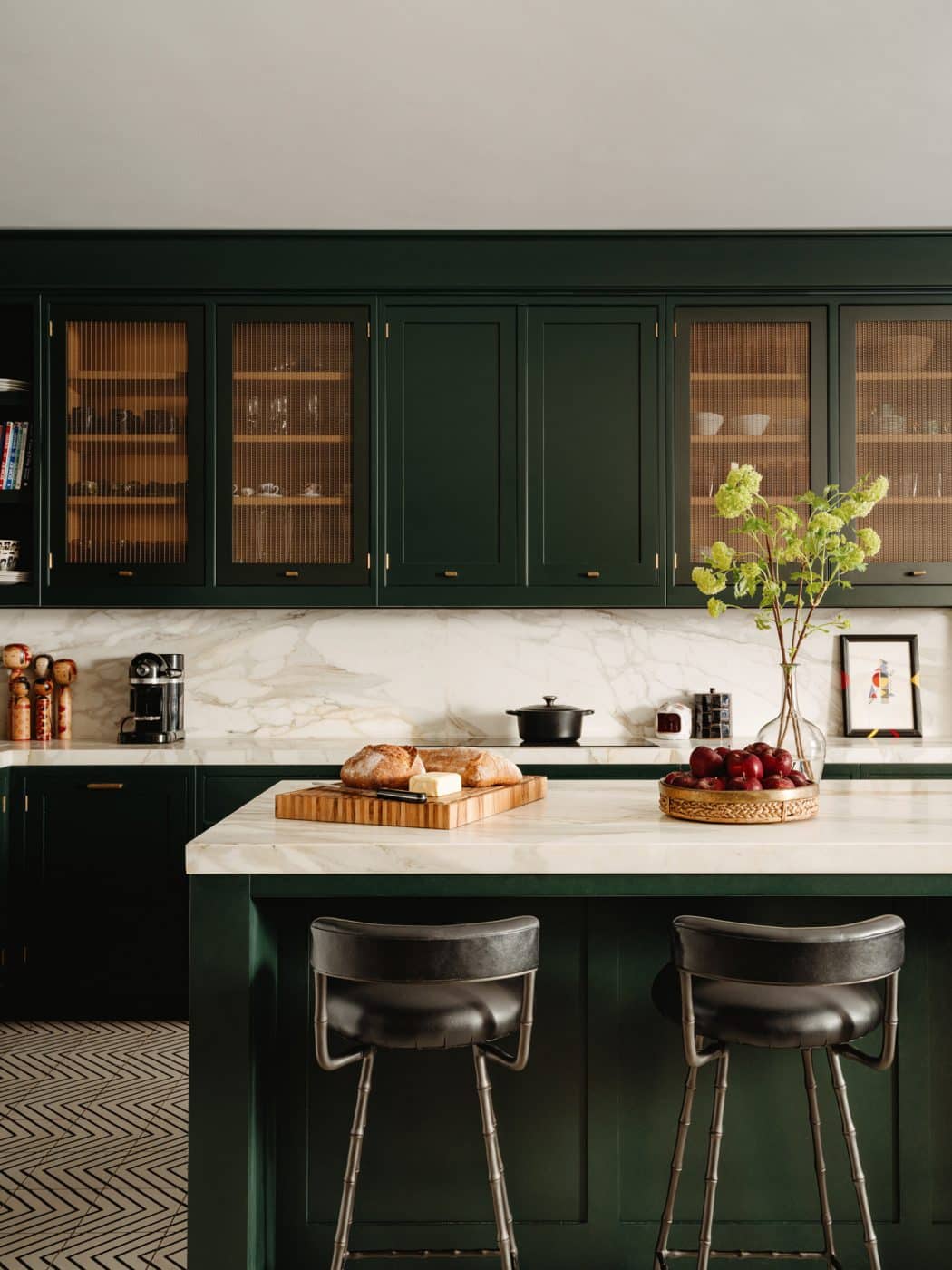
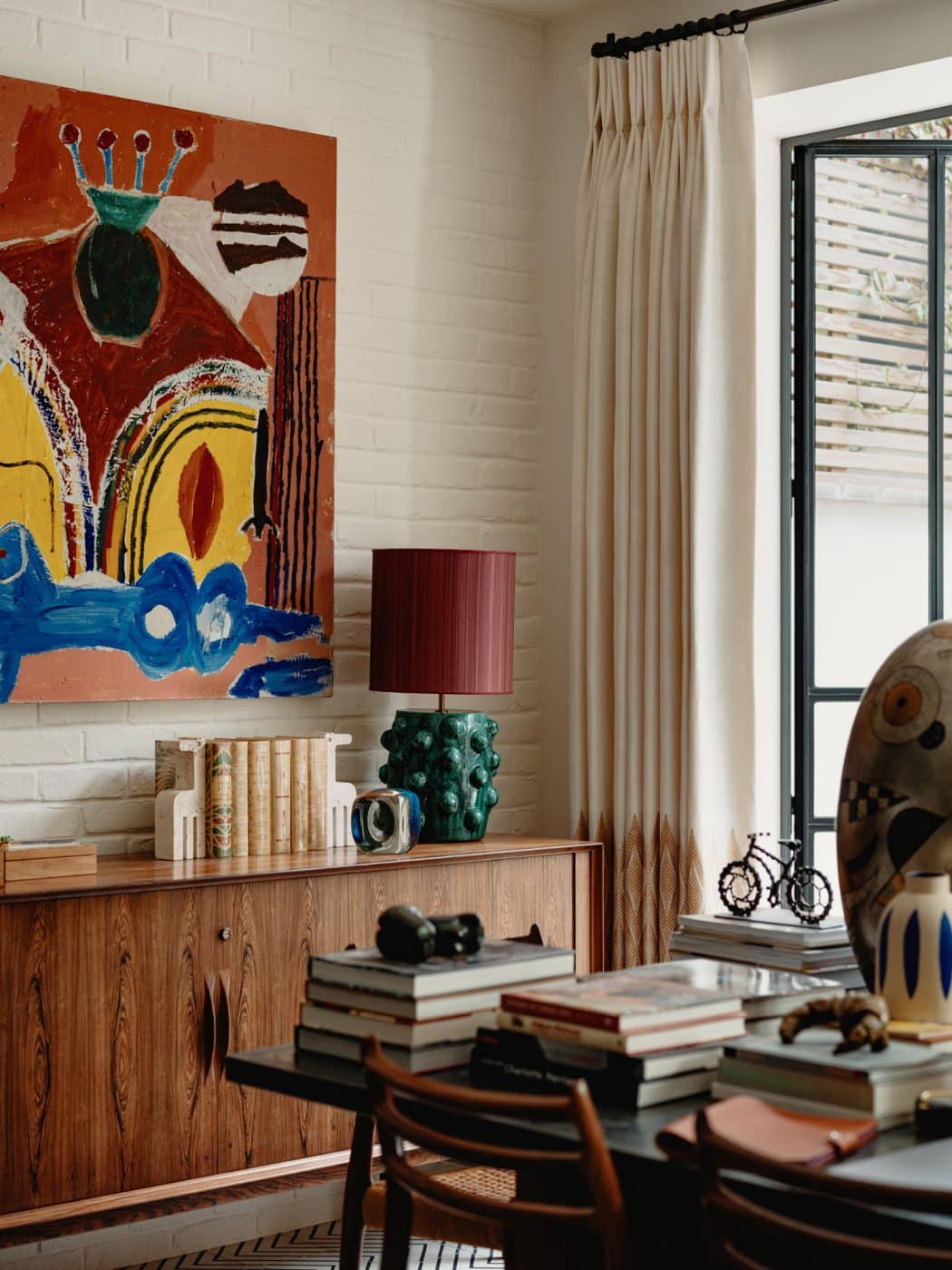
In 2014, he formed Studio Vero with his best friend from boarding school, Venetia Rudebeck. Most of their projects have been in England, although they have also done some in France and recently completed an apartment on the Italian Riviera. The pair’s approaches are complementary. “Venetia is very considered,” says Brihi. “I tend to do things in quite a fast manner, and she pulls me back sometimes.”
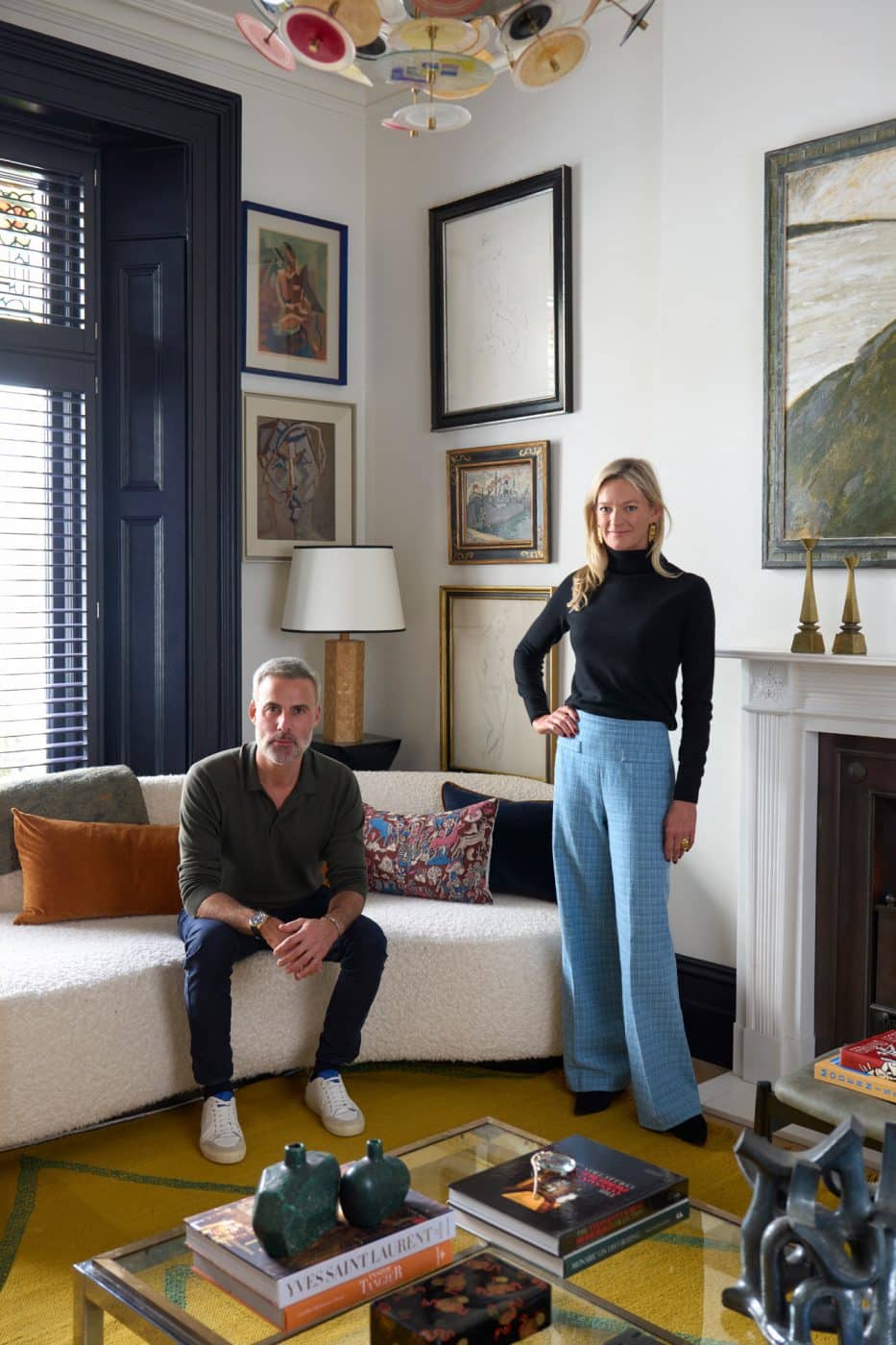
They are both very much involved in each project, and Brihi’s own apartment was no exception. Most notably, at Rudebeck’s behest, he reduced the number of bedrooms from three to just one. “It was a significant move, but absolutely the right one,” he says.
The decoration was both instinctive and very personal. Brihi largely eschews anything brand-new, preferring objects that have had a life before him. He also likes things with memories attached. “I love being surrounded by my grandfather’s World War II medals or a French Empire–period chest of drawers that was in my bedroom as a teenager,” he says. “They make me feel very calm and serene and sane.”
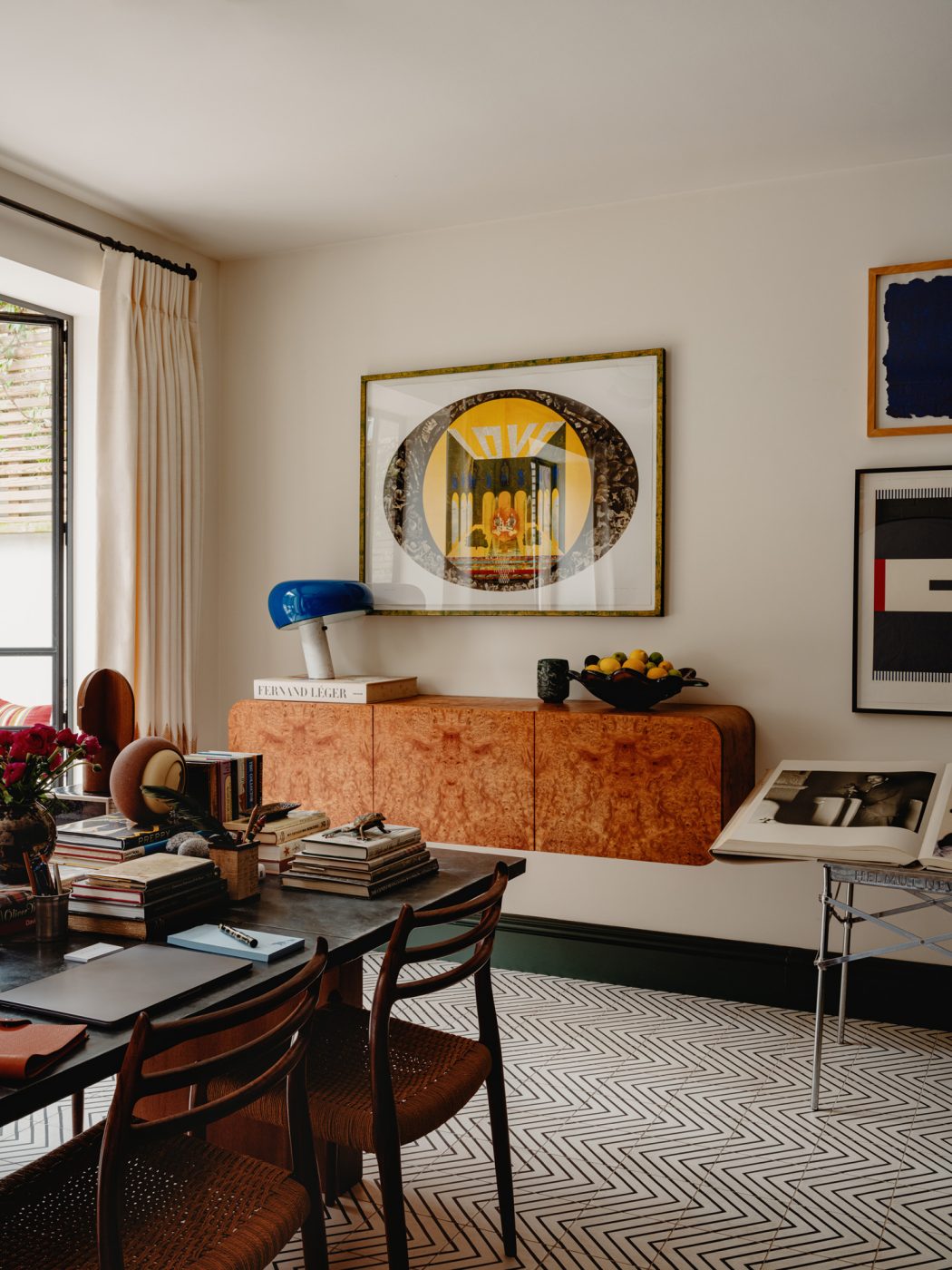
He was especially keen to integrate a set of Niels Otto Møller‘s 1954 Model 75 chairs, which he acquired from 50/60/70 and placed in the dining room. “I’ve always really loved that particular design,” he says. “When I was a child, my father’s best friend was Danish, and I remember he had that model in his study.” Brihi paired them with an Arne Vodder rosewood commode. “It has a patina that I fell in love with,” he says.
Although there are numerous examples of Italian and Scandinavian mid-century design in the home, Brihi insists that his collecting is not limited to a particular era — he points, for example, to the early-19th-century tortoiseshell card cases on the set of drawers in his bedroom — or specific region.
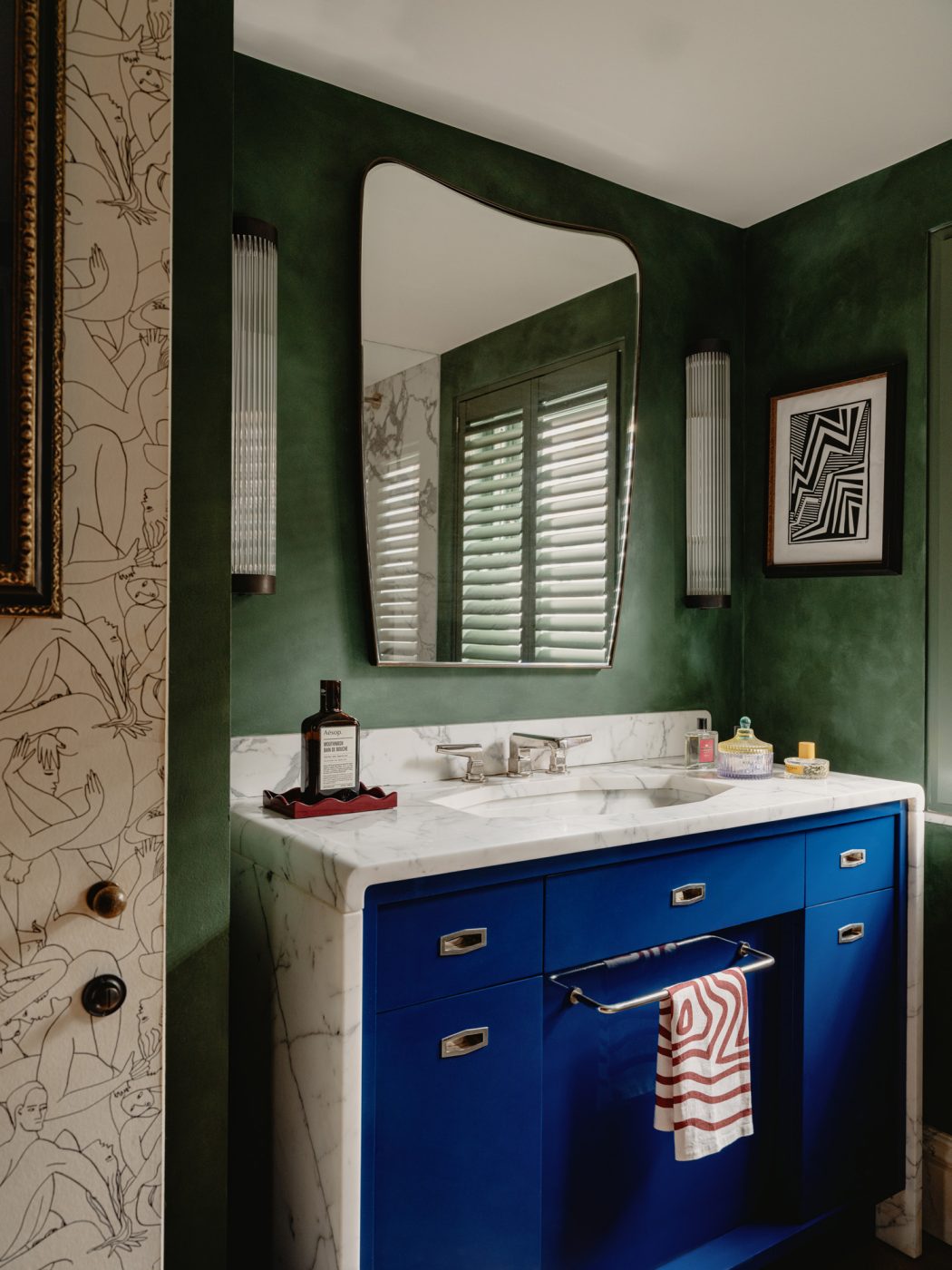
The scope of his interests is also vast, extending to first editions of novels by Virginia Woolf and Ian Fleming, among others. “I’m not the world’s best reader,” he confesses. “I just love having them and reading half a page or a chapter.”
In general, he tries to avoid the mainstream, buying more atypical objects, like the surprising 1970s Murano glass chandelier in the front sitting room, which came from a Venetian palace. “Its glass discs are very unusual because there are reliefs on them, and each is a slightly different color,” says Brihi.
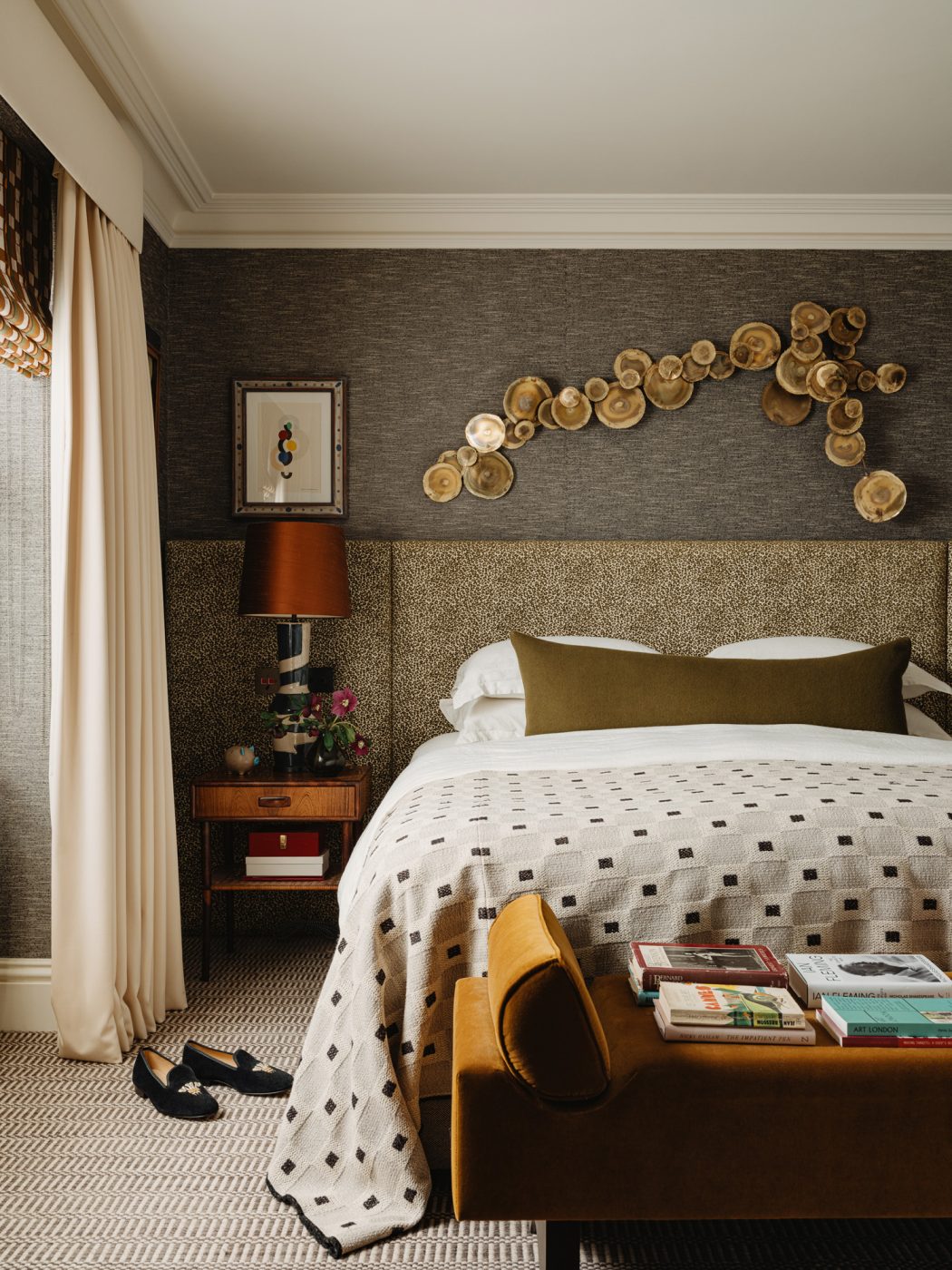
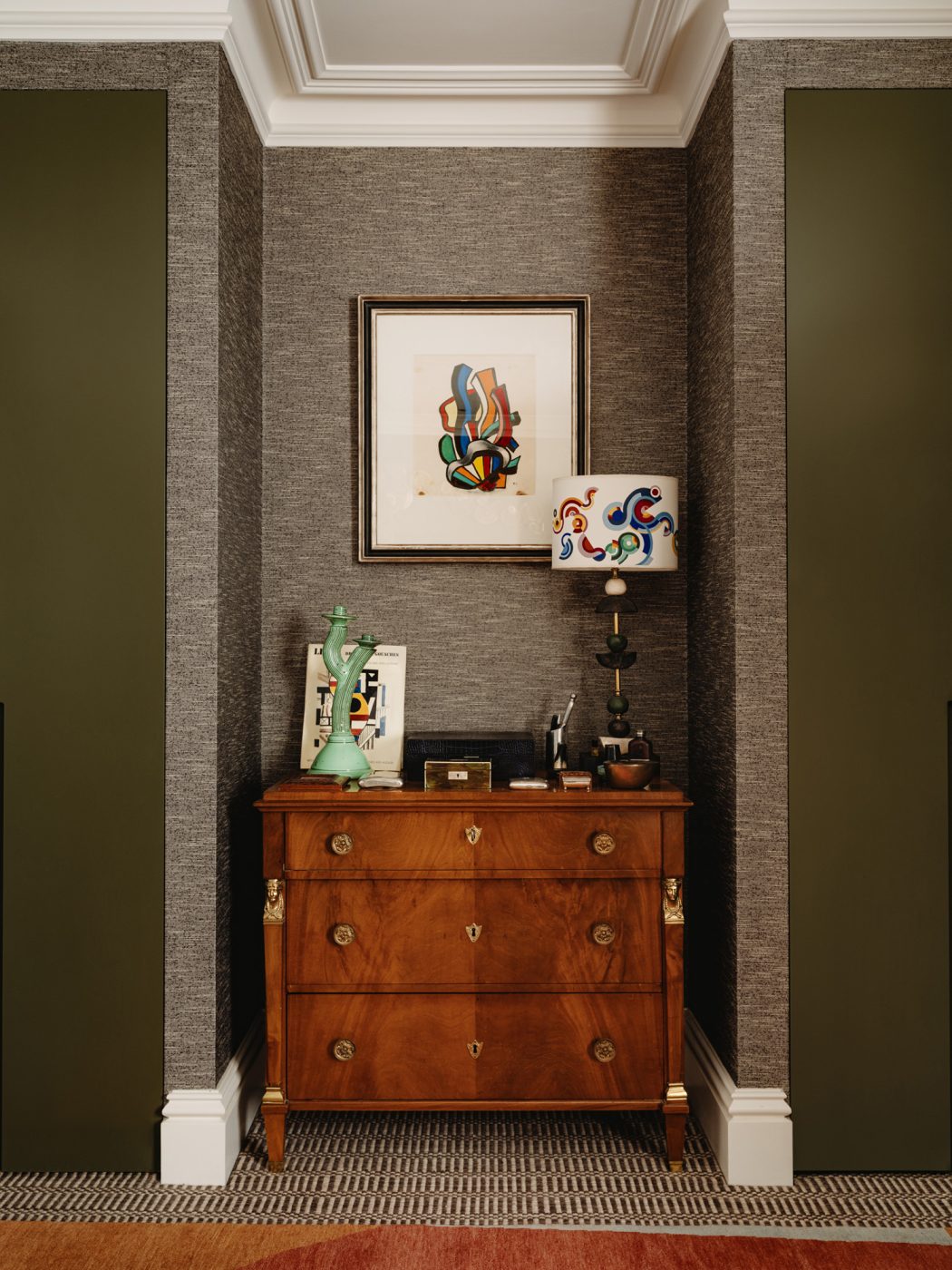
His art collection includes not only works by well-known names, such as David Hockney, Henri Matisse and Man Ray, but also a painting by his friend Celina Teague and a triptych by local artist Miles Watson. Brihi makes a point of buying something each year from the open-submission Summer Exhibition at London’s Royal Academy. The hanging of the paintings is constantly evolving.
He also places great importance on framing. “I think that’s what makes my collection really unique,” he says. He works in close coordination with local framer Tony Guest. “He comes round, we have a couple of drinks, and we brainstorm,” says Brihi. “Each frame he does for me is completely custom and one-off.”
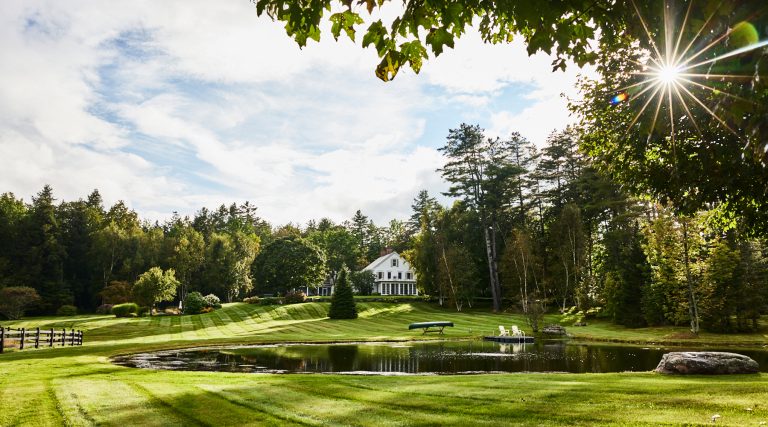
Brihi is currently looking forward to having a new showcase for the fruits of his collecting indulgence. He recently purchased a landmarked stone house dating to the 17th century in one of England’s most bucolic rural regions, the Cotswolds. “I’m very excited,” he says. “There’s not much more I can do with my London home. I don’t want to say it’s bursting at the seams, but every single surface is covered.”
His approach in the Cotswolds will be “similar, but different,” he says. “I’m definitely not a minimalist, so I am hoping it will be a feast for the eyes.”