A status symbol for decades, Nantucket lightship-basket bags have been a hot topic this summer, ever since a news story highlighting the impact of influencer culture on the island went viral. Located about 30 miles off the coast of Massachusetts, the popular resort destination has been attracting legions of lifestyle-content creators in pursuit of photo ops: mountains of sky-blue hydrangea, gray-shingled cottages, sea cliffs shrouded in mist, the harborside scene at CRU. Meanwhile, a pair of addictive Netflix series — 2025’s Sirens and The Perfect Couple — plus the new Peacock series Five Star Weekend have further hyped the island’s scenery, not to mention its impeccably styled parties and patrician/moneyed summer inhabitants.
Nantucket’s bustling shopping districts — including the boutiques that carry lightship basket purses — are always a major draw. This year’s buzz, however, has introduced a new generation to the whimsy, impeccable craftsmanship and quintessentially New England vibe of these handwoven souvenirs.
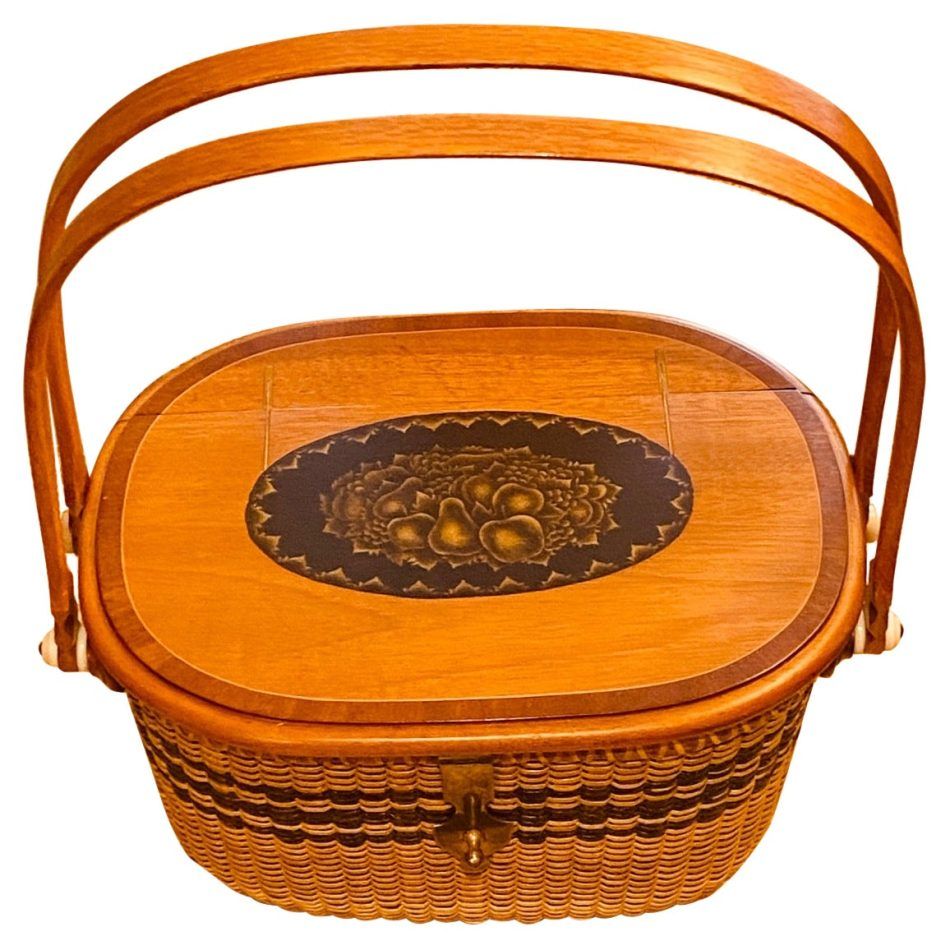
Nantucket lightship-basket bags made their debut in 1948. Conceived by local artisan José Formoso Reyes, the style soon ascended to popularity, thanks in part to its associations with bygone-era “influencers” like Jackie Kennedy and, later, Martha Stewart, who owns a custom model. More recently entrepreneur and Bravo TV alumnus Bethenny Frankel, likely prompted by social-media conversations, offered a peek at her collection on Instagram.
Nantucket lightship-basket bags have their roots in a basketry tradition that developed on the island during the 19th century. Lightships — floating lighthouses, essentially — were anchored offshore to warn ships navigating the waters around Nantucket of dangerous shoals. Thomas S. James, a whaler who returned from a voyage with baskets he had made in his spare time, is credited with introducing the craft in the 1850s to mariners who worked aboard the lightships, according to the Nantucket Historical Association. Basket weaving soon became a popular diversion for the vessels’ crews, providing a productive way to pass the long hours floating in a fixed position at sea.
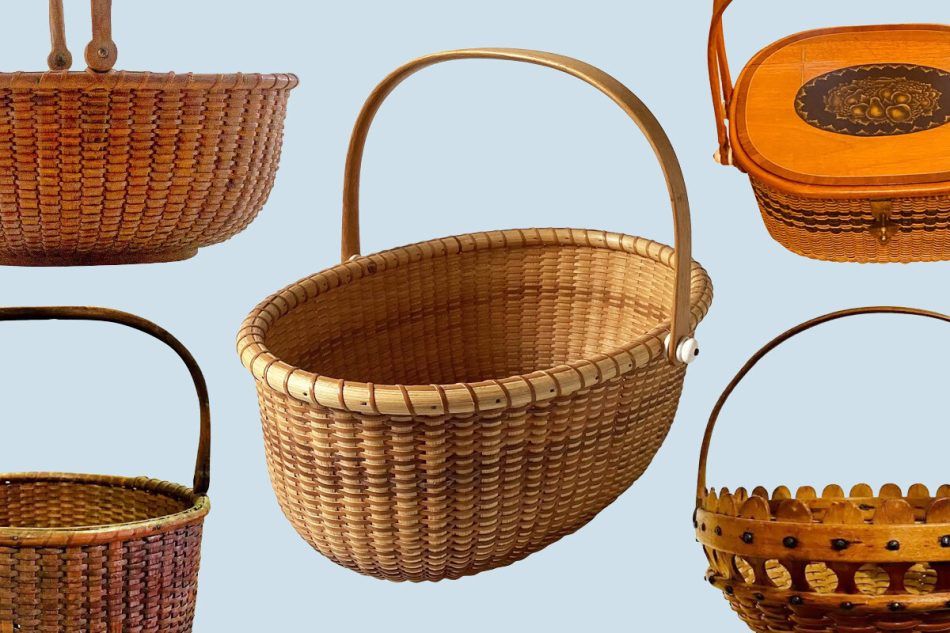
Made primarily of rattan and wood, the baskets have a distinctive silhouette and construction: deep bottomed, with vertical staves, flat wooden bases and folding handles. As Nantucket’s economy shifted from whaling to tourism in the second half of the 19th century, they gradually took on a new role, as keepsakes for visitors to the island, valued both for their utility and their craftsmanship. By the early 20th century, the craft had established itself as a commercial tradition on the island. Today,the baskets remain one of the island’s most coveted creations. Antique and vintage examples, like this circa-1900 Double Lollipop Nantucket basket from 1stDibs seller Nantucket House Antiques and Interior Design Studios, can fetch as much as $40,000.
Nearly a century later, Reyes married this beloved folk art with fashion. A native of the Philippines, he came to Nantucket after serving in the U.S. Army during World War II and becoming a U.S. citizen in 1947. He had attended high school in the United States and earned degrees from Reed College and Harvard University. Having spent time on Nantucket with his wife’s family, he eventually settled on the island, where he worked as a house painter and repaired cane and rush chairs. Reyes also befriended a master basket weaver who taught him how to adapt the weaving techniques he had learned in his homeland to Nantucket lightship–style basketry.
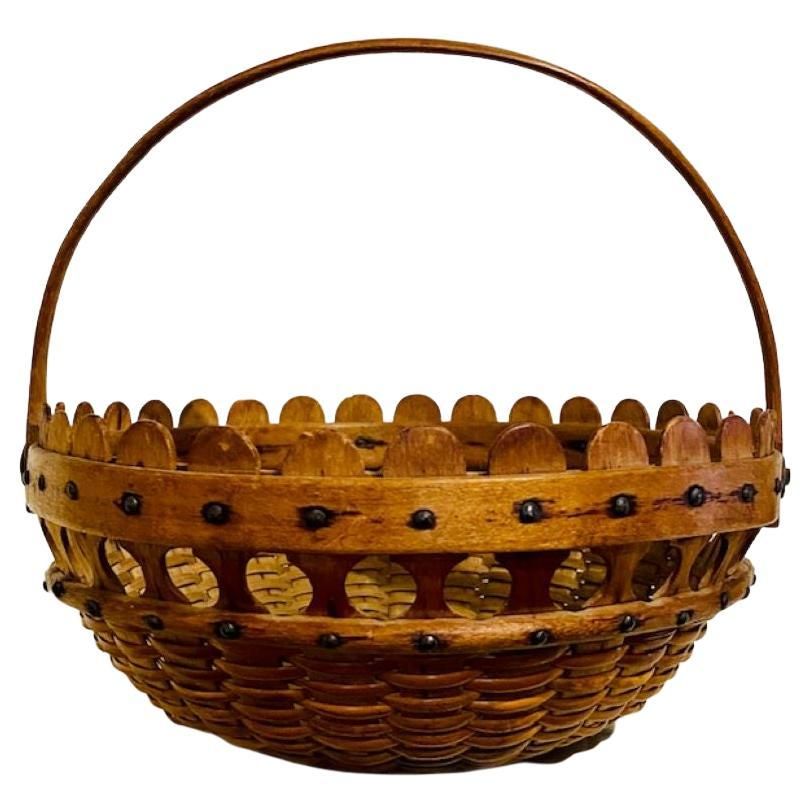
Today, even as contemporary weavers craft Nantucket lightship–basket purses in an array of styles, vintage ones — such as this circa 1950 example made by Reyes himself, which recently sold on 1stDibs — are pursued by collectors. Some of the earliest bags were topped with scrimshawed whale ivory, which is now banned under environmental law and regulations and so has been replaced by other materials. Most Nantucket basket purses are signed by the artisan who made them, which helps in authenticating them and can enhance their value.
Some collectors and dealers refer to the lightship-basket bags as “friendship baskets,” a nickname that emerged from the idea that women carrying them off-island will instantly recognize their common relationship to Nantucket and be inspired to chat about favorite haunts and personal histories. Over the years, many of the early bags have become treasured family heirlooms, connecting generations through shared stories and memories.
Whether used as purses, decorative objects or storage, Nantucket lightship baskets have transcended the American folk-art category, their unique design referenced in other collectibles. For example, the heritage jeweler Seaman Schepps, which has had a retail presence on the island since the 1990s, offers a Lightship collection featuring openwork basket-weave elements in gold alongside stones like white agate.
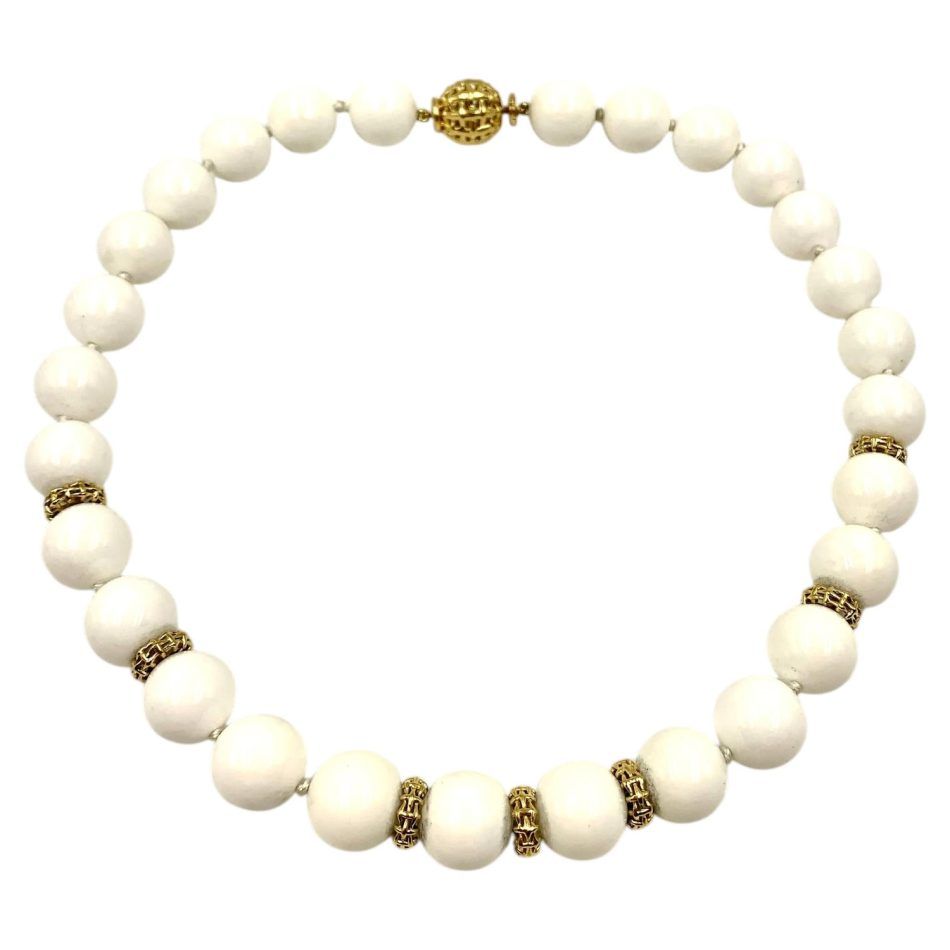
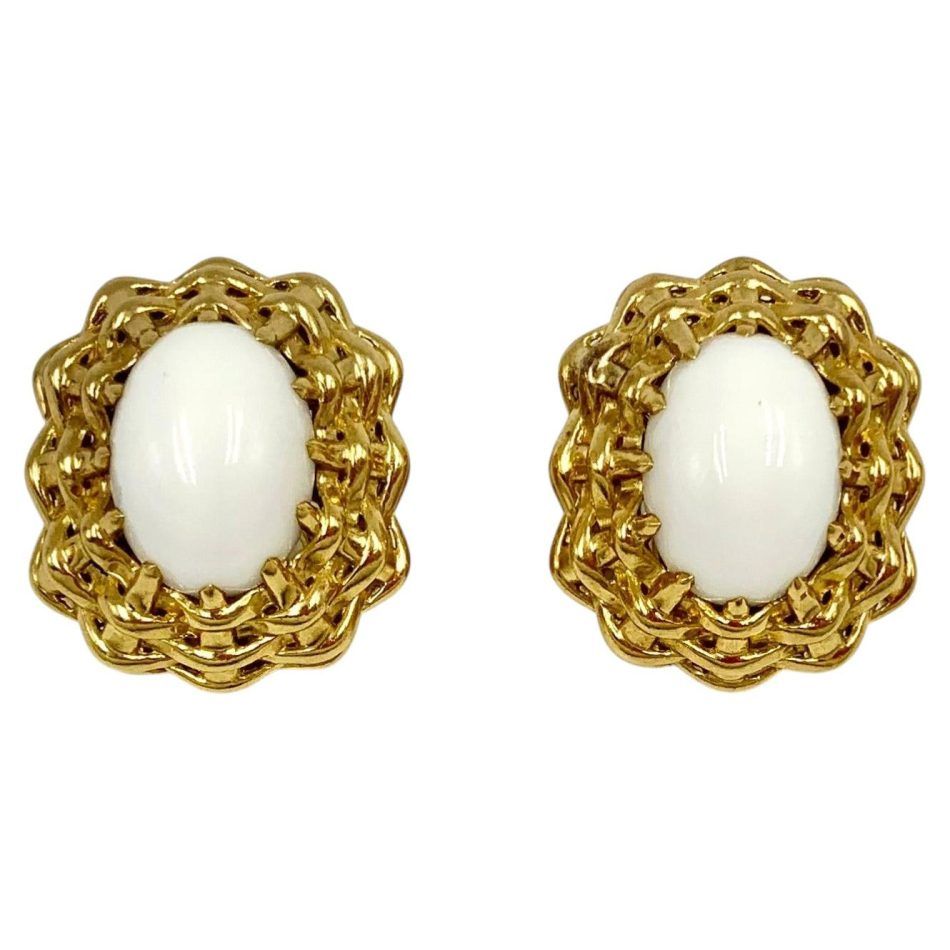
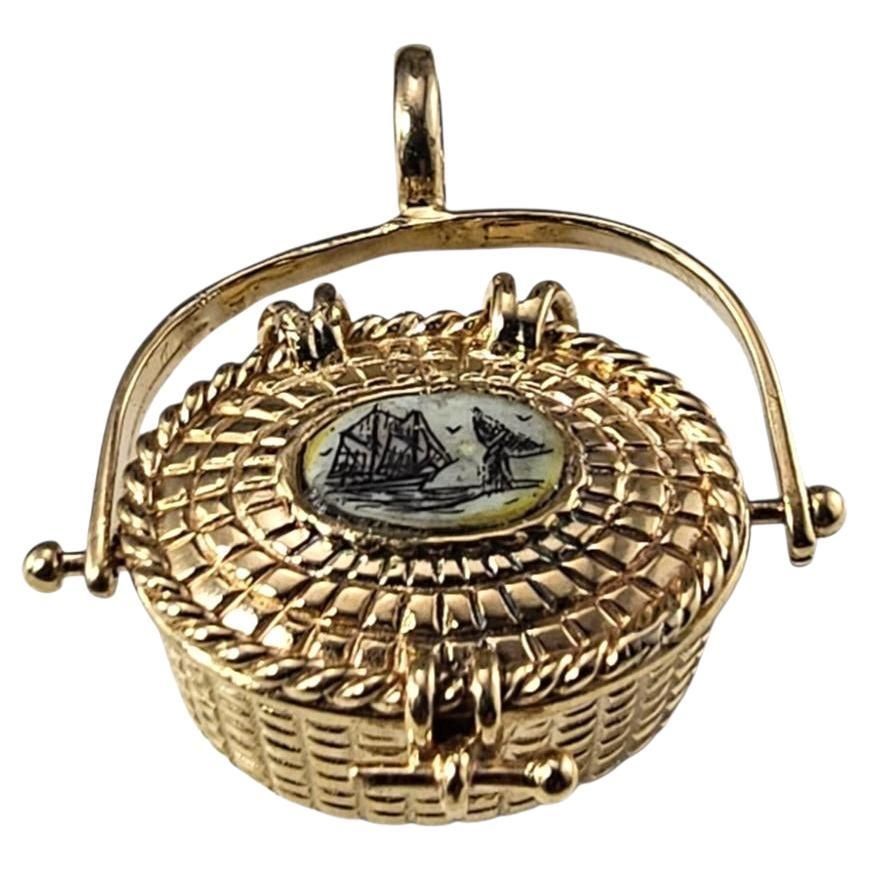
Seaman Schepps is also one of the many island jewelers selling lightship-basket charms made with precious metals and gems. In addition to these designs, some of most sought-after charms include those created and signed by Glenaan Elliott Robbins, who introduced the design in 1977. Featuring moving handles and opening lids and sometimes holding miniature pennies, the tiny Nantucket lightship baskets are likely the inspiration for the lockets seen on Sirens. Commissioned for the show by the costume designer Caroline Duncan, they are worn by multiple characters to convey their elite status. As showrunner Molly Smith Metzler told Variety, “the lockets are a real thing in Nantucket Island. Everyone is wearing them.”
Fortunately you don’t have to be an island resident, frequent flyer or even an influencer to get your hands on a Nantucket basket (or hang one around your neck). In the current moment, everyone is invited to the clambake.