
July 12, 2026Growing up in Hershey, Pennsylvania — in a cookie-cutter suburban house filled with antique finds like Mission-style furniture and Stangl pottery — David Rosenwasser had little knowledge of modern design. But that changed dramatically when he turned 12.
“My dad was gifted an Eames 670 lounger, and it was imprinted on me that it was something to lust after,” the now 31-year-old founder of vintage-furniture dealer D ROSE MOD recalls of his first brush with the work of Charles and Ray Eames. “From then on, understanding the connection between architecture and design became my obsession.”
It’s a passion that has paid off handsomely. Rosenwasser purchased his first Eames piece — a reissued bent-plywood LCW chair — when he was just 14. By the time he graduated from high school, he had bought and restored enough architect-designed furniture to fill a shipping container bound for a mid-century modernist dealer in the Philippines, to whom he had previously sold an Eames 670 lounge chair and ottoman on eBay.
That $120,000 sale became seed money for the teenage entrepreneur to purchase more vintage classics for the 2013 launch of his company, which is now one of the world’s largest purveyors of original office furnishings by Herman Miller and Knoll.
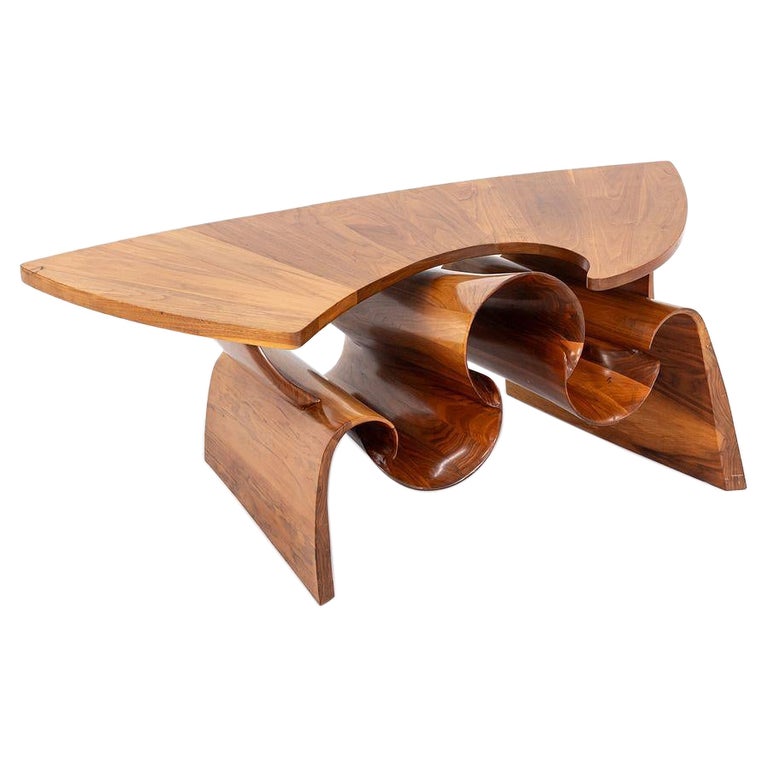
The profits from his fledgling business also helped subsidize his education: a bachelor’s degree in architecture from Cornell, followed by a master’s degree from Harvard’s Graduate School of Design. They also allowed him to commission Mira Nakashima to create — for his own personal collection — pieces in the organic modernist tradition of her maestro woodworker father, George Nakashima.
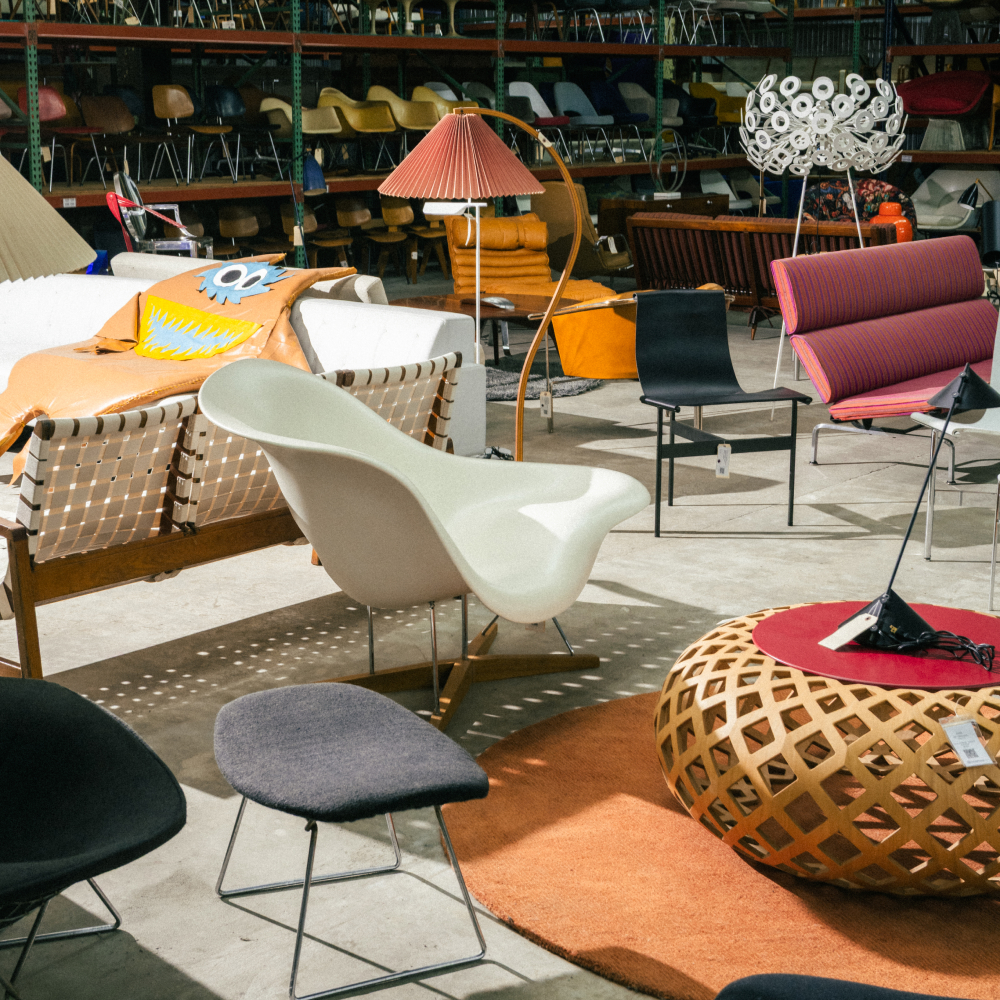
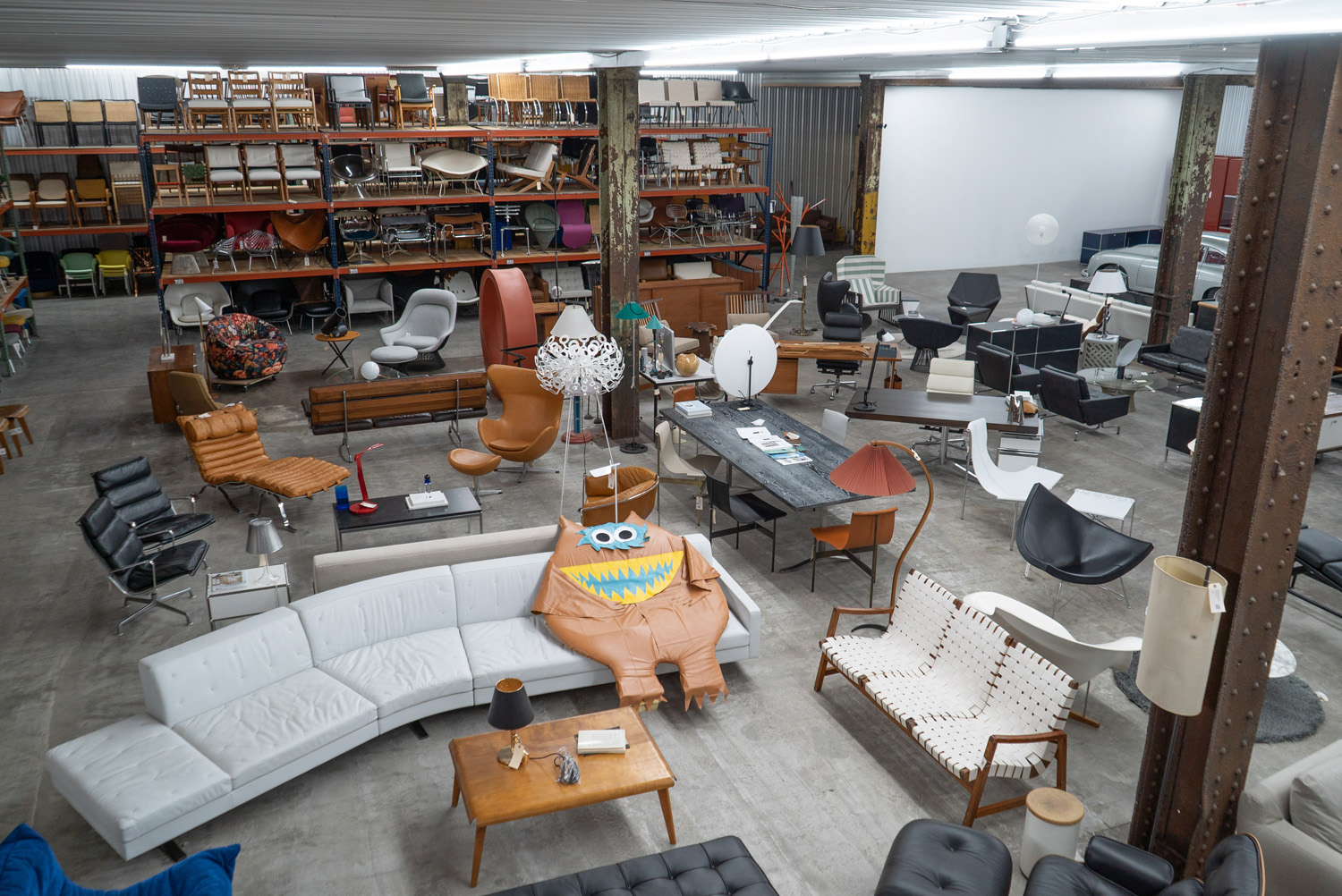
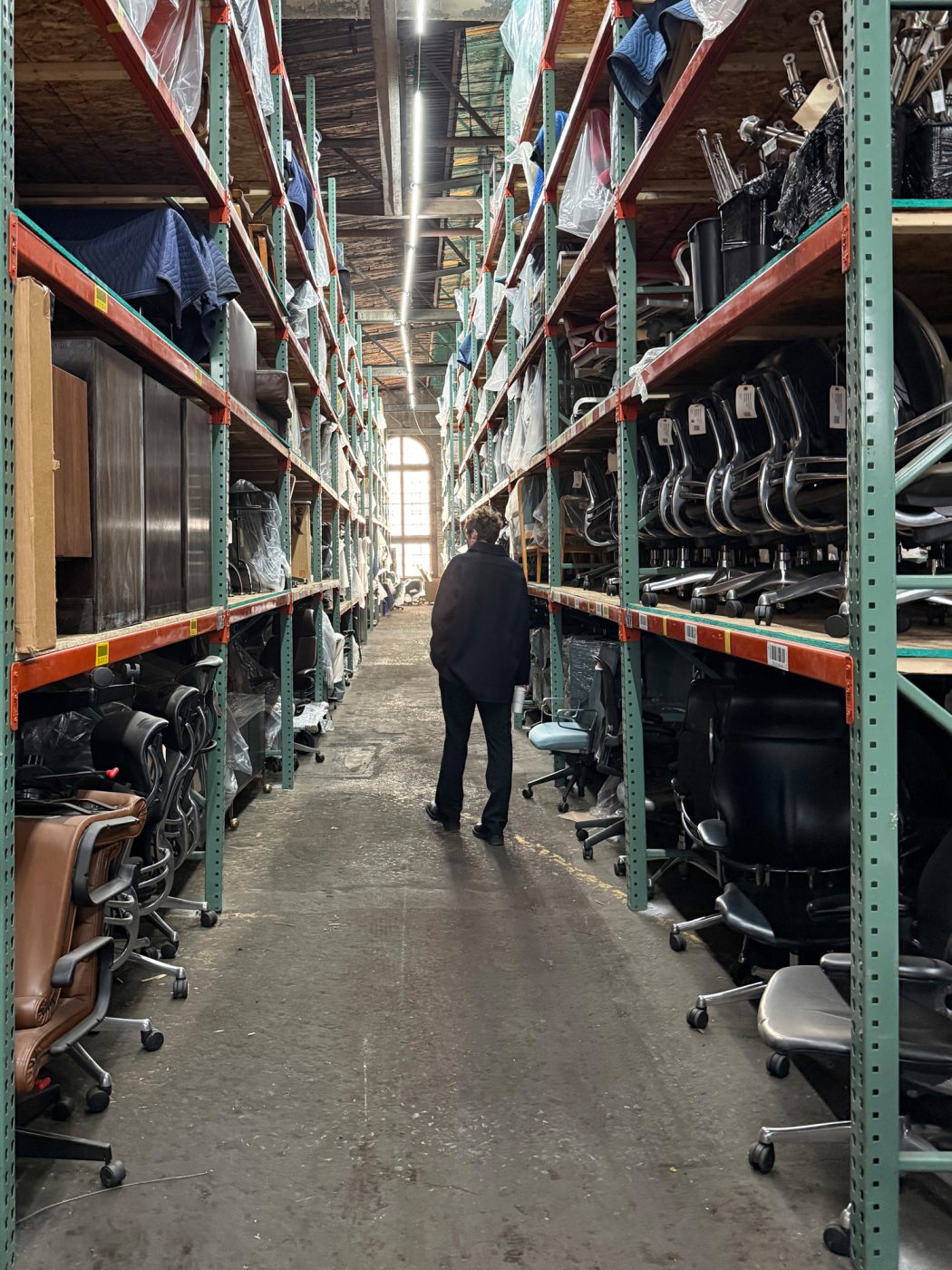
Today, D ROSE MOD operates sprawling warehouse and showroom spaces in Lebanon, in southeast Pennsylvania, in an ex–Bethlehem Steel plant that once manufactured railroad spikes. Both are open to the public by appointment “for anyone interested enough to drive from Manhattan, Washington, DC, Philadelphia or Baltimore,” Rosenwasser says with a smile.
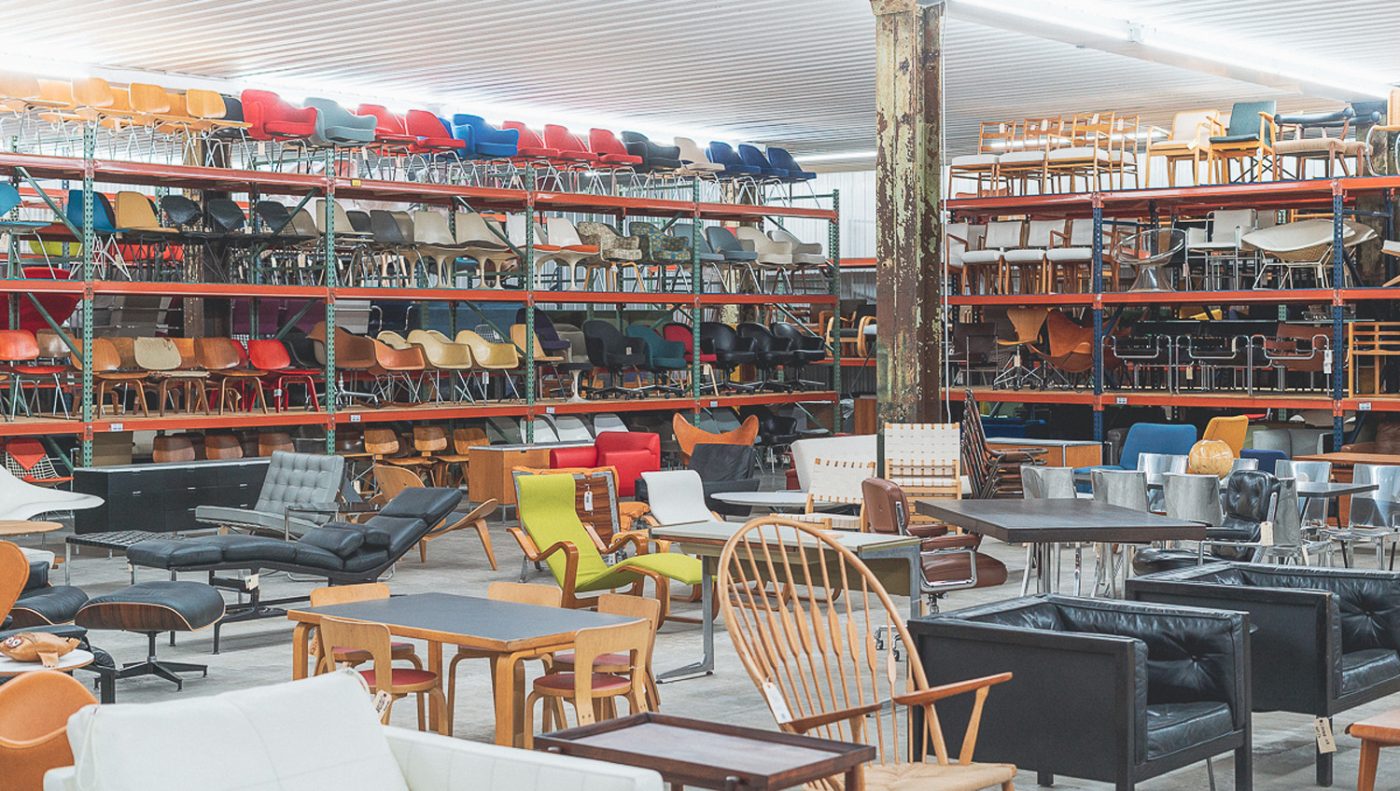
Its remote location provides a business advantage. “Affordable warehouse space allows us to take big risks,” Rosenwasser adds, noting that he often buys up the contents of entire offices filled with furnishings by the likes of Poul Henningsen, Poul Kjærholm, Fritz Hansen and Jules LelEu.
He has also acquired custom furnishings from prestigious buildings by the modernist skyscraper pioneers Skidmore Owings & Merrill (SOM), as well as later 20th-century and 21st-century designs by De Sede, B&B Italia, Moroso and Christian Liaigre.

Since joining 1stDibs some four years ago, Rosenwasser has found new interior designer clients and become something of a prop house for film and television productions. He provided designs by mid-century great Jens Risom and contemporary architect David Adjaye, among others, for Apple TV’s Severance and Eames Soft Pad chairs for the 2025 movie A House of Dynamite.
In 2021, he partnered with his Cornell classmate Jeremy Bilotti to create Rarify. The online platform showcases D ROSE MOD’s vintage inventory as well as new editions of Bauhaus and Scandinavian modern designs and contemporary works. The last include Cube One, a lamp that Bilotti and Rosenwasser crafted from USM Haller modular shelving parts.
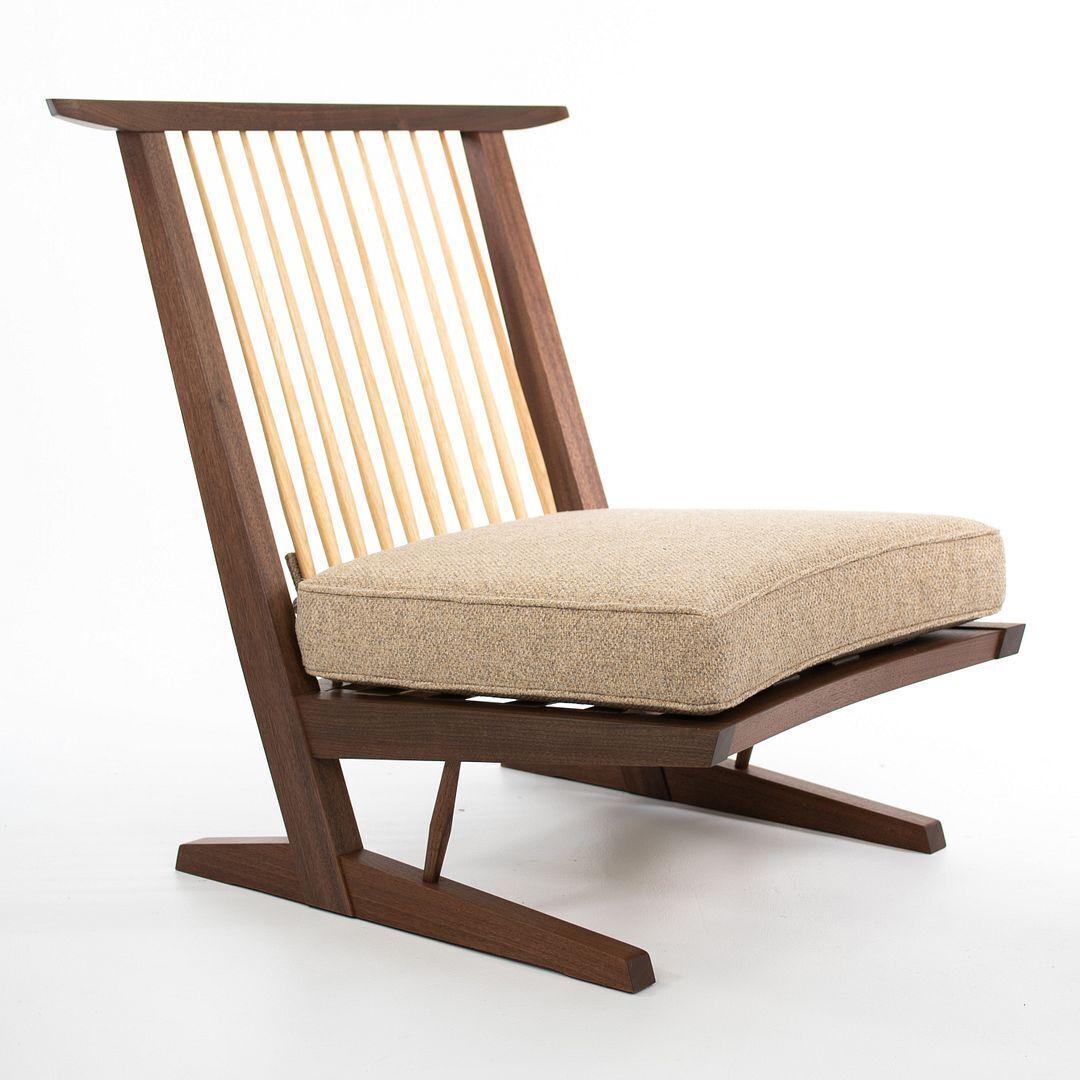
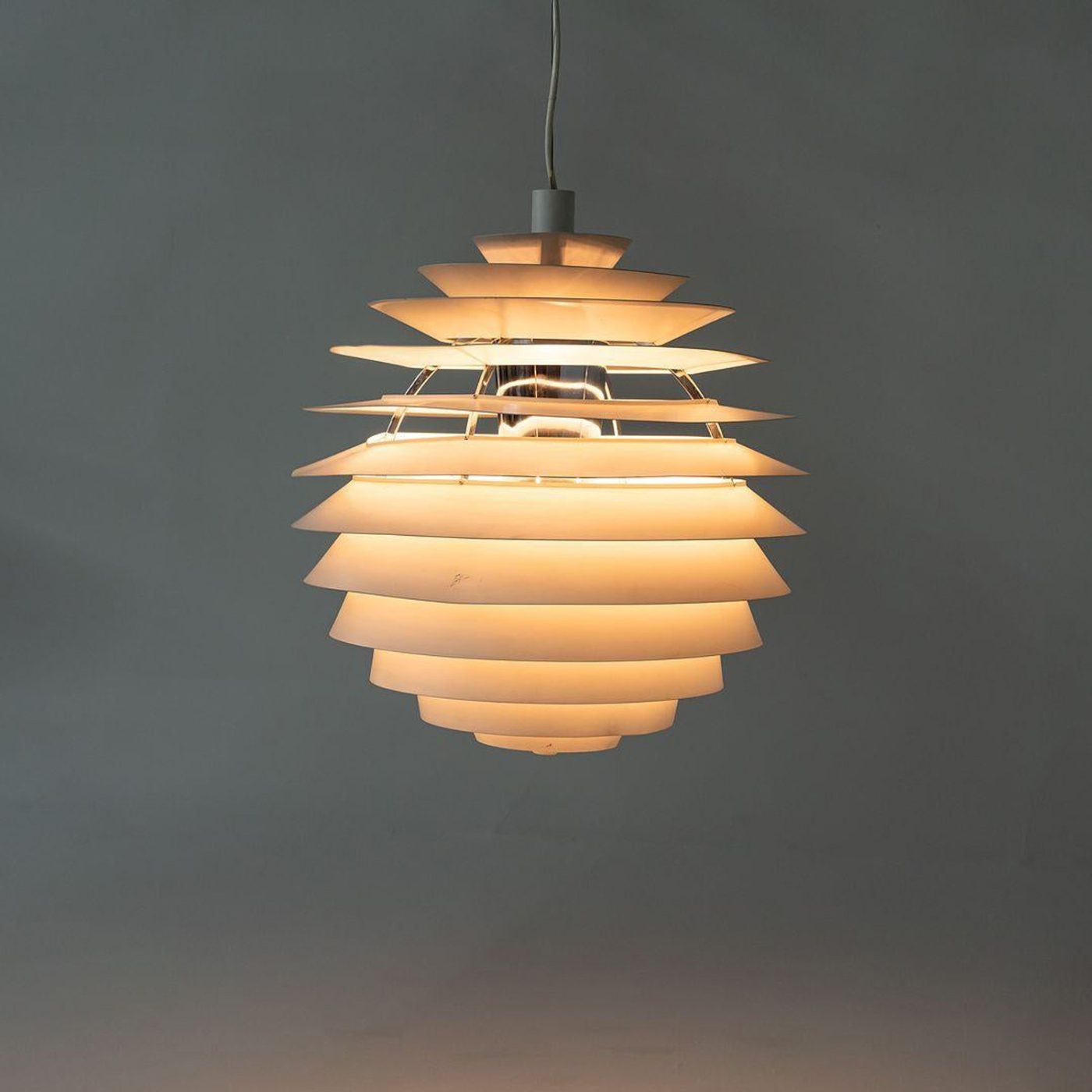
Rosenwasser lives above the Rarify showroom, in a Philadelphia row house, and has decorated his home with his personal collection of Nakashima furniture, Ben Shahn prints and Georg Jensen silver. These sit amid such design icons as a Hans Wegner dining table for Andreas Tuck and coordinating Wegner Cow Horn chairs, a Grasshopper chair by Jørgen Kastholm and Preben Fabricius and Arne Jacobsen–designed door hardware. There’s also a UNIFOR shelving system from the 2000s laden with what he calls “design nerd” icons like Isamu Noguchi’s 1938 Radio Nurse, the precursor to today’s baby monitor.
With the exception of his Nakashimas, Rossenwasser is fine with putting any and all of his personal pieces up for sale. “There’s so much cool stuff coming in, it’s almost impossible to have regrets about what goes out,” he says.
Rossenwasser recently chatted with Introspective about his decorative-arts collections, his devotion to unheralded American designers, the appeal of corner-office interiors and a surprising approach to caring for silver.
Why should people consider buying vintage office furniture for their homes?
There’s a giant workforce of designers for the workplace, and while they don’t have the sexiest projects, they do have sexy budgets for executives’ offices. The opportunity is in how much workplace furniture is out there and how cool it is. It’s often hard to find a dozen antique or vintage dining chairs for a house, but I have 200 Paolo Piva armless leather Arcadia chairs that B&B Italia put out in 2005.
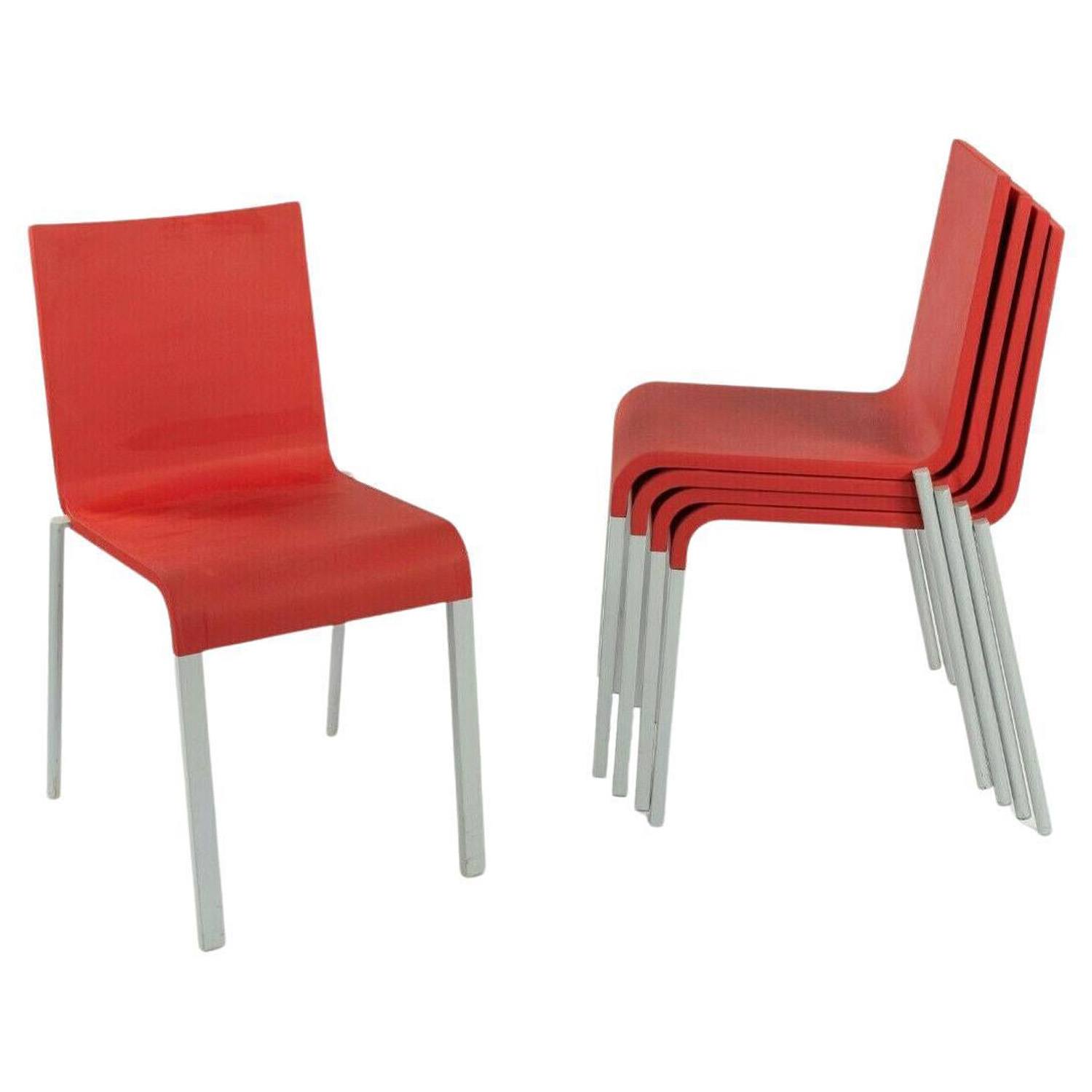
When people ask me what’s funky and cool, I come back with chair designs by Maarten Van Severen and Giancarlo Piretti, which are stackable, foldable and quite affordable.
What pieces that you currently offer on 1stDibs exemplify your aesthetic?
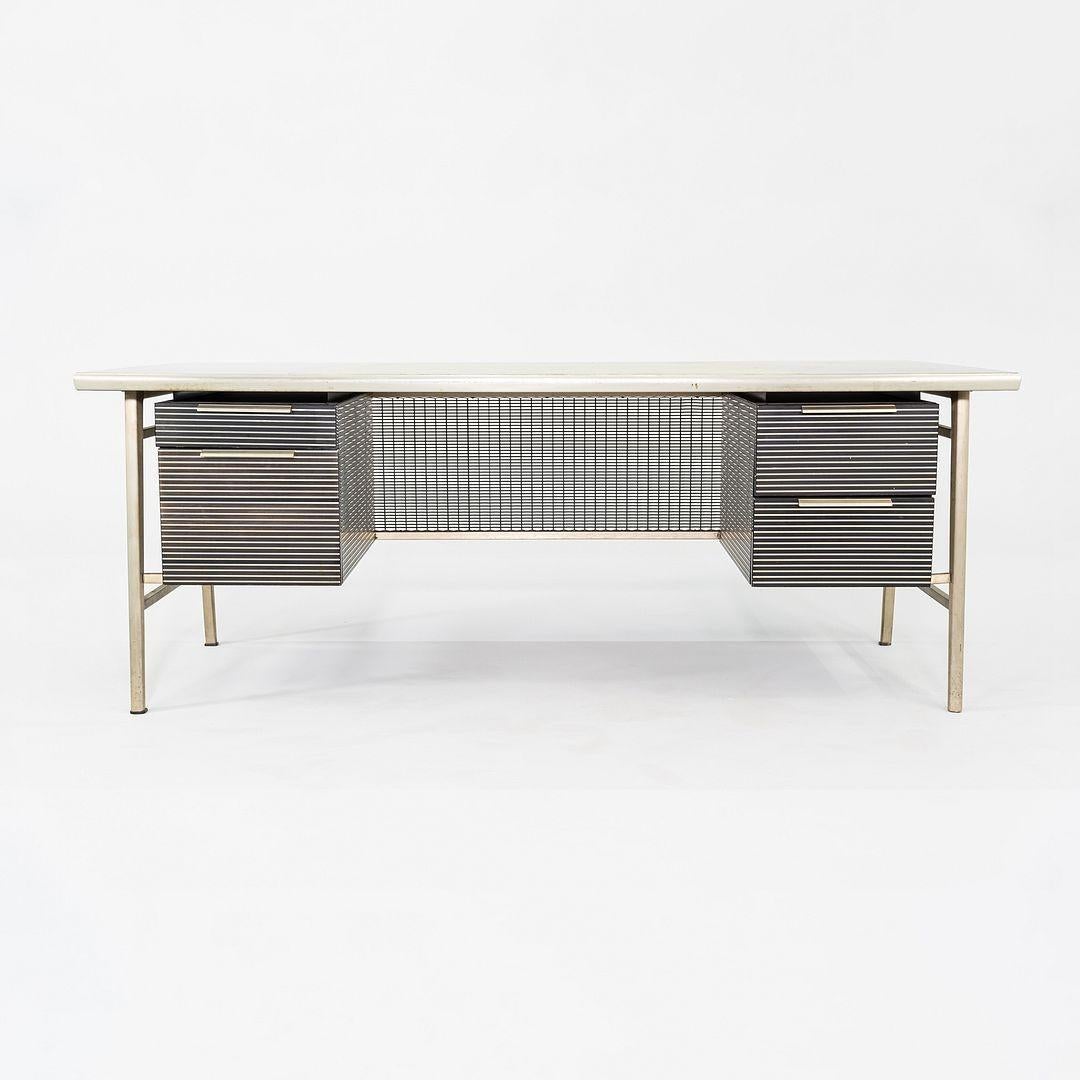
We aren’t Pierre Jeanneret, Art Deco, fancy chandelier people. From a collecting perspective, our north stars are the heroes of the Bauhaus and the architects and designers who helped to build a vision of corporate modernism in America. What appeals to me most is the hyper-material-focused, minimalist modern furniture that Nicos Zographos, Davis Allen and Gordon Bunshaft designed for Skidmore, Owings & Merrill projects.
SOM had the richest clients, and this bespoke furniture was labor- and process-intensive, made as finely as you can make marble, glass, wood and metal in squares and circles and rectangles, which were part of a complete architectural vision.
The people who buy it value it. They know it’s different and better than Florence Knoll. Furniture designed for SOM is the most expensive stuff I have on 1stDibs and the pieces I am least motivated to get rid of.
It’s also seemingly the opposite of the organic work of George and Mira Nakashima, whom you collect.
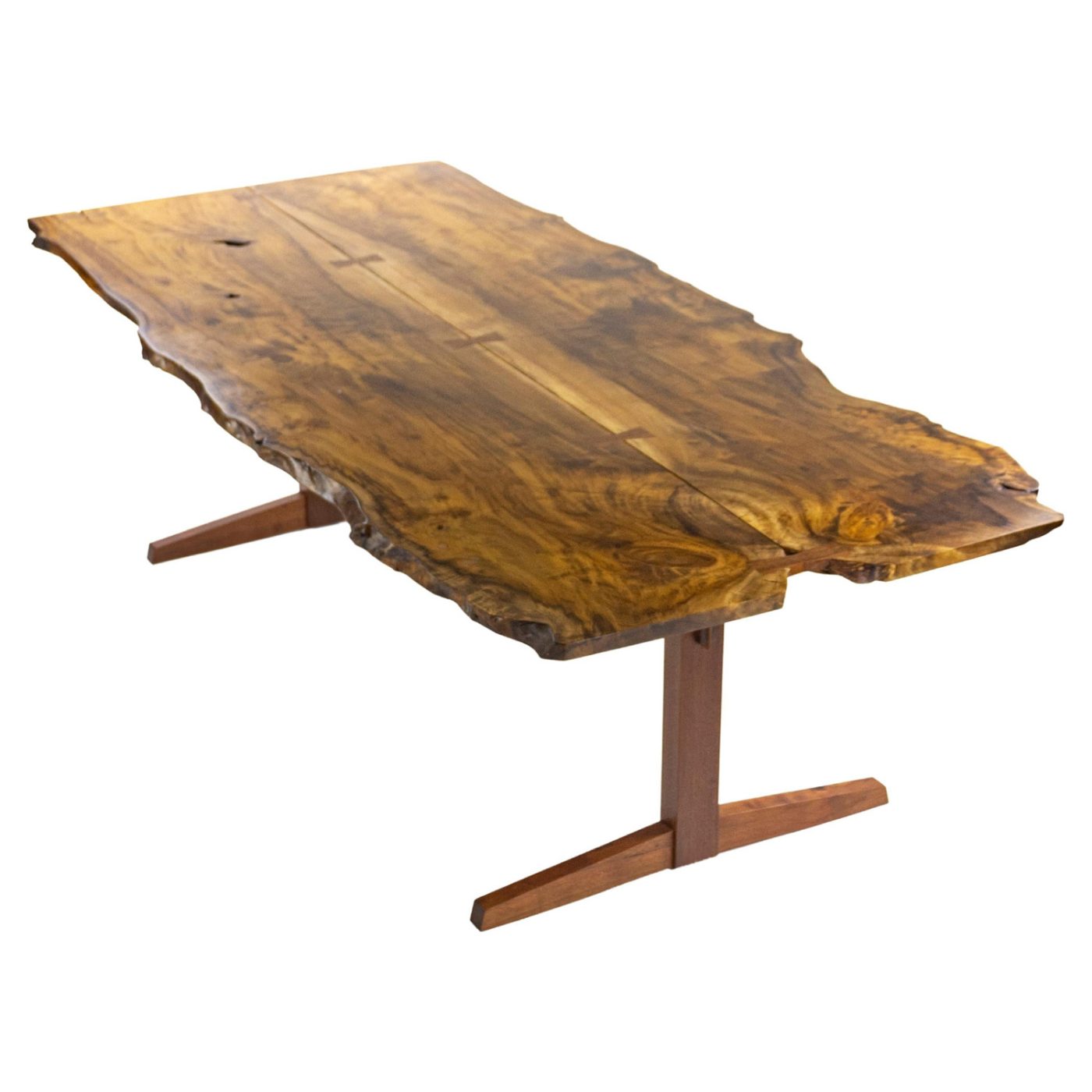
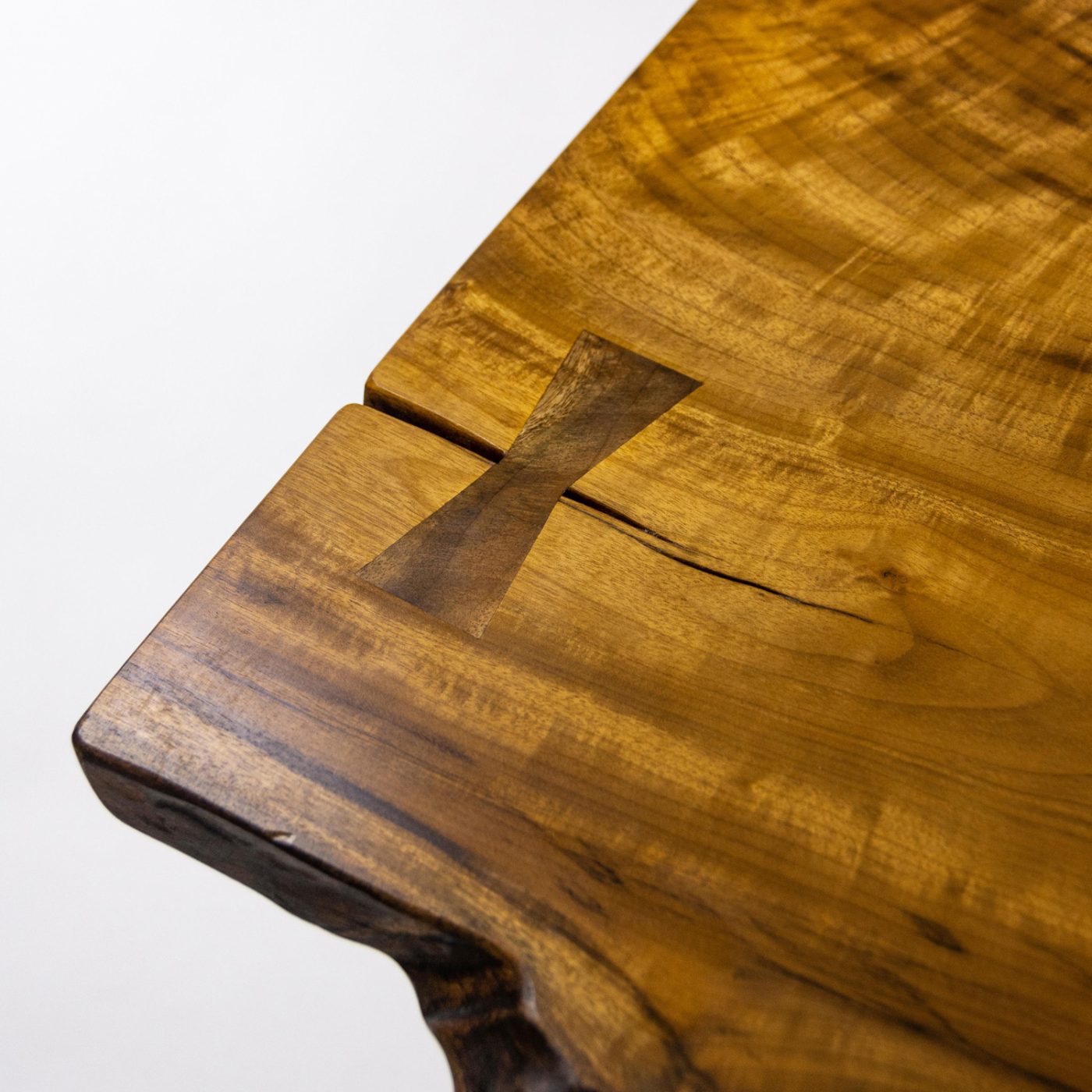
I see both the SOM designers and the Nakashimas as focused on a rigorous design and materials language. What I appreciate about George’s and Mira’s work is that it represents a modernism with a very different point of view and enormous focus on hand craftmanship, as the antithesis of what was going on in manufacturing in America. Their body of work is worthy of respect for both its quality and its integrity.
If you’re a furniture nerd, the pinnacle of a status symbol is a Nakashima. I bought a Bahut cabinet by George from 1stDibs when I was in my mid-twenties, and back then, whenever I had a little extra money, I would splurge on a piece by Mira.
I went balls to the wall on materials — solid-rosewood and claro-walnut tables and a quite elaborate Conoid desk in English oak burl. They’d be hard to part with, and that’s by design, the intentionality of buying something to have for your whole life.
D ROSE MOD specializes in furniture. What fine and decorative arts make the cut for you?
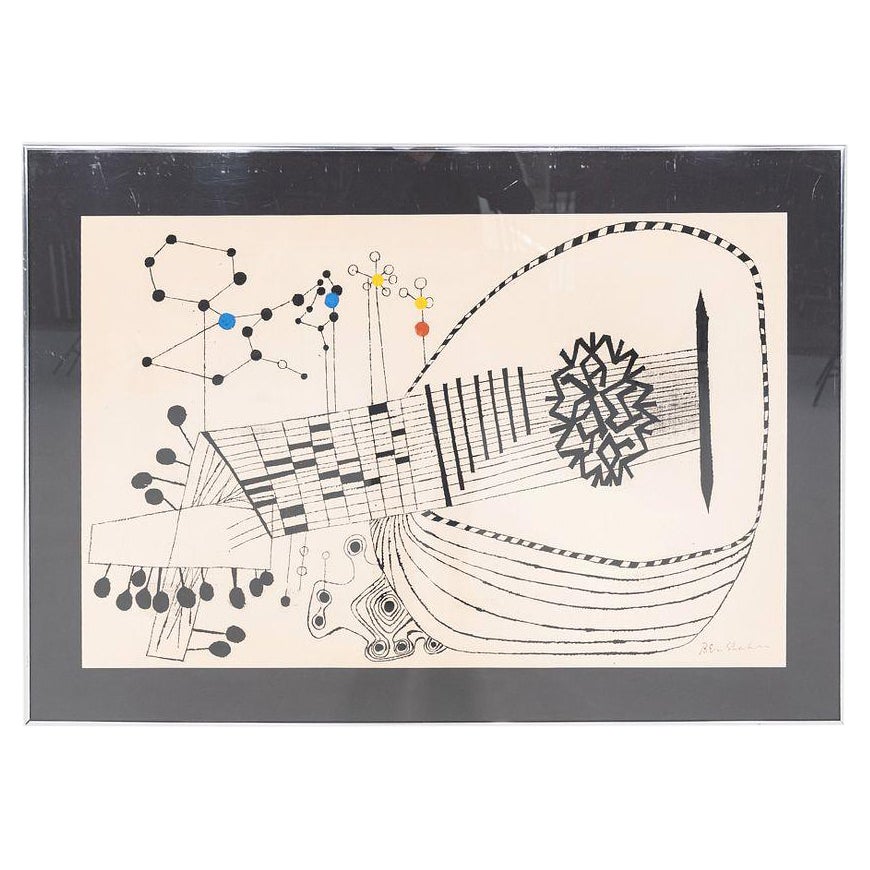
Work by the artist Ben Shahn, who had a very special graphic language and George Nakashima as a patron. Architectural photography by Julius Shulman, lithographs from A83 gallery, which printed limited editions for prolific architects, and work by the Bauhaus weaver Anni Albers. I see the decorative arts as opportunities to express a greater interest in sculpture and flamboyant form, like Tobia and Afra Scarpa’s glass pieces for Venini.
What is the rarest object you’ve acquired?
Furniture and artifacts that belonged to the devout modernist architect Gordon Bunshaft, who designed Lever House in Manhattan. We have his Registered Architect seal embosser, drafting tools, a pair of cufflinks and his personal Eames 670 lounge and ottoman. It’s all black — the rosewood was ebonized in the factory in 1963.
Are there other designers and pieces you feel deserve more love?
Estelle and Erwine Laverne were quite avant-garde. The Laverne International T-chair by Katavolos, Littell & Kelly, which was produced by Gratz, the metalworker that made the Barcelona chair frames, is a classic.
People are learning to appreciate the Gae Aulenti and Ettore Sottsass designs for Knoll that fit into the Italian modernist style. I have two dozen Sottsass sofas from the Knoll East Side collection in the most hideous original fabrics but if you have the imagination, you could look at one and say wouldn’t that be so cool in burgundy mohair or shearling?
From the late nineteen sixties to eighties, Ward Bennett, who did interiors for Tiffany & Co. and Chase Manhattan Bank, designed furniture that had an unusual perspective outside of prescriptive modernist language. He was self-taught and had a focus on industrial materials but was not afraid to use tufting and dramatic armrests. His work is so damned interesting
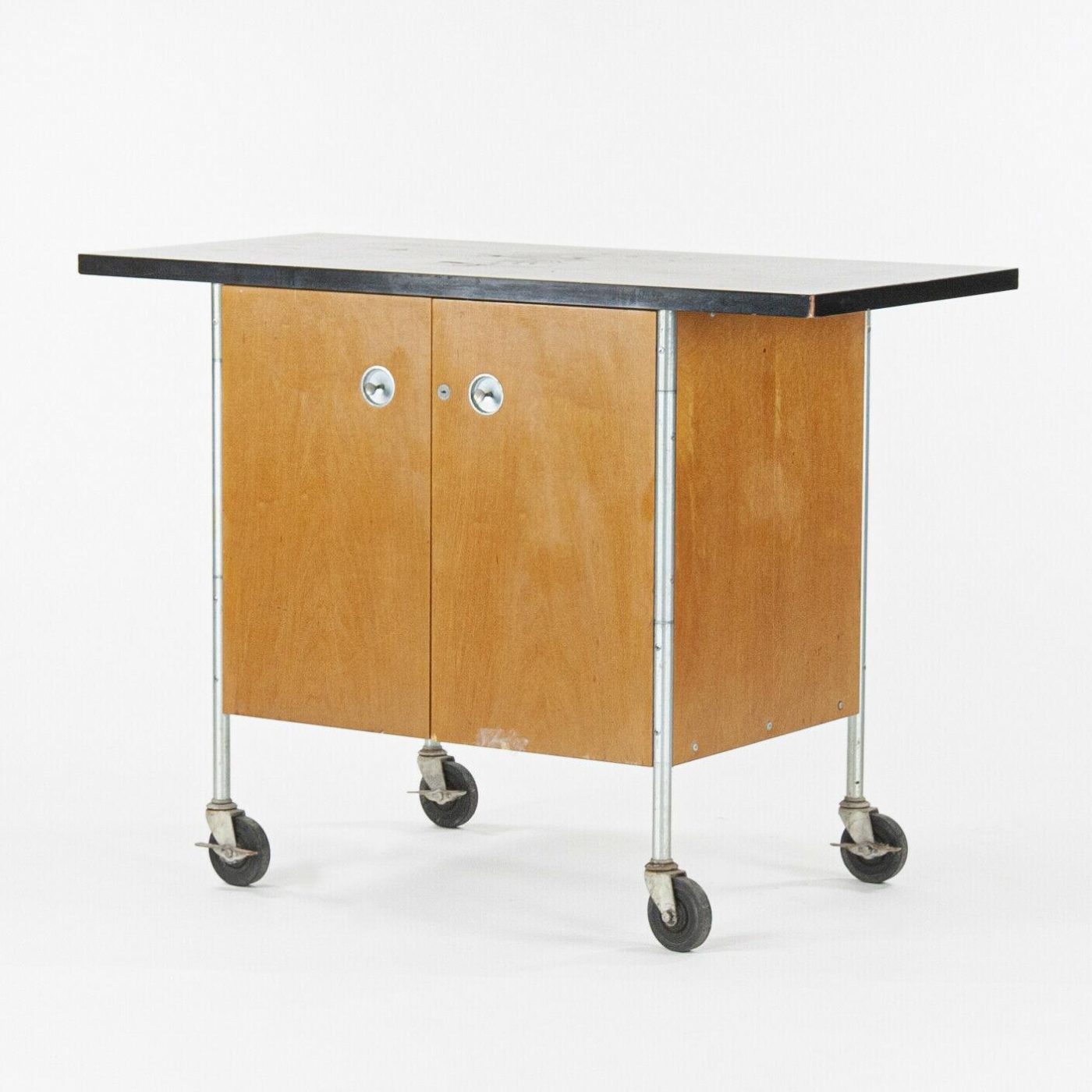
A professor and practicing architect, Henry P. Glass made extremely rare and fascinating pieces — similar to Raymond Loewy’s work from the same mid-century period — with elements that are industrial and bespoke. If you buy a house and want to buy something that none of your friends has, look for his quirky arched architectural lounge and dining collections and modular cabinet systems with colorful doors.
There is also a very recently founded Swiss company called Lehni with a very austere industrial metallic aesthetic that I really love. They’re making furniture out of sheet aluminum, and they also produce Donald Judd furniture.
What emerging trends do you see in residential decor?
There’s a lot of collaging going on. My perception from being on 1stDibs is that there is a lot more interest in formally expressive design, such as the exuberance of Pierre Paulin, and French and Italian nineteen-seventies modernism, such as Guido Faleschini’s Tucroma chairs and funky faceted coffee tables by Saporiti Italia.
A prominent interior designer just bought a quite contemporary Moroso sofa by Patricia Urquiola in two-tone black-and-white leather and had it done in a gray-beige mohair with white cowhide. It went from supervillain’s office or spaceship to something that now complements Brazilian modernism.
What do you collect?
Both my dad and I have an insatiable appetite for watches with racing, aviation and space-travel heritage. As a sixteen-year-old, I bought a 1963 Breitling Navitimer for eighteen hundred dollars and spent another one thousand dollars having it serviced. It was my new little baby and a reflection of my passion and what I wanted to do with my money.
My parents collected Georg Jensen silver, and I became that weird twelve-year-old kid finding, authenticating and buying Jensen jewelry for my parents to give to each other. I also bought Jensen cutlery for myself and about forty-five pairs of cufflinks and two dozen tie bars that I keep in an early-twentieth-century Gerstner machinist chest.
I also love small appliances designed by architects, like the Michael Graves tea kettle and Gae Aulenti toaster, although often they are functionally mediocre.

What designs do you covet?
I would love to have a lot more pieces of sterling-silver Georg Jensen modernist hollowware by Henning Koppel, which are large, sculpted objects, somewhere between functional pieces and handmade art. What’s so fun about them is whoever planned to use a twenty-thousand-dollar Koppel pitcher literally had to be Danish royalty. His fish dishes are such opulent sculptural icons from a revered maker — they’re my idea of buying art.
Any expert recommendations for taking care of fine metals?
For sterling silver, I use Silvo wadding polish, which is what the old collectors who taught me everything they know about Jensen recommend. It’s not a cream, so you’re not getting white crap in the crevices when you polish. My wife and I have three ginormous sets of Jensen sterling flatware, and to be honest, we put it in the dishwasher. I want to use it every day, and if the dishwasher is going to make microscopic pieces of silver go away, so what?