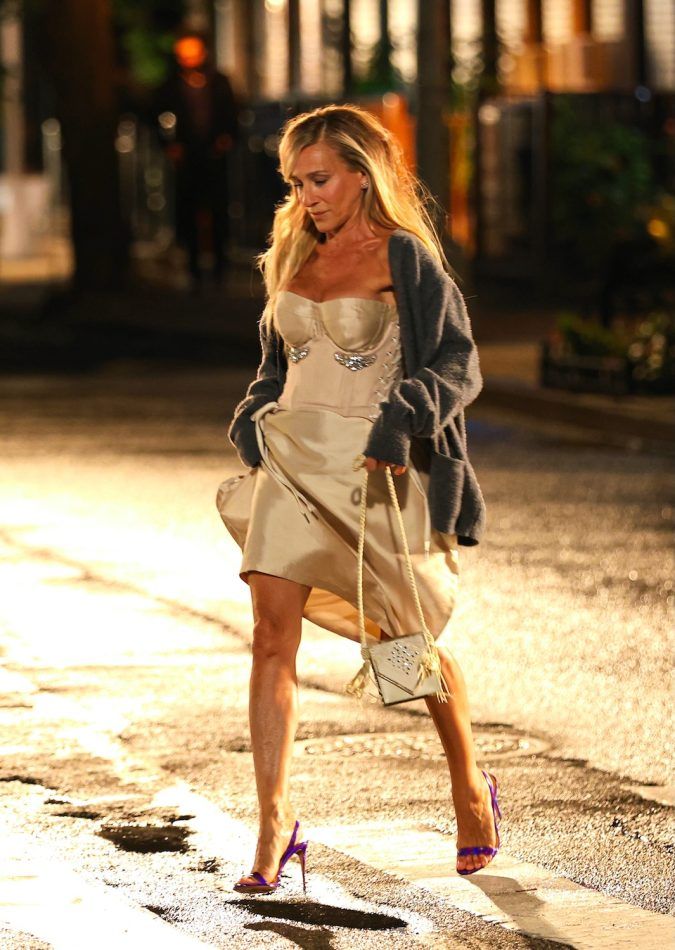
In popular culture, few TV shows deploy as extensive a repertoire of cocktail dresses as Sex and the City, with characters Carrie, Samantha, Charlotte and Miranda dressing up for punchy evening libations in almost every episode — cosmopolitans, of course, being the concoction of choice.
Among Carrie’s most memorable looks are the delicately ruffled Richard Tyler peach-floral-silk dress she wears for a date with Big in Central Park in Season 3, the lace-trimmed flapper dress by Anna Molinari she chooses for her book launch in Season 5 and the fringed white-sequin slip dress by Alberta Ferretti she dons for a date with Aleksandr Petrovsky in Season 6. More recently, the champagne-silk Spring/Summer 2009 bustier design by Dolce & Gabbana she sports in And Just Like That — sourced from 1stDibs by costume designer Molly Rogers, who discusses the fashion find in the latest episode of our Objects of Desire podcast — embodies the art of simple, impactful cocktail dressing.
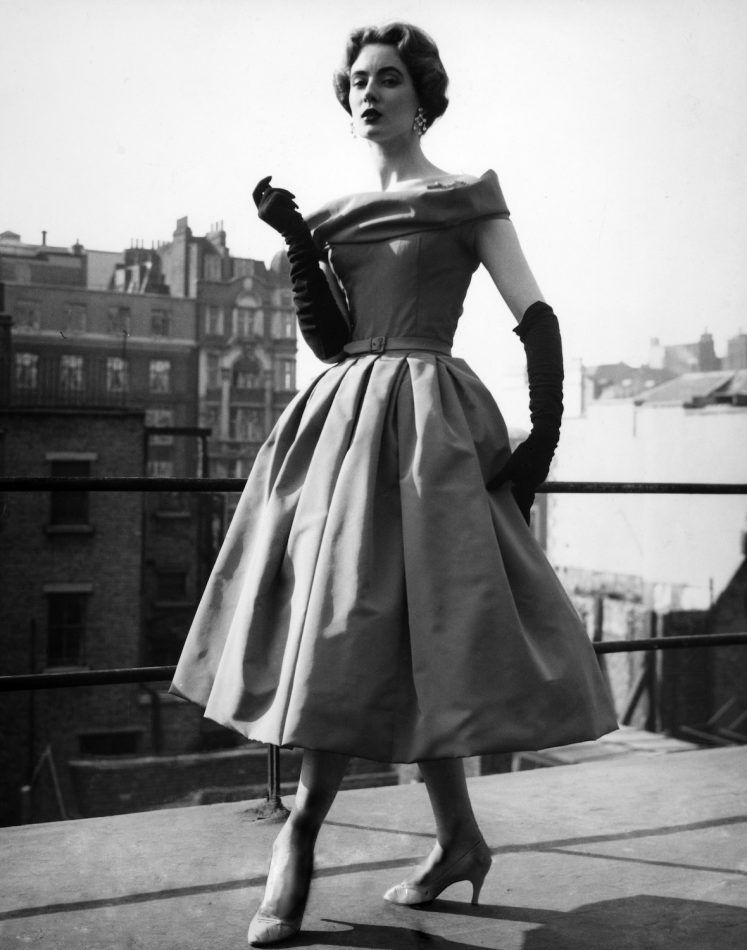
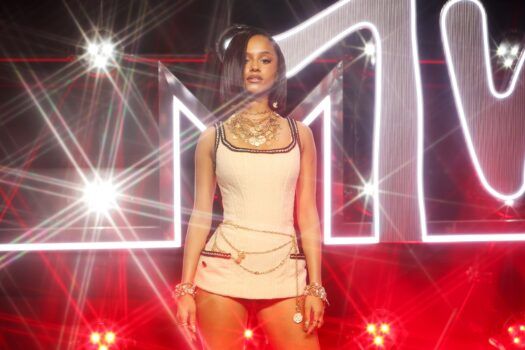
By virtue of its name, the cocktail dress is associated with a playful, flirty kind of glamour, born of a sense of excitement as the day’s responsibilities fade away to be replaced by an evening full of possibilities. Often misleadingly defined as “semiformal,” cocktail dresses are anything but a half measure. Rather, they are a sparkling blend of seduction, comfort and versatility, designed to create a striking impression of confident, unapologetic femininity.
No single definition of cocktail style exists, but the look has its roots in 1920s flapper fashion, when women embraced shorter hemlines and looser silhouettes. Dancing the Charleston in American speakeasies and European salons, women wore beaded shifts that were sultry and fluid, exuding a new freedom and modernity.
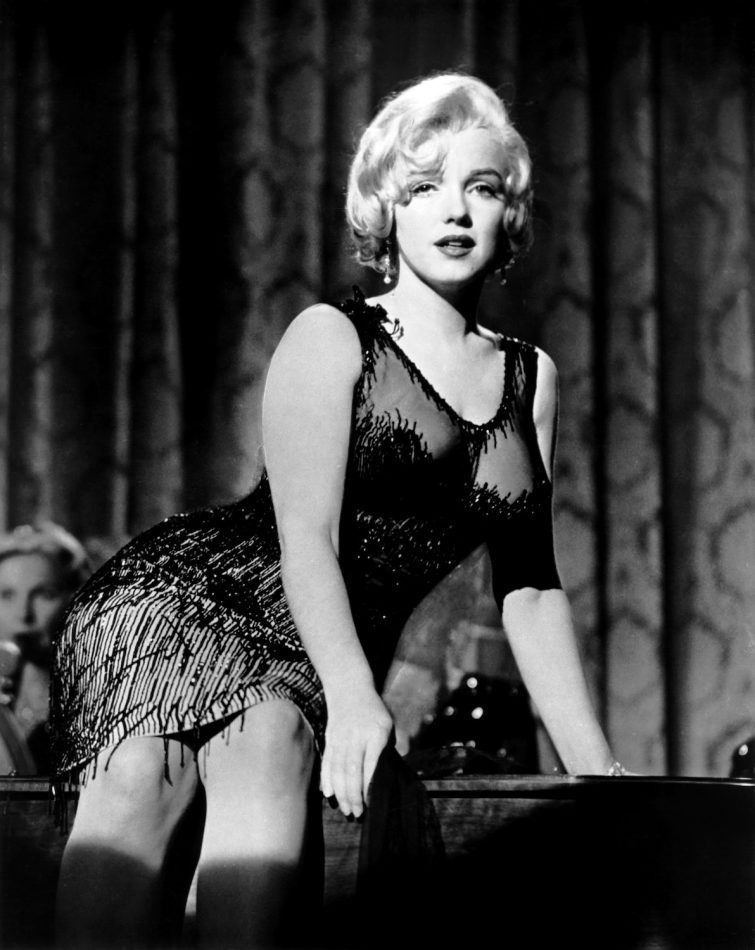
On the silver screen, the cocktail dress became a storytelling device all its own. Directors used it in scenes intended to slow a plot’s pace, drawing the audience closer to the characters and creating a sense of drama and anticipation. Some of cinema’s most memorable dresses emerged from these moments. Who can forget Marilyn Monroe in 1959’s Some Like It Hot, performing atop a grand piano in a shimmering, beaded dress that conveys both playfulness and seductive allure? Or, in the same movie, vamping in a provocative, crystal-studded “nude look” gown by costume designer Orry-Kelly, glittering like a glass of champagne under the lights?
Queen of noir style Lauren Bacall defined a different kind of elegance in 1946’s The Big Sleep, wearing a slinky black gown layered with a puff-sleeved gold-lamé jacket by Leah Rhodes — an audacious look that perfectly matches her cool cocktail order: a crisp and punchy Scotch Mist. Later, Bianca Jagger embodied a similar high-impact nightlife glamour with lashings of metallic-lamé fabric, as did Pat Cleveland, as part of the Studio 54 set. Arguably the most mythical version is the elegant black Givenchy gown Audrey Hepburn sported in 1961’s Breakfast at Tiffany’s, its sculpted neckline and daring cut‑outs at the back forever associated with pastries, pearls and the hazy, unhurried morning after.
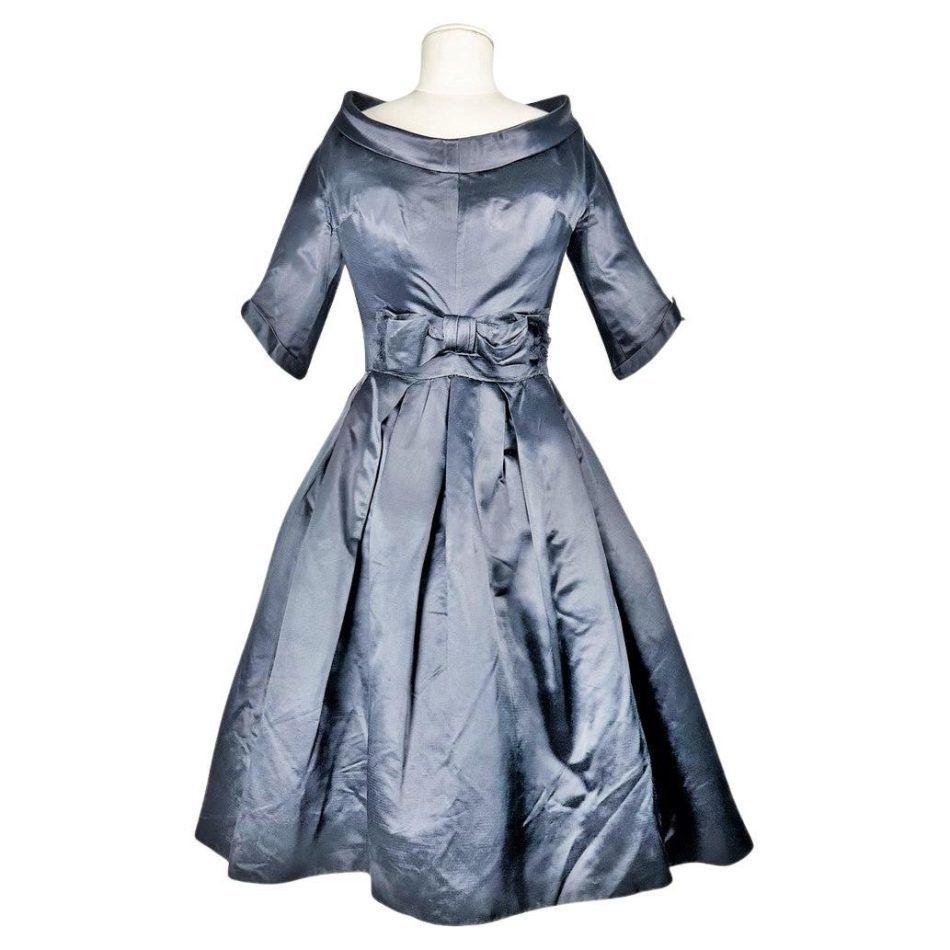
While the notion of the cocktail dress predates him, it was Christian Dior who popularized the term, in the late 1940s. His breakthrough New Look silhouette (a form-fitting bodice combined with a cinched waist and flared mid-length skirt) proved ideally suited to sophisticated early-evening gatherings: not too formal, not too casual. It sparked a whole business model, with magazines and department stores advertising garments and accessories designed for cocktail-hour socializing.
By the late 1950s, Christian Dior’s cocktail dresses had become shorter and more coquettish, reflecting a shift toward youthful elegance. His short Bruxelles dress, from the Spring/Summer 1954 Muguet collection — crafted from ecru guipure lace, with a fitted bodice and flaring skirt — was an instant success, notably worn by actress Olivia de Havilland. Another highlight was the strapless Moulin Rouge dress from the Fall/Winter 1954 H-Line collection, its light, balletic silhouette made of scarlet pleated tulle and infused with a hint of mischief.
Dior himself emphasized the cultural significance of the cocktail dress, remarking, “The real masterpieces of American design are the cocktail dresses, the cocktail being the symbol par excellence of the American way of life.”
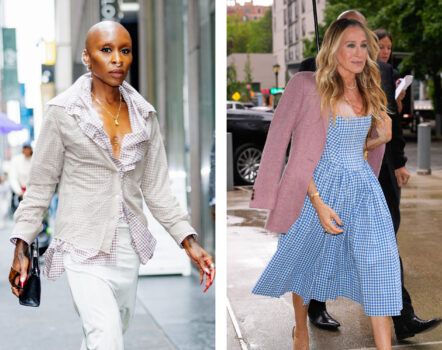
Today, the cocktail dress and the party dress are essentially one and the same, although the term “cocktail dress” lingers on — especially in invitations — suggesting a point of difference that’s more to do with occasion and etiquette than aesthetics. Simply put, a cocktail dress is one that lets you dance and drink with ease and poise, and slip home early, if you want, feeling that you’ve delivered big on glamour without flamboyance.
Dolce & Gabbana’s creations represent cocktail dressing at its most cinematic. The house’s signature black-lace dresses — evoking a romanticized Sicilian widow — combine corsetry, sheerness and dramatic femininity. Equally compelling are its bold Mediterranean prints, leopard motifs and structured silhouettes, epitomizing an unapologetically seductive vision of twilight style.
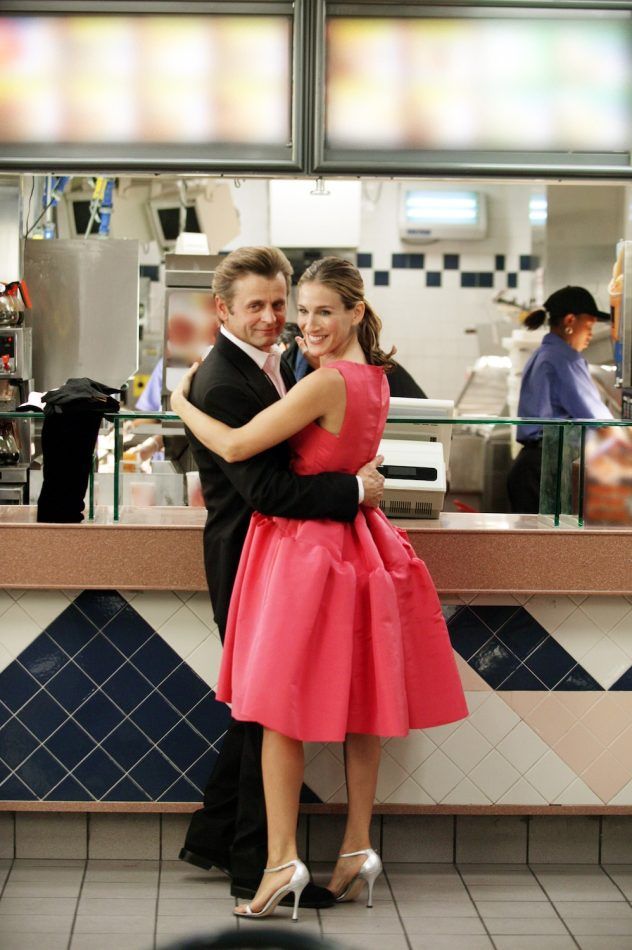
If Dolce & Gabbana is the Negroni of cocktail dressing — stylish with a bittersweet kick — Oscar de la Renta is the Kir royal: ebullient, indulgent and joyful, with plenty of embellishment and drama. Think of the house’s hot-pink silk dress worn by Carrie Bradshaw in Paris in Season 6 of Sex and the City, which manages to add a flash of glamour to a McDonald’s setting.
Oscar de la Renta’s impactful red-carpet moments are too numerous to list — his haute designs loyally worn by stars like Taylor Swift, Nicole Kidman and Anne Hathaway — which is fitting, given his love of luxurious materials and almost fairy-tale approach to construction. “There is no sound more feminine,” he once observed, “than a woman in a taffeta dress.”
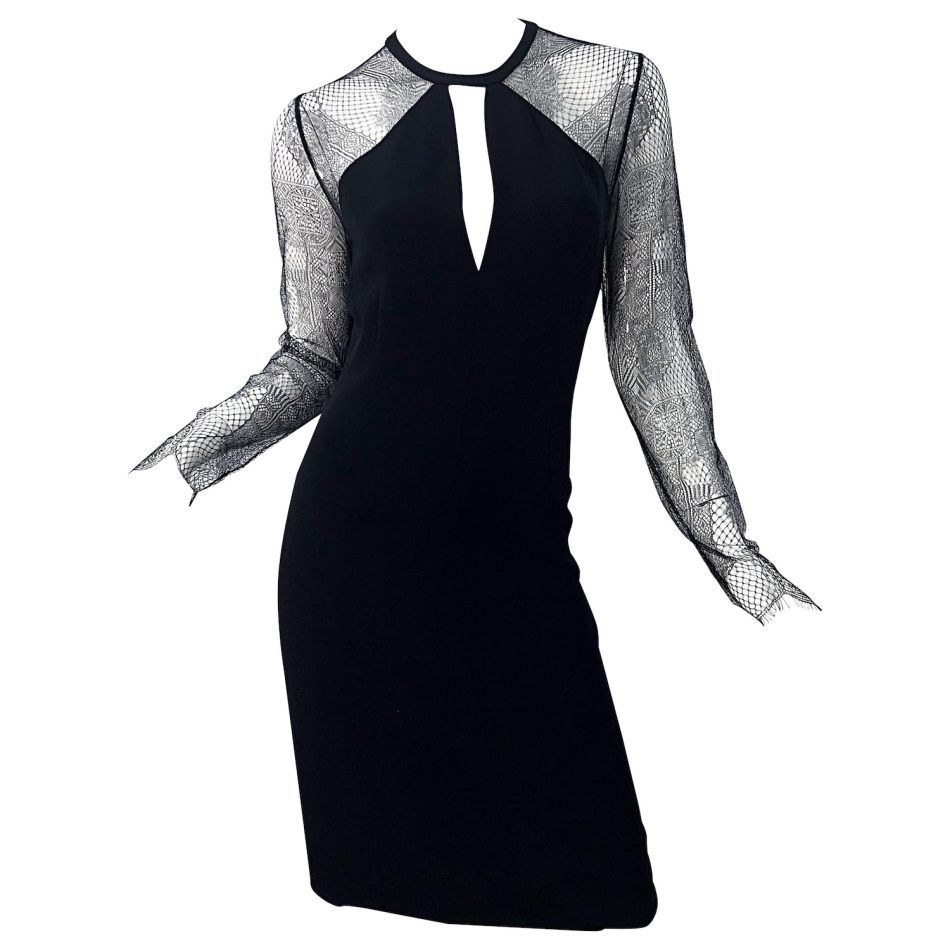
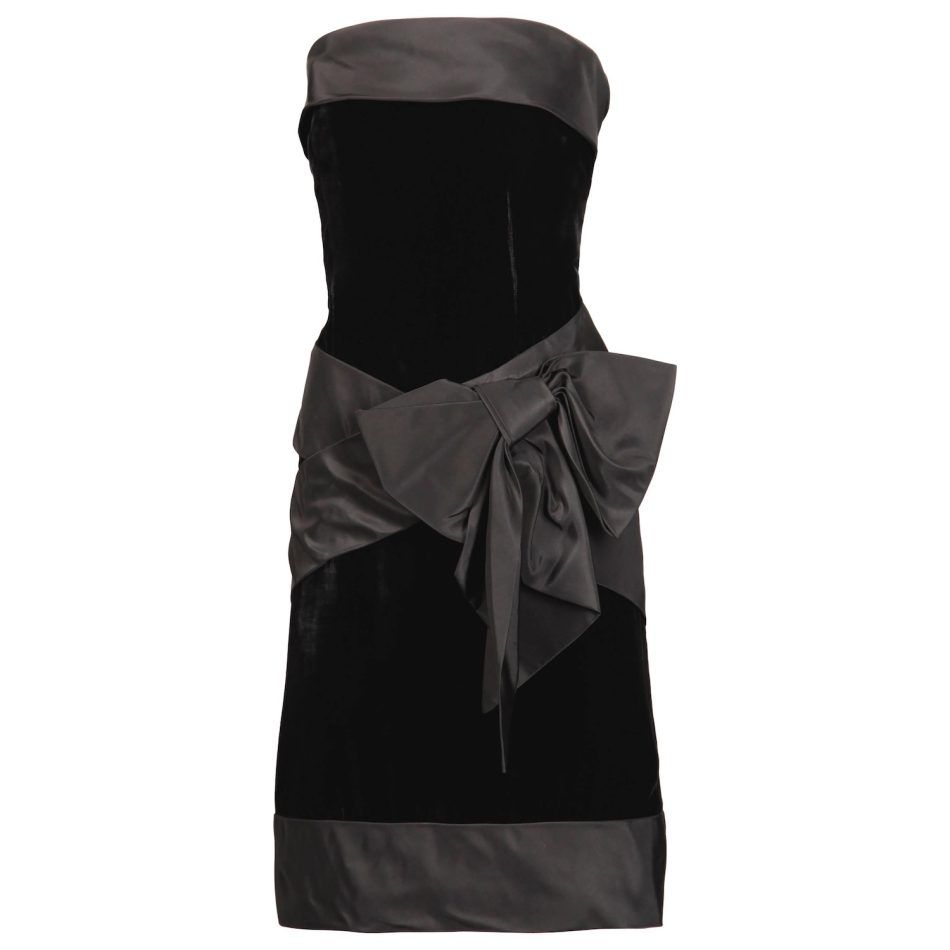
Another fan of lustrous taffeta, Bill Blass is remembered for his elegant evening wear, from draped silhouettes and sequined cocktail frocks to bubble dresses and full ball gowns — a wardrobe for every type of night on the tiles. “All my schoolbooks,” he said, reflecting on his early fascination with glamour, “had drawings of women on terraces with a cocktail and a cigarette.”
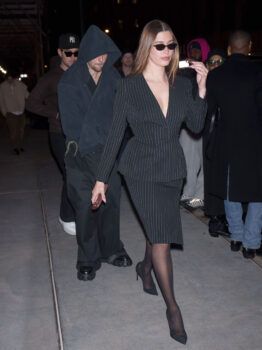
And what discussion of cocktail fashion is complete without touching on the little black dress? It is often regarded as the ultimate expression of the style, at once pared back, versatile and endlessly adaptable. As Karl Lagerfeld once noted, “One is never overdressed or underdressed with a little black dress.” His predecessor Coco Chanel championed the garment as the epitome of chic and famously described it as “the uniform of elegance,” revealing a woman’s radiance.
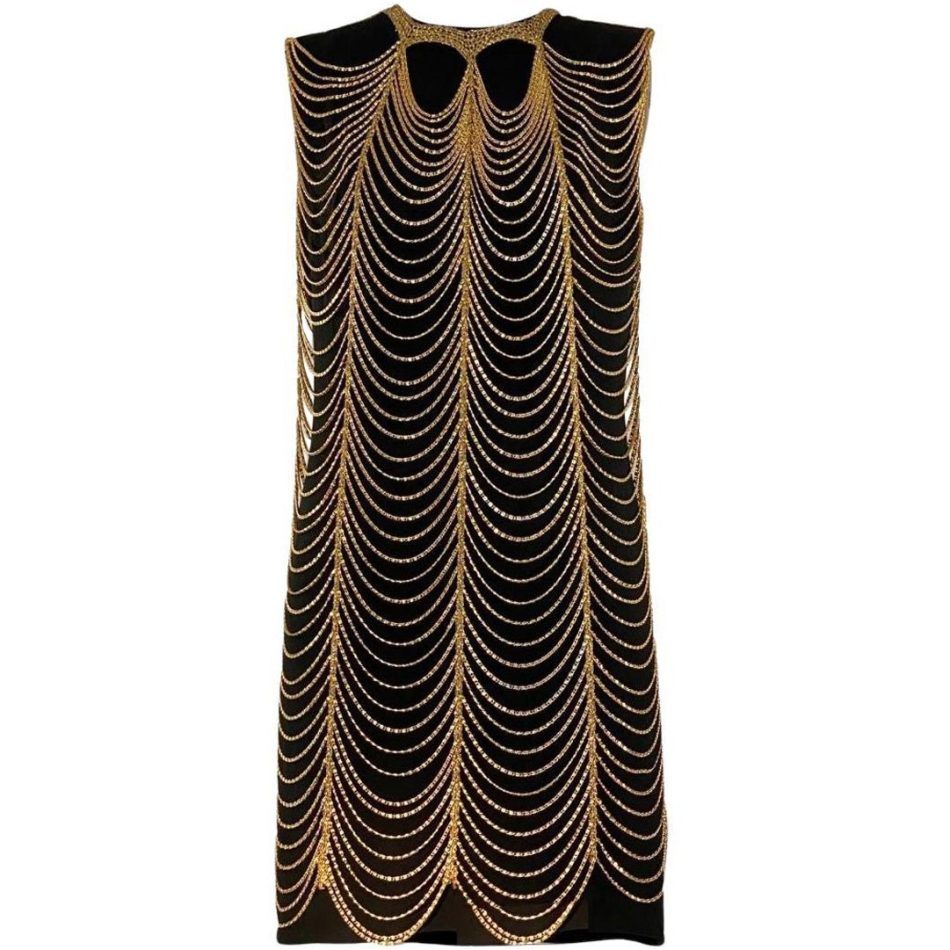
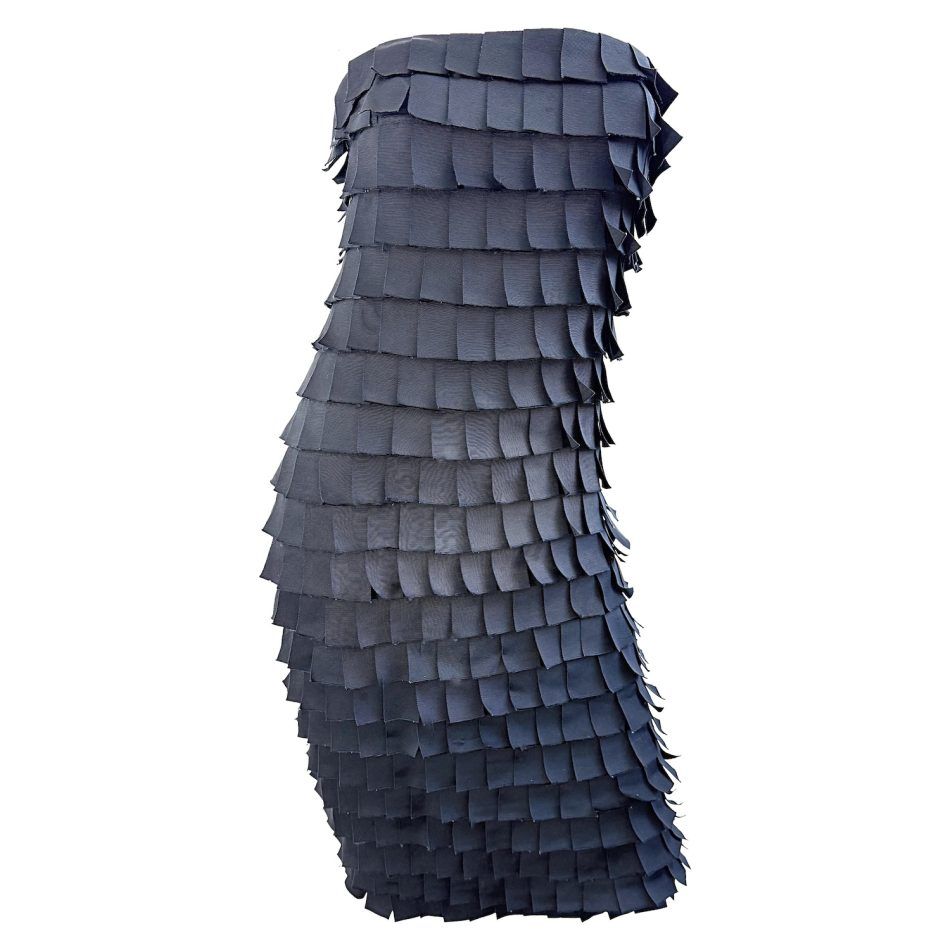
Modern Chanel runway cocktail and evening looks, from the 1990s to today, are characterized by a dainty, feminine aesthetic, sharply contrasting with the sleek minimalism of Gucci under Tom Ford and the 1970s louche jet-set glamour of Yves Saint Laurent and Halston. Azzedine Alaïa‘s form-fitting dresses and structured separates, often informed by the language of dance wear, are made for evenings of fun and revelry, as evidenced by the viral clip of Jenna Ortega as Wednesday in a gothic-look Alaïa dress dancing to the song “Goo Goo Muck” by the Cramps.
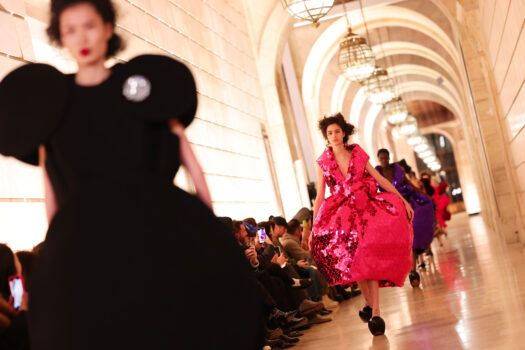
These designers capture the fact that cocktail dressing is less about rules than adventure and daring, evoking a world where fabric is fantasy and every evening holds the possibility of something unforgettable. As Audrey Hepburn — who helped promote the enduring appeal of the little black dress — once said, “Life is a party, dress like it.”