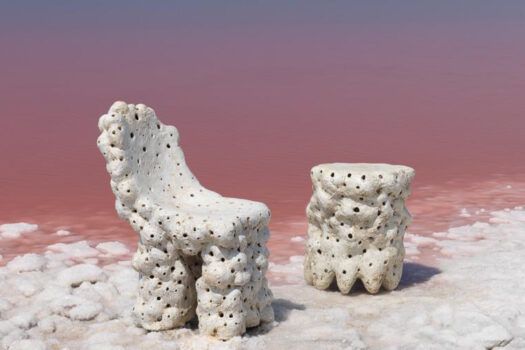
As the market for contemporary design heated up in the first decade of this century, among the genre’s brightest stars was Fernando Mastrangelo, with his art-world cred (he had cut his teeth in the studio of Matthew Barney) and bold exploration of materials (sand and salt, in particular). He also paved the way for other designers, promoting their work through his Brooklyn studio and website. Then, Mastrangelo stepped away, moving upstate, to Hudson.
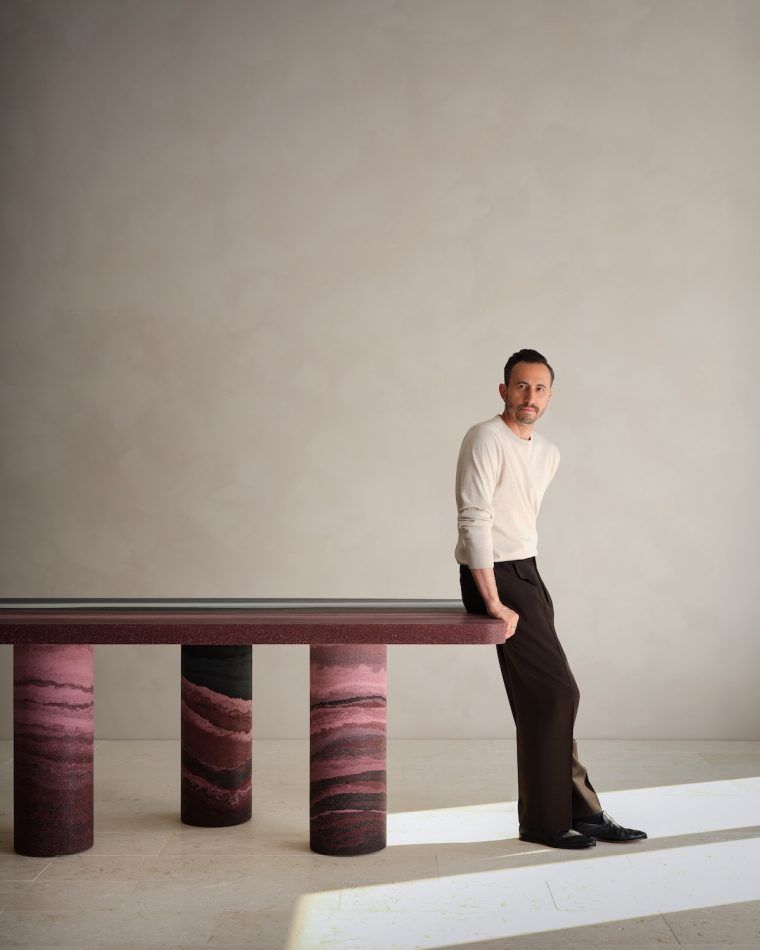
But now, he’s back — in a big way, although with a smaller studio, fully focused on his own practice — collaborating with powerhouse dealer Cristina Grajales, who over the years has championed the work of such designer/artist supernovas as Sheila Hicks, Robert Wilson and Michele Oka Doner. At Grajales’s Tribeca gallery until February 1, 2027, you can catch “Territories,” a gorgeous exhibition of Mastrangelo’s latest body of work — tables, case pieces, lighting and wall-hung artworks, all cast from dyed sand and crushed glass — which brings landscape “painting” into conversation with contemporary concerns about geopolitics, environmentalism and belonging.
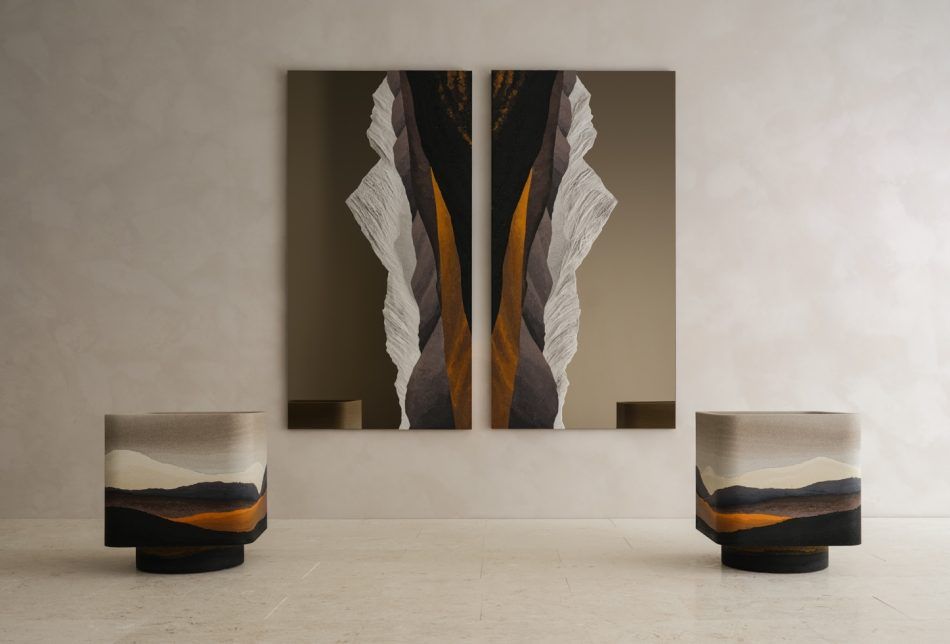
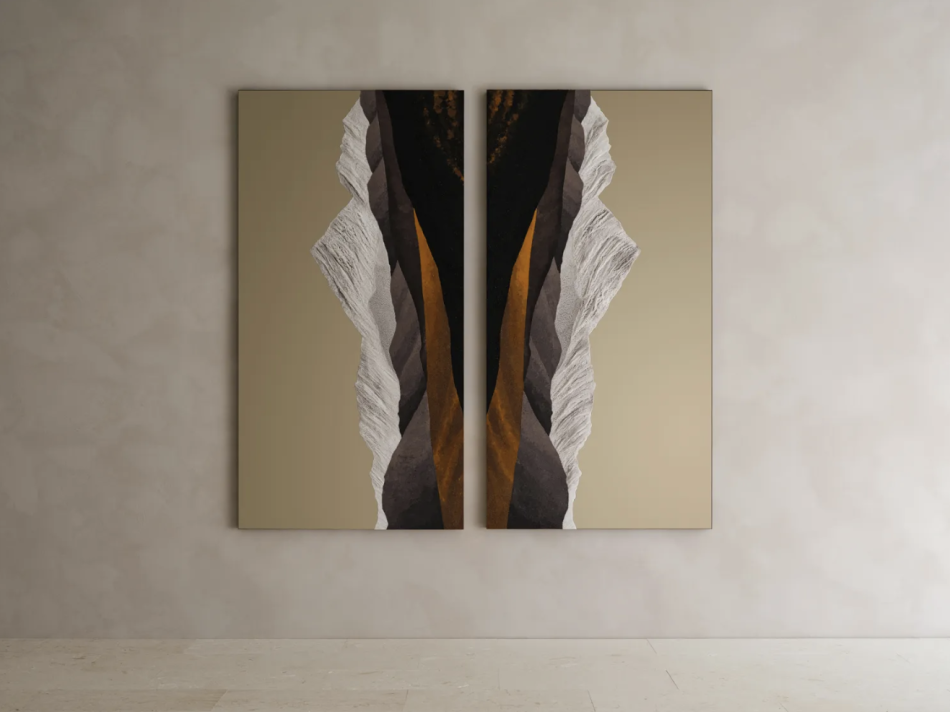
Among the one-dimensional pieces featured in the show, a standout is The Divide, a diptych that introduces mirror-polished bronze into the material mix. “The Divide exemplifies the direction I’m taking my practice: bringing material, form and meaning closer together,” Mastrangelo says. “The sand and glass build the landscape, while the separation between the panels becomes part of its meaning. I want the beauty of the work to draw people in and give them a reason to stay with more difficult questions about territory, ownership and our relationship to the land.”
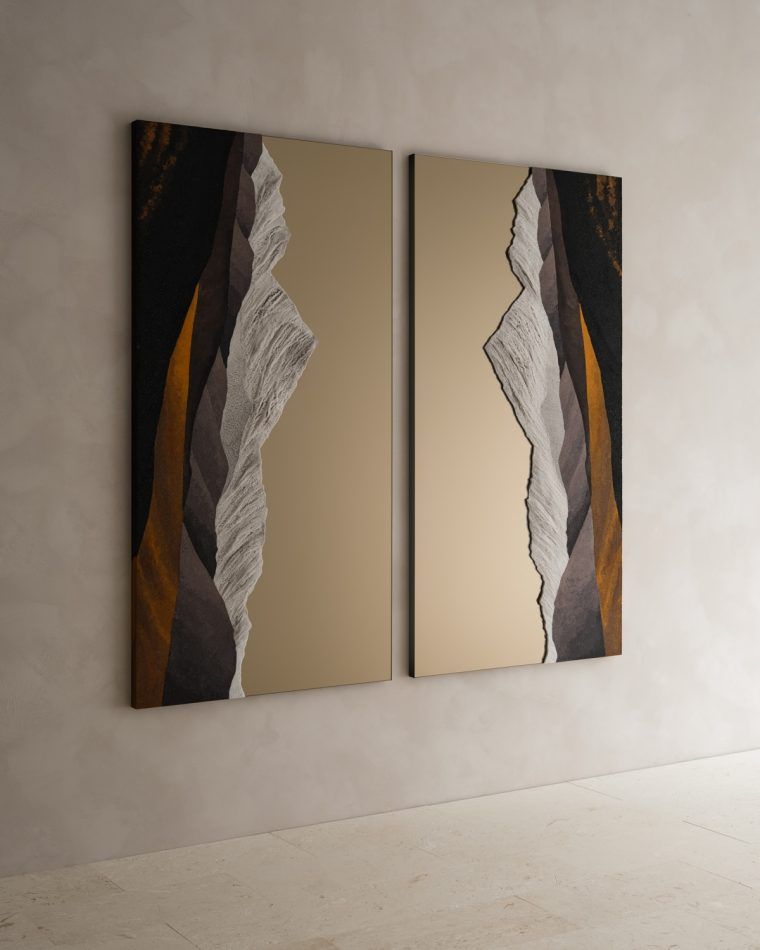
That’s an ambitious program, but it embodies the sort of complex thinking that has always driven Mastrangelo’s practice. “In both my sculpture and furniture,” he says, “I’m working toward pieces where the ideas are inseparable from how they’re made.”