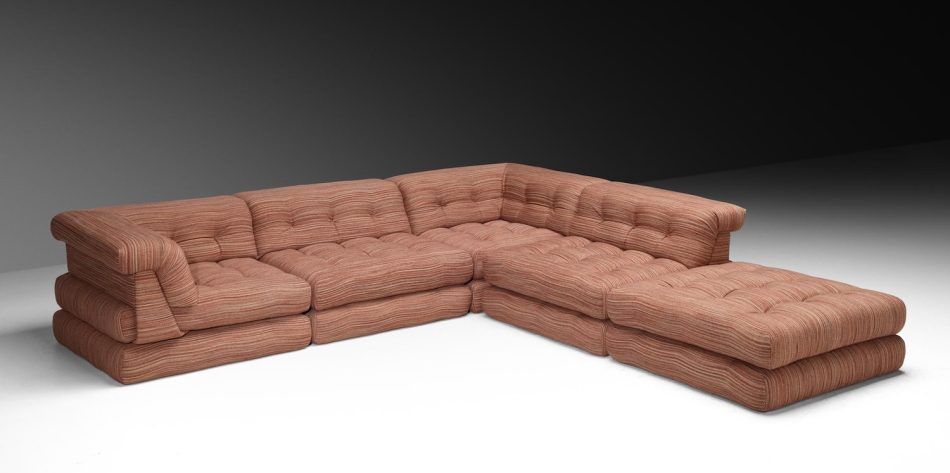
A modular sofa is a seating system with individual pieces you can rearrange into various configurations. Unlike a conventional one, a modular sofa lets you modify its layout as your space or lifestyle changes.
That flexibility is a modular sofa’s primary benefit. Understanding details like construction quality, upholstery and connector systems, as well as your room dimensions, will help you choose a design that suits your taste and your space.
What Is a Modular Sofa?
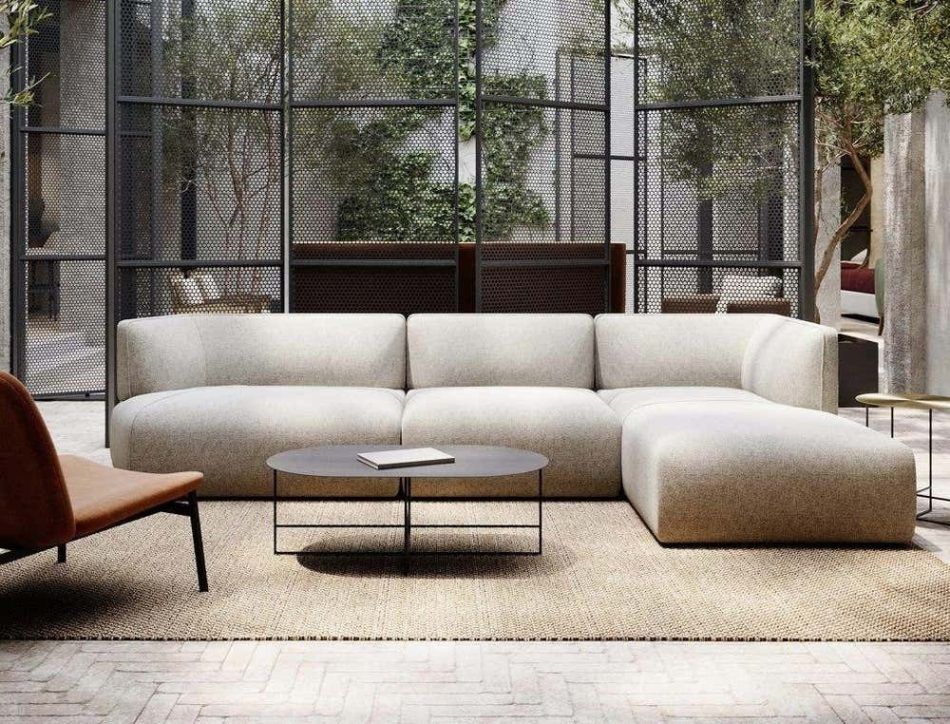
Traditional sofas are a single piece, whereas modular sofas comprise seating units, or modules, that can be used in different configurations or for different purposes. Modules can be armless seats, corner units, chaises, ottomans or curved sections.
What is modular furniture? It’s furniture composed of separate components that can be combined or rearranged. A modular sofa applies that concept to seating.
Keep in mind that “modular sofa” and “sectional sofa” are sometimes used interchangeably, but they’re not the same. A sectional is composed of several pieces that fit together in one arrangement. A truly modular system can be combined in any way you choose.
The 1stDibs Sectional and Modular Sofas collection includes both contemporary and vintage pieces that reflect designer creativity.
Benefits of Modular Sofas
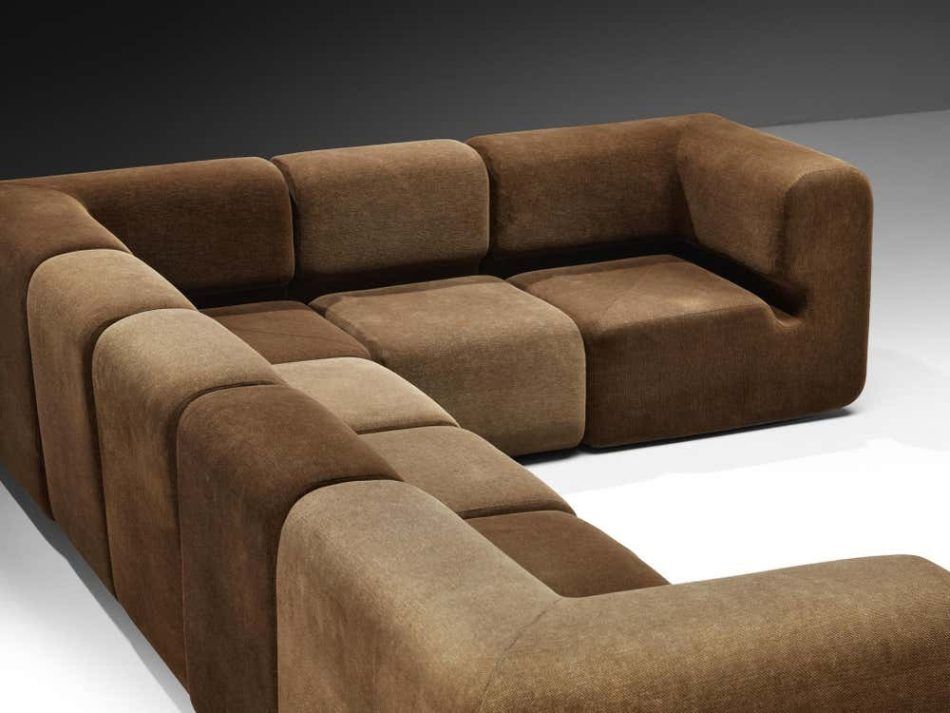
The main advantage of a modular sofa is flexibility. You can configure the individual modules to create conversational seating groups for guests.
Modules also make moving easier. A large traditional sofa or sectional can be difficult to maneuver in narrow hallways, up staircases and through doorways. Individual modules are usually easy to handle, but you should still check their dimensions against those of your rooms before buying.
Some modular systems can be expanded. When you move to a larger home or need more seating, you can add modules, if the manufacturer offers them.
Are modular sofas worth the cost? The initial price of a modular sofa maybe be higher than that of a sectional, but the ability to rearrange or expand a system reduces the need to replace it.
Popular Modular Sofa Configurations

You can get creative with a modular sofa, but most arrangements fall into four categories:
- Straight or linear configurations, similar to traditional sofas
- L-shaped layouts with corner or wedge units and sometimes a chaise at one end
- U-shaped arrangements
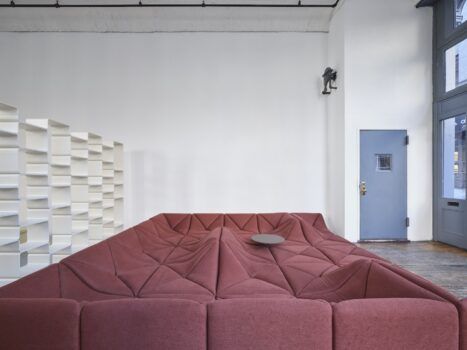
- Curved or organic configurations with angled or rounded modules
Armless seats are the basic building blocks, while corner or wedge units change direction. Chaises extend the seating for lounging, and ottomans can serve as footrests or extra seats.
Designers have been inspired by modular flexibility for decades. Mario Bellini, for example, created the Camaleonda modular sofa in 1970 for C&B Italia, now B&B Italia. Its individual elements can be separated and recombined in new compositions. The Camaleonda appeared in a 1972 exhibition at the Museum of Modern Art. It was discontinued in 1979, but B&B Italia reintroduced it in 2020.
If you’re interested in the Mario Bellini Camaleonda’s history, you can learn more about it here.
The de Sede DS-600 is another fascinating example. Introduced in 1972, it comprises individual seating elements that combine to form flowing, sometimes serpentine arrangements.
What to Look for in Quality Construction

Construction quality is important in each unit of a modular sofa and in the connected system.
First, consider the frame. Kiln-dried hardwood and steel provide a strong foundation. Lower-cost sofas may be made of particleboard and other light materials, so check the specifications.
Next look at the cushion construction, which affects comfort and maintenance. High-density or high-resilience foam is firm, structured and retains its shape well. Down-wrapped cushions feel softer but require regular fluffing and reshaping. Hybrid cushions combine foam with soft outer layers for both structure and comfort.
The hardware that joins the modules is also important. Manufacturers use metal clips, interlocking brackets, magnetic connectors and other systems to keep individual units aligned. Loose connectors can cause modules to shift. A secure connection system, along with nonslip feet or a rug underneath the sofa, can reduce movement.
Finally, check how securely the upholstery attaches to the frame. If that gorgeous modular sofa has removable covers, maintenance and future reupholstery will be easier. But removable doesn’t always mean machine washable, so follow the manufacturer’s cleaning instructions.
Upholstery Options
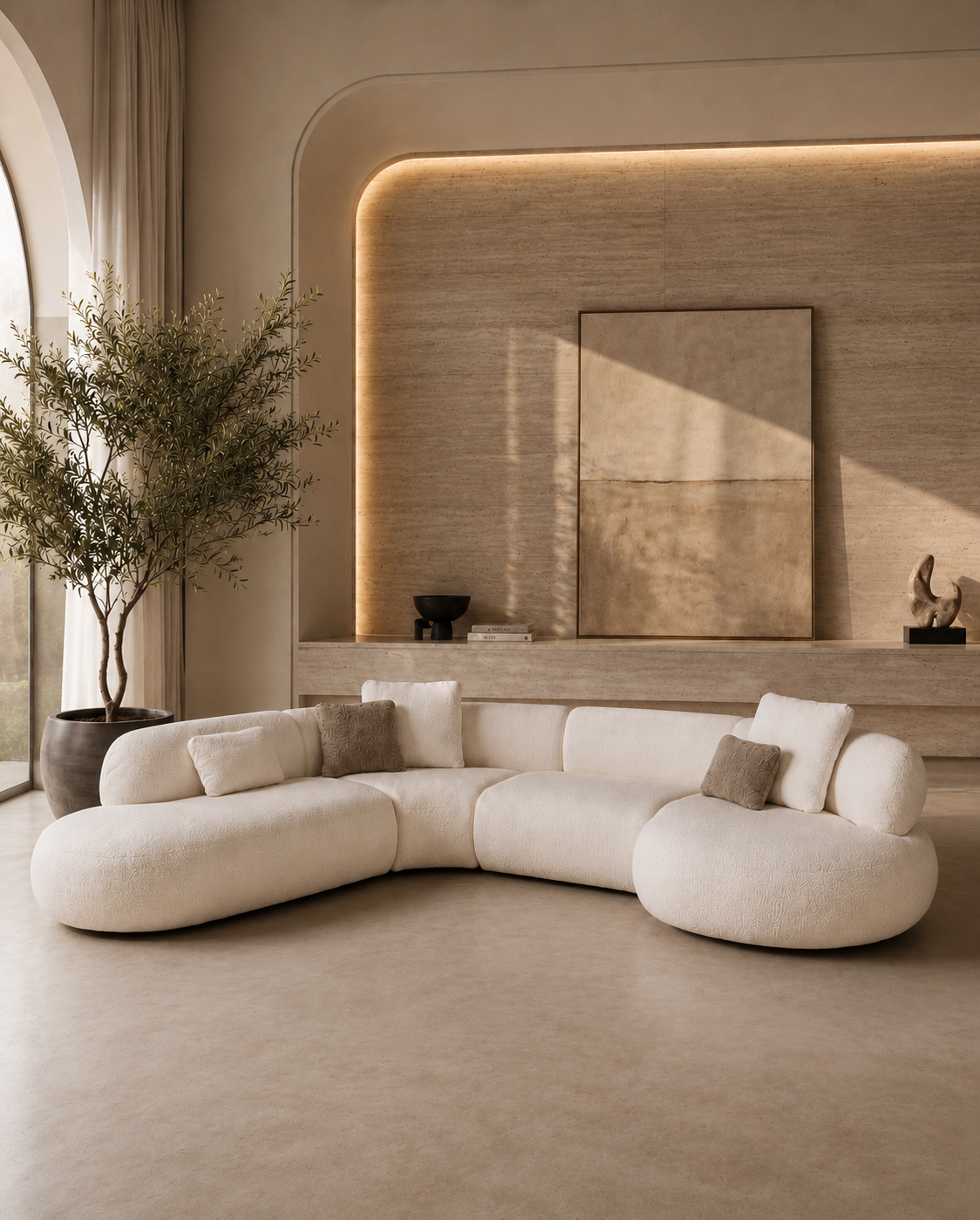
You might fall in love with a modular sofa’s good looks and upholstery, but color and texture are just the start.
Performance fabrics are good for heavily used seating because manufacturers design them for everyday wear, and some resist stains and spills.
For more visual texture and depth, consider bouclé, which has a sculptural quality, or velvet, which changes character with the light. Leather is another option and often develops a rich patina, although softness and stain resistance vary.
COM, or customer’s own material, means you supply your own upholstery for the sofa. A vintage modular sofa already has upholstery, which you may want to restore or replace.
Color affects flexibility. Neutral upholstery makes modules easier to rearrange in different combinations. With stronger colors or patterns, consider using a single statement module as an accent.
Whatever material you choose, check its specifications, and follow the manufacturer’s care recommendations.
How to Choose the Right Configuration for Your Space
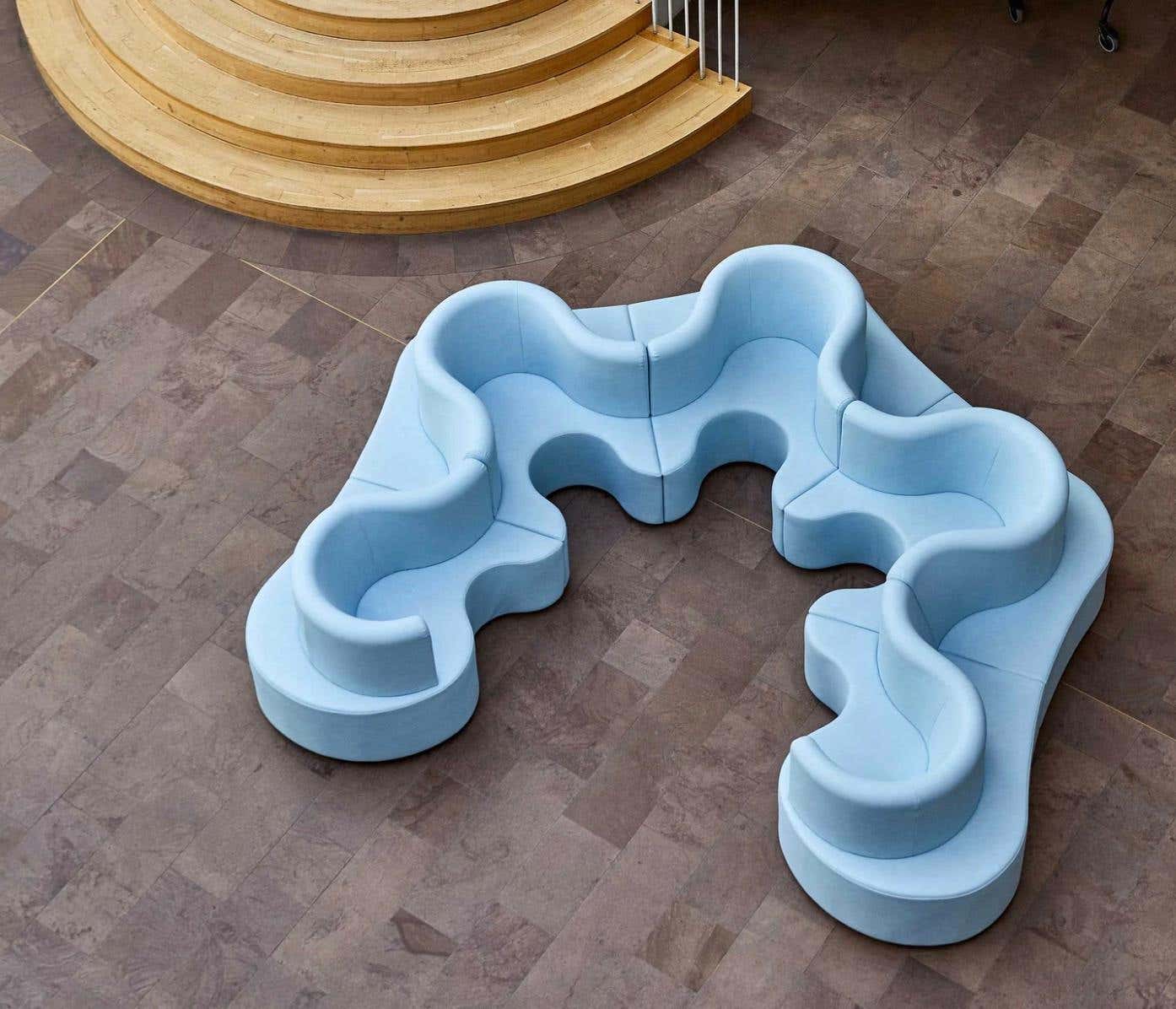
Begin by considering the room rather than the number of seats you want. A small living room might hold two or three modules in straight or small L-shaped configurations. A medium-size one might accommodate four or five. Large or open-plan spaces can often handle U-shaped or curved configurations comprising six or more pieces.
Those counts are only starting points. Module sizes vary, so measure the full layout and each piece before buying.
Make sure there’s at least 30 inches of clearance for main walkways, and measure doorways, halls, elevators and stairwells to make sure they can accommodate every piece.
Frequently Asked Questions
What Is the Difference Between a Modular Sofa and a Sectional Sofa?
A modular sofa comprises independent units you can use in different layouts. A sectional sofa has sections that fit together in one arrangement. Some modular sofas can function as sectionals, but sectionals don’t have the flexibility of modular sofas.
Are Modular Sofas Worth the Cost?
A modular sofa has long-term value if you move or rearrange your living space frequently or expect seating needs to change. Sometimes, you can add individual modules instead of buying a larger sofa. But if that’s important to you, check to see if the manufacturer sells separate units before purchasing the sofa.
Do Modular Sofa Pieces Stay Together?
That depends partly on the connection system. Metal clips, interlocking brackets, magnetic joiners and other hardware can reduce movement, and nonslip feet or a rug can help. Before buying a sofa, check the connections, since weight alone won’t hold the units in place.
What Configuration Works Best for a Small Living Room?
A compact two- or three-module arrangement is often best for a small room. A straight configuration takes up less visual and physical space, but a small L-shape can be cozy and comfortable. Be sure to leave enough clearance for movement.
Can You Buy a Vintage or Designer Modular Sofa?
Yes. Modular seating became popular during the 1970s. During that decade, Mario Bellini introduced the Camaleonda, de Sede launched the DS-600, and Hans Hopfer brought out the Roche Bobois Mah Jong.
1stDibs works with vetted professional sellers and offers an Authenticity Guarantee that covers specified listing attributes, subject to its policy terms.
How Do You Clean and Maintain a Modular Sofa?
Follow the care instructions for the upholstery type, and remember that removable covers aren’t always machine washable. Regularly vacuum seams and spaces between modules, where crumbs and dust tend to collect.
For performance fabrics, follow the manufacturer’s directions for treating spills and stains. Care for and condition leather according to the maker’s recommendations.
What’s the Right Modular Sofa for Me?
The advantage of a modular sofa is its flexibility. The right system for you depends on your room dimensions, style, construction quality and how often you expect to rearrange or expand your seating.
Explore the 1stDibs Sectional and Modular Sofas collection to compare contemporary pieces with vintage and designer modular seating.