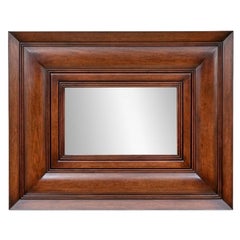
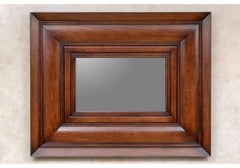
Massive Mclain Wiesand Wood Wall Mirror with Mercury Glass
Located in Bridgeport, CT
A massive and elemental tiered wood wall mirror by Mclain Wiesand, Custom Furniture and Decorative
Category
20th Century Rustic Wall Mirrors
Materials
Wood
Massive Mclain Wiesand Wood Wall Mirror with Mercury Glass
Located in Bridgeport, CT
A massive and elemental tiered wood wall mirror by Mclain Wiesand, Custom Furniture and Decorative
Wood
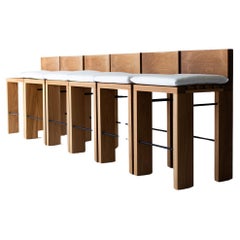
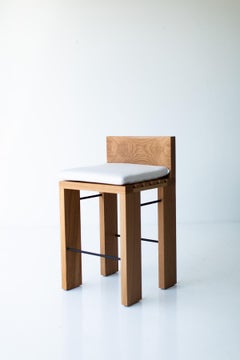
Bertu Counter Stools, White Oak Counter Stool, Chile Stool
By Bertu Furniture
Located in Oak Harbor, OH
Bertu Counter Stools, White Oak Counter Stool, Chile Stool This White Oak Chile Counter Stool is beautifully constructed from solid wood in Ohio, USA. The stool is chunky and modern...
Wood, Oak
$1,155Sale Price / item|30% Off
H 16.1 in Dm 11.5 in
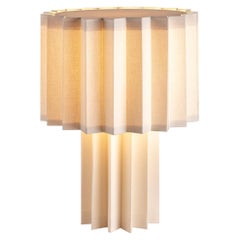
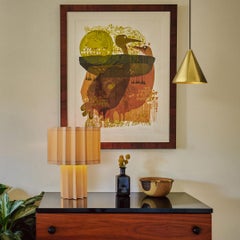
'Plissé White Edition' Pleated Textile Table Lamp by Folkform for Örsjö
By Örsjö Industri AB
Located in Glendale, CA
'Plissé White Edition' pleated textile table lamp by Folkform for Örsjö. This unique table lamp was awarded “Lighting of the Year 2022” by Residence Magazine Sweden, who called it “...
Textile
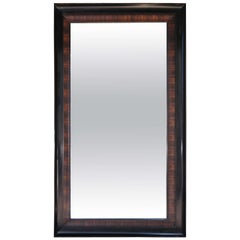
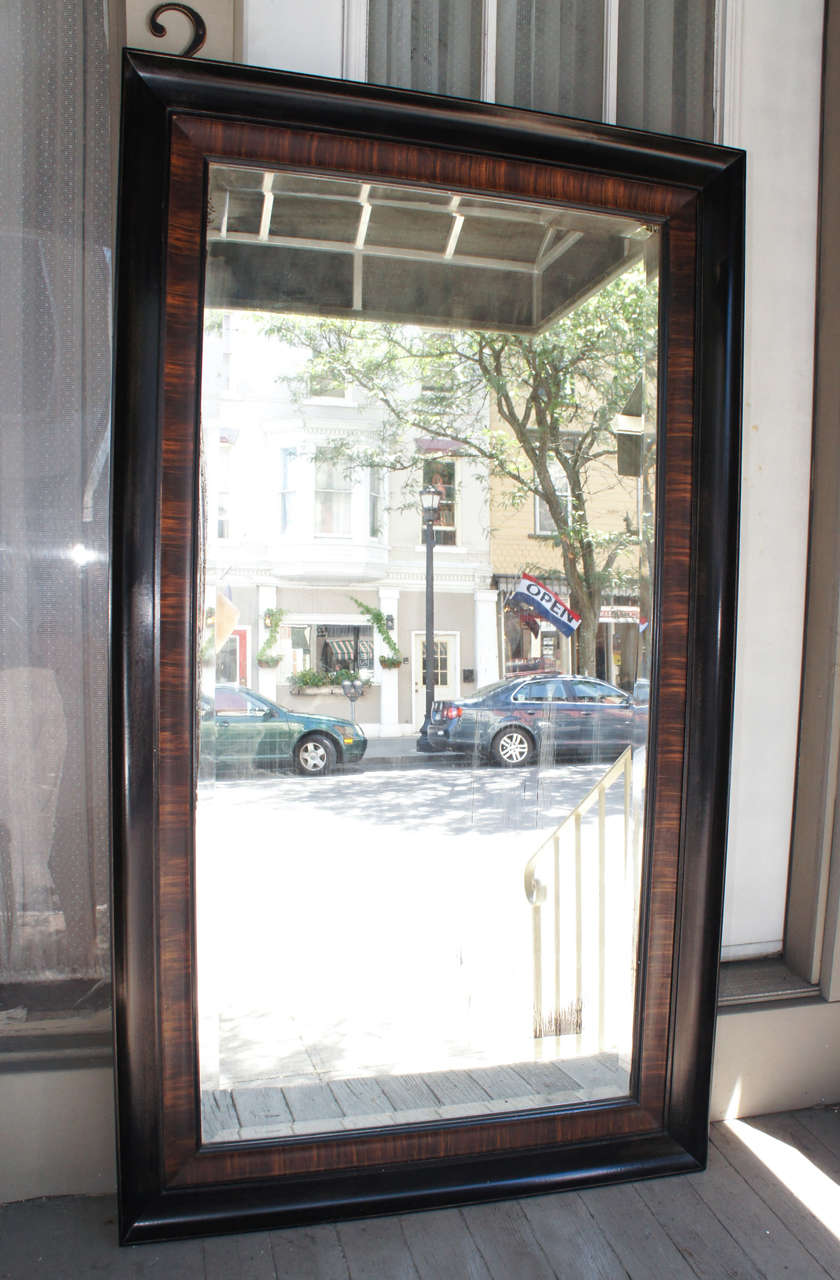
Rosewood Grain Painted & Ebonized Mirror
Located in Hudson, NY
This masculine grain painted mirror frame is composed of two separate frames. The inner frame is grained rosewood in deep long strokes creating a pattern around the mirror and the se...
Mirror, Wood
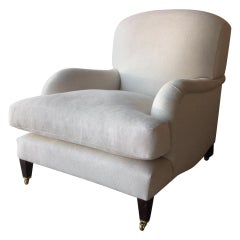
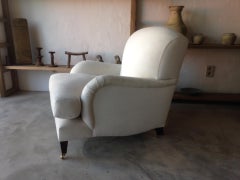
The Howard, Custom Made Belgian Linen Armchair
Located in Jesteburg, DE
Introducing the home collection. A small selection of timeless Flemish designs made by hand for us in a small third generation workshop in Belgium. Has been used by many influent...
Linen
$1,996Sale Price|20% Off
H 43.25 in W 63 in D 2.5 in
Large Fine Quality Antique Venetian Etched Glass Murano Wall Mirror
Located in Swedesboro, NJ
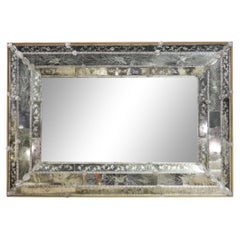
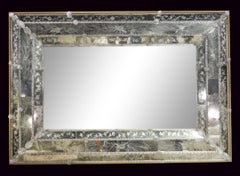
This magnificent antique Venetian wall mirror is a superb example of Murano craftsmanship, celebrated for its artistry and elegance. Handcrafted in Venice, Italy, this mirror feature...
Art Glass, Mirror
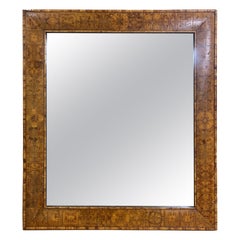
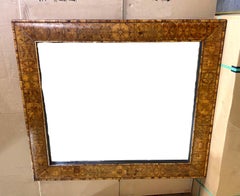
Large oversized 19th Century Yew Veneered Mirror
Located in London, GB
The origin of the mirror is C. 1840, and it has been oyster veneered in the style of a William and Mary circa 1680. Original materials including pine and mercury mirror plate, with a...
Mirror, Pine, Yew
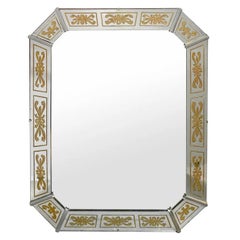
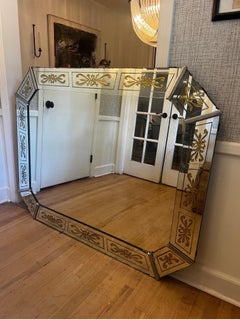
Antique French Venetian Mirror with Gold Details
Located in Los Angeles, CA
Antique Venetian mirror with gold inlaid twist design detail. Large scale and perfect for mantel or wall mirror over a console, commode, credenza, entryway or powder room vanity.
Gold Leaf
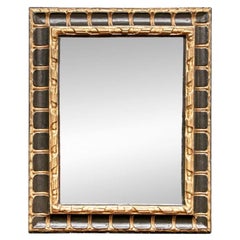
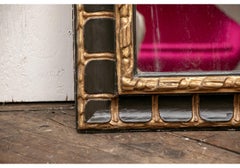
Antique Gilt And Ebonized Italian Mirror
Located in Bridgeport, CT
The rectangular glass having a carved, gesso and gilt moulded surround with alternating black painted decoration. The inner banding comprised of intertwining ribbon. Condition is ...
Mirror, Wood
For some, the phrase “rustic style” suggests a house like “La Pitchoune,” the late chef Julia Child’s cottage in Provence, with its exposed wooden beams and well-worn antique furniture. For others, rustic furnishings and decor prompt images of a place like the Lake Placid Lodge in Upstate New York, with its stone fireplaces and knotty pine paneling. Indeed, rustic furniture design takes many forms: twig furniture, a plank trestle table, a hand-stitched quilt, a chandelier made of deer antlers.
The rustic style originated in the late 1800s in England, where it was heavily influenced by Romanticism. By the 20th century, it had spread to the United States, adopted by wealthy New Yorkers and the National Park Service alike. Although there are many categories of rustic furniture, one of the most popular and familiar manifestations of the style is Adirondack furniture and the low-slung 1903 Thomas Lee Adirondack chair.
Rustic design is perhaps mostly about texture and humble materials: hand-hewn reclaimed wood, woven rush seating, wrought iron, coarse stone and weathered metal. As a decor, it exudes warmth and honesty, while a single piece of countrified design adds an intriguing visual counterpoint in a sleek, modern environment.
Easily identifiable by its rough textures, earthy colors and natural materials, rustic wares help bring the beauty of the outdoors inside.
As you can see on 1stDibs, vintage rustic chairs, dining tables and other pieces of rustic furniture offer endless inspiration.
Antique and vintage fireplace mirrors and mantel mirrors are sophisticated, classic pieces of decor, with the large size of fireplace mirrors making them centerpiece objects. They add character to any room and also create the appearance of space. Fireplace mirrors and mantel mirrors, like any well-placed antique or vintage mirror, can act as a source of light and make a room seem bigger than it is.
Fireplace mirrors were once a status symbol, as only the wealthiest could afford these big, beautiful pieces for their homes. In the 1500s and 1600s, the Venetian glass industry produced mirrors that were luxury items. Their painstaking creation was the result of a secretive process using melted tin, limiting their size and availability.
In the late 17th century, French glassmaker Bernard Perrot radically transformed mirrors. By casting glass into large, flat slabs, his work grew into an international market for mantel mirrors. These mirrors were often set in decorated frames.
French homes transitioned to lower fireplaces and mantels so tall mantel mirrors could fit above them. The design of fireplace mirrors reflected architectural trends. Some in the mid-18th century featured paintings, while others had delicate carvings.
By the 1800s, mantel mirrors had become more widely available. This reflected a dramatic change in glass mass-production technology, which made oversize mirrors more accessible, leading to their proliferation across the globe.
Today, mantel mirrors are still highly regarded statement pieces with an enduring reputation for elegance. Their versatility has allowed them to branch out beyond the fireplace. Their reflectiveness allows them to amplify a sumptuous painting in a bedroom or capture the tiling of a bathroom.
From mid-century modern designs to pieces created in Louis XVI style, there is a mirror for every room and every occasion on 1stDibs.