1870s Building and Garden Elements

to
12
76
62
140
Height
to
Width
to
20
7
4
2
2
1
1
1
1
1
1
3,387
9,731
12,238
5,392
3,249
4,753
2,271
412
104
402
382
315
900
1,041
786
304
129
78
39
35
29
29
103
45
41
31
17
140
140
140
7
5
2
1
1
Period: 1870s
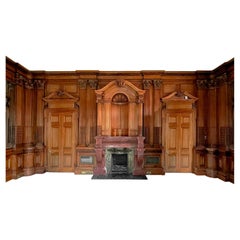
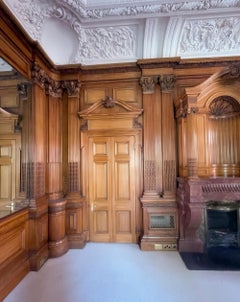
George Trollope & Sons fireplace & room, Paris Exhibition 1878 Gold Medal Winner
Located in London, GB
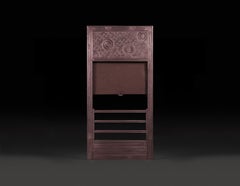
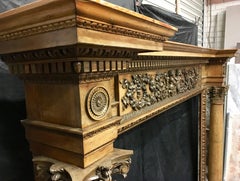
George Trollope and Sons. Exhibited at the Paris Universal Exhibition in 1878 winning a Gold Medal for Excellence. The set forms the four sides of a complete panelled room that was exhibited as a boudoir room or petit salon at the Paris Exhibition 1878 . The main feature and centrepiece of this boudoir room is the Rosso Antico marble fireplace surmounted by an open display niche carved in cedar wood. Each side of the room is composed of various panels and are as follows: One side with a grand Rosso Antico marble fireplace flanked by two doorways. One side with French doors originally opening onto a balcony, flanked by two large bookshelves. One side with a window flanked by two mirrors. The opposite side with three large mirrors. The complete room measures: 21 ft / 6.4 m wide, 17 ft / 5.18 m deep, and 12 ft / 3.65 m high. It could also be used in a number of different combinations to suit various room layouts. The mirrors could be replaced with windows or further bookcases. Each side is decorated with various sizes of finely carved panels and holds ornate Corinthian style columns surmounted with cherubim's on the capitals. Three cherubs are formed at the top of each corner with three columns, at the column bases there are circular carved pedestals to display statues. Published & illustrated in the ‘Illustrated Catalogue of the Paris International Exhibition’. The main part of this room, the Rosso Antico marble fireplace is surmounted by a large open display niche carved in cedar wood are illustrated with a line drawing in the Paris Universal Exhibition catalogue on page 209. The whereabouts of the seminaked caryatids and the marble bust of Alexander Pope are unknown. The bust of Alexander Pope was copied from the original one in Westminster Abbey, London. The Corinthian columns now flanking the niche above the fireplace are also in cedar wood having the identical carved fluting to the rest of the room and were made to replace the caryatid figures. Those Corinthian columns are period to the room and can only have been made shortly after it arrived back to London and before it was reassembled and fitted into the house built by George Trollope and Sons in the 1880's, and where we removed it all from. George Trollope made clever use of Alexander Pope's early 18th-century poetical successes in Great Britain and France by using ‘The Rape of Lock’, a mock-heroic narrative poem Pope wrote in 1712 about Petre who cut off a lock of Arabella’s hair without her permission, as the theme of the boudoir room or petit salon at the 1878 Paris Exhibition. In the original exhibition display of the room set, tapestries depicting the Rape of Lock were hung where the mirrors are now positioned. Alexander Pope's The Rape of the Lock is a humorous indictment of the vanities and idleness of 18th-century high society. Basing his poem on an actual incident among two families of his acquaintance, Pope intended his verses to quench hot tempers and to encourage his friends to laugh at their own foolishness. The poem is an outstanding example in the English language of the genre of mock-epic. The 'epic' was considered one of the most serious of literary forms; it had been applied, in the classical period, to the trivialities of love and war. Pope’s mock-epic is not to mock the form itself, but to mock his society in its very failure to rise to epic standards, exposing its pettiness by casting it against the grandeur of the traditional epic subjects and the bravery and fortitude of epic heroes: Pope’s mock-heroic treatment in The Rape of the Lock underlines the ridiculousness of a society in which values have lost all proportion, and the trivial is handled with the gravity and solemnity that ought to be accorded to truly important issues. The 18th-century society in this poem fails to distinguish between things that are important and things that are not. The poem mocks the men it portrays by representing them as unworthy of a heroic culture. Therefore the mock-epic follows the epic in that its main concerns are serious and moral. The point that the theme must now be satirical rather than earnest is symptomatic of how far the culture has fallen. Retaining the original exhibition label The back of the panelling still retains two original labels printed with the 'Union Jack' and printed adjacent to it, 'The Secretary Royal British Commission for the Universal Exhibition 1878 Champ de Mars Paris'. Adjacent to that and below, printed and written in ink vertically: Exhibitor: (and signed in ink) George Trollope & Sons. Address: (written in ink) Halkin Street West. London. Allotment in Block: (written in ink) a2. In the printed floor plan 'a2 square' is in the very first line to the right of the floor plan and handwritten in ink with a 'diamond shape' also written with '101' within it. This pin points where George Trollope's stand was located. With thousands of items being displayed at the Exhibition, this label would have been the floor plan for the craftsmen, so they knew the correct place to install the boudoir room or petit salon. The firm continued expanding house building and interior decoration side of the business and by 1849 was also trading as an estate agency, letting and controlling property for the Grosvenor Estates. A separate branch of cabinet-makers, bearing the family name, was opened at West Halkin Street, London. becoming known as 'The Museum of Decorative Arts' (looked after by George Robinson). Here Trollope and Sons also sold high-class antique furniture made by other makers. In 1851, the firm became formally known as George Trollope and Sons. West Halkin Street, London. The address was recorded in the listing for the firm in The Furniture Gazette Directory, 1876 & 1877. Period Press Coverage & Art Critic Review. everal newspapers also thoroughly describe George Trollope and Son's stand including the different tapestries that were hung where the mirrors are now, illustrating the poem 'The Rape of Lock', by Alexander Pope. Marius Vachon, a French Art Critic and journalist, who wrote for the journal ‘La France’ published an extensive review of the Trollope and Sons stand in a book called Les Merveilles de l'Exposition de 1878 (The Wonders of the 1878 Exhibition). Note: In the World Fairs translation it states door frame, Marius Vachon had originally written ‘chambranle’ in French, 'chambranle' loosely translates to a frame around something, and should read in its correct context: ‘fireplace in rosso antico’. We have taken the extract below written by Marius Vachon in its translated form from: Les Merveilles de l'Exposition de 1878, (The Wonders of the 1878 Exhibition). This puts into perspective the importance of this fine quality room interior when he viewed it at the exhibition in 1878: Marius Vachon: English furniture is very curious to observe; irreproachable from the point of view of execution, the furniture of our neighbours always reaches the last degree of respectability and comfort. One thing to be noticed is that for large pieces of furniture, the English upholsterer is transformed into a sort of architect; everything he makes takes on a monumental aspect. The first object that catches the eye when one enters the furniture class is the beautiful boudoir-salon exhibited by Mr. Trollope. The boudoir (or petit salon), of carved cedar wood, is an attempt to reproduce the style which prevailed in England during the first decade of Queen Anne's reign, and all the details have been studied, but not copied, from examples of decorative work of the time. The fireplace is in "rosso antico" movement, and the ceiling is in portable plaster. The panels painted on canvas represent scenes from the heroic-comic poem "The Abduction of the Hairpin," (The Rape of Lock) written by Alexander Pope in 1712, the eighth year of Queen Anne's reign, in which the customs and mores of the time are satirized in a pleasing manner. The apotheosis of the Loop and its sidereal transformations will form the decoration of the ceiling. In these illustrations of Pope's charming poem, the costumes and accessories have been taken from models of the time; and the bust of the poet, copied from his tomb in Westminster Abbey, occupies the niche in the centre of the mantelpiece. M. Marius Vachon, the period writer of the above continues with: Now we shall mention at random the magnificent dining table of Messrs. Johnston and Co., their oak mantelpiece, their boudoir table; Mr. Watt's drawing-room mantelpiece stepped in the old style and imitating the Japanese; Mr. James Shoolbred's great The Decorative Arts Society on Trollope and Sons The boudoir or petit salon is mentioned again in the Decorative Arts Society: Trollope did not exhibit such highly rated objects at the 1878 Paris Exhibition as at previous exhibitions; items included a large mirror frame carved in limewood in Renaissance style and a satinwood cabinet in Adam revival style, with a similar armchair (illus. Meyer (2006), p. 242) and probably two rooms; one was a boudoir in cedar wood in Queen Anne style and the other was a boudoir decorated by the firm in the theme of Pope’s The Rape of Lock. In the above extract, it is quite clear that the two rooms mentioned are in fact the very same room, because the fireplace and niche are illustrated in The Paris Universal Exhibition catalogue on page 209 and Marius Vachon describes the rest of the room set in the above… Trollope and Sons exhibition pieces listed and described by Meyer in an article he wrote for: The Decorative Arts Society 1850 to present, Journal 25 in 2001., where he points out the importance of George Trollope and Sons and mentions a table by Trollope exhibited at the 1867 exhibition that sold for £40,000 in 1996. He also mentions a cabinet exhibited by Trollope at the International Exhibition of 1862 that sold at Sotheby's in 1997 for £150,000. Interest was not as strong in the 1990's as it is today for rare exhibition pieces, high quality items were abundant back then, it was a golden era when the most beautiful works of art just kept coming onto the market. But there are exceptions as in this instance, when a unique, gold medal-winning exhibition work of art comes onto the market for the very first time. Meyer continued researching and writing about the great exhibitions and released his book in 2006, 'The Great Exhibitions, London, New York, Paris and Philadelphia 1851- 1900, where he mentions only in passing, The Boudoir Room or Petite Salon exhibited by Trollope, he even states that an image was not reproduced and that Trollope's exhibits in 1878 were not up to the quality and class of the items Trollope exhibited in London in 1862 and Paris in 1868. This is probably because Meyer didn't know of the line drawing illustrating the Roso Antico Fireplace, Niche and Panelling reproduced in The Illustrated Catalogue of the Paris International Exhibition 1878 shown in the above which Geering recently uncovered. John Meyer continues in the DAS journal: Undoubtedly they (Trollope) are a firm worthy of further research as they were right at the forefront of the furniture business in London from 1860 to 1880. Our research shows that the Petite Boudoir was awarded the gold medal for excellence in 1878 (see Journal La Liberté 23-10-1878 with the list of all medals attributed), something George Trollope and Sons did not achieve at the London 1862 and the Paris 1867 exhibitions. Jonathan Meyer joined Bonham's in 1977. He was Director at Sotheby's in charge of 19th Century Furniture from 1994 to June 2007. He was also chairman of the Fine Arts Faculty for The Royal Institute of Chartered Surveyors. In the original description from the article in Les Merveilles de l’exposition de 1878, M. Marius Vachon states: The first object that catches the eye when one enters the (English) furniture class is the beautiful boudoir-salon exhibited by Mr. Trollope. Suggesting, it was in his opinion the very best on display in the English section, and being awarded the gold medal for excellence can only add weight to this. Adjacent to the original label that was printed by The Secretary - Royal British Commission for the Universal Exhibition 1878 in stencil ‘TO BE KEPT’, i.e. ‘to be returned’. This confirms why it came back to London. We removed the Boudoir Room or Petite Salon from a Trollope house, part of a grand high-class housing estate in London which around the time of the exhibition Trollope and Sons were in the process of building, and where the room set was installed directly after it returned from the exhibition in 1878 until now. Worthy of note is the machines that did the carving for the Boudoir Room or Petite Salon and also did all of the decorative carving (most of which was linenfold carving) for the Houses of Parliament, London. This machine, the engraving and description of which we copy from Engineering, was specially designed by its inventor, Mr. Jordan, for assisting in the production of the vast amount of carved decorations required for the walls and ceilings of the Houses of Parliament, London, and it was so employed during the entire progress of the work. The late Sir Charles Barry was so well satisfied with it, that he frequently declared it would have been impossible to have accomplished the work without it. The Department of Woods and Forests employed five of the machines at the Government Works, Thames Bank, for several years; and the machines have now passed into the hands of Messrs. George Trollope and Son, and are still used in the same building. They also exhibited the new technique of xylatechnography and sgraffito, methods of impressing coloured design into soft wood and engraving veneer to reveal the base wood. The newspaper, La Liberte October, 23rd 1878 listing the medal winners of the Paris 1878 exhibition. Third column, ''GROUPE III MOBILIER ET ACCESSOIRES'', (GROUP III FURNITURE AND ACCESSORIES). Medailles d'or. (Gold Medals) where G Trollope et fils (G Trollope and Sons...
Category

Antique 1870s Building and Garden Elements

Materials

Marble
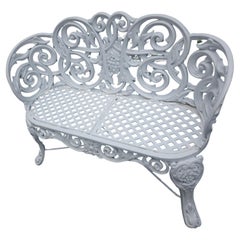
Victorian Cast Iron Garden Bench C 1870
By Fiske Or Mott
Located in Port Jervis, NY
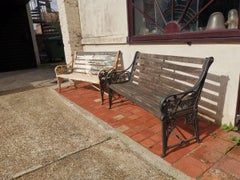
Fabulous and freshly painted mid victorian cast iron garden bench Strong and stable as the day it was made with a cross x stretcher between the 4 legs Ornate with precise castings of...
Category

American High Victorian Antique 1870s Building and Garden Elements

Materials

Iron

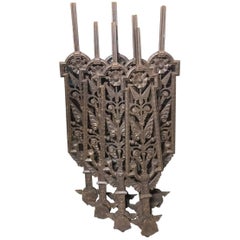
Dr C Dresser Attri, 18 Cast Iron Floral Staircase Balustrades & the knurl post.
Located in London, GB
Dr C Dresser attributed for Colebrookdale Iron Works. A rare set of 18 Anglo-Japanese cast iron stair and/or balcony balustrades including the origi...
Category

English Aesthetic Movement Antique 1870s Building and Garden Elements

Materials

Iron

Antique French Store Counter Repurposed into a Kitchen Island From The Provence
Located in BENSENVILLE, IL
Antique French Store Counter Repurposed by our Old Plank Artisans into a Country French Style Kitchen Island. The Antique White French Oak...
Category

French Country Antique 1870s Building and Garden Elements

Materials

Oak

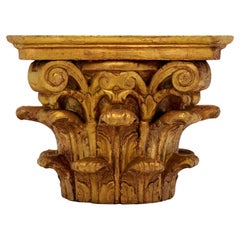
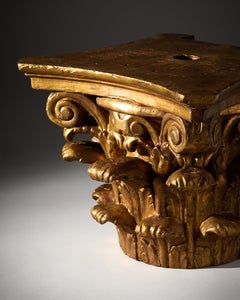
Antique French Corinthian Capital
Located in Austin, TX
Corinthian Capital, French, of finely hand carved wood finished with 24 carats gold leafing. The architectural element which can serve as a side table features a hand carved décor o...
Category

French Classical Greek Antique 1870s Building and Garden Elements

Materials

Gold Leaf

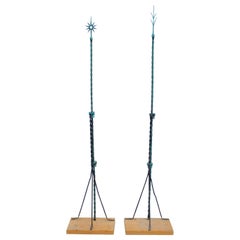
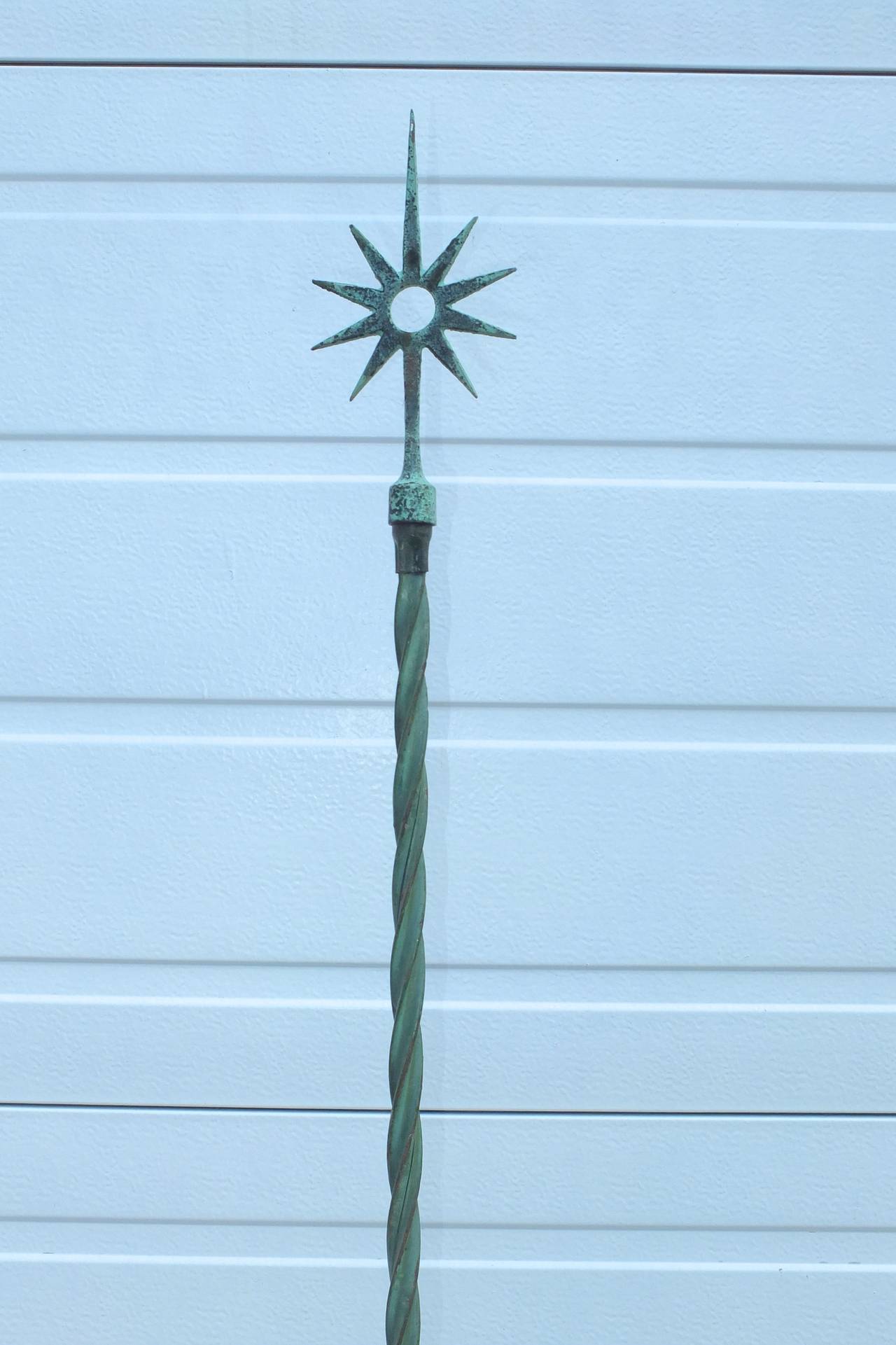
Pair of Antique American Lightning Rods
Located in Hanover, MA
Sculptural pair of American lightning rods dating from the 1870's. They still maintain their original copper skin on its wrought iron twist rod staff wh...
Category

American Country Antique 1870s Building and Garden Elements

Materials

Copper, Wrought Iron

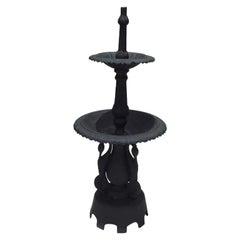
American Cast Iron Two Tiered Fountain with Flanking Swans, Fiske / Mott, C 1870
By Fiske Or Mott
Located in Charleston, SC
American cast iron two tiered foliage fountain with central fluted bulbous plumed column, flanking decorative swans, and resting on an arched circular bulbous base. Fiske / Mott, New...
Category

American American Empire Antique 1870s Building and Garden Elements

Materials

Iron

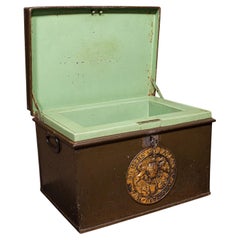
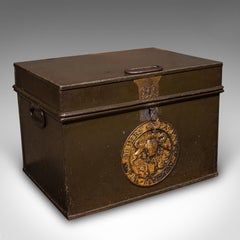
Antique Patent Safe, English Cast Iron Lock Box, Milners of Liverpool, Victorian
Located in Hele, Devon, GB
This is a heavy antique Patent fireproof safe. An English, cast iron lock box by Milners of Liverpool, dating to the Victorian period, circa 1870. Superb example of Milners’ renowned 212 Patent fireproof model Exceptionally robust cast iron construction with fire-resistant lining Distinctive deep green exterior finish with appealing aged patina Striking relief medallion to fascia, bearing Milners of Liverpool maker’s mark Secondary lid plaque features coat of arms motif and engraved details Lid opens smoothly and remains upright via hinged internal stays Attractive bright green interior offers pleasing contrast and practical storage Fascia hosting a lock escutcheon — in working order, key present Equipped with stout carry handles to each side for two-person lift Ideal as a unique statement piece for office, hallway, or retail interior This antique Milners safe...
Category

British Victorian Antique 1870s Building and Garden Elements

Materials

Iron

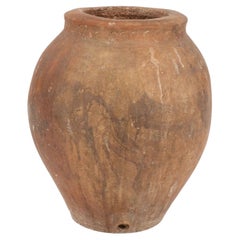
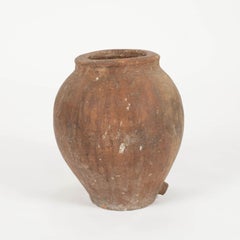
19th Century Rustic Spanish Terracotta Olive Jar
Located in Houston, TX
19th century rustic Spanish terracotta olive jar, or preserving jar, with spout. Nice aged patina.
Category

Spanish French Provincial Antique 1870s Building and Garden Elements

Materials

Terracotta

Dr C Dresser, Important Aesthetic Movement Marble Fire Surround with Bull Rushes
Located in London, GB
Dr C Dresser. An important and probably unique Aesthetic movement black marble fire surround, with stylized bull rushes and floral incised g...
Category

English Aesthetic Movement Antique 1870s Building and Garden Elements

Materials

Marble
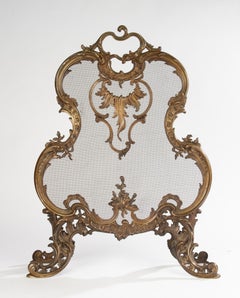
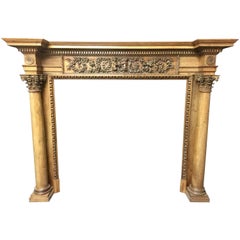
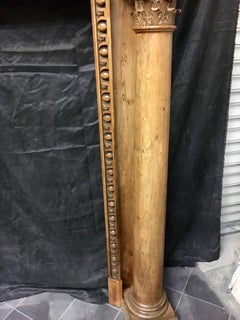
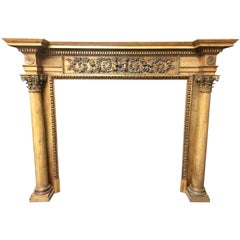
Antique Neoclassical Pine and Lime Wood Georgian Style Fireplace Surround
Located in Edinburgh, GB
A substantial and impressive architectural late 19th century profusely carved pine and lime wood fireplace surround in the Georgian manner of R...
Category

English Georgian Antique 1870s Building and Garden Elements

Materials

Pine

Pair of Large 19th Century Bronze Campana Urns
Located in Kilmarnock, VA
A magnificent and richly detailed pair of large-scale patinated and gilt bronze campana-form vases, executed in the neoclassical tradition and inspired by the iconic Medici and Borgh...
Category

French Neoclassical Antique 1870s Building and Garden Elements

Materials

Bronze, Ormolu

Pair of Large 19th Century Bronze Campana Urns
$13,600 Sale Price / set
60% Off
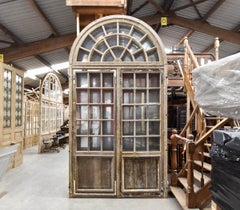
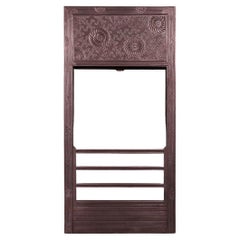
Double Oak Door With Overlight 19th Century
Located in Udenhout, NL
Very unique double oak doors with overlight. Recuperated out of a mansion near Paris, France. We have 5 sets of them.
Category

French Antique 1870s Building and Garden Elements

Materials

Oak

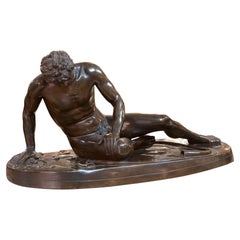
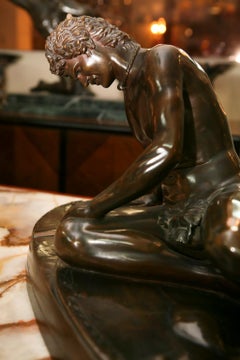
"Galata Morente" Sculpture in Bronze, sign: F. Barbedienne Fonduer
Located in Ciudad Autónoma Buenos Aires, C
F. Barbedienne fonduer Ferdinand Barbedienne (6 August 1810 – 21 March 1892) was a French metalworker and manufacturer, who was well known as a bronze founder. The son of a small farmer from Calvados, he started his career as a dealer in wallpaper in Paris. In 1838 he went into partnership with Achille Collas (1795-1859), who had just invented a machine to create miniature bronze replicas of statues. Together they started a business selling miniatures of antique statues from museums all over Europe, thus democratising art and making it more accessible to households.[2] From 1843 they extended their scope by reproducing the work of living artists and also diversified by making enamelled household objects. With the outbreak of the Franco-Prussian war in 1870 the firm briefly had to switch to cannon founding owing to the shortage of metals but resumed business afterwards. Following Barbedienne's death in 1892, he was buried in the Père-Lachaise cemetery and the firm was carried on by his nephew Gustave Leblanc until 1952. Among the principal artists reproduced by the firm were Antoine Louis Barye and Auguste Rodin. The Dying Galata (Italian: Galata morente...
Category

French Classical Roman Antique 1870s Building and Garden Elements

Materials

Bronze

Late 19th Century Fireplace Screen - Bronze - Rococo Scrollwork
Located in Casteren, Noord-Brabant
A beautiful French antique fireplace screen, dating from circa 1870-1880. Crafted in bronze with a beautifully aged patina, this piece features an elegant Rococo design with finely c...
Category

French Rococo Antique 1870s Building and Garden Elements

Materials

Metal, Bronze

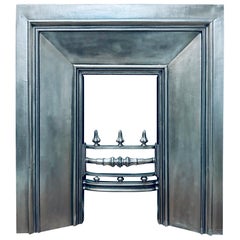
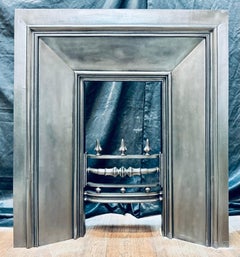
19th Century Victorian Scottish Cast Iron Fireplace Insert.
Located in Edinburgh, GB
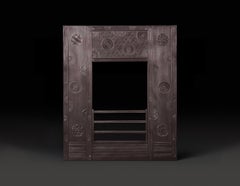
A simple Scottish 19th Century Victorian splayed cast iron fireplace insert by the renowned Carron of Falkirk foundry. An outer frame with a raised border splayed sides envelop to t...
Category

Scottish Victorian Antique 1870s Building and Garden Elements

Materials

Iron

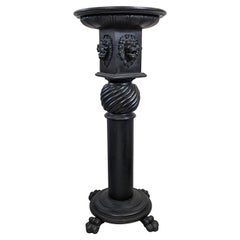
Gothic Revival Ebonized Lion's Head Pedestal
Located in Riverdale, NY
Elegant Gothic Revival ebonized pedestal from the 19th century. Carved Lion heads are set on 4 sides with carved paw feet at base. Ebonized carved wood. 1870s USA. Measures: top 14...
Category

American Gothic Revival Antique 1870s Building and Garden Elements

Materials

Wood

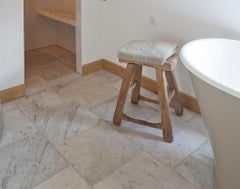
Reclaimed Antique Carrara Marble Floor Tiles
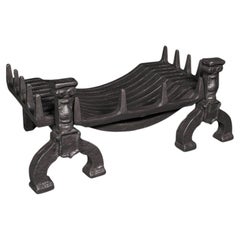
Located in Udenhout, NL
These beautiful reclaimed antique Carrara marble floor tiles are recuperated out of old castles and mansions. They are from the 18th, 19th and 20...
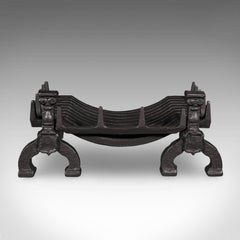
Category

Dutch Antique 1870s Building and Garden Elements

Materials

Carrara Marble
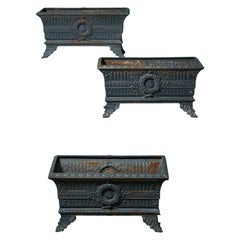
Yellow/pink Marble Boudin Freplace Mantel 19th Century
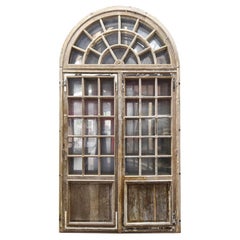
Located in Udenhout, NL
Yellow/pink Marble Boudin Freplace Mantel from the 19th Century to place in front of the chimney. For all other sizes, see the last photo.
Category

French Antique 1870s Building and Garden Elements

Materials

Marble
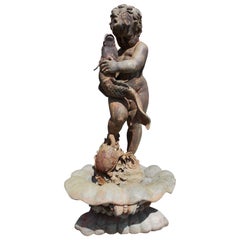
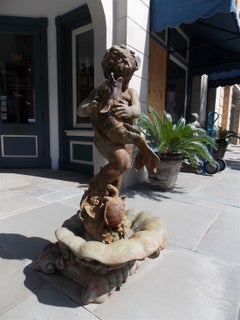
American Cast Bronze Garden Fountain with Figural Boy Holding Koi Fish. C. 1870
Located in Charleston, SC
American cast bronze garden fountain with standing figural boy holding Koi fish on a two-tiered shell form scrolled base with turtle at his feet, Late 19th century.
Category

American American Empire Antique 1870s Building and Garden Elements

Materials

Bronze, Copper

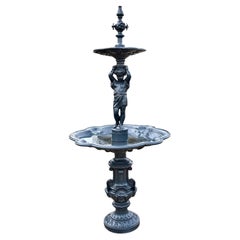
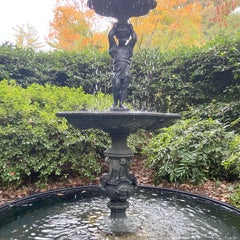
French Cast Iron Two Tiered Fountain with Cherub Baluster, Scalloped Pool
Located in Katonah, NY
A two-tier cast-iron fountain with two fountain bowls, the lower bowl larger, each bowl with scalloped edge and cherub masks on the underside, the smaller bowl surmounted by a founta...
Category

French Neoclassical Revival Antique 1870s Building and Garden Elements

Materials

Iron

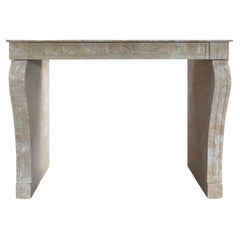
Antique Sandstone Fireplace Mantel 19th Century
Located in Udenhout, NL
It is a antique light sandstone fireplace mantel from 19th Century to place in front of the chimney. The dimensions need to be checked - they are not correct
Category

French Antique 1870s Building and Garden Elements

Materials

Sandstone

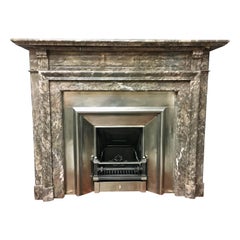
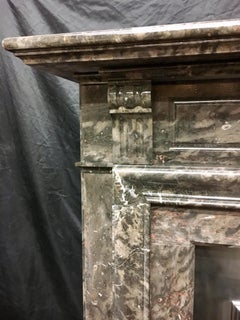
19th Century Victorian Rare Ashburton Marble Fireplace Surround
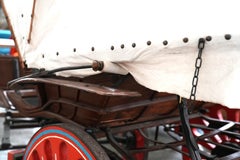
Located in Edinburgh, GB
A superb, tall and elegant 19th century rare Victorian corbeled and panelled period fireplace in rich variated- fossilised soft Grey Ashburton marble...
Category

English Victorian Antique 1870s Building and Garden Elements

Materials

Marble
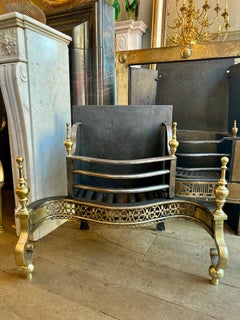
An English Antique Steel and Brass 19th Century Fire Grate
Located in London, GB
A large 19th century George II style Dog grate in steel and brass. The broken front leg supports capped with steeple finials, flanking a decorative cut brass fret with geometric apro...
Category

English George II Antique 1870s Building and Garden Elements

Materials

Brass, Steel

Pair of 19th century French cast iron garden urns / planter s
Located in Budleigh Salterton, GB
Nice decorative pair of late 19th cast iron planters French circa 1870’s 12 inches high 16 inches diameter
Category

French Rococo Revival Antique 1870s Building and Garden Elements

Materials

Iron

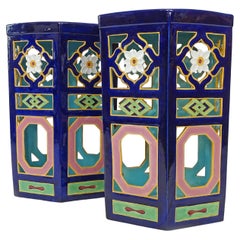
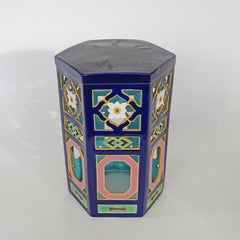
Pair of Minton Majolica Cobalt-Blue Ground Reticulated Garden Seats, 1871
Located in Milan, IT
Splendid Pair of Minton Majolica Cobalt-Blue Ground Reticulated Garden Seats Shape no. 1364. Each hexagonal, with a paneled side pierced in the Aesthetic style with yellow-centered w...
Category

British Aesthetic Movement Antique 1870s Building and Garden Elements

Materials

Majolica

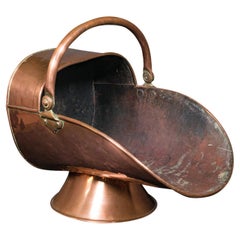
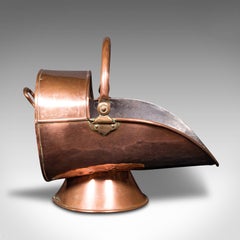
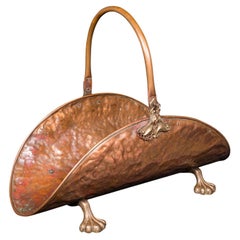
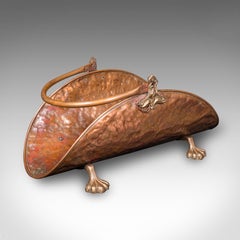
Antique Log Layer, English, Copper, Brass, Fireside Fuel Tray, Victorian, C.1870
Located in Hele, Devon, GB
This is a delightful antique log layer. An English, copper and brass fireside fuel tray, dating to the Victorian period, circa 1870. Showcasing distinctive Cornish copper craftsmansh...
Category

British Victorian Antique 1870s Building and Garden Elements

Materials

Brass, Copper

Antique Coal Purdonium, English, Walnut, Brass, Fireside Fuel Keep, Victorian
Located in Hele, Devon, GB
This is an antique coal purdonium. An English, walnut and brass fireside fuel keep, dating to the Victorian period, circa 1870. A fine example o...
Category

British Victorian Antique 1870s Building and Garden Elements

Materials

Brass

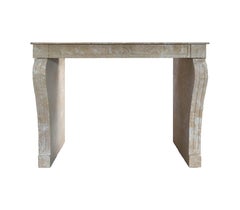
Antique Dutch fireplace mantel 19th Century
Located in Udenhout, NL
Antique Dutch fireplace mantel to place around the chimney from the 19th Century.
Category

Dutch Antique 1870s Building and Garden Elements

Materials

Marble
Carrara Marble Pompadour Fireplace Mantel 19th Century
Located in Udenhout, NL
Carrara Marble Pompadour Fireplace mantel from the 19th Century to place around the chimney. For all other sizes, see last photo.
Category

French Antique 1870s Building and Garden Elements

Materials

Carrara Marble
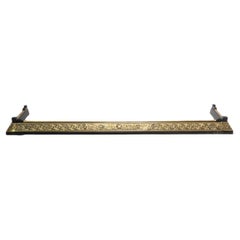
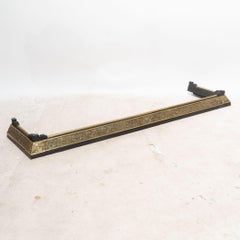
Thomas Jeckyll for Barnard Bishop & Barnard. An Aesthetic Movement brass fender
Located in London, GB
Thomas Jeckyll for Barnard Bishop and Barnard. An Aesthetic Movement Anglo-Japanese brass fender with circular motifs decorated with birds, moths, butterflies, flowers, cherry blosso...
Category

Anglo-Japanese Antique 1870s Building and Garden Elements

Materials

Brass

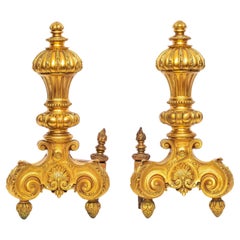
A Pair Gilt Bronze Fireplace Supports / Andirons - Renaissance Style
Located in Casteren, Noord-Brabant
A pair of antique gilt bronze fireplace andirons in renaissance style. Coups with on top flames, flanked with ram heads, resting on lions...
Category

French Renaissance Antique 1870s Building and Garden Elements

Materials

Bronze, Ormolu

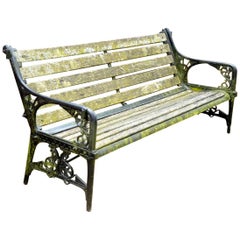
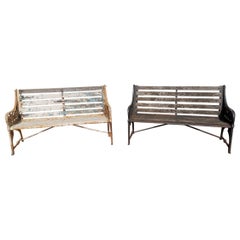
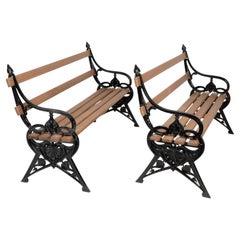
Dr C Dresser for Coalbrookdale Two ‘Medieval’ Pattern Cast Iron Garden Benches
Located in London, GB
Dr C Dresser for Coalbrookdale. Two ‘Medieval’ pattern cast iron garden benches. These particular models are ‘Medieval’ number 52 in the Coalbrookdale 1875 trade catalogue. I bought...
Category

English Aesthetic Movement Antique 1870s Building and Garden Elements

Materials

Iron

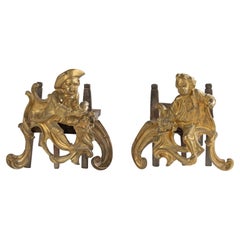
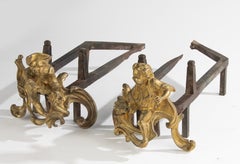
Late 19th Century French Fireplace Andirons - Gilt Bronze Figurines
Located in Casteren, Noord-Brabant
A beautiful set of two antique andirons, decorative elements for the fireplace. These are made of gilded bronze, with beautiful figures of a boy and a girl reaching out to each other...
Category

French Baroque Antique 1870s Building and Garden Elements

Materials

Bronze, Wrought Iron

Scottish 19th Century Victorian Carrara Marble Fireplace Surround
Located in Edinburgh, GB
A Scottish 19th century Victorian pencil veined Carrara marble fireplace surround. A classic Scottish design in a prominent well figured marble. A squ...
Category

Scottish Victorian Antique 1870s Building and Garden Elements

Materials

Carrara Marble

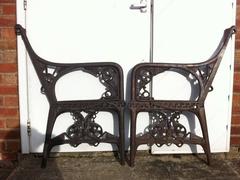
C Dresser for Colebrookdale Aesthetic Movement Cast Iron Garden Canopy Seat Ends
Located in London, GB
Designed by Dr C Dresser for Colebrookdale A cast iron Aesthetic Movement garden Canopy Seat named 'Waterplants'. The first image here is an example to ...
Category

Great Britain (UK) Aesthetic Movement Antique 1870s Building and Garden Elements

Materials

Iron

19th Century Italian Hand-Carved Walnut Decorative Crown
Located in Dallas, TX
19th Century Italian Hand-Carved Walnut Decorative Crown will add an unparalleled flourish to any room. Use it across a cased opening, or adorned with draperies to serve as a headbo...
Category

Italian Neoclassical Revival Antique 1870s Building and Garden Elements

Materials

Walnut

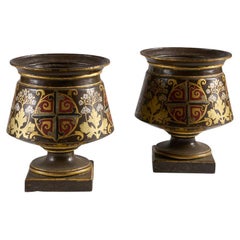
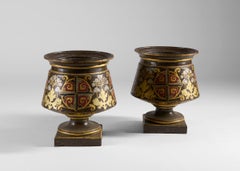
Pair of Napoleon III Urns with Original Polychromy
Located in New York, NY
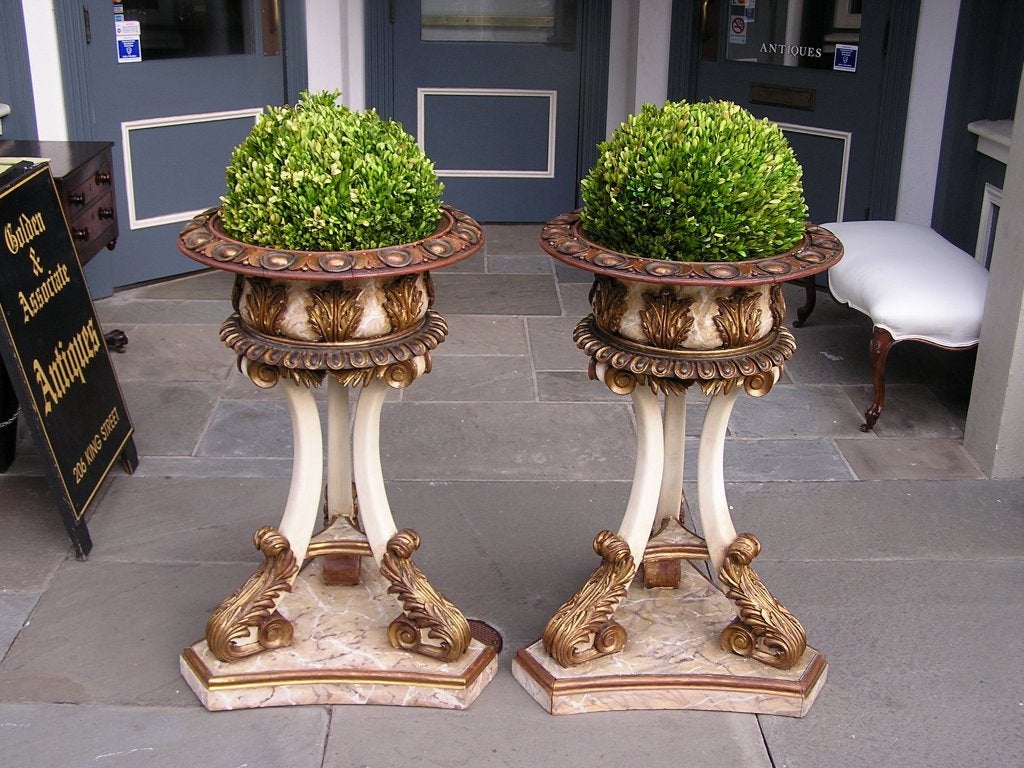
Retaining their original polychromy in the neo-Gothic style, these pieces represent a trend typical of the Second Empire—large planters intended for exterior spaces with either intri...
Category

Napoleon III Antique 1870s Building and Garden Elements

Materials

Iron

Italian Terracotta Statue of Flora, Goddess of Spring, on Marble Pedestal
Located in Katonah, NY
A fine and rare terra-cotta figure of Flora in contrapposto pose, classically robed with hair swept up and in curls, with a floral wreath in the figure’s proper right hand, and a nos...
Category

Italian Neoclassical Antique 1870s Building and Garden Elements

Materials

Terracotta

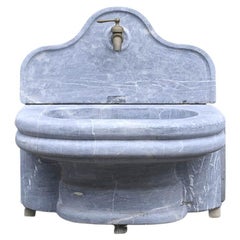
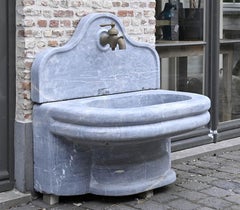
Grey Marble Vintage Wall Fountain
Located in Udenhout, NL
Very nice grey marble vintage wall fountain to place in to your garden.
Category

Belgian Antique 1870s Building and Garden Elements

Materials

Marble

Pair of American Cast Iron Turtle Fountains with Plumbed Copper Tubing, C. 1870
Located in Charleston, SC
Pair of American cast iron Turtle fountains with internal plumbed copper tubing, Late 19th Century
Category

American American Empire Antique 1870s Building and Garden Elements

Materials

Copper, Iron

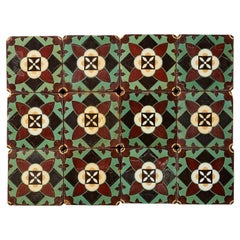
Set of 12 Antique Glazed Encaustic Floral Tiles by Minton
By Ws Coleman and Minton and Co.
Located in Wormelow, Herefordshire
Twelve 4-inch antique encaustic tiles by Minton & Co, beautifully glazed with floral embellishments on a green, black and red backdrop. Dating back to circa 1870, these reclaimed ti...
Category

English Antique 1870s Building and Garden Elements

Materials

Porcelain

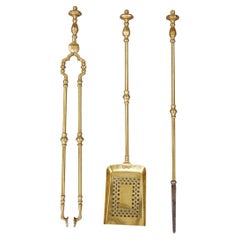
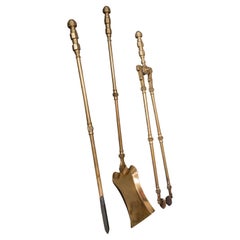
Set of Three Copper Fire Tools
Located in Greenwich, CT
A set of three fire tools with bold turnedcopper handles and shafts comprising: a poker with forged iron tip, tongs and a flared shouldered shovel with pierce-work decoration. Engla...
Category

English Antique 1870s Building and Garden Elements

Materials

Brass

Grand Tour Marble Columns, a Pair
Located in Dallas, TX
Provenance David J. Bikoff collection, Italy circa 1870 Made with different marbles.
Category

Italian Grand Tour Antique 1870s Building and Garden Elements

Materials

Marble

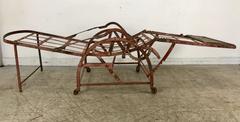
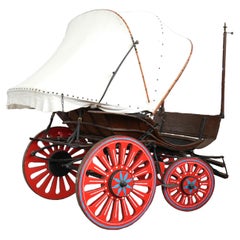
Rare 1870 "Dottorina" Cart - Antique Italian Wagon with Timeless Appeal
Located in Manzano, IT
Rare 1870 "Dottorina" Cart - Antique Italian Wagon with Timeless Appeal Step back in time with this original 1870 "Dottorina" cart, an exquisite piece of Italian history boasting hand-crafted details, vibrant red wheels, and a rustic canopy. Once used by traveling doctors or vendors, this authentic wagon is now a stunning conversation piece for collectors and aficionados of antique design. Key Features Authentic 19th-Century Origin - Meticulously crafted in 1870, reflecting the artisanal expertise and Italian heritage of that era. - Perfect for museum displays, themed events, or private collections seeking a slice of history. Sturdy Wooden Construction - Showcases finely carved wooden panels and structural elements, maintaining its original rustic charm. - Intricately painted red wheels and decorative accents highlight traditional craftsmanship. Distinctive Canopy - Features a canvas top reminiscent of vintage wagons...
Category

Italian Antique 1870s Building and Garden Elements

Materials

Iron

19th Century English Nursery Guard - 45 1/4" Wide
Located in Greenwich, CT
19th century English brass trimmed wrought iron nursery guard with wide "fish-net" mesh. Used originally to protect pets and children from the fireplace. Now a decorative accessory.
Category

English Georgian Antique 1870s Building and Garden Elements

Materials

Brass, Iron

Copper Log Bin
Located in Greenwich, CT
A large copper container having welded seam, flat lipped rim and a hinged lid with lift ring and hole. Retaining original well-utilized and workshop-aged surface. Good size for logs ...
Category

American Antique 1870s Building and Garden Elements

Materials

Copper

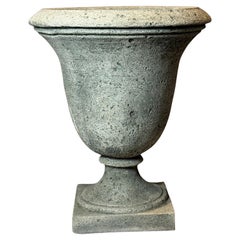
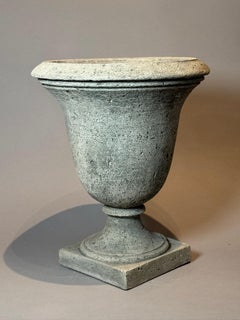
Antique Cast Stone Urn Planter – Victorian English Jardiniere
Located in West Hollywood, CA
This exquisite antique cast stone garden urn, inspired by Victorian-era English jardinieres, is a stunning example of classical garden design and timeless craftsmanship. Dating back ...
Category

English Victorian Antique 1870s Building and Garden Elements

Materials

Concrete

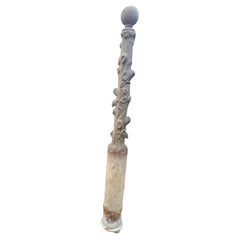
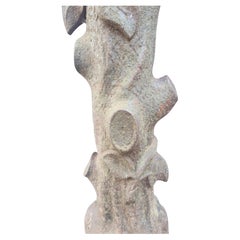
Antique French Faux Bois Cast Iron Hitching Post C1875
Located in Port Jervis, NY
Spectacular cast iron hitching post in the fabulous faux bois style. Cannon ball top all original no damage or repairs. Rare to the market and ready to be installed. Definitely will ...
Category

French Adirondack Antique 1870s Building and Garden Elements

Materials

Iron

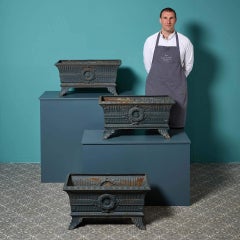
Three Antique Cast Iron Trough Planters
Located in Wormelow, Herefordshire
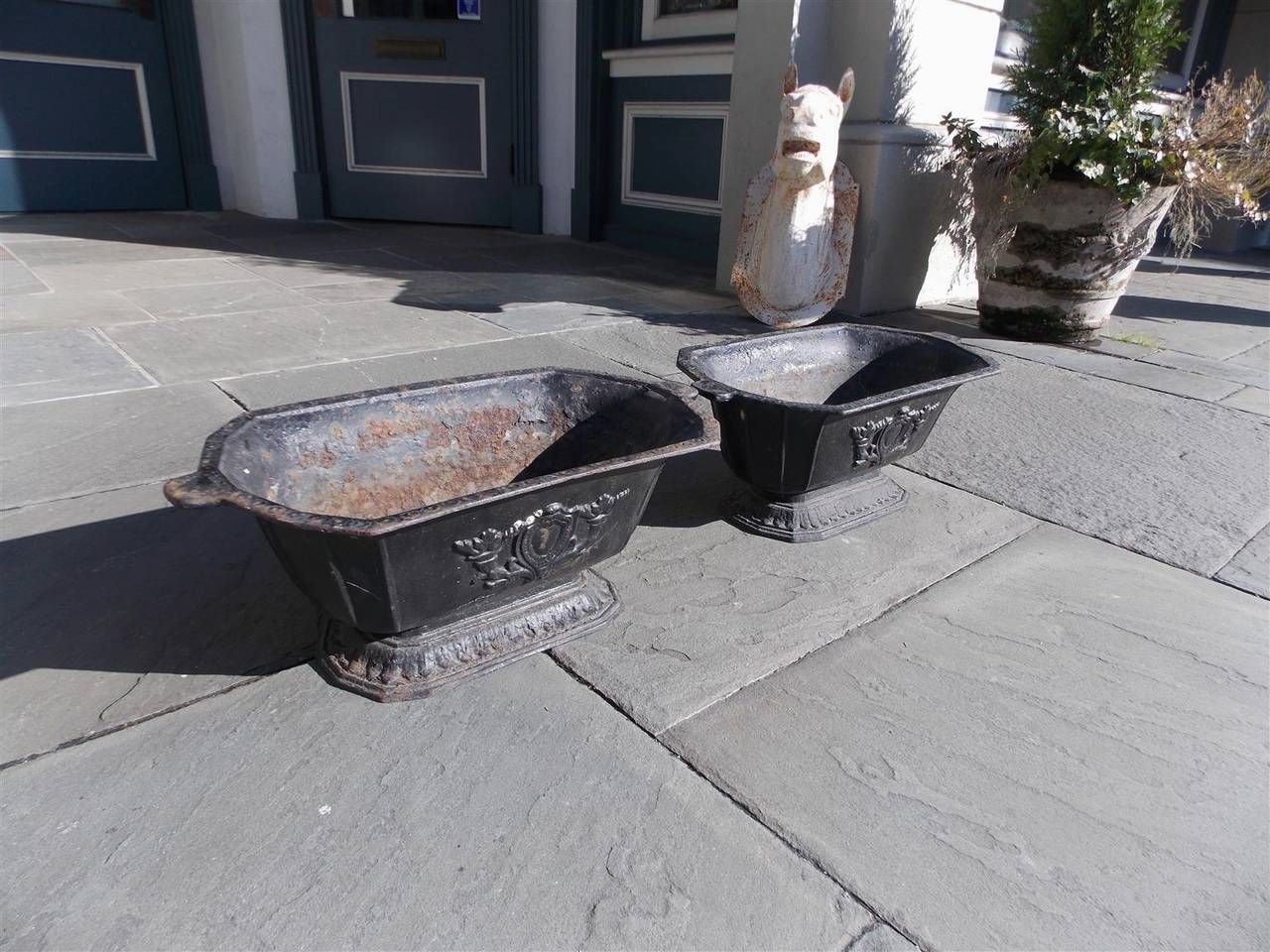
Three antique cast iron trough planters of French origin, circa 1870. These beautiful matching trough plant pots are each of a spacious recta...
Category

French Antique 1870s Building and Garden Elements

Materials

Iron

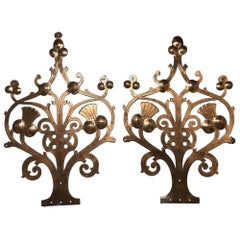
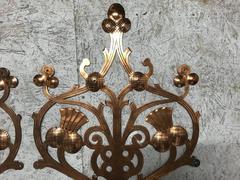
Pair of Handcrafted Gothic Revival Copper Hinges with Thistle Decoration
Located in London, GB
A pair of handcrafted solid copper Gothic Revival hinges with thistle and hand chased decoration.
Category

Great Britain (UK) Gothic Revival Antique 1870s Building and Garden Elements

Materials

Copper

19th Century Hand Forged Iron Fireplace Tools 4 Piece Set
Located in Port Jervis, NY
Fabulous set of hand forged fireplace tools with holder. Shovel, log clamp and brush with original holder all with tons of patina. Will oil and cleanup upon request.
Category

American Aesthetic Movement Antique 1870s Building and Garden Elements

Materials

Brass, Iron

19th Century American Molded Verdigris Copper Urn Architectural Ornaments Pair
Located in Lambertville, NJ
Pair of circa 1880 American molded copper architectural building ornaments in the best original verdigris surface. Now wired for hanging. Supper original surface.
Category

American Antique 1870s Building and Garden Elements

Materials

Copper

Pair Of Renaissance Revival Bronze Andirons
Located in Essex, MA
19th century copies of renaissance examples each with lions over cartouches and bracket legs with winged caryatids. The design of these is very reminiscent of Jacque I Androuet du C...
Category

Italian Renaissance Revival Antique 1870s Building and Garden Elements

Materials

Bronze

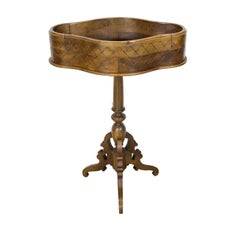
19th Century French Hand Carved Walnut Black Forest Jardiniére or Planter
Located in Birmingham, AL
A 19th century Black Forest jardinière hand carved of solid walnut in the Alsace region of France, circa 1870s. The detailed, intricately carved wood planter features a realistic han...
Category

French Black Forest Antique 1870s Building and Garden Elements

Materials

Walnut

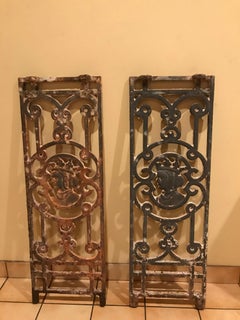
Rare Salvaged 1877 Queen Victoria Coronation British Raj Wrought Iron Railing
Located in Vancouver, British Columbia
Rare salvaged young Queen Victoria Coronation Railings circa 1877 depicting crown and braid profile. These were balcony facade railings from an ol...
Category

Early Victorian Antique 1870s Building and Garden Elements

Materials

Wrought Iron

Antique Chinese Large Porcelain Green Frog Planter Cachepot
Located in Atlanta, GA
A Whimsical Antique Chinese Frog planter with textured body in a bright spring green glaze over black with lavender eyes. These planters were a st...
Category

Chinese Chinese Export Antique 1870s Building and Garden Elements

Materials

Porcelain

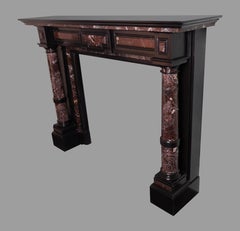
Magnificent Polished Belgium Black Chimneypiece
Located in London, GB
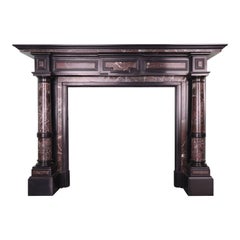
A magnificent polished Belgium Black and Rosso Levanto marble chimneypiece in the Renaissance manner. The moulded shelf set over a panelled frieze, supported...
Category

English Renaissance Antique 1870s Building and Garden Elements

Materials

Belgian Black Marble, Other

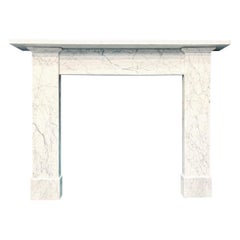
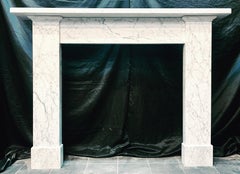
Small Parisian Brocatelle Marble Fireplace Mantel, Circa 1870
Located in Dallas, TX
Hand-carved in France, circa 1870, this small brocatelle marble mantel once graced the fireplace of a Parisian apartment. Brocatelle marble is named after the famous Italian fabric b...
Category

French Antique 1870s Building and Garden Elements

Materials

Marble

Napoleon III Urn, Charleville Design
Located in Washington, DC
Napoleon III Urn, Design, Charleville Design Cast Iron
Category

French Napoleon III Antique 1870s Building and Garden Elements

Materials

Iron

Still Thinking About These?

All Recently Viewed