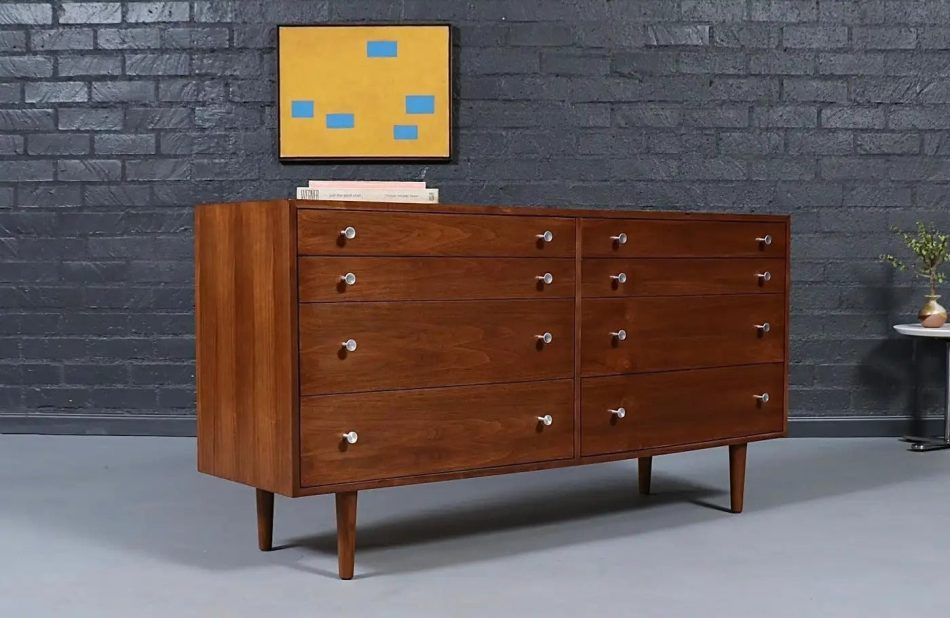
Once you find a vintage piece of furniture you believe will add warmth and character to your living room, bedroom or entryway, how do you evaluate its condition and authenticity?
This guide, a companion to where to buy vintage furniture, will help you learn how to buy vintage furniture with confidence as you curate your collection.
What “Vintage” Means (and Why That Matters When Buying)
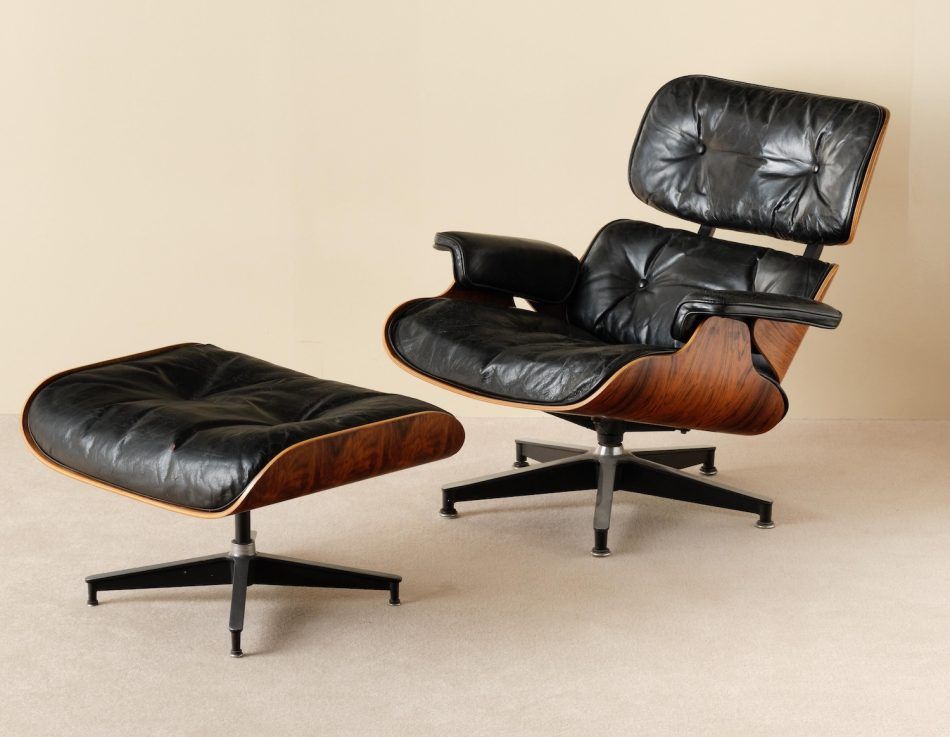
Vintage items are generally between 20 and 99 years old, while antiques are 100 years old or more. Retro is different, describing a style associated with an earlier era, such as the 1970s, and can apply to original period pieces or newer items made in that style.
Knowing these terms helps you compare a listing with its likely production period and manufacturing details instead of relying on labels alone.
How to Evaluate Construction and Craftsmanship
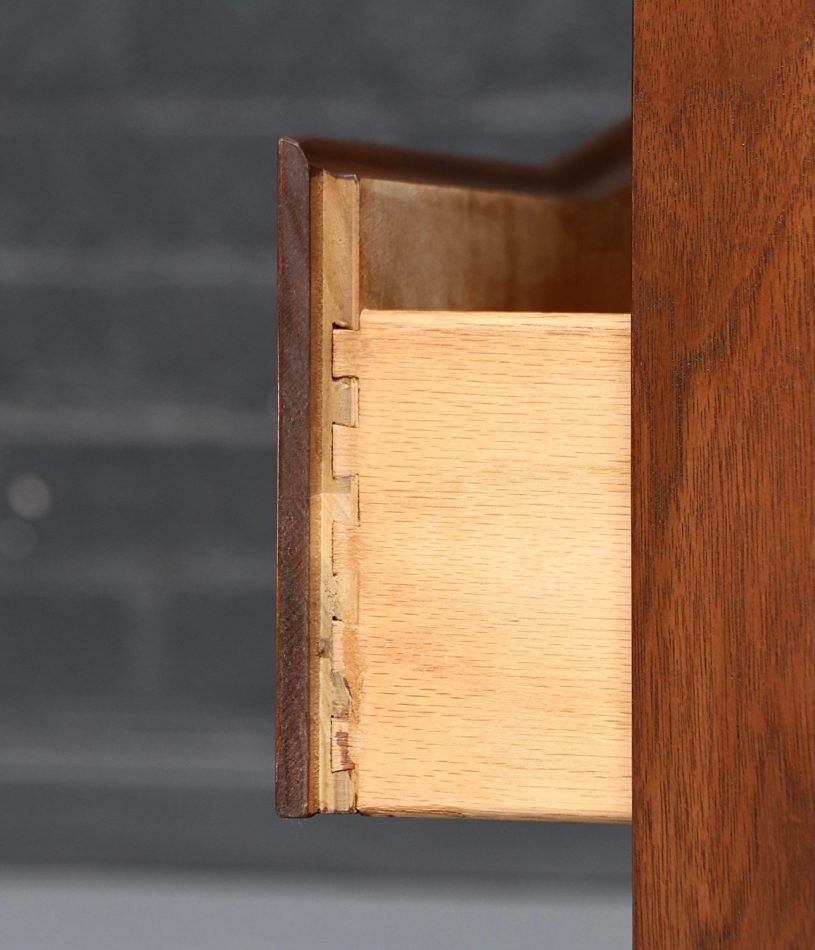
You can learn how to tell if furniture is vintage by examining the following elements:
Joinery
Joinery, or how the pieces of wood are put together, will offer clues.
For example, a vintage piece will have
- hand-cut vs. machine-cut dovetail joints
- a mortise-and-tenon construction
- dowels/screws vs. glue-only joints
Hand-cut dovetails are characterized by narrow pins and tails that vary in spacing and size. You may even see faint pencil layout/scribe lines associated with traditional furniture-making methods. Machine-cut dovetails have perfectly identical, uniformly spaced pins and tails.
Red flags for mortise-and-tenon joints include visible gaps, exposed end-grain gluing and a loose fit. For glue-only joints, end-grain-to-end-grain bonding, thick glue lines and starved joints (in which the glue is squeezed out) are all red flags.
Solid Wood vs. Veneer
Unlike solid-wood construction, veneer is a thin slice of wood glued to a core, such as plywood, medium-density fiberboard (MDF) or particleboard. However, you can find fine vintage veneer furniture with solid hardwood or high-quality plywood cores.
Look for clues:
- End-grain patterns in exposed cross-sections denote solid wood.
- The exact same knot, swirl or grain-line shape in two different places on a tabletop or cabinet door points to laminate.
- A perfectly symmetrical “book-matched” pattern is almost always a sign of a premium wood veneer
- The underside material of a tabletop or cabinet displaying a raw, rough texture or flat brown fiberboard is particleboard or MDF.
Do a Sturdiness Check
Sturdiness separates high-quality durable pieces from those that may require costly repairs.
- To check stability, gently wiggle the item and look for rocking or uneven legs.
- Open and close drawers or doors to check for misalignment. Visual gaps, crooked drawer fronts, a rubbing noise or protruding edges are all red flags.
- To test the frame and joints, hold the piece by opposite ends and gently rock it from side to side. Wobbling, swaying or creaking may indicate weak or failing joints.
When browsing vintage living room seating or bedroom sets online, look for listings with joinery and frame quality visible in the listing photos.
Recognizing Quality Materials
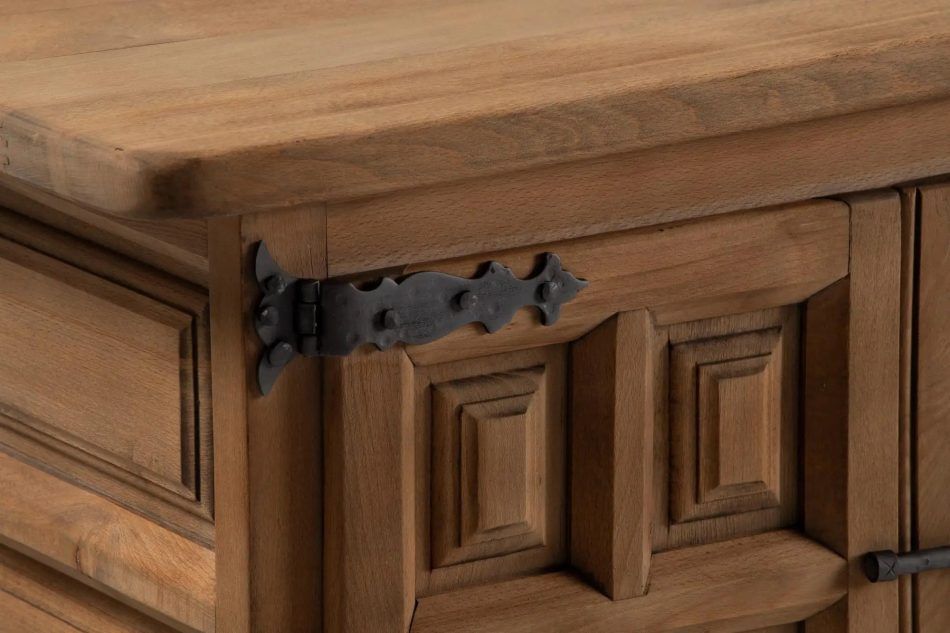
Natural woods like walnut, teak, mahogany and oak are prized for their durability and appearance. Laminate and particleboard are manufactured alternatives commonly used to reduce costs. Check material specifications when browsing vintage dining tables.
Hardware is also important. It can indicate age, quality and originality. Examine metal pulls, knobs and hinges for material, weight, construction, wear and signs of replacement. Original hardware can help with authentication, but consider it along with construction, condition, maker and design.
Understanding Condition, Restoration and Patina
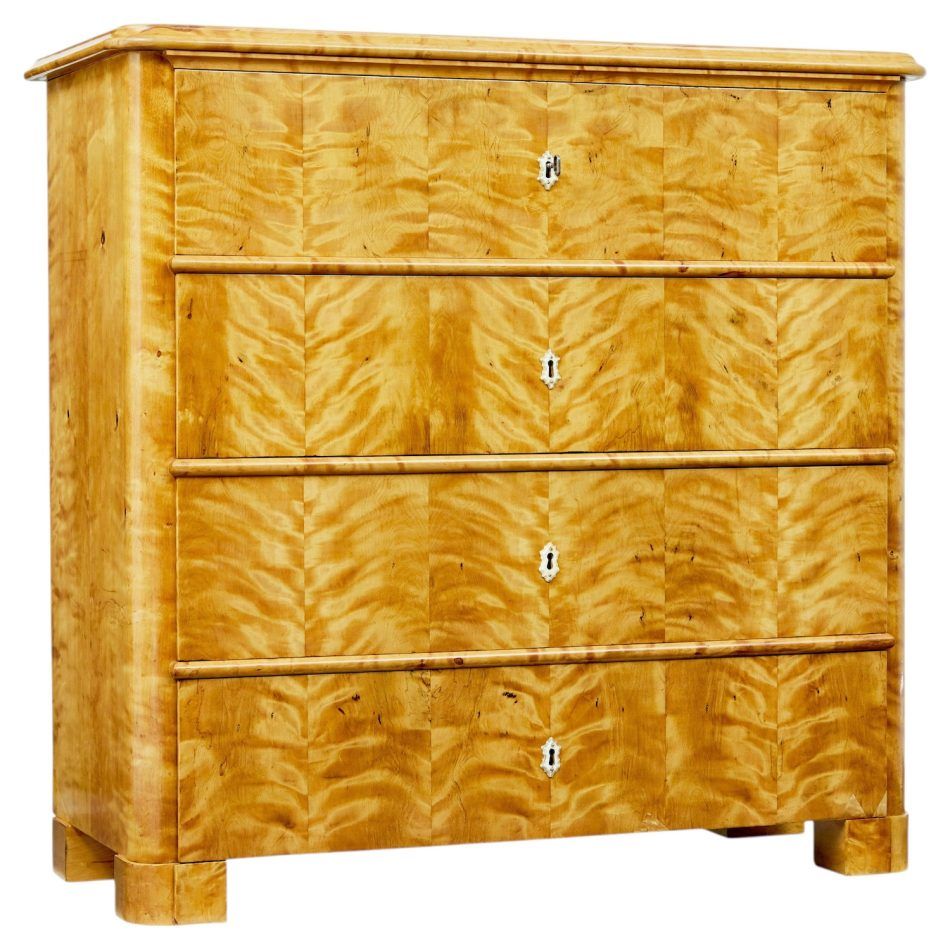
When assessing vintage and antique furniture, learn to distinguish patina from damage.
Patina is a surface appearance that develops through age, use and exposure. On wood, leather or metal, it may manifest as a mellowed color, a softened finish, oxidation or wear in expected areas. Patina can add character and sometimes value, but it does not prove authenticity.
Damage can be cosmetic or structural. Water and heat rings affect the finish and can be remedied relatively easily, while lifting veneer, structural cracks, warping and separating joints may require serious repair.
Restoration disclosures should note changes like refinishing, reupholstery and replaced hardware. The details can help you judge how a piece’s condition, originality and value might be affected.
If you’re buying vintage bedroom furniture, for example, look for clear condition notes and photos showing patina, repairs and visible flaws.
How to Verify Authenticity and Provenance
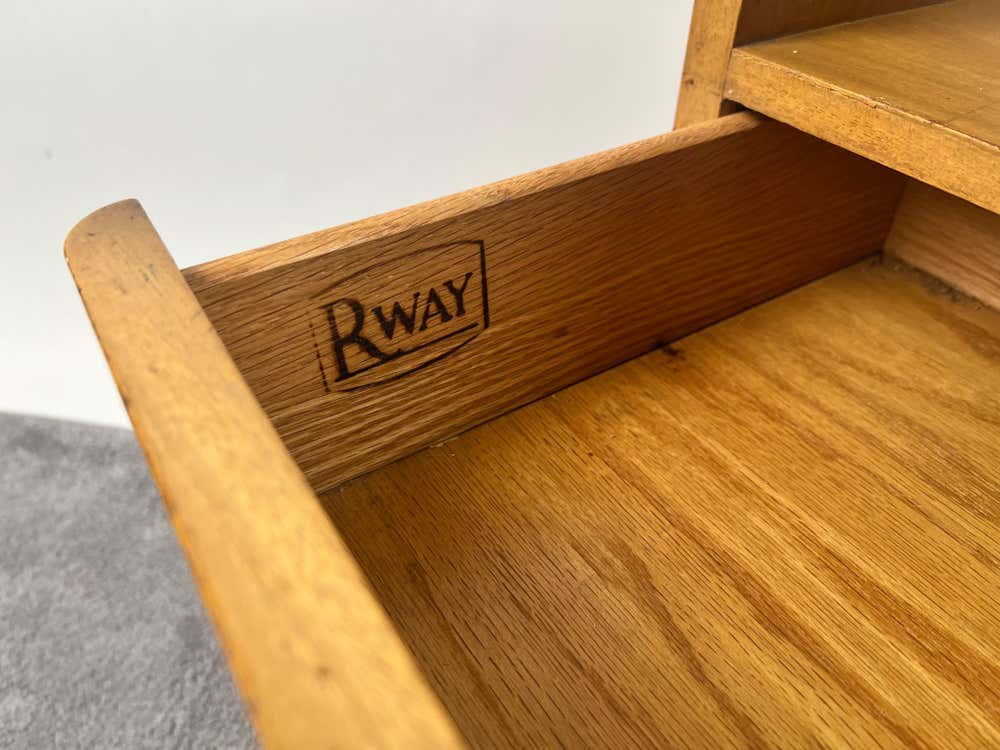
When seeking to verify the authenticity of a piece of furniture, one way to start is to look for a maker’s mark in inconspicuous areas, like its underside or back, inside its drawers or on its legs. Labels, stamps, signatures and impressed marks can help identify the maker.
Terms such as “attributed to,” “in the manner of,” and “in the style of” indicate different degrees of connection to a particular maker or designer and may affect value. For vintage furniture authentication, you can learn more here about what a maker’s mark is and the seller vetting process.
Terms to Know
- “Attributed to” means a piece was likely created by a particular maker or workshop based on its style, technique or history, but proof is lacking. The value of such a piece is lower than that of a verified, signed one, though still significant.
- “In the manner of” describes pieces that resemble the work associated with a specific period or craftsman. They are likely to have been made during that period but not by that specific craftsman or workshop. Such pieces have a lower value than originals or ones carrying an attribution.
- “In the style of” is applied to pieces that share the visual characteristics or design elements associated with a particular movement, period or designer but that were typically made much later. The value of such pieces is often based on their decorative or material attributes rather than provenance.
To research a maker’s mark, photograph it and try a reverse-image search using an app like Google Lens. You can also search serial or patent numbers and compare the mark with reputable archives, manufacturer records, dealer resources or appraisal sources.
Building a Well-Curated Collection over Time
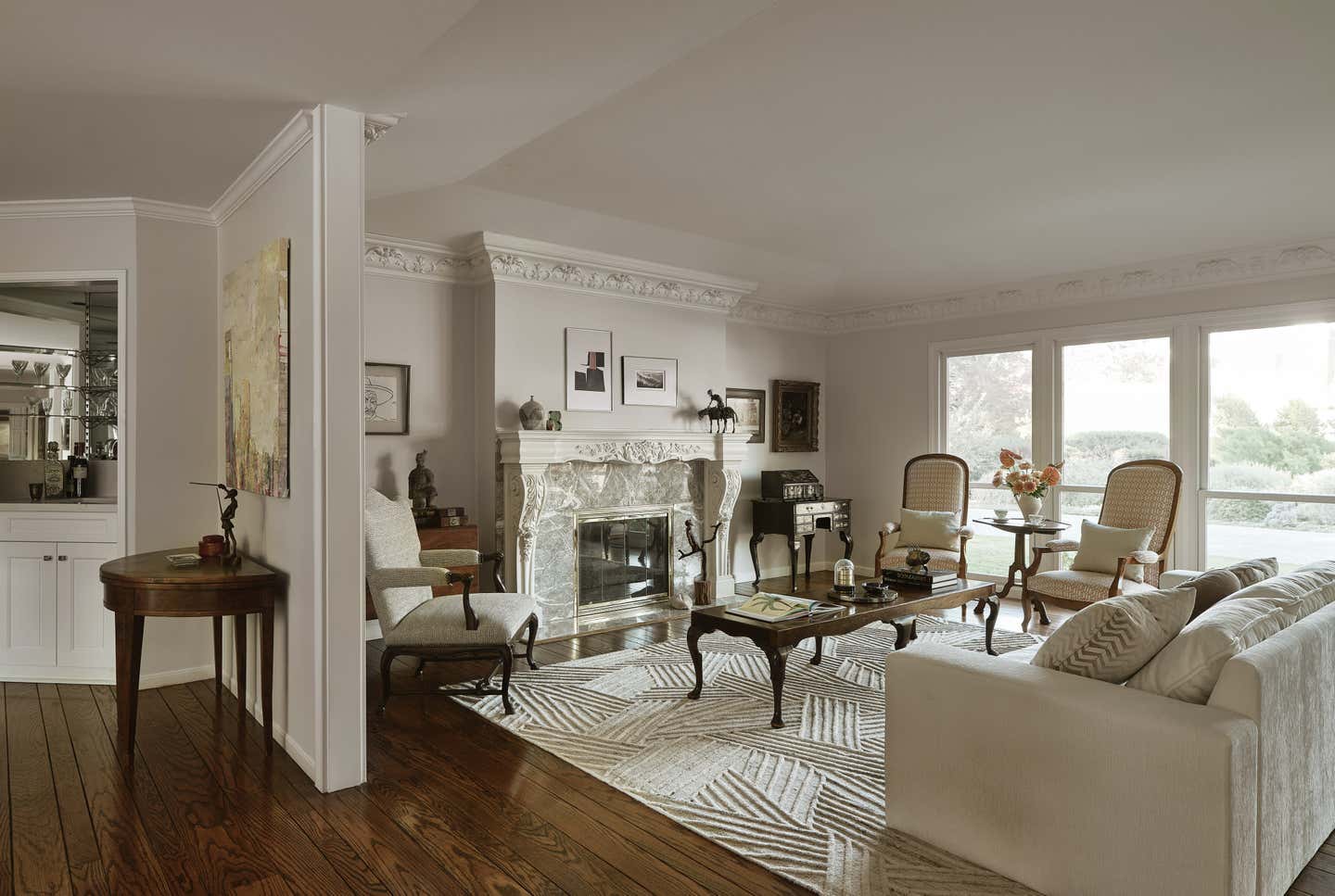
If you love vintage furniture, your collecting can become more intentional over time. Instead of matching sets, choose pieces from different periods and in various styles that work together.
As you build your vintage furniture collection, prioritize quality and personal connection over trends. A loose focus on an era, material, designer or region can give your assemblage a theme while leaving room for you to add pieces gradually.
Frequently Asked Questions
What is the difference between vintage and antique furniture?
Vintage pieces are generally between 20 and 99 years old, antiques 100 or more. Retro refers to a style rather than a production date.
How can I tell if a piece of vintage furniture is good quality?
Look for traditional artisanship, stable materials and wobble-free construction. Check its joinery and material and do a stability test.
Is it normal for vintage furniture to have wear or imperfections?
Yes, light wear and patina are expected and often desirable, but you should distinguish them from structural issues like unstable joints.
How do I find out who made a piece of vintage furniture?
Check for a maker’s mark in inconspicuous spots. You can then research the mark to identify the maker and rough production period.
Can vintage furniture be restored without losing its value?
Yes, depending on the piece and extent of the restoration. Careful repairs that preserve original materials and finishes might not affect value, but extensive refinishing, replacement parts or poorly executed repairs can reduce it. When buying a piece, require clear disclosure of any restoration work.
How do I start building a curated vintage furniture collection?
It’s best to start with a specific collecting theme (era, material, region) and add pieces gradually, prioritizing quality and personal connection.
The Value of Confident Vintage Buying
Shopping vintage becomes easier with a repeatable inspection habit.
Acquiring quality furniture requires checking joinery, materials, condition and maker information rather than relying on labels alone.
Put those skills into practice with 1stDibs’ vintage furniture collection. Browse vintage pieces today.