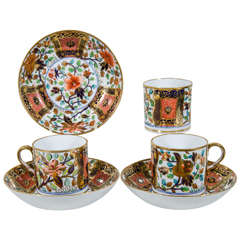
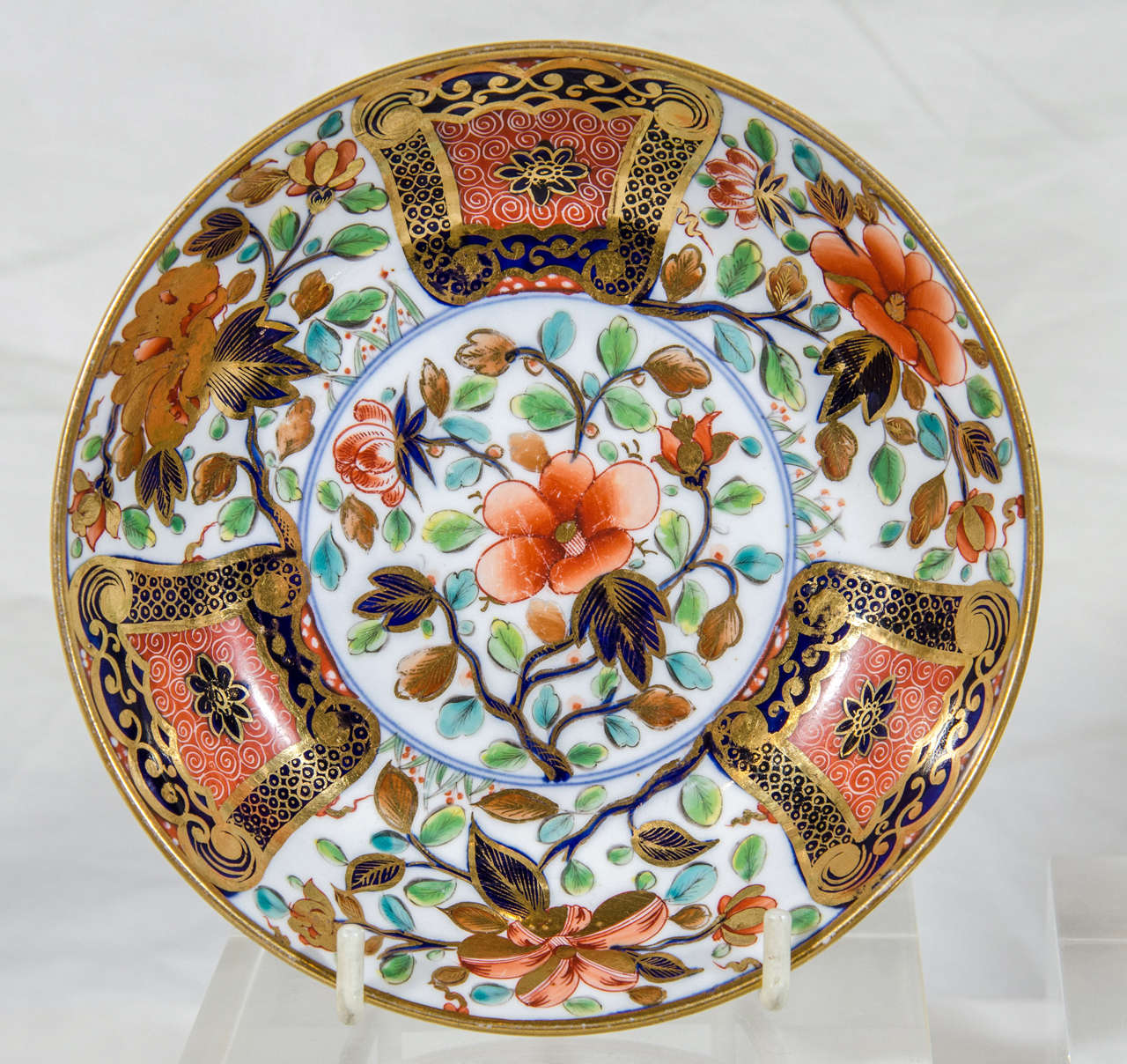
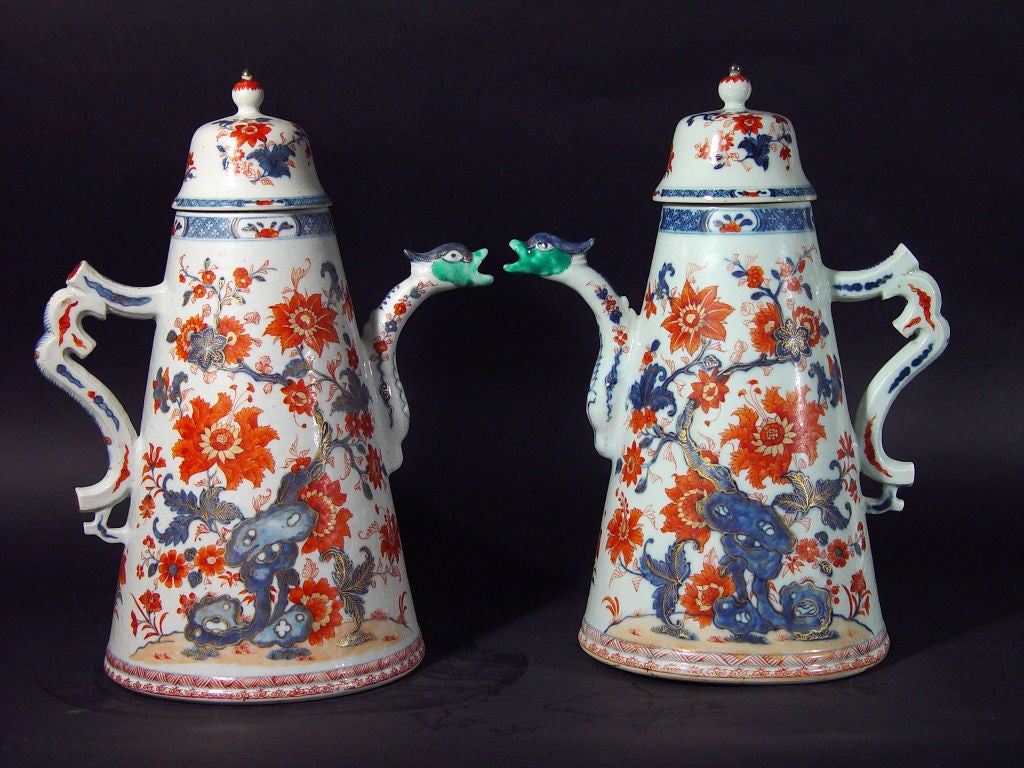
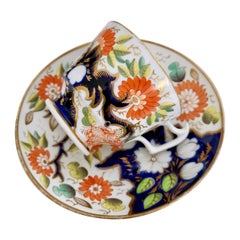
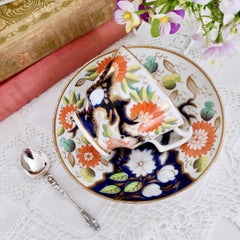
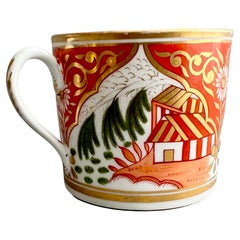
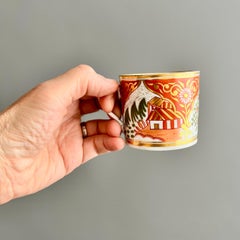
Find many varieties of an authentic imari coffee set available at 1stDibs. A imari coffee set — often made from
ceramic and
porcelain — can elevate any home. Find 9 options for an antique or vintage imari coffee set now, or shop our selection of 1 modern versions for a more contemporary example of this long-cherished piece. There are many kinds of the imari coffee set you’re looking for, from those produced as long ago as the 18th Century to those made as recently as the 21st Century. A imari coffee set made by
Georgian designers — as well as those associated with
Regency — is very popular.
Spode,
Coalport Porcelain and
Derby each produced at least one beautiful imari coffee set that is worth considering.
Ready to serve high tea and brunch for your family and friends? Start with the right antique, new or vintage tea set.
Tea is a multicultural, multinational beverage and isn’t confined to any particular lifestyle or age group. It has humble beginnings, and one of its best-known origin stories places the first cups of tea in 2700 B.C. in China, where it was recognized for its medicinal properties. Jump ahead to 17th-century England, when Chinese tea began to arrive at ports in London. During the early 1800s, tea became widely affordable, and the concept of teatime took shape all over England. Today, more than 150 million people reportedly drink tea daily in the United States.
Early tea drinkers enjoyed their beverage in a bowl, and English potters eventually added a handle to the porcelain bowls so that burning your fingers became less of a teatime hazard. With the rise in the popularity of teatime, tea sets, also referred to as tea service, became a hot commodity.
During Queen Victoria’s reign, teakettles and coffeepots were added to tea services that were quite large — indeed, small baked goods were served with your drink back then, and a tea set could include many teacups and saucers, a milk pot and other accessories.
During the early 1920s, a sterling-silver full tea service and tray designed by Tiffany & Co. might include a hot-water kettle on a stand, a coffeepot, teapot, a creamer with a small lip spout, a waste bowl and a bowl for sugar, which the British were stirring into tea as early as the 18th century.
But you don’t have to limit your tea set to Victorian or Art Deco styles — shake up teatime with an artful contemporary service. If the bold porcelain cups and saucers by Italian brand Seletti are too unconventional for your otherwise subdued tea circle, find antique services on 1stDibs from Japan, France and other locales as well as vintage mid-century modern tea sets and neoclassical designs.