Kartell Ghost Table
21st Century and Contemporary Italian Modern Tables
Resin
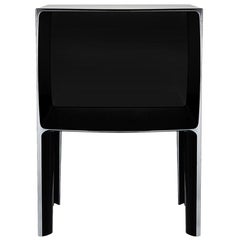

21st Century and Contemporary Italian Modern Tables
Resin
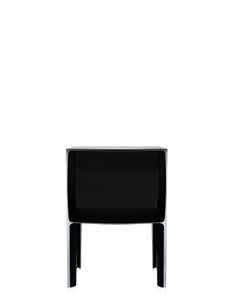
21st Century and Contemporary Italian Modern Tables
Resin
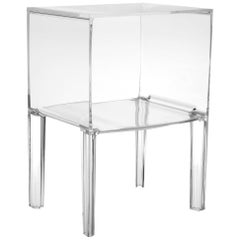
People Also Browsed
2010s Italian Minimalist Screens and Room Dividers
Mirror
Vintage 1980s American Modern Wall Lights and Sconces
Steel
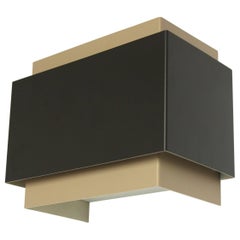
21st Century and Contemporary Italian Modern Ashtrays
Glass

Late 20th Century Mid-Century Modern Sofas
Fabric
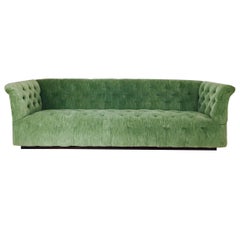
2010s German Shelves
Aluminum
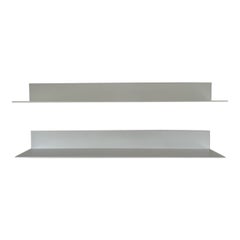
2010s American Mid-Century Modern Table Lamps
Brass
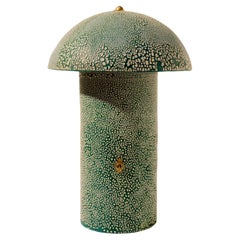
21st Century and Contemporary Modern Planters, Cachepots and Jardinières
Cement

21st Century and Contemporary Italian Modern Table Lamps
Plastic

21st Century and Contemporary Italian Modern Shelves
Resin
Vintage 1970s Slovenian Mid-Century Modern Chairs
Chrome
20th Century Mid-Century Modern Vanities
Mirror, Plastic, Acrylic, Wood
2010s Brazilian Chairs
Cord, Wood, Hardwood

2010s Canadian Wall Lights and Sconces
Steel
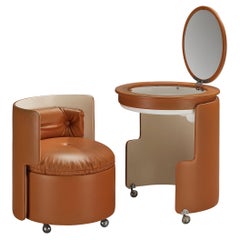
Vintage 1960s Italian Mid-Century Modern Vanities
Metal, Brass
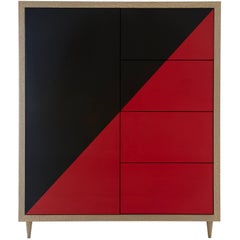
2010s American Dressers
Wood, Lacquer
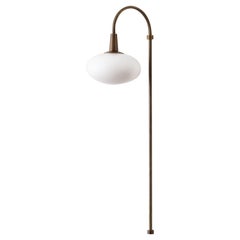
21st Century and Contemporary American Modern Wall Lights and Sconces
Brass


Kartell for sale on 1stDibs
The Italian design giant Kartell transformed plastic from the stuff of humble household goods into a staple of luxury design in the 1960s. Founded in Milan by Italian chemical engineer Giulio Castelli (1920–2006) and his wife Anna Ferrieri (1918–2006), Kartell began as an industrial design firm, producing useful items like ski racks for automobiles and laboratory equipment designed to replace breakable glass with sturdy plastic. Even as companies like Olivetti and Vespa were making Italian design popular in the 1950s, typewriters and scooters were relatively costly, and Castelli and Ferrieri wanted to provide Italian consumers with affordable, stylish goods.
They launched a housewares division of Kartell in 1953, making lighting fixtures and kitchen tools and accessories from colorful molded plastic. Consumers in the postwar era were initially skeptical of plastic goods, but their affordability and infinite range of styles and hues eventually won devotees. Tupperware parties in the United States made plastic storage containers ubiquitous in postwar homes, and Kartell’s ingenious designs for juicers, dustpans, and dish racks conquered Europe. Kartell designer Gino Colombini was responsible for many of these early products, and his design for the KS 1146 Bucket won the Compasso d’Oro prize in 1955.
Buoyed by its success in the home goods market, Kartell introduced its Habitat division in 1963. Designers Marco Zanuso and Richard Sapper created the K1340 (later called the K 4999) children’s chair that year, and families enjoyed their bright colors and light weight, which made them easy for kids to pick up and move. In 1965, Joe Colombo (1924–78) created one of Kartell’s few pieces of non-plastic furniture, the 4801 chair, which sits low to the ground and comprised of just three curved pieces of plywood. (In 2012, Kartell reissued the chair in plastic.) Colombo followed up on the success of the 4801 with the iconic 4867 Universal Chair in 1967, which, like Verner Panton’s S chair, is made from a single piece of plastic. The colorful, stackable injection-molded chair was an instant classic. That same year, Kartell introduced Colombo’s KD27 table lamp. Ferrierei’s cylindrical 4966 Componibili storage module debuted in 1969.
Kartell achieved international recognition for its innovative work in 1972, when a landmark exhibition curated by Emilio Ambasz called “Italy: The New Domestic Landscape” opened at New York’s Museum of Modern Art. That show introduced American audiences to the work of designers such as Gaetano Pesce; Ettore Sottsass, founder of the Memphis Group; and the firms Archizoom and Superstudio (both firms were among Italy's Radical design groups) — all of whom were using wit, humor and unorthodox materials to create a bracingly original interior aesthetic.
Castelli and Ferrieri sold Kartell to Claudio Luti, their son-in-law, in 1988, and since then, Luti has expanded the company’s roster of designers.
Kartell produced Ron Arad’s Bookworm wall shelf in 1994, and Philippe Starck’s La Marie chair in 1998. More recently, Kartell has collaborated with the Japanese collective Nendo, Spanish architect Patricia Urquiola and glass designer Tokujin Yoshioka, among many others. Kartell classics can be found in museums around the world, including MoMA, the Victoria and Albert Museum and the Cooper Hewitt, Smithsonian Design Museum. In 1999, Claudio Luti established the Museo Kartell to tell the company’s story, through key objects from its innovative and colorful history.
Find vintage Kartell tables, seating, table lamps and other furniture on 1stDibs.
Finding the Right Night-stands for You
Nightstands, which are pieces of bedroom furniture that are often just small bedside tables, are traditionally designed with functionality in mind. Prior to the advent of indoor plumbing, early nightstands contained a porcelain chamber pot in a cabinet that provided a convenient and private alternative to visiting the outhouse. The antique and vintage nightstands in so many homes today are typically low-profile tables that are positioned alongside one’s bed or elsewhere in a bedroom.
A nightstand is mainly used to store or support objects that may be needed at night, such as a phone, a book or a small carafe of water. But this table can easily be personalized. "I’ve got a huge vintage lamp, and when I’m lucky, I’ll have fresh flowers in a bud vase," Chicago interior designer Summer Thornton tells 1stDibs about styling a nightstand.
Whether you take a minimalist approach to bedside table decor or prefer a set of two nightstands topped with stacks of books and other essentials that you'd like to have at arm's length — this furniture can also change the look and feel of a bedroom, rendering any interior more comfortable and cozy.
Practicality plays a prominent role in perfecting your bedside space, but the decision to furnish your bedroom with a cherrywood mid-century modern nightstand or an antique mahogany piece can have an impact on how you start your day.
Take the first step in setting the perfect tone of your morning — find vintage Art Deco nightstands, burl-wood nightstands, oak nightstands, three-drawer nightstands and other nightstands for sale on 1stDibs.
- How do you tell a real Kartell?1 Answer1stDibs ExpertOctober 15, 2024To tell a real Kartell, look for the maker's markings. Nearly all authentic pieces will feature an embossed mark that indicates the Kartell name, the product name and the designer name. If your piece lacks any of these three marks or the marking is printed in ink on the piece or on a paper label, it may be a replica. You can also research identifying characteristics for your particular type of furniture and use these to evaluate your item. Alternatively, you can seek the opinion of a certified appraiser or knowledgeable dealer. Find a variety of Kartell furniture on 1stDibs.
- Is Kartell an Italian brand?1 Answer1stDibs ExpertSeptember 9, 2024Yes, Kartell is an Italian brand. Giulio Castelli and his wife, Anna Ferrieri, founded the company in Milan in 1949. Originally, Kartell was an industrial design firm, producing items like ski racks for automobiles and laboratory equipment to replace breakable glass with sturdy plastic. It first introduced its housewares division in 1953. Find a large selection of Kartell furniture on 1stDibs.