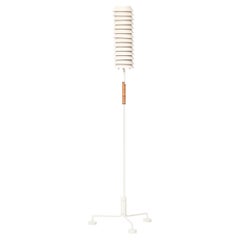
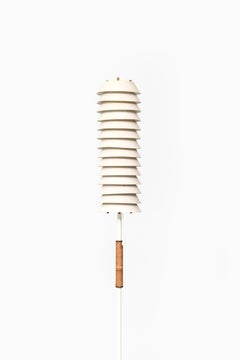
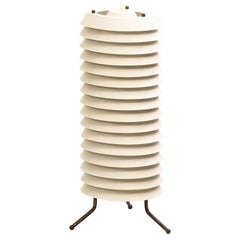
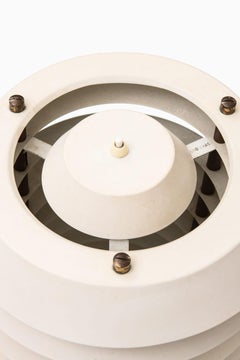
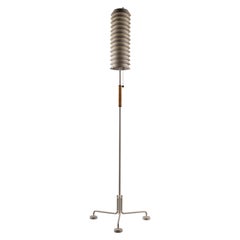
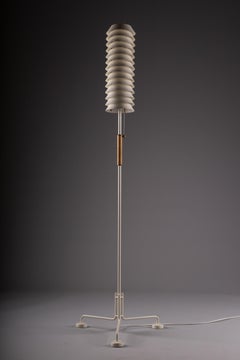
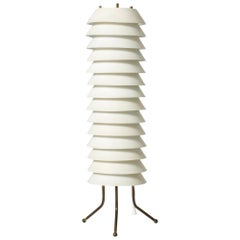
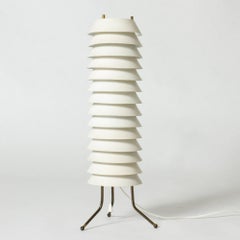
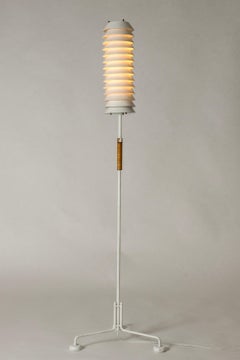
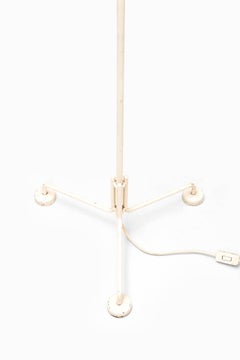
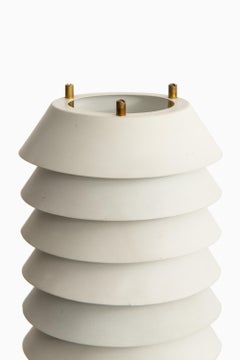
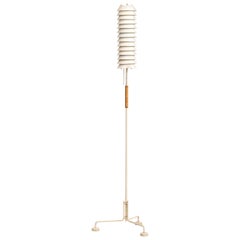
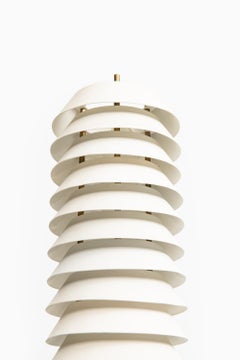
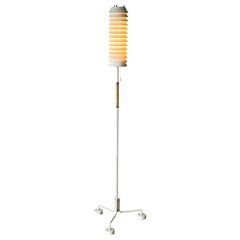
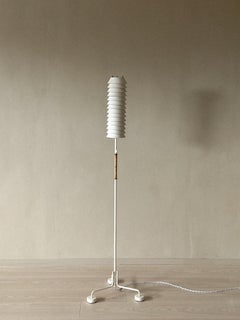
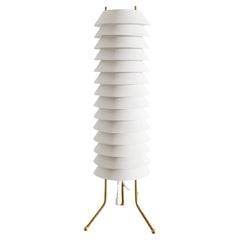
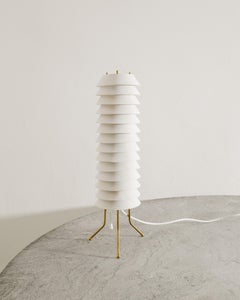
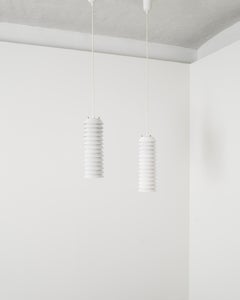
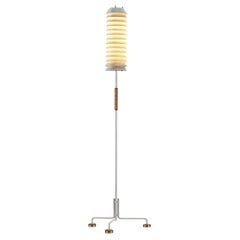
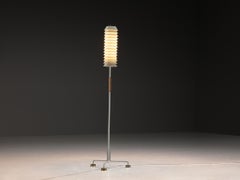
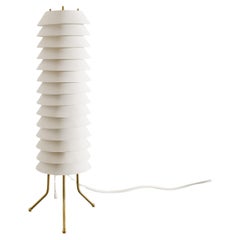
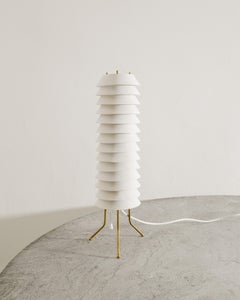
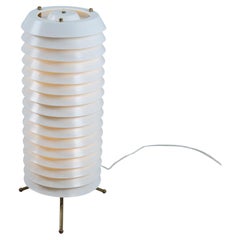
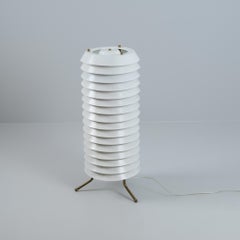
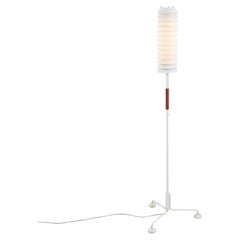
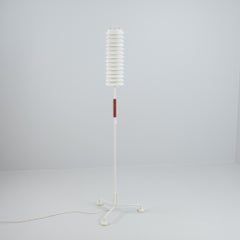
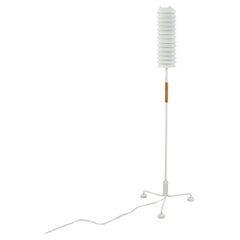
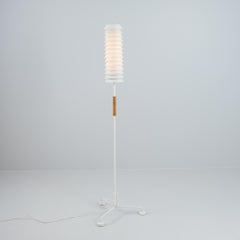
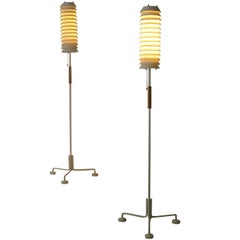
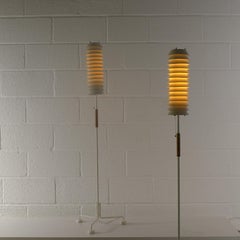
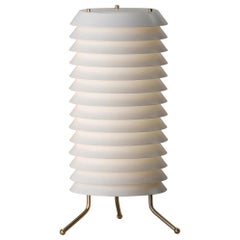
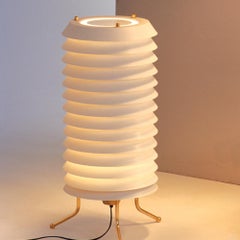
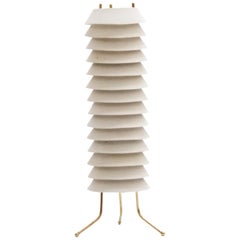
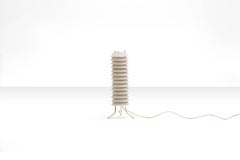
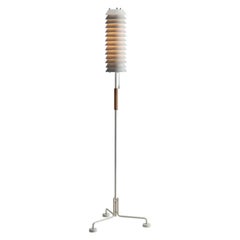
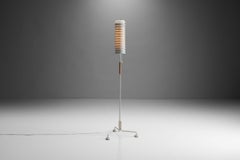
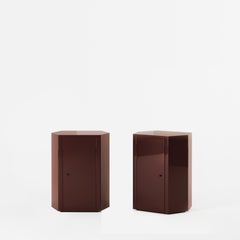
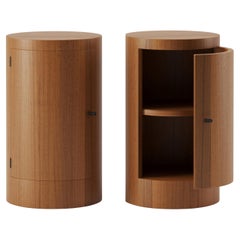
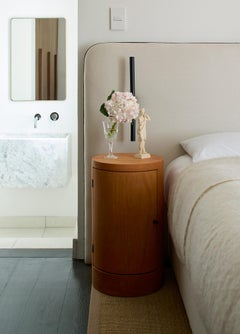
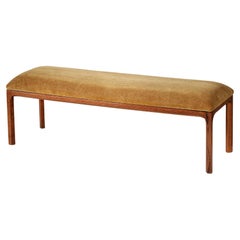
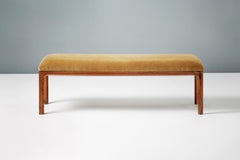
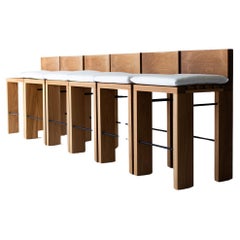
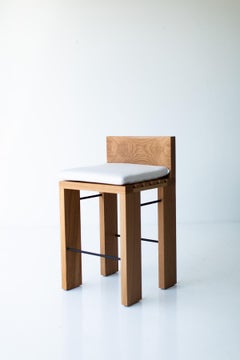
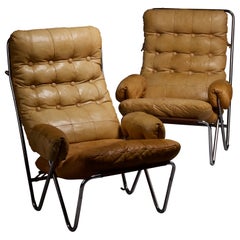
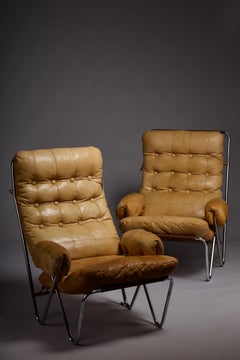
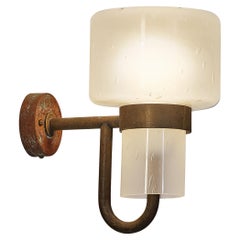
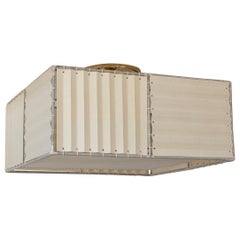
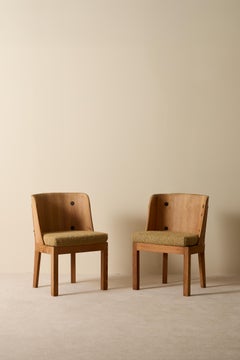
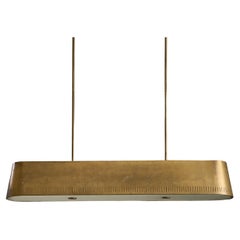
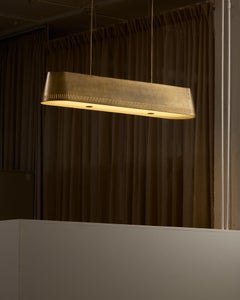
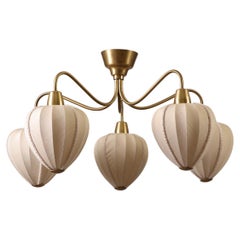
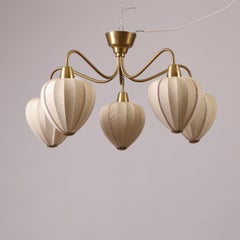
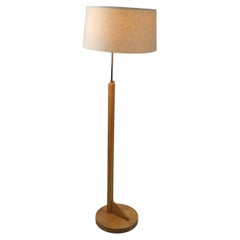
At 1stDibs, there are many versions of the ideal maija the bee for your home. Frequently made of
metal,
brass and
natural fiber, every maija the bee was constructed with great care. You’ve searched high and low for the perfect maija the bee — we have versions that date back to the 20th Century alongside those produced as recently as the 20th Century are available. A maija the bee, designed in the
Scandinavian Modern or
mid-century modern style, is generally a popular piece of furniture.
Ilmari Tapiovaara and
Hienoterä each produced at least one beautiful maija the bee that is worth considering.
During the mid-20th century, Finnish furniture designer Ilmari Tapiovaara worked with pine, teak and his country’s native birch to create sleek and sculptural chairs, dining room tables and bookcases in the Scandinavian modern style. Tapiovaara’s areas of expertise expanded beyond furniture to include interior architecture, wooden sculptures, film posters and cutlery.
After completing his studies at the Central School of Applied Arts in Helsinki, Tapiovaara embarked on a design career that would envelop his entire life. As a young man, Tapiovaara idolized revered architect and furniture designer Alvar Aalto — whom, with his wife, Aino Aalto, cofounded Artek, the company that would eventually manufacture the majority of Tapiovaara’s creations. The budding designer had one of Aalto’s chairs in his apartment while he was a student. After graduating, he worked as an assistant in an office at Le Corbusier, then as a designer and artistic director at Asko.
By 1951, Tapiovaara and his wife, Annikki, had established their own studio. A few years previous, the pair had designed the now-legendary Domus chair while creating interiors and furnishings for a new student housing complex in Helsinki. Made of molded plywood and easily stackable, the ergonomic Domus chair, with its slender form, featured a modest silhouette — its lightweight structure allowed for easy exporting, and iconic mid-century modern furniture manufacturer Knoll added a low-backed version to its offerings in the early 1950s. (It was marketed as the Finn chair in the United States.)
Tapiovaara went on to design pieces for Pihlgren ja Ritola and Santa and Cole. His experience earned him teaching positions at the Institute of Applied Arts, the Helsinki University of Technology and the Illinois Institute of Technology. While in Chicago for the latter, he worked in the office of Mies van der Rohe.
Tapiovaara centered his passion for design on social responsibility. He wanted his creations to be accessible to everyone, which was the concept behind his democratic approach. In Finland’s postwar era, the goal was exemplary, affordable designs. With this in mind, he created products such as stackable chairs and “knock-down” pieces packed flat, so they shipped efficiently and cost less.
An influential champion of his profession, he spent two decades as a United Nations ambassador, working to improve design’s contribution to society. His lasting, collectible furniture is a testament to the designer’s goal to create humane, radiant and intimate spaces. The United Nations project included traveling to Paraguay to create much-needed furniture. A similar project followed in Mauritius.
Tapiovaara’s success as an industrial and mass producer of everyday furniture was widely recognized and awarded. He received six gold medals for his chairs alone at the Milan Triennials. He also accepted a Good Design award, the Finnish State Design Award, a prize from the Finnish Culture Foundation and the Furniture Prize of the SIO Interior Architects’ Association of Finland.
Find vintage Ilmari Tapiovaara seating, tables and lighting on 1stDibs.
The right table lamp, outwardly sculptural chandelier or understated wall pendant can work wonders for your home. While we’re indebted to thinkers like Thomas Edison for critically important advancements in lighting and electricity, we’re still finding new ways to customize illumination to fit our personal spaces all these years later. A wide range of antique and vintage lighting can be found on 1stDibs.
Today, lighting designers like the self-taught Bec Brittain have used the flexible structure of LEDs to craft glamorous solutions by working with what is typically considered a harsh lighting source. By integrating glass and mirrors, reflection can be used to soften the glow from LEDs and warmly welcome light into any space.
Although contemporary innovators continue to impress, some of the classics can’t be beat.
Just as gazing at the stars allows you to glimpse the universe’s past, vintage chandeliers like those designed by Gino Sarfatti and J. & L. Lobmeyr, for example, put on a similarly stunning show, each with a rich story to tell.
As dazzling as it is, the Arco lamp, on the other hand, prioritizes functionality — it’s wholly mobile, no drilling required. Designed in 1962 by architect-product designers Achille & Pier Giacomo Castiglioni, the piece takes the traditional form of a streetlamp and creates an elegant, arching floor fixture for at-home use.
There is no shortage of modernist lighting similarly prized by collectors and casual enthusiasts alike — there are Art Deco table lamps created in a universally appreciated style, the Tripod floor lamp by T.H. Robsjohn-Gibbings, Greta Magnusson Grossman's sleek and minimalist Grasshopper lamps and, of course, the wealth of mid-century experimental lighting that emerged from Italian artisans at Arredoluce, FLOS and many more are hallmarks in illumination innovation.
With decades of design evolution behind it, home lighting is no longer just practical. Crystalline shaping by designers like Gabriel Scott turns every lighting apparatus into a luxury accessory. A new installation doesn’t merely showcase a space; carefully chosen ceiling lights, table lamps and floor lamps can create a mood, spotlight a favorite piece or highlight your unique personality.
The sparkle that your space has been missing is waiting for you amid the growing collection of antique, vintage and contemporary lighting for sale on 1stDibs.