Asia - Wall Decorations

to
36
43,032
30,628
204
177
14
Height
to
Width
to
28
14
9
3
3
3
3
1
23
66
115
191
49
29
19
8
3
4
1
23
4
4
5
139
126
85
66
56
276
191
116
92
62
395
284
331
16
9
6
6
6
Item Ships From: Asia
Antique Japanese Ink Painting Curtain/Wabi-Sabi Tapestry/1868-1920

Antique Japanese Ink Painting Curtain/Wabi-Sabi Tapestry/1868-1920

Located in Sammu-shi, Chiba

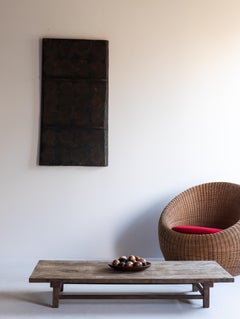
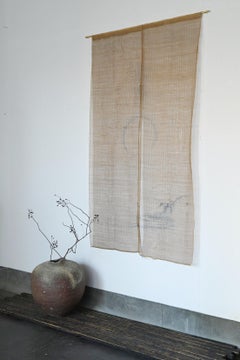
This is an old Japanese noren curtain. It is believed to be made from a traditional Japanese fabric called asa or basho, made from banana leaf fibers. Noren curtains were originally hung at the entrances of shops and homes, gently blocking outside views and breezes while also conveying a sense of the presence of people and the changing seasons, a presence born from Japan's unique lifestyle and culture. More than simply a room divider, noren curtains also quietly convey the aesthetic sense of the people and businesses that inhabit them. The greatest appeal of this work lies in the ink paintings executed on the fabric. The moon, bamboo grass, rocks, and flowing river are depicted, making ample use of the white space, creating a tranquil worldview reminiscent of Chinese and Japanese landscape paintings. However, the depiction is by no means verbose; the bamboo grass is depicted with minimal, omitted lines, and the river is not depicted in full, leaving it to the viewer's imagination. In the center, a full moon is depicted only as an outline, and its understated depiction evokes a sense of transience and lingering beauty. A two-character signature can be seen in the corner of the painting, but details about the artist are unknown. However, noren curtains painted directly onto them in ink like this are extremely rare, and I have only seen them a few times before. I think it is particularly noteworthy that such poetic, highly refined pictorial expression has been applied to a noren curtain, which is supposed to be a practical item. Over the years, the entire fabric has taken on a slight brownish tinge, taking on the depth and tranquility that only comes with aging. This color blends with the pale ink colors of the ink, quietly blending into the space without making a strong statement. It pairs particularly well with white walls, and I highly recommend using it not only as a noren curtain, but also hanging it on the wall like a tapestry for viewing. I believe that just hanging one in a space will bring a sense of dignified space and the depth of time. Size & Specifications Cloth Width: Approx. 87.5 cm Height: Approx. 150.5 cm Cloth Thickness: Very thin (approx. 0.05 mm; exact measurements not taken) Top Bamboo Rod Length: Approx. 98.5 cm Item Number OB314 It's impossible to say when we'll ever be able to find another antique noren...

Category

Late 19th Century Japanese Meiji Antique Asia - Wall Decorations

Materials

Hemp
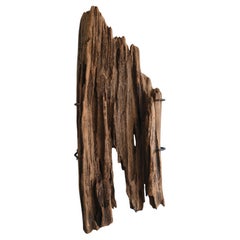
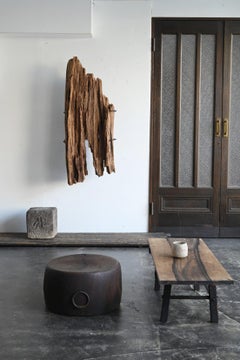
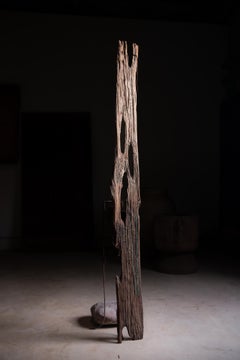
Japanese antique wall hanging wooden object/Wabi-Sabi withered ornament

Japanese antique wall hanging wooden object/Wabi-Sabi withered ornament

Located in Sammu-shi, Chiba

This wall-hanging object combines a naturally weathered block of wood with iron fittings. It likely originates from Japan, and the previous owner was so captivated by the shape of th...

Category

Early 20th Century Japanese Taisho Asia - Wall Decorations

Materials

Iron

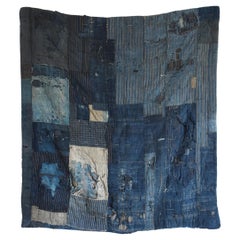
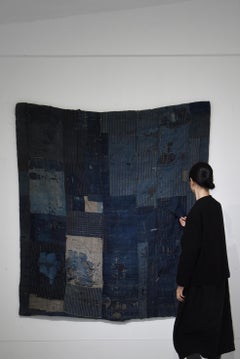
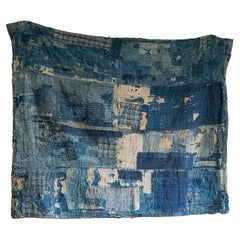
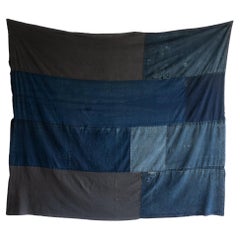
Japanese Antique "BORO" Edo period 1800s-1860s / Rag Abstract Art Wabi-Sabi

Japanese Antique "BORO" Edo period 1800s-1860s / Rag Abstract Art Wabi-Sabi

By Axel Vervoordt

Located in Chōsei District Nagara, JP

This is an old Japanese BORO textile, dating back to the Edo period (1800s–1860s). It is a rare cloth that has survived through a long span of time. The interplay of indigo and natur...

Category

Late 19th Century Japanese Edo Antique Asia - Wall Decorations

Materials

Fabric

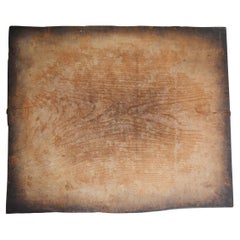
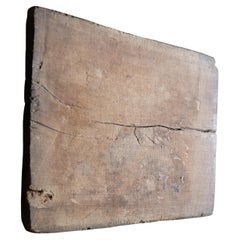
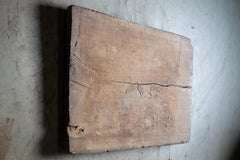
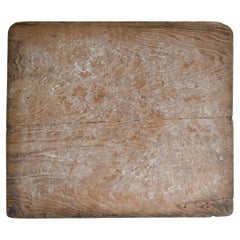
Japanese Antique Wooden Board 1860s-1900s / Abstract Art Wabisabi

Japanese Antique Wooden Board 1860s-1900s / Abstract Art Wabisabi

Located in Sammu-shi, Chiba

This Japanese antique wooden workboard was crafted during the Meiji period 1860s to 1900s and is made from solid cedar wood. Originally, this board functioned as a practical work su...

Category

Early 20th Century Japanese Meiji Asia - Wall Decorations

Materials

Cedar

Japanese Antique Huge Door " Wall Decoration " 1860s-1900s / Wabi Sabi"

Japanese Antique Huge Door " Wall Decoration " 1860s-1900s / Wabi Sabi"

Located in Sammu-shi, Chiba

Japanese Antique Huge Door " Wall Decoration " 1860s-1900s / Wabi Sabi This extraordinary large sliding door was once used in an old warehouse in Japan. Dating back to the Meiji per...

Category

Early 20th Century Japanese Meiji Asia - Wall Decorations

Materials

Iron

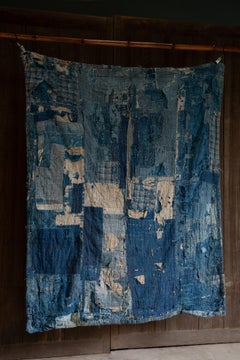
Antique Japanese Indigo Boro, extra thick textile, wabi sabi wall decor

Antique Japanese Indigo Boro, extra thick textile, wabi sabi wall decor

Located in 常陸大宮市, JP

Antique indigo Boro textile, probably used as rug estimate from the size & condition. in Japanese culture, everyone take off their shoes at the entrance, and sit down directly on th...

Category

Early 20th Century Japanese Folk Art Asia - Wall Decorations

Materials

Cotton

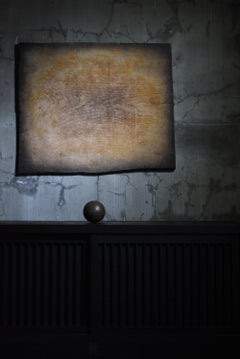
Japanese Antique Wabi-Sabi Wooden board "Wall Decoration" 1860s-1900s

Japanese Antique Wabi-Sabi Wooden board "Wall Decoration" 1860s-1900s

Located in Chōsei District Nagara, JP

This is an old Japanese wooden workboard Crafted during the Meiji period (1860s–1900s), it is made from a single slab of keyaki (zelkova wood), a material now extremely rare. The imp...

Category

Early 20th Century Japanese Meiji Asia - Wall Decorations

Materials

Wood

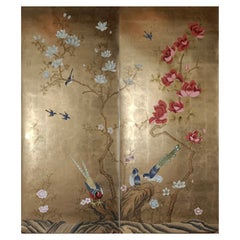
Reserved Order; Chinoiserie Panel Hand Painted Wallpaper on Silver Metallic

Reserved Order; Chinoiserie Panel Hand Painted Wallpaper on Silver Metallic

Located in Wuxi, 32

If you love the look of De Gournay wallpaper but not the price, this is for you. The colorways in this sections present our latest colorways, which can be applied to any designs an...

Category

21st Century and Contemporary Chinese Asia - Wall Decorations

Materials

Silver Leaf

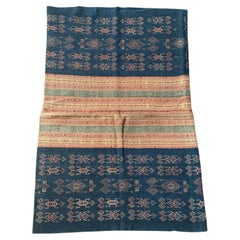
Rare Ikat Textile from Timor Stunning Tribal Motifs & Colors, Indonesia c. 1950

Rare Ikat Textile from Timor Stunning Tribal Motifs & Colors, Indonesia c. 1950

Located in Jimbaran, Bali

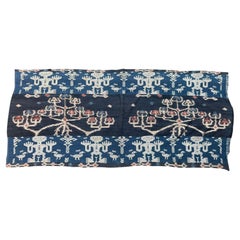
This mid-20th century ikat textile from Timor Island, Indonesia is a striking example of traditional Indonesian weaving, created in a tubular form and originally worn as a waist coat...

Category

1950s Indonesian Other Vintage Asia - Wall Decorations

Materials

Yarn

Japanese Antique Door Wall Decoration 1860s-1900s / Abstract Art Wabi Sabi

Japanese Antique Door Wall Decoration 1860s-1900s / Abstract Art Wabi Sabi

Located in Chōsei District Nagara, JP

This piece was originally a sliding door from a traditional Japanese kura (storehouse). It is believed to date to the Meiji period (1860s–1900s) and represents a remarkably primitive...

Category

Early 20th Century Japanese Meiji Asia - Wall Decorations

Materials

Straw, Cedar

Japanese Antique Earthen Wall Base / Wall Decoration / 1868-1912s Wabi-sabi

Japanese Antique Earthen Wall Base / Wall Decoration / 1868-1912s Wabi-sabi

Located in Iwate-gun Shizukuishi-cho, Iwate Prefecture

This wall decoration is the base of the earthen wall of an old Japanese house. In Japan, it's called "komai." It was originally part of the earthen wall of a house built around the ...

Category

Late 19th Century Japanese Meiji Antique Asia - Wall Decorations

Materials

Straw, Rope, Wood

Dora Jung / Tapestry / Gifted by Dora Jung to Simone Prouvé in 1954.

Dora Jung / Tapestry / Gifted by Dora Jung to Simone Prouvé in 1954.

By Dora Jung

Located in Shibuya-Ku, JP

Dora Jung is one of Finland's greatest textile artists. Throughout her life, she worked tirelessly to master materials and techniques, never compromising on her artistic vision. She ...

Category

1950s Finnish Scandinavian Modern Vintage Asia - Wall Decorations

Materials

Damask, Linen

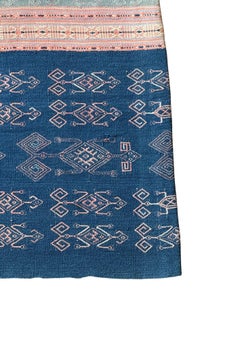
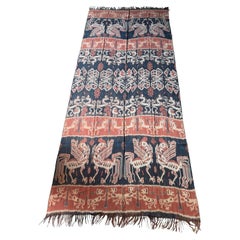
Rare Ikat Textile from Sumba Stunning Tribal Motifs & Colors, Indonesia c. 1950

Rare Ikat Textile from Sumba Stunning Tribal Motifs & Colors, Indonesia c. 1950

Located in Jimbaran, Bali

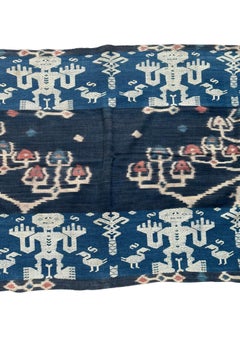
This mid-20th century ikat textile from East Sumba, Indonesia is a powerful expression of Sumbanese textile tradition, renowned for its bold iconography and ceremonial significance. ...

Category

1950s Indonesian Other Vintage Asia - Wall Decorations

Materials

Yarn

Antique Japanese large solid Keyaki Zelkova dough board, wall decor, wabi sabi

Antique Japanese large solid Keyaki Zelkova dough board, wall decor, wabi sabi

Located in 常陸大宮市, JP

Antique wooden dough board made of thick, solid Keyaki zelkova boards. circa 1900s - 40s. The kneading surface is made out of quality single solid Keyaki zelkova board, naturally cra...

Category

Early 20th Century Japanese Rustic Asia - Wall Decorations

Materials

Hardwood, Wood

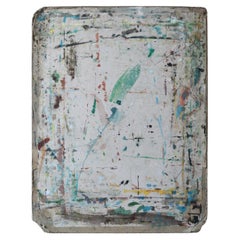
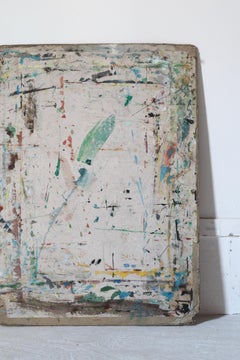
Japanese Old Artist's Drawing Board / Abstract Art Wall Decoration / Late 1900s

Japanese Old Artist's Drawing Board / Abstract Art Wall Decoration / Late 1900s

Located in Iwate-gun Shizukuishi-cho, Iwate Prefecture

This is a drawing board used by a Japanese painter. It is made by gluing together pieces of cardboard, and it is thought that the artist repeatedly painted on it. The colorful water...

Category

Late 20th Century Japanese Other Asia - Wall Decorations

Materials

Paper, Paint

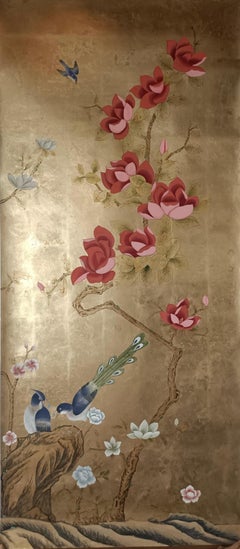
Chinoiserie Panels Hand Painted Wallpaper on Gold Metallic with Antiques

Chinoiserie Panels Hand Painted Wallpaper on Gold Metallic with Antiques

Located in Wuxi, 32

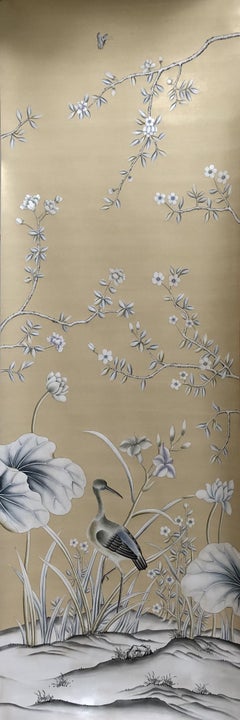
If you love the look of De Gournay wallpaper but not the price, this is for you. Measures: 3 ft x 8 ft. The colorways in this sections present our latest colorways, which can be a...

Category

21st Century and Contemporary Chinese Asia - Wall Decorations

Materials

Silk

Old Japanese root tree object/Wall ornament/Wall decoration

Old Japanese root tree object/Wall ornament/Wall decoration

Located in Sammu-shi, Chiba

This is an old Japanese wooden object. It is carved from the root of a tree. I believe it was made from the late Showa period to the early Heisei period. The wood was originally a li...

Category

Mid-20th Century Japanese Showa Asia - Wall Decorations

Materials

Wood

1950s-70s Vintage Japanese small rag rug, modern Sakiori handwoven tapestry

1950s-70s Vintage Japanese small rag rug, modern Sakiori handwoven tapestry

Located in 常陸大宮市, JP

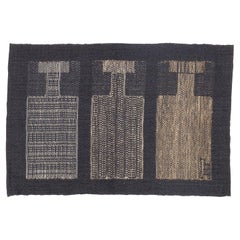
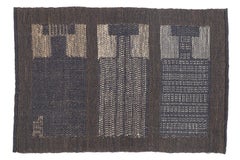
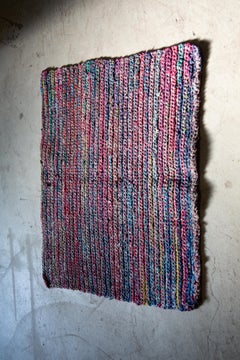
Vintage Japanese small rag rug - Sakiori (weaving method that uses torn fabrics) handcraft textile mat, 1950s to 1970s estimate from used materials and condition. This is, in the vei...

Category

Mid-20th Century Japanese Showa Asia - Wall Decorations

Materials

Polyester, Cotton

Japanese Garden Wallpaper Panels Hand Painted Wallpaper on gold gilded paper

Japanese Garden Wallpaper Panels Hand Painted Wallpaper on gold gilded paper

Located in Wuxi, 32

If you love the look of De Gournay wallpaper but not the price, this is for you. Measures: 41" wide x 58" The colorways in this sections present our latest colorways, which can be a...

Category

21st Century and Contemporary Chinese Art Deco Asia - Wall Decorations

Materials

Gold Leaf

Antique Japanese Indigo dyed cotton textile large Furoshiki wabi sabi wall decor

Antique Japanese Indigo dyed cotton textile large Furoshiki wabi sabi wall decor

Located in 常陸大宮市, JP

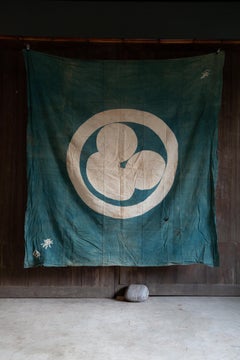
Antique Japanese large cotton textile called "Furoshiki", made of indigo-dyed, hand-woven textile. the product of 1870s to 1900s (Meiji to Taisho era). Furoshiki textiles are basica...

Category

Late 19th Century Japanese Folk Art Antique Asia - Wall Decorations

Materials

Cotton

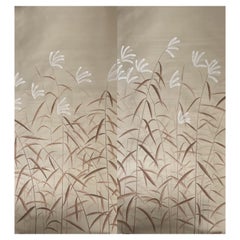
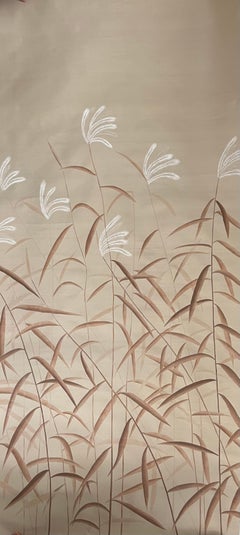
Reeds Wallpaper Hand Painted Wallpaper on slub silk

Reeds Wallpaper Hand Painted Wallpaper on slub silk

Located in Wuxi, 32

If you love the look of De Gournay wallpaper but not the price, this is for you. The colorways in this sections present our latest colorways, whi...

Category

21st Century and Contemporary Chinese Asia - Wall Decorations

Materials

Silk

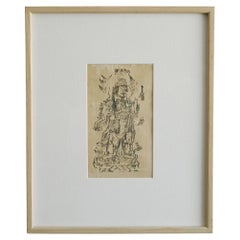
A frame with an old Japanese Buddhist woodblock print / amulet / 1800-1912

A frame with an old Japanese Buddhist woodblock print / amulet / 1800-1912

Located in Sammu-shi, Chiba

This is a woodblock print made between the late Edo and Meiji periods (1800-1912). It was originally a talisman given to visitors to temples as a good luck charm. It is unclear which...

Category

Late 19th Century Japanese Edo Antique Asia - Wall Decorations

Materials

Paper

Japanese Antique Small Door Wall Decoration 1860s-1900s / Abstract Art Wabi Sabi

Japanese Antique Small Door Wall Decoration 1860s-1900s / Abstract Art Wabi Sabi

Located in Chōsei District Nagara, JP

This is an old small window frame made in Japan. It was originally used as a traditional Japanese mud wall fixture. It dates back to the Meiji period (1860s-1900s) and has been in us...

Category

Early 20th Century Japanese Meiji Asia - Wall Decorations

Materials

Bamboo, Cedar

Japanese Garden Wallpaper Panels Hand Painted Wallpaper on Gold Gilded Paper

Japanese Garden Wallpaper Panels Hand Painted Wallpaper on Gold Gilded Paper

Located in Wuxi, 32

If you love the look of De Gournay wallpaper but not the price, this is for you. Measures: 41" wide x 58" The colorways in this sections present our latest colorways, which can be...

Category

21st Century and Contemporary Chinese Art Deco Asia - Wall Decorations

Materials

Gold Leaf

Japanese Antique Wabi-Sabi Wood Board 1860s-1900s / Wall Decoration

Japanese Antique Wabi-Sabi Wood Board 1860s-1900s / Wall Decoration

Located in Chōsei District Nagara, JP

This is an old Japanese wooden board called “Mochiita” (rice cake board). It was used during the Meiji period (1860s-1900s) and is made of pine wood with a rich texture. As the name ...

Category

Early 20th Century Japanese Meiji Asia - Wall Decorations

Materials

Pine

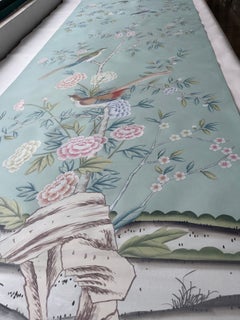
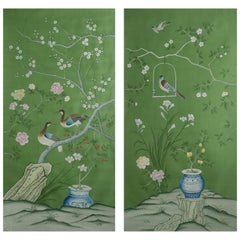
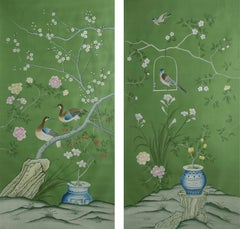
Chinoiserie Panel Hand Painted Wallpaper on Green Silk, 2 Panels

Chinoiserie Panel Hand Painted Wallpaper on Green Silk, 2 Panels

Located in Wuxi, 32

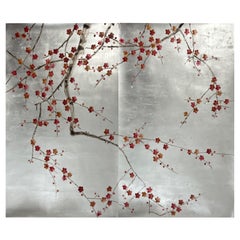
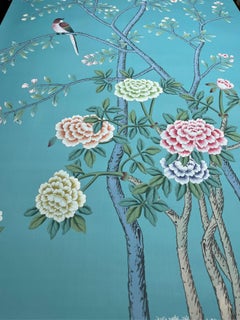
If you love the look of De Gournay wallpaper but not the price, this is for you. Measures: 30" W x 60" H each on green silk. The colorways in this sections present our latest colorways, which can be applied to any designs and any base ground (silk, tea paper, metallic, fabric and etc.) Price There are 2 panels in the listed photo, price is for 2 panels of 30" wide x 60" high each, background is on silk. We accept custom size and painting colors. Price doesn't include the embroidery. Dear customer, please note: For safe delivery, all the panels roll in a strong tube. Please have the professional installer to install the wallpapers, there is a standard overlap between panels, and a black dot marked on the top and bottom of each panel, please check well before installing. Shipping We do our best to process & ship all orders...

Category

21st Century and Contemporary Chinese Asia - Wall Decorations

Materials

Silk

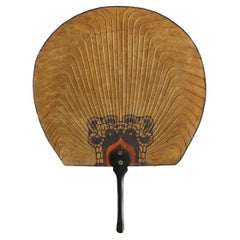
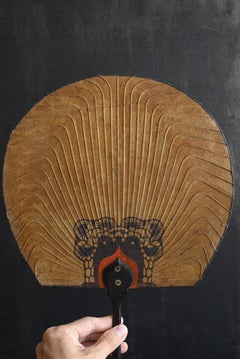
Old Korean Fan / 20th Century / Wall Hanging / Folk Art / MINGEI

Old Korean Fan / 20th Century / Wall Hanging / Folk Art / MINGEI

Located in Sammu-shi, Chiba

I was able to acquire a truly wonderful item. This is an old Korean "uchiwa" (fan). An "uchiwa" is a tool used by hand to create a breeze. It was used to cool down on hot summer da...

Category

20th Century South Korean Other Asia - Wall Decorations

Materials

Bamboo, Paper

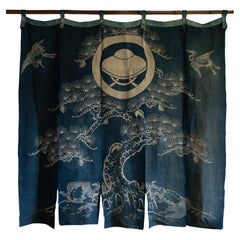
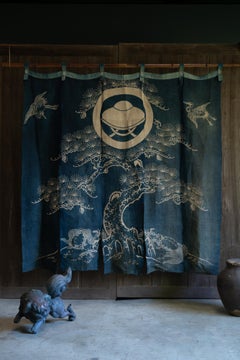
Antique Japanese Indigo dyed hemp tapestry, Noren curtain w/ lucky symbols

Antique Japanese Indigo dyed hemp tapestry, Noren curtain w/ lucky symbols

Located in 常陸大宮市, JP

Antique Japanese doorway curtain called Noren, made of indigo-dyed, hand-woven hemp textile. the product of 1870s to 1900s (Meiji to Taisho era). Dyed with the technique called "Some...

Category

Late 19th Century Japanese Folk Art Antique Asia - Wall Decorations

Materials

Linen, Hemp
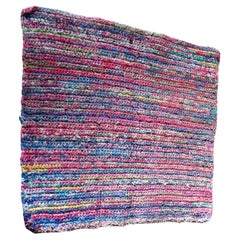
Japanese Antique Wooden Board / Wall Decoration Abstract Art / Wabi-Sabi

Japanese Antique Wooden Board / Wall Decoration Abstract Art / Wabi-Sabi

Located in Iwate-gun Shizukuishi-cho, Iwate Prefecture

This is an old Japanese workboard. It was called "Mochiita" and was used as a workbench for kneading flour. It seems to be around the Meiji period. The board is thought to be pine...

Category

Late 19th Century Japanese Meiji Antique Asia - Wall Decorations

Materials

Wood

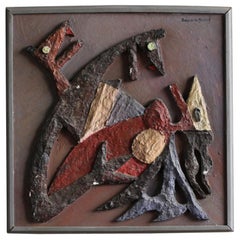
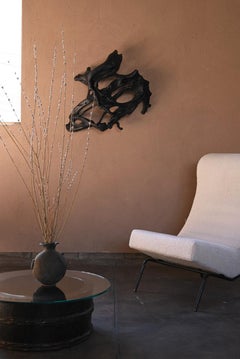
Sculpture Work by Dedessus les Moustier

Sculpture Work by Dedessus les Moustier

Located in Sammu-shi, Chiba

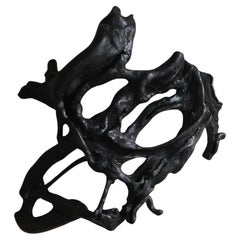
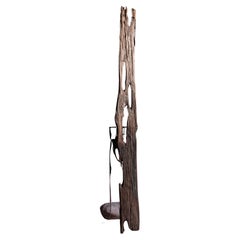
A wall-mounted sculpture with the signature of Dedessus les Moustier. It was discovered in France. It has a mysterious charm due to its unique color and motif.

Category

20th Century French Mid-Century Modern Asia - Wall Decorations

Materials

Wood

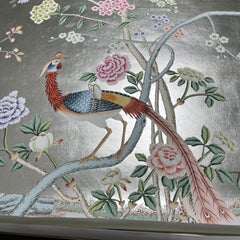
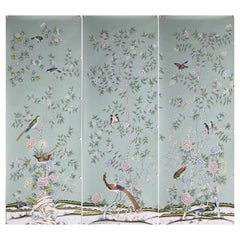
Peacock Chinoiserie Wallpaper Hand Painted Wallpaper on Silk Panel

Peacock Chinoiserie Wallpaper Hand Painted Wallpaper on Silk Panel

Located in Wuxi, 32

If you love the look of De Gournay wallpaper but not the price, this is for you. Measures: 3 ft x 8 ft. The colorways in this sections present our latest colorways, which can be a...

Category

21st Century and Contemporary Chinese Asia - Wall Decorations

Materials

Silk

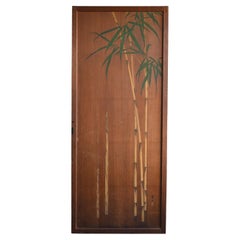
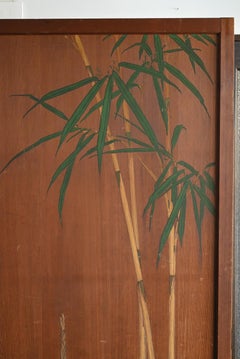
Wooden door with old Japanese bamboo painting/Wall hanging painting/Wooden door

Wooden door with old Japanese bamboo painting/Wall hanging painting/Wooden door

Located in Sammu-shi, Chiba

This is a one-panel wooden door made in Japan around the 20th century. The material used is presumed to be Japanese cypress or Japanese cedar, and the delicately straight grain of th...

Category

20th Century Japanese Taisho Asia - Wall Decorations

Materials

Cedar

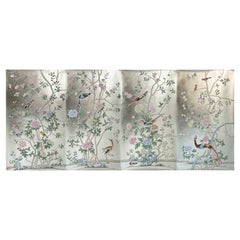
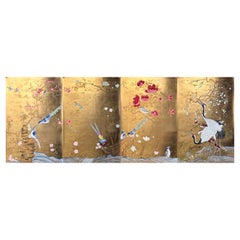
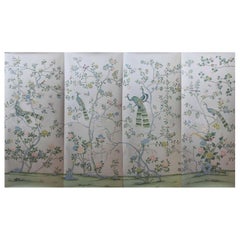
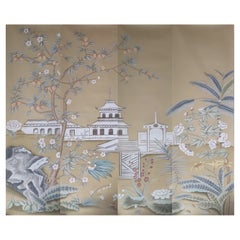
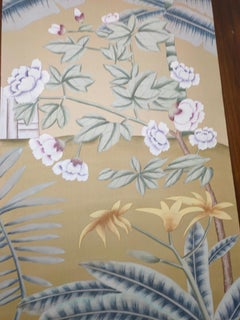
Chinoiserie Murals Hand Painted Wallpapers on Silk Panel, 4 Panels

Chinoiserie Murals Hand Painted Wallpapers on Silk Panel, 4 Panels

Located in Wuxi, 32

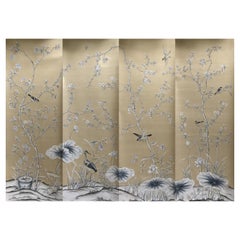
If you love the look of De Gournay wallpaper but not the price, this is for you. The colorways in this sections present our latest colorways, which can be applied to any designs an...

Category

21st Century and Contemporary Chinese Asia - Wall Decorations

Materials

Silk

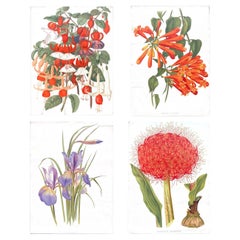
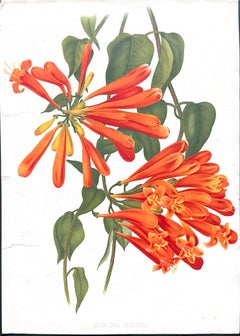
Original 1880s Botanical Print of Hæmanthus Kalbreyeri — Vibrant Antique Chromol

Original 1880s Botanical Print of Hæmanthus Kalbreyeri — Vibrant Antique Chromol

Located in Fukuoka, JP

A striking original chromolithograph from the 1880s, this botanical print features the dramatic Hæmanthus kalbreyeri, also known as the blood lily. Characterized by its intense red s...

Category

19th Century French Antique Asia - Wall Decorations

Materials

Paper

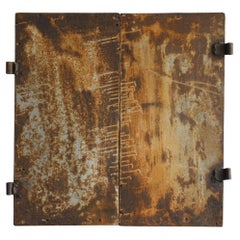
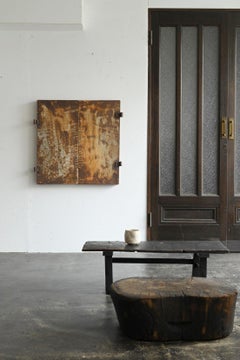
Old Japanese iron door / wall hanging object/Like an abstract painting

Old Japanese iron door / wall hanging object/Like an abstract painting

Located in Sammu-shi, Chiba

This is a small, antique iron door from Japan's Showa period (circa 20th century). It was once installed in traditional Japanese homes and storehouses, and is believed to have served...

Category

20th Century Japanese Showa Asia - Wall Decorations

Materials

Iron

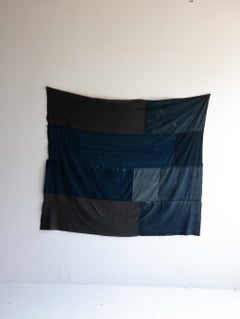
Japanese Antique Rag "BORO" 1800s-1860s / Abstract Art Wabi Sabi

Japanese Antique Rag "BORO" 1800s-1860s / Abstract Art Wabi Sabi

Located in Sammu-shi, Chiba

This is an exceptional example of a Japanese *BORO* textile, dating from the late Edo period (1800s–1860s). Carefully preserved over generations, it embodies both the resourcefulness...

Category

Mid-19th Century Japanese Edo Antique Asia - Wall Decorations

Materials

Fabric

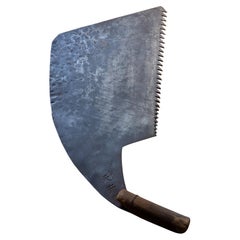
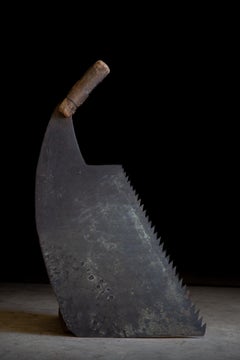
Antique Japanese huge whaleback handsaw Koga's Maebi Ooga, Forged steel blade

Antique Japanese huge whaleback handsaw Koga's Maebi Ooga, Forged steel blade

Located in 常陸大宮市, JP

Antique Japanese huge whaleback handsaw, "Maebi Ooga" or Kobiki Noko", product of circa 1870 to 1920 in Koga area (very famous as one of Ninja countries) in Japan. This tool is a lar...

Category

Late 19th Century Japanese Meiji Antique Asia - Wall Decorations

Materials

Steel, Iron

19th Century Japanese Shunga Hand-Scroll, Katsukawa School

19th Century Japanese Shunga Hand-Scroll, Katsukawa School

Located in Kyoto, JP

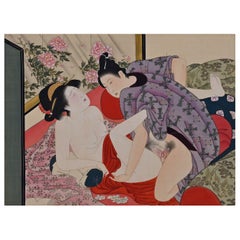
Shunga Unknown artist Meiji era, circa 1880 Hand-scroll mounted with 12 paintings Ink, pigment and gofun on silk Dimensions: Each image measures H. 23.2 cm x W. 34.4 cm (9.15” x 13.5”) The hand-scroll measures H. 28 cm x W. 540 cm (11” x 212”) A set of 12 late 19th century Japanese Shunga paintings mounted as a hand-scroll. Two of the leaves bear the signature and seal ‘Setsuzan’, although we are unable to confirm the identity of the artist using this art name. 6 of the 12 images are taken almost directly from Katsukawa Shuncho’s late 18th century woodblock series, ‘Erotic Pictures...

Category

Late 19th Century Japanese Meiji Antique Asia - Wall Decorations

Materials

Silk

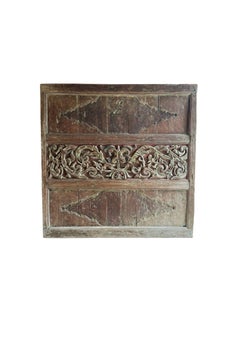
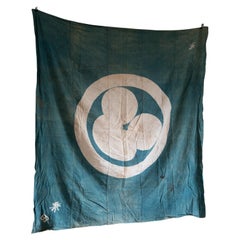
Hand-Carved Teak Wood Sculpture Panel Depicting Dayak Mythology

Hand-Carved Teak Wood Sculpture Panel Depicting Dayak Mythology

Located in Jimbaran, Bali

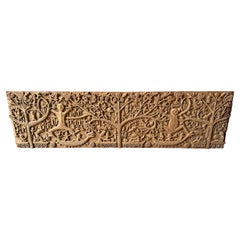
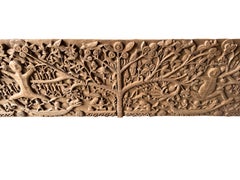
This unique teak carved panel depicts Dayak Tribal mythology. The Dayak people are some hundreds of various native groups found in the interior rainforests of Borneo. This carving depicts the tree of life, which the Dayak people believe exists on “Linden Tarung”, a mythical rock island where they believe humans first came to existence. “Linden Tarung” is the ancient and ancestral home of the Dayak peoples. It is this tree of life that reminds the Dayak people not to get too attached to worldly possessions. The tree of life also symbolizes heaven, earth and the underworld. The top of tree features hornbills that are the symbol of heaven. The middle represents the present earth and bottom of the tree the underworld. To achieve such detail & depth required immense patience, craftsmanship and many months by a skilled artisan to complete. The medium for this carving was an antique teak door...
Category

21st Century and Contemporary Indonesian Organic Modern Asia - Wall Decorations

Materials

Teak

17th Century Japanese Screen Pair. Tiger & Dragon by Kaiho Yusetsu

17th Century Japanese Screen Pair. Tiger & Dragon by Kaiho Yusetsu

Located in Kyoto, JP

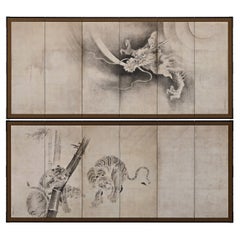
Kaiho Yusetsu (1598-1677) Tiger and Dragon Early Edo Period, Circa 1650 A Pair of Six-fold Japanese Screens. Ink and slight color on paper. Dimensions: Each screen: H. 171 cm x W. 380 cm (67.5’’ x 149.5’’) In this pair of early Edo period Japanese screens a group of tigers prowl in a bamboo grove whipped with fierce wind, while a dragon claws through clouds and mist. The dragon embodies elemental qualities - looming out of the mist, the coils of its body disappearing in the clouds. The dragon is calling for rain, symbolizing spring which is considered the fountain of life. On the other side, the tigers calls for the wind, symbolizing autumn which is considered the end of life. Tigers were familiar motifs within Japanese art from ancient times though the animals were imaginary to the people in the 17th century. While dragons and tigers are usually associated as sacred and ferocious, in this painting, both animals have rather amusing expressions. The tigers appear to glare at the dragon with cat-like eyes, and the look on the swirling dragon’s face appears almost affectionate - lending a playful flair to an otherwise magnificent theme. The tiger and dragon are cosmological symbols of the balancing forces in the world. Screens such as this were originally meant to express the fluctuating nature of the world. For Japanese in the early Edo period, they likely suggested the powers of the cosmos. In Japan the tiger and dragon motif was originally absorbed into the circles of Zen monasteries before spreading into the secular world. The theme especially appealed to the military classes with the Kano school, the official painters to the Shogun and the samurai, being the leading contributors. The painter of this pair of screens, Kaiho Yusetsu (1598-1677), was closely patronized by the third Shogun Tokugawa Iemitsu. In his later years he worked with Kano school artists...

Category

Mid-17th Century Japanese Edo Antique Asia - Wall Decorations

Materials

Silk, Wood, Paper

Flower Wall Art Norihiko Terayama  A1

Flower Wall Art Norihiko Terayama A1

By Norihiko Terayama

Located in Shibuya-ku, Tokyo

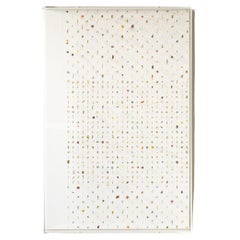
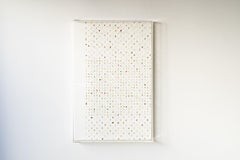
Title: Artificial and dried flowers that were arranged Unique wall art by Norihiko Terayama. Small cut out piece of artificial flowers and dried flowers are stuck with needles in goo...

Category

2010s Japanese Modern Asia - Wall Decorations

Materials

Wood

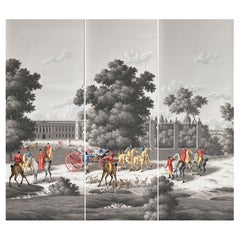
Chinoiserie Murals Chinoiserie Wallpaper Hand Painted Silk Wallpaper

Chinoiserie Murals Chinoiserie Wallpaper Hand Painted Silk Wallpaper

Located in Wuxi, 32

If you love the look of De Gournay wallpaper but not the price, this is for you. Measures: 42"W x 81" H. The colorways in this sections present our latest colorways, which can ...

Category

2010s Chinese Chinoiserie Asia - Wall Decorations

Materials

Silk

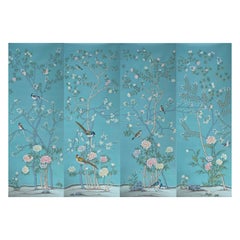
Blue Chinoiserie Mural Hand Painted Floral Wallpapers on Silk, 4 Panels

Blue Chinoiserie Mural Hand Painted Floral Wallpapers on Silk, 4 Panels

Located in Wuxi, 32

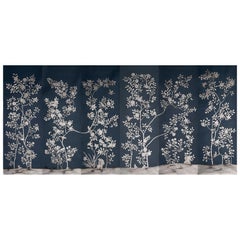
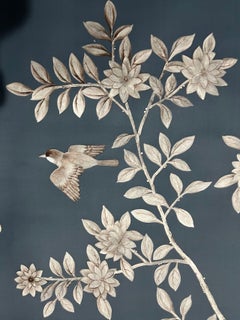
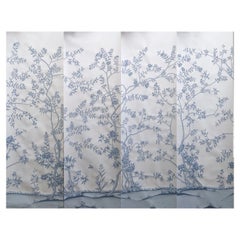
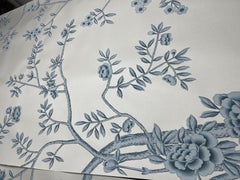
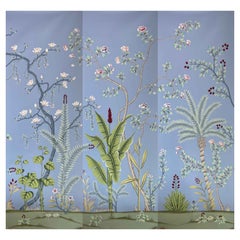
If you love the look of De Gournay wallpaper but not the price, this is for you. The colorways in this sections present our latest colorways, which can be applied to any designs and any base ground (silk, tea paper, metallic, fabric and etc.) Price There are 4 panels in the listed photo, price is for 4 panels of 36" wide x 96" high, background is on silk. We accept custom size and painting colors. Price doesn't include the embroidery. Dear customer, please note: For safe delivery, all the panels roll in a strong tube. Please have the professional installer to install the wallpapers, there is a standard overlap between panels, and a black dot marked on the top and bottom of each panel, please check well before installing. Shipping We do our best to process & ship all orders...

Category

21st Century and Contemporary Chinese Asia - Wall Decorations

Materials

Silk

Chinoiserie Murals Chinoiserie Wallpaper Hand Painted Silk Wallpaper

Chinoiserie Murals Chinoiserie Wallpaper Hand Painted Silk Wallpaper

Located in Wuxi, 32

If you love the look of De Gournay wallpaper but not the price, this is for you. Measures: 42"W x 81" H. The colorways in this sections present our latest colorways, which can be applied to any designs and any base ground (silk, tea paper, metallic, fabric and etc.) Price There are 4 panels in the listed photo, price is for 4 panels of 36" wide x 96" high, background is on silk, currently price doesn't include any embroidery cost, Accept custom requires on the sizes, background and painting colors, tailored to any wall sizes. Dear customer, please note: For safe delivery, all the panels roll in a strong tube. Please have the professional installer to install the wallpapers, there is a standard overlap between panels, and a black dot marked on the top and bottom of each panel, please check well before installing. Shipping We do our best to process & ship all orders...

Category

2010s Chinese Chinoiserie Asia - Wall Decorations

Materials

Silk

Old Arched Bamboo Wall Art Object / Japan, Early 20th Century/MINGEI

Old Arched Bamboo Wall Art Object / Japan, Early 20th Century/MINGEI

Located in Sammu-shi, Chiba

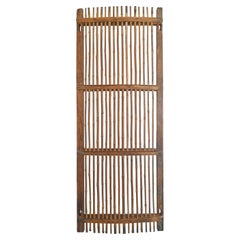
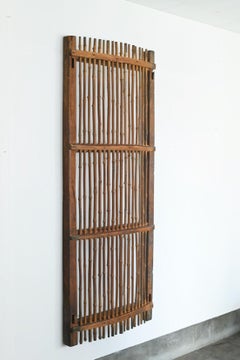
This is a large bamboo frame believed to have been made in Japan between the Meiji period and the early Showa period. Its original purpose is unclear, but the narrow holes and struct...

Category

Early 20th Century Japanese Meiji Asia - Wall Decorations

Materials

Bamboo, Wood

1870s-1920s wabi sabi reclaimed boat wood wall decor sculpture bamboos engraved

1870s-1920s wabi sabi reclaimed boat wood wall decor sculpture bamboos engraved

Located in 常陸大宮市, JP

Wooden wall decor made of a piece of reclaimed wood from antique wood river boat. Words & bamboos engraved, together with the signature. Strings for hanging attached. manufacture...

Category

Late 19th Century Japanese Meiji Antique Asia - Wall Decorations

Materials

Wood, Cedar

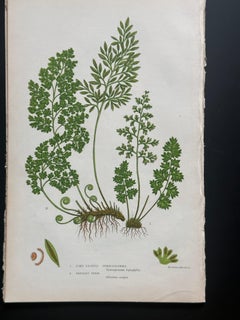
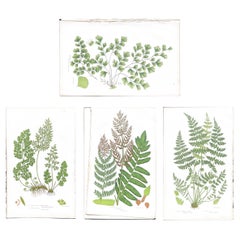
Set of Four Antique Botanical Fern Prints by Anne Pratt, Hand-Colored, 1855

Set of Four Antique Botanical Fern Prints by Anne Pratt, Hand-Colored, 1855

Located in Fukuoka, JP

A rich and decorative set of four original hand-colored lithographs by Anne Pratt, a leading botanical illustrator of the Victorian era. These detailed prints were published in 1855 ...

Category

19th Century British Antique Asia - Wall Decorations

Materials

Paper

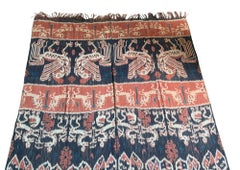
Ikat Textile from Sumba Stunning Tribal Motifs & Colors, Indonesia c. 1950

Ikat Textile from Sumba Stunning Tribal Motifs & Colors, Indonesia c. 1950

Located in Jimbaran, Bali

This ikat textile from Sumba, Indonesia is a striking example of the island’s rich weaving tradition, celebrated for its bold narrative imagery and ceremonial importance. Handwoven u...

Category

1950s Indonesian Other Vintage Asia - Wall Decorations

Materials

Yarn

Dora Jung / Tapestry / Gifted by Dora Jung to Simone Prouvé in 1954.

Dora Jung / Tapestry / Gifted by Dora Jung to Simone Prouvé in 1954.

By Dora Jung

Located in Shibuya-Ku, JP

Dora Jung is one of Finland's greatest textile artists. Throughout her life, she worked tirelessly to master materials and techniques, never compromising on her artistic vision. She ...

Category

1950s Finnish Scandinavian Modern Vintage Asia - Wall Decorations

Materials

Damask, Linen

Early 20th Century Japanese Cherry Blossom Screen by Kano Sanrakuki

Early 20th Century Japanese Cherry Blossom Screen by Kano Sanrakuki

Located in Kyoto, JP

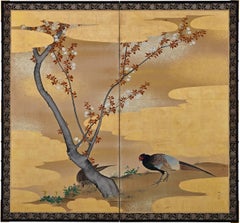
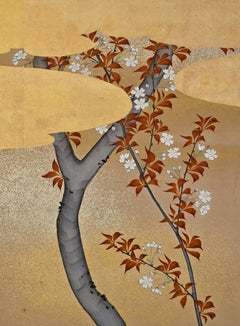
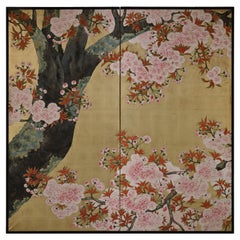
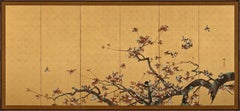
Cherry Blossoms Kano Sanrakuki (1898-1981) Showa period, circa 1930 2-panel Japanese Screen Color, gofun and gold leaf on paper Against a backdrop of gold-leafed ground, the lichen covered trunk and branches of the life-sized cherry blossom tree reach out and beyond the confines of the pictorial surface. The overall composition has a feeling of flatness which draws emphasis to the surface and the three-dimensionality of the cherry blossoms. Painstakingly built-up layers of thickly applied shell-white gofun detail the voluminous blossoms and cover large areas of this tour-de-force of Japanese Nihonga painting. By simplifying the background, minimizing the number of colors and depicting the blossoms with such heavy relief, the artist has emphasized the stunning presence of the cherry tree. The type of tree depicted is the Yae-Zakura; a double-layered type of cherry blossom famed for its beauty and strength. When we think of Japanese cherry blossoms, the first thing that comes to mind is Somei Yoshino variety, which has a single flower with five almost white petals. This type is fragile and easily blown away by strong wind or rain. Most of the double-flowered cherry blossoms begin to bloom when the Somei-Yoshino falls, and the flowering period lasts longer than that of the Somei-Yoshino. Kano Sanrakuki originally studied painting at the Kyoto City Arts and Crafts School under the tutelage of Yamamoto Shunkyo...

Category

Early 20th Century Japanese Showa Asia - Wall Decorations

Materials

Gold Leaf

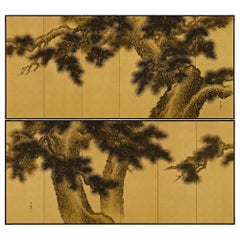
Early 20th Century Japanese Screen Pair - Ink Pine Trees on Gold

Early 20th Century Japanese Screen Pair - Ink Pine Trees on Gold

Located in Kyoto, JP

Imao Keisho (1902-1993) Pine Trees Early 20th Century, Circa 1930 Pair of six-panel Japanese screens. Ink on silk and gold leaf. Dimensions: Each screen H. 67.5” x 148” (172 cm x 376 cm) A pair of monumental six-panel Japanese pine screens by the renowned Nihonga artist Imao Keisho. Here Keisho entirely removed the background and brought the pine trees to the surface of the painting. This simplification of the elements makes the scene exceptionally direct and compelling and injects a very modern...

Category

Early 20th Century Japanese Showa Asia - Wall Decorations

Materials

Gold Leaf

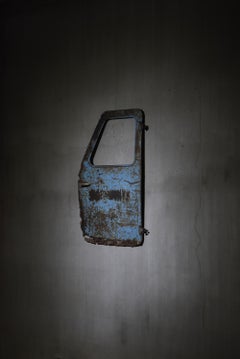
Japanese Old Car Door 1957s / Wall Decoration Abstract Art Wabisabi

Japanese Old Car Door 1957s / Wall Decoration Abstract Art Wabisabi

Located in Chōsei District Nagara, JP

This is an old car door made in Japan, originating from an early model of the “Midget”, first introduced in 1957. The Midget symbolizes the dawn of Japan’s motorization—a small three...

Category

1950s Japanese Showa Vintage Asia - Wall Decorations

Materials

Iron

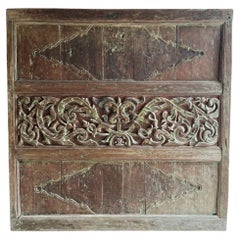
Hand-Carved, Polychromed Panel with from Madura Island, Java, Indonesia, c. 1900

Hand-Carved, Polychromed Panel with from Madura Island, Java, Indonesia, c. 1900

Located in Jimbaran, Bali

This exquisite antique wooden panel originates from the island of Madura, Java, Indonesia, and was once an architectural element of a traditional home. Entirely hand-carved by skille...

Category

Early 20th Century Indonesian Tribal Asia - Wall Decorations

Materials

Wood

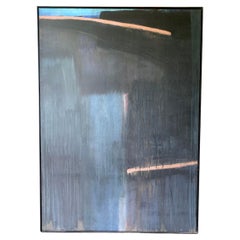
Abstract Painting "AZ-TEP" by Venezuelan Artist Susana Amundarain

Abstract Painting "AZ-TEP" by Venezuelan Artist Susana Amundarain

Located in Jimbaran, Bali

This abstract painting titled "AZ-TEP" was created by contemporary Venezuelan artist Susana Amundarain. Her work has been included in many group and ...

Category

Late 20th Century Venezuelan Modern Asia - Wall Decorations

Materials

Canvas, Paint

Meiji Era, Circa 1900 Japanese Screen Pair, Flowers & Birds of Spring & Autumn

Meiji Era, Circa 1900 Japanese Screen Pair, Flowers & Birds of Spring & Autumn

Located in Kyoto, JP

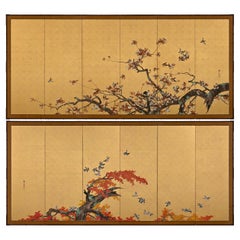
Flowers & Birds of Spring and Autumn Unknown artist. Japan. Meiji period, circa 1900. A pair of six-fold screens. Ink, color, gofun and gold leaf on paper. Signed: Gaga S...

Category

1890s Japanese Meiji Antique Asia - Wall Decorations

Materials

Gold Leaf

Read More

Punk Rock and Rebellion Animate London’s Hit Yoshitomo Nara Show

The exhibition includes his portraits of wide-eyed kids with mayhem on their minds, as well as some of the artist’s personal belongings.

Whether Painted or Papered, Muraled Walls Make Bold Statements in the Home

The ancient practice of covering walls in artistic scenery is back.

In Francks Deceus’s ‘Mumbo Jumbo #5,’ the Black Experience Is . . . Complicated

Despite the obstacles, the piece’s protagonist navigates the chaos without losing his humanity.

12 Floral-Accented Rooms with a Handmade, Folkloric Feel

Who needs a flower garden? Just use your imagination — and some beautifully patterned wallpaper or fabric — to bring the outdoors in.

This Wolf Kahn Pastel Is the Epitome of Beauty at Its Most Essential

A longtime admirer of Kahn’s work, 1stDibs editorial director Anthony Barzilay Freund explores why it’s relevant now more than ever.

Why Jules Chéret Was the King of the Modern Poster

The streets of fin-de-siècle Paris were set aglow with colorful poster ads, thanks to the printing techniques invented by Jules Chéret. Now, the Milwaukee Art Museum is celebrating this undersung talent in America's first solo show dedicated his exuberant works.

Anna Condo’s Multifaceted Career Spans Film, Photography and NFTs

From her historic Manhattan townhouse, the talented creator and curator of 1stDibs' latest NFT exhibition tells us about the art in her home and how she got involved with cryptoart.

How Keith Rivers Went from NFL Linebacker to Blue-Chip Art Aficionado

The former football player is as serious about becoming a great contemporary-art patron as he once was about making tackles. Here, Rivers tells us how he got the collecting bug and how his tastes have evolved over the years.