By Paul Storr
Located in Tel Aviv - Jaffa, IL
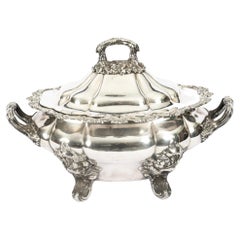
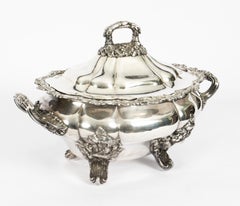
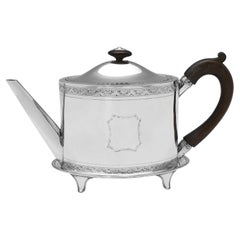
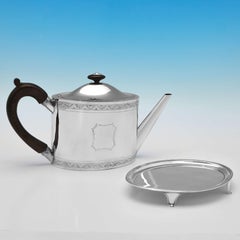
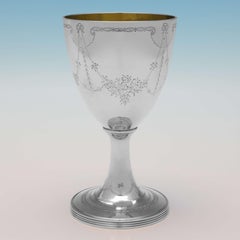
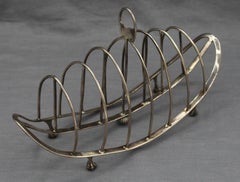
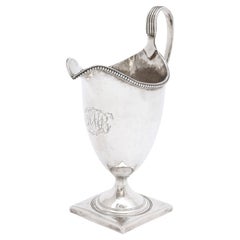
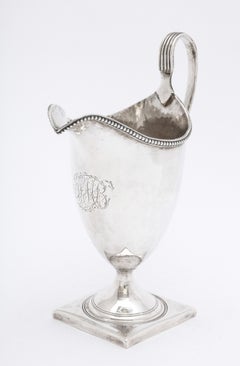
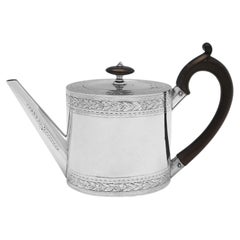
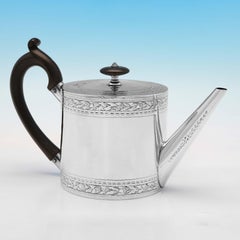
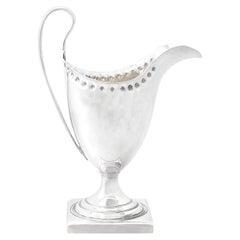
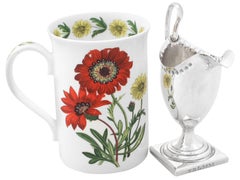
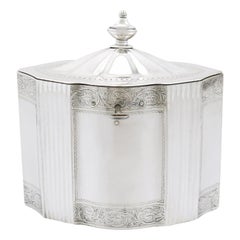
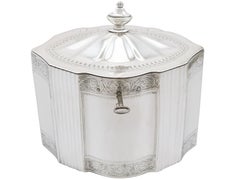
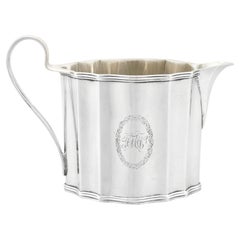
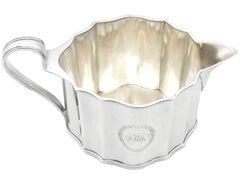
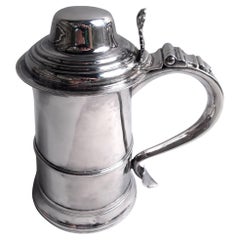
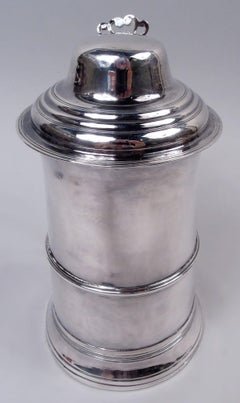
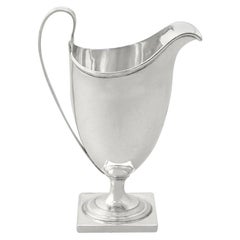
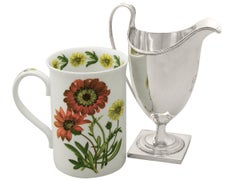
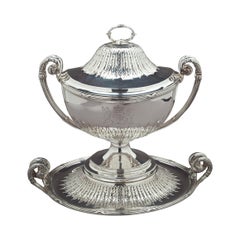
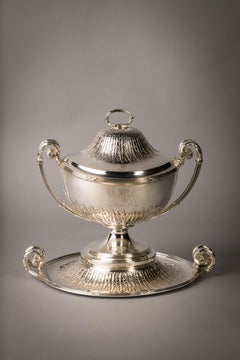
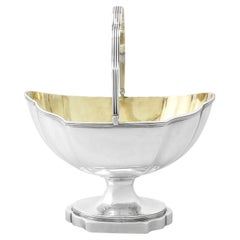
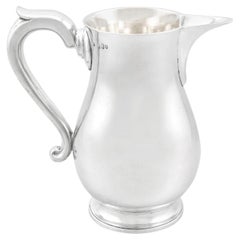
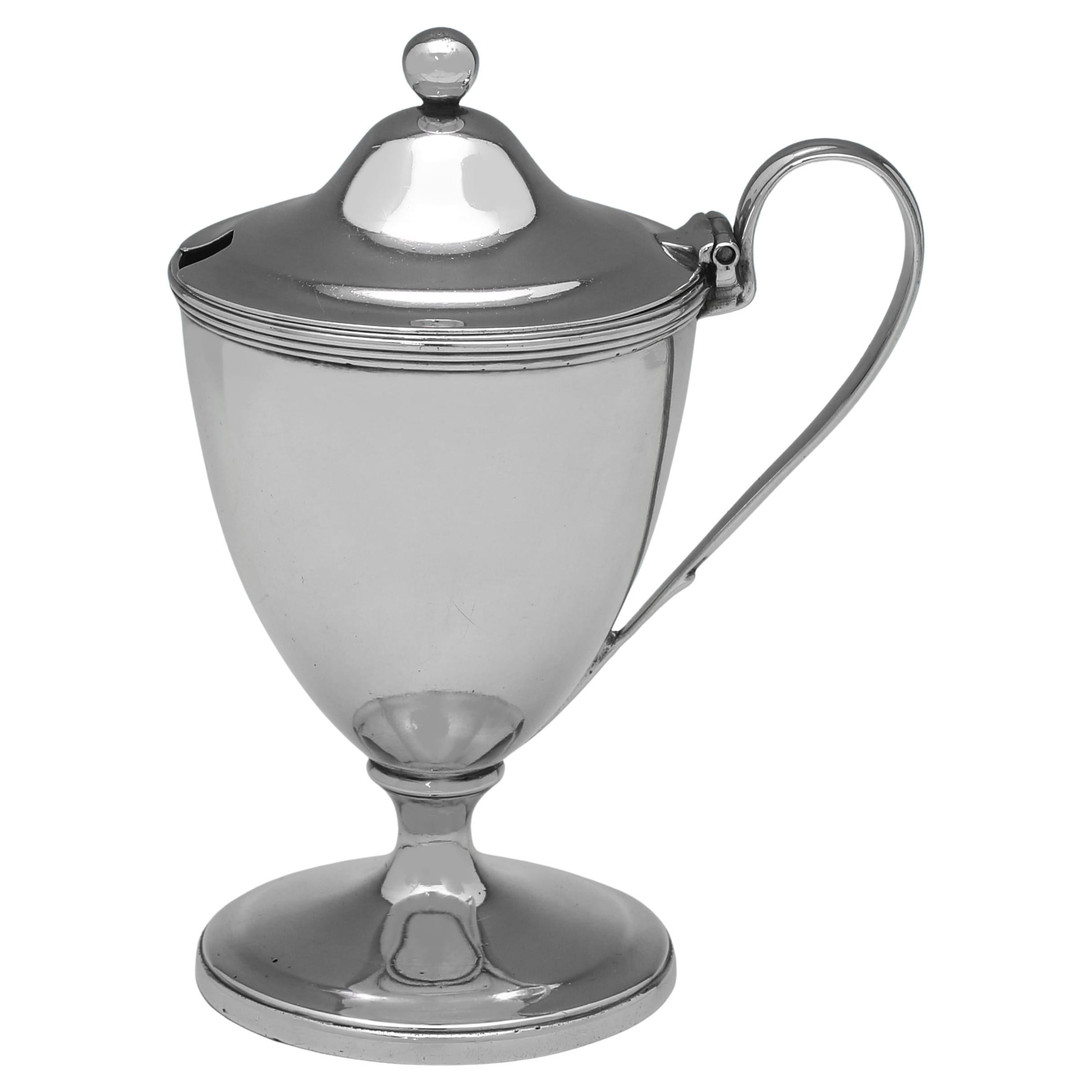
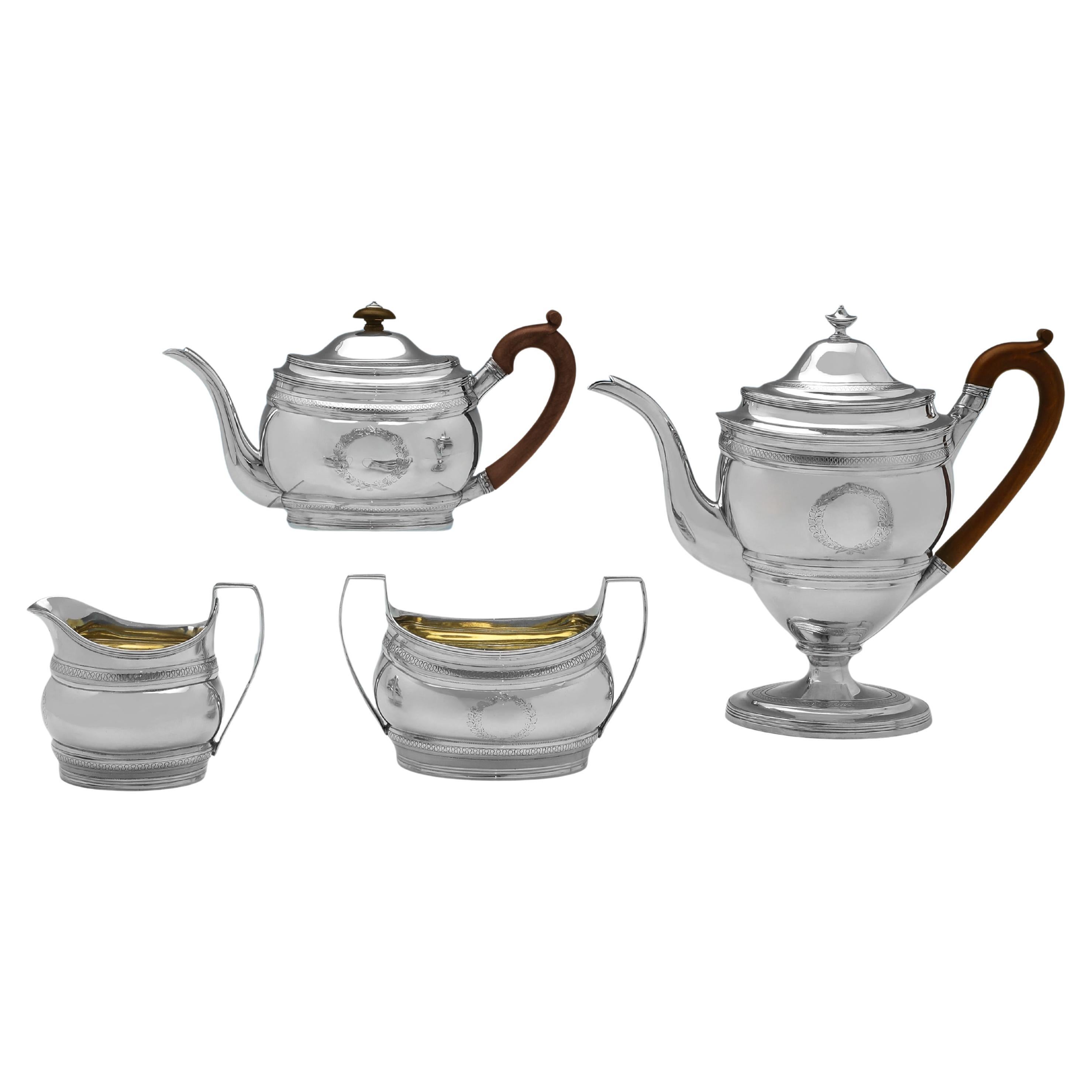
This rare and exceptional George III teapot is the work of preeminent Georgian silversmith Paul Storr, it is one of his earliest works, the date mark on this pieces of the year 1793 which is the first year Storr marked items with his own initials (P S)
The teapot is designed in the neoclassical taste with some Chinese influences, or Chinoiserie taste, though the decoration shows signs of later 19th century enhancement in the technique and style of the chasing.
It is very hard to impossible to find works from this early period with this interesting Royalty provenance.
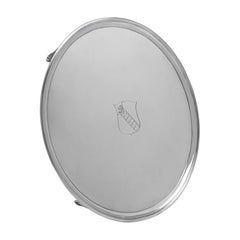
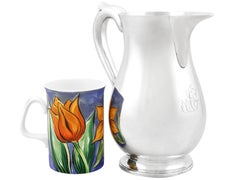
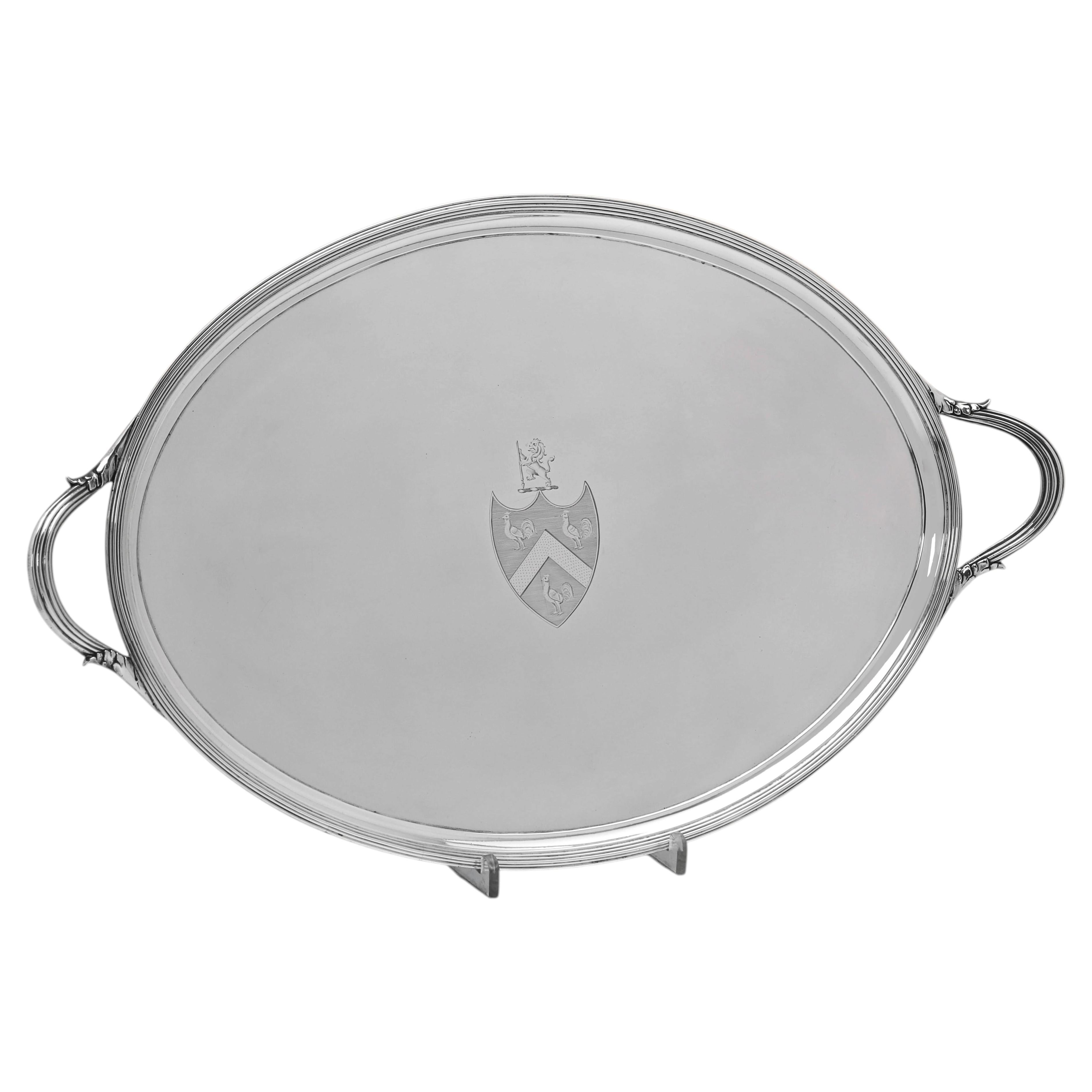
The family crest on the front is of the Tollemache family, and dating of The teapot indicate It belonged and probably commissioned by or as a gift to William Manners Tollemache, Lord Huntingtower, William, On 12 January 1793, at the Age of 26, he was created a Baronet, of Hanby Hall in the County of Lincoln.
So this teapot was commissioned to celebrate the occasion.
William Manners Tollemache:
Lord Huntingtower (19 May 1766 – 11 March 1833), known as Sir William Manners, Bt, between 1793 and 1821, was a British nobleman And Tory politician.
Born William Manners, he was the eldest son of John Manners and Louisa Tollemache, 7th Countess of Dysart. On 12 January 1793, at the age of 26, he was Ceated a Baronet, of Hanby Hall in the County of Lincoln.On his mother's Succession to the earldom in 1821, he was styled Lord Huntingtower, and adopted The surname of Talmash or Tollemache
Paul Storr:
(baptised 28 October 1770 in London – 18 March 1844 in London) was an English goldsmith and silversmith working in the Neoclassical and other styles During the late eighteenth and early nineteenth centuries. His works range from Simple tableware to magnificent sculptural pieces made for royalty
Paul Storr was England's most celebrated silversmith during the first half of the Nineteenth century and his legacy lives on today. His pieces historically and Currently adorn royal palaces and the finest stately homes throughout Europe and The world. Storr's reputation rests on his mastery of the grandiose neo-Classical Style developed in the Regency period. He quickly became the most prominent Silversmith of the nineteenth century, producing much of the silver purchased by King George III and King George IV. Storr entered his first mark in the first part of 1792, which reflects his short-lived partnership with William Frisbee. Soon after, he Began to use his PS mark, which he maintained throughout his career with only Minor changes. His first major work was a gold font commissioned by the Duke of Portland...
Category
English Neoclassical Antique 1790s Serveware, Ceramics, Silver and Glass