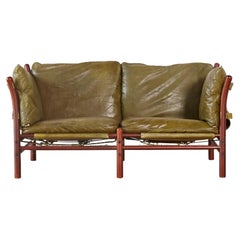
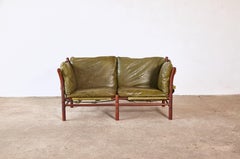
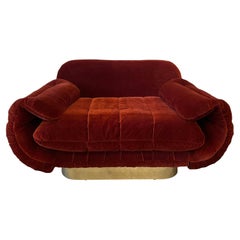
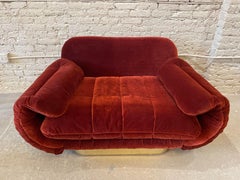
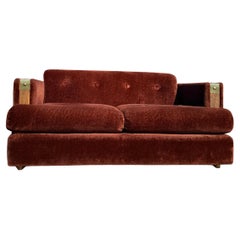
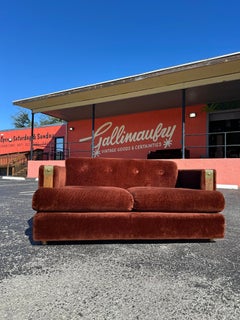
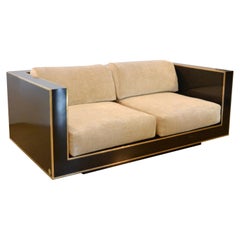
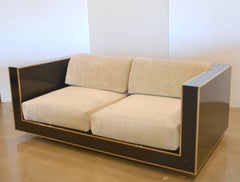
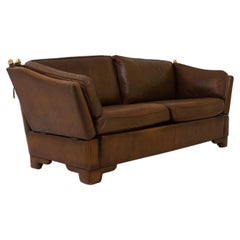
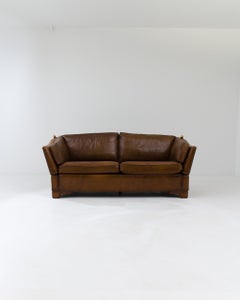
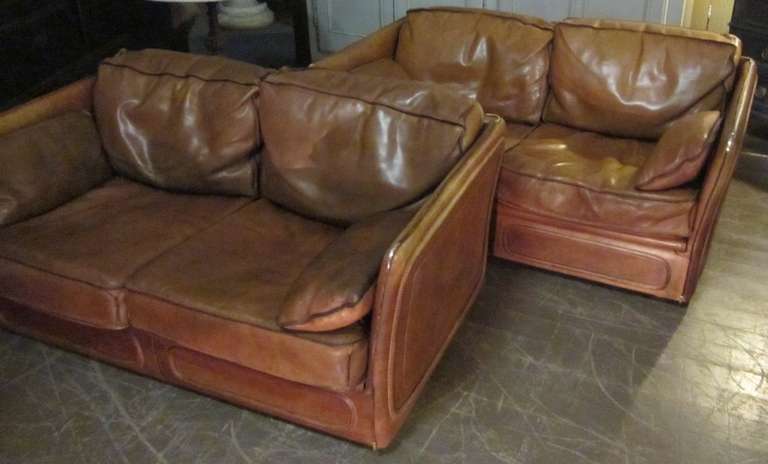
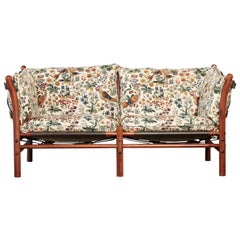
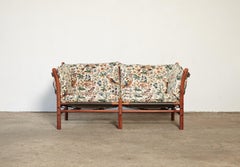
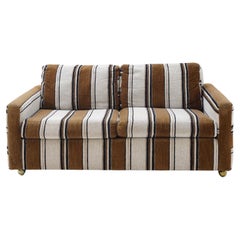
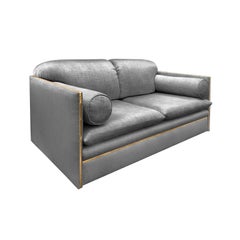
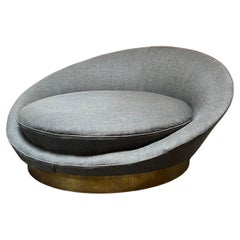
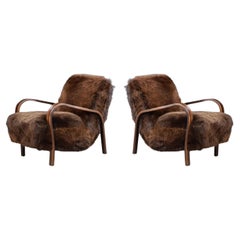
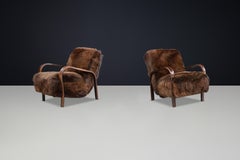
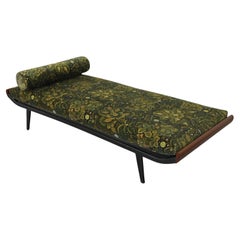
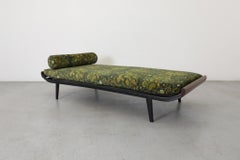
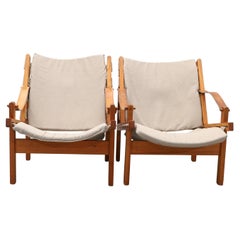
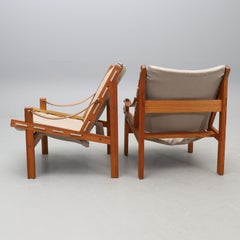
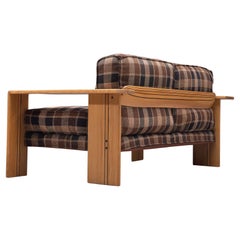
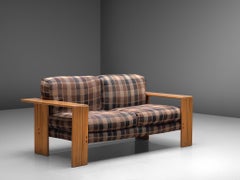
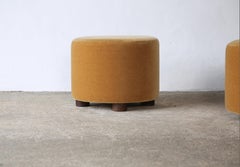
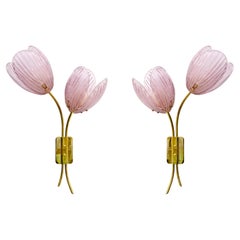
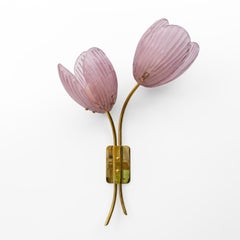
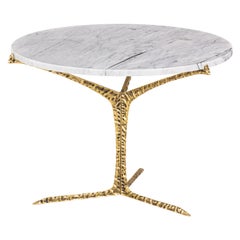
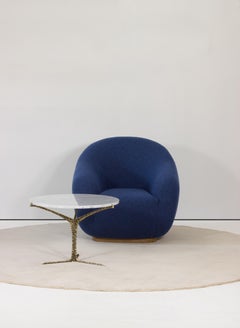
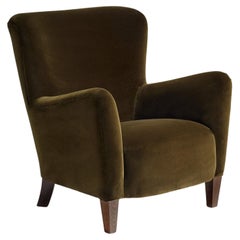
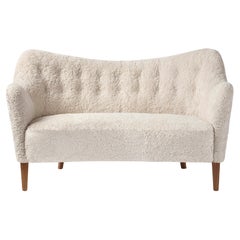
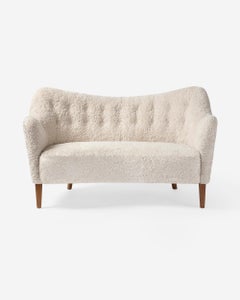
An assortment of 1970s brass loveseats is available at 1stDibs. Each of these unique 1970s brass loveseats was constructed with extraordinary care, often using
brass,
metal and
fabric. 1970s brass loveseats have been made for many years, and versions that date back to the 20th Century alongside those produced as recently as the 20th Century. 1970s brass loveseats bearing
Mid-Century Modern hallmark is very popular at 1stDibs. Large 1970s brass loveseats can prove too imposing for some spaces, so the smaller 1970s brass loveseats available at 1stDibs — each spanning 48 inches in width — may make for a better choice.
Milo Baughman,
Norell Möbel AB and
Arne Norell each produced beautiful 1970s brass loveseats that are worth considering.
Whether burnished or lacquered, antique, new and vintage brass furniture can elevate a room.
From traditional spaces that use brass as an accent — by way of brass dining chairs or brass pendant lights — to contemporary rooms that embrace bold brass decor, there are many ways to incorporate the golden-hued metal.
“I find mixed metals to be a very updated approach, as opposed to the old days, when it was all shiny brass of dulled-out silver tones,” says interior designer Drew McGukin. “I especially love working with brass and blackened steel for added warmth and tonality. To me, aged brass is complementary across many design styles and can trend contemporary or traditional when pushed either way.”
He proves his point in a San Francisco entryway, where a Lindsey Adelman light fixture hangs above a limited-edition table and stools by Kelly Wearstler — also an enthusiast of juxtapositions — all providing bronze accents. The walls were hand-painted by artist Caroline Lizarraga and the ombré stair runner is by DMc.
West Coast designer Catherine Kwong chose a sleek brass and lacquered-parchment credenza by Scala Luxury to fit this San Francisco apartment. “The design of this sideboard is reminiscent of work by French modernist Jean Prouvé. The brass font imbues the space with warmth and the round ‘portholes’ provide an arresting geometric element.”
Find antique, new and vintage brass tables, case pieces and other furnishings now on 1stDibs.
Antique and vintage loveseats are functional and totally charming furniture in homes large and small these days. They first appeared in the 17th and 18th centuries, though they were not yet known by this endearing term.
These petite, two-seat sofas were originally intended to comfortably sit a woman clad in what were the era’s large and elaborate dresses — ornate hooped garments with copious folds of fabric, embroidery and lace. However, because the original seats featured just enough space for two, they quickly became popular for couples that were courting. Loveseats meant that the couples could engage in close conversation, but furniture makers ensured that there was enough space between sitters to prioritize modesty.
In the early days of loveseats, the furnishings were minimalist in appearance and could often be found in an s-shape, with the two sides facing each other. The spare seating was initially little more than a wooden bench, as loveseats weren’t yet upholstered or cushioned. Design of the seating evolved over time, and this wide chair was eventually padded and tufted for comfort. During the 1800s, loveseats were a luxurious addition to the homes of the wealthy, and even today, antique 19th-century loveseats are still quite alluring. In any lavishly decorated parlor of the Victorian era, you might find a pair of partygoers tucked into a particularly plush iteration of these cozy perches, one boasting arched crests of carved mahogany over its sculpted seats, with front cabriole legs resolving in paw feet.
In modern homes, loveseats — even antique Victorian loveseats — pair well with oversize sofas or are ideal replacements for sofas, particularly if you’re working on organizing and furnishing a smaller space. A loveseat is a stylish addition to a home library or a reading nook and can easily be situated at the foot of the bed in your bedroom. In the living room, you may wish to position your vintage loveseat and couch around a central focal point, such as a distinguishing architectural feature or a fireplace. But be sure to leave some walking room between your seating and any nearby coffee tables or side tables. Allow for around two feet for guests to pass between a couch and chair or loveseat and at least a foot between a loveseat and coffee table.
Find a wide variety of antique, new and vintage loveseats today on 1stDibs.