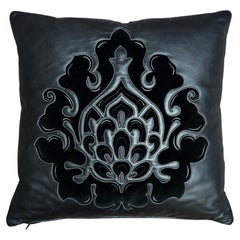
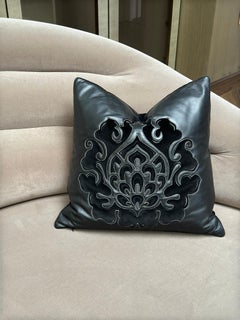
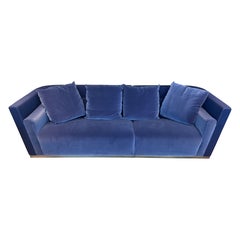
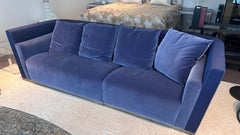
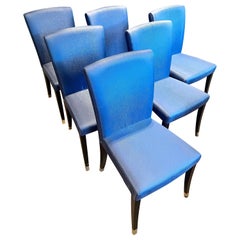
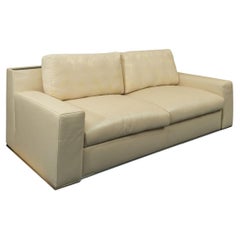
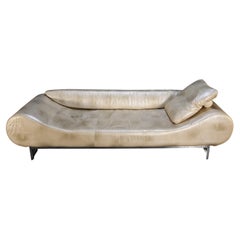
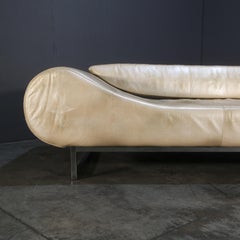
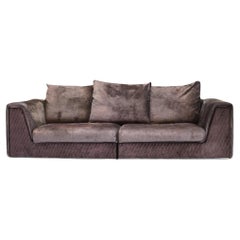
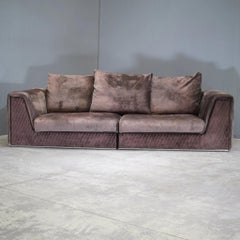
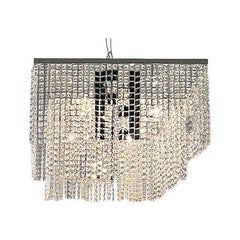
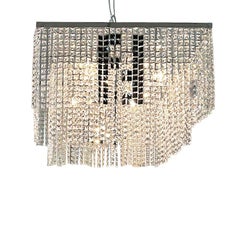
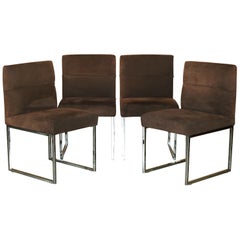
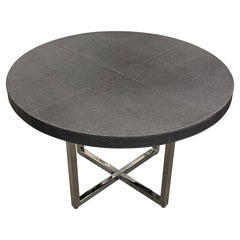
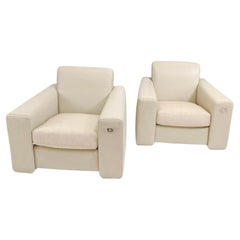
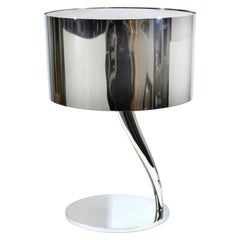
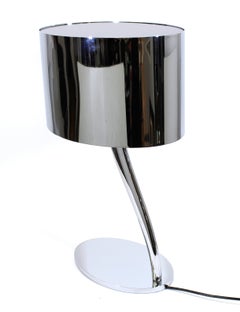
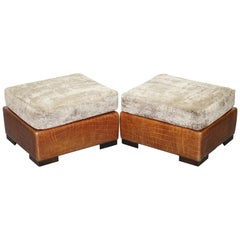
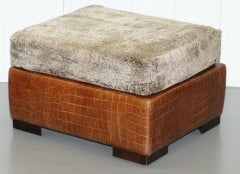
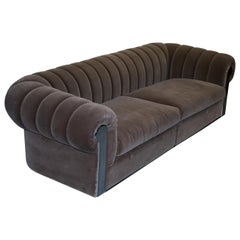
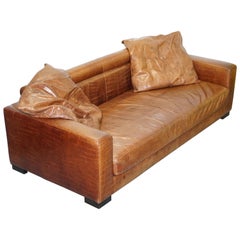
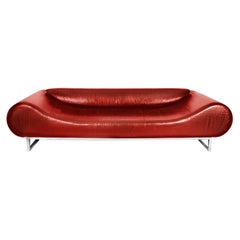
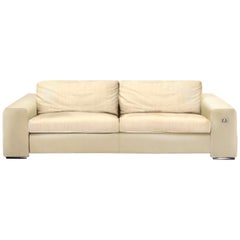
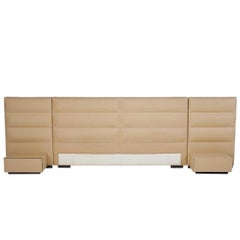
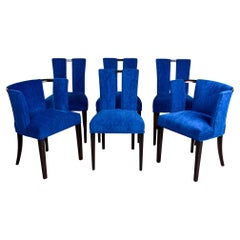
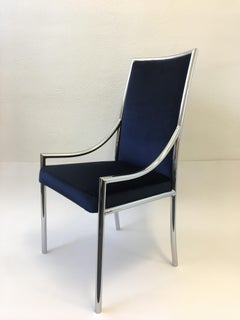
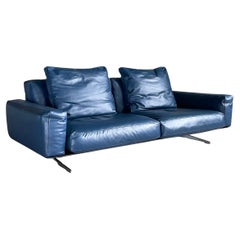
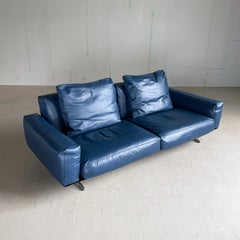
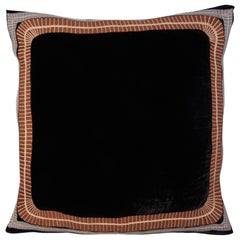
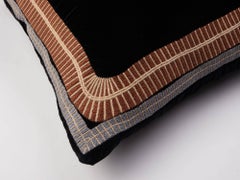
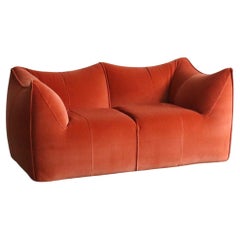
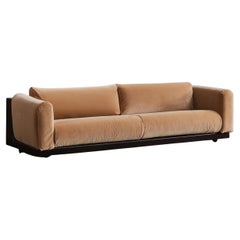
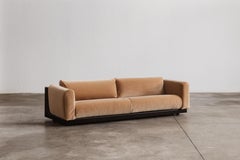
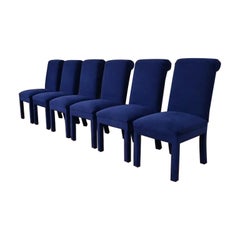
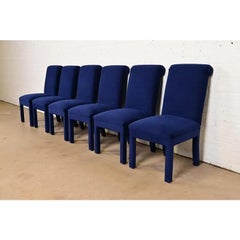
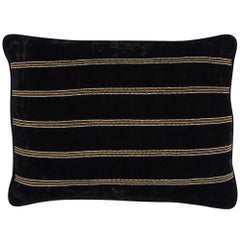
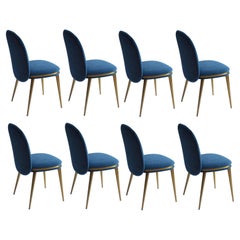
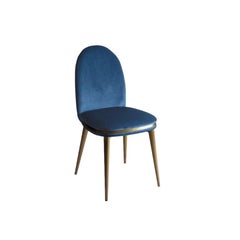
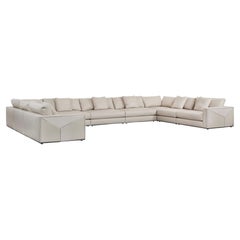
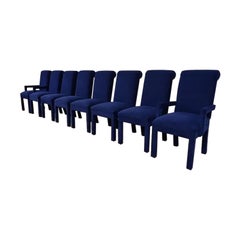
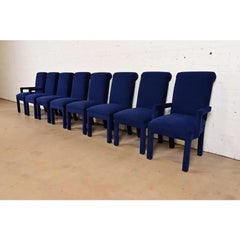
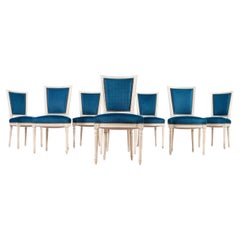
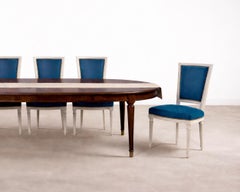
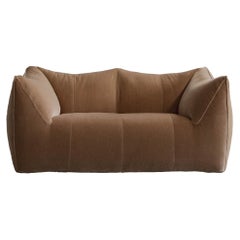
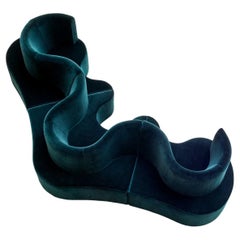
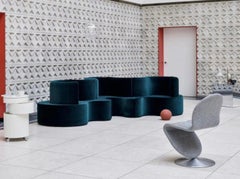
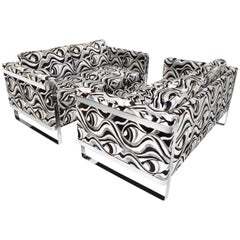
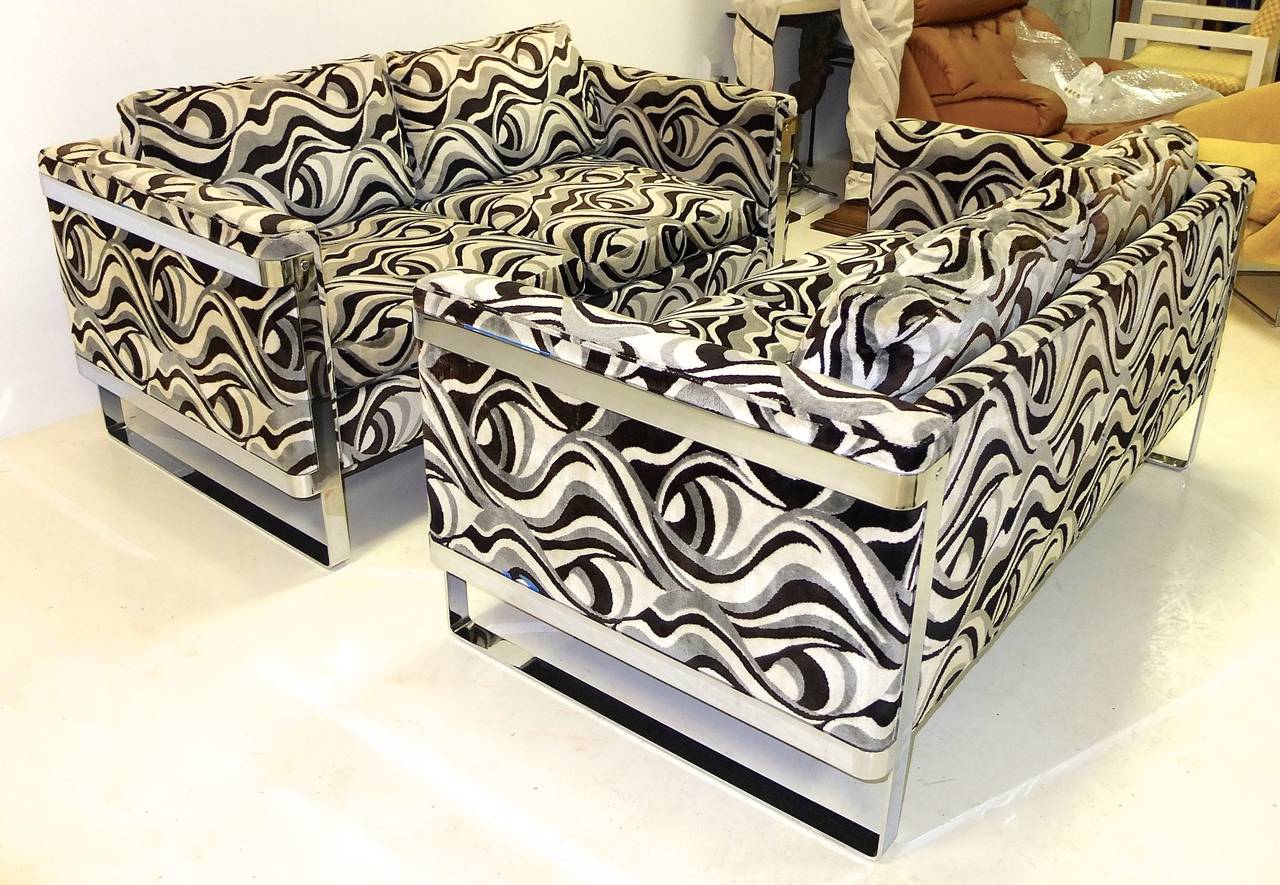
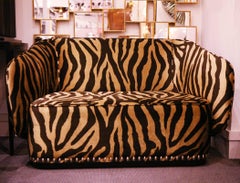
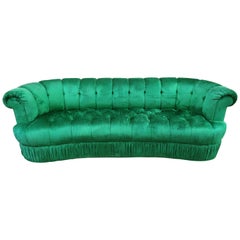
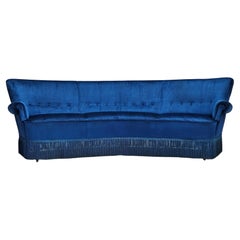
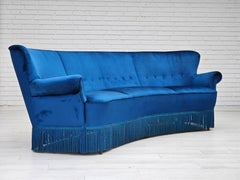
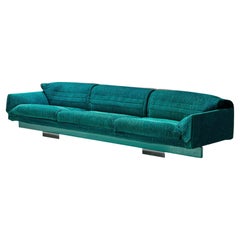
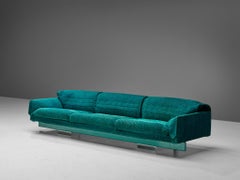
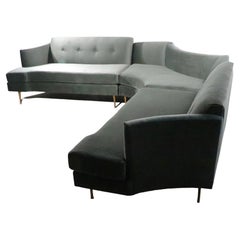
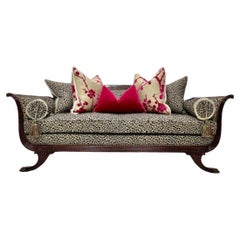
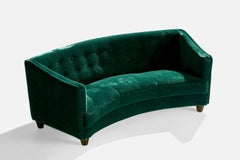
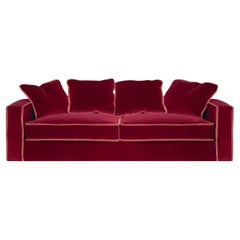
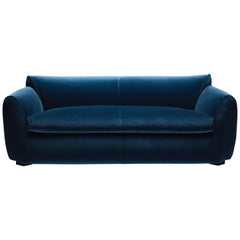
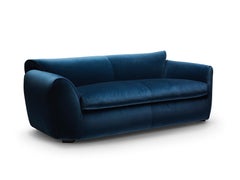
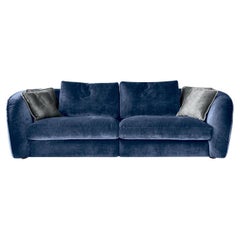
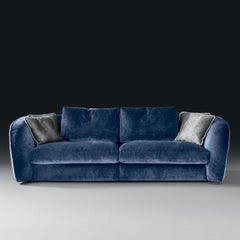
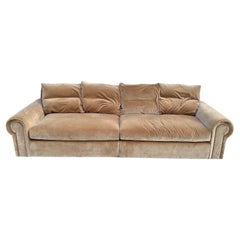
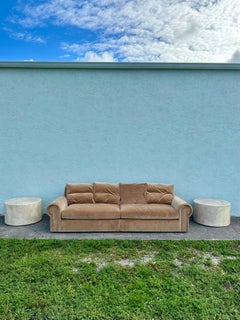
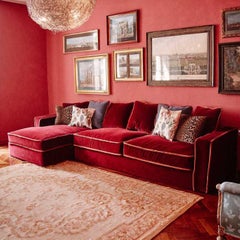
Choose from an assortment of styles, material and more with respect to the fendi casa on sale you’re looking for at 1stDibs. Frequently made of
animal skin,
leather and
fabric, every fendi casa on sale was constructed with great care. Whether you’re looking for an older or newer fendi casa on sale, there are earlier versions available from the 20th Century and newer variations made as recently as the 21st Century. A fendi casa on sale, designed in the
Modern style, is generally a popular piece of furniture.
The name Fendi may not immediately call to mind the furniture for which its home division, Fendi Casa, has become known — hand-knotted round wool rugs and marble coffee tables, for example — but it has established and maintained a lofty position in the furniture and interior design space over the years.
Longtime admirers of Fendi likely cite the fashion house’s iconic “baguette” bag or its pattern of interlocking F’s as pillars of its international reputation. The brand actually began with a different, singular focus, however: fur. In 1925, Adele and Edoardo Fendi opened a boutique in central Rome. (Adele had by then been running a leather-goods workshop.) The couple’s five daughters — Paola, Anna, Franca, Carla and Alda — eventually joined the business, each taking over an equal share as the brand expanded from leather and fur into ready-to-wear and accessories, most notably under the eye of Karl Lagerfeld, who took over as creative director in 1965.
It wasn’t until more than two decades later that Fendi would break into the furniture market: In 1988, Anna Fendi joined forces with Alberto Vignatelli to devise a home arm of the quickly growing brand. Vignatelli had founded Italian manufacturer Luxury Living Group in the 1960s, and Fendi became the first in a long line of collaborations for the company, whose specialty became bringing the aesthetics of luxury brands spanning fashion, automotive and more to the home. (Subsequent clients included Trussardi Casa, Bentley Casa, Heritage Collection, Paul Mathieu and Bugatti Home.)
With the new brand — dubbed simply and appropriately Fendi Casa — Anna and Vignatelli brought their shared passion for Italian craftsmanship to collections of furniture and home goods that exemplified the modern style and emphasis on materiality for which both Fendi and its home country were known. The line’s offerings range from sleek silhouettes with luxury detailing (think careful stitching on low-slung sofas or daybeds with leather stripes) to reinterpretations of Italian traditions in fresh finishes (like a chrome-detailed commode).
Today, Fendi Casa operates both residential and commercial branches, creating high-quality furnishings for everything from yachts to hotels with the same attention to materials and craftsmanship that have long informed both Fendi and Luxury Living. In addition to the brand’s current catalog of furniture and decor offerings, vintage 1970s and ’80s Fendi Casa pieces remain in high demand among resellers — proof of the house’s enduring style.
Browse a growing inventory of Fendi Casa furniture at 1stDibs.
The late 19th and early 20th centuries saw sweeping social change and major scientific advances — both of which contributed to a new aesthetic: modernism. Rejecting the rigidity of Victorian artistic conventions, modernists sought a new means of expression. References to the natural world and ornate classical embellishments gave way to the sleek simplicity of the Machine Age. Architect Philip Johnson characterized the hallmarks of modernism as “machine-like simplicity, smoothness or surface [and] avoidance of ornament.”
Early practitioners of modernist design include the De Stijl (“The Style”) group, founded in the Netherlands in 1917, and the Bauhaus School, founded two years later in Germany.
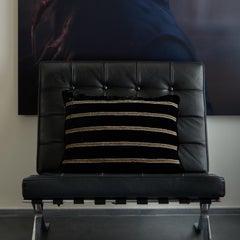
Followers of both groups produced sleek, spare designs — many of which became icons of daily life in the 20th century. The modernists rejected both natural and historical references and relied primarily on industrial materials such as metal, glass, plywood, and, later, plastics. While Bauhaus principals Marcel Breuer and Ludwig Mies van der Rohe created furniture from mass-produced, chrome-plated steel, American visionaries like Charles and Ray Eames worked in materials as novel as molded plywood and fiberglass. Today, Breuer’s Wassily chair, Mies van der Rohe’s Barcelona chair — crafted with his romantic partner, designer Lilly Reich — and the Eames lounge chair are emblems of progressive design and vintage originals are prized cornerstones of collections.
It’s difficult to overstate the influence that modernism continues to wield over designers and architects — and equally difficult to overstate how revolutionary it was when it first appeared a century ago. But because modernist furniture designs are so simple, they can blend in seamlessly with just about any type of décor. Don’t overlook them.