Shop Art

2010s Contemporary Art
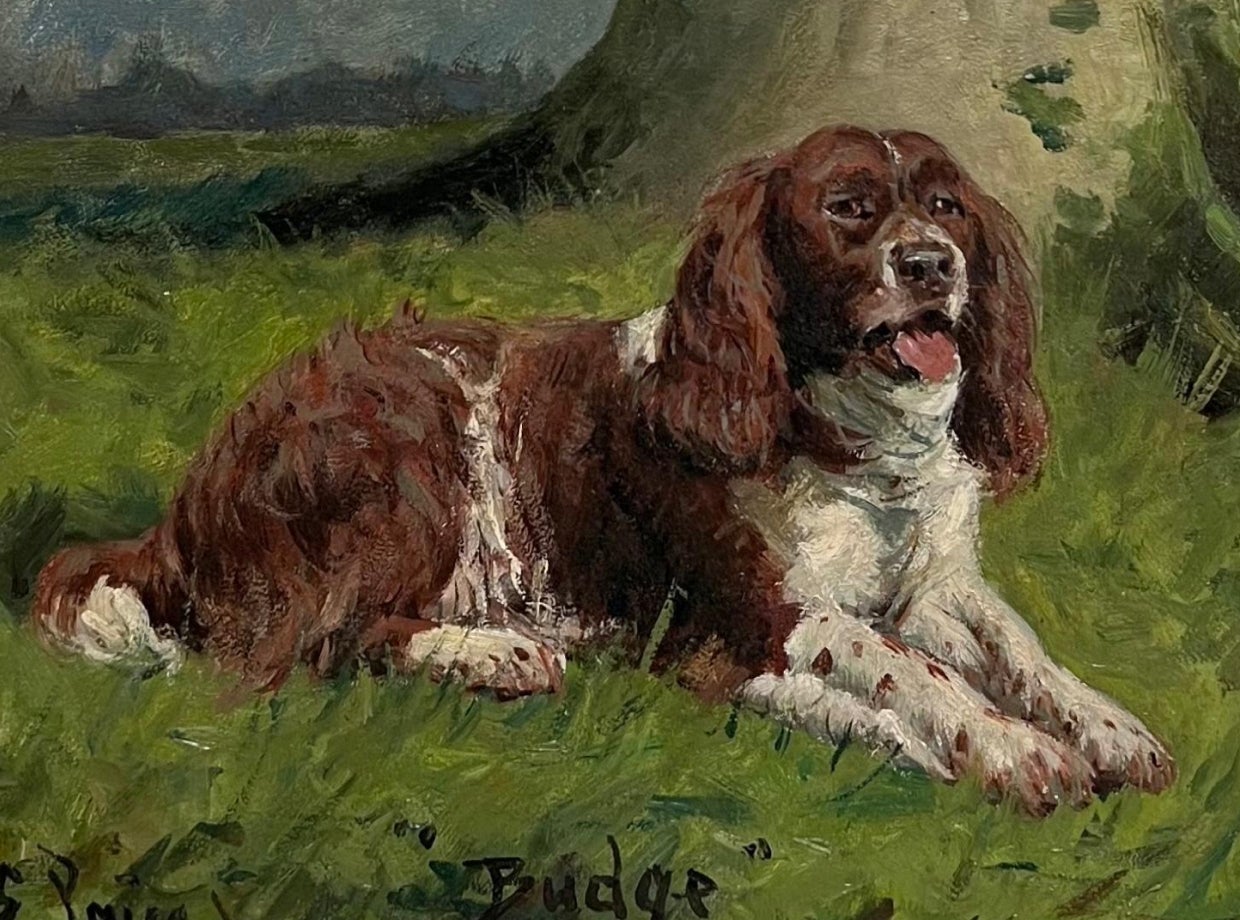
Canvas, Oil


2010s Street Art Art
Canvas, Paint, Acrylic

1860s Victorian Art
Engraving
21st Century and Contemporary Contemporary Art
Digital Pigment
2010s Contemporary Art
Rag Paper, Archival Pigment
21st Century and Contemporary Contemporary Art
Digital Pigment
21st Century and Contemporary Contemporary Art
Digital Pigment
2010s Abstract Art
Clay, Acrylic
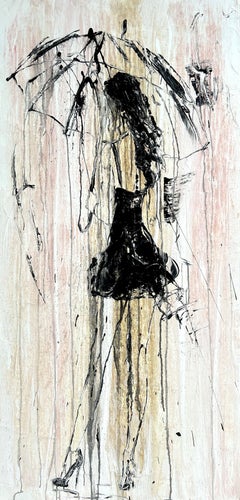
2010s Abstract Art
Canvas, Oil
21st Century and Contemporary Abstract Expressionist Art
Gesso, Canvas, Wood, Spray Paint, Acrylic, Color Pencil, Stretcher Bars
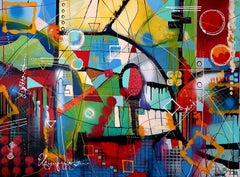
2010s Abstract Art
Dye, Oil, Plaster, Cotton Canvas

1960s Modern Art
Color, Archival Pigment

2010s Impressionist Art
Canvas, Oil
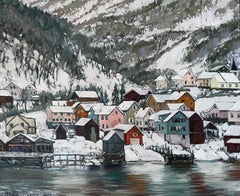
20th Century Victorian Art
Oil
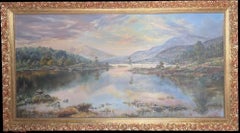
1970s Abstract Impressionist Art
Oil
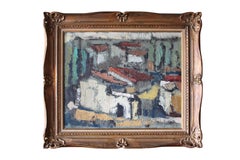
1960s Modern Art
Color, Archival Pigment
Mid-20th Century Modern Art
Lithograph
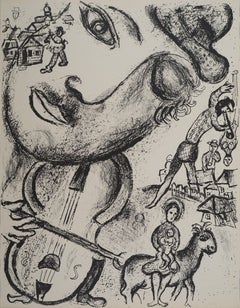
2010s Contemporary Art
Color, Archival Pigment
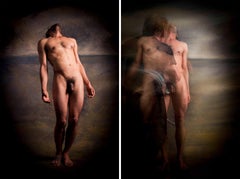
Early 2000s Contemporary Art
Parchment Paper, Photographic Paper, C Print, Color, Polaroid

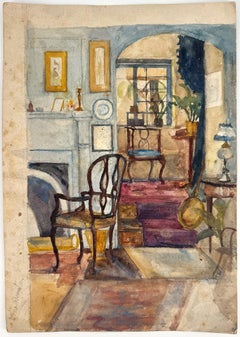
Late 19th Century English School Art
Watercolor
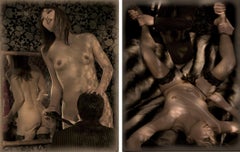
1960s Modern Art
Color, Archival Pigment
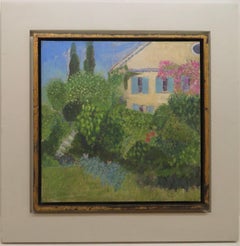
Late 20th Century Impressionist Art
Oil
1960s Modern Art
Color, Archival Pigment

2010s Contemporary Art
Cotton Canvas, Acrylic
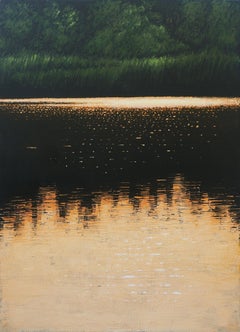
1950s Post-Impressionist Art
Oil
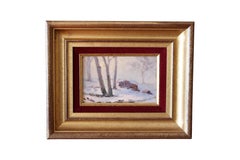
1920s Art
Gouache, Graphite
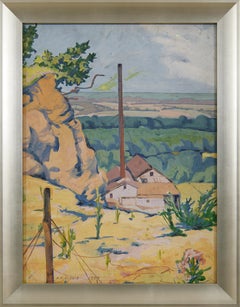
2010s Contemporary Art
Digital Pigment
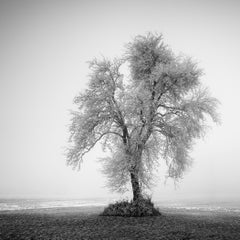
2010s Abstract Art
Canvas, Oil
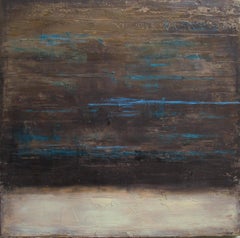
2010s Abstract Art
Canvas, Mixed Media, Acrylic, Charcoal
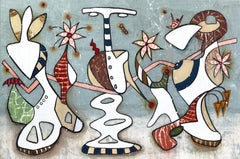
2010s Contemporary Art
Digital Pigment

21st Century and Contemporary Contemporary Art
Archival Ink, Archival Paper, Digital Pigment

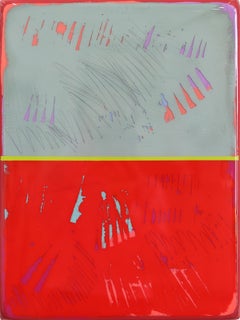
21st Century and Contemporary Modern Art
Resin, Mixed Media, Acrylic, Wood Panel
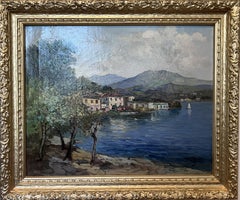
20th Century Impressionist Art
Oil
21st Century and Contemporary Surrealist Art
Acrylic, Canvas
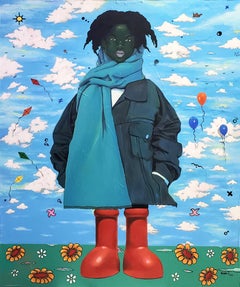
Mid-20th Century Art
Oil
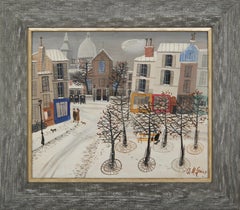
19th Century Art
Porcelain
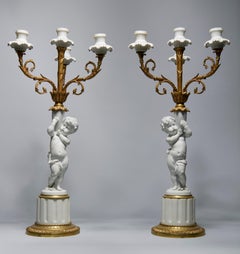
Late 20th Century Art
Oil
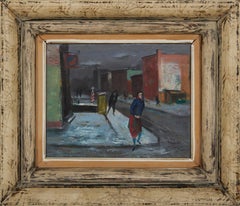
21st Century and Contemporary Contemporary Art
Digital Pigment

2010s Contemporary Art
Archival Paper, Archival Pigment, Digital Pigment
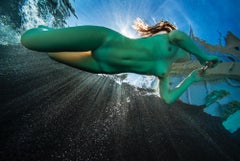
Late 19th Century Victorian Art
Oil

1880s Victorian Art
Oil
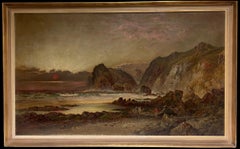
Late 19th Century Victorian Art
Oil
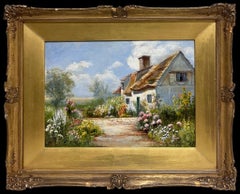
21st Century and Contemporary Contemporary Art
Digital Pigment
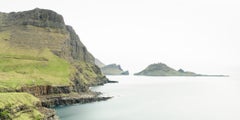
21st Century and Contemporary Contemporary Art
Digital Pigment
Early 19th Century English School Art
Oil

2010s Contemporary Art
Digital Pigment

21st Century and Contemporary Art
Archival Pigment

2010s Contemporary Art
Cotton Canvas, Acrylic
2010s Contemporary Art
Photographic Paper, C Print

2010s Contemporary Art
Canvas, Acrylic

1920s Art Deco Art
Oil
Late 19th Century Art Nouveau Art
Oil
21st Century and Contemporary Art
Archival Pigment
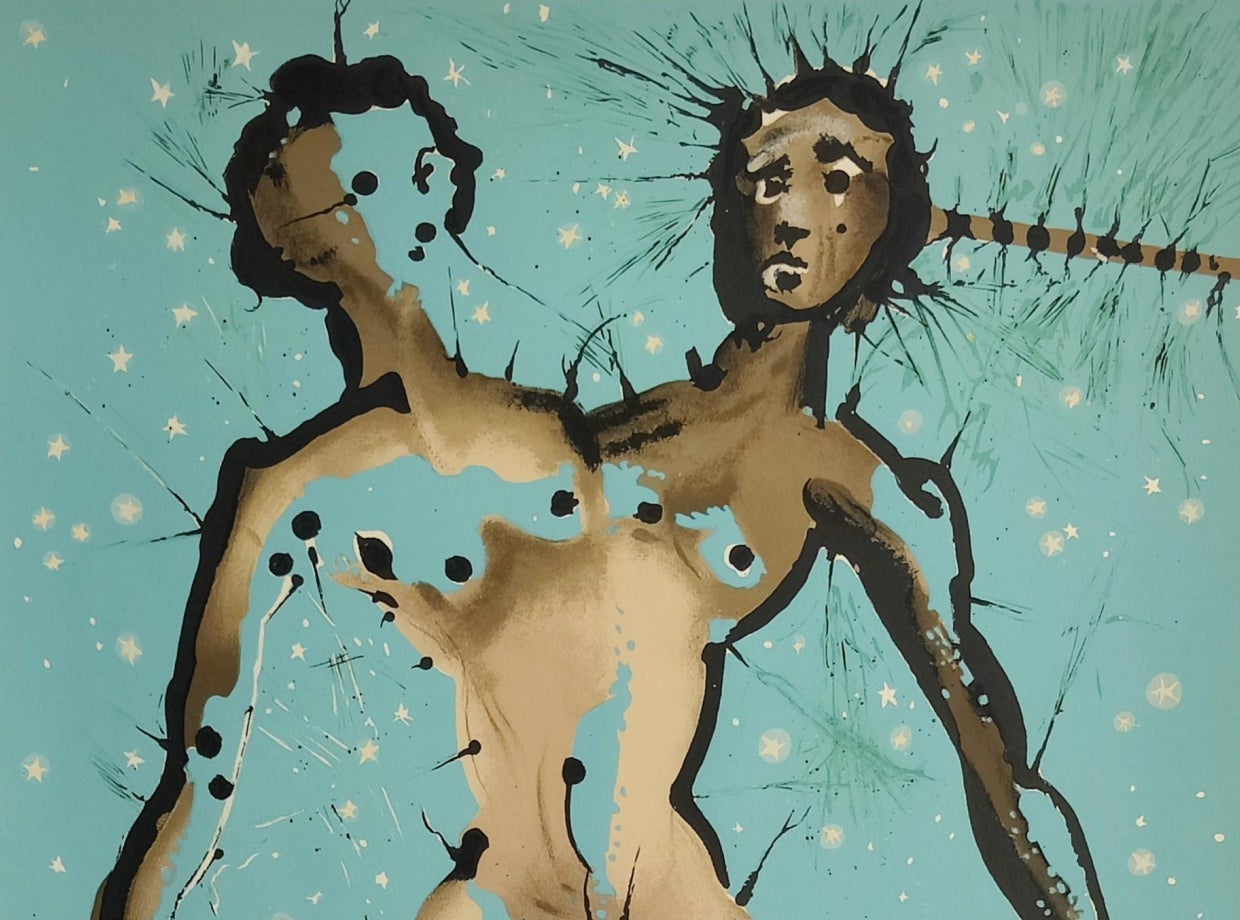
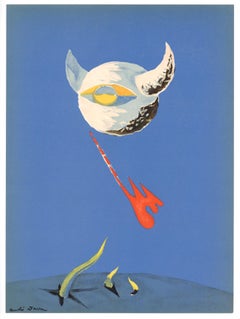
1930s Surrealist Art
Lithograph
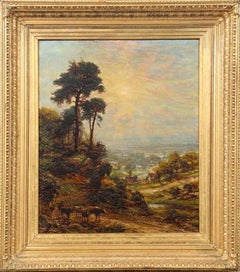
1960s French School Art
Oil
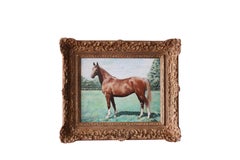
19th Century Romantic Art
Canvas, Oil
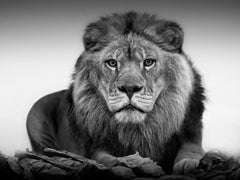
21st Century and Contemporary American Modern Art
Archival Pigment

Early 20th Century French School Art
Etching, Drypoint

2010s Abstract Art
Clay, Acrylic
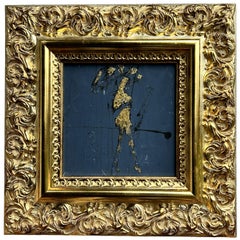
21st Century and Contemporary Abstract Expressionist Art
Gold
Shop Art on 1stDibs: Photography, Drawings, Prints, Sculptures and Paintings for Sale
Whether growing your current fine art collection or taking the first steps on that journey, you will find an extensive range of original photography, drawings, prints, sculptures, paintings and more on 1stDibs.
Visual art is among the oldest forms of expression, and it has been evolving for centuries. Beautiful objects can provide a window to the past or insight into our current time. Art collecting enhances daily life through the presence of meaningful work. It displays an appreciation for culture, whether a print by Elizabeth Catlett channeling social change or a narrative quilt by Faith Ringgold.
Contemporary art has lured more initiates to collecting than almost any other category, with notable artists including Yayoi Kusama, Marc Chagall, Kehinde Wiley and Jean-Michel Basquiat. Navigating the waiting lists for the next Marlene Dumas, Jeff Koons or Jasper Johns has become competitive.
When you’re living with art, particularly as people more often work from home and enjoy their spaces, it’s important to choose art that resonates with you. While the richness of art with its many movements, styles and histories can be overwhelming, the key is to identify what is appealing and inspiring. Artwork can play with the surrounding color of a room, creating a layered approach. The dynamic shapes and sizes of sculptures can set different moods, such as a bronze by Miguel Guía on a mantel or an Alexander Calder mobile suspended over a table. A wall of art can evoke emotions in an interior while showing off your tastes and interests. A salon-style wall mixing eclectic pieces like landscape paintings with charcoal drawings is a unique way to transform a space and show off a collection.
For art meditating on the subconscious, investigate Surrealists like Joan Miró and Salvador Dalí. Explore Pop art and its leading artists such as Andy Warhol, Rosalyn Drexler and Keith Haring for bright and bold colors. Not only did these artists question art itself, but also how we perceive society. Similarly, 20th-century photography and abstract painting reconsidered the intent of art.
Abstract Expressionists like Helen Frankenthaler and Lee Krasner and Color Field artists including Sam Gilliam broke from conventional ideas of painting, while Op artists such as Yaacov Agam embraced visual trickery and kinetic movement. Novel visuals are also integral to contemporary work influenced by street art, such as sculptures and prints by KAWS.
Realist portraiture is a global tradition reflecting on what makes us human. This is reflected in the work of Slim Aarons, an American photographer whose images are at once candid and polished and appeared in Holiday magazine and elsewhere. Innovative artists Mickalene Thomas and Kerry James Marshall are now offering new perspectives on the form.
Collecting art is a rewarding, lifelong pursuit that can help connect you with the creative ways historic, modern and contemporary artists have engaged with the world. For more tips on piecing together an art collection, see our guide to buying and displaying art.
Find photography, drawings, paintings, prints and other art for sale on 1stDibs.
Read More
Impressionist Rebel Camille Pissarro Made the Everyday Feel Radical
In Denver, a major new retrospective reveals how the painter’s devotion to ordinary life — and his fearless shifts in style — shaped modern art.
Revisiting Robert Rauschenberg’s Creative Rebellion on His 100th Birthday
A planet-wide celebration feels fitting for an artist who saw connections everywhere: between paint and photography, art and life, self and surroundings.
David Bowie’s ‘Aladdin Sane’ Artwork Just Broke an Auction Record
Photographer Brian Duffy shot the famous portrait.
Nicole Wittenberg Transforms Plants into Otherworldly Creations
Inspired by her summers in Maine, the artist's vibrant pastel drawings feel urgent and alive.
These Are the Fall’s Must-See Paris Exhibitions
Experience works by Wassily Kandinsky and many other artists in shows/venues across the City of Light.
A Treasure Trove of Surrealist Works Has Been Gifted to the Met
Donated by John Pritzker, the collection includes works by Marcel Duchamp, Man Ray and more.
At Hosfelt Gallery, Bertoia Masterworks Complement Dynamic Contemporary Art
For nearly three decades, San Francisco–based Todd Hosfelt has curated against the grain — with a show on the legendary modernist Harry Bertoia the latest case in point.
Al Hirschfeld’s Take on Judy Garland Stands out among His Many Love Letters to Broadway
The revered artist created delightful caricatures of stage and screen performers for more than 75 years. This one is a prime example.