Edo Furniture

EDO STYLE

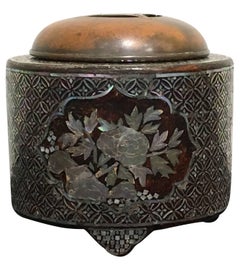
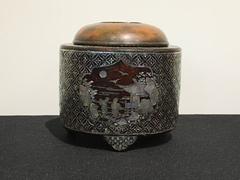
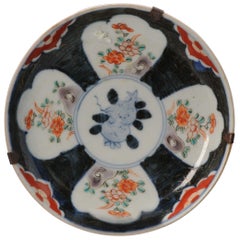
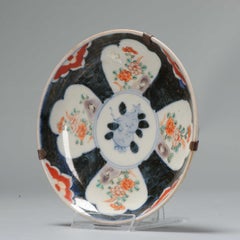
Edo furniture was created during a flourishing time for the decorative arts owing to the stability of the Tokugawa shogunate rule in Japan. Spanning from 1603 to 1867, this era of peace and economic growth supported artistic advancements in lacquer, woodblock printing, porcelain and other artisanal trades. Because the country was largely isolated, there was little outside influence, leading to centuries of exceptional attention to the design of its furnishings and the quality of its traditional arts.
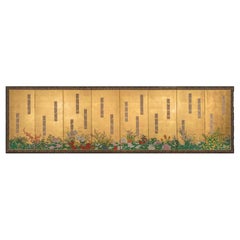
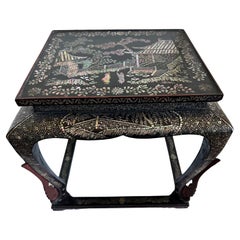
Unlike during the Meiji period that followed, with an increase in domestic and international markets, furniture during the Edo period was predominately commissioned by the ruling class, although people from across social groups benefited from the burgeoning metropolitan hubs for artisanal trades. For instance, Kyoto became a major center for lacquer art. Most furniture pieces were made from wood such as cedar or ash, including the era’s sashimono cabinets, which involved fine joinery and were rooted in the Heian period.

Sashimono cabinets, which were built by master craftsmen in a range of different wood types owing to the various trees that populate Japan, occasionally featured a stack of slender drawers as well as sliding doors. They were popular with everyone from samurai to kabuki actors. Tansu storage chests crafted from wood with metal fittings were also common in Edo-period homes. Some were designed to be easily portable while others were made to double as staircases.

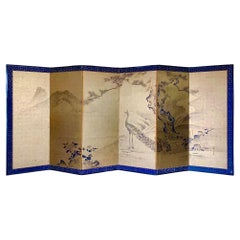
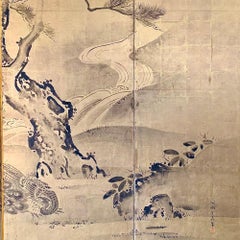
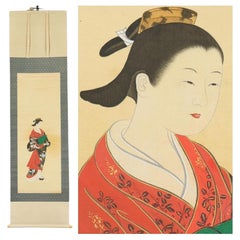
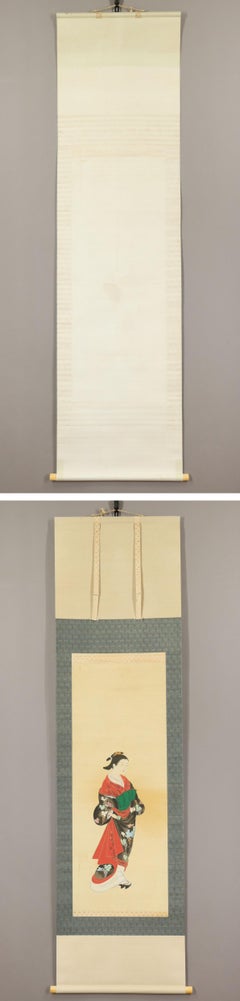
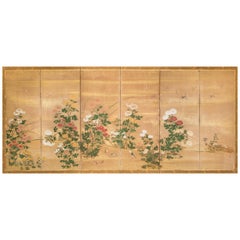
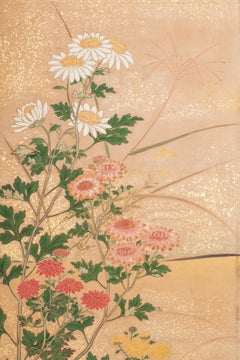
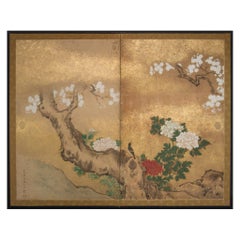
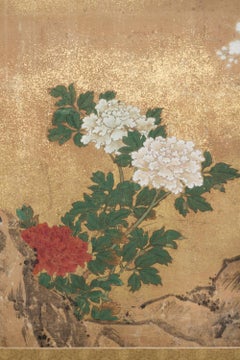
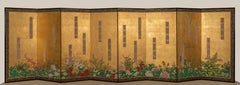
Painted folding screens, called byōbu, were also fashionable, with Japanese artists inspired by nature, literature and scenes of history and daily life to create vivid works. In Buddhist temples and the palatial homes of the aristocratic class, fusuma, or large sliding panels, would sometimes be adorned with gold or silver leaf. These dividers allowed interiors to change throughout the day, closing in small spaces for personal use or reflecting candlelight to illuminate communal spaces after dark.

Find a collection of Edo tables, lighting, decorative objects, wall decorations and more furniture on 1stDibs.

to
136
376
344
969
11
1
201,198
118,434
44,889
34,026
16,938
12,419
11,196
10,796
10,119
8,986
7,387
6,959
6,710
6,697
6,629
6,090
4,961
3,777
425
481
63
12
23
15
2
2
1
1
1
1
337
310
260
226
203
884
870
848
19
3
981
977
978
12
6
3
3
2
Style: Edo
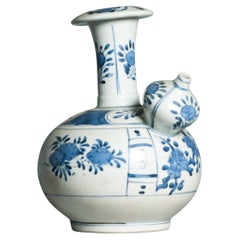
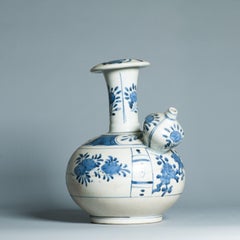
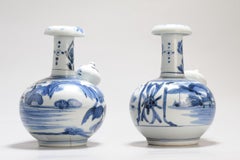
Antique 17C Japanese Porcelain Blue White Edo Period Arita Vase Flowers Lion

Antique 17C Japanese Porcelain Blue White Edo Period Arita Vase Flowers Lion

Located in Amsterdam, Noord Holland

Nice & Beautiful Arita Japanese Porcelain Vase, beaker shape. This is a beautiful 17th-century Japanese Arita porcelain vase, likely dating to the second half of the 1600s during the...

Category

17th Century Antique Edo Furniture

Materials

Porcelain

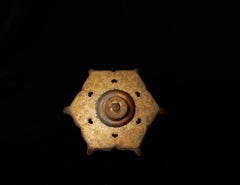
Rare Japanese Gilt Copper Temple Nail Cover (Nageshikazari), Edo Period

Rare Japanese Gilt Copper Temple Nail Cover (Nageshikazari), Edo Period

Located in Fukuoka, JP

A rare and finely crafted Japanese temple nail cover (nageshikazari), dating to the Edo period (18th–19th century). Executed in gilded copper, this architectural ornament was design...

Category

18th Century Japanese Antique Edo Furniture

Materials

Copper

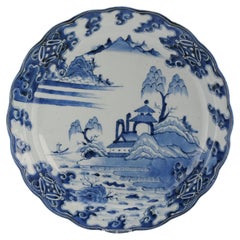
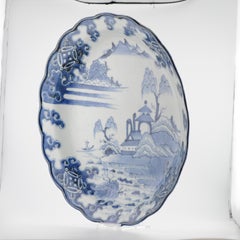
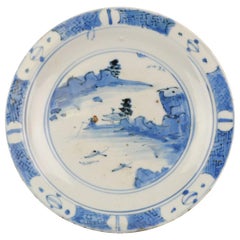
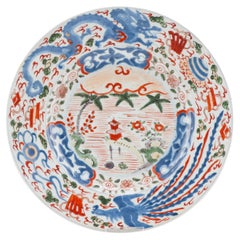
A Lovely shaped 17C Edo period Rare Porcelain Dish Fisherman Enamel

A Lovely shaped 17C Edo period Rare Porcelain Dish Fisherman Enamel

Located in Amsterdam, Noord Holland

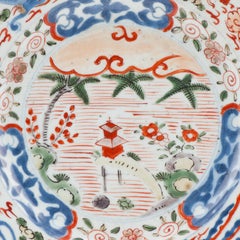
A great dish dating to most probably the second half of the 17th century, delicate painting of a fisherman walking the bridge of a river. Condition Good condition, chip to rim, tha...

Category

17th Century Antique Edo Furniture

Materials

Porcelain

Japanese Netsuke in Boxwoord in the form of two chestnut

Japanese Netsuke in Boxwoord in the form of two chestnut

Located in PARIS, FR

Boxwood netsuke of two chestnuts, one smaller on top of the larger. Chestnuts are a central part of Japanese culture and gastronomy. Castanea Crenata or Japanese chestnut is an indi...

Category

Early 19th Century Japanese Antique Edo Furniture

Materials

Boxwood

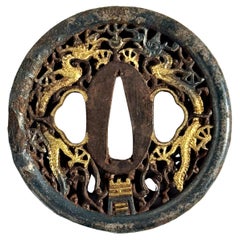
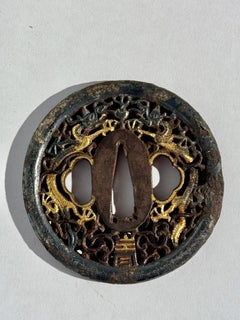
Japanese Nanban Tsuba with Dragons, Edo Period, early 19th century, Japan

Japanese Nanban Tsuba with Dragons, Edo Period, early 19th century, Japan

Located in Austin, TX

A dramatic Japanese iron tsuba in the nanban (foreign) style, decorated with dragons and openwork and inlaid with silver and gold, Edo Period, early 19th century, Japan. The fantast...

Category

Early 19th Century Japanese Antique Edo Furniture

Materials

Gold, Silver, Iron

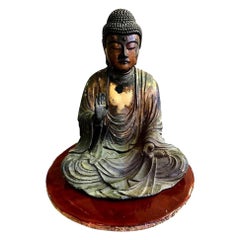
Japanese bronze image of Tanjo no Shaka

Japanese bronze image of Tanjo no Shaka

Located in Point Richmond, CA

Japanese bronze image of Tanjo no Shaka, the infant Buddha (Shakyamuni), a standing figure with the right hand pointing towards heaven and the left hand pointing toward earth, costum...

Category

1850s Japanese Antique Edo Furniture

Materials

Bronze

Large Antique Imari Porcelain Plate with Shishi and Botan Motifs, Late Edo–Meiji

Large Antique Imari Porcelain Plate with Shishi and Botan Motifs, Late Edo–Meiji

By Imari Porcelain

Located in Fukuoka, JP

This impressive large antique Imari porcelain plate dates to the late Edo–Meiji period (19th century) and is finely decorated with a lively composition of playful shishi (mythical li...

Category

Mid-19th Century Japanese Antique Edo Furniture

Materials

Porcelain

Japanese Zushi Traveling Shrine of Jizō Bosatsu, c. 1850

Japanese Zushi Traveling Shrine of Jizō Bosatsu, c. 1850

Located in Chicago, IL

The simple exterior of black lacquer encasing this 19th-century Japanese traveling shrine (zushi) belies the splendor within. The hinged doors open to reveal a lustrous gold interior...

Category

Mid-19th Century Japanese Antique Edo Furniture

Materials

Wood

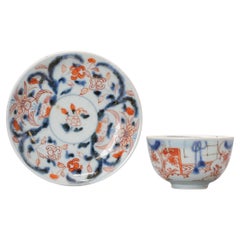
Imari Porcelain Blue & Red Large Bowl, Early 19th century

Imari Porcelain Blue & Red Large Bowl, Early 19th century

Located in Worcester Park, GB

The image shows an Imari porcelain bowl, a distinctive style of Japanese export porcelain. Origin and Name: Imari ware originated in the Arita kilns of the former Hizen Province in n...

Category

Early 19th Century Japanese Antique Edo Furniture

Materials

Porcelain

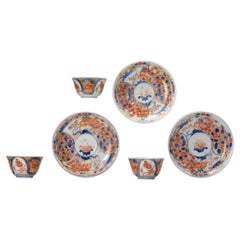
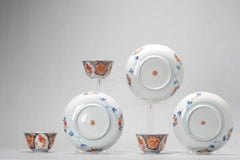
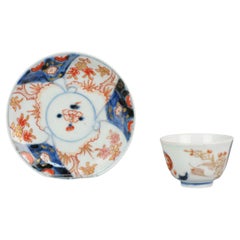
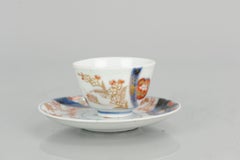
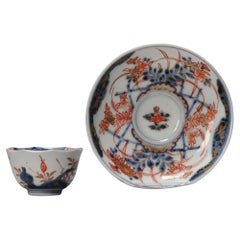
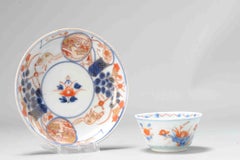
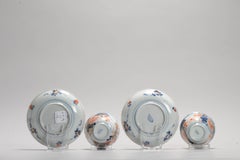
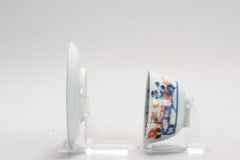
Set of Three Imari Porcelain Bowls – Late Edo to Early Meiji, 19th Century

Set of Three Imari Porcelain Bowls – Late Edo to Early Meiji, 19th Century

By Imari Porcelain

Located in Fukuoka, JP

A fine and charming set of three hand-painted Imari porcelain bowls, dating to the late Edo to early Meiji period (19th century). Each bowl features traditional underglaze blue and o...

Category

19th Century Japanese Antique Edo Furniture

Materials

Ceramic

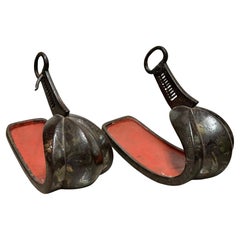
Antique Edo Period Japanese Samurai Iron Stirrups with Brass or Bronze Inlay

Antique Edo Period Japanese Samurai Iron Stirrups with Brass or Bronze Inlay

Located in Centennial, CO

A pair of antique Edo period (1603–1867) Japanese Samurai Abumis (stirrups for horseback-riding) expertly crafted out of cast iron with brass or bronze inlay in the form of a stylize...

Category

18th Century Japanese Antique Edo Furniture

Materials

Brass, Bronze, Iron

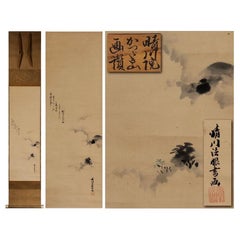
Antique Japanese 17th c Edo Scroll Kano Yosanobu Buddhist Painting

Antique Japanese 17th c Edo Scroll Kano Yosanobu Buddhist Painting

Located in Amsterdam, Noord Holland

Eishin Kano's Ebisu/Great Country Map, double-width/comes with an old box. The auspicious statues of Ebisu and Daikoku are standing in a double-width hanging scroll with a smiling fa...

Category

18th Century Antique Edo Furniture

Materials

Silk

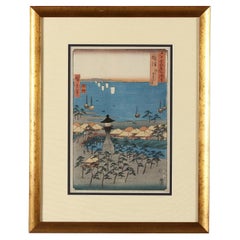
Japanese Woodblock Print One Hundred Famous Views of Edo by Utagawa Hiroshige

Japanese Woodblock Print One Hundred Famous Views of Edo by Utagawa Hiroshige

By Utagawa Hiroshige (Ando Hiroshige)

Located in Atlanta, GA

Artist: Utagawa Hiroshige (1797 - 1858) Series: One Hundred Famous Views of Edo (1856-58) Number: 39 Distant View of Kinryuzan Temple and Azuma Bridge Publisher: Uoya Eikichi Format: Vertical Oban Number of Prints: 120/120 (inc. title page and a replacement print by Hiroshige II) Medium: Woodblock Print Date: 1857 (Ansei 4), 8th month Size (H x W): 14" x 9.25" print only. Signature: Hiroshige ga Censor's seals: aratame, Snake 8 No blockcutter's mark Reference: For a similar print, see the collection of Art Institution Chicago Accession Number 1938.536 and 1965.1062; MFA Boston...

Category

1850s Japanese Antique Edo Furniture

Materials

Paper

Pair of Japanese Edo Period Parcel-Gilt Bronze Dragon Vases, Early 19th Century

Pair of Japanese Edo Period Parcel-Gilt Bronze Dragon Vases, Early 19th Century

Located in Austin, TX

A pair of well cast and dramatic Japanese parcel gilt bronze dragon vases, Edo period, early 19th century. The heavy bronze vases of pear shape, each with a single writhing dragon cast in high relief...

Category

Early 19th Century Japanese Antique Edo Furniture

Materials

Bronze

Japanese Six-Panel Screen, Chrysanthemums

Japanese Six-Panel Screen, Chrysanthemums

Located in Hudson, NY

Japanese six-panel screen: Chrysanthemums, Edo period (circa 1800) painting of a variety of chrysanthemums in a garden landscape, with sparrows. Mineral p...

Category

Early 1800s Japanese Antique Edo Furniture

Materials

Gold Leaf

Boxwood nestuke in the form of a curled up mouse forming almost a pearl

Boxwood nestuke in the form of a curled up mouse forming almost a pearl

Located in PARIS, FR

Netsuke in boxwood depicting a mouse curled up on itself, holding its tail between its tiny paws. The highly realistic rendering of the fur and the deep, worn patina emphasize the na...

Category

Late 18th Century Japanese Antique Edo Furniture

Materials

Boxwood

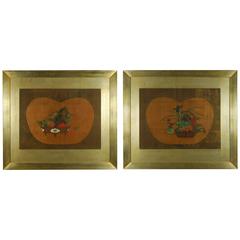
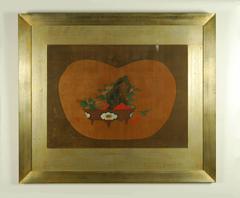
Pair of Antique Japanese Paintings of Karashishi, Edo Period, 18th Century

Pair of Antique Japanese Paintings of Karashishi, Edo Period, 18th Century

Located in Prahran, Victoria

A rare pair of antique Japanese Karashishi paintings in a landscape of rocks and peony flowers on gold leaf ground in fine handmade frames, Edo period, early 18th century. The Karash...

Category

Early 18th Century Japanese Antique Edo Furniture

Materials

Gold Leaf

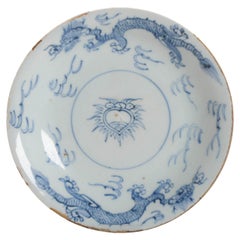
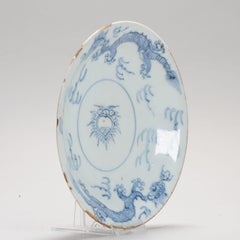
Antique Edo Period Japanese Porcelain Plate Arita Kraak Dish, Ca 1700

Antique Edo Period Japanese Porcelain Plate Arita Kraak Dish, Ca 1700

Located in Amsterdam, Noord Holland

Sharing this very nice edo period, 1680-1700, example. With a central scene of a flowers. The rim beautifully painted, quite unusual. Unmarked at base Arita ware, also known as Ar...

Category

17th Century Japanese Antique Edo Furniture

Materials

Porcelain

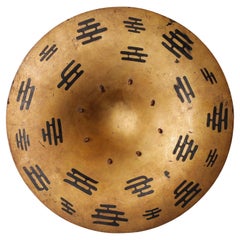
Japanese Buddhist Mirror and Dragon Stand, Edo Period, early 19th c, Japan

Japanese Buddhist Mirror and Dragon Stand, Edo Period, early 19th c, Japan

Located in Austin, TX

A powerful and rare Japanese Buddhist "sacred" mirror and stand, Edo Period, late 18th or early 19th century, Japan. The bronze mirror is housed in a two part gilt wood and lacquer ...

Category

Early 19th Century Japanese Antique Edo Furniture

Materials

Bronze

Late 18th C Japanese Edo Period Palanquin Bow (Rimankyuu)  Country House Antique

Late 18th C Japanese Edo Period Palanquin Bow (Rimankyuu) Country House Antique

Located in Lowestoft, GB

A Japanese Edo Period Palanquin Bow (Rimankyuu) with two racks of arrows. The bow with reflexed design made of whalebone, the back and belly painted with golden mon and the grip (n...

Category

Late 18th Century Japanese Antique Edo Furniture

Materials

Iron

Antique Kraak Edo Period 1680-1690 Japanese Porcelain Huge Charger Arita

Antique Kraak Edo Period 1680-1690 Japanese Porcelain Huge Charger Arita

Located in Amsterdam, Noord Holland

Sharing with you this very nice edo period, 1680-1700, example. With a garden floral scene. Marked at base: made in the Hua Qing period of the great Ming Dynasty Arita ware, also known as Arita-yaki, has its origins in 1616, when a Korean farmer, Yi Sam-pyeong, discovered white clay kaolin in Arita and used it to create Japan’s first porcelain. Arita was the first place to produce ceramics in Japan. After the discovery, a number of kilns opened in the area and it soon became a source for Japanese export porcelain...

Category

17th Century Japanese Antique Edo Furniture

Materials

Porcelain

Japanese Professional sneezer Boxwood Netsuke

Japanese Professional sneezer Boxwood Netsuke

Located in PARIS, FR

Boxwood netsuke of a seated professional sneezer depicted as an old man with his right hand raised, holding an stick to tickle himself. His head is slightly raised, his eyes practica...

Category

Late 18th Century Japanese Antique Edo Furniture

Materials

Boxwood

Japanese Antique Large Low Shop Display Counter with 6 Drawers, Wabi Sabi Tansu

Japanese Antique Large Low Shop Display Counter with 6 Drawers, Wabi Sabi Tansu

Located in 常陸大宮市, JP

Antique tansu chest of drawers made of solid Sugi cedar, dating back to late Edo to Meiji period (1850s - 1900s) estimate from the style & conditions. Found at the old storehouse...

Category

Late 19th Century Japanese Antique Edo Furniture

Materials

Wood, Cedar

Antique Imari Porcelain Plate with Shishi and Botan Motifs, Late Edo–Meiji Perio

Antique Imari Porcelain Plate with Shishi and Botan Motifs, Late Edo–Meiji Perio

By Imari Porcelain

Located in Fukuoka, JP

This antique Imari porcelain plate dates to the late Edo–Meiji period (19th century) and is decorated with a lively scene of playful shishi (mythical lion-dogs) among blooming botan ...

Category

Mid-19th Century Japanese Antique Edo Furniture

Materials

Porcelain

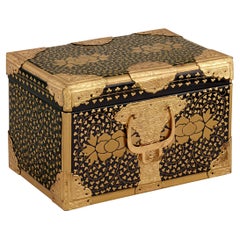
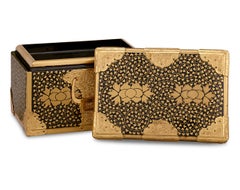
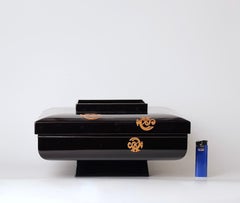
A Japanese Edo Period Lacquer Kogo (Incense) Box, late 17/early 18th Century

A Japanese Edo Period Lacquer Kogo (Incense) Box, late 17/early 18th Century

Located in Spencertown, NY

Early Japanese Lacquer Incense Box (Kogo) Late 17thc. Of rectangular form with soft corners, decorated with a diaper pattern in gold lacquer on a brownish black ground, with pewter r...

Category

17th Century Japanese Antique Edo Furniture

Materials

Pewter

Japanese Life-Size, Edo Period, Red and Black Lacquered Palanquin or Norimono

Japanese Life-Size, Edo Period, Red and Black Lacquered Palanquin or Norimono

Located in Amsterdam, NL

A Japanese red and black lacquered palanquin or norimono Edo period, early 19th century Made of lacquered wood, latticework and bamboo, black velvet and gauze with gilt scroll...

Category

Early 19th Century Japanese Antique Edo Furniture

Materials

Textile, Silk, Rattan, Rope, Wood

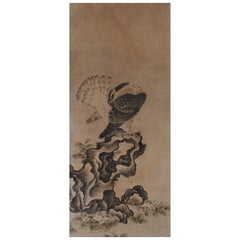
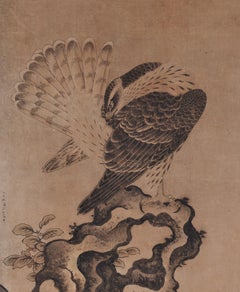
Rare Japanese Floor Screen of Perched Eagles Soga Shohaku Edo period

Rare Japanese Floor Screen of Perched Eagles Soga Shohaku Edo period

Located in Atlanta, GA

A rare six-panel Japanese folding floor screen (Byōbu) by Soga Shōhaku (1730-1781) from Edo period. The screen depicts six perched hawk-eagles in various poses positioned in a litera...

Category

18th Century Japanese Antique Edo Furniture

Materials

Brocade, Wood, Paper

Antique Chinese Bronze Statue Guanyin China 19th / 20th century

Antique Chinese Bronze Statue Guanyin China 19th / 20th century

Located in Amsterdam, Noord Holland

BRONZE top level Chinese statue Qing period, 19th century. Condition 29.5cm Period 19th century

Category

19th Century Japanese Antique Edo Furniture

Materials

Porcelain

Rare Japanese Ceramic Glazed Inro with Ojime Ogata Kenzan Edo Period

Rare Japanese Ceramic Glazed Inro with Ojime Ogata Kenzan Edo Period

Located in Atlanta, GA

A Japanese three-section inro made from ceramic with glazed painting with an original ensuite Ojime circa 18th century of Edo period signed by Ogata Kenzan (1663–1743). The circular ...

Category

18th Century Japanese Antique Edo Furniture

Materials

Ceramic

Antique Mixed Metal Japanese Shibuichi Vase/Ewer Bronze Japan Porcelain 19C

Antique Mixed Metal Japanese Shibuichi Vase/Ewer Bronze Japan Porcelain 19C

Located in Amsterdam, Noord Holland

Interesting and finely made mixed metal shibuichi vase. Very cool and of high quality. marked above the base rim. Condition There is a chip to the base rim and the upper rim has s...

Category

17th Century Antique Edo Furniture

Materials

Porcelain

Antique Japanese Woodblock - Watanabe Seitei Shotei woodcut Birds in a Tree

Antique Japanese Woodblock - Watanabe Seitei Shotei woodcut Birds in a Tree

Located in Amsterdam, Noord Holland

Description Watanabe Seitei (Shotei) Pigeons and Stone Lantern sheet measures: 11 1/2" H x 9" W Please note that shipping charges are inclusive of insurance, payment processing and c...

Category

19th Century Japanese Antique Edo Furniture

Materials

Paper

Early 19th Century Rimpa School Floral Screen

Early 19th Century Rimpa School Floral Screen

By Rimpa School

Located in Fukuoka, JP

Early 19th Century Rimpa School Floral Screen Period: Early 19th Century Dimensions: 367x171 cm (144.5x67.3 inches) SKU: RJ118 This 6-panel gold-leafed screen is a splendid represe...

Category

Early 19th Century Japanese Antique Edo Furniture

Materials

Gold Leaf

Nestuke in red lacquer carved in theform of a fan using the tsuishu technique

Nestuke in red lacquer carved in theform of a fan using the tsuishu technique

Located in PARIS, FR

Manju-type netsuke (round in form) in red lacquer, carved using the tsuishu technique (carved red lacquer), shaped as a fan and decorated with a carved scene of a scholar and his attendant. Round or oval in form, the manju netsuke...

Category

Late 18th Century Japanese Antique Edo Furniture

Materials

Lacquer

KataborI netsuke in black lacquer depicting the character "ju" or longevity

KataborI netsuke in black lacquer depicting the character "ju" or longevity

Located in PARIS, FR

Katabori-type netsuke (fully three-dimensional) in carved wood, lacquered in black, depicting the character ju (“longevity”). Signed Zanaka. Ink in East Asia is generally presented i...

Category

Early 19th Century Japanese Antique Edo Furniture

Materials

Lacquer

Katabori netsuke in boxwood in the form of a tachibana orange

Katabori netsuke in boxwood in the form of a tachibana orange

Located in PARIS, FR

Katabori-type netsuke (fully three-dimensional) in carved boxwood, in the form of a tachibana orange within its foliage, the peel on the reverse opened to reveal the segments. Signed...

Category

Early 19th Century Japanese Antique Edo Furniture

Materials

Boxwood

Boxwood nestuke in the form of a kettle transforming into a raccoon dog

Boxwood nestuke in the form of a kettle transforming into a raccoon dog

Located in PARIS, FR

Netsuke in carved boxwood, in the form of a kettle transforming into a raccoon dog (tanuki). The lid of the kettle, carved as a himotoshi (cord hole) on the back of the tanuki, is ma...

Category

Late 18th Century Japanese Antique Edo Furniture

Materials

Antler, Boxwood

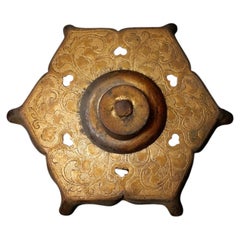
19th. c Large Lotus-Shaped Buddhist Temple Incense Burner with Sanskrit Cutouts

19th. c Large Lotus-Shaped Buddhist Temple Incense Burner with Sanskrit Cutouts

Located in Fukuoka, JP

An extraordinary Buddhist temple incense burner from Japan, dating to the late Edo period (18th–19th century). Finely cast in bronze, this ceremonial piece features intricate openwor...

Category

19th Century Japanese Antique Edo Furniture

Materials

Bronze

Japanese Silk Suijaku Scroll Nyorai-Kojin with Mixed Buddhism and Shinto Deities

Japanese Silk Suijaku Scroll Nyorai-Kojin with Mixed Buddhism and Shinto Deities

Located in Atlanta, GA

A Japanese silk Suijaku hanging scroll beautifully presented in a custom wood shadow box frame from Edo period (circa 18-19th century). The scroll, surmounted on golden brocade was painted in fine details with gouache, ink and gold powder highlight, served as a Suijaku mandala for the worshippers. Honji Suijaku is a complicated religious concept uniquely developed in Japan. It mixed and hybrid the Buddism deities with native shinto spirits (known as Kami), which were seen as local manifestations (the suijaku, literally means a "trace") of Buddhist deities (the honji literally the original ground). The original idea may lie with the synergetic strategy to spread Buddism by making it more relatable to the local population who had already worshiped Shinto gods. The paradigm, adopted in the 10th century from an orignal Chinese concept, remained a defining feature of Japanese religious life up to the end of the Edo period (1868). Instead of being confined to deities, its application was often extended to historical figures as shown on this scroll. This long hanging scroll depicts an arrangement of 21 figures including Buddhism and Shinto deities as well as two historical figures on the bottom. Each figure was name-tagged in Kanji for easy identification by the worshippers. It was used in the temple or shrine so that when the worshipper prayed in front the mandala, they prayed simultaneously to all the deities. On the very top, sits Nyorai-Kojin, a hybrid deity of Nyorai Buddha and Kojin, the kaki for fire, stove and kitchen. From the top to bottom and left to right, here is the list of the deities: Kanon with Thousand Hands, Kanon with Willow Branch, Monju Bosatsu...

Category

Early 19th Century Japanese Antique Edo Furniture

Materials

Silk, Wood

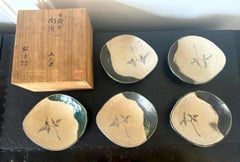
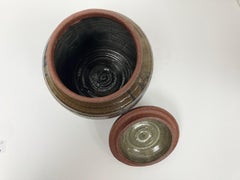
Japanese Sweet Dish in Wood Slab Form

Japanese Sweet Dish in Wood Slab Form

Located in Bridgeport, CT

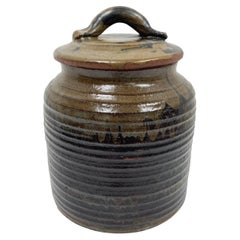
A finely crafted Japanese glazed Porcelain Sweet Dish in the form of a natural wood slab. In a deep Chocolate Brown glaze with good weight and bearing the marks of a wood slab with a...

Category

20th Century Japanese Edo Furniture

Materials

Porcelain

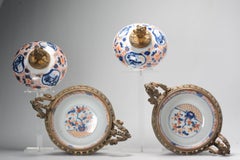
Antique 17th Century Japanese Porcelain Garniture Vases Blood and Milk Edo Pe

Antique 17th Century Japanese Porcelain Garniture Vases Blood and Milk Edo Pe

Located in Amsterdam, Noord Holland

Sharing with you this amazing set for decorating your home. Interesting and beautifully made. 3 porcelain Arita baluster vases with covers. All decorated with with a nice floral dec...

Category

17th Century Chinese Antique Edo Furniture

Materials

Porcelain

Pair Japanese Choshi Sake Ewers

Pair Japanese Choshi Sake Ewers

Located in Pasadena, CA

This is a wonderful pair of 19th century Octagonal Choshi or Sake Ewers that was created during the late Edo or Meiji Period. The Choshi are composed of an Octagonal finely cast iron kettle with and open end spout which differentiates them from the traditional Japanese tea kettle...

Category

Late 19th Century Japanese Antique Edo Furniture

Materials

Brass, Iron

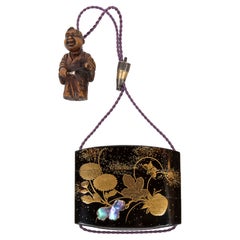
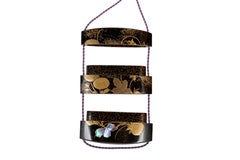
Rare Japanese Ceramic Glazed Inro with Ojime and Netsuke Ogata Kenzan Edo Period

Rare Japanese Ceramic Glazed Inro with Ojime and Netsuke Ogata Kenzan Edo Period

Located in Atlanta, GA

A Japanese four-section inro made from ceramic with glazed painting with original ensuite Ojime and Netsuke circa 18th century of Edo period signed by Ogata Kenzan (1663–1743). The r...

Category

18th Century Japanese Antique Edo Furniture

Materials

Ceramic

Antique Edo Period Japanese Porcelain Large Dish Fan Decoration, Ca 1700

Antique Edo Period Japanese Porcelain Large Dish Fan Decoration, Ca 1700

Located in Amsterdam, Noord Holland

Sharing with you this very nice edo period, 1666/1680, example. A rare version with Fan in the border Unmarked Additional information: Material: Porcelain & Pottery Region of Origin...

Category

17th Century Japanese Antique Edo Furniture

Materials

Porcelain

Japanese Nihonga Painting 19th Meiji Scroll Tajika Chikuson Landscape Nanga

Japanese Nihonga Painting 19th Meiji Scroll Tajika Chikuson Landscape Nanga

Located in Amsterdam, Noord Holland

[Authentic Artwork] ◆ Chikuson Tajika ◆ Autumn Landscape ◆ Master: Naoiri Tanomura ◆ Oita Prefecture ◆ Hand-Painted ◆ Silk Mounted ◆ Hanging Scroll ◆ Delve into the artistry of Chik...

Category

19th Century Antique Edo Furniture

Materials

Silk

Large Buddhist Bronze Temple Bell with Dragon Motifs and Inscription, 18th Centu

Large Buddhist Bronze Temple Bell with Dragon Motifs and Inscription, 18th Centu

Located in Fukuoka, JP

This stunning and unusually large Japanese Buddhist bronze temple bell dates to the 18th century and is richly decorated with two finely cast dragons in high relief. The bell bears a...

Category

18th Century Japanese Antique Edo Furniture

Materials

Bronze

Pair of Japanese Edo Period Musha Ningyo Courtier Dolls

Pair of Japanese Edo Period Musha Ningyo Courtier Dolls

Located in Austin, TX

Two exquisite Japanese musha ningyo dolls, crafted as courtiers, Edo Period, early 19th century, Japan. The older man can be identified as the h...

Category

Early 19th Century Japanese Antique Edo Furniture

Materials

Shell, Brocade, Silk, Glass, Wood, Paint, Paper

Netsuke in bamboo in the form of a mushroom

Netsuke in bamboo in the form of a mushroom

Located in PARIS, FR

Very elegant small netsuke carved from a short segment of bamboo, depicting three mushrooms caps growing at its top. Beautiful brown patina from use. Since traditional kimonos do not...

Category

Late 18th Century Japanese Antique Edo Furniture

Materials

Bamboo

Two Compatible Japanese Lacquered Calligraphy Stands

Two Compatible Japanese Lacquered Calligraphy Stands

Located in Bridgeport, CT

A decorative and colorful compatible pair of Japanese Calligraphy Stands in gilt and lacquer decoration. The red lift tops with elaborate lacquered and gilt decoration of birds and s...

Category

20th Century Japanese Edo Furniture

Materials

Wood

18th Century Nagasaki School Tiger Screen

18th Century Nagasaki School Tiger Screen

Located in Fukuoka, JP

18th Century Nagasaki School Tiger Screen Period: Edo Size: 165 x 172 cm (65 x 67.7 inches) SKU: PTA69 This exceptional 18th-century screen from the Edo...

Category

Early 18th Century Japanese Antique Edo Furniture

Materials

Wood, Paper

Japanese Woodblock Print the Fifty-Three Stations of the Tokaido by Hiroshige

Japanese Woodblock Print the Fifty-Three Stations of the Tokaido by Hiroshige

By Utagawa Hiroshige (Ando Hiroshige)

Located in Atlanta, GA

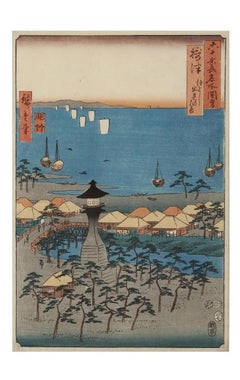
Artist: Utagawa Hiroshige (1797 - 1858) Series: The Fifty-three Stations of the Tokaido (Upright) Number: 40 Chiryu: The Former Site of the Irises at Eightbridge Village (Chiryu, Yatsuhashimura kakitsubata no koseki) Medium: Woodblock Print Date: 1855 Format: Vertical Oban Size (H x W): 14" x 9.25" print only. Publisher: Tsutaya Kichizo Seals: Aratame and date Signature: Hiroshige hitsu...

Category

1850s Japanese Antique Edo Furniture

Materials

Paper

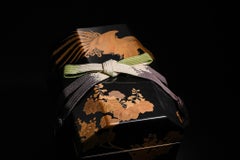
Edo Period Maki-e Lacquer Drum Box with Phoenix and Paulownia, 17th-19th Century

Edo Period Maki-e Lacquer Drum Box with Phoenix and Paulownia, 17th-19th Century

Located in Taichung, TW

Designer's Note: Historical Elegance: This drum box is a museum-quality example of Edo-period craftsmanship. Its presence adds an immediate sense of history and "Old World" Japanese...

Category

19th Century Japanese Antique Edo Furniture

Materials

Lacquer

Edo Period Kyoto Screen (2/2)

Edo Period Kyoto Screen (2/2)

Located in Fukuoka, JP

Edo Period Kyoto Screen Period: Edo period Size: 343 x 176 cm (134.6 x 69 inches) This stunning Edo period screen depicts typical scenes of daily life...

Category

18th Century Japanese Antique Edo Furniture

Materials

Silk, Wood, Paper

Japanese Two Panel Screen Manchurian Crane and Turtles

Japanese Two Panel Screen Manchurian Crane and Turtles

Located in Hudson, NY

In Japan, cranes symbolize fidelity as they mate for life and turtles symbolize longevity. Additionally, this screen also has the Japanese motif of sho-chiku-bai, or the three friends of winter (pine, plum, and bamboo). So called the three friends of winter because all three flourish during the cold months. This screen was originally fusuma doors...

Category

Mid-19th Century Japanese Antique Edo Furniture

Materials

Paper

19th century  Dragon lacquer box

19th century Dragon lacquer box

Located in Fukuoka, JP

Large Lacquered hexagonal box on stand depicting Dragon flying amidst the clouds. Unique , appliqués like lacquer technique created amazing effect of almost 3d effect. Multilayered ...

Category

19th Century Japanese Antique Edo Furniture

Materials

Wood, Lacquer

Netsuke in Boxwood in the form of a turtle hidden in its shell

Netsuke in Boxwood in the form of a turtle hidden in its shell

Located in PARIS, FR

Netsuke in boxwood in the form of a tortoise hiding in its shell with only its head overstepping. Textures from the shell are executed with realism precision and a great care for de...

Category

Late 18th Century Japanese Antique Edo Furniture

Materials

Wood

Edo furniture for sale on 1stDibs.

Find a broad range of unique Edo furniture for sale on 1stDibs. Many of these items were first offered in the 21st Century and Contemporary, but contemporary artisans have continued to produce works inspired by this style. If you’re looking to add vintage furniture created in this style to your space, the works available on 1stDibs include asian art and furniture, wall decorations, decorative objects and other home furnishings, frequently crafted with wood, metal and other materials. If you’re shopping for used Edo furniture made in a specific country, there are Asia, East Asia, and Japan pieces for sale on 1stDibs. While there are many designers and brands associated with original furniture, popular names associated with this style include Utagawa Hiroshige (Ando Hiroshige), Arita, Ryosuke Harashima, and Kitagawa Utamaro. It’s true that these talented designers have at times inspired knockoffs, but our experienced specialists have partnered with only top vetted sellers to offer authentic pieces that come with a buyer protection guarantee. Prices for furniture differ depending upon multiple factors, including designer, materials, construction methods, condition and provenance. On 1stDibs, the price for these items starts at $55 and tops out at $1,386,932 while the average work can sell for $2,989.