Cedar Furniture

to
103
521
355
682
489
13
260
90
14
12
9
8
8
3
3
3
2
2
1
24
152
313
695
101
123
48
5
4
6
9
5
30
36
15
5
2
1,202
366,814
303,678
211,028
154,744
609
509
247
235
225
1,184
535
788
232
47
39
30
18
Material: Cedar
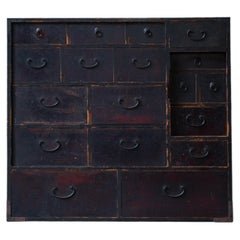
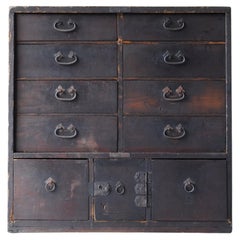
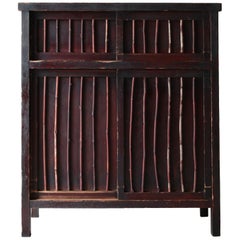
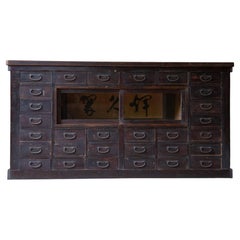
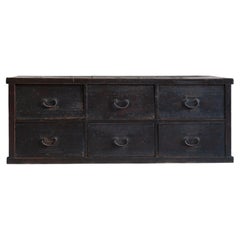
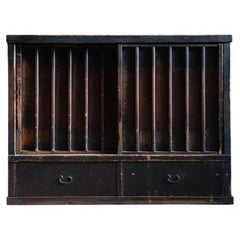
Japanese Antique Large Tansu 1860s-1920s / Sideboard Cabinet Wabi Sabi

Japanese Antique Large Tansu 1860s-1920s / Sideboard Cabinet Wabi Sabi

Located in Chōsei District Nagara, JP

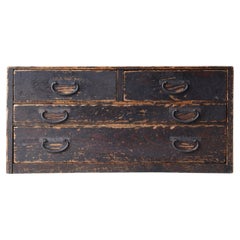
This is a large antique Japanese Tansu chest, distinguished by its long horizontal form, stable structure, and refined presence that quietly commands attention. Although minimal in d...

Category

Early 20th Century Japanese Taisho Cedar Furniture

Materials

Cedar

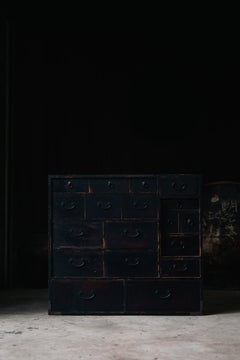
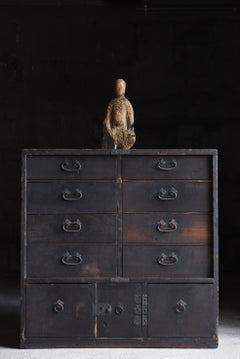
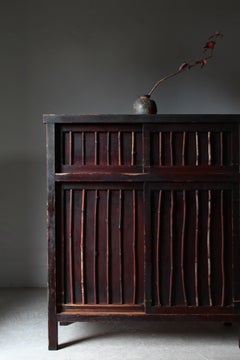
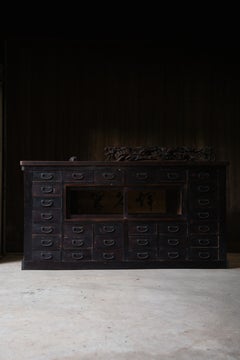
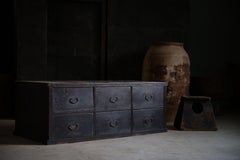
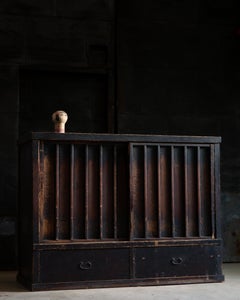
Japanese Antique Black Tansu 1860s-1900s / Sideboard Cabinet Wabisabi

Japanese Antique Black Tansu 1860s-1900s / Sideboard Cabinet Wabisabi

Located in Chōsei District Nagara, JP

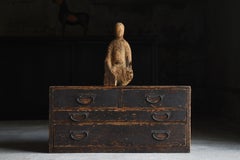
This is an antique black Japanese Tansu chest, a beautiful piece of traditional furniture that quietly stands with a deep sense of shadow, weight, and presence. Its refined form, str...

Category

Early 20th Century Japanese Meiji Cedar Furniture

Materials

Iron

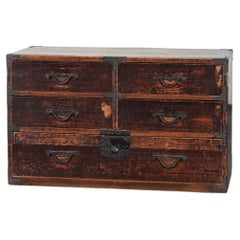
Japanese Antique Black Drawer Chest 1860s-1900s / Tansu Sideboard Wabi Sabi

Japanese Antique Black Drawer Chest 1860s-1900s / Tansu Sideboard Wabi Sabi

Located in Chōsei District Nagara, JP

This is an old Japanese black drawer cabinet. Quietly standing in space, it brings a deep sense of balance and quiet tension without ever appearing overly assertive. It is believed ...

Category

Early 20th Century Japanese Meiji Cedar Furniture

Materials

Iron

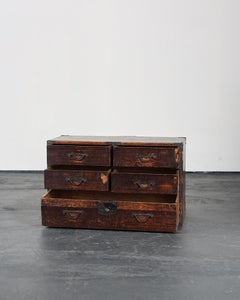
Japanese Antique Cabinet with Legs / Storage Tansu / 1868-1912s / Wabi-sabi

Japanese Antique Cabinet with Legs / Storage Tansu / 1868-1912s / Wabi-sabi

Located in Shizukuishi-cho, Iwate-gun, Iwate Prefecture

A stunning fusion of historical Japanese craftsmanship and modern functional design. This unique cabinet has been masterfully repurposed from an authentic Meiji Period (1868–1912) Ta...

Category

Late 19th Century Japanese Meiji Antique Cedar Furniture

Materials

Cedar, Pine

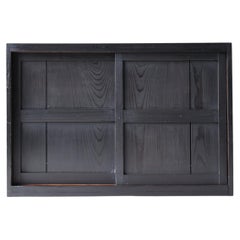
Japanese Antique Wooden Lattice Panel 1900s-1940s / Wall Art Wabisabi

Japanese Antique Wooden Lattice Panel 1900s-1940s / Wall Art Wabisabi

Located in Chōsei District Nagara, JP

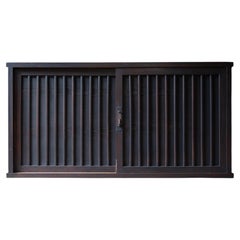
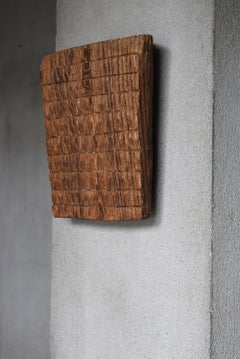
This is an old Japanese panel featuring a lattice design. The delicate vertical slats are arranged in an orderly rhythm, presenting a quiet yet tense beauty. It is believed to have o...

Category

Mid-20th Century Japanese Showa Cedar Furniture

Materials

Cedar

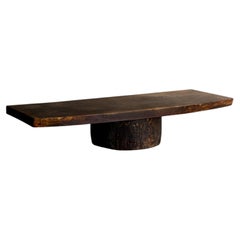
Japanese antique tree stump low stool / Early 20th century / Bonsai stand

Japanese antique tree stump low stool / Early 20th century / Bonsai stand

Located in Sammu-shi, Chiba

This is an old low stool made from a tree stump, thought to have been made in Japan during the Taisho to early Showa period, in the early 20th century. It was cut from a section clos...

Category

Early 20th Century Japanese Taisho Cedar Furniture

Materials

Cedar

Japanese Antique Black Tansu 1860s-1920s / Sideboard Nightstand Wabisabi

Japanese Antique Black Tansu 1860s-1920s / Sideboard Nightstand Wabisabi

Located in Chōsei District Nagara, JP

This is an old Japanese black Tansu chest. Its horizontally balanced proportions and deep black tone create a quiet sense of stability, bringing a calm visual weight to any space. Wi...

Category

Early 20th Century Japanese Taisho Cedar Furniture

Materials

Cedar

Japanese Antique Large Slim Black Tansu / Sideboard / 1868-1912s / Wabi-sabi

Japanese Antique Large Slim Black Tansu / Sideboard / 1868-1912s / Wabi-sabi

Located in Shizukuishi-cho, Iwate-gun, Iwate Prefecture

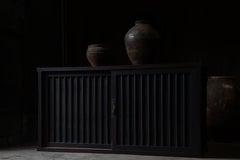
A testament to Japanese craftsmanship, this exquisite Mizuya Tansu (kitchen chest) embodies the serene beauty of the Wabi-Sabi aesthetic. Its deep, rich, darkened patina—cultivated ...

Category

Late 19th Century Japanese Meiji Antique Cedar Furniture

Materials

Cedar, Pine

Original Edmond Spence "Yucatan" Chair

Original Edmond Spence "Yucatan" Chair

By Edmond J. Spence

Located in Mexico City, CDMX

Iconic “Yucatán” chair designed by Edmund Spence and produced in Mexico by Industria Mueblera S.A. as part of the celebrated Continental-American Collection. This piece represents an...

Category

1950s Mexican Mid-Century Modern Vintage Cedar Furniture

Materials

Cedar

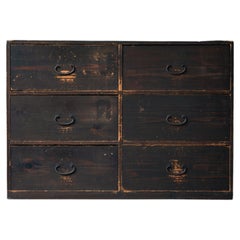
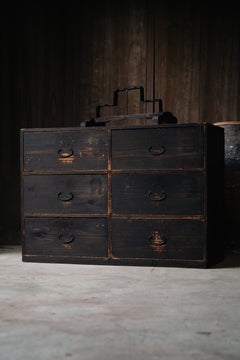
Japanese Antique Drawer Chest 1860s-1920s / Sideboard Wabi Sabi

Japanese Antique Drawer Chest 1860s-1920s / Sideboard Wabi Sabi

Located in Chōsei District Nagara, JP

This is an antique Japanese chest of drawers. With its quiet presence, it embodies the essence of Japan’s everyday living culture, offering a refined and understated beauty. The thre...

Category

Early 20th Century Japanese Meiji Cedar Furniture

Materials

Iron

Japanese Antique Storage Shelves / Shoe Cabinet / 1900-1940s / Wabi-sabi

Japanese Antique Storage Shelves / Shoe Cabinet / 1900-1940s / Wabi-sabi

Located in Shizukuishi-cho, Iwate-gun, Iwate Prefecture

This is an old Japanese storage shelf. It is made of cedar and is thought to have originally been used as a shoe cabinet. The design of the wooden doors is the result of the maker's...

Category

Early 20th Century Japanese Showa Cedar Furniture

Materials

Wood, Cedar

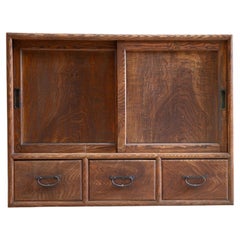
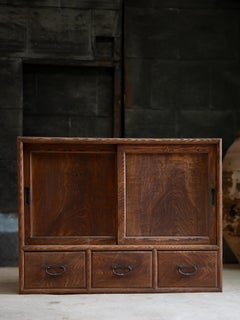
Wabi-Sabi Japanese Antique Keyaki Mizuya Tansu chest Early 20th C

Wabi-Sabi Japanese Antique Keyaki Mizuya Tansu chest Early 20th C

Located in 常陸大宮市, JP

A finely crafted Japanese Mizuya tansu from the early 20th century, circa 1910s to 1930 (Taisho to early Showa period). Constructed from richly figured keyaki wood, prized for its s...

Category

Early 20th Century Japanese Taisho Cedar Furniture

Materials

Wood, Hardwood, Cedar

Japanese Antique Tansu Drawer Chest Edo Meiji Small Drawers Wabi Sabi Cabinet

Japanese Antique Tansu Drawer Chest Edo Meiji Small Drawers Wabi Sabi Cabinet

Located in Sammu-shi, Chiba

This is a Japanese antique drawer chest, believed to date from the late Edo period to early Meiji period circa 1800s to 1900s. Constructed from solid wood and finished in a deep tim...

Category

Early 20th Century Japanese Meiji Cedar Furniture

Materials

Iron

Japanese Antique Large Black Tansu 1860s-1900s / Sideboard Wabisabi

Japanese Antique Large Black Tansu 1860s-1900s / Sideboard Wabisabi

Located in Sammu-shi, Chiba

This exceptional Japanese mizuya tansu dates to the Meiji period, circa 1860s to 1900s, and is crafted from solid cedar wood. It embodies the quiet refinement of traditional Japanese...

Category

Late 19th Century Japanese Meiji Antique Cedar Furniture

Materials

Iron

Japanese Showa Four Panel Screen Persimmon Branch in Snow

Japanese Showa Four Panel Screen Persimmon Branch in Snow

Located in Rio Vista, CA

Charming Japanese 20th century Showa period four-panel folding byobu screen depicting a fruiting persimmon branch over a dramatic gilt silk ground. The painting is executed in the Ni...

Category

20th Century Japanese Showa Cedar Furniture

Materials

Brass

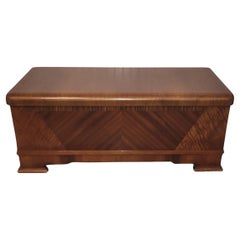
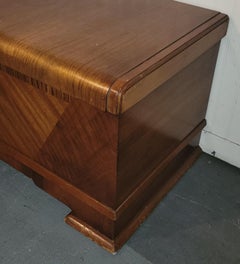
20Thc Cedar Wood Trunk /Blanket Chest

20Thc Cedar Wood Trunk /Blanket Chest

Located in Los Angeles, CA

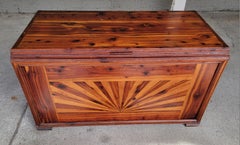
This beautiful & sleek cedar chest or trunk is in fine as found condition .This cedar chest has a inside slide tray for other small items or treasures.

Category

Mid-20th Century American Adirondack Cedar Furniture

Materials

Cedar

Japanese Antique Large Tansu 1860s-1900s / Sideboard Cabinet Wabi Sabi

Japanese Antique Large Tansu 1860s-1900s / Sideboard Cabinet Wabi Sabi

Located in Chōsei District Nagara, JP

This is a large antique Tansu made in Japan. It was crafted during the Meiji period (1860s–1900s) and is made of cedar wood. The soft grain characteristic of cedar and the wood surfa...

Category

Early 20th Century Japanese Meiji Cedar Furniture

Materials

Cedar

Japanese Antique Large Black Primitive Cabinet / Sideboard Tansu / Wabi-Sabi

Japanese Antique Large Black Primitive Cabinet / Sideboard Tansu / Wabi-Sabi

Located in Shizukuishi-cho, Iwate-gun, Iwate Prefecture

Overview A masterful blend of historical resonance and rustic minimalism, this one-of-a-kind primitive cabinet is a testament to timeless Japanese craftsmanship. The centerpiece of t...

Category

19th Century Japanese Primitive Antique Cedar Furniture

Materials

Reclaimed Wood, Pine, Cedar

Japanese Antique Cabinet/ Wabisabi / Taishō–Shōwa Period (1910s–1940s)

Japanese Antique Cabinet/ Wabisabi / Taishō–Shōwa Period (1910s–1940s)

Located in Sammu-shi, Chiba

A beautifully balanced Japanese antique storage cabinet crafted in Japan during the Taishō to early Shōwa period. Made primarily from Japanese cedar (sugi) and other native woods, th...

Category

Early 20th Century Japanese Taisho Cedar Furniture

Materials

Cedar

Japanese Antique Large Black Tansu / Cabinet Sideboard / 1868-1912s / Wabi-Sabi

Japanese Antique Large Black Tansu / Cabinet Sideboard / 1868-1912s / Wabi-Sabi

Located in Shizukuishi-cho, Iwate-gun, Iwate Prefecture

A Versatile Ceder Wood Cabinet Featuring a Rare Architectural Grid Back, Perfect as a Room Divider. This exceptional Mizuya Dansu (traditional Japanese kitchen...

Category

Late 19th Century Japanese Meiji Antique Cedar Furniture

Materials

Cedar
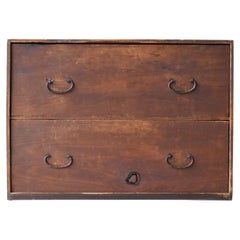
1900s-20s Meij-Taisho Japanese Wabi-Sabi Cabinet Yakusugi cedar, bamboo & copper

1900s-20s Meij-Taisho Japanese Wabi-Sabi Cabinet Yakusugi cedar, bamboo & copper

Located in 常陸大宮市, JP

This cabinet is crafted from high-quality Japanese Sugi cedar and dates to the Meiji–Taishō period (circa 1900s–1920s). It is made entirely from dense, high-grade Sugi wood, which h...

Category

Early 20th Century Japanese Meiji Cedar Furniture

Materials

Copper

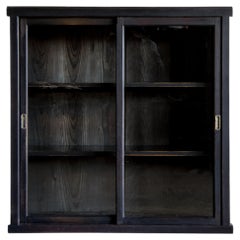
Japanese Antique Cabinet with Wavy Glass Doors, Taisho Era “1912–1926”

Japanese Antique Cabinet with Wavy Glass Doors, Taisho Era “1912–1926”

Located in Hitachiomiya-shi, 08

This glass-front cabinet was crafted in the Taisho Era (1912–1926). The case is made of hinoki (Japanese cypress). The exterior was originally finished in traditional Japanese urush...

Category

Early 20th Century Japanese Taisho Cedar Furniture

Materials

Cedar, Cypress

Japanese Antique Cabinet 1920s-1940s / Tansu Sideboard Wabisabi

Japanese Antique Cabinet 1920s-1940s / Tansu Sideboard Wabisabi

Located in Chōsei District Nagara, JP

This is an antique cabinet from Japan. It is a piece of furniture with a refined and quiet presence, creating a calm atmosphere simply by being placed in a space. Its unadorned, simp...

Category

Mid-20th Century Japanese Showa Cedar Furniture

Materials

Cedar

Japanese Harimaze Six Panel Screen Applied Edo Tanzaku Poems

Japanese Harimaze Six Panel Screen Applied Edo Tanzaku Poems

Located in Rio Vista, CA

Fascinating Japanese six-panel folding Harimaze Byobu screen featuring Edo period antique calligraphy fragments and poem cards (Tanzaku). The poems are applied to a later screen deco...

Category

20th Century Japanese Edo Cedar Furniture

Materials

Brass, Gold Leaf

Japanese temple building materials from the Edo period/antique display stand

Japanese temple building materials from the Edo period/antique display stand

Located in Sammu-shi, Chiba

This is a part of a structural building material that was used in an old Japanese temple. It is said to be reclaimed wood that was used in the lecture hall of Yakushiji, a famous tem...

Category

Late 19th Century Japanese Edo Antique Cedar Furniture

Materials

Cedar
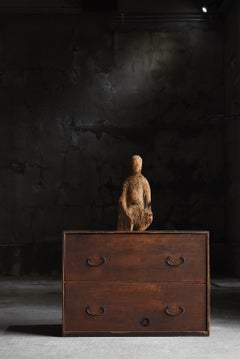
Mid 19th Edo Japanese Antique Wabi-Sabi Wooden Tansu Cabinet with Lattice Doors

Mid 19th Edo Japanese Antique Wabi-Sabi Wooden Tansu Cabinet with Lattice Doors

Located in 常陸大宮市, JP

This medium-sized mizura tansu (kitchen chest) dates to the mid-to-late Edo period (circa 1830s-1869), as determined by its style and condition. The original urushi lacquer has a ni...

Category

Mid-19th Century Japanese Edo Antique Cedar Furniture

Materials

Wood, Cedar

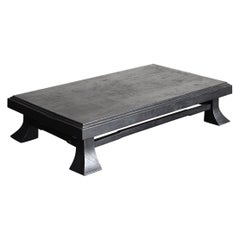
Japanese antique wooden storage box, Late Edo period , wabi-sabi coffee table

Japanese antique wooden storage box, Late Edo period , wabi-sabi coffee table

Located in Sammu-shi, Chiba

This piece is believed to be a wooden storage chest known as a karabi-bitsu, made in Japan during the late Edo period (approximately the 18th–19th century). The karabi-bitsu is a tra...

Category

Late 18th Century Japanese Edo Antique Cedar Furniture

Materials

Cedar, Cypress

Japanese Antique Large Tansu 1860s-1900s / Sideboard Wabi Sabi

Japanese Antique Large Tansu 1860s-1900s / Sideboard Wabi Sabi

Located in Sammu-shi, Chiba

This exceptional Japanese mizuya tansu dates to the Meiji period, circa 1860s to 1900s, and is crafted from solid cedar wood. It represents a refined example of traditional Japanese ...

Category

Late 19th Century Japanese Meiji Antique Cedar Furniture

Materials

Cedar
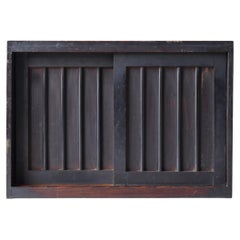
Japanese Antique Black Low Board 1860s-1900s / Tansu Drawer Chest Wabisabi

Japanese Antique Black Low Board 1860s-1900s / Tansu Drawer Chest Wabisabi

Located in Chōsei District Nagara, JP

This is an old Japanese black low board with drawers. Crafted during the Meiji period (1860s–1900s), it carries the quiet atmosphere of an era moving toward modernization, presenting...

Category

Early 20th Century Japanese Meiji Cedar Furniture

Materials

Iron

Japanese Antique Simple Large BK Tansu 1860s-1900s / Cabinet Sideboard

Japanese Antique Simple Large BK Tansu 1860s-1900s / Cabinet Sideboard

Located in Sammu-shi, Chiba

This is an antique Japanese chest of drawers. It features a simple design with only carved handles. It is a very old chest of drawers, and while it remains largely in its original c...

Category

Mid-19th Century Japanese Edo Antique Cedar Furniture

Materials

Cedar
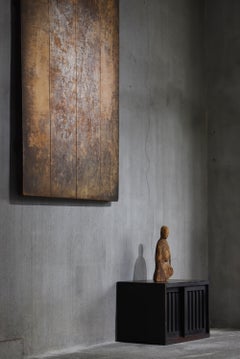
Japanese Antique Low Chest of Drawers, Taisho Era “1912–1926”, Wabi Sabi

Japanese Antique Low Chest of Drawers, Taisho Era “1912–1926”, Wabi Sabi

Located in Hitachiomiya-shi, 08

This antique low chest of drawers was crafted in the Taisho Era (1912–1926). Finished with traditional Japanese kakishibu (persimmon tannin) and soot-based pigment, the surface pres...

Category

Early 20th Century Japanese Taisho Cedar Furniture

Materials

Iron

Japanese Large Black Tansu Circa 1860's / Cabinet Wabi-Sabi

Japanese Large Black Tansu Circa 1860's / Cabinet Wabi-Sabi

Located in Sammu-shi, Chiba

This large Japanese tansu was crafted in the early 1900s and reflects a restrained yet powerful approach to utilitarian furniture. Made from solid cedar wood, the piece combines stru...

Category

Early 20th Century Japanese Meiji Cedar Furniture

Materials

Cedar

Shaker Storage Box
Shaker Storage Box

Shaker Storage Box

Located in New York, NY

A beautiful, finely crafted bentwood cedar Shaker style storage or decorative box, circa late-20th century, American. Box is a rich brown cedar wood tacked with hand forged brass nai...

Category

Late 20th Century American Shaker Cedar Furniture

Materials

Brass

Japanese Antique Large Tansu / Cabinet Sideboard / 1868-1912s / Wabi-Sabi

Japanese Antique Large Tansu / Cabinet Sideboard / 1868-1912s / Wabi-Sabi

Located in Shizukuishi-cho, Iwate-gun, Iwate Prefecture

Overview This exceptional 19th-century Japanese Mizuya Tansu (traditional kitchen cabinet) is a striking example of Meiji-era craftsmanship, blending functional storage with a bold, ...

Category

Late 19th Century Japanese Meiji Antique Cedar Furniture

Materials

Hardwood, Cedar

Japanese Antique Large Iron-Clad Door 1860s-1920s / Sliding Door Wabisabi

Japanese Antique Large Iron-Clad Door 1860s-1920s / Sliding Door Wabisabi

Located in Chōsei District Nagara, JP

This is a large antique iron-clad sliding door from Japan. Although it has a strong presence, its design is extremely quiet and stripped of decoration, allowing the beauty of the mat...

Category

Early 20th Century Japanese Meiji Cedar Furniture

Materials

Brass, Iron

Game Side Table C
Game Side Table C

Game Side Table C

By Chuch Estudio

Located in Mérida, MX

These side wooden stools capture the elegance and charm of antique card tables, where cards and camaraderie intertwined in endless afternoons. Each bench is meticulously designed wit...

Category

2010s Mexican Modern Cedar Furniture

Materials

Wood, Cedar

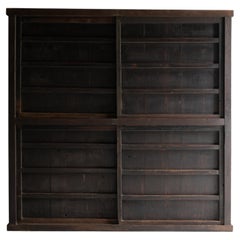
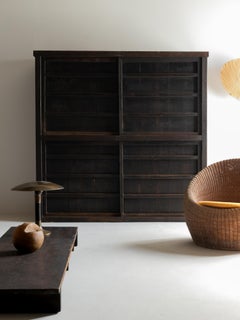
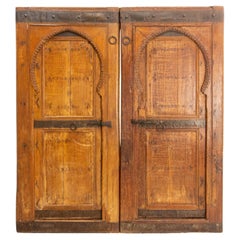
Antique Door "Wall Decoration"  from Japan 1860s-1900s / Abstract Art Wabi Sabi

Antique Door "Wall Decoration" from Japan 1860s-1900s / Abstract Art Wabi Sabi

Located in Sammu-shi, Chiba

This was a very old Japanese warehouse (kura) window sliding door. It was made during the Meiji period (1860s-1900s). The frame is made of cedar wood, and the base is hardened with s...

Category

Early 20th Century Japanese Meiji Cedar Furniture

Materials

Cedar

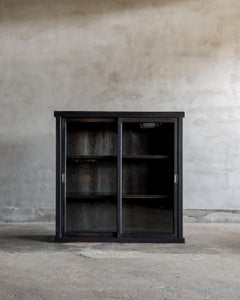
Japanese Antique Glass Cabinet, Early Showa Period “1926–”

Japanese Antique Glass Cabinet, Early Showa Period “1926–”

Located in Hitachiomiya-shi, 08

This glass cabinet was crafted in the early Showa period (1926–). Made of hinoki (Japanese cypress), it has a light and natural tone with a clean, honest wood surface. The simple co...

Category

Mid-20th Century Japanese Showa Cedar Furniture

Materials

Cedar, Cypress

Antique Wooden Zushi Shrine Cabinet Japan, Edo period (18th–19th century)

Antique Wooden Zushi Shrine Cabinet Japan, Edo period (18th–19th century)

Located in Sammu-shi, Chiba

A small shrine with a gentle, natural wood grain. Its simple yet well-proportioned form reveals traces of its use as a place of daily prayer. The doors open like double hinges, and...

Category

Late 19th Century Japanese Edo Antique Cedar Furniture

Materials

Cedar
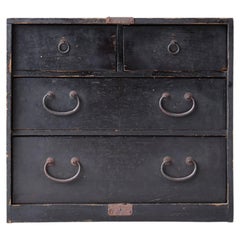
Japanese antique wooden wabi-sabi object / 1968-1920 / farming tools

Japanese antique wooden wabi-sabi object / 1968-1920 / farming tools

Located in Sammu-shi, Chiba

This is an old tabune, thought to have been made in Japan from the Meiji period to around the Taisho period (approximately the 1890s to the 1920s). It is likely one of the everyday t...

Category

Late 19th Century Japanese Meiji Antique Cedar Furniture

Materials

Cedar
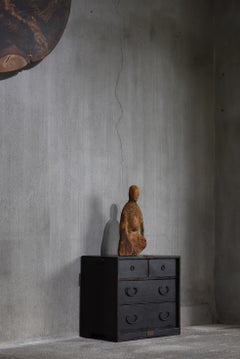
Antique Japanese Edo Tansu Chest, Multi Drawer Cabinet, Excellent Interior

Antique Japanese Edo Tansu Chest, Multi Drawer Cabinet, Excellent Interior

Located in 常陸大宮市, JP

Antique Japanese Tansu box chest of drawer, product of late Edo to early Meiji era (estimate 1850s-1900s). As showed in the paper labels remains on each drawer faces, This is used by...

Category

Late 19th Century Japanese Edo Antique Cedar Furniture

Materials

Wood, Cedar

Japanese Antique Drawer / Storage Tansu / 1900-1930s / Wabi-Sabi Mingei

Japanese Antique Drawer / Storage Tansu / 1900-1930s / Wabi-Sabi Mingei

Located in Shizukuishi-cho, Iwate-gun, Iwate Prefecture

A rare and thoughtfully designed early 20th-century Japanese Sugi (Cedar) chest, featuring a curated layout of nine drawers in two distinct, functional sizes. Crafted during the tra...

Category

Early 20th Century Japanese Taisho Cedar Furniture

Materials

Iron

Japanese Antique Huge Door " Wall Decoration " 1860s-1900s / Wabi Sabi"

Japanese Antique Huge Door " Wall Decoration " 1860s-1900s / Wabi Sabi"

Located in Sammu-shi, Chiba

Japanese Antique Huge Door " Wall Decoration " 1860s-1900s / Wabi Sabi This extraordinary large sliding door was once used in an old warehouse in Japan. Dating back to the Meiji per...

Category

Early 20th Century Japanese Meiji Cedar Furniture

Materials

Iron

Japanese antique door [wall decoration] / abstract painting-like object

Japanese antique door [wall decoration] / abstract painting-like object

Located in Sammu-shi, Chiba

This is a deeply evocative kura window that quietly tells the story of Japan’s old architectural culture. It dates from the Meiji period to the early Showa period and is thought to h...

Category

Early 20th Century Japanese Meiji Cedar Furniture

Materials

Hemp, Bamboo, Cedar

Japanese Antique Wooden Board Wall Decoration 1860s-1900s / Wabisabi

Japanese Antique Wooden Board Wall Decoration 1860s-1900s / Wabisabi

Located in Chōsei District Nagara, JP

This is an antique Japanese work board. Despite its simple form, it possesses a powerful presence, bringing a quiet tension and deep sense of depth to any space. It is estimated to ...

Category

Early 20th Century Japanese Meiji Cedar Furniture

Materials

Cedar

Japanese Antique Drawer / Storage Tansu / 1868-1912s / Wabi-Sabi Mingei

Japanese Antique Drawer / Storage Tansu / 1868-1912s / Wabi-Sabi Mingei

Located in Shizukuishi-cho, Iwate-gun, Iwate Prefecture

Overview An exceptional piece of Japanese history, this Meiji Period (1868–1912) Tansu showcases a rare and functional five-drawer layout. Crafted entirely from solid Sugi (Japanese ...

Category

Late 19th Century Japanese Meiji Antique Cedar Furniture

Materials

Iron

Japanese Antique BK Small Drawer Meiji / Tansu Storage Wabisabi

Japanese Antique BK Small Drawer Meiji / Tansu Storage Wabisabi

Located in Sammu-shi, Chiba

This is a very old black-lacquered drawer storage unit made in Japan. Judging from the handle design, it appears to date from the Meiji period. It is very old. It comes with a lock. ...

Category

19th Century Japanese Meiji Antique Cedar Furniture

Materials

Cedar
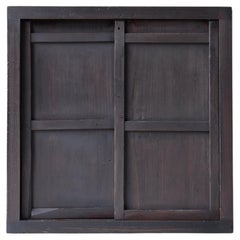
71" Vulcano Bench Made From A Single Block of Scented Cedarwood

71" Vulcano Bench Made From A Single Block of Scented Cedarwood

By Brodie Neill

Located in NEW YORK, NY

Experience the unique aroma of Vulcano scented cedar with this bench, sculpted from a single piece of wood. Its graceful arched base below the seat magnifies the exquisite wood grain...

Category

21st Century and Contemporary Italian Modern Cedar Furniture

Materials

Cedar
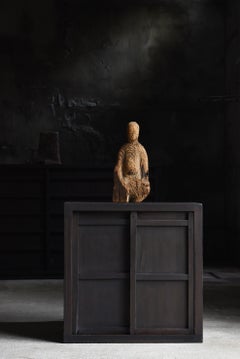
Japanese Antique Large Tansu / Cabinet Sideboard / 1868-1912s / Wabi-Sabi

Japanese Antique Large Tansu / Cabinet Sideboard / 1868-1912s / Wabi-Sabi

Located in Shizukuishi-cho, Iwate-gun, Iwate Prefecture

Description This exceptional Japanese merchant’s chest (Tansu), dating from the Meiji Period (late 19th century), is a masterclass in understated elegance and functional art. Unlike ...

Category

Late 19th Century Japanese Meiji Antique Cedar Furniture

Materials

Iron

71" Outdoor/Indoor Bench Made From A Single Block of Scented Cedar

71" Outdoor/Indoor Bench Made From A Single Block of Scented Cedar

By Brodie Neill

Located in NEW YORK, NY

Experience the unique aroma of scented cedar with this bench, sculpted from a single piece of wood. Its graceful arched base below the seat magnifies the exquisite wood grains and na...

Category

21st Century and Contemporary Italian Modern Cedar Furniture

Materials

Cedar
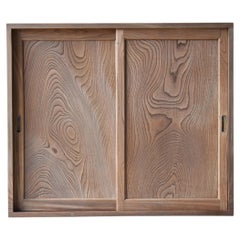
Japanese Antique Huge Sliding Door or Wall Decoration 1860s-1900s / Wabi Sabi

Japanese Antique Huge Sliding Door or Wall Decoration 1860s-1900s / Wabi Sabi

By Axel Vervoordt

Located in Chōsei District Nagara, JP

This is an old, large Japanese sliding door. It was crafted during the Meiji period (1860s–1900s) and was likely used in traditional houses or storehouses of the time. The material i...

Category

Early 20th Century Japanese Meiji Cedar Furniture

Materials

Iron

George Trollope & Sons fireplace & room, Paris Exhibition 1878 Gold Medal Winner

George Trollope & Sons fireplace & room, Paris Exhibition 1878 Gold Medal Winner

Located in London, GB

George Trollope and Sons. Exhibited at the Paris Universal Exhibition in 1878 winning a Gold Medal for Excellence. The set forms the four sides of a complete panelled room that was exhibited as a boudoir room or petit salon at the Paris Exhibition 1878 . The main feature and centrepiece of this boudoir room is the Rosso Antico marble fireplace surmounted by an open display niche carved in cedar wood. Each side of the room is composed of various panels and are as follows: One side with a grand Rosso Antico marble fireplace flanked by two doorways. One side with French doors originally opening onto a balcony, flanked by two large bookshelves. One side with a window flanked by two mirrors. The opposite side with three large mirrors. The complete room measures: 21 ft / 6.4 m wide, 17 ft / 5.18 m deep, and 12 ft / 3.65 m high. It could also be used in a number of different combinations to suit various room layouts. The mirrors could be replaced with windows or further bookcases. Each side is decorated with various sizes of finely carved panels and holds ornate Corinthian style columns surmounted with cherubim's on the capitals. Three cherubs are formed at the top of each corner with three columns, at the column bases there are circular carved pedestals to display statues. Published & illustrated in the ‘Illustrated Catalogue of the Paris International Exhibition’. The main part of this room, the Rosso Antico marble fireplace is surmounted by a large open display niche carved in cedar wood are illustrated with a line drawing in the Paris Universal Exhibition catalogue on page 209. The whereabouts of the seminaked caryatids and the marble bust of Alexander Pope are unknown. The bust of Alexander Pope was copied from the original one in Westminster Abbey, London. The Corinthian columns now flanking the niche above the fireplace are also in cedar wood having the identical carved fluting to the rest of the room and were made to replace the caryatid figures. Those Corinthian columns are period to the room and can only have been made shortly after it arrived back to London and before it was reassembled and fitted into the house built by George Trollope and Sons in the 1880's, and where we removed it all from. George Trollope made clever use of Alexander Pope's early 18th-century poetical successes in Great Britain and France by using ‘The Rape of Lock’, a mock-heroic narrative poem Pope wrote in 1712 about Petre who cut off a lock of Arabella’s hair without her permission, as the theme of the boudoir room or petit salon at the 1878 Paris Exhibition. In the original exhibition display of the room set, tapestries depicting the Rape of Lock were hung where the mirrors are now positioned. Alexander Pope's The Rape of the Lock is a humorous indictment of the vanities and idleness of 18th-century high society. Basing his poem on an actual incident among two families of his acquaintance, Pope intended his verses to quench hot tempers and to encourage his friends to laugh at their own foolishness. The poem is an outstanding example in the English language of the genre of mock-epic. The 'epic' was considered one of the most serious of literary forms; it had been applied, in the classical period, to the trivialities of love and war. Pope’s mock-epic is not to mock the form itself, but to mock his society in its very failure to rise to epic standards, exposing its pettiness by casting it against the grandeur of the traditional epic subjects and the bravery and fortitude of epic heroes: Pope’s mock-heroic treatment in The Rape of the Lock underlines the ridiculousness of a society in which values have lost all proportion, and the trivial is handled with the gravity and solemnity that ought to be accorded to truly important issues. The 18th-century society in this poem fails to distinguish between things that are important and things that are not. The poem mocks the men it portrays by representing them as unworthy of a heroic culture. Therefore the mock-epic follows the epic in that its main concerns are serious and moral. The point that the theme must now be satirical rather than earnest is symptomatic of how far the culture has fallen. Retaining the original exhibition label The back of the panelling still retains two original labels printed with the 'Union Jack' and printed adjacent to it, 'The Secretary Royal British Commission for the Universal Exhibition 1878 Champ de Mars Paris'. Adjacent to that and below, printed and written in ink vertically: Exhibitor: (and signed in ink) George Trollope & Sons. Address: (written in ink) Halkin Street West. London. Allotment in Block: (written in ink) a2. In the printed floor plan 'a2 square' is in the very first line to the right of the floor plan and handwritten in ink with a 'diamond shape' also written with '101' within it. This pin points where George Trollope's stand was located. With thousands of items being displayed at the Exhibition, this label would have been the floor plan for the craftsmen, so they knew the correct place to install the boudoir room or petit salon. The firm continued expanding house building and interior decoration side of the business and by 1849 was also trading as an estate agency, letting and controlling property for the Grosvenor Estates. A separate branch of cabinet-makers, bearing the family name, was opened at West Halkin Street, London. becoming known as 'The Museum of Decorative Arts' (looked after by George Robinson). Here Trollope and Sons also sold high-class antique furniture made by other makers. In 1851, the firm became formally known as George Trollope and Sons. West Halkin Street, London. The address was recorded in the listing for the firm in The Furniture Gazette Directory, 1876 & 1877. Period Press Coverage & Art Critic Review. everal newspapers also thoroughly describe George Trollope and Son's stand including the different tapestries that were hung where the mirrors are now, illustrating the poem 'The Rape of Lock', by Alexander Pope. Marius Vachon, a French Art Critic and journalist, who wrote for the journal ‘La France’ published an extensive review of the Trollope and Sons stand in a book called Les Merveilles de l'Exposition de 1878 (The Wonders of the 1878 Exhibition). Note: In the World Fairs translation it states door frame, Marius Vachon had originally written ‘chambranle’ in French, 'chambranle' loosely translates to a frame around something, and should read in its correct context: ‘fireplace in rosso antico’. We have taken the extract below written by Marius Vachon in its translated form from: Les Merveilles de l'Exposition de 1878, (The Wonders of the 1878 Exhibition). This puts into perspective the importance of this fine quality room interior when he viewed it at the exhibition in 1878: Marius Vachon: English furniture is very curious to observe; irreproachable from the point of view of execution, the furniture of our neighbours always reaches the last degree of respectability and comfort. One thing to be noticed is that for large pieces of furniture, the English upholsterer is transformed into a sort of architect; everything he makes takes on a monumental aspect. The first object that catches the eye when one enters the furniture class is the beautiful boudoir-salon exhibited by Mr. Trollope. The boudoir (or petit salon), of carved cedar wood, is an attempt to reproduce the style which prevailed in England during the first decade of Queen Anne's reign, and all the details have been studied, but not copied, from examples of decorative work of the time. The fireplace is in "rosso antico" movement, and the ceiling is in portable plaster. The panels painted on canvas represent scenes from the heroic-comic poem "The Abduction of the Hairpin," (The Rape of Lock) written by Alexander Pope in 1712, the eighth year of Queen Anne's reign, in which the customs and mores of the time are satirized in a pleasing manner. The apotheosis of the Loop and its sidereal transformations will form the decoration of the ceiling. In these illustrations of Pope's charming poem, the costumes and accessories have been taken from models of the time; and the bust of the poet, copied from his tomb in Westminster Abbey, occupies the niche in the centre of the mantelpiece. M. Marius Vachon, the period writer of the above continues with: Now we shall mention at random the magnificent dining table of Messrs. Johnston and Co., their oak mantelpiece, their boudoir table; Mr. Watt's drawing-room mantelpiece stepped in the old style and imitating the Japanese; Mr. James Shoolbred's great The Decorative Arts Society on Trollope and Sons The boudoir or petit salon is mentioned again in the Decorative Arts Society: Trollope did not exhibit such highly rated objects at the 1878 Paris Exhibition as at previous exhibitions; items included a large mirror frame carved in limewood in Renaissance style and a satinwood cabinet in Adam revival style, with a similar armchair (illus. Meyer (2006), p. 242) and probably two rooms; one was a boudoir in cedar wood in Queen Anne style and the other was a boudoir decorated by the firm in the theme of Pope’s The Rape of Lock. In the above extract, it is quite clear that the two rooms mentioned are in fact the very same room, because the fireplace and niche are illustrated in The Paris Universal Exhibition catalogue on page 209 and Marius Vachon describes the rest of the room set in the above… Trollope and Sons exhibition pieces listed and described by Meyer in an article he wrote for: The Decorative Arts Society 1850 to present, Journal 25 in 2001., where he points out the importance of George Trollope and Sons and mentions a table by Trollope exhibited at the 1867 exhibition that sold for £40,000 in 1996. He also mentions a cabinet exhibited by Trollope at the International Exhibition of 1862 that sold at Sotheby's in 1997 for £150,000. Interest was not as strong in the 1990's as it is today for rare exhibition pieces, high quality items were abundant back then, it was a golden era when the most beautiful works of art just kept coming onto the market. But there are exceptions as in this instance, when a unique, gold medal-winning exhibition work of art comes onto the market for the very first time. Meyer continued researching and writing about the great exhibitions and released his book in 2006, 'The Great Exhibitions, London, New York, Paris and Philadelphia 1851- 1900, where he mentions only in passing, The Boudoir Room or Petite Salon exhibited by Trollope, he even states that an image was not reproduced and that Trollope's exhibits in 1878 were not up to the quality and class of the items Trollope exhibited in London in 1862 and Paris in 1868. This is probably because Meyer didn't know of the line drawing illustrating the Roso Antico Fireplace, Niche and Panelling reproduced in The Illustrated Catalogue of the Paris International Exhibition 1878 shown in the above which Geering recently uncovered. John Meyer continues in the DAS journal: Undoubtedly they (Trollope) are a firm worthy of further research as they were right at the forefront of the furniture business in London from 1860 to 1880. Our research shows that the Petite Boudoir was awarded the gold medal for excellence in 1878 (see Journal La Liberté 23-10-1878 with the list of all medals attributed), something George Trollope and Sons did not achieve at the London 1862 and the Paris 1867 exhibitions. Jonathan Meyer joined Bonham's in 1977. He was Director at Sotheby's in charge of 19th Century Furniture from 1994 to June 2007. He was also chairman of the Fine Arts Faculty for The Royal Institute of Chartered Surveyors. In the original description from the article in Les Merveilles de l’exposition de 1878, M. Marius Vachon states: The first object that catches the eye when one enters the (English) furniture class is the beautiful boudoir-salon exhibited by Mr. Trollope. Suggesting, it was in his opinion the very best on display in the English section, and being awarded the gold medal for excellence can only add weight to this. Adjacent to the original label that was printed by The Secretary - Royal British Commission for the Universal Exhibition 1878 in stencil ‘TO BE KEPT’, i.e. ‘to be returned’. This confirms why it came back to London. We removed the Boudoir Room or Petite Salon from a Trollope house, part of a grand high-class housing estate in London which around the time of the exhibition Trollope and Sons were in the process of building, and where the room set was installed directly after it returned from the exhibition in 1878 until now. Worthy of note is the machines that did the carving for the Boudoir Room or Petite Salon and also did all of the decorative carving (most of which was linenfold carving) for the Houses of Parliament, London. This machine, the engraving and description of which we copy from Engineering, was specially designed by its inventor, Mr. Jordan, for assisting in the production of the vast amount of carved decorations required for the walls and ceilings of the Houses of Parliament, London, and it was so employed during the entire progress of the work. The late Sir Charles Barry was so well satisfied with it, that he frequently declared it would have been impossible to have accomplished the work without it. The Department of Woods and Forests employed five of the machines at the Government Works, Thames Bank, for several years; and the machines have now passed into the hands of Messrs. George Trollope and Son, and are still used in the same building. They also exhibited the new technique of xylatechnography and sgraffito, methods of impressing coloured design into soft wood and engraving veneer to reveal the base wood. The newspaper, La Liberte October, 23rd 1878 listing the medal winners of the Paris 1878 exhibition. Third column, ''GROUPE III MOBILIER ET ACCESSOIRES'', (GROUP III FURNITURE AND ACCESSORIES). Medailles d'or. (Gold Medals) where G Trollope et fils (G Trollope and Sons...

Category

1870s Antique Cedar Furniture

Materials

Marble

Frusquin Side Table by Liaigre

Frusquin Side Table by Liaigre

By Christian Liaigre

Located in Miami Beach, FL

Frusquin Side Table Side table in standard Lacquer finishes. DIMENSIONS: 11 DM x 17 H in FINISHES: Lacquer (Purple) Premium Finish Category: Side Tables & Nightstands Designer: C...

Category

2010s French Modern Cedar Furniture

Materials

Cedar, Lacquer

Japanese Antique Black Drawer Storage 1860s-1900s / Tansu Sideboard Wabisabi

Japanese Antique Black Drawer Storage 1860s-1900s / Tansu Sideboard Wabisabi

Located in Chōsei District Nagara, JP

This is an old Japanese chest of drawers, handcrafted during the Meiji period (1860s–1900s). It is a fine example of traditional Japanese craftsmanship from that era. The body is mad...

Category

Early 20th Century Japanese Meiji Cedar Furniture

Materials

Iron

Riva 1920 TORNADO – Solid Cedar Wood Dining Table by Isabelle Rigal

Riva 1920 TORNADO – Solid Cedar Wood Dining Table by Isabelle Rigal

By Riva 1920

Located in Alcamo, IT

The TORNADO table by Riva 1920, designed by Isabelle Rigal, is a sculptural dining table crafted entirely from solid cedar wood. Defined by dynamic geometric forms and strong materia...

Category

2010s Italian Cedar Furniture

Materials

Cedar
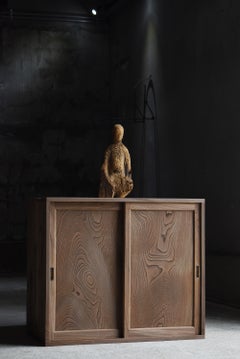
Japanese Antique Tansu Chest of Drawers, Early Meiji Era ‘1868–1912’, Wabi Sabi

Japanese Antique Tansu Chest of Drawers, Early Meiji Era ‘1868–1912’, Wabi Sabi

Located in Hitachiomiya-shi, 08

This Japanese antique chest of drawers was crafted in the Early Meiji Era (1868–1912). The form is simple and unadorned, reflecting its origins as a practical storage piece. A nota...

Category

Late 19th Century Japanese Meiji Antique Cedar Furniture

Materials

Iron

Antique Tin Door " Wall Decoration " from Japan 1920s-1950s / Wabi Sabi

Antique Tin Door " Wall Decoration " from Japan 1920s-1950s / Wabi Sabi

By Axel Vervoordt

Located in Sammu-shi, Chiba

This is a very old Japanese tin door. It dates from the early Showa period (1920s-1950s). The iron plate is mounted on a cedar wood frame. Having rusted over many years, it has an...

Category

Early 20th Century Japanese Showa Cedar Furniture

Materials

Tin

Japanese Antique Large Tansu 1860s-1900s / Sideboard Cabinet Storage Wabi Sabi

Japanese Antique Large Tansu 1860s-1900s / Sideboard Cabinet Storage Wabi Sabi

Located in Chōsei District Nagara, JP

This is a large antique Tansu chest from Japan, crafted during the Meiji period (1860s–1900s). It is made of Japanese cedar, whose surface has gained depth and character over time, c...

Category

Early 20th Century Japanese Meiji Cedar Furniture

Materials

Cedar
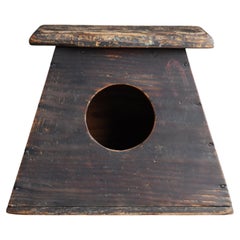
Stool / Table in Carbon Dyed Cedar with Black Marble Insert by Hinterland Design
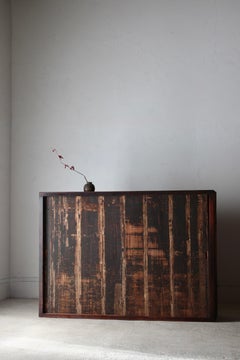
Stool / Table in Carbon Dyed Cedar with Black Marble Insert by Hinterland Design
By Hinterland Design

Located in Vancouver, BC

Cast-off cedar logs are given second life as a crystalline form. Named Little Gem, the natural beauty of reclaimed wood is harnessed in this side table and sculpture piece where nature informs design. Each Little Gem is hand-shaped and faceted based on the different characteristics of the log used, and variations in wood grain. Top surface and finish further ensure that no two are alike. Left to weather outdoors, this piece will acquire a natural silver finish. Stool is sold as an individual piece. Shown in main image is carbon-dyed Western red cedar...
Category

2010s Canadian Modern Cedar Furniture
Materials

Stone, Marble, Carrara Marble, Metal