By Brendan H. Johnston
Located in New York, NY
Brendan H. Johnston
(American, b. 1984)
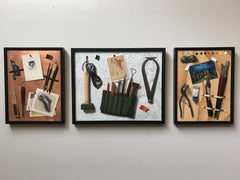
Drawing, Sculpture, and Painting
2020
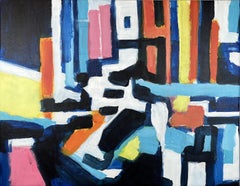
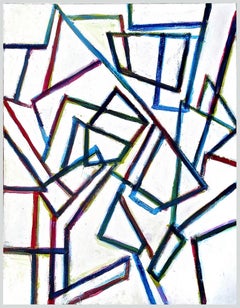
Drawing
Signed in monogram and dated, lower left: BHJ 20
Oil on copper panel
16 x 12 inches (40.6 x 30.5 cm)
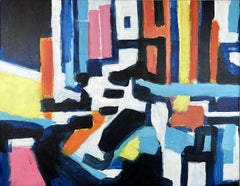
Sculpture
Signed in monogram and dated, lower left: BHJ MMXX
Oil on marble panel
16 x 20 inches (30.6 x 50.8cm)
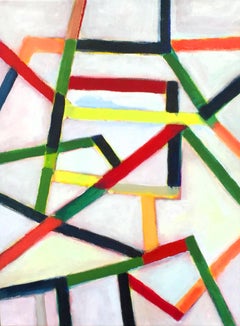
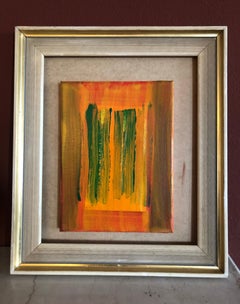
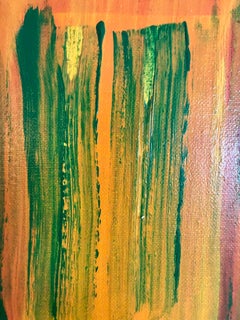
Painting
Signed in monogram and dated, lower left: BHJ 20
Oil on wood panel
16 x 12 inches (40.6 x 30.5 cm)
The tradition of trompe l’oeil painting can be traced back to antiquity and its most famous painters—the Greeks Zeuxis and Parrhasius—who painted illusionistic paintings in a contest to settle their rivalry. As Pliny the Elder related in his Naturalis Historia, while Zeuxis painted a still-life of grapes that tempted a bird to try to pluck one from the bunch, Parrhasius painted a curtain so realistic that Zeuxis reached out to pull it aside. Artists and collectors from the Renaissance to today have been captivated by the story of Zeuxis and Parrhasius, as well as by the illusionistic deception of trompe l’oeil paintings. Some of the most visually arresting and memorable paintings in the history of art are works in this genre, from Van Eyck to Magritte.
A particular genre of trompe l’oeil in which a variety of objects are fictively hung, suspended, or attached to a flat surface emerged in the seventeenth century. Letter racks, gun racks, doors, cabinets, and windows were the setting for the painted illusion of life-size items that might normally appear in such contexts. While the technical prowess of the artist was well-demonstrated by these realistic visual jokes, a subtle message might well be embedded by the choice and placement of the objects depicted. In the late nineteenth century, the tradition of these trompe l’oeil paintings jumped the Atlantic and achieved new life with artists such as J. F. Peto, William Harnett, and John Haberle...
Category
21st Century and Contemporary American Realist Marble Still-life Paintings