#murano #glass
Barry Wolfryd (1952)
Barry Wolfryd, born in Los Angeles and a naturalized Mexican, has spent most of his artistic career in Mexico, where he has lived for the past 35 years. The music of the sixties and the art scene of New York influenced his first creative trails.
Wolfryd began his art studies in 1972 at Housatonic Community College in Bridgeport, Connecticut. At the age of 22 he moved to Mexico. He settled in Cholula, Puebla and continued his studies at the University of the Americas. In 1975 he enrolled in the Allende Institute in San Miguel Allende, Guanajuato. In 1982 he studied at the Institute of Art in Chicago and in 1984 at the National Institute of Arts in San Luis Potosi. In 1985 he moved to Mexico City, where he expanded his artistic activities. Wolfryd became an active player in the new vision and dynamics that surpassed what was established by the previous generation of artists, such as Cuevas and Tamayo.
In 1986 he had his first major solo exhibition and began to participate in national and international shows in capitals such as Mexico City, Chicago, Dallas, San Antonio, Los Angeles, New York and Rome. In 1987 he began his collaboration with the Salon des Aztecas, an artistic group that broke with the dominant trends in the visual arts in Mexico, the group intervened collectively by annexing public spaces and buildings
For art related projects.
In 1998 he founded the experimental space Out Gallery that, together with the Salon des Aztecas, La Zona and La Quiñonera, created one of the most dynamic artistic phenomena in Mexico City. In Los Angeles, he opened a workshop at The Brewery (2005-2008), a conglomeration of more than 150 studios for artist. There his work took a new direction, with a political approach, questioning consumerism. Between 2008 and 2011, again in Mexico, he made a pictorial series to document the violence that the country suffers as a result of organized crime activities.
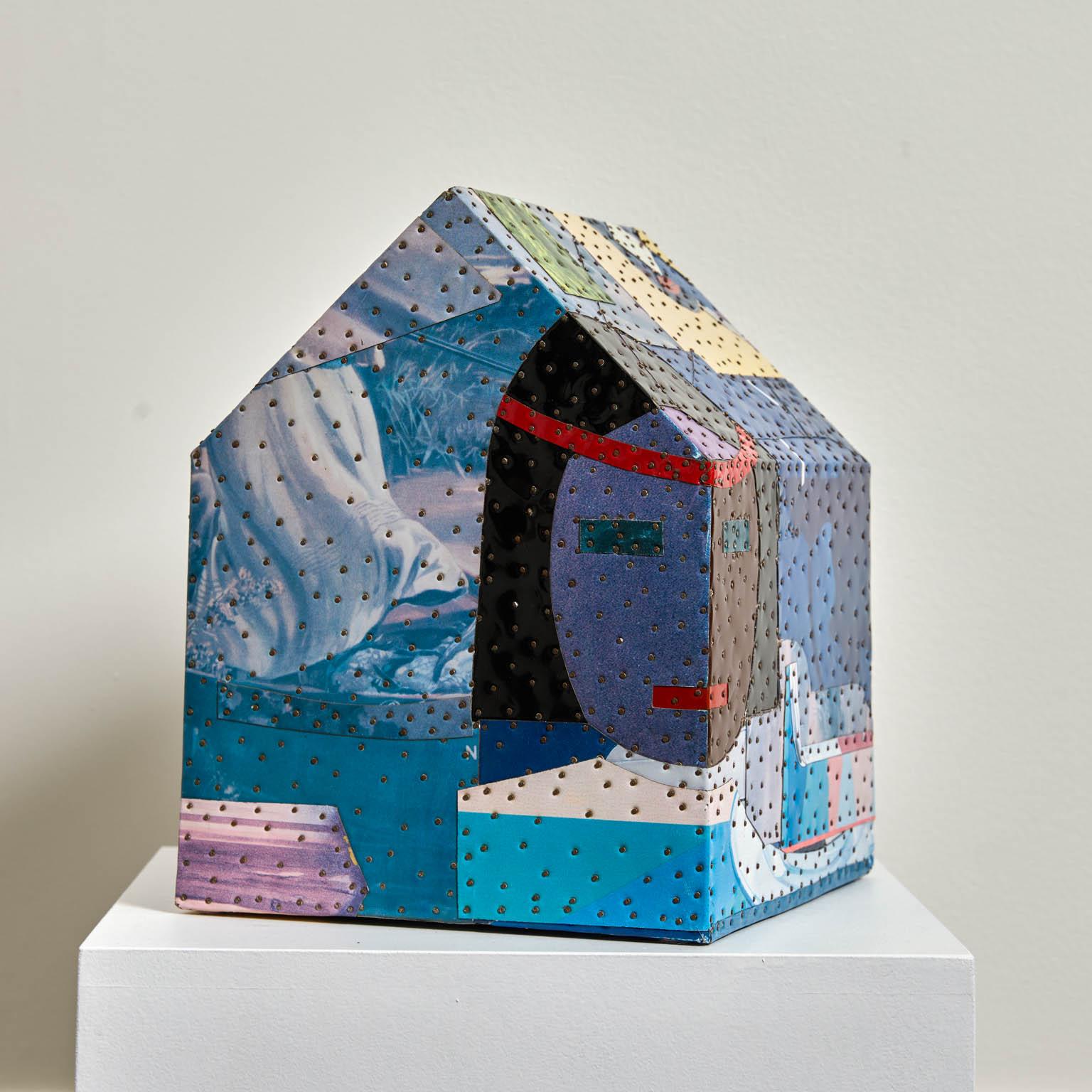
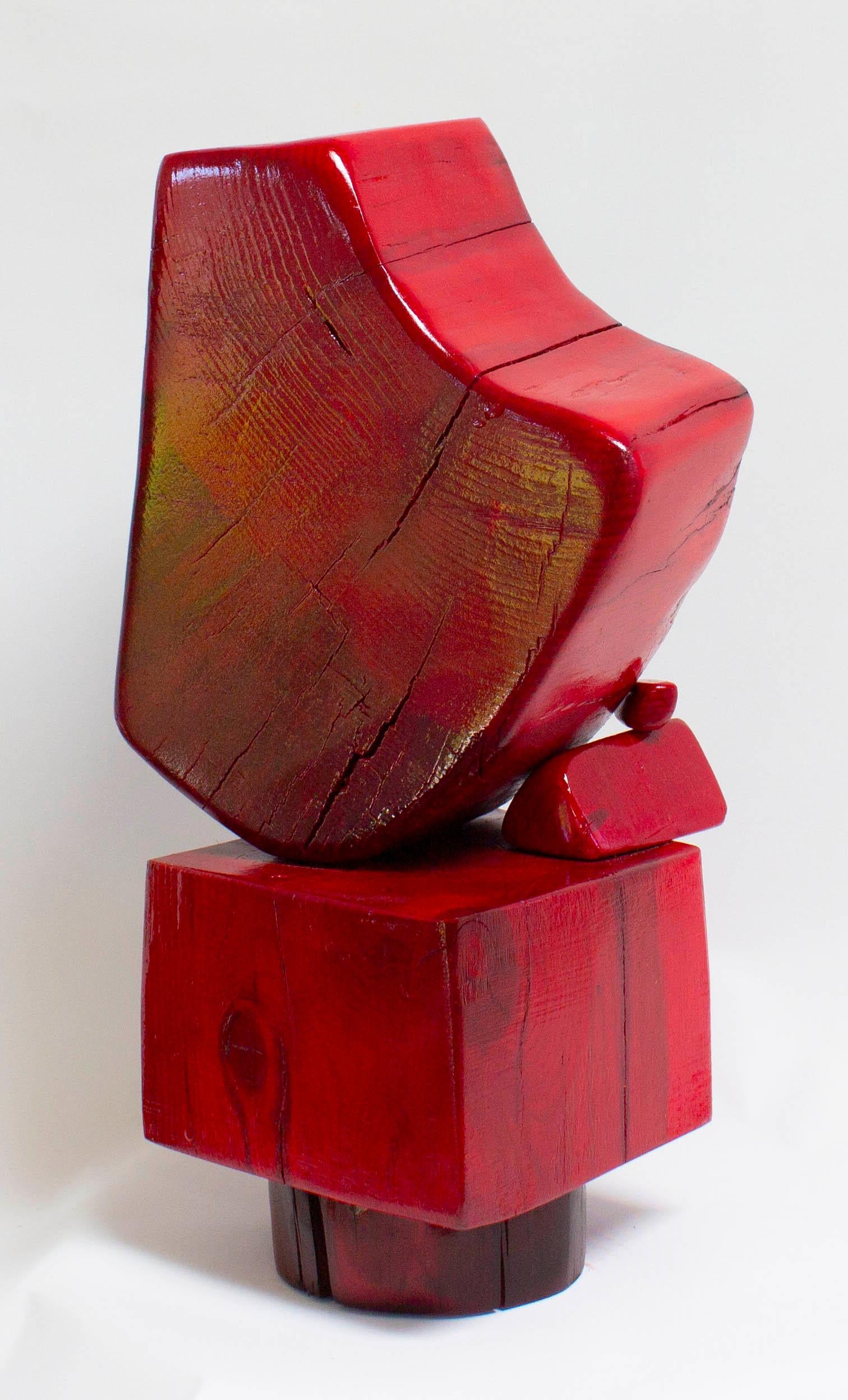
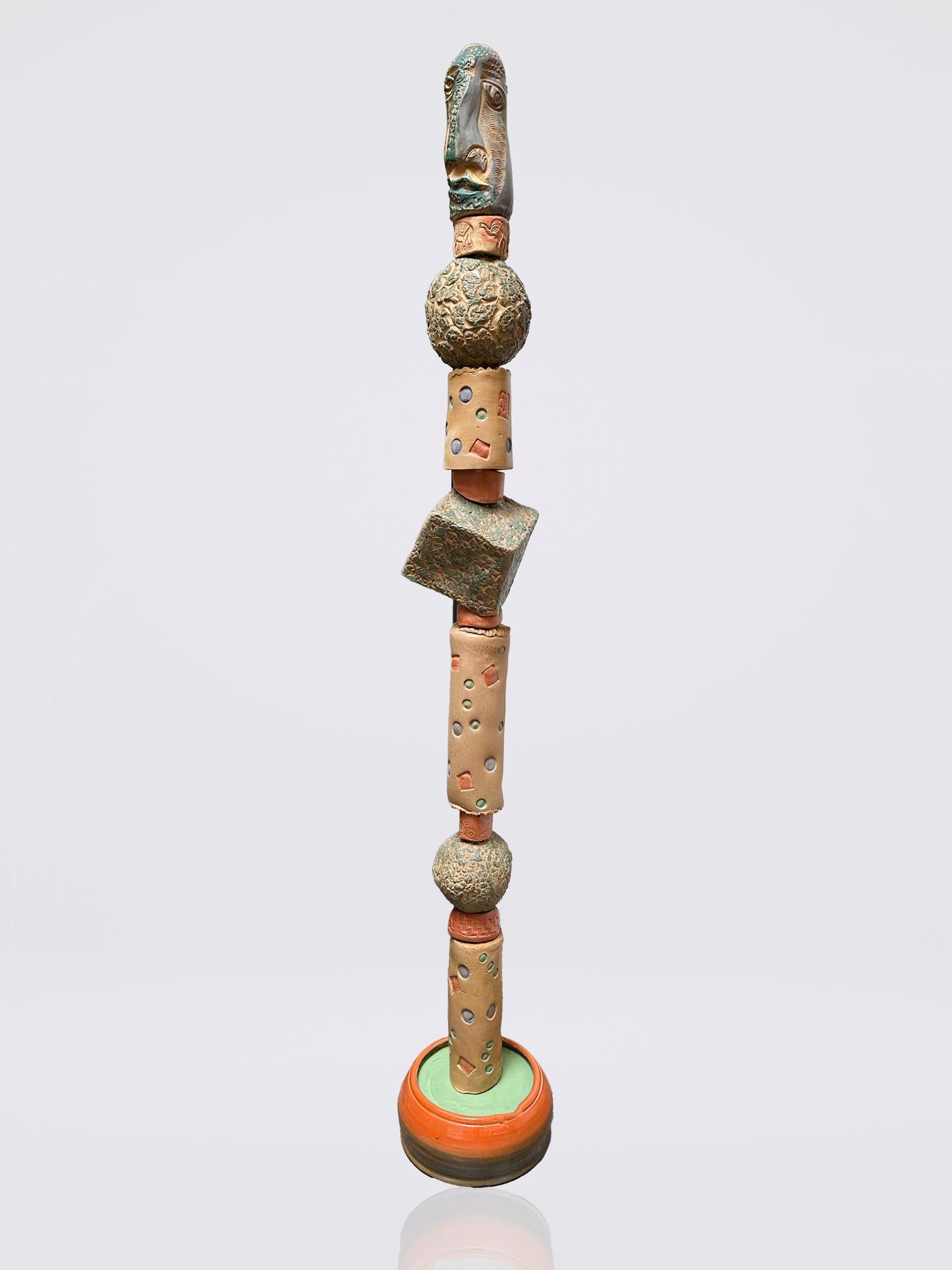
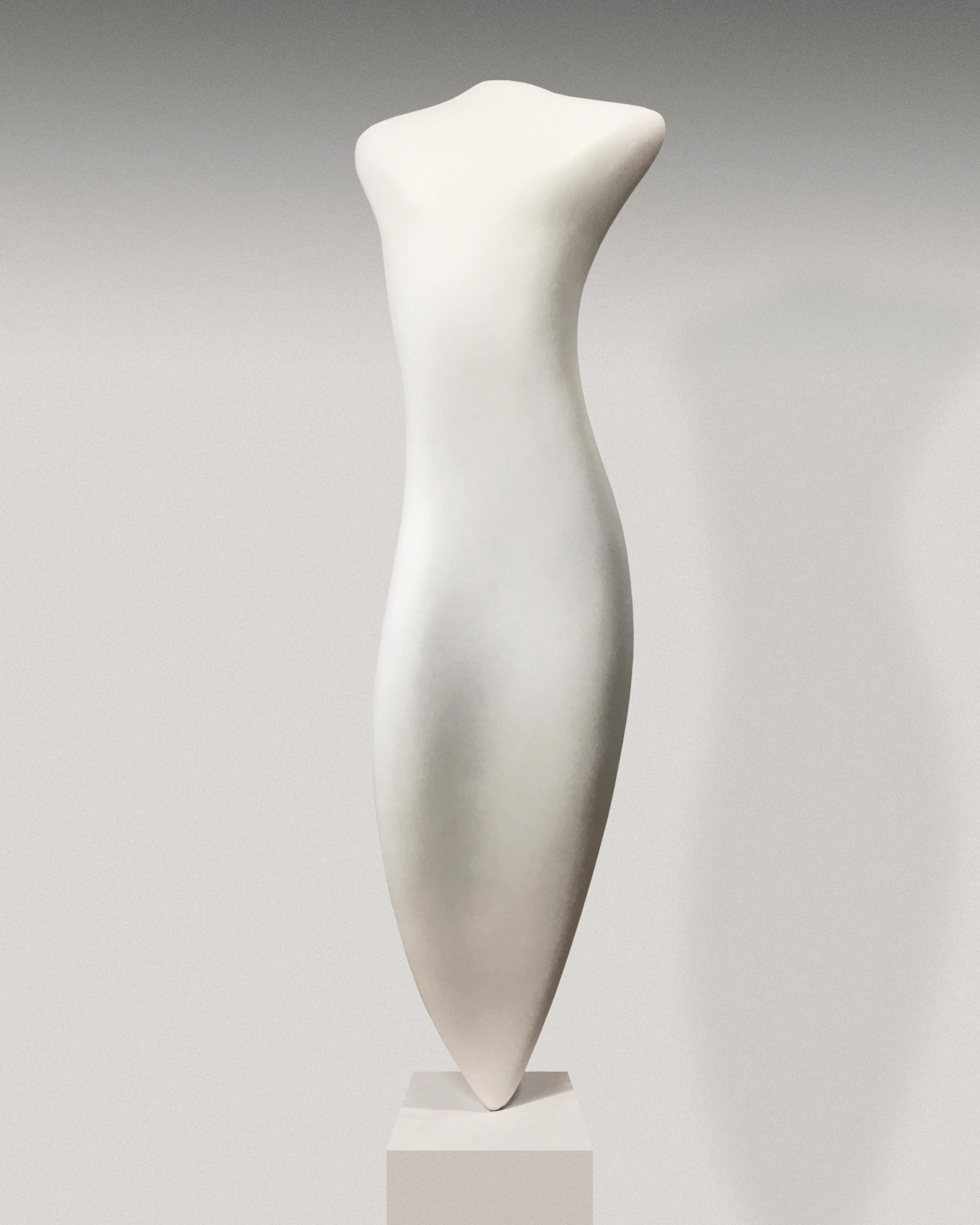
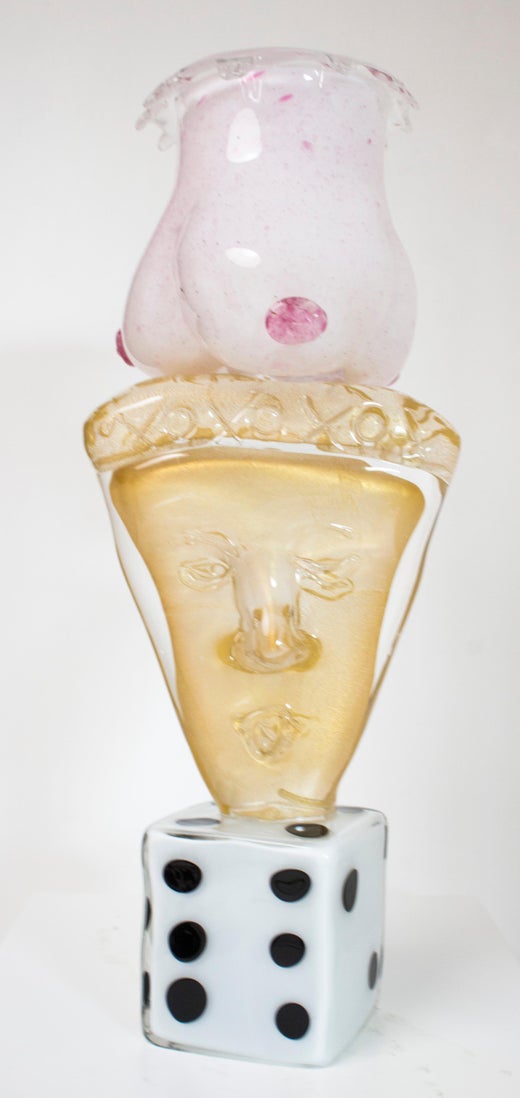
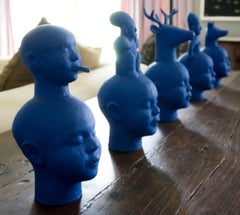
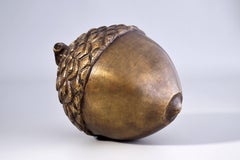
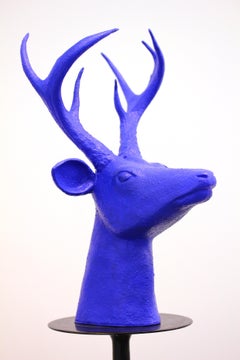
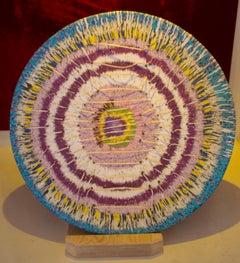
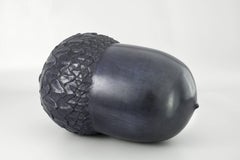
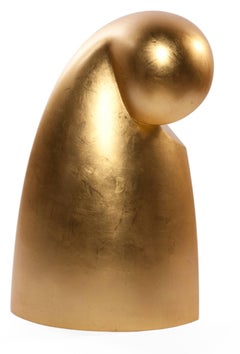
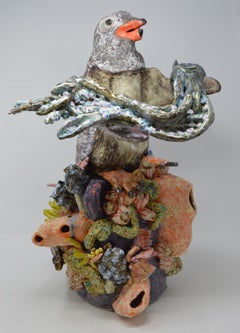
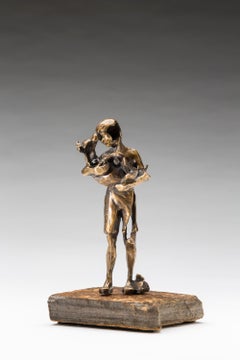
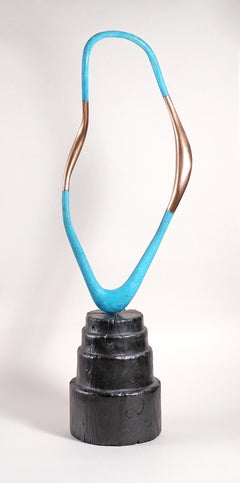
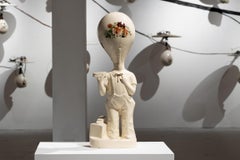
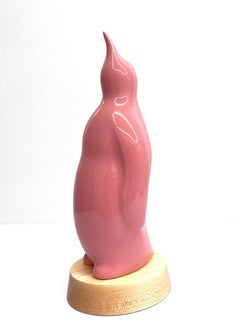
From 2014, Wolfryd began to produce works and to present them more frequently in Europe. In the summer of that year he exhibited in Berlin and created a series of glass sculptures in Murano, at Berengo Studios. In 2016 he exhibited at the Museum of Modern Art, Trieste, Italy. Presently he has been Invited by the Technological Museum at the Royal Glass Factory in La Granja, creating a new series of glass sculptures made for this individual exhibition that is now being celebrated. The work was produced both in the workshops of the Royal Glass Factory, and in the Berengo Studios in Murano. The exhibition will go to the MAVA Museum, Madrid, in 2018.
According to the artist "sculpture and painting, are seas reduced by parameters linked to time. A narrow universe of hope, not yet conceived, and trapped in its own physical limits. "His sculptures and canvases seek to sow a single idea that can communicate an infinity of them. Through the use of iconographic and symbolic elements, he tries to reveal the existence of certain aspects of our reality: whether in everyday life, in the home, in politics, in the world map, in love, in short, his work is established as a cry, a reflection of social themes.
In the words of the art critic José Manuel Springer: "In these works we find a criticism of the origin, since nothing of what is embodied in this predominantly visual world in which we live is original. The identities that are formed from the image are only fleeting. Perhaps the only thing that could be said with certainty about the paintings of this artist and the world is that everything is a fiction, a half-truth, a lie sweetened by humor and the coincidence of several worlds that ephemerally coincide in a painting.
from: glass is more/ technological museum of glass