19th Century Botanicals
to
146
598
513
1,358
387
304
294
47
43
39
25
24
18
17
16
16
15
11
10
9
8
8
5
4
4
3
2
2
2
1
1
1
1
1
1
1
52
18
12
11
7
Sort By
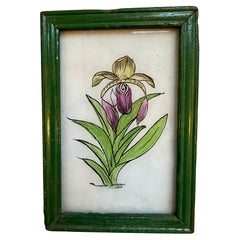
19th-Century Botanical Study: Exquisite Flower Painting
Located in Southall, GB
This exquisite 19th-century botanical painting captures the timeless beauty of a single flower
Category
Antique 19th Century English Paintings and Screens
Materials
Glass
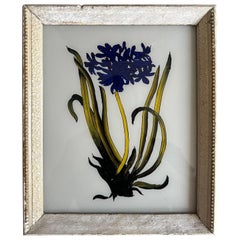
19th-Century Botanical Artwork: Exquisite Flower Painting
Located in Southall, GB
This exquisite 19th-century botanical painting beautifully captures the delicate details and
Category
Antique 19th Century English Paintings and Screens
Materials
Glass
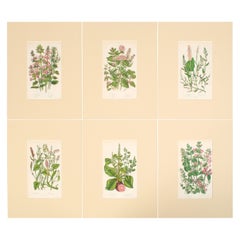
Set of Six English 19th Century Botanical Engravings, England, C.1880
Located in London, GB
A set of six English 19th century Botanical Engravings, England C.1880.
Mounted, ready to be
Category
Antique Late 19th Century English Victorian Prints
Materials
Paper
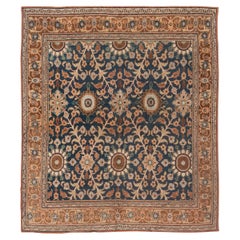
Doris Leslie Blau 19th Century Botanic Persian Meshad Handwoven Rug
Located in New York, NY
19th century botanic Persian Meshad caramel and navy blue handwoven wool rug
Size: 6'2" × 7'0" (187
Category
Antique Late 19th Century Persian Persian Rugs
Materials
Wool
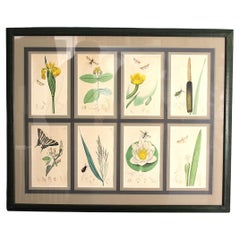
Set of 8 19th Century Botanical & Insect Engravings by John Curtis (Framed)
Located in Seaford, GB
19th Century Botanical Engravings: A Timeless Art Form
The Legacy of John Curtis and 19th-Century
Category
Antique 19th Century British Victorian Prints
Materials
Paper

$1,801 Sale Price / set
20% Off
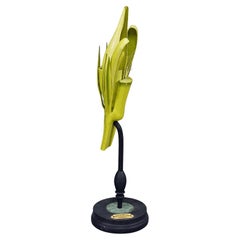
19th Century Botanic Model by Robert Brendel - Barley
By Robert Brendel
Located in Berghuelen, DE
19th Century Botanic Model by Robert Brendel - Barley
A rare antique botanical model manufactured
Category
Early 20th Century German Mid-Century Modern Natural Specimens
Materials
Plaster, Wood, Paper
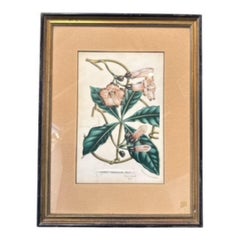
19th Century Botanical Engraving “Ipomoea Horsfalliae” by W. J. Hooker. Framed
Located in Jacksonville, FL
A striking 19th-century botanical engraving depicting Ipomoea horsfalliae, also known as Lady
Category
1830s Victorian More Prints
Materials
Engraving
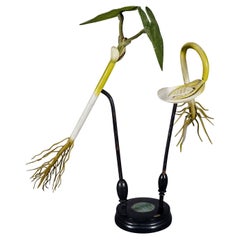
19th Century Botanic Model by Robert Brendel - Bean Seedling
By Robert Brendel
Located in Berghuelen, DE
19th Century Botanic Model by Robert Brendel - Bean Seedling
A rare antique botanical model
Category
Early 20th Century German Mid-Century Modern Natural Specimens
Materials
Plaster, Wood, Paper
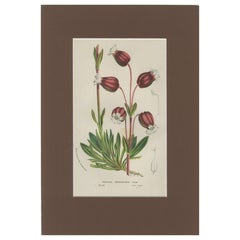
Prepusa hookeriana – A Rare 19th-Century Botanical Print in Elegant Matting
Located in Langweer, NL
meticulous craftsmanship of the artist.
Hoola van Houten was a 19th-century botanical artist celebrated
Category
Antique 1840s Prints
Materials
Paper
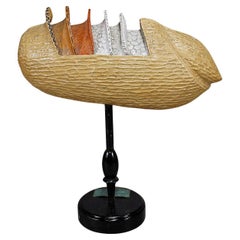
19th Century Botanic Model by Robert Brendel - Grain Grate
By Robert Brendel
Located in Berghuelen, DE
19th Century Botanic Model by Robert Brendel - Grain Grate
A great antique botanical model
Category
Early 20th Century German Mid-Century Modern Natural Specimens
Materials
Plaster, Wood, Paper
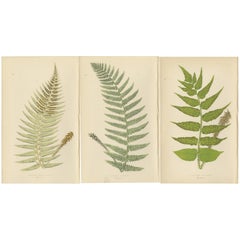
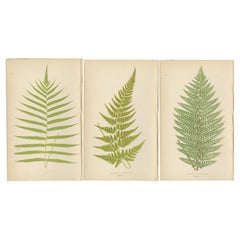
Antique Hand-Colored Fern Prints - Aspidium Species - 19th Century Botanical Art
Located in Langweer, NL
Antique Hand-Colored Fern Prints - Aspidium Species - 19th Century Botanical Art
This rare set of
Category
Antique 1860s Prints
Materials
Paper
$227 Sale Price / set
20% Off
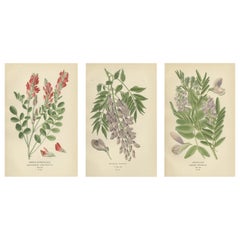
Garden Elegance: A Triptych of 19th Century Botanical Illustrations, 1896
Located in Langweer, NL
"Garden Elegance: A Triptych of 19th Century Botanical Illustrations"
Delight in the timeless
Category
Antique 1890s Prints
Materials
Paper
$321 Sale Price / set
20% Off
Antique Hand-Colored Fern Prints - Aspidium Species - 19th Century Botanical Art
Located in Langweer, NL
Antique Hand-Colored Fern Prints - Aspidium Species - 19th Century Botanical Art
This rare set of
Category
Antique 1860s Prints
Materials
Paper
$227 Sale Price / set
20% Off
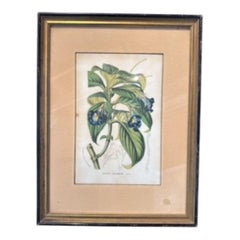
19th Century Botanical Engraving of Chirita Walkeria. Hand-Colored Print by Gar
By George Gardner Symons
Located in Jacksonville, FL
A captivating 19th-century botanical engraving depicting Chirita walkeria, a delicate flowering
Category
Early 19th Century Victorian More Prints
Materials
Engraving
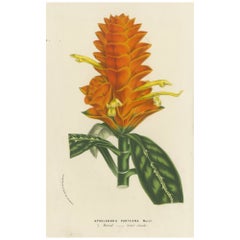
19th Century Botanical Lithograph of Aphelandra Porteana by Louis van Houtte
Located in Langweer, NL
19th Century Botanical Lithograph of Aphelandra Porteana by Louis van Houtte
This is a botanical
Category
Antique 1850s Prints
Materials
Paper
$132 Sale Price
20% Off
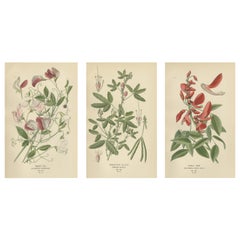
Garden Elegance: A Triptych of 19th Century Botanical Illustrations, 1896
Located in Langweer, NL
"Garden Elegance: A Triptych of 19th Century Botanical Illustrations"
Delight in the timeless
Category
Antique 1890s British Prints
Materials
Paper
$321 Sale Price / set
20% Off
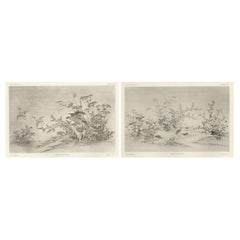
Japanese Nature Scene Prints: Delicate 19th-Century Botanical & Bird Etchings
Located in Langweer, NL
Japanese Nature Scene Prints: Delicate 19th-Century Botanical & Bird Etchings
This exquisite pair
Category
Antique 1880s Prints
Materials
Paper
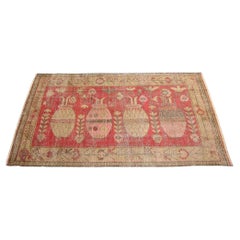
19th Century Botanical Nomad Style Samarkand Rug
Located in Los Angeles, US
17th Century and 19th century although archaeological evidence shows local people produced intricately
Category
Antique 19th Century Other Russian and Scandinavian Rugs
Materials
Wool, Cotton
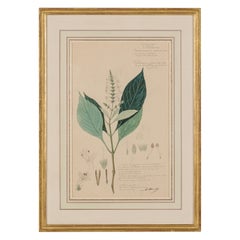
Framed Victorian 19th Century Botanical Drawing, "Gymnostachyium Glabrum"
Located in Queens, NY
American Victorian (19th Century) watercolor, ink, and pencil botanical drawing depicting a
Category
Antique 19th Century American Victorian Paintings
Materials
Paint
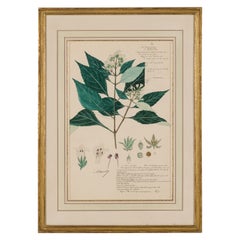
Framed Victorian 19th Century Botanical Drawing, "Lepidagathis Walkeriana"
Located in Queens, NY
American Victorian (19th Century) watercolor, ink, and pencil botanical drawing depicting a
Category
Antique 19th Century American Victorian Paintings
Materials
Paint
Framed Victorian 19th Century Botanical Drawing, "Haplanthus Tentaculatus"
Located in Queens, NY
American Victorian (19th Century) watercolor, ink, and pencil botanical drawing depicting a
Category
Antique 19th Century American Victorian Paintings
Materials
Paint
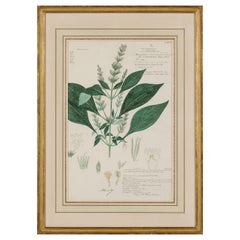
Framed Victorian 19th Century Botanical Drawing, "Caryopteris Wallichiana"
Located in Queens, NY
American Victorian (19th Century) watercolor, ink, and pencil botanical drawing depicting a
Category
Antique 19th Century American Victorian Paintings
Materials
Paint
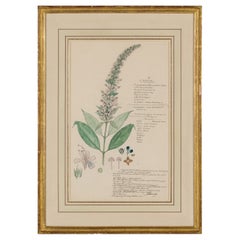
Framed Victorian 19th Century Botanical Drawing, "Phlogacanthus Thyrsiflorus"
Located in Queens, NY
American Victorian (19th Century) watercolor, ink, and pencil botanical drawing depicting a
Category
Antique 19th Century American Victorian Paintings
Materials
Paint
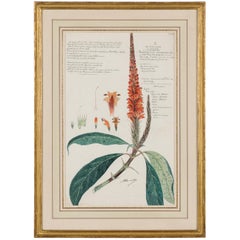
Framed Victorian 19th Century Botanical Drawing, "Lepidagathis Ceylanica"
Located in Queens, NY
American Victorian (19th Century) watercolor, ink, and pencil botanical drawing depicting a
Category
Antique 19th Century American Victorian Paintings
Materials
Paint
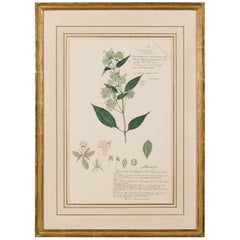
Framed Victorian 19th Century Botanical Drawing, "Graptophyllum Hortense"
Located in Queens, NY
American Victorian (19th Century) watercolor, ink, and pencil botanical drawing depicting a
Category
Antique 19th Century American Victorian Paintings
Materials
Paint
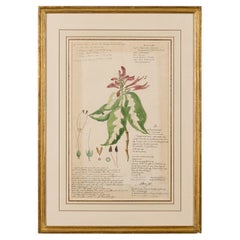
Framed Victorian 19th Century Botanical Drawing, "Diotacanthus Albiflorus"
Located in Queens, NY
American Victorian (19th Century) watercolor, ink, and pencil botanical drawing depicting a
Category
Antique 19th Century American Victorian Paintings
Materials
Paint
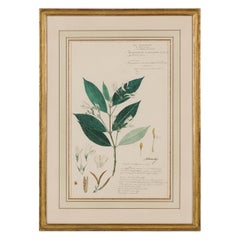
Framed Victorian 19th Century Botanical Drawing, "Justicia Tranquebariensis"
Located in Queens, NY
American Victorian (19th Century) watercolor, ink, and pencil botanical drawing depicting a
Category
Antique 19th Century American Victorian Paintings
Materials
Paint
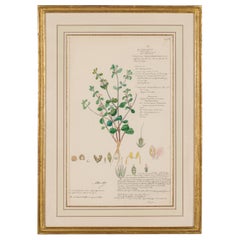
Framed Victorian 19th Century Botanical Drawing, "Gymnostachyum Canescens"
Located in Queens, NY
American Victorian (19th Century) watercolor, ink, and pencil botanical drawing depicting a
Category
Antique 19th Century American Victorian Paintings
Materials
Cane
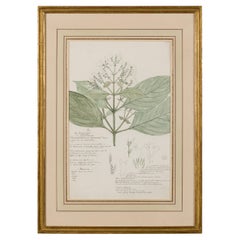
Framed Victorian 19th Century Botanical Drawing, "Lepidagathis Fasciculata"
Located in Queens, NY
American Victorian (19th Century) watercolor, ink, and pencil botanical drawing depicting a
Category
Antique 19th Century American Victorian Paintings
Materials
Paint
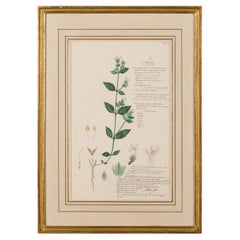
Framed Victorian 19th Century Botanical Drawing, "Ptyssiglottis Radicosa"
Located in Queens, NY
American Victorian (19th Century) watercolor, ink, and pencil botanical drawing depicting a
Category
Antique 19th Century American Victorian Paintings
Materials
Paint
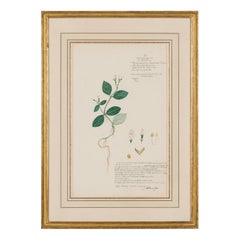
Framed Victorian 19th Century Botanical Drawing, "Gymnostachyum Latifolium"
Located in Queens, NY
American Victorian (19th Century) watercolor, ink, and pencil botanical drawing depicting a
Category
Antique 19th Century American Victorian Paintings
Materials
Paint
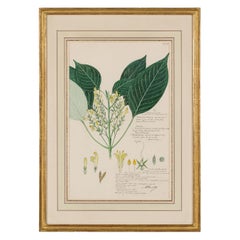
Framed Victorian 19th Century Botanical Drawing, "Gymnostachyum Ceylanicum"
Located in Queens, NY
American Victorian (19th Century) watercolor, ink, and pencil botanical drawing depicting a
Category
Antique 19th Century American Victorian Paintings
Materials
Paint
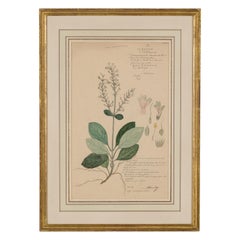
19th Century Botanical Engravings of flowers and insects
Located in Seaford, GB
Pair of 19th-century British plant botanicals Engravings with Insects – John Curtis (1791-1862
Category
Antique 19th Century English Victorian Prints
Materials
Paper
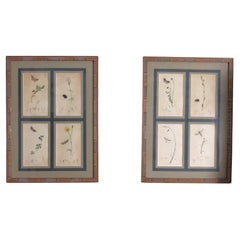
$2,020 Sale Price / set
20% Off
Framed American Victorian 19th Century Botanical Drawing, "Lepidagathis Pungens"
Located in Queens, NY
American Victorian (19th Century) watercolor, ink, and pencil botanical drawing depicting a
Category
Antique 19th Century American Victorian Paintings
Materials
Paint

Framed American Victorian 19th Century Botanical Drawing, "Rungia Repens"
Located in Queens, NY
American Victorian (19th Century) watercolor, ink, and pencil botanical drawing depicting a Rungia
Category
Antique 19th Century American Victorian Paintings
Materials
Paint
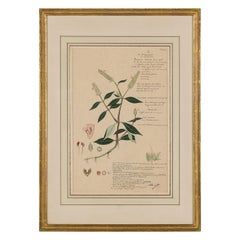
Framed American Victorian 19th Century Botanical Drawing, "Justicia Hookeriana"
Located in Queens, NY
American Victorian (19th Century) watercolor, ink, and pencil botanical drawing depicting a
Category
Antique 19th Century American Victorian Paintings
Materials
Paint
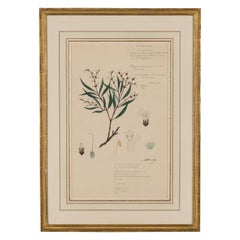
Framed American Victorian 19th Century Botanical Drawing, "Vitex Leucoxylon"
Located in Queens, NY
American Victorian (19th Century) watercolor, ink, and pencil botanical drawing depicting a Vitex
Category
Antique 19th Century American Victorian Paintings
Materials
Paint
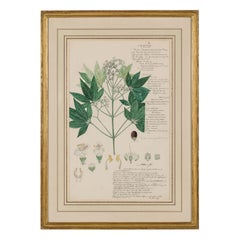
Framed American Victorian 19th Century Botanical Drawing, "Rungia Apiculata"
Located in Queens, NY
American Victorian (19th Century) watercolor, ink, and pencil botanical drawing depicting a Rungia
Category
Antique 19th Century American Victorian Paintings
Materials
Paint
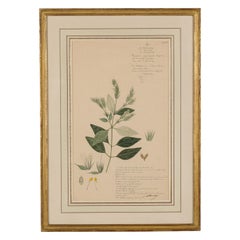
Framed American Victorian 19th Century Botanical Drawing, "Bouchea Marrubifolia"
Located in Queens, NY
American Victorian (19th Century) watercolor, ink, and pencil botanical drawing depicting a Bouchea
Category
Antique 19th Century American Victorian Paintings
Materials
Paint
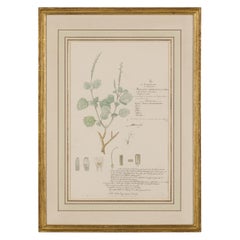
Framed American Victorian 19th Century Botanical Drawing, "Rungia Parviflora"
Located in Queens, NY
American Victorian (19th Century) watercolor, ink, and pencil botanical drawing depicting a Rungia
Category
Antique 19th Century American Victorian Paintings
Materials
Paint
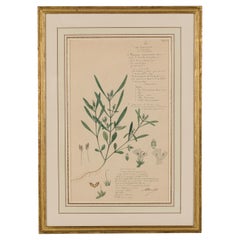
Framed American Victorian 19th Century Botanical Drawing, "Rungia Wightiana"
Located in Queens, NY
American Victorian (19th Century) watercolor, ink, and pencil botanical drawing depicting a Rungia
Category
Antique 19th Century American Victorian Paintings
Materials
Paint
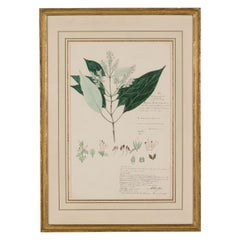
Framed American Victorian 19th Century Botanical Drawing, "Jacobinia Pauciflora"
Located in Queens, NY
American Victorian (19th Century) watercolor, ink, and pencil botanical drawing depicting a
Category
Antique 19th Century American Victorian Paintings
Materials
Paint
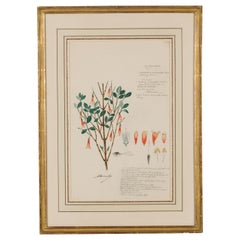
Framed American Victorian 19th Century Botanical Drawing, "Ecbolium Linneanum"
Located in Queens, NY
American Victorian (19th Century) watercolor, ink, and pencil botanical drawing depicting a
Category
Antique 19th Century American Victorian Paintings
Materials
Paint
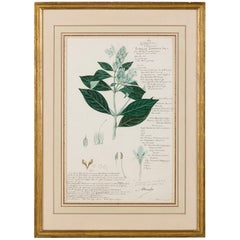
Framed American Victorian 19th Century Botanical Drawing "Lepidagathis Cristata"
Located in Queens, NY
American Victorian (19th Century) watercolor, ink, and pencil botanical drawing depicting a
Category
Antique 19th Century American Victorian Paintings
Materials
Paint
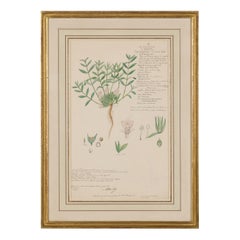
Framed American Victorian 19th Century Botanical Drawing, "Lippia Nodiflora"
Located in Queens, NY
American Victorian (19th Century) watercolor, ink, and pencil botanical drawing depicting a Lippia
Category
Antique 19th Century American Victorian Paintings
Materials
Paint
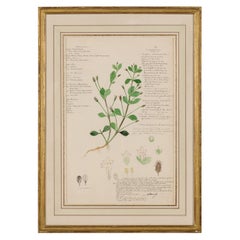
Framed American Victorian 19th Century Botanical Drawing, "Rungia Parviflora"
Located in Queens, NY
American Victorian (19th Century) watercolor, ink, and pencil botanical drawing depicting a Rungia
Category
Antique 19th Century American Victorian Paintings
Materials
Paint
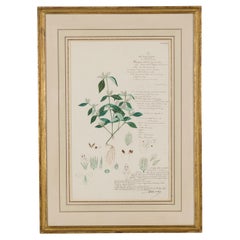
Framed American Victorian 19th Century Botanical Drawing, "Vitex Negundo"
Located in Queens, NY
American Victorian (19th Century) watercolor, ink, and pencil botanical drawing depicting a Vitex
Category
Antique 19th Century American Victorian Paintings
Materials
Paint
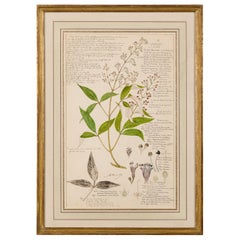
Framed American Victorian 19th Century Botanical Drawing "Monothecium Aristatum"
Located in Queens, NY
American Victorian (19th Century) watercolor, ink, and pencil botanical drawing depicting a
Category
Antique 19th Century American Victorian Paintings
Materials
Paint
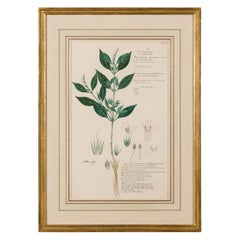
Framed American Victorian 19th Century Botanical Drawing, "Justicia Glabra"
Located in Queens, NY
American Victorian (19th Century) watercolor, ink, and pencil botanical drawing depicting a
Category
Antique 19th Century American Victorian Paintings
Materials
Paint
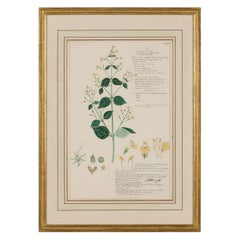
Framed American Victorian 19th Century Botanical Drawing, "Dianthera Wallichii"
Located in Queens, NY
American Victorian (19th Century) watercolor, ink, and pencil botanical drawing depicting a
Category
Antique 19th Century American Victorian Paintings
Materials
Paint
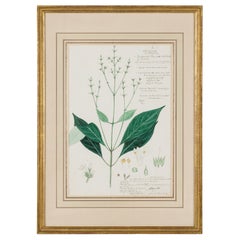
Framed American Victorian 19th Century Botanical Drawing, "Ecbolium Linneanum"
Located in Queens, NY
American Victorian (19th Century) watercolor, ink, and pencil botanical drawing depicting a
Category
Antique 19th Century American Victorian Paintings
Materials
Paint
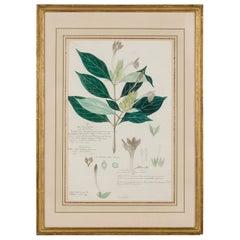
Framed American Victorian 19th Century Botanical Drawing, "Graptophyllum Earlii"
Located in Queens, NY
American Victorian (19th Century) watercolor, ink, and pencil botanical drawing depicting a
Category
Antique 19th Century American Victorian Paintings
Materials
Paint

Framed American Victorian 19th Century Botanical Drawing, "Justicia Montana"
Located in Queens, NY
American Victorian (19th Century) watercolor, ink, and pencil botanical drawing depicting a
Category
Antique 19th Century American Victorian Paintings
Materials
Paint
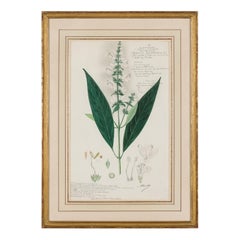
Framed American Victorian 19th Century Botanical Drawing, "Callicarpa Lanata"
Located in Queens, NY
American Victorian (19th Century) watercolor, ink, and pencil botanical drawing depicting a
Category
Antique 19th Century American Victorian Paintings
Materials
Paint
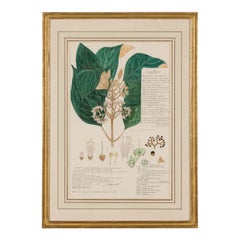
Framed American Victorian 19th Century Botanical Drawing, "Verbena Officinalis"
Located in Queens, NY
American Victorian (19th Century) watercolor, ink, and pencil botanical drawing depicting a Verbena
Category
Antique 19th Century American Victorian Paintings
Materials
Paint
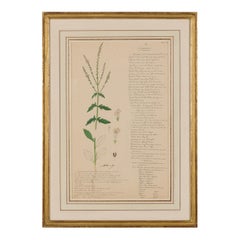
Framed American Victorian 19th Century Botanical Drawing, "Rungia Linifolia"
Located in Queens, NY
American Victorian (19th Century) watercolor, ink, and pencil botanical drawing depicting a Rungia
Category
Antique 19th Century American Victorian Paintings
Materials
Paint
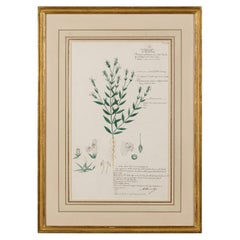
Framed American Victorian 19th Century Botanical Drawing, "Lepidagathis Mitis"
Located in Queens, NY
American Victorian (19th Century) watercolor, ink, and pencil botanical drawing depicting a
Category
Antique 19th Century American Victorian Paintings
Materials
Paint

- 1
- ...
Get Updated with New Arrivals
Save "19th Century Botanicals", and we’ll notify you when there are new listings in this category.
19th Century Botanicals For Sale on 1stDibs
An assortment of 19th century botanicals is available at 1stDibs. Each of these unique 19th century botanicals was constructed with extraordinary care, often using paper, ceramic and porcelain. 19th century botanicals have been produced for many years, with earlier versions available from the 19th Century and newer variations made as recently as the 20th Century. 19th century botanicals bearing Victorian or Regency hallmarks are very popular at 1stDibs. 19th century botanicals have been a part of the life’s work for many furniture makers, but those produced by Coalport Porcelain, Pierre-Joseph Redouté and Chamberlains Worcester are consistently popular.
How Much are 19th Century Botanicals?
The average selling price for at 1stDibs is $900, while they’re typically $45 on the low end and $90,000 highest priced.
Questions About 19th Century Botanicals
- 1stDibs ExpertApril 5, 2022British artist John Singer Sargent was one of the most important portrait painters of the 19th century. Other notable portraitists from the period include James Abbott McNeill Whistler, Eugène Delacroix, Théodore Géricault, Gustave Courbet, Édouard Manet, Mary Cassat, Claude Monet and Pierre-Auguste Renoir. On 1stDibs, find a wide variety of portrait paintings.
- 1stDibs ExpertApril 5, 2022The French painters of the 19th century worked in two styles. Neoclassicism dominated the first half of the century, and Impressionism was the most common style during the second half. On 1stDibs, you can find a variety of French paintings.
- 1stDibs ExpertMarch 22, 2022Yes, there were cannons in the 16th century. The history of the weapon dates back to 12th-century China. Historical records suggest that the first cannons appeared in Europe during the Islamic wars in Iberia in the 13th century. Find a range of antique cannons on 1stDibs.
- 1stDibs ExpertApril 5, 2022Yes, the history of glass-making goes back much further than the 1600s. It’s believed that they were making glass in different parts of the world at least 3,600 years ago, maybe even longer. During the late Bronze Age in Egypt and in Western Asia, glassmarking advanced significantly and was manipulated extensively to produce vessels, jewelry, and works of art. Shop a range of antique and vintage glass on 1stDibs.
- 1stDibs ExpertApril 5, 2022What painting is the most important of the 20th century is largely a matter of personal opinion. Some notable works produced during the period include Paul Cézanne's Mont Sainte-Victoire, Pablo Picasso's Les Demoiselles d'Avignon, Henri Matisse's The Dance and Jackson Pollock's Lavender Mist. Shop a large selection of 20th-century paintings on 1stDibs.
- 1stDibs ExpertApril 5, 2022A variety of furniture was used during the 16th century. Items commonly found in homes include high-backed armchairs, chests, stools, benches and cupboards. Most European artisans active during the time period produced pieces out of oak wood. Find a large collection of antique furniture on 1stDibs.
- 1stDibs ExpertSeptember 23, 2024What 17th-century furniture is called varies. The general term for all furniture produced 100 years ago, including 17th-century pieces, is antique furniture. You may also choose to be more specific and describe a piece by its style. Theatrical and lavish, the Baroque style was prevalent across Europe from the 17th to the mid-18th century and spread around the world through colonialism, including in Asia, Africa and the Americas. Baroque furniture was extravagant in all aspects, from shape to materials. 17th-century pieces from England often feature characteristics of the William and Mary style, such as crisp lines, maple and walnut veneers, inlaid bands and C-scroll ornaments. On 1stDibs, explore a variety of antique furniture.
- 1stDibs ExpertApril 5, 2022Yes, wedding rings have a long history, stretching back to ancient Egypt. The first diamond engagement ring was created in 1477 by Archduke Maximillian of Austria. Browse a wide array of vintage and contemporary wedding rings on 1stDibs.
- 1stDibs ExpertApril 5, 2022In the 18th century, art changed in style from Baroque to Rococo and Neoclassicism. Art became more ornamented and idealized during the Rococo period and then shifted toward a style that emulated the artwork of ancient Greece and Rome near the end of the century. You’ll find a variety of fine art on 1stDibs.
- 1stDibs ExpertNovember 13, 2024To identify 18th-century furniture, you can research your piece in the context of the prevailing styles of the period or consult a certified appraiser or experienced antique dealer. To identify your item on your own, look over it for maker's marks, such as carvings, stamps, brands and labels. Researching the marking can help you determine the maker of your piece, and from there, you can search further to learn more about your particular item. Without a maker's mark, the best approach is to consider the characteristics of the dominant furniture styles during the 18th century. In England, these included William and Mary, Queen Anne, Georgian, Chippendale, Hepplewhite and Sheraton. Some French furniture styles of the 1700s include Louis XV, Louis XVI and Régence. Find a diverse assortment of 18th-century furniture on 1stDibs.
- 1stDibs ExpertApril 5, 2022Sir Isaac Newton invented the reflector telescope in the 17th century. He created it as a replacement for the refracting telescope, which tended to have poor optics. Find a collection of antique and vintage telescopes on 1stDibs from some of the world’s top sellers.
- 1stDibs ExpertApril 5, 2022One way to check if your brass candlesticks are from the 18th century is to look for the two seams running lengthwise on either side. This is from when the candlestick was molded in two halves and then soldered together. You’ll find a variety of candlesticks of all shapes and sizes from some of the top sellers on 1stDibs.
- 1stDibs ExpertApril 5, 202217th-century Dutch portraiture has many similarities to other Baroque paintings, including rich colors, dark shadows and intense lighting. Many famous Dutch Baroque works lean toward realism. In Dutch portraiture, props and detailed backgrounds are uncommon. You'll find a collection of Dutch Baroque paintings from some of the world’s top art dealers on 1stDibs.
- 1stDibs ExpertJanuary 10, 2025The individuals considered the Big Three of 18th-century cartoons are William Hogarth, James Gillray and George Cruikshank. Although the 18th century saw a widespread increase in illustrations in newspapers, these three illustrators were particularly well-known for their work. Hogarth's work was extremely diverse, ranging from serious, realistic paintings and portraits to satirical and moralistic illustrations filled with symbolism. A British caricaturist, Gillray is remembered today for his artworks representing political and social satires, like his political cartoons against George III of England. Despite being a prolific caricaturist, Cruikshank is now most famous for illustrating the works of Charles Dickens. On 1stDibs, find a wide variety of illustrations.
- 1stDibs ExpertApril 5, 2022At the end of the 17th century, Europe went into a frenzy over porcelain. Asian porcelain was highly sought after, and spurred the foundation of the Meissen factory in France, where hard porcelain went on to be made. You’ll find a large collection of porcelain pieces from many of the world’s top sellers on 1stDibs.
More Ways To Browse
New Hermes Scarves
Hermes 20
Hermes Blanc
Hermes Scarf Tag
Portugal Dinnerware
Portuguese Dinnerware
Katie Scott
Used Victorian Conservatory
Green Dinnerware
Green Glass Dinnerware
Water Hyacinth
Hermes Index Bromeliaceae
Hermes Scarf Index
Orange Dinnerware
Hina Doll
Japanese 6 Panel Screen
Japanese Fusuma
Japanese Horse Painting