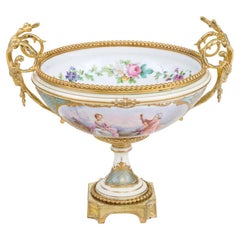
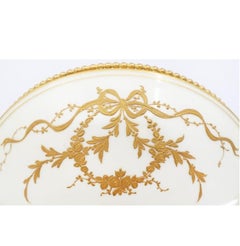
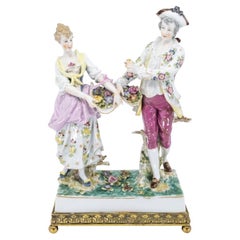
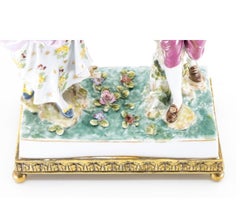
By Meissen Porcelain
Located in Lantau, HK
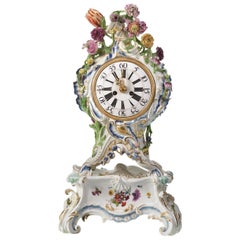
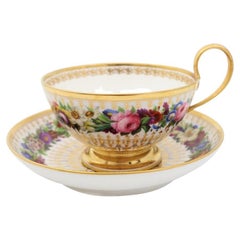
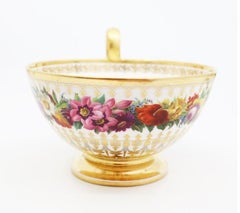
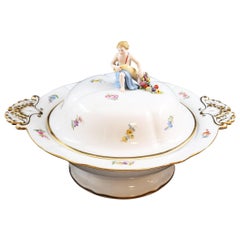
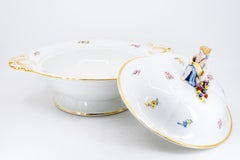
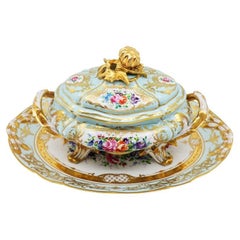
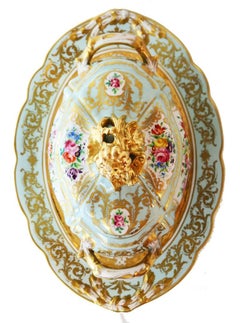
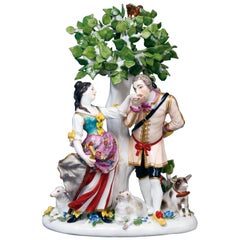
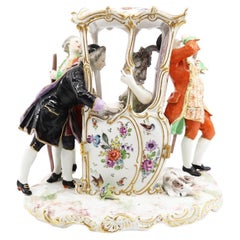
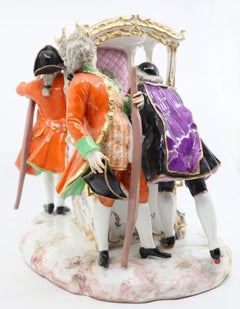
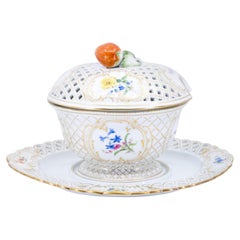
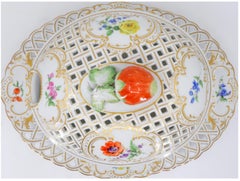
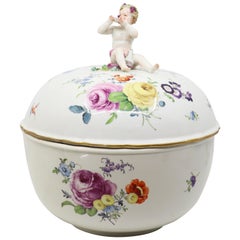
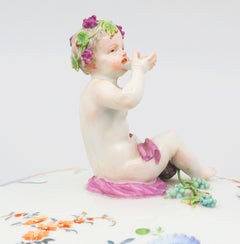
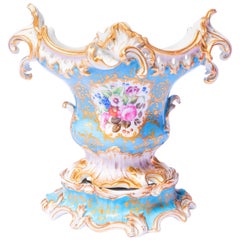
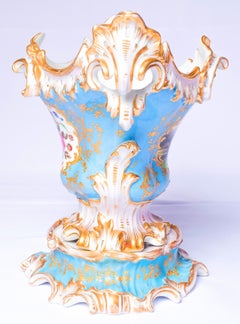
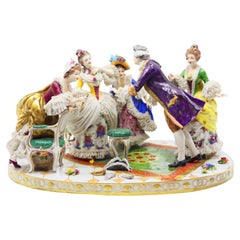
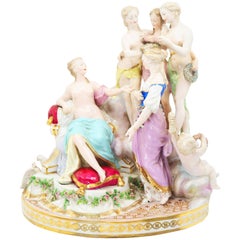
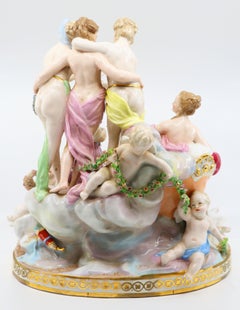
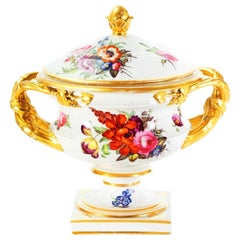
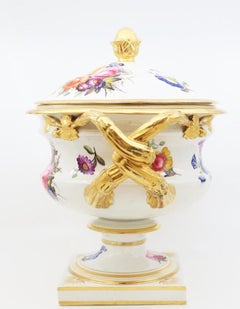
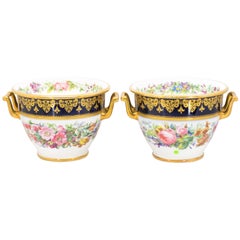
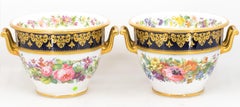
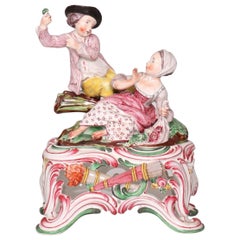
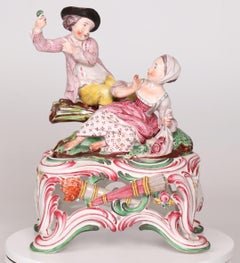
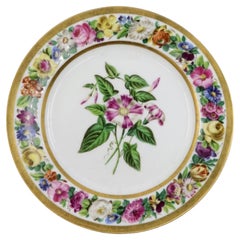
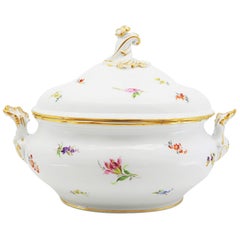
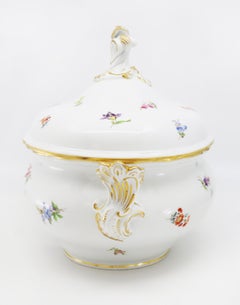
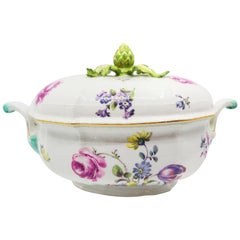
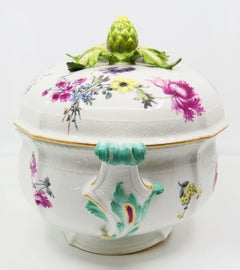
Meissen, hard-paste porcelain, circa 1738-1740.
The Artist
The Meissen manufactory near the city of Dresden was founded by Augustus II (1670-1733), King of Poland and Electoral of Saxony, in 1710. It was the first factory in Europe to succeed in making white hard-paste porcelain. The early years of the Meissen production were focused on creating copies of Chinese porcelain. It was only when Kaendler began to work at Meissen in 1731 that the manufactory would break free from the influence of Asia and produce porcelain of true European character.
The Painting
A sculptor by training, Kaendler took over the direction of the manufactory in 1733. He is considered the key figure in the development of Meissen and the individual behind the transformation of the factory’s porcelain during the 18th century. Kaendler demonstrated his artistic ability by creating a variety of porcelain groups including the Italian Commedia dell’Arte, Pastoral and Crinoline groups, and Cris de Paris, which were met with widespread acclaim and made Meissen famous throughout all of Europe. Soon these porcelain figures would be used extensively alongside vases and other ornaments to decorate interiors.
Provenance
The themes of fête galante, pastoral idylls and masquerade themes, created by Jean-Antoine Watteau (1684-1721), and then developed further by Francois Boucher (1703-1770) and Jean-Honoré Fragonard (1732-1806), depicting amorous scenes with dancers, women and shepherds engaged in frivolous pursuits, spread all over Europe during the first half of the 18th century. This is due to the French engraver Gabriel Huquier (1695-1747), who dedicated himself to images and engravings after Francois Boucher and Juste-Aurele Meissonnier (1695-1750), who fostered the concept of Rococo style, that brought about the new trend in decorative arts.
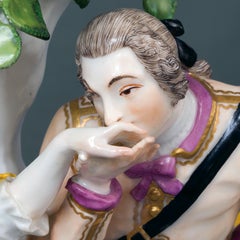
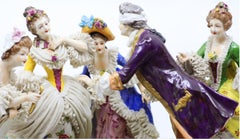
In 1738, Kaendler introduced one of his figures in pastoral costume with the Handkuss (Hand-kiss) scene under a tree. For the shepherd lovers’ scene, the German sculptor drew his inspiration from Boucher and Watteau. Since the 1730s, the Meissen manufactory has been providing Watteau’s engravings...
Category
1830s Antique Asia - Porcelain