Axel Einar Hjorth Roma
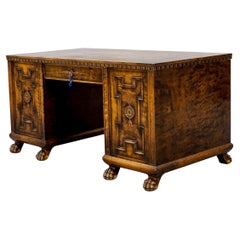
Early 20th Century Swedish Art Deco Desks and Writing Tables
Birch

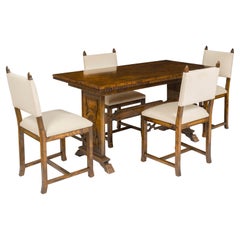
Vintage 1920s Swedish Art Deco Dining Room Tables
Birch
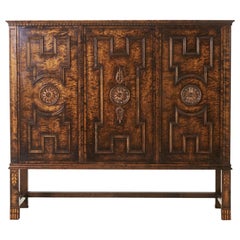
Early 20th Century Swedish Art Deco Cabinets
Birch
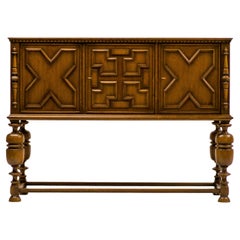
Vintage 1930s Swedish Mid-Century Modern Sideboards
Oak
Early 20th Century Swedish Art Deco Cabinets
Birch
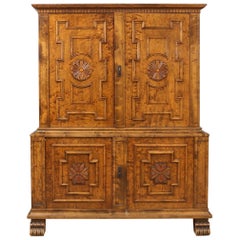
20th Century Swedish Cabinets
Birch
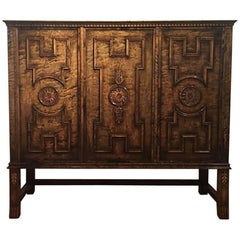
Recent Sales
Vintage 1920s Swedish Art Deco Cabinets
Birch
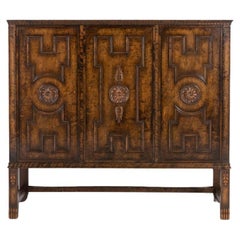
Vintage 1920s Swedish Art Deco Dressers
Birch
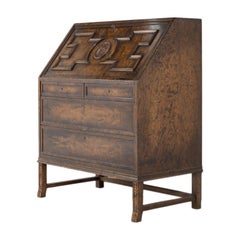
Early 20th Century Swedish Art Deco Sofas
Fabric, Birch
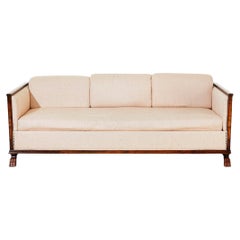
Vintage 1920s Swedish Scandinavian Modern Cabinets
Birch
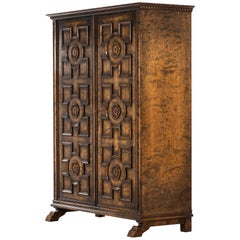
Vintage 1920s Swedish Scandinavian Modern Cabinets
Birch
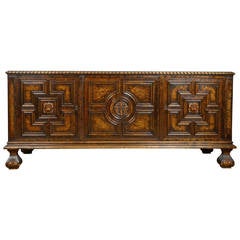
Vintage 1920s Swedish Scandinavian Modern Sideboards
Birch
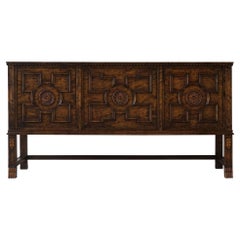
Early 20th Century Swedish Scandinavian Modern Sideboards
Birch
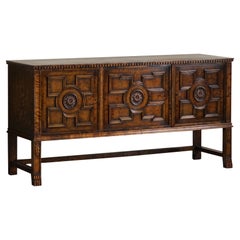
Vintage 1920s Swedish Art Deco Cabinets
Wood, Birch
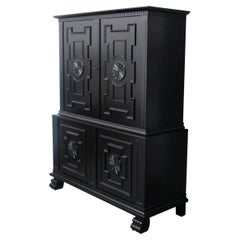
Vintage 1920s Swedish Art Deco Cabinets
Birch
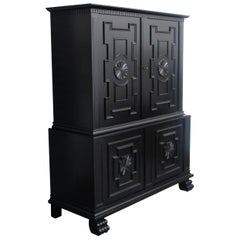
Mid-20th Century Swedish Art Deco Credenzas
Birch
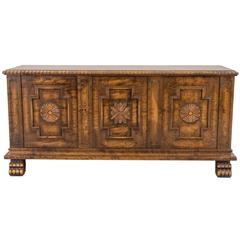
Vintage 1920s Swedish Scandinavian Modern Buffets
Birch
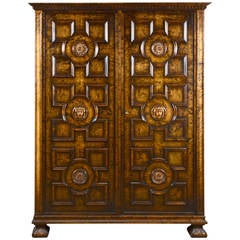
Vintage 1920s Swedish Art Deco Club Chairs
Birch
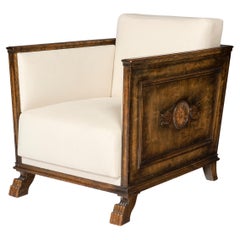
Early 20th Century Swedish Scandinavian Modern Sideboards
Birch
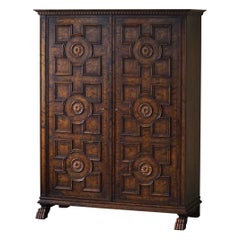
Early 20th Century Swedish Art Deco Sideboards
Birch
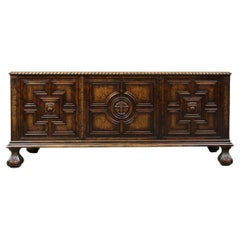
People Also Browsed
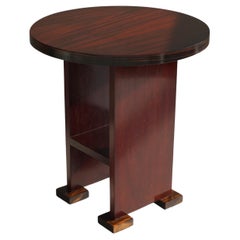
Vintage 1920s Dutch Art Deco Side Tables
Macassar, Oak, Walnut
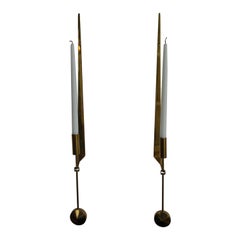
Mid-20th Century Mid-Century Modern Candle Sconces
Brass
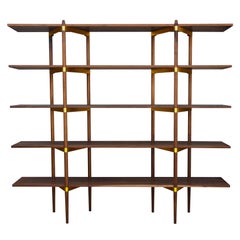
21st Century and Contemporary American Modern Bookcases
Brass, Stainless Steel, Metal
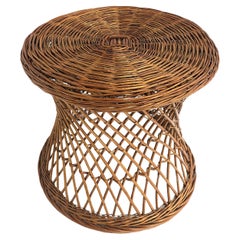
Mid-20th Century Slovenian Side Tables
Wicker
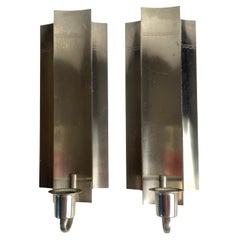
Vintage 1930s Swedish Art Deco Wall Lights and Sconces
Pewter
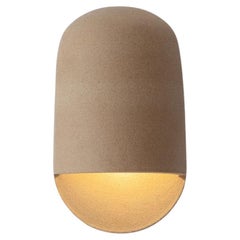
2010s American Mid-Century Modern Wall Lights and Sconces
Ceramic
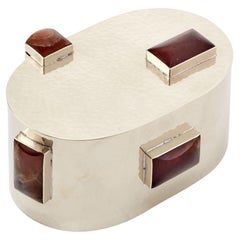
2010s South American Modern Decorative Boxes
Stone, Onyx, Metal
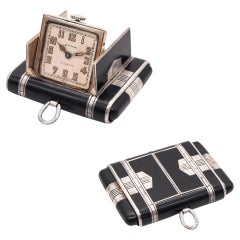
Vintage 1920s Swiss Art Deco Carriage Clocks and Travel Clocks
Silver, Sterling Silver, Enamel
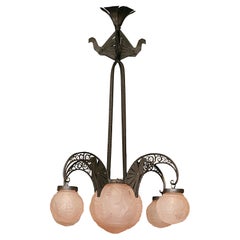
Vintage 1920s French Art Deco Chandeliers and Pendants
Wrought Iron
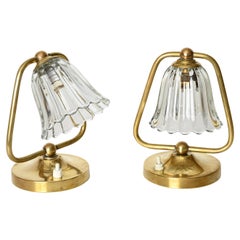
Mid-20th Century Italian Mid-Century Modern Table Lamps
Brass
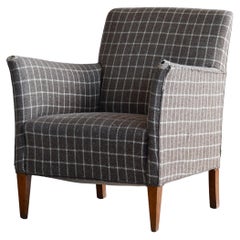
Vintage 1950s Danish Scandinavian Modern Lounge Chairs
Wool, Teak
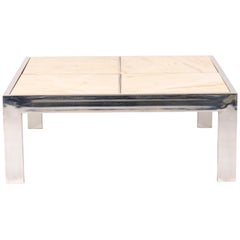
Mid-20th Century American Modern Coffee and Cocktail Tables
Marble, Chrome
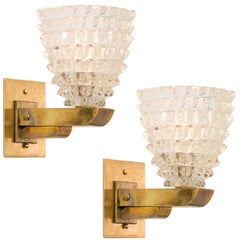
2010s Italian Wall Lights and Sconces
Brass
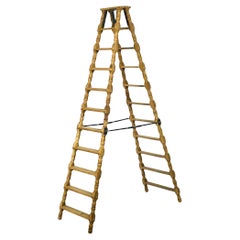
Vintage 1980s North American Mid-Century Modern Ladders
Steel
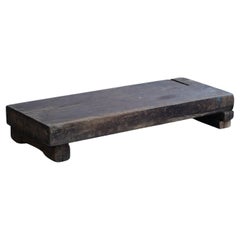
Early 20th Century Japanese Meiji Tables
Wood
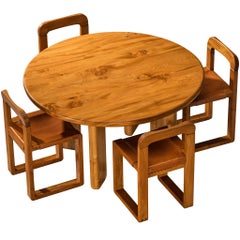
Vintage 1970s French Mid-Century Modern Dining Room Sets
Elm
Axel Einar Hjorth Roma For Sale on 1stDibs
How Much is a Axel Einar Hjorth Roma?
Axel Einar Hjorth for sale on 1stDibs
Swedish furniture designer Axel Einar Hjorth created tables, chairs, cabinets and other pieces that were as elegant as they were functional, and he frequently worked in references to a litany of inspirations including French Art Deco, Gustavian style and modernism. Ahead of his time, his style was refined and daringly simple.
Born in Krokek, Sweden, Hjorth grew up in a foster family and at 20 moved to Stockholm where he studied architecture and design at the Högre Konstindustriella Skolan (now the University of Arts, Crafts & Design). Although he dropped out when his foster father died, he went on to work for some of the largest furniture manufacturers in Sweden during the 1920s.
Hjorth’s work was featured in the 1923 Gothenburg Exhibition world’s fair, and he exhibited a birch and cherry cabinet in the 1927 “Swedish Contemporary Decorative Arts” exhibition at the Metropolitan Museum of Art in New York. His role as the head of the furniture department at Nordiska Kompaniet (NK), an upscale department store in Stockholm, from 1927 to 1938, further brought his designs to widespread acclaim, including pieces exhibited at the 1929 Barcelona International Exposition.
At the 1930 Stockholm Exhibition, an influential event in the emergence of functionalism in Swedish design, Hjorth exhibited a dozen room settings that featured examples of sportstugemöbler. These furniture lines were named for islands in Sweden’s archipelago — Utö, Blidö and Torö — with designs intended for cabins and vacation homes. The use of solid Swedish pine in these pieces revealed a love of traditional rustic furniture while the simple forms boldly looked to the future. He also brought his eclectic influences to armchairs formed from tubular metal, blocky case pieces made from birch and upholstered sofas with neoclassical details, each exuberantly mixing form and function.
Find vintage Axel Einar Hjorth furniture today on 1stDibs.
Finding the Right Storage-case-pieces for You
Of all the vintage storage cabinets and antique case pieces that have become popular in modern interiors over the years, dressers, credenzas and cabinets have long been home staples, perfect for routine storage or protection of personal items.
In the mid-19th century, cabinetmakers would mimic styles originating in the Louis XIV, Louis XV and Louis XVI eras for their dressers, bookshelves and other structures, and, later, simpler, streamlined wood designs allowed these “case pieces” or “case goods” — any furnishing that is unupholstered and has some semblance of a storage component — to blend into the background of any interior.
Mid-century modern furniture enthusiasts will cite the tall modular wall units crafted in teak and other sought-after woods of the era by the likes of George Nelson, Poul Cadovius and Finn Juhl. For these highly customizable furnishings, designers of the day delivered an alternative to big, heavy bookcases by considering the use of space — and, in particular, walls — in new and innovative ways. Mid-century modern credenzas, which, long and low, evolved from tables that were built as early as the 14th century in Italy, typically have no legs or very short legs and have grown in popularity as an alluring storage option over time.
Although the name immediately invokes images of clothing, dressers were initially created in Europe for a much different purpose. This furnishing was initially a flat-surfaced, low-profile side table equipped with a few drawers — a common fixture used to dress and prepare meats in English kitchens throughout the Tudor period. The drawers served as perfect utensil storage. It wasn’t until the design made its way to North America that it became enlarged and equipped with enough space to hold clothing and cosmetics. The very history of case pieces is a testament to their versatility and well-earned place in any room.
In the spirit of positioning your case goods center stage, decluttering can now be design-minded.
A contemporary case piece with open shelving and painted wood details can prove functional as a storage unit as easily as it can a room divider. Alternatively, apothecary cabinets are charming case goods similar in size to early dressers or commodes but with uniquely sized shelving and (often numerous) drawers.
Whether you’re seeking a playful sideboard that features colored glass and metal details, an antique Italian hand-carved storage cabinet or a glass-door vitrine to store and show off your collectibles, there are options for you on 1stDibs.