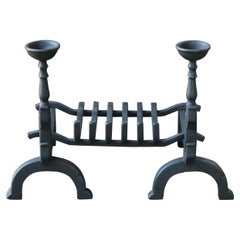
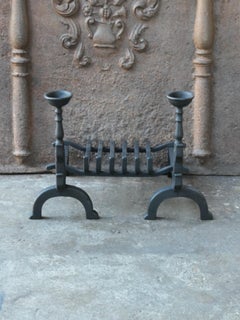
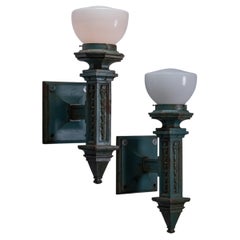
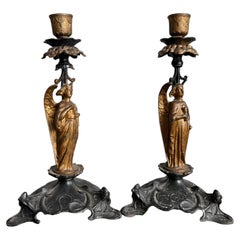
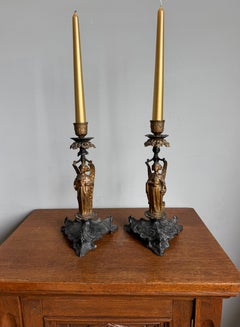
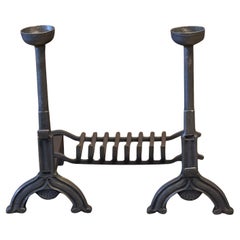
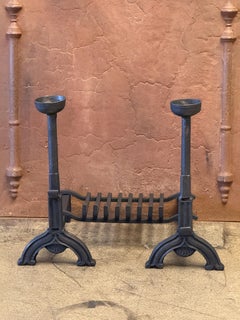
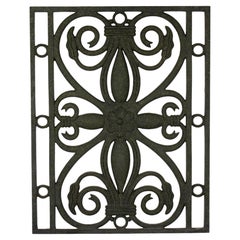
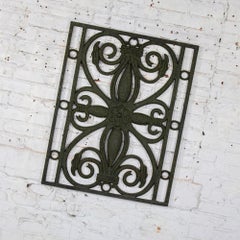
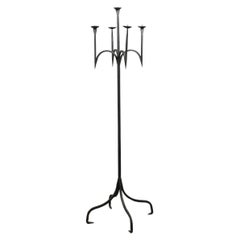
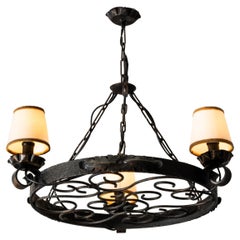
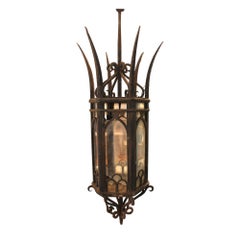
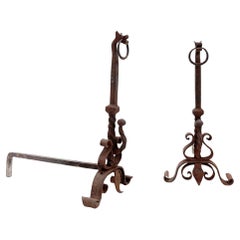
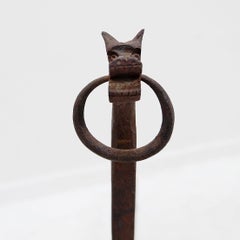
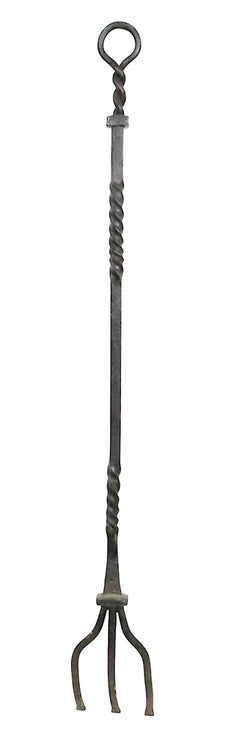
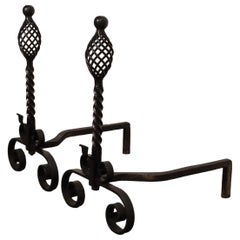
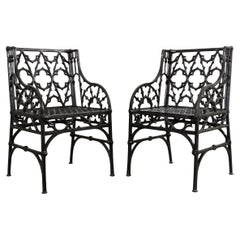
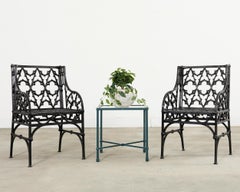
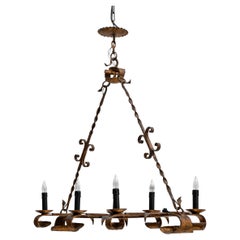
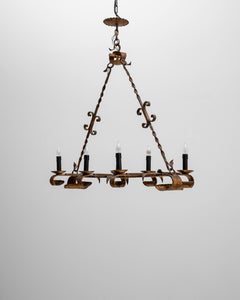
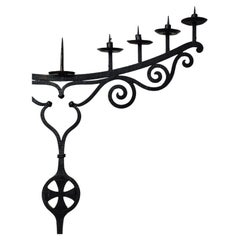
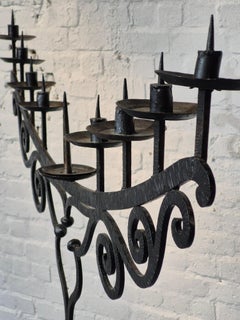
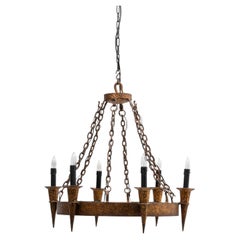
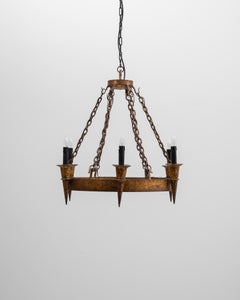
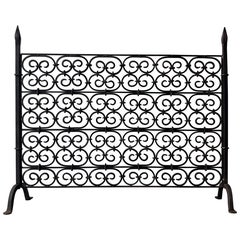
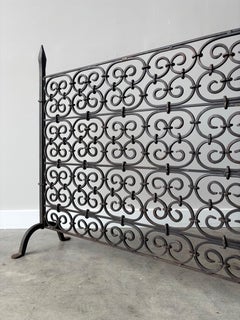
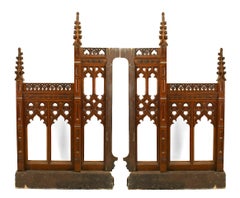
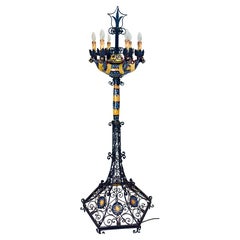
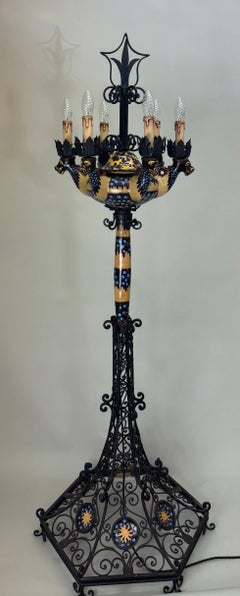
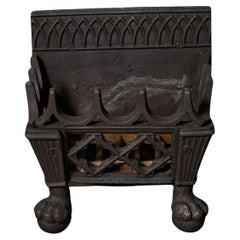
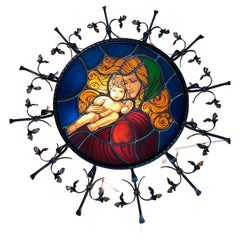
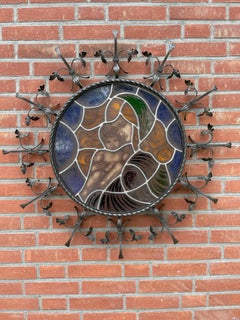
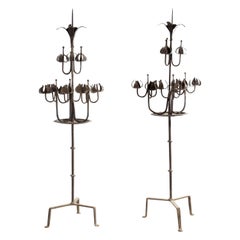
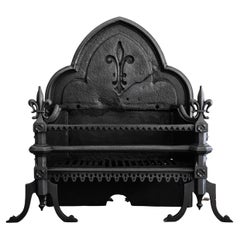
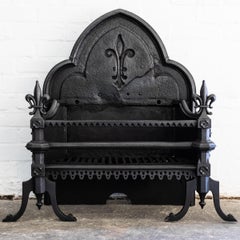
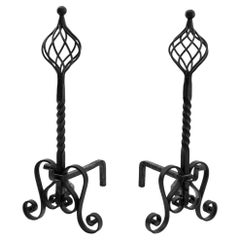
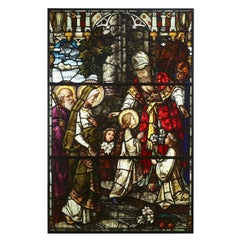
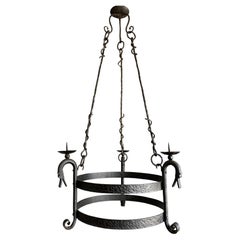
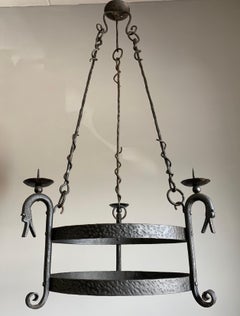
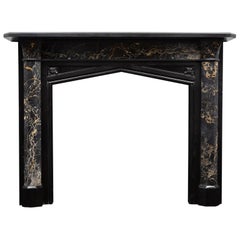
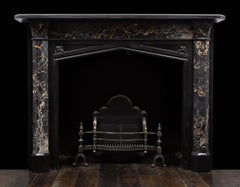
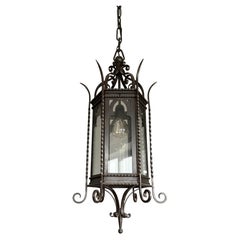
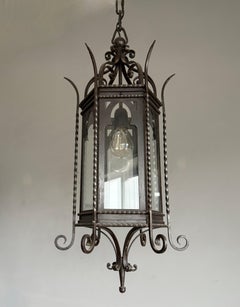
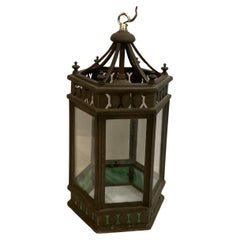
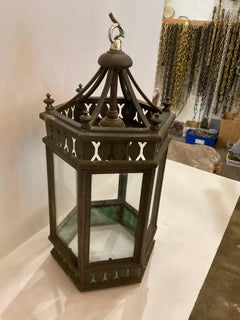
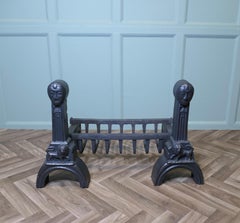
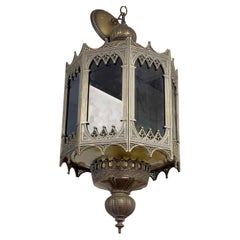
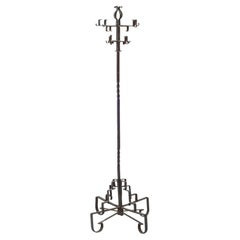
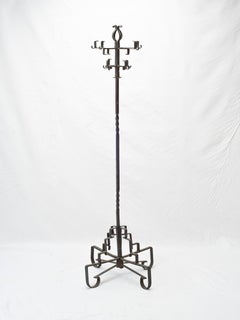
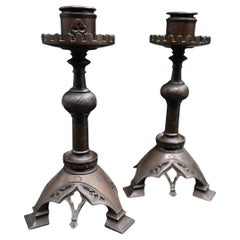
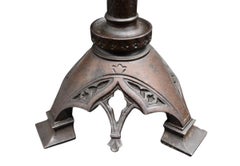
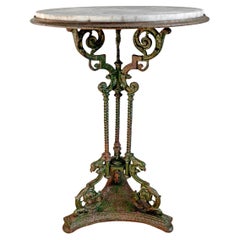
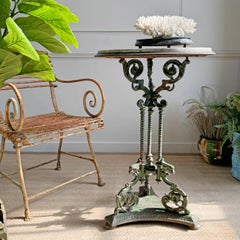
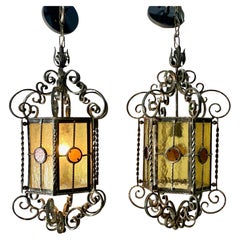
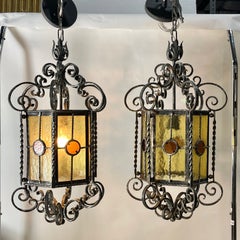
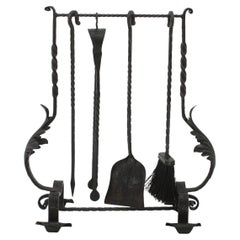
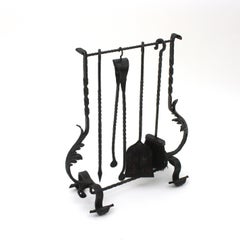
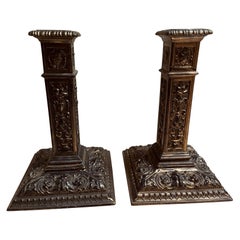
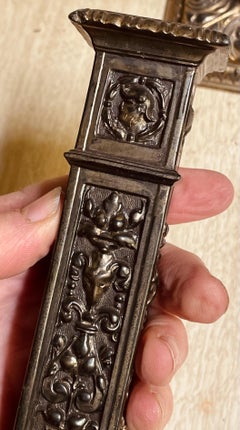
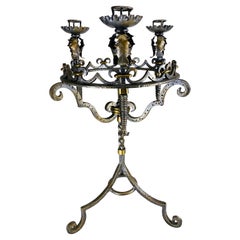
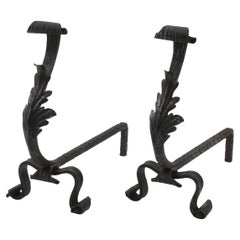
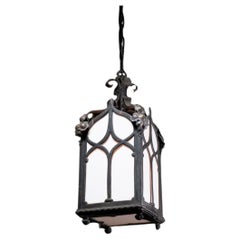
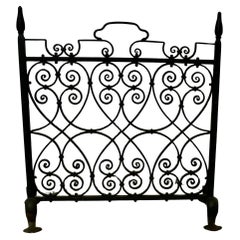
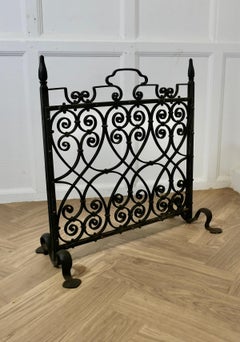
With a vast inventory of beautiful furniture at 1stDibs, we’ve got just the piece of black gothic furniture you’re looking for. Frequently made of
metal,
iron and
wrought iron, every item from our selection of black gothic furniture was constructed with great care. Find 385 options for an antique or vintage choice in our collection of black gothic furniture now, or shop our selection of 4 modern versions for a more contemporary example of this long-cherished piece. You’ve searched high and low for the perfect object in our assortment of black gothic furniture — we have versions that date back to the 18th Century alongside those produced as recently as the 21st Century are available. You’ll likely find more than one option in this array of black gothic furniture that is appealing in its simplicity, but
John Ruskin,
Britt Jewett and
Coalbrookdale Foundry produced versions that are worth a look.
Prices for a piece of black gothic furniture can differ depending upon size, time period and other attributes — at 1stDibs, they begin at $5 and can go as high as $327,751, while the average can fetch as much as $2,684.
The Gothic Revival movement (also called Victorian Gothic or Neo-Gothic) emerged in Britain in the 1740s, and reached its height in the late-19th century. Gothic Revival furniture's characteristics include such decorative flourishes as pointed arches, floral details, finials, heraldic motifs and linenfold carving.
The movement was rooted in religious and social conservatism. Gothic Revival's proponents, who included Charles Barry and A.W.N. Pugin, the architects of London’s Houses of Parliament (designed in 1840), believed that the art and architecture of the Middle Ages were authentically spiritual and inherently moral.
In the United States, the Gothic Revival movement shaped both public buildings and private houses. Numerous American schools were built in the early-19th century in a style now called Collegiate Gothic. Many builders and craftsmen were inspired by Andrew Jackson Downing’s widely read 1850 book Architecture for Country Houses, which posited that a family’s home should exemplify their values — and that the Gothic Revival style was particularly well-suited to scholars and clergymen. Furniture with detailing that mirrored that of Gothic Revival buildings appeared in the same period. Such pieces typically feature dark, intricately carved wood, and upholstery in velvet or leather.
Much like the castles or cathedrals that inspired them, Gothic Revival chairs, bookcases and beds make a bold design statement. And while you probably don’t have to cross a moat or raise a portcullis to get through your front door, a Gothic Revival piece will declare that your home is indeed your castle.