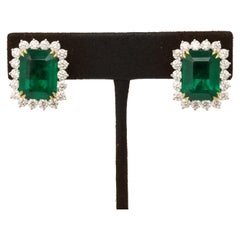
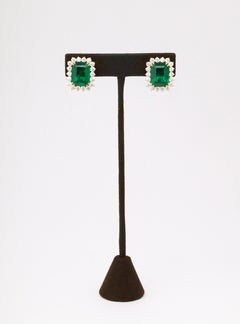
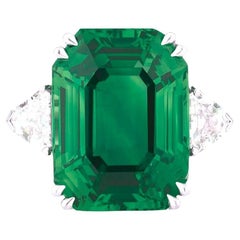
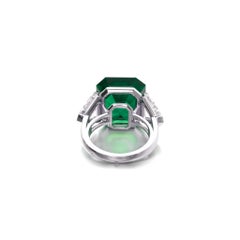
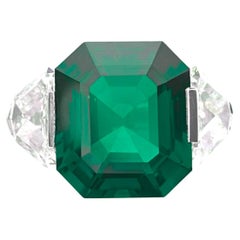
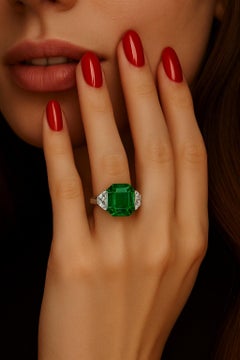
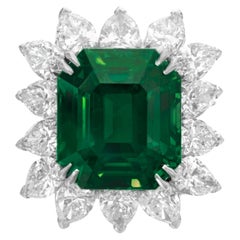
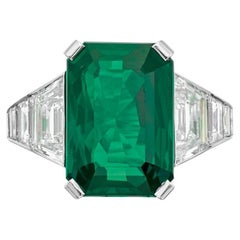
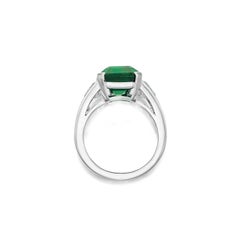
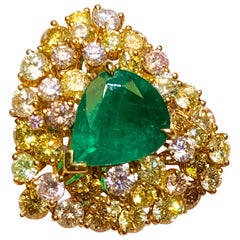
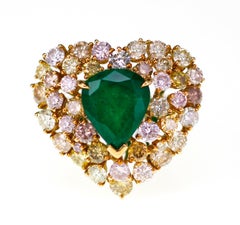
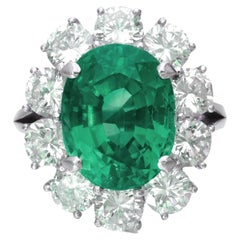
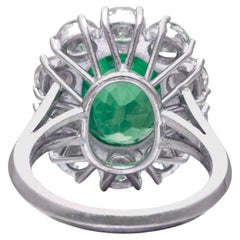
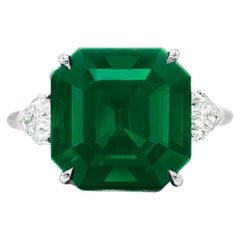
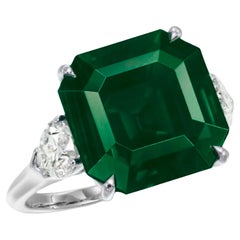
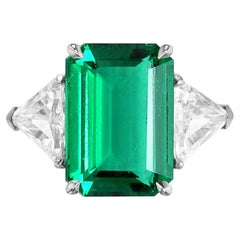
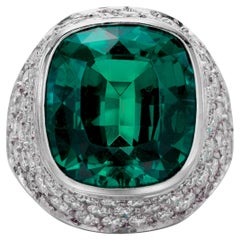
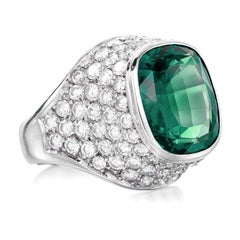
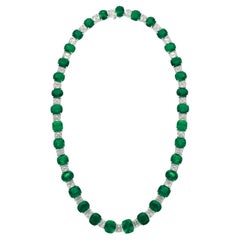
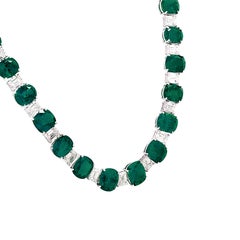
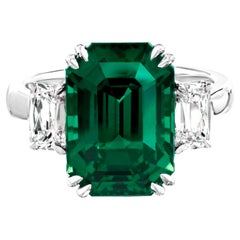
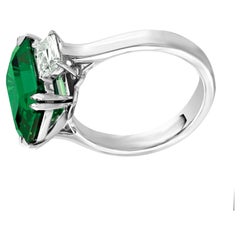
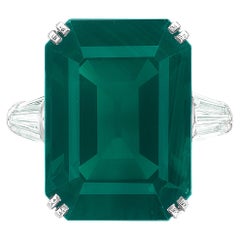
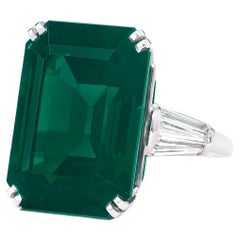
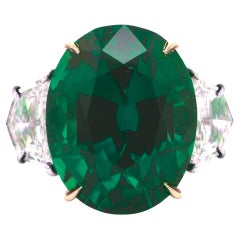
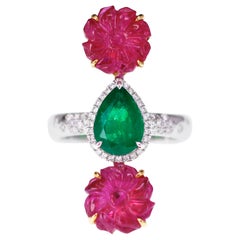
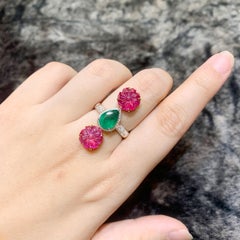
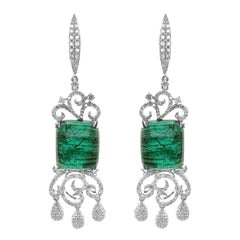
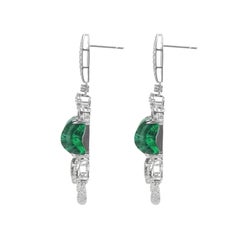
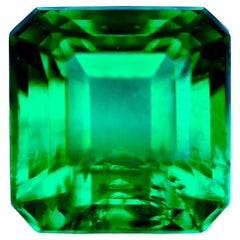
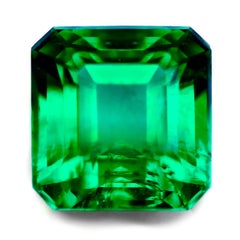
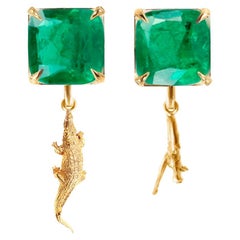
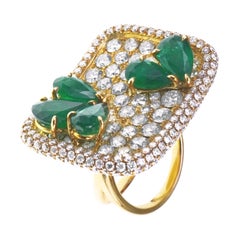
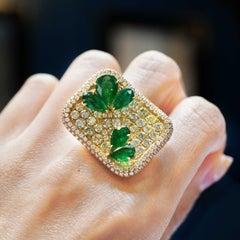
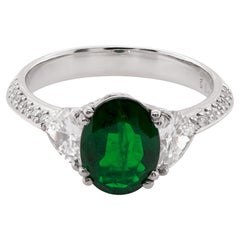
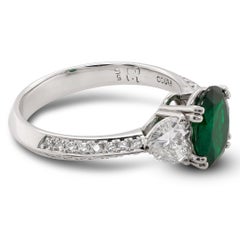
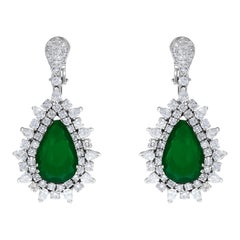
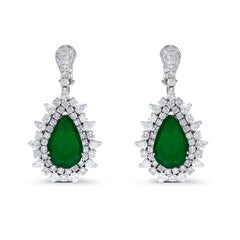
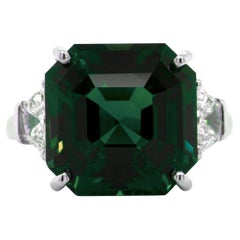
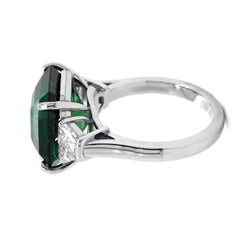
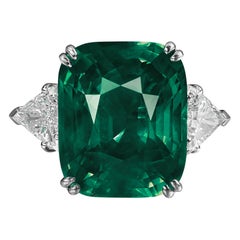
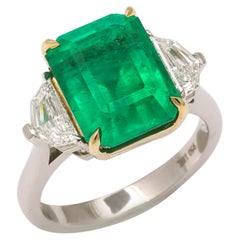
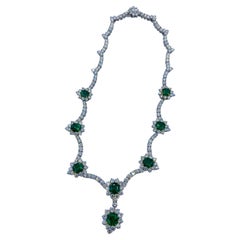
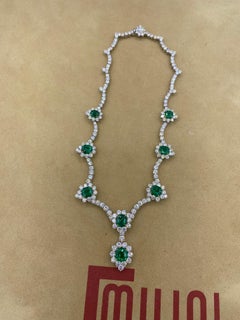
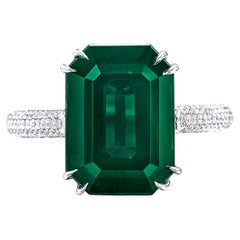
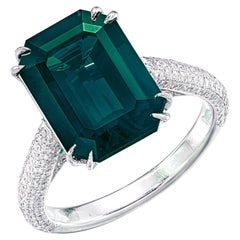
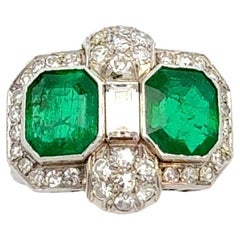
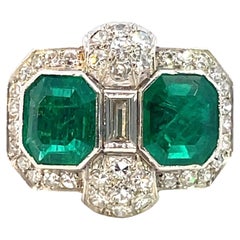
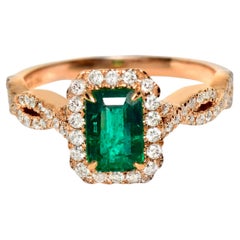
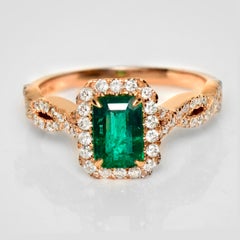
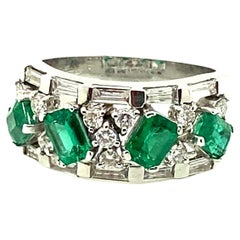
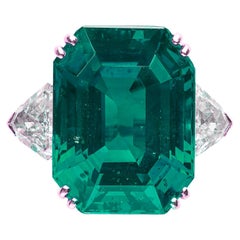
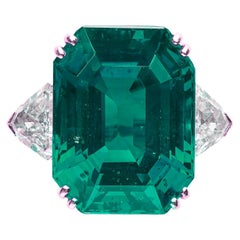
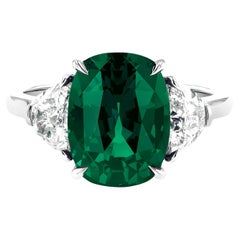
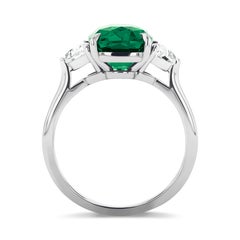
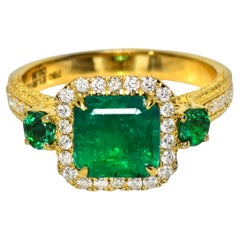
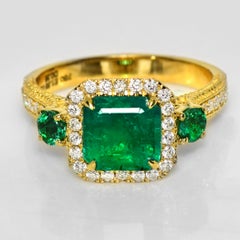
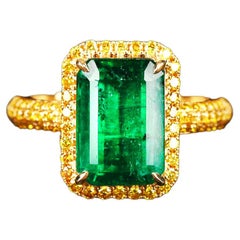
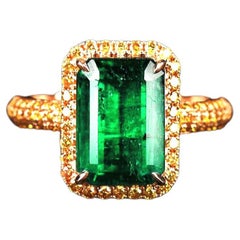
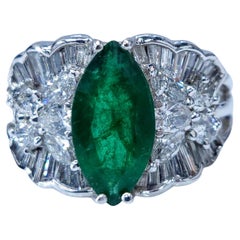
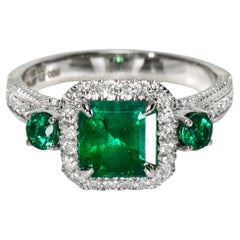
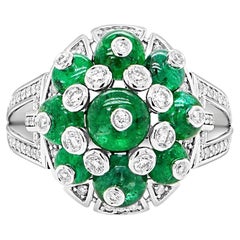
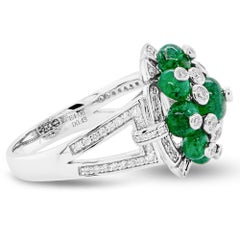
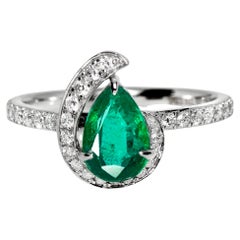
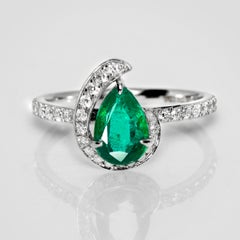
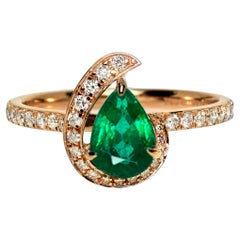
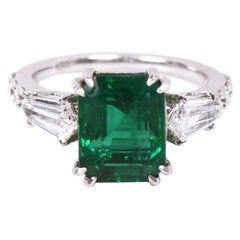
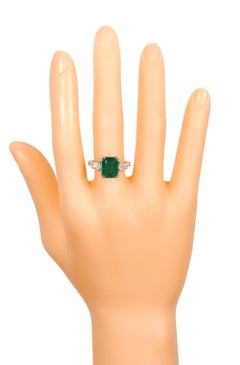
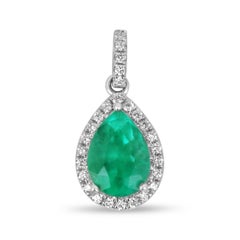
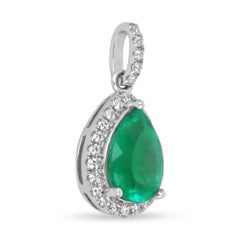
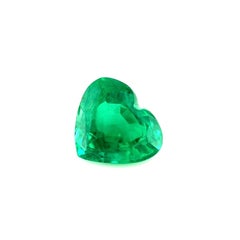
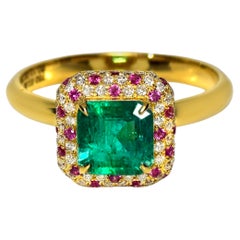
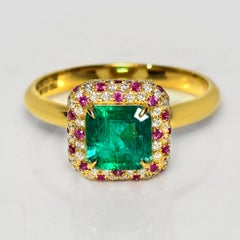
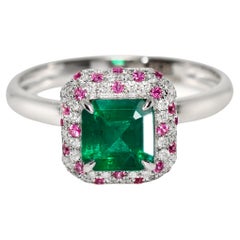
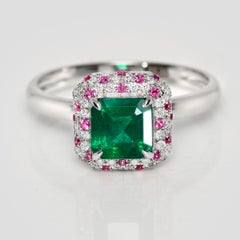
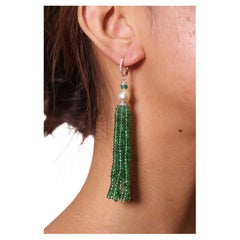
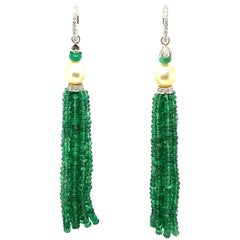
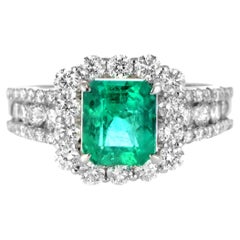
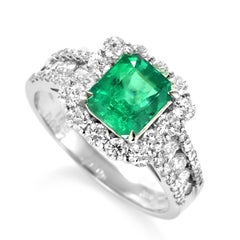
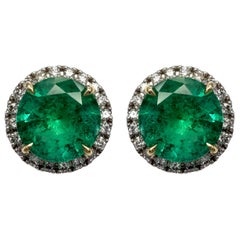
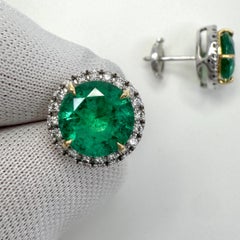
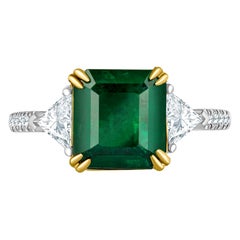
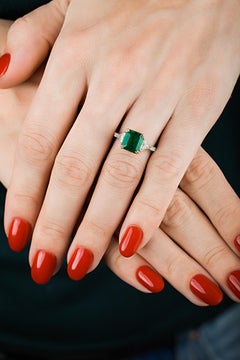
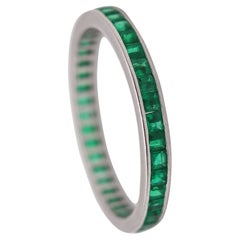
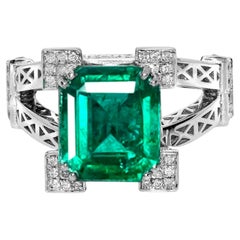
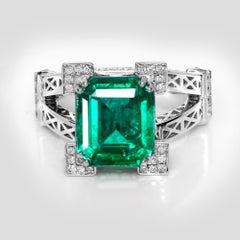
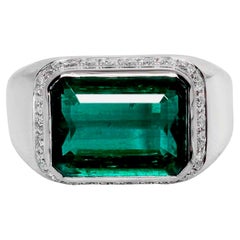
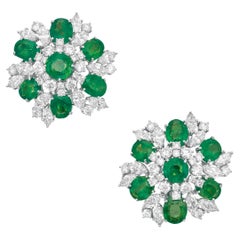
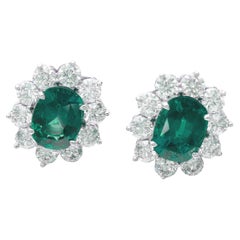
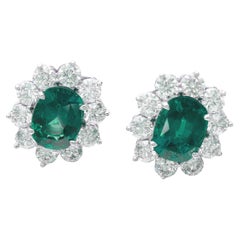
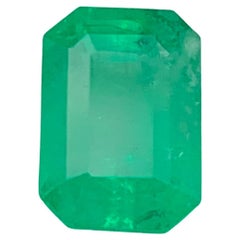
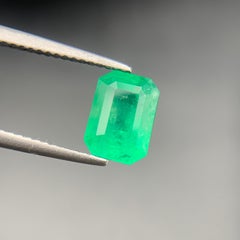
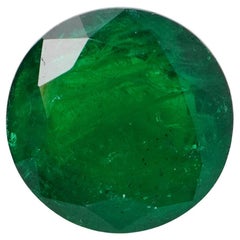
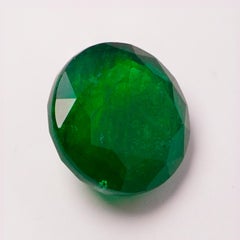
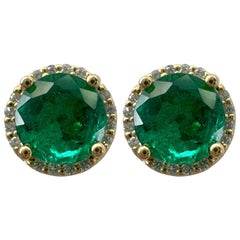
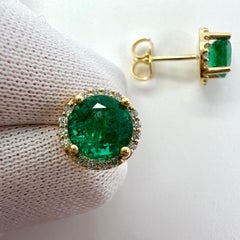
You are likely to find exactly the vivid green emerald you’re looking for on 1stDibs, as there is a broad range for sale. Every item for sale was constructed with extraordinary care, often using
Gold,
18k Gold and
Platinum. Our collection of these items for sale includes 4 vintage editions and 109 modern creations to choose from as well. Making the right choice when shopping for a vivid green emerald may mean carefully reviewing examples of this item dating from different eras — you can find an early iteration of this piece from the 18th Century and a newer version made as recently as the 21st Century, both of which have proven very popular over the years. As it relates to this specific piece, our collection includes designs that are universally popular, but
3 Carat and
3.5 Carat carat weights, specifically, are sought with frequency. Creating a vivid green emerald has been a part of the legacy of many jewelers, but those produced by
Emilio!,
Malpani Jewels and
Fine Jewels UK are consistently popular. See these pages for an
emerald cut iteration of this accessory, while there are also
oval cut cut and
pear cut cut versions available here, too. There aren’t many items for
men if you’re seeking a vivid green emerald, as most of the options available are for
women and unisex.
Prices for a vivid green emerald can differ depending upon size, time period and other attributes — at 1stDibs, these accessories begin at $311 and can go as high as $440,000, while this accessory, on average, fetches $7,500.
No one liked emeralds and emerald jewelry more than Elizabeth Taylor (or her alter ego, Cleopatra). Emeralds were first discovered in Egypt around 330 BC. The stone’s name originated from the ancient Greek word for green, “smaragdus.” According to the Gemological Institute of America, “Emeralds from what is now Colombia were part of the plunder when 16th-century Spanish explorers invaded the New World. The Incas had already been using emeralds in their jewelry and religious ceremonies for 500 years. The Spaniards, who treasured gold and silver far more than gems, traded emeralds for precious metals. Their trades opened the eyes of European and Asian royalty to emerald’s majesty.”
There are numerous myths attributed to the emerald’s spiritual powers, like placing an emerald under your tongue will allow you to see the future. But be careful not to swallow the birthstone for May, or that future won’t be so bright!
There are many important (read: large) emeralds in museum collections around the world. The Patricia Emerald, named after the miner’s daughter, is a 632-carat dihexagonal (or 12-sided) crystal that was discovered in Colombia in 1920 and now resides at the American Museum of Natural History in New York. The Smithsonian Museum of Natural History in Washington has in its possession the Hooker Emerald, a 75.47-carat Colombian stone. That emerald had been acquired in the 16th or 17th century by Spanish conquistadores and shipped to Europe. It later belonged to Abdul Hamid II, Sultan of the Ottoman Empire (1876–1909), who wore it on his belt buckle. Purchased at auction by Tiffany & Co. in 1911, the Hooker Emerald was set into a tiara and featured in the New York World’s Fair “House of Jewels” exhibit in 1940. Today, it is part of a brooch, also designed by the jewelry house.
On 1stDibs, find a range of antique and vintage emerald jewelry and watches that includes emerald rings, emerald necklaces and other accessories.