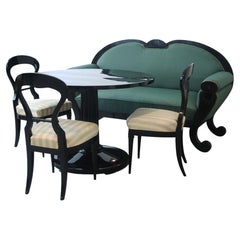
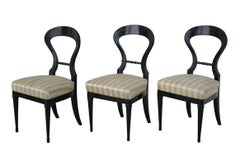
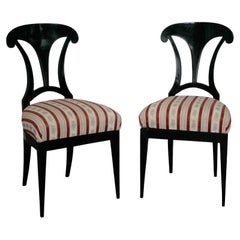
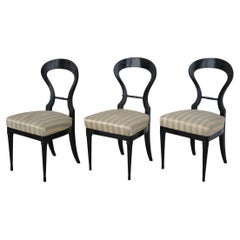
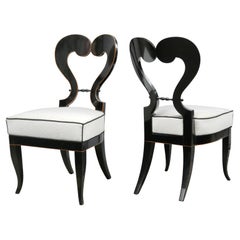
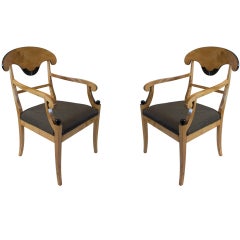
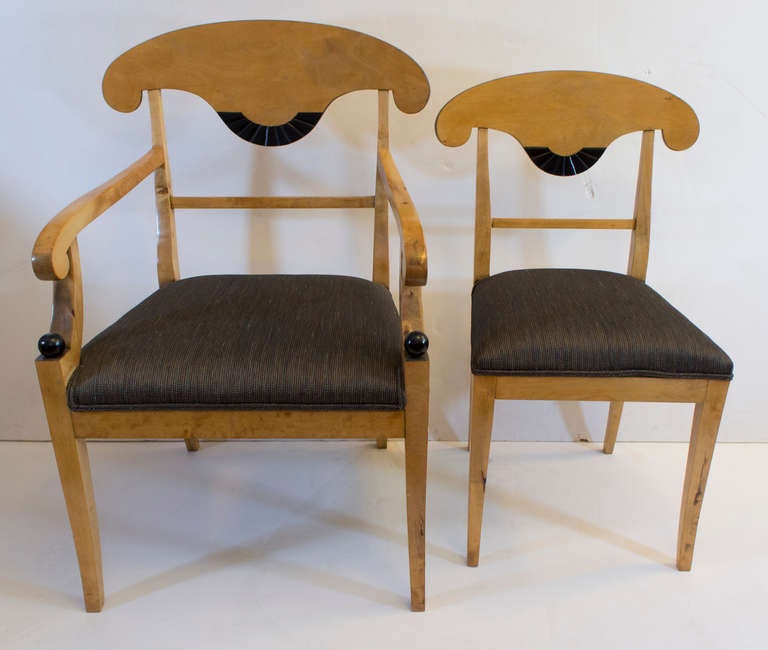
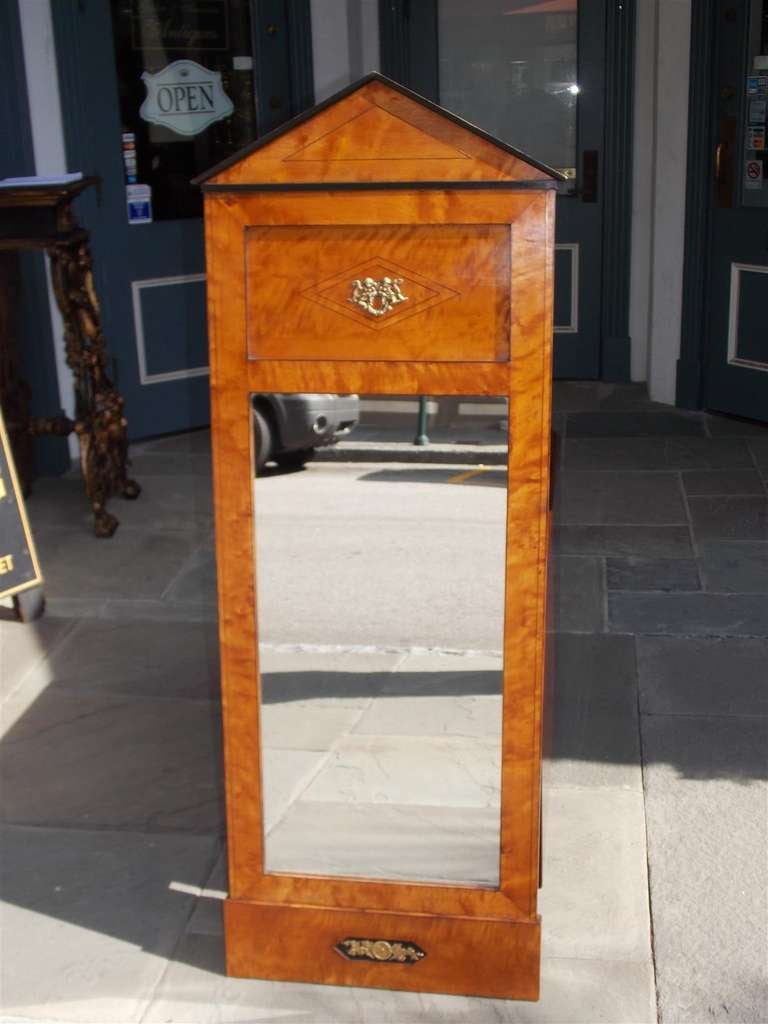
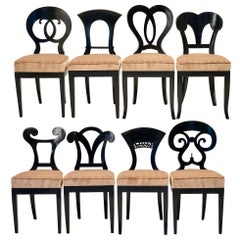
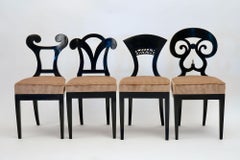
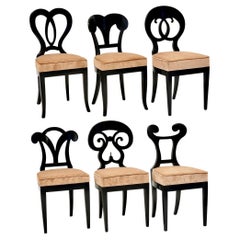
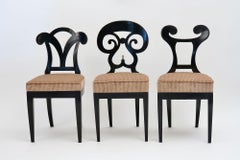
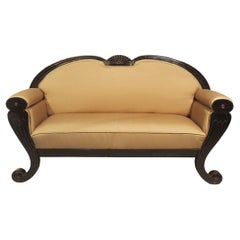
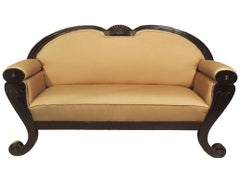
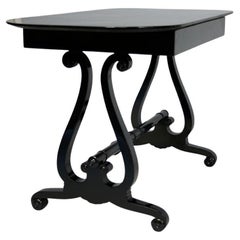
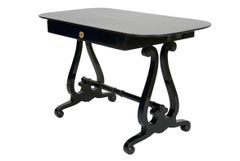
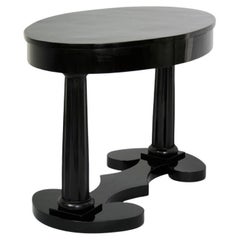
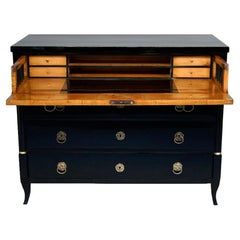
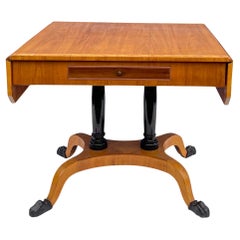
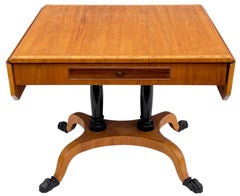
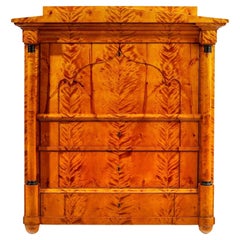
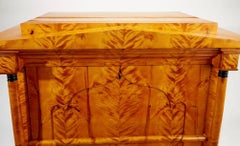
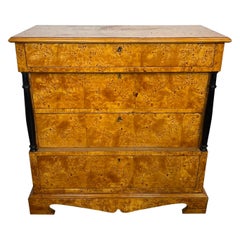
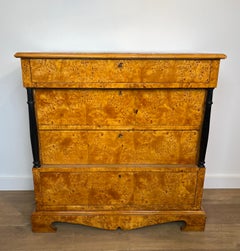
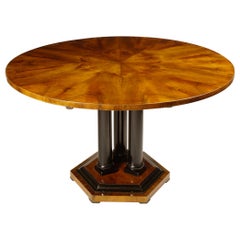
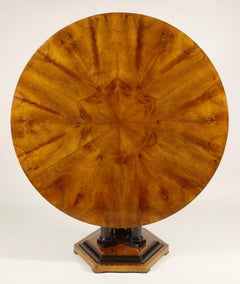
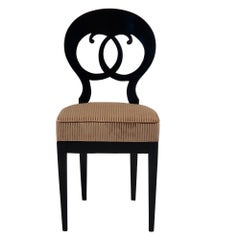
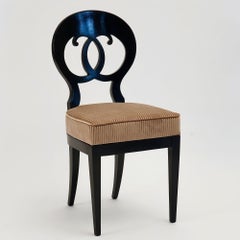
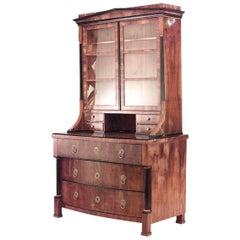
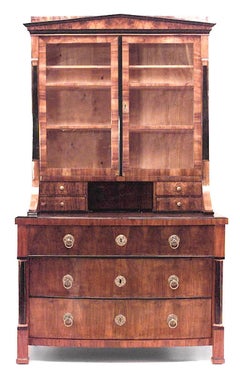
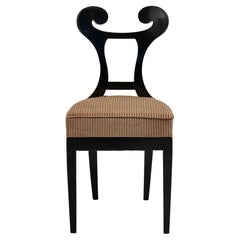
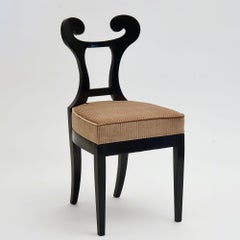
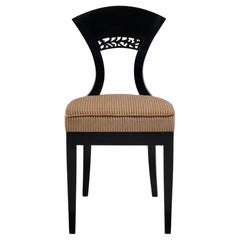
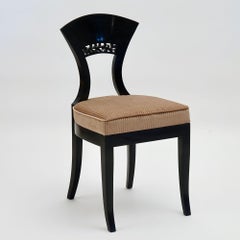
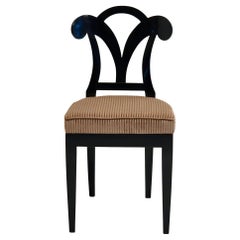
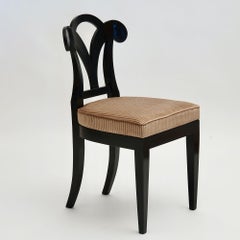
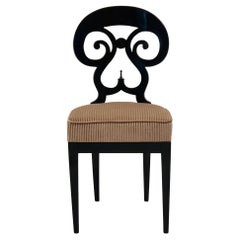
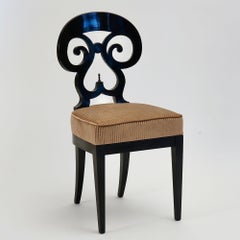
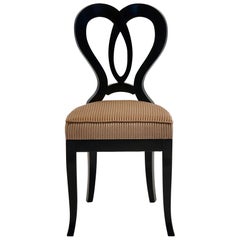
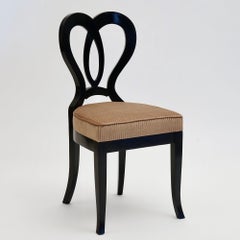
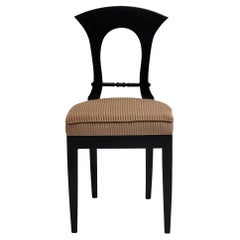
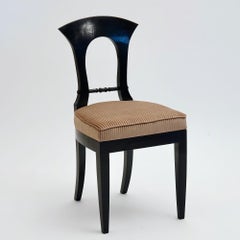
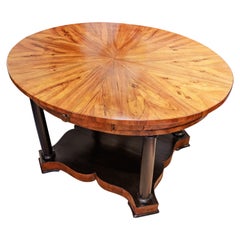
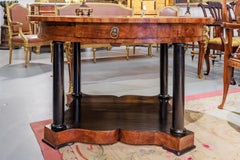
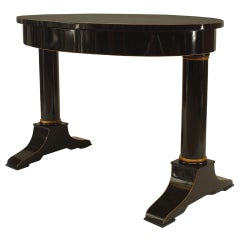
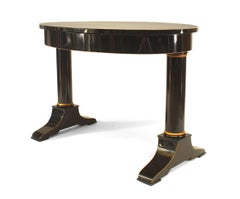
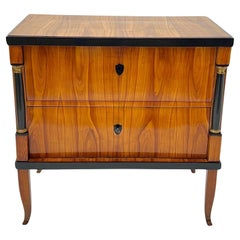
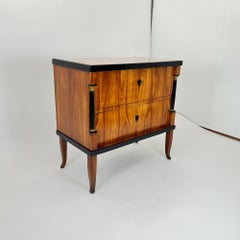
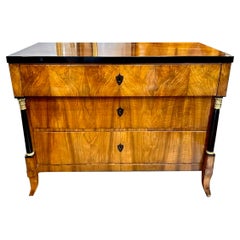
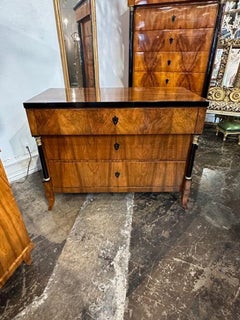
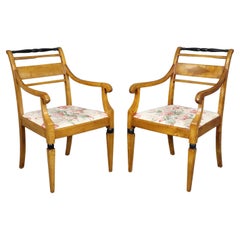
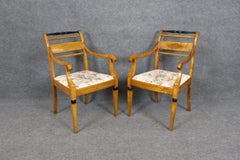
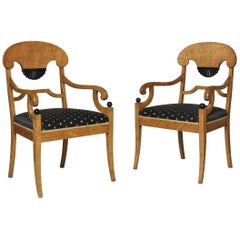
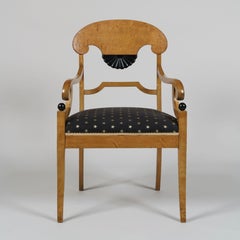
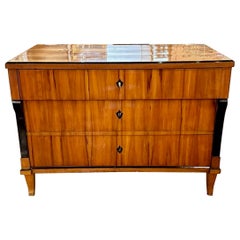
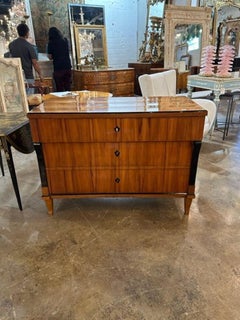
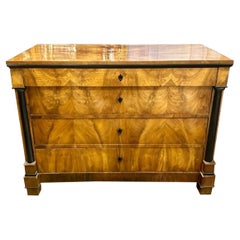
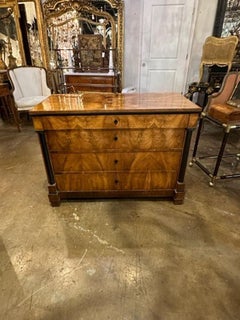
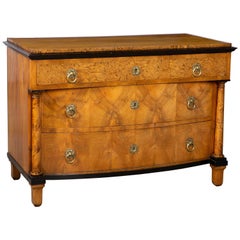
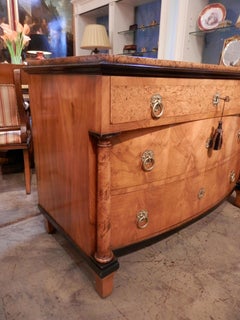
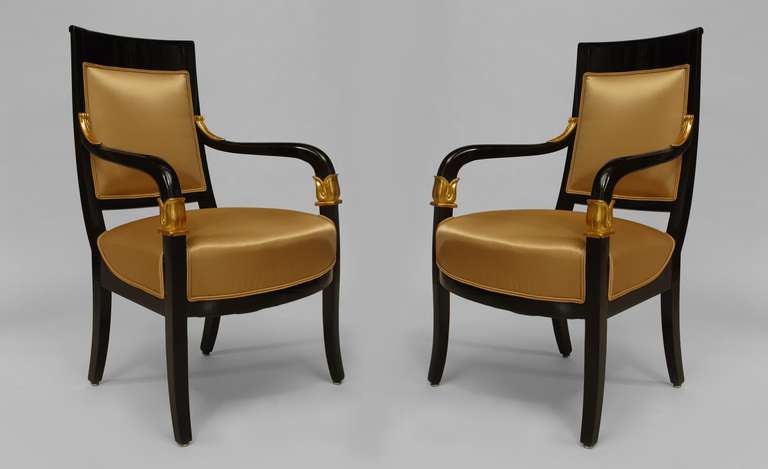
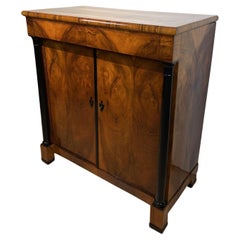
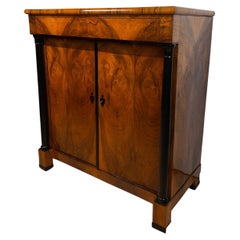
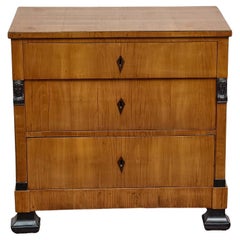
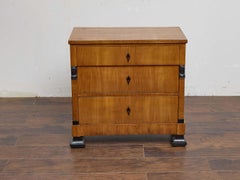
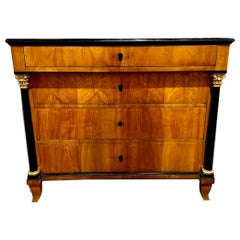
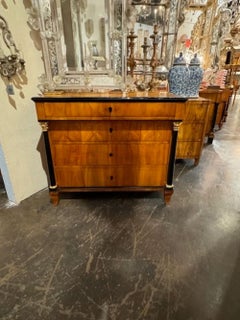
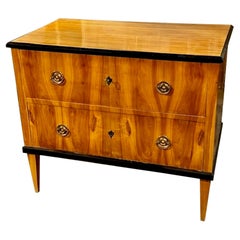
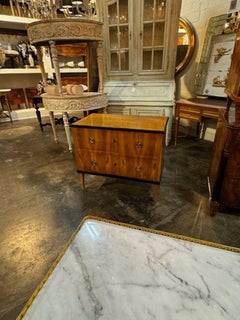
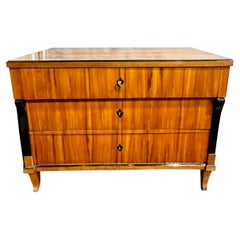
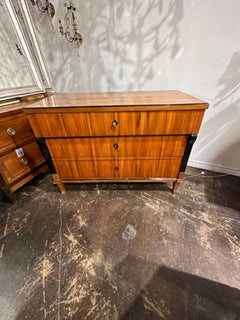
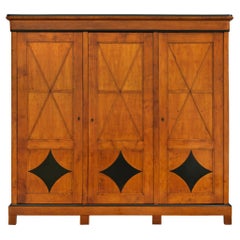
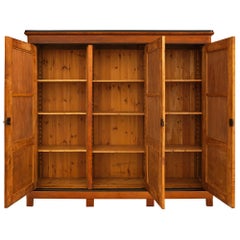
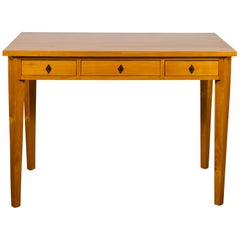
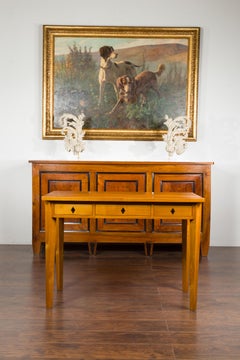
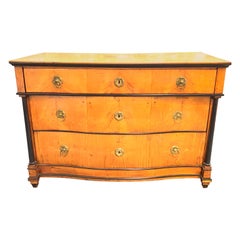
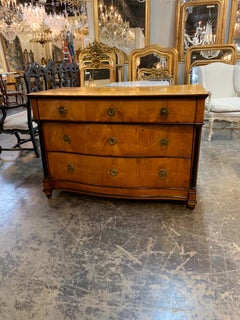
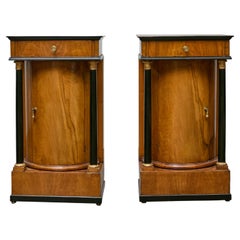
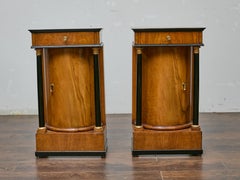
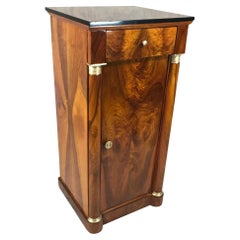
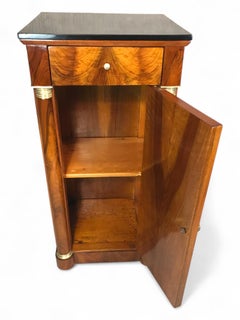
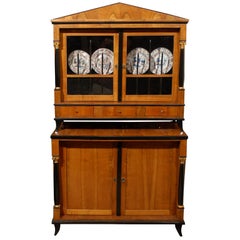
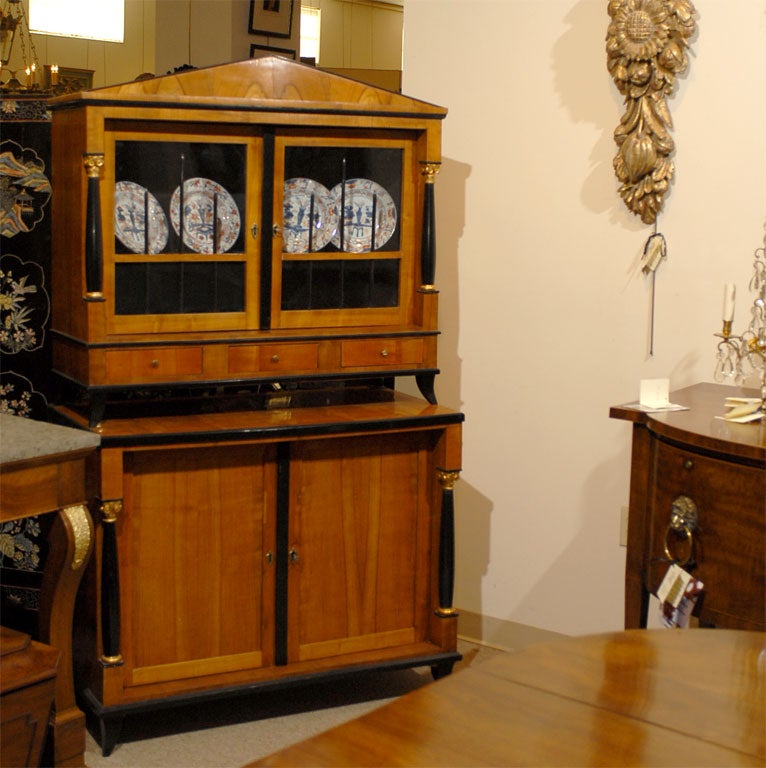
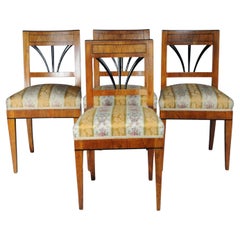
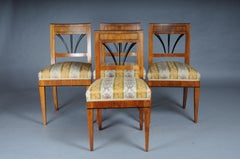
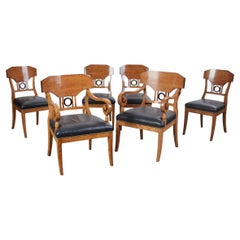
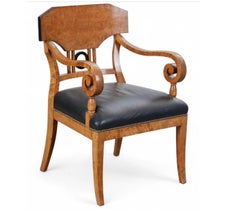
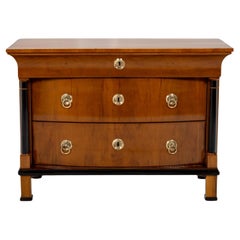
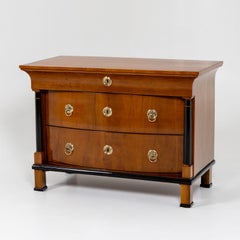
With a vast inventory of beautiful furniture at 1stDibs, we’ve got just the ebonized biedermeier you’re looking for. Frequently made of
wood,
hardwood and
metal, every ebonized biedermeier was constructed with great care. Your living room may not be complete without a ebonized biedermeier — find older editions for sale from the 18th Century and newer versions made as recently as the 20th Century. Each ebonized biedermeier bearing
Empire or
Neoclassical hallmarks is very popular. You’ll likely find more than one ebonized biedermeier that is appealing in its simplicity, but
Biedermeier,
National Mt. Airy and
Baker, Knapp & Tubbs produced versions that are worth a look.
Prices for a ebonized biedermeier can differ depending upon size, time period and other attributes — at 1stDibs, they begin at $453 and can go as high as $78,500, while the average can fetch as much as $5,190.
The authentic Biedermeier furniture on 1stDibs is representative of the first modern European decorative style not dictated by the tastes of the aristocracy. Following the Napoleonic wars, a growing, wealthy urban middle class in the German-speaking states of Central Europe began to demand rights and privileges once granted only to nobles. To avoid trouble, the upwardly striving confined their political discussions to one another’s homes. And so the salon was born.
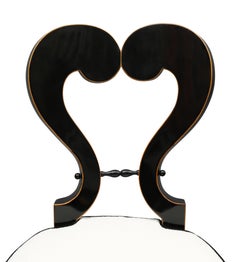
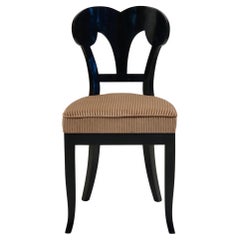
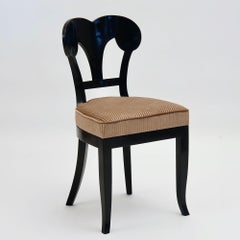
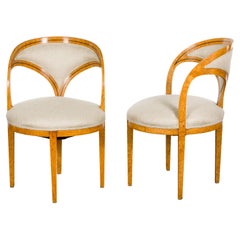
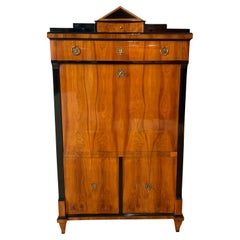
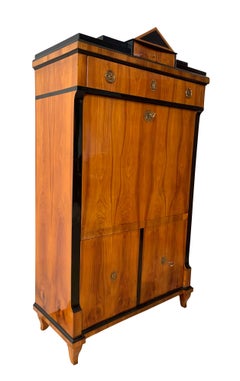
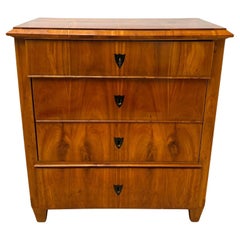
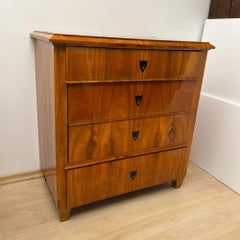
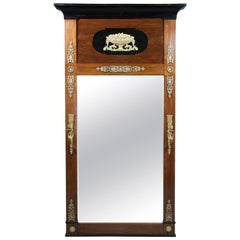
Cabinetmakers in cities such as Vienna, Berlin and Mainz began to offer goods that reflected the tastes and needs of the new class. The makers of Biedermeier chairs, tables and other furniture used little or no gilding, silver hardware or other lavish ornament. Ebonized trims are common on Biedermeier cabinetry, and neoclassical elements — lyre-shaped chair splats, carved scrollwork, table supports shaped like Greek columns. But the strongest aesthetic statement came from the wood — richly-grained, honey-colored, often book-matched veneers of walnut and fruitwood.
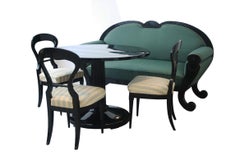
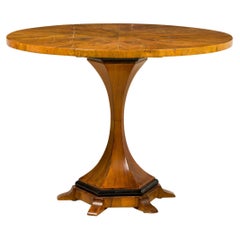
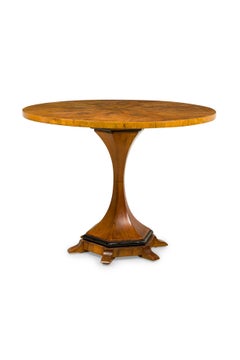
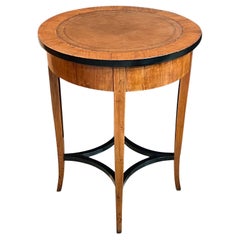
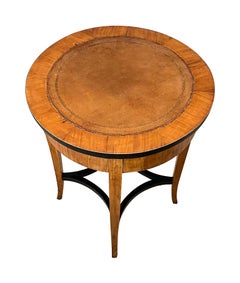
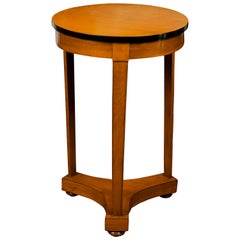
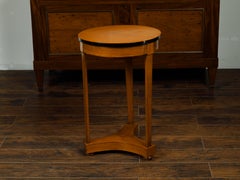
There are two iconic Biedermeier furniture forms, both made to outfit rooms designed for conversation. One is the sofa, deeply upholstered with a strong, architectural wooden frame. The second is the circular pedestal table, which stood at the center of the room, offering a surface on which to place coffee and cake services; or to roll out a map, or sketch out ideas on paper.
“Biedermeier” was originally a derogatory term — it derives from the pen names of two German magazine writers who mocked bourgeois manners. Looking at the elegant and refined antique, new and vintage Biedermeier furniture offered on 1stDibs, that is now an amusing irony.