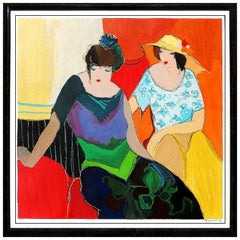
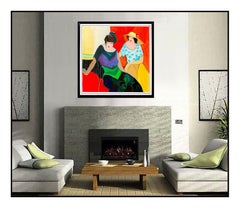
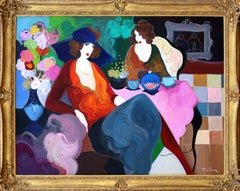
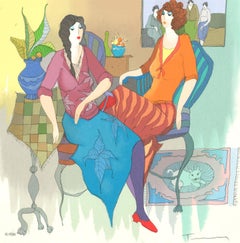
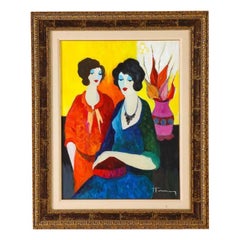
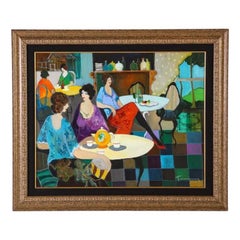
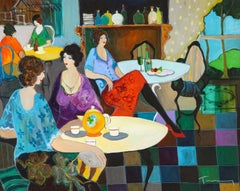
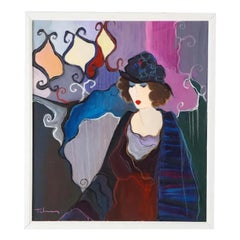
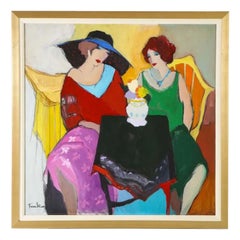
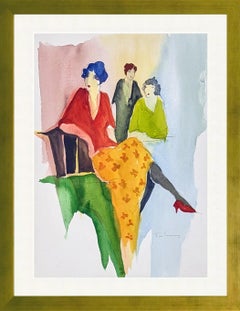
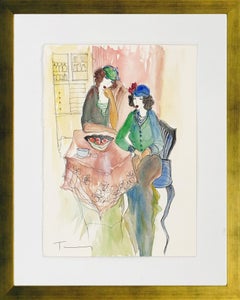
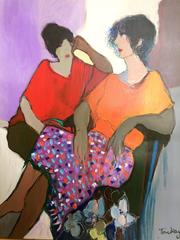
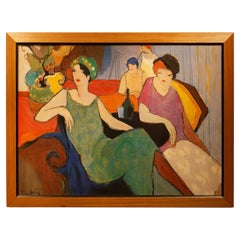
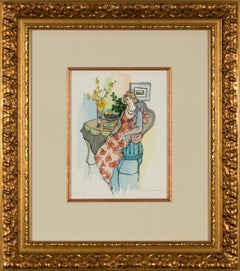
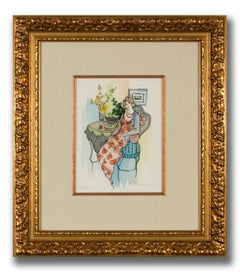
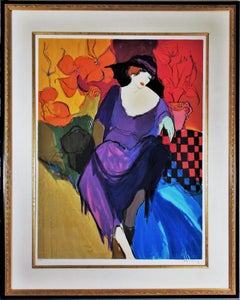
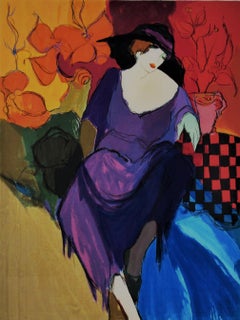
There is a broad range of tarkay women for sale on 1stDibs. There are many
Post-Impressionist,
contemporary and
Expressionist versions of these works for sale. These items have long been popular, with older editions for sale from the 19th Century and newer versions made as recently as the 21st Century. If you’re looking to add tarkay women that pop against an otherwise neutral space in your home, the works available on 1stDibs include that feature elements of
brown,
gray and more. Many versions of these artworks are appealing in their rich colors and composition, but
Itzchak Tarkay produced especially popular works that are worth a look. The range of these distinct pieces — often created in
paint,
acrylic paint and
canvas — can elevate any room of your home. Some tarkay women are too large for some spaces — a variety of smaller iterations, measuring # 15.8 inches across, are available.
Itzchak Tarkay (1935 – June 3, 2012) was an Israeli artist. Tarkay was born in 1935 in Subotica, on the Yugoslav-Hungarian border. In 1944, Tarkay and his family were sent to the Mauthausen, a Nazi concentration camp, until Allied liberation freed them a year later. In 1949, his family emigrated to Israel, living in a Kibbutz for several years. Tarkay attended the Bezalel Academy of Art and Design from 1951, and graduated from the Avni Institue of Art and Design in 1956.
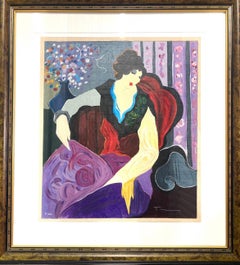
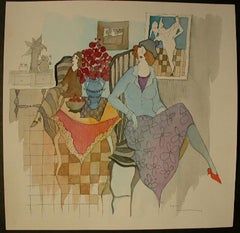
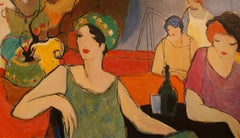
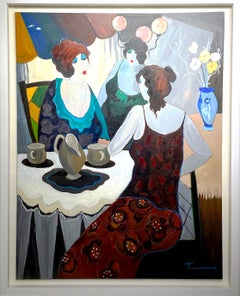
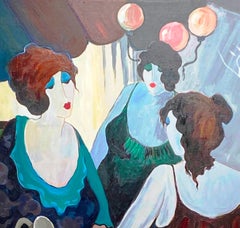
Tarkay's art is influenced by French Impressionism and Post-Impressionism, particularly Matise and Toulouse-Lautrec. His work was exhibited at the International Art Expo in New York in 1986 and 1987. He has been the subject of three books, published by Dr. Israel Perry. Perry Art Gallery And Park West Gallery, his dealer. His art is focussed on almost dream images of elegant women in classical scenes which draw you into an imaginary world.
Few realize that Tarkay's early works were done by him personally to completion, but his later works were drawn by him and then colored in by helping artists on staff. This increased production, but that additional inventory reduced value of his total body of work. Today, the most important works by Tarkay are those that were done by his hand without assistance from others. Few dealers recognize this and many of Tarkay's pieces are not sorted out to distinguish his works from the works done by helper assistants to Tarkay. The value of "original" Tarkay works should increase in value, as Tarkay collectors begin to recognize the limited number of original works he made as opposed to the greater production which came later in Tarkay's career
Tarkay's wife is Bruria Tarkay. They have two sons, Adi and Itay Tarkay. On June 3, 2012, Tarkay died. Tarkay was 77.
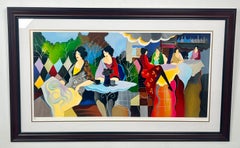
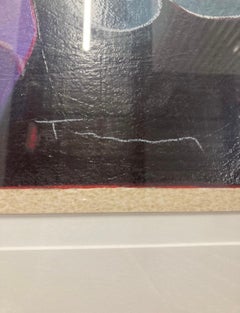
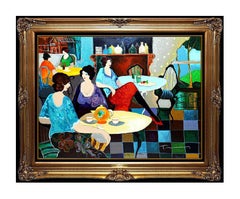
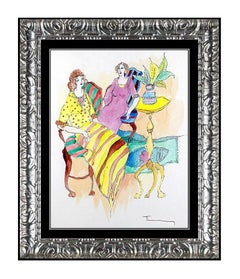
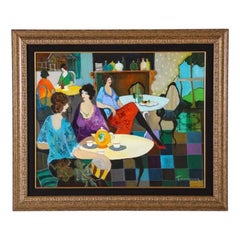
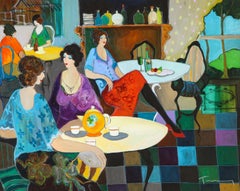
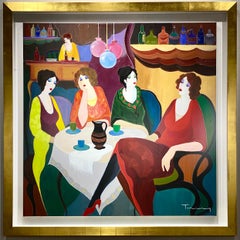
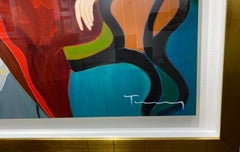
![Itzchak Tarkay [Café Friends] 2001 Signed Serigraph, Hors Commerce Proof](https://a.1stdibscdn.com/itzchak-tarkay-prints-works-on-paper-itzchak-tarkay-cafe-friends-2001-signed-serigraph-hors-commerce-proof-for-sale/a_28432/a_169959321771309658984/Tarkay_Itzchak_Untitled3_1_HeroFrame_HR_master.jpg?width=240)
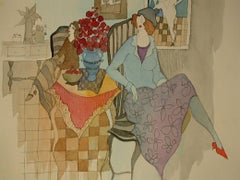
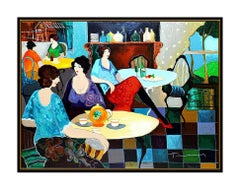
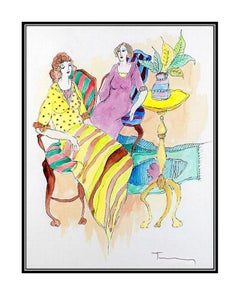
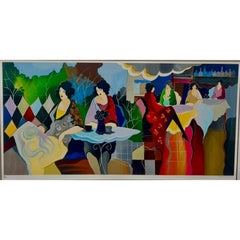
![Itzchak Tarkay [Café Friends] 2001 Signed Serigraph, Hors Commerce Proof](https://a.1stdibscdn.com/itzchak-tarkay-prints-works-on-paper-itzchak-tarkay-cafe-friends-2001-signed-serigraph-hors-commerce-proof-for-sale-picture-2/a_28432/a_169959321759019609678/Tarkay_Itzchak_Cafe_Friends_Circa2001_2_Main_master.jpg?width=240)